
A capital most itineraries rush through
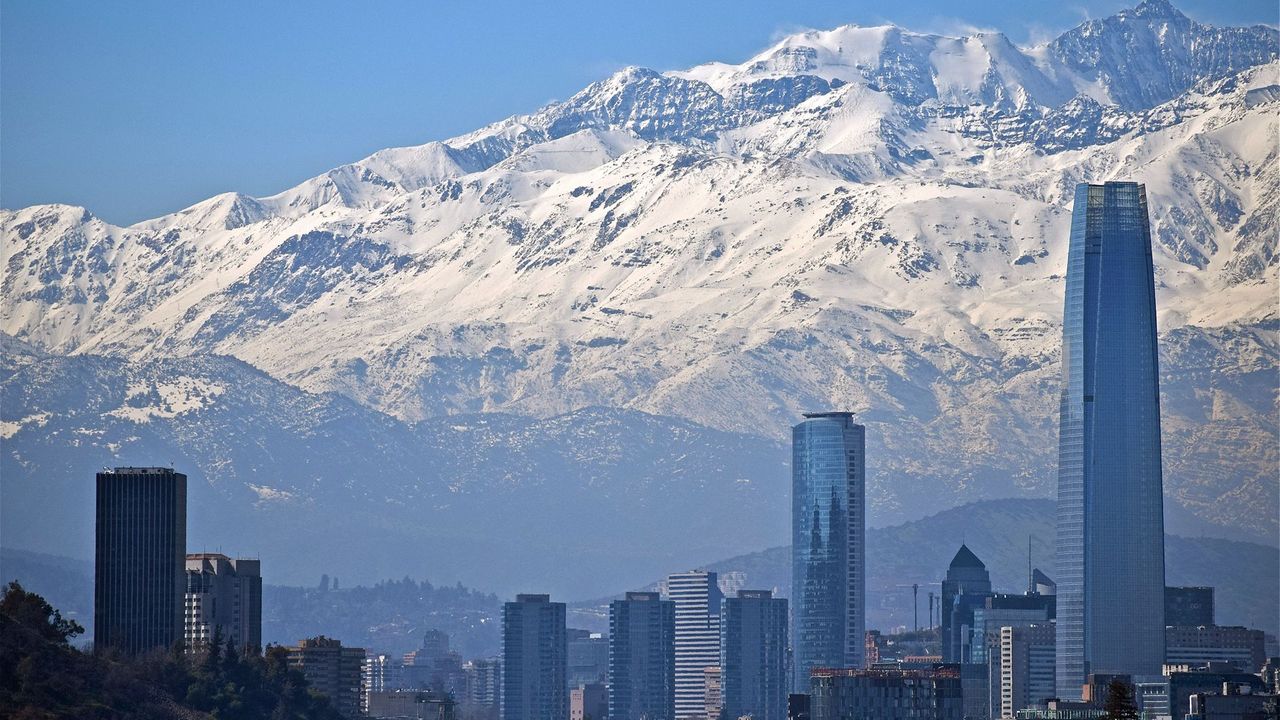
Santiago sits in a bowl at 520 meters, ringed by the Andes to the east and a coastal range to the west, a setting that produces some of the most dramatic urban mountain views of any capital in the Americas on a clear day. The catch is the "on a clear day": thermal inversion traps smog over the city in winter (June-August), which is the main reason locals recommend the shoulder seasons for a first visit.
Most trips treat Santiago as a one-night stopover before Patagonia or the Atacama Desert, which is a mistake: the historic center, La Moneda and the Plaza de Armas, Cerro San Cristobal's viewpoints and zoo, Pablo Neruda's La Chascona house, and wine valleys 45 to 90 minutes away all reward two full unhurried days on their own terms, not a rushed layover between flights.
The honest complications
Santiago's safety picture has shifted in recent years: the US State Department's Level 2 rating for Chile cites rising street crime nationally, and pickpocketing specifically concentrates in the busiest tourist zones like Plaza de Armas and crowded metro cars at rush hour. Demonstrations, a legacy of the 2019 estallido social protests, still occur periodically with little notice and can disrupt transit downtown. The city is also more spread out than its compact historic core suggests: Las Condes and Vitacura, the upscale eastern districts, are a genuine taxi or metro ride from the center, not a walk. None of this makes Santiago a difficult city to visit, but a first-timer expecting a small, uniformly walkable capital will need to adjust.
Five neighborhoods, five different Santiagos
Santiago's tourist-relevant neighborhoods sit within a few kilometers of each other along or near metro Line 1, but each has a distinct character. Where you base yourself shapes how much of the city you see on foot versus by metro or rideshare.
Lastarria
A compact bohemian-chic district of bookshops, art-house cinemas, wine bars and boutique hotels, wedged between the historic center and Bellavista at the foot of Cerro Santa Lucia. Its central location puts the Plaza de Armas, the Museum of Fine Arts and Bellavista all within a 15 to 20 minute walk, making it the default recommendation for a first Santiago visit.
Providencia
A modern, affluent, tree-lined district generally considered Santiago's safest for visitors, with a strong concentration of restaurants, mid-range hotels and the useful Line 1 metro stretch between Tobalaba and Manuel Montt. Less atmospheric than Lastarria but a very reasonable base for travelers prioritizing safety and convenience over character.
Bellavista
Santiago's most colorful neighborhood, covered in murals and street art, home to La Chascona and a dense cluster of bars and restaurants that comes alive after dark at the foot of Cerro San Cristobal. It has a reputation for feeling less secure late at night and its metro access is a longer walk than Lastarria's, so most guides suggest visiting for the day and evening rather than sleeping here.
Barrio Italia
A 19th-century district turned design and antiques hub, with Calle Caupolican's furniture workshops and the Paseo Estacion Italia's craft shops, cafes and boutiques. Worth a daytime detour for shopping and lunch rather than a base, since it sits further from the main sights than Lastarria or Providencia.
Las Condes & Vitacura
Santiago's wealthiest eastern districts, home to Parque Arauco mall's international luxury brands, the galleries and gourmet shops of Vitacura, and some of the city's best fine-dining addresses. Convenient if a flight, ski trip or business meeting puts you out this way, but too far from the historic sights for a first-time base without relying heavily on rideshares.
From a converted 1920s townhouse to a hostel bar in Bellavista
Santiago's hotel scene spans a genuine luxury tier with real design credentials and a lively, social hostel culture concentrated in Lastarria and Bellavista. These picks cover the range.
At the top, Mandarin Oriental, Santiago in Las Condes has the largest pool, garden and standard rooms of any hotel in the capital, with a widely praised breakfast and gym, from around $280 a night. In Lastarria itself, The Singular Santiago occupies the heart of the neighborhood's bohemian streets with a buzzy rooftop bar and calmer rooms below, from around $200, while Hotel Magnolia, a restored 1920s stone-facade townhouse nearby, brings a boutique, old-meets-new feel from around $140.
In Providencia, a range of international-chain and locally run mid-range hotels cluster around the Tobalaba and Manuel Montt metro stops, generally $80-150 a night and a safe, convenient choice for travelers who want reliability over character.
At the budget end, La Chimba Hostel in Bellavista, a Santiago institution since 2005 set inside a 100-year-old house, is built around meeting other travelers with a lively bar and daily drink deals, dorms from around $15. The Bellavista Hostel, colorful and secure, sits close to the neighborhood's best bars and restaurants, and Merced 88, a minimalist, modern hostel a short walk from Plaza de Armas, puts you within easy reach of both the historic center and Lastarria.
From a world's-50-best table to a completo at a market counter
Santiago's food scene runs from globally recognized fine dining built on native Chilean ingredients to the completo hot dog stands that are how the city actually eats lunch on the run. Both ends are worth planning around.
Borago
Borago, chef Rodolfo Guzman's tasting-menu restaurant, has held a spot in the World's 50 Best Restaurants list and consistently ranks in Latin America's top 10, built entirely around wild-foraged Patagonian herbs, native Atacama fruits and Chilean Pacific seafood. Reservations open months in advance and go fast.
Peumayen Ancestral Food
Peumayen, whose name means roughly "dream place" in Mapudungun, reimagines Chile's indigenous culinary heritage with ingredients that predate the Spanish arrival: araucaria nuts, wild Patagonian mushrooms, alpaca and heirloom corn varieties. Book ahead; turning up without a reservation isn't a viable plan.
Mercado Central: Donde Augusto
Inside the market's ornate wrought-iron hall, Donde Augusto (San Pablo 967, tel. 02 2577 9400) is the market's best-known seafood address, serving locos (sea snails), sea urchin, king crab and its signature conger eel under the historic roof since long before it became a fixture of every visitor's itinerary. It's priced for tourists rather than locals, but the seafood and the setting both hold up.
Completo
A hot dog piled with mashed avocado, tomato and mayonnaise, called an "Italiano" for its flag-colored toppings, is a genuine Santiago obsession sold from stands across the city, especially around the historic center and Providencia's busier corners.
The Andes viewpoint, the presidential palace, and a poet's house
Santiago's sights lean toward layered history and a genuinely spectacular natural setting rather than one single must-see icon. Two or three unhurried days cover the essentials with room for a wine valley half-day.
Cerro San Cristobal
A funicular climbs the hill that dominates Santiago's skyline to a summit with views over the entire city and, on a clear day, the full Andes range behind it. The hill's park also holds a zoo with jaguars and Humboldt penguins, two swimming pools open in summer, and mountain-biking trails, enough to fill a half-day beyond the viewpoint itself.
La Moneda Palace
The neoclassical presidential palace, a giant Chilean flag billowing in front, houses cultural spaces, an independent bookstore and art galleries in its public areas, with the inner courtyards open for visitors to walk through. The changing of the guard, a formal ceremony reflecting Chile's military traditions, is worth timing a visit around.
La Chascona
Pablo Neruda began building this Bellavista house in 1953 for Matilde Urrutia, naming it after her nickname for her wild red hair. Looted and flooded during the 1973 coup, it was restored by Urrutia and now operates as a museum under the Pablo Neruda Foundation, open Wednesday through Sunday, 10am-6pm (March-December), admission around 8,000 CLP (about $10).
Mercado Central & Plaza de Armas
The 19th-century wrought-iron Mercado Central is worth visiting for its architecture and fish auction as much as for lunch; arrive by 9am on a weekend to watch the market before the sit-down restaurants fill up. Plaza de Armas, the historic heart of the city surrounded by the Metropolitan Cathedral and colonial-era buildings, is a genuine landmark and also the spot to be most alert to pickpocketing in dense crowds.
Wine valley day trips
Casablanca Valley (about 50 miles northwest) and the Maipo Valley's Concha y Toro estate in Pirque (about 15 miles southeast) both run as half or full-day trips from Santiago, no overnight required. Casablanca's coastal-cool climate favors Sauvignon Blanc and Chardonnay; Maipo is red-wine country and the historical home of Chilean Cabernet.
One, two or three days before you fly onward
Two full days covers Santiago's essentials properly; a third adds a wine valley or a Valparaiso day trip.
- Morning
Historic center. Plaza de Armas, the Metropolitan Cathedral, and La Moneda Palace, timed for the changing of the guard.
- Midday
Mercado Central. Lunch at Donde Augusto or another seafood counter inside the market.
- Afternoon
Cerro San Cristobal. The funicular up for the city and Andes viewpoint.
- Evening
Bellavista or Lastarria. Dinner and a wine bar in whichever neighborhood suits the pace you want.
- Day 1
The one-day route: historic center, Mercado Central, Cerro San Cristobal, Bellavista or Lastarria at night.
- Day 2 morning
La Chascona. Neruda's Bellavista house museum, then a wander through Barrio Italia's design shops.
- Day 2 afternoon
Wine valley half-day. Concha y Toro in Pirque, or Casablanca Valley if whites are the priority.
- Day 2 evening
Dinner in Providencia or Las Condes, or splurge on Borago or Peumayen if you booked ahead.
- Days 1-2
The two-day route above, at a slightly gentler pace.
- Day 3, option A
Valparaiso and Vina del Mar for the full coastal day trip: hillside funiculars, street art and the beach resort next door.
- Day 3, option B
Cajon del Maipo for the Andes canyon, the El Yeso reservoir and the Termas Colinas hot springs, a full-day tour from the city.
A metro that runs on time, and rideshares for the rest
Arturo Merino Benitez International Airport (SCL) sits about 20km from downtown. The Centropuerto bus runs about 2,400 CLP one-way to Los Heroes or Pajaritos metro stations, where a separate metro fare connects onward, a roughly 45-60 minute total trip and the budget option. Uber, Cabify and DiDi run door to door in 25-40 minutes depending on traffic and cost more but skip the transfer.
Within the city, the Santiago Metro is clean, frequent and covers the historic center, Providencia and Las Condes directly, with fares of 640-800 CLP (roughly $0.70-0.85) depending on peak or off-peak timing. Line 1 is the single most useful line for visitors, running through Providencia between Tobalaba and Manuel Montt. Uber, Cabify and DiDi are all widely used, inexpensive by Western standards, and the sensible choice at night or for trips outside the metro's reach.
Best time to visit and the winter smog
Santiago has a Mediterranean-adjacent climate with hot, dry summers (December-February) and cool, wetter winters (June-August). March-May and September-November are the sweet spots: mild temperatures, clearer air and fewer crowds than summer. Winter's thermal inversion can trap smog over the city for days at a time, which is worth knowing if Andes views are part of the draw.
Ski season (roughly June-September/October) turns a Santiago stopover into a two-destination trip: Valle Nevado is about 90 minutes into the Andes, Portillo about two hours, both feasible as a day trip or an overnight add-on.
Santiago is Chile's most affordable major stop
Relative to the Atacama Desert or Patagonia, Santiago is the budget-friendly leg of a Chile trip. The main cost trap is eating every meal at tourist-facing restaurants in Lastarria or the Mercado Central's main hall instead of the market stalls and neighborhood spots a few streets over.
- Hostel dorm $12-20
- Completos and market lunches $3-8
- Metro across the city
- Free viewpoints, self-guided walks
- 3-4 star hotel in Lastarria or Providencia $100-150
- Restaurant meals $15-30
- Metro plus regular rideshares
- Cerro San Cristobal, La Chascona, one wine tour
- Mandarin Oriental-level stays
- Borago or Peumayen tasting menus
- Private guides and transfers
- Private wine valley or Valparaiso tours
Watch your bag in crowds, skip the protests
Santiago reflects Chile's national Level 2, exercise increased caution rating: tourist areas in Providencia, Lastarria and Las Condes are visited safely by most travelers, mostly by day, while pickpocketing and bag-snatching concentrate specifically in crowded spots like Plaza de Armas, the Mercado Central and packed rush-hour metro cars. Demonstrations occur periodically downtown with little notice and are best avoided entirely rather than watched from nearby.
The three things that actually catch visitors: pickpocketing in dense crowds, so keep bags zipped and in front of you at Plaza de Armas and the markets; distraction scams involving a stranger's "help" after something is spilled or dropped near you, best handled by walking straight into a shop rather than stopping; and unofficial taxis at the airport and around tourist zones quoting inflated fares, avoided by using Uber, Cabify or DiDi instead.
Emergency numbers are the national 133 for Carabineros (police) and 131 for ambulance, both free from any phone. The US Embassy Santiago is at Avenida Andres Bello 2800, Las Condes, tel. +(56)(2) 2330-3000.
A coastal port, an Andes canyon, and two wine valleys
Santiago's central location makes it an easy base for some of Chile's best short trips, all doable without an overnight.
Valparaiso & Vina del Mar
A UNESCO World Heritage port city of steep funiculars, colorful hillside houses and dense street art, paired with the more polished beach resort of Vina del Mar right next door. About 120 kilometers from Santiago, comfortably doable as a full-day round trip by bus, car or organized tour.
Cajon del Maipo
An Andes canyon east of the city with snow-capped peaks, the turquoise El Yeso reservoir, and the Termas Colinas hot springs, mineral pools heated by a nearby volcano ranging from a mild 25degC to a hot 55degC (entry from around 10,000 CLP, cash only). The village of San Jose de Maipo has a small historic center worth a short stop en route.
Casablanca & Maipo Wine Valleys
Casablanca's coastal-cool climate produces Chile's best Sauvignon Blanc and Chardonnay about 50 miles northwest of the city; Concha y Toro's Pirque estate in the Maipo Valley, about 15 miles southeast, is Latin America's largest wine producer and runs daily vineyard tours. Both work as a half-day add-on to another day's plans.
Valle Nevado & Portillo
Valle Nevado, 90 minutes into the Andes, is South America's largest ski resort with 44 trails across 890 hectares; Portillo, two hours out and recognizable by its bright yellow hotel, has hosted World Cup ski teams since the 1960s. Either works as a long day trip or an overnight during the June-September/October season.
Santiago FAQ
Is Santiago safe for tourists?
Tourist areas in Providencia, Lastarria and Las Condes are visited safely by most travelers, mostly by day. Pickpocketing in crowds, especially around Plaza de Armas, is the main risk, not violent crime; use official taxis or ride apps at night and stay alert around demonstrations.
How many days do I need in Santiago?
Two full days covers the essentials: one for the historic center, La Moneda and Cerro San Cristobal, one for Bellavista, La Chascona and a wine valley half-day. A third day fits Valparaiso and Vina del Mar or a deeper wine-country trip.
How much does Santiago cost per day?
Budget travelers manage on $40-60 a day with hostels and market lunches; mid-range runs $80-150. Santiago is one of the more affordable stops in Chile's own regional context, cheaper than a Patagonia or Atacama leg of the same trip.
When is the best time to visit Santiago?
March-May and September-November: mild temperatures, clearer Andes views and fewer crowds than summer. December-February is hot and can be smoggy; June-August is cool, wet and the season to add a ski day at Valle Nevado or Portillo instead.
Where should I stay in Santiago?
Lastarria for a walkable, culture-and-restaurant-dense first base. Providencia for a safer, more residential feel near Line 1 of the metro. Bellavista for nightlife, though it's better visited than used as a base given its quieter late-night streets.
How do I get from Santiago's airport to the city center?
The Centropuerto bus runs about 2,400 CLP one-way to Los Heroes or Pajaritos metro stations, where you connect to the metro for a small extra fare. Uber, Cabify or a pre-booked transfer cost more but go door to door in 25-40 minutes depending on traffic.
Can I drink the tap water in Santiago?
Yes. Santiago's tap water is treated to a high standard and safe to drink straight from the tap; it has a noticeably high mineral content, so travelers with sensitive stomachs sometimes prefer bottled water, but this is a taste choice, not a safety issue.
Is Santiago walkable?
The historic center, Lastarria and Bellavista are flat and walkable and connect to each other on foot in 15-25 minutes. Providencia and Las Condes are more spread out, and the metro's Line 1 links all of these areas efficiently.
How far is Valparaiso from Santiago?
About 120 kilometers, roughly 1.5 to 1.7 hours by car or bus, making Valparaiso and neighboring Vina del Mar an easy full-day trip from Santiago without an overnight.
What should I book in advance for Santiago?
Borago and Peumayen, Santiago's best-known fine-dining restaurants, both require reservations weeks or months ahead. Wine valley tours to Concha y Toro or Casablanca and any Valle Nevado or Portillo ski day are also worth booking a few days out in high season.
What Stays With You
Santiago doesn't ask for the attention Rio or Buenos Aires demand, and that's part of what makes it work as a place to actually be, not just pass through. The Andes showing up at the end of an ordinary street, the funicular ride up Cerro San Cristobal for a view that costs almost nothing, a glass of Carmenere from a valley you visited that same afternoon: none of it is trying especially hard, which is exactly why it's easy to underrate on a first pass.
Give it two real days before you fly on to the desert or the glaciers, and let the mountains on the skyline do the rest of the convincing.