
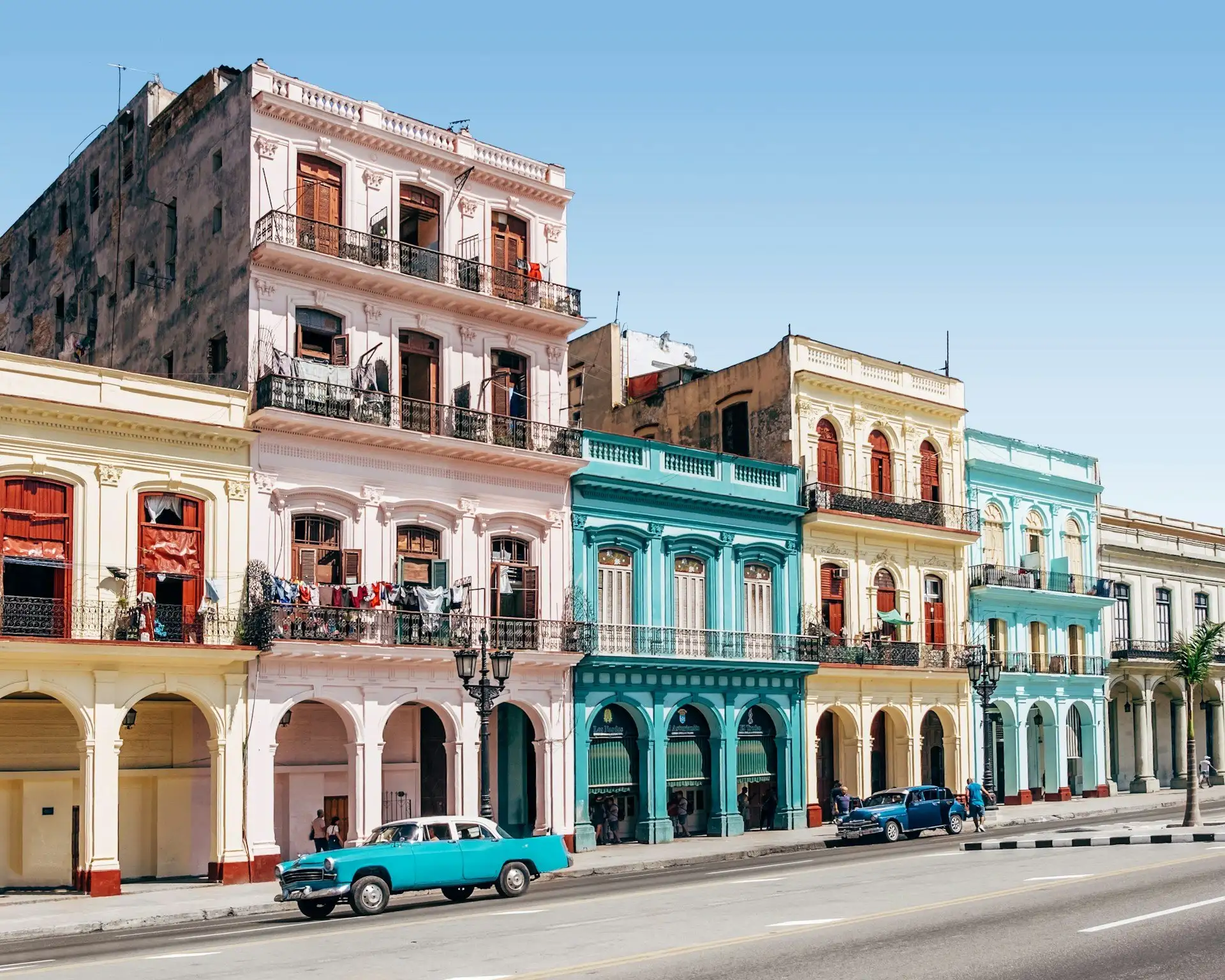
What You're Actually Getting Into
Cuba is the largest island in the Caribbean and, culturally, one of the deepest: Spanish colonial architecture, Afro-Cuban religion and music, a 1959 revolution that reshaped every institution on the island, and six decades of a US embargo that shaped the economy around it. The result is a country that produces some of the best live music, painting and dance in the hemisphere, largely without the commercial tourism apparatus that smooths the experience elsewhere in the Caribbean. Havana's Malecón seawall, Trinidad's cobblestones and Viñales's tobacco valleys are as visually extraordinary as advertised.
What the postcards leave out is the current moment. Cuba's economy has been in a severe crisis since 2024, driven by a chronic fuel shortage that has produced rolling blackouts across much of the island, in some provinces for 18 hours or more a day through 2026. Tourism zones in Havana, Varadero and the major resort areas are prioritized for generator power and fare noticeably better than the rest of the country, but even there you should expect occasional outages, patchy wifi and hotels running on backup power. This is not a reason to cancel a trip. It is a reason to go in with the right expectations, extra cash, a headlamp, and patience.
The honest complications
Cuba runs almost entirely on cash. US-issued bank cards do not work anywhere on the island because of the embargo, and even non-US foreign cards are unreliable, so bring more physical cash (USD or EUR) than you think you need and a real backup stash. Americans face a separate legal layer on top of this: ordinary tourism is prohibited under US law, and independent travelers must structure their trip to qualify under an OFAC general license, most commonly Support for the Cuban People. The 2026 shift from the old paper tourist card to a mandatory e-Visa, applied for online and linked to a QR code, adds a pre-trip step that catches travelers who booked based on older guides. None of these are safety issues in the traditional sense. They are the practical cost of visiting a country that operates outside the systems most travelers take for granted.
A History Worth Knowing
Cuba's history runs from Taíno settlement through three and a half centuries as Spain's most valuable colony, a hard-won 1898 independence immediately complicated by US intervention, a 1959 revolution that ended one era and began another, and a Special Period in the 1990s that previewed the shortages the country is again managing today. Understanding this arc changes what you see in Havana's architecture and hear in the way older Cubans talk about the last sixty years.
- 1492-1898
Spanish colony. Havana becomes a key transshipment port for Spain's American empire and, later, one of the wealthiest cities in the hemisphere on the strength of sugar and slavery.
- 1898
Independence, complicated. The Spanish-American War ends Spanish rule; the Platt Amendment gives the US the right to intervene in Cuban affairs for decades afterward, including the lease that created Guantánamo Bay.
- 1959
Revolution. Fidel Castro's forces topple Fulgencio Batista. Cuba nationalizes industry, aligns with the Soviet Union, and the US imposes the trade embargo still in force today.
- 1991-1994
The Special Period. Soviet subsidies vanish overnight; fuel, food and electricity shortages define the decade, a direct historical parallel to the crisis of the mid-2020s.
- 2015-2017
Brief thaw. The Obama administration restores diplomatic relations and eases travel rules; most of this is later reversed, and the relationship has stayed complicated since.
- 2024-present
Renewed crisis. Fuel shortages return at scale, producing the rolling nationwide blackouts and public protests that define the current travel context.
Read the full history: sugar, Santería, the revolution and the embargo
Cuba's colonial wealth was built on sugar plantations worked by enslaved Africans brought to the island in vast numbers well into the 19th century, later than most of the hemisphere; this history is the direct source of the Afro-Cuban religious and musical traditions, Santería, rumba, son, that are now central to Cuban identity. Independence in 1898 came after a brutal guerrilla war against Spain, but the Platt Amendment, imposed as a condition of US withdrawal, gave Washington the right to intervene militarily in Cuban affairs and secured the lease on Guantánamo Bay that remains in place today.
The 1959 revolution against the US-backed Batista dictatorship was initially popular across a broad coalition; Castro's subsequent alignment with the Soviet Union and nationalization of American-owned industry triggered the US embargo in 1960, tightened repeatedly since, most recently through the Helms-Burton Act of 1996 and a series of Trump-era and Biden-era adjustments that leave Cuba on the State Department's list of sponsors of terrorism as of 2026, a designation with real consequences for the island's banking access and the difficulty of getting foreign cards to work there.
The Special Period parallel. When Soviet subsidies ended in 1991, Cuba lost roughly two-thirds of its trade overnight, and the resulting fuel, food and power shortages of the 1990s are the closest historical precedent to the 2024-2026 crisis. Cubans who lived through the first Special Period describe today's blackouts with a grim familiarity; the coping mechanisms, urban gardens, bicycle commuting, informal barter, are reappearing for a second generation.
Santería. The Afro-Cuban religious tradition that syncretizes Yoruba orishas with Catholic saints remains widely practiced, openly in Havana and more discreetly elsewhere; visitors will see santeros in white clothing (a year-long initiation practice) and should treat religious sites and ceremonies with the same respect due any place of worship.
Top Destinations
Cuba is a long, narrow island, roughly 1,250 kilometers end to end, and road and rail infrastructure is limited, so distance matters more than it looks on a map. Most first trips combine Havana with one or two nearby regions: Viñales for tobacco country, Trinidad for colonial architecture, or a beach stretch at Varadero. The east, Santiago de Cuba and beyond, rewards a second, longer trip.
Havana, the capital that never finished decaying beautifully
Cuba's capital holds most of the country's cultural weight in one place: Habana Vieja's UNESCO-listed colonial core, the Malecón seawall where the whole city gathers at sunset, and a live-music scene that spills out of bars with no cover charge. It deserves at least three full days and rewards a full guide of its own, which this site has: see our complete Havana city guide for neighborhoods, hotels, paladares and a day-by-day plan.
Viñales, tobacco country
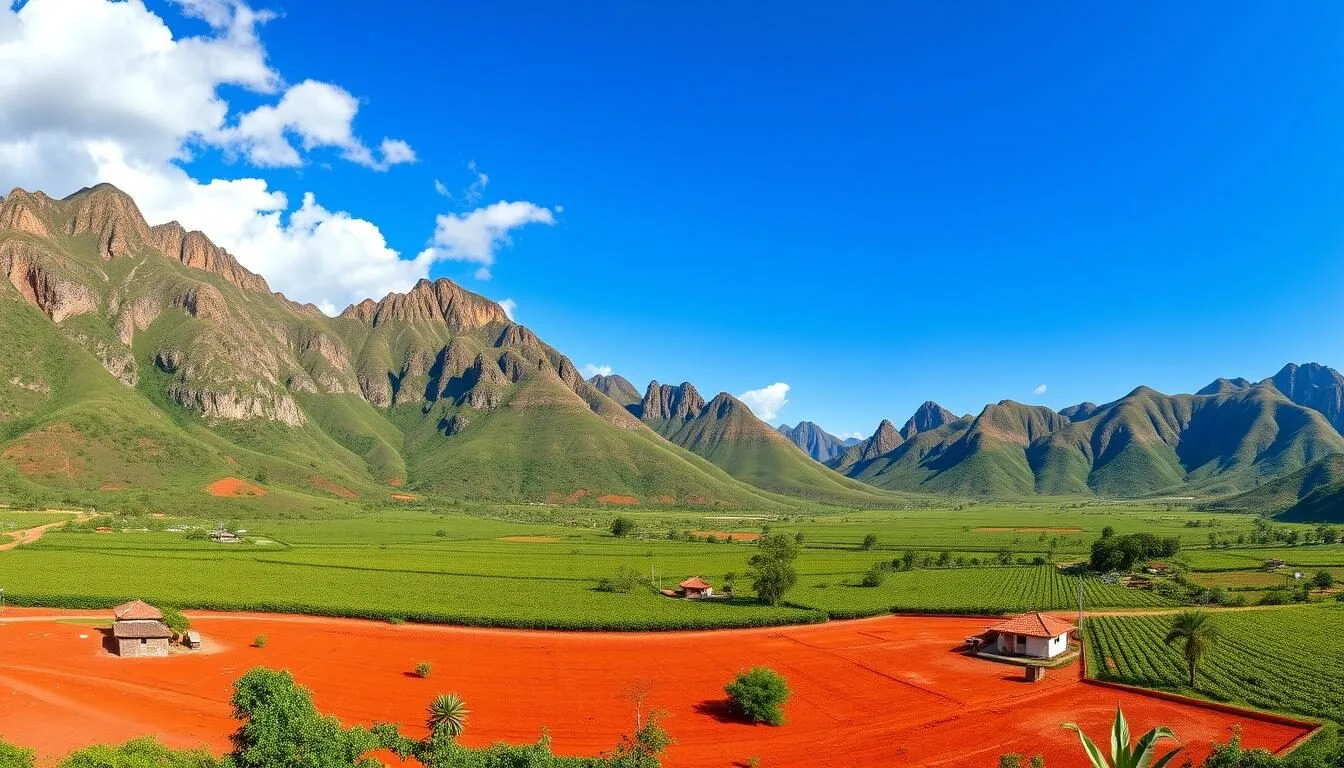
Viñales Valley, a UNESCO World Heritage Site two and a half to three hours west of Havana, is defined by mogotes, steep limestone hills that rise abruptly from flat red-earth tobacco fields. Working farms still hand-roll cigars for visitors who stop in; a horseback or hiking route through the valley in the early morning, before the heat and the mist burn off, is the single best half-day outside Havana. The town itself is small and geared entirely around casas particulares, family homestays that are the standard way to stay here.
Trinidad, the colonial time capsule
Trinidad, a UNESCO World Heritage Site on Cuba's south coast about four hours from Havana, is the country's best-preserved colonial town: cobblestone streets, pastel mansions built on 19th-century sugar wealth, and a hilltop bell tower with views over the terracotta roofline to the Escambray mountains. The nearby Valle de los Ingenios, the Valley of the Sugar Mills, holds the ruins of the plantation economy that built Trinidad's fortunes, a sobering counterpoint to the town's postcard prettiness.
Cienfuegos, the French quarter
Cienfuegos, an hour and a half from Trinidad on the way back toward Havana, has a distinctly French-influenced neoclassical center (it was settled by French colonists from Louisiana and Bordeaux) around the elegant Parque José Martí, and a scenic bay setting that makes it a natural stop between Trinidad and the capital.
Varadero, the beach resort strip
Varadero, on a narrow peninsula about two hours east of Havana, is Cuba's dedicated beach resort zone: 20 kilometers of white sand and calm, warm water, lined with all-inclusive hotels aimed squarely at package tourism rather than independent travel. It's the most reliable part of the island for consistent power and services, since resort infrastructure is a national priority, and it works well as a purely relaxing add-on to a culture-focused trip through Havana and the interior, rather than as a destination in its own right.
Santiago de Cuba and the far east
Santiago de Cuba, the country's second city and the cradle of son music and the 1959 revolution's opening moves, sits roughly 850 kilometers from Havana, a serious domestic flight or a long overland trip. It has a different rhythm and racial and musical heritage than the capital, closer to the wider Caribbean than to Spain. Baracoa, further east still, is Cuba's oldest colonial settlement and one of its most isolated, reached by a dramatic mountain road, with a distinct cuisine built around coconut and cacao. This region rewards a second, dedicated trip rather than a rushed add-on to a Havana-based itinerary.
Beyond the main circuit
The regions above cover a well-planned first or second trip. With extra time or a specific interest, these reward the detour.
Las Terrazas
A planned eco-community and UNESCO biosphere reserve built from a 1968 reforestation project on old coffee plantation land, now a low-key base for hiking, birdwatching and the Buenavista coffee ruins. Far quieter than Viñales and doable as a half-day trip from Havana.
Playa Girón & the Bay of Pigs
The site of the failed 1961 US-backed invasion, now a low-key beach and diving destination with a small, sobering museum. The wall of coral just offshore makes it one of Cuba's better snorkel sites, and it sees a fraction of Varadero's crowds.
Sierra Maestra
The mountain range where Castro's rebels based their guerrilla campaign, now home to Pico Turquino, Cuba's highest peak, and multi-day treks that see very few foreign visitors. Logistically demanding and best arranged through a specialist operator.
Culture & Etiquette
Cuban culture blends Spanish colonial roots with a deep Afro-Cuban heritage, expressed most visibly in music (son, rumba, salsa all trace to Cuba), religion (Santería alongside Catholicism), and a national talent for improvisation, resolver, solving problems with whatever is on hand, that decades of shortage have sharpened into something like a civic art form. Cubans are, on the whole, warm, funny and direct with visitors, and genuinely interested in conversation once the ice-breaker questions about home are out of the way.
Do
- Carry cash, always. Small USD or EUR bills and some CUP for street purchases, since cards are unreliable and many small vendors have no way to process one anyway.
- Tip in cash, generously by local standards. State salaries are extremely low; a few dollars in tips means far more here than the same amount would in most of the Caribbean, and it is the main income for many service workers.
- Choose casas particulares and paladares when you can. Staying and eating in privately run guesthouses and restaurants puts money more directly into Cuban households than state-run hotels and restaurants.
- Learn a few Spanish phrases. English drops off fast outside Havana's tourist core, and Cubans respond warmly to visitors who make the effort.
- Pack a headlamp or phone flashlight and a portable charger. Given the blackout situation, they are as essential as sunscreen.
Don't
- Discuss politics carelessly in public. Cubans are often candid about the economic situation once you know them, but open political criticism, especially filmed or shared online, can create real risk for the Cuban person you're speaking with, not for you.
- Assume state hotel wifi cards will get you online reliably. Nauta wifi cards work at limited hotspots and are frequently affected by the same power issues hitting everything else; treat connectivity as a bonus, not a given.
- Photograph police, military sites or protests. This applies with unusual seriousness in Cuba and can lead to your equipment being confiscated or worse.
- Expect a wide restaurant selection at every meal. Menus are often shorter than printed, depending on what ingredients arrived that day; asking "¿qué hay hoy?" (what is there today) gets a more useful answer than reading the whole menu.
- Change money on the street with strangers offering a better rate. Counterfeit notes and short-changing scams cluster around informal street exchange; use CADECA houses, hotels or established casas instead.
Deeper culture: son, Santería and the two economies
Son cubano. The foundational genre that later fed into salsa, built on African rhythmic structures and Spanish guitar and lyric traditions, born in the eastern mountains around Santiago in the late 19th century and now heard everywhere from formal Buena Vista Social Club-style ensembles to a trio playing for tips outside a bar.
Santería. A syncretic religion blending Yoruba orisha worship, brought by enslaved West Africans, with Catholic saint iconography as a survival mechanism under colonial religious suppression. Practiced widely, sometimes openly and sometimes quietly, across the island; santeros in their initiation year wear all white for twelve months.
The two-tier reality. Ordinary Cubans earn state salaries in Cuban pesos worth very little against the dollar, while the tourism economy runs largely in hard currency. This gap is the single biggest driver of Cuban daily life, explaining everything from the emigration wave of the past several years to why a tip that feels small to a visitor can matter enormously to the person receiving it. Understanding this context, rather than treating Cuba as a nostalgia theme park of old cars and colorful buildings, is the difference between a respectful visit and an extractive one.
Food & Drink
Cuban food is simpler and less spiced than its Caribbean neighbors, built around rice, beans, root vegetables and pork, with the real quality gap running between state-run restaurants (limited, inconsistent) and paladares, privately run restaurants legalized in stages since the 1990s, which now produce some of the best food on the island. Rum, unsurprisingly, is excellent and cheap.
Ropa Vieja $8-15
Shredded, slow-braised beef in a tomato and pepper sauce, Cuba's most iconic dish, served with rice, black beans and fried plantain at nearly every paladar on the island.
Moros y Cristianos
Black beans and rice cooked together (the name, "Moors and Christians," is centuries old), the default starch base under almost every main course, alongside congrí, the eastern-Cuban variant with red beans.
Mojito & Daiquiri $3-6
Cuba's two signature cocktails, both built on the island's rum and, in Havana, both tied to Hemingway's old haunts, La Bodeguita del Medio for the mojito and El Floridita for the daiquiri, though the better versions today are often elsewhere.
Lechón Asado $10-18
Slow-roasted pork, often marinated in mojo (sour orange, garlic and cumin), the centerpiece of Cuban celebration meals and widely available at paladares as a daily main.
Tostones & Yuca
Twice-fried green plantain rounds and boiled cassava with a garlic-citrus mojo sauce, the standard sides that appear alongside nearly every main course.
Cuban Coffee ~$1
Strong, sweet, served in small doses, café cubano is a ritual as much as a drink; a mid-morning or after-lunch cortadito at a street window is one of the cheapest good experiences on the island.
When to Go & Itineraries
November through April is Cuba's dry season: warm days, low humidity, and the best conditions for the whole island. Hurricane season runs June to November, with the real risk window mid-August through early October; peak-season accommodation prices (December through April) are also the year's highest, so shoulder months (November, or April into early May) balance weather and cost well.
All four seasons compared, with temperatures
| Season | Verdict | Temps | Prices & crowds |
|---|---|---|---|
| Nov-Apr | Best | 22-28°C, low humidity | Dec-Apr is peak price; November is the value sweet spot |
| May-Jun | Good | 26-31°C, rising humidity | Shoulder pricing, before hurricane risk peaks |
| Jul-early Aug | Hot | 28-33°C, humid | Low season pricing but heavy heat and rain |
| Mid Aug-Oct | Hurricane risk | 27-32°C | Real storm risk; monitor forecasts closely if traveling |
Havana averages 25°C year-round with a narrow seasonal swing; the interior and Viñales run a few degrees cooler at night. Blackout severity is not seasonal, it tracks the fuel supply, so factor it in regardless of when you go.
Itineraries
A week covers Havana plus one region well. Two weeks lets you add a second region and a beach stretch without feeling rushed, which matters more in Cuba than in most countries given how much longer transport and logistics tend to take than planned.
- Days 1-3
Havana. Habana Vieja, the Malecón, a paladar dinner, live music, and one full day using our Havana city guide itinerary.
- Days 4-5
Viñales. Taxi or organized transfer west (2.5-3 hours), a mogote hike at dawn, a working tobacco farm, two nights in a casa particular.
- Days 6-7
Back via Las Terrazas or straight to Havana. A half-day stop at Las Terrazas on the return drive, or head straight back for a final Havana evening before flying out.
- Days 1-3
Havana. The full three-day city guide route.
- Days 4-5
Viñales. Mogote hikes, tobacco farms, two nights in a casa.
- Days 6-8
Trinidad, via Cienfuegos. A long transfer day (5-6 hours) with a stop in Cienfuegos, then two full days in Trinidad's colonial core and the Valle de los Ingenios.
- Days 9-11
Varadero. A pure beach stretch on the most reliably powered part of the island, easy transfer back toward Havana afterward.
- Days 12-14
Back to Havana. A slower final stretch revisiting favorite neighborhoods and paladares before departure.
Getting there & around
José Martí International Airport (HAV) in Havana is the main international gateway; Varadero (VRA) also takes direct international flights and works well if a resort stay is the whole trip. Domestic transport is the biggest planning variable: Viazul runs air-conditioned buses on fixed tourist routes between major cities and is the standard budget option, organized taxis (colectivos or private) cost more but run to a schedule you control, and Cuba's domestic flight network exists but is thin and affected by the same fuel shortages hitting everything else, so treat any domestic flight as provisional until confirmed close to departure.
All transport options with prices: Viazul, taxis, rental cars
| Option | Price | Notes |
|---|---|---|
| Viazul bus | $10-35/route | Havana-Viñales about $12, Havana-Trinidad about $25-30. Book online ahead in peak season; air-conditioned and reliable. |
| Private taxi/colectivo | $60-120 Havana-Viñales or Trinidad | Faster and door-to-door, shareable to cut the per-person cost; agree the fare in cash before departure. |
| Airport transfer, Havana | $20-35 taxi, ~$10 Viazul shuttle | Official state taxis queue at arrivals; agree the fare before getting in. |
| Rental car | $70-120/day | Expensive and fuel is genuinely scarce during blackout periods; most independent travelers are better served by taxis and Viazul. |
Connectivity: Nauta wifi cards (sold at ETECSA offices and some hotels) work at public wifi hotspots, mainly parks and hotel lobbies, rather than as roaming data; download offline maps and translation packs before you go, and treat any connectivity as a bonus. eSIM options for Cuba remain limited compared to the rest of the Caribbean because of the embargo, so check current coverage before relying on one.
Where to stay
Casas particulares
Family-run guesthouses, licensed since the 1990s, are Cuba's best value and most authentic stay, and the backbone of how Americans travel under the Support for the Cuban People license. Widely available in every town from Havana to Viñales to Trinidad; breakfast is usually a few dollars extra and worth it.
Historic city hotels
Restored colonial-era properties in Havana and Trinidad, generally better generator-backed than casas during blackouts because of their tourism priority status. See our Havana guide for specific Havana picks.
Varadero resorts
International-standard all-inclusive properties on Varadero's beach strip, the most reliable accommodation on the island for power and services, aimed at package tourists rather than independent travelers building a cultural itinerary.
Viñales & Trinidad casas
Both towns run almost entirely on casas particulares rather than hotels; hosts often cook dinner on request for an extra $8-12, frequently the best meal of the day.
Budget Planning
Cuba runs a genuinely dual-price economy: food and casual spending are inexpensive when paid in cash, while accommodation, organized tours and anything routed through the formal tourism system carries prices closer to the wider Caribbean than the food prices suggest. Budget the whole trip in hard currency, USD or EUR, and plan to carry more cash than you would almost anywhere else you might travel.
- Casa particular room $25-40
- Paladar meals $8-12
- Viazul buses between cities
- Free sights: Malecón, plazas, walking tours
- Historic hotel or upgraded casa $80-150
- Restaurant dinners $15-25/person
- Private taxis between cities
- Cigar factory tour, classic car tour
- Best available hotels in Havana
- Private guides and drivers
- Tropicana cabaret and fine dining
- Varadero resort add-on
Quick reference prices: coffee, buses, entry fees
| Cuban coffee (cortadito) | ~$1 |
| Mojito or daiquiri, bar | $3-6 |
| Paladar meal, mid-range | $8-15 |
| Viazul, Havana-Viñales | ~$12 |
| Viazul, Havana-Trinidad | $25-30 |
| Casa particular, standard room | $25-40/night |
| Havana historic hotel | $100-250/night |
| Cigar factory tour, Havana | $10-15 |
| Tropicana cabaret entry | $75-95 |
Prices reflect August 2026 research and drift over time; Cuba's dual exchange rates (a floating official rate and a separate tourism ATM rate) mean CUP-denominated prices can move faster than in most countries. Treat these as a planning baseline, not a quote.
Visa & Entry
Entry to Cuba changed structurally on 1 January 2026: the old paper tourist card, long the standard for non-US visitors, was retired in favor of a mandatory e-Visa for every nationality. Applicants apply online before departure, link the approved e-Visa to Cuba's D'Viajeros digital entry form, and arrive with a QR code that immigration scans on arrival. This applies to EU, UK, Canadian, Australian and all other passports that previously used the simpler tourist-card system, not just new markets, so travelers relying on older guides should re-check the process regardless of nationality.
✓ Valid passport
At least six months validity from your entry date is the standard requirement airlines and immigration check.
✓ Approved e-Visa
Apply online ahead of travel; processing has taken from a few days up to two weeks in the months since the January 2026 rollout, so don't leave it to the last minute.
✓ D'Viajeros QR code
The digital entry form generates the QR code immigration scans on arrival; complete it and save the code offline before you fly, in case connectivity at the airport is affected by an outage.
✓ Proof of travel medical insurance
Cuba requires evidence of medical insurance valid on the island; airlines flying to Cuba increasingly check for this at check-in.
| Cuba | Bahamas | |
|---|---|---|
| Daily budget | $50-70 gets you far on food, accommodation runs pricier | $150-220/day; consistently the more expensive of the two |
| Access for Americans | Legal, but only under an OFAC license category, not free tourism | Visa-free for up to 8 months, no restrictions |
| Character | Deep colonial and Afro-Cuban culture, live music everywhere, unpolished | Polished beach-resort Caribbean, easy and predictable |
| Current complications | 2026 e-Visa change, cash-only economy, rolling blackouts | Standard hurricane-season planning, otherwise straightforward |
| Best for | Culture, music and history travelers willing to plan carefully | Straightforward beach travelers who want it simple |
Safety, Solo Women & Family
Cuba is rated Level 2, Exercise Increased Caution, by the US State Department, the same tier as the UK, France or Germany, and violent crime against tourists is genuinely rare. The practical risks that actually affect a trip in 2026 are different from the ones the rating implies: petty theft in crowded tourist areas, the ongoing power crisis, and the fact that protests over shortages can flare with little warning and have drawn a heavy-handed government response, including detentions, in some cases affecting foreigners who were simply near the demonstration.
Rolling blackouts
Nationwide outages of up to 18-22 hours a day in some provinces through 2026. Tourism zones are prioritized but not immune; carry a headlamp, a power bank, and expect the occasional hotel elevator or wifi outage.
Petty theft
Pickpocketing and bag-snatching cluster in crowded parts of Habana Vieja, bus stations and the Malecón at night. Keep valuables secured and be extra alert in any crowd drawn by street music or a festival.
Protests & civil unrest
Demonstrations over blackouts and shortages can occur with little warning. Avoid them entirely, don't film them, and don't discuss them on social media while still in the country.
Two more things worth knowing: medical care and limited embassy services
Medical care is free for Cubans but resource-constrained, with medicine and equipment shortages that predate and are worsened by the current crisis. Tourist clinics (clínicas internacionales) in Havana and major resort areas provide a higher standard of care for hard currency, and comprehensive travel insurance that covers medical evacuation is genuinely important here, more so than in most Caribbean destinations.
US Embassy services in Havana remain limited following a 2017 reduction in staffing after unexplained health incidents affecting personnel; routine consular services for US citizens are constrained, and the embassy has periodically issued security alerts. Non-US citizens are generally better served by their own missions in Havana, though several countries maintain only limited representation.
The 3 scams to actually know about
Cuba is not a high-scam destination by Caribbean standards, but three patterns catch enough visitors that they're worth knowing before you land. The full country list lives on our Cuba travel alerts page.
The "this place is closed" redirect
A friendly local tells you the paladar or casa you're heading to is closed today and offers to walk you to a "better" one, which pays them a commission and often charges more. Confirm you've actually arrived at your intended address before believing a stranger's claim it's shut.
Counterfeit or short-changed cash
Given the cash-heavy economy, worn or counterfeit bills and shortchanging occur at informal exchanges and some street vendors. Use CADECA houses or your casa host for exchange, and count change before walking away.
The unofficial "guide"
Unofficial guides approach near major sights offering a tour, then press for a large tip or a purchase at a commission-paying shop. A polite "no, gracias" and continuing to walk resolves this quickly; it rarely escalates.
Solo women travelers
Cuba is generally fine for solo women travelers in the areas tourists frequent, with the caveat that persistent street comments (piropos) are common and culturally normalized in a way that surprises first-time visitors; the standard response, ignore and keep walking, works. The casa particular network is well used by solo women and hosts are typically attentive and protective of guests staying under their roof. Use licensed taxis at night, agree the fare before getting in, and the same power-outage precautions (a charged phone, a known route home) matter more here after dark than in most Caribbean destinations given how unpredictable the lighting can be.
Emergency numbers
No unified emergency number, and embassy contacts
Cuba does not operate a single unified emergency number like 911 or 112; dial the specific service you need. In practice, for a serious problem, your casa host or hotel front desk can often get help moving faster than a phone call, since they know the local system. Keep your embassy's Havana contact details saved offline before you arrive, since connectivity at the moment you need them is not guaranteed.
Family travel & pets
Cuba works reasonably well for families with older children who can handle heat, uneven pavements and occasional power outages affecting air conditioning and elevators; it's a harder trip with infants or toddlers given the medical-supply and refrigeration uncertainty. Varadero's resort infrastructure is the easiest family option given its power reliability; a Havana-plus-beach itinerary balances culture and downtime well for school-age kids.
Kids in Havana, and bringing pets
Kids in Havana: the classic car rides are an instant hit with children of almost any age, and the Malecón at sunset works as an easy, free evening activity. Museo de la Revolución and the fortresses across the harbor suit kids around 8 and up who can engage with the history; younger children do better with the car tours, the aquarium in Miramar, and simply exploring Habana Vieja's plazas.
Pets: Cuba requires an official veterinary health certificate, current rabies vaccination and, depending on origin country, an import permit arranged in advance through Cuban authorities; given the current strain on veterinary and refrigeration infrastructure from the power crisis, this is not a straightforward trip to bring a pet on right now, and most owners are better served postponing until conditions stabilize.
Cuba FAQ
Is Cuba safe to visit?
Yes, in the sense the US State Department rates it Level 2, Exercise Increased Caution, the same tier as the UK or France. Violent crime against tourists is rare. The real 2026 complications are logistical: rolling blackouts, petty theft in crowded areas, and US bank cards not working at all.
Do I need a visa to visit Cuba in 2026?
Yes. Since 1 January 2026 the old paper tourist card was retired and every visitor needs Cuba's electronic e-Visa, applied for online before departure and linked to the D'Viajeros digital entry form, which generates a QR code you present on arrival.
Can Americans travel to Cuba?
Not as ordinary tourists. US law prohibits tourist travel, but Americans can legally visit under one of twelve OFAC general license categories, most commonly Support for the Cuban People, which requires a full-time schedule of activities engaging directly with Cubans and keeping your own records for five years.
What is happening with Cuba's blackouts in 2026?
Cuba's power grid has been in crisis since 2024, worsened through 2026 by a national fuel shortage producing rolling blackouts up to 18-22 hours a day in some provinces. Havana and resort areas are prioritized but not immune; plan for water outages, patchy wifi and warm hotel corridors even in tourist zones.
What currency should I bring to Cuba?
Bring cash, USD or EUR, since Cuba is overwhelmingly a cash economy and foreign cards are unreliable at best (US-issued cards do not work at all). Spend USD or EUR directly in many tourist businesses or exchange for Cuban pesos at a CADECA house or bank.
When is the best time to visit Cuba?
November to April, the dry season, warm days and low humidity. Hurricane season runs June to November, with the real risk window mid-August through early October; December to April also carries the highest prices.
How many days do you need in Cuba?
A week covers Havana plus one region well, most commonly Viñales or Trinidad. Two weeks lets you add a second region and a beach stretch at Varadero without feeling rushed.
Is Cuba expensive?
Not for food, a paladar meal runs 8 to 15 USD, but accommodation and organized tours run pricier than the region suggests. Budget travelers manage on 50 to 70 USD a day; mid-range is 100 to 160.
Is Cuba safe for solo female travelers?
Generally yes in tourist areas, with persistent street attention (piropos) common and best met by ignoring it and walking on. Use licensed taxis at night and lean on the well-used casa particular network.
What language is spoken in Cuba?
Spanish. English is spoken in hotels and by guides in Havana, Varadero and Trinidad, but drops off outside tourist infrastructure, so a phrasebook or translation app helps in casas and paladares.
Is Cuba part of a Caribbean cruise itinerary?
Some cruise lines call at Havana, but shore-excursion time is short for a country this large. A land-based trip of a week or more is the only way to get past Havana's cruise-port version of Cuba into Viñales, Trinidad or the east.
Is Cuba cheaper than the Bahamas?
For food and day-to-day spending, yes, noticeably. But Cuba's cash-only tourism economy and the extra planning the e-visa and blackouts require mean total trip cost and effort can land closer to the Bahamas than the sticker prices imply.
What Stays With You
Cuba does not need embellishment to be extraordinary, and this guide has tried hard not to add any. The music that spills out of doorways with no cover charge, the trio playing son on a Habana Vieja corner as the light goes gold on the Malecón, the casa host who cooks you the best meal of the trip and refuses to let you help with the dishes: none of it is staged, and none of it is separate from the country's current hardship. Both are true at once, and a good visitor holds both.
Go with more cash than you think you need, a headlamp, and the patience the country is currently asking of everyone in it, Cubans and visitors alike. What you take home will not be the classic cars, though you'll photograph plenty of them. It will be the conversation you had while the power was out and there was nothing to do but talk.