
What You're Actually Getting Into
Comoros is one of the least-visited countries on earth, a union of three volcanic islands, Grande Comore, Mohéli and Anjouan, in the Mozambique Channel between Madagascar and the East African coast. It has almost none of the tourism infrastructure of its Indian Ocean neighbors: no resort strip, no direct flights from Europe or North America, and an economy that still runs mostly on subsistence farming, fishing and the export of ylang-ylang and vanilla. What it has instead is Moroni's genuinely lived-in medina, an active volcano you can hike in a day, and reefs and marine life, including the fish that rewrote a chapter of evolutionary biology, that see a fraction of the divers Zanzibar or the Seychelles do.
The country has also had one of the rockiest political histories in Africa: roughly twenty coups and coup attempts since independence in 1975, several of them involving the same French mercenary. The instability is real, but it is largely historical rather than a live daily risk to visitors, and the Union has held together under a rotating presidency since a 2001 accord ended a secession crisis. Comoros in 2026 functions, if unevenly: expect variable power, thin ATM coverage, and roads that get worse the further you are from Moroni.
The honest complications
There is no way to fly here directly from the US, UK or continental Europe; every route connects through Nairobi, Addis Ababa, Antananarivo or occasionally Paris, and schedules are thin enough that a missed connection can cost a full extra day. Healthcare, including ambulance response, is limited in Moroni and very limited on Mohéli and Anjouan, so serious medical issues usually mean evacuation. ATMs are rare outside the capital, card acceptance is inconsistent, and much of the country runs on cash. None of this makes Comoros dangerous in the way its neighbors sometimes market safety concerns, but it does make it a destination for travelers comfortable with genuine uncertainty rather than a backup beach trip.
A History Worth Knowing
The islands sat on the Swahili-Arab trading network for centuries before Europeans arrived, settled by Bantu African, Persian Shirazi and Arab traders whose mix produced the Comorian language and the country's Sunni Muslim majority. France colonized the archipelago between 1841 and 1912, administering all four islands, Grande Comore, Anjouan, Mohéli and Mayotte, as one territory. Independence came on 6 July 1975, but Mayotte's residents voted to stay French, a split that remains a live grievance in Moroni today.
- 1841–1912
French colonization. France establishes control over all four islands, administering them as a single dependency from Mayotte and later Grande Comore.
- 1975
Independence, minus Mayotte. Declared 6 July. Mayotte's residents vote to remain part of France, a split still unresolved and still disputed by Comoros.
- 1975–1990s
The coup years. Roughly twenty coups and attempted coups, several involving French mercenary Bob Denard, who helped install and later depose multiple governments.
- 1997
Secession crisis. Anjouan and Mohéli declare independence from the Ngazidja-dominated central government, citing economic neglect.
- 2001
Fomboni Accords. The Union of the Comoros is re-established with a rotating presidency shared between the three islands.
- 2019–present
Relative stability. Azali Assoumani, first installed by a 1999 coup, has governed for most of the period since, re-elected under a revised constitution; the political system remains contested but the country has avoided further coups.
Read more: the coelacanth, the sultanates and the "Coup-Coup Islands"
The coelacanth. Before European colonization the islands were a patchwork of competing sultanates that traded across the Indian Ocean world. In one of the 20th century's great zoological surprises, a coelacanth, a deep-sea fish known only from 360-million-year-old fossils and presumed extinct for 65 million years, was caught off South Africa in 1938. For 14 years it was assumed to be a one-off; then in 1952, a Comorian fisherman named Ahmadi Abdallah caught a second specimen near Anjouan, confirming a living population in Comorian waters that locals had long known as gombessa and occasionally caught at night. Comoros remains one of the only places on earth where the fish, found in deep volcanic caves around 200 meters down, is regularly recorded.
The "Coup-Coup Islands." The nickname is a dark joke with a real history behind it: the French mercenary Bob Denard was involved in engineering or reversing several of the country's coups between the late 1970s and mid-1990s, at one point effectively ruling Grande Comore through a presidential guard he commanded. The instability discouraged investment for decades and is a major reason Comoros remains one of the poorest and least-visited nations in the region, though the 2001 power-sharing accord has held for over two decades now.
Top Destinations
Comoros divides cleanly into its three islands. Grande Comore (Ngazidja) has the capital, the volcano and the best infrastructure, and is where almost every trip starts and where a first, one-island visit should probably stay. Mohéli, the smallest and least developed, has the country's best marine wildlife. Anjouan has the most atmospheric old town outside Moroni. Inter-island transport is the main planning constraint, not distance: flights are irregular and boats are slow, so build slack into any itinerary that touches more than one island.
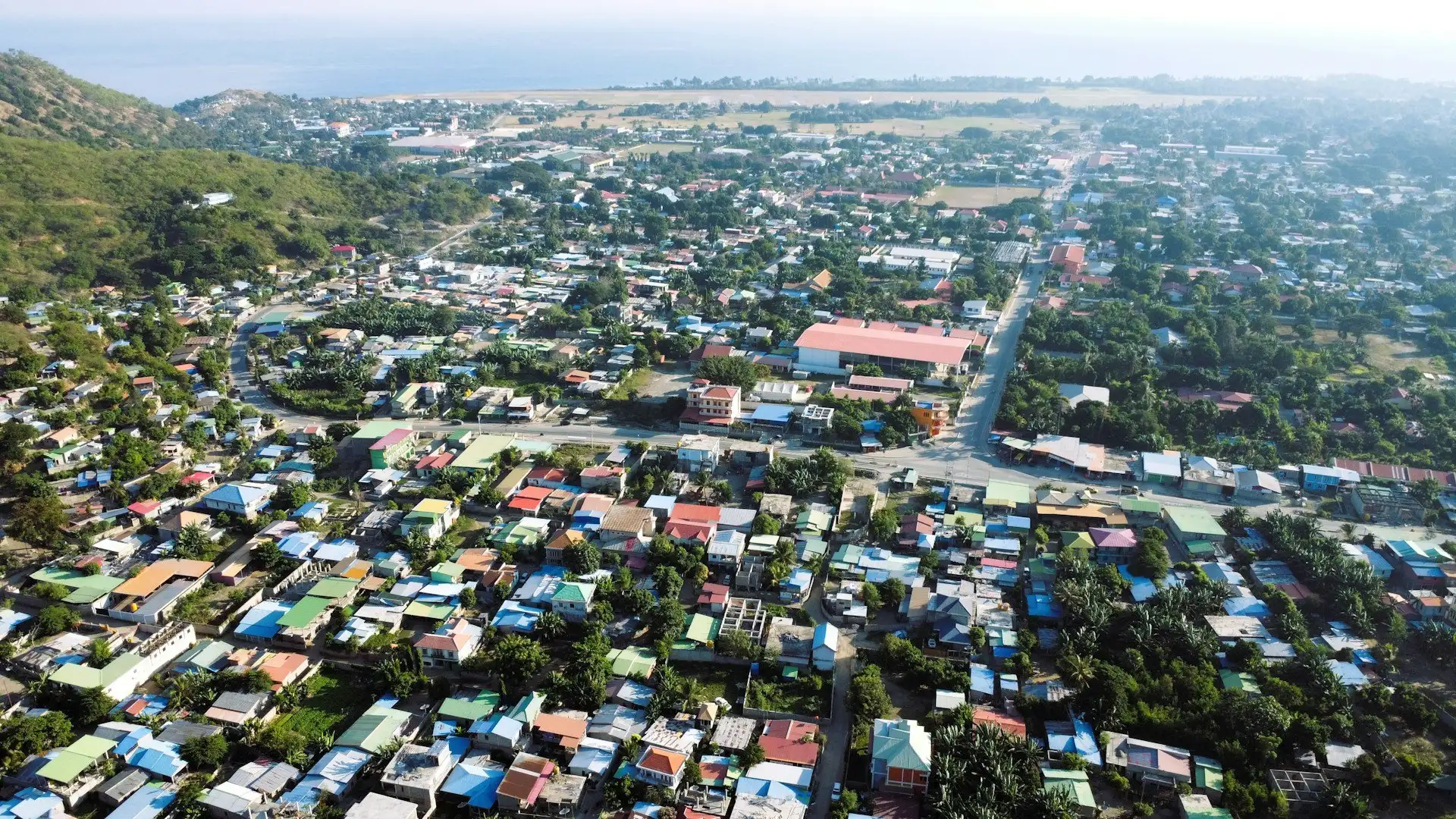
Moroni, the working capital
Moroni's old medina, built from coral stone around a natural harbor, is still a functioning neighborhood rather than a preserved-for-tourists set piece: narrow alleyways, carved wooden doors, and the old public bangwe squares where men once gathered to talk and play board games. The Badjanani Juma Mosque, built in 1427 with its minaret added in 1921, stands right at the harbor edge and is the city's visual anchor; dress modestly if you go inside, and expect it to remain an active place of worship rather than a museum. Below it, the Old Port is still where local shipwrights build wooden dhows by hand using methods passed down for generations, worth a slow walk in the late afternoon. The Corniche, the coastal road along the waterfront, is where the city's newer hotels and a handful of restaurants sit. Budget a full day, more if you want to sit with the pace rather than tick off sights.
Climbing the volcano
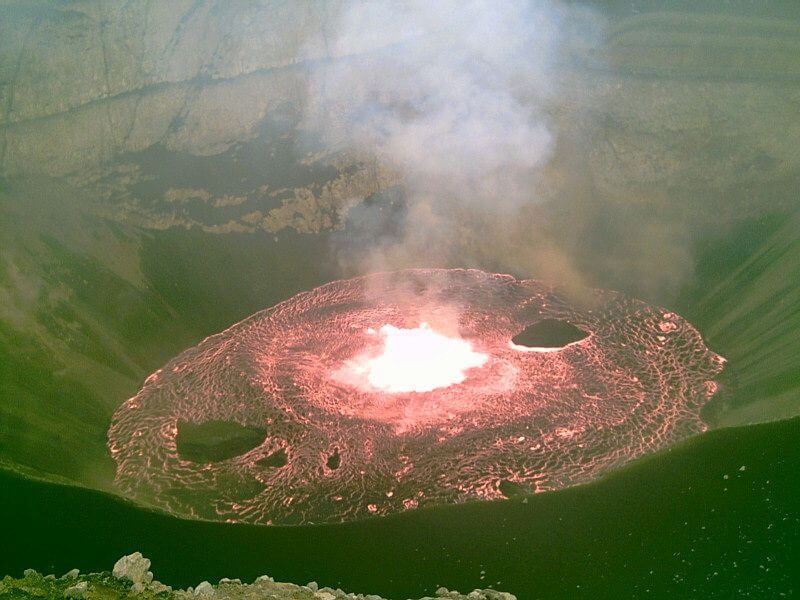
Mount Karthala is one of the largest active volcanoes on earth, a shield volcano reaching 2,361 meters with a caldera 3 by 4 kilometers across, and it has erupted more than 20 times since the 19th century, most recently in a sequence between 2005 and January 2007 that displaced tens of thousands of people. The standard route starts from Moroni or the trailhead village of Mitsoudjé and climbs roughly 13 kilometers and 1,950 vertical meters through rainforest, then thinning cloud forest, then bare volcanic rock, in 6 to 8 hours each way; most parties camp near the rim and do the crater walk at dawn before descending. A local guide is effectively mandatory, both for the route-finding above the treeline and to check current activity status before setting out, since Comoros's volcanological monitoring service tracks Karthala closely. Start early: afternoon cloud and rain move in fast and reduce visibility on exposed sections.
Chomoni, Mitsamiouli & Itsandra
Grande Comore's northern coast has the country's best swimming beaches. Chomoni, on the east coast, pairs a small stretch of white sand with black volcanic rock nearby and has no entrance fee; it's a common half-day trip from Moroni combined with the crater lake at Lac Salé. Mitsamiouli, on the northern tip about 30 minutes by shared taxi from Moroni, has the calmer Maloudja beach and is the base for the resort-style Golden Tulip and Itsandra properties along this stretch of coast. Itsandra, on Moroni's northern edge, mixes a 14th-century medina, the 18th-century Gereza fortress, the Beit-Salam palace that still serves as the president's residence, and a beach that gets genuinely busy with locals on weekends, a good gauge of how Comorians themselves spend a day off. Three kilometers south of the capital in the other direction, the village of Iconi has the real ruined palace: Kapviridjeo, seat of the last sultans of Bambao, set above black-lava cliffs and beaches.
Mohéli, the wildlife island
Mohéli is the smallest and least-developed of the three main islands, roughly 50 kilometers by 20, and has the country's richest marine biodiversity by a clear margin. The Mohéli Marine Park, covering the mangroves, islets and beaches around Nioumachoua on the south coast, holds significant nesting populations of green and hawksbill turtles, and humpback whales pass through the Mozambique Channel from around July to November. Livingstone's fruit bats, a critically endangered species found only on Mohéli and Anjouan, roost in the island's forests. Getting there means either a short, irregular domestic flight or an overnight ferry from Moroni, around six hours, that docks at Fomboni or Nioumachoua depending on conditions; bring your own patience for the schedule slipping.
Anjouan & Mutsamudu's old town
Anjouan's capital, Mutsamudu, sits on a hillside above its harbor and holds the most striking historic center in the country after Moroni: a hilltop citadel, a genuine medina of narrow lanes and carved doors behind the waterfront, and the 15th-century Friday Mosque, one of the oldest in Comoros. The town's spice markets sell vanilla, cloves and ylang-ylang grown on the island's terraced hillsides. Anjouan was the epicenter of the 1997 secession crisis and still carries more visible poverty and rougher roads than Grande Comore; the dry season, April to November, is the realistic window to visit, and inter-island flights from Moroni are the practical way in.
Beyond the standard route
With extra time or a private driver, a few spots reward the detour.
Lac Salé
A crater lake near the coast whose water level and color shift with the tides through underground channels, a short stop usually paired with the Chomoni beach run.
Foumbouni
A quieter southern coastline with far fewer visitors than the north, reached on rougher roads; fishing villages and black-sand coves rather than developed beaches.
Dolphin and diving grounds
Dive sites off Moroni's west coast, including Itsoundzou bay, put bottlenose dolphins, manta rays (April to November) and green turtles within a single day's outings, at roughly €60 a dive.
Culture & Etiquette
Comoros is around 98 percent Sunni Muslim, of the Shafi'i school, and Islam shapes daily rhythm more visibly than in most of East Africa: the call to prayer structures the day, Friday is the main day of rest and worship, and Ramadan changes opening hours and public eating norms noticeably. Comorian society also centers on the Grand Mariage, or anda, an elaborate, weeks-long marriage and status ceremony, particularly on Grande Comore, that remains a genuine cultural institution rather than a tourist performance, complete with its own formal dress: an embroidered mharuma and turban for the groom, a bright shiwani for the bride.
Do
- Dress modestly. Shoulders and knees covered for both genders in towns and villages; swimwear is for the beach only, not the walk to and from it.
- Greet before you ask anything. A greeting and small exchange before a request or a photo ask is expected and genuinely changes how you're received.
- Ask before photographing people, especially in the medina and rural villages. Landscapes, mosques from outside, and the harbor's dhows are generally fine.
- Carry cash in euros or dollars. ATMs are rare outside Moroni and cards are unreliable even in the capital.
- Respect Ramadan norms if visiting during the fasting month: avoid eating, drinking or smoking visibly in public during daylight hours.
Don't
- Expect fast, predictable schedules. Inter-island flights, ferries and even taxi-brousse departures run on their own logic; build slack into every connection.
- Drink tap water. Stick to bottled or treated water throughout the islands, including in Moroni.
- Swim or wade alone off small boats. Currents and limited rescue capacity make solo water activity riskier here than it looks.
- Assume alcohol is widely available. It exists at hotel bars in Moroni but is not part of everyday public life in this Muslim-majority country.
- Photograph government buildings, ports or military installations. This is enforced more strictly than in most of the region.
Deeper culture: language, the Grand Mariage and the "Perfume Islands"
Language. Comorian (Shikomori), a Bantu language closely related to Swahili with Arabic influence, French and Arabic are all official. French is the language of administration and higher education, a legacy of colonial rule; English is uncommon outside a handful of hotels.
The Grand Mariage. Known locally as anda or dola n'kou, this is a multi-stage ceremony that can stretch over two weeks and cost a family the equivalent of years of savings; completing it confers social status and formal recognition as an elder, and men who complete it gain the right to speak in traditional assemblies. It has absorbed Islamic religious elements, including a mosque ceremony and an imam's blessing, alongside older pre-Islamic customs.
The Perfume Islands. Comoros is the world's largest producer of ylang-ylang essential oil, distilled from the flowers of a tree grown across the islands, and a major vanilla and clove exporter. The scent shows up in the air around distillation season near rural villages, one of the more unexpectedly memorable sensory details of a visit.
Food & Drink
Comorian food leans on rice, coconut milk, fresh fish and the spices the islands are famous for growing: vanilla, cloves, cardamom and turmeric all turn up in everyday cooking, not just in the export crop. The best meals are simple and coastal: grilled fish, rice, and whatever the day's catch and market vegetables allow, eaten at a small family-run table rather than a formal restaurant, since Comoros has very few of the latter outside Moroni's hotels.
Langouste à la Vanille
The national dish: spiny lobster in a sauce built on locally grown vanilla, garlic and spices, a genuinely distinctive pairing of the islands' two most famous exports, sea and soil. Found at Moroni's better hotel restaurants and coastal guesthouses.
Pilaou & Mkatra Foutra
Pilaou is a spiced rice dish in the same family as biryani, often made for celebrations. Mkatra foutra is a simple flatbread eaten at most meals, similar in role to the naan or roti of the wider Indian Ocean trading world.
Mabawa & grilled fish
Mabawa, grilled or fried chicken wings marinated in local spices, is a common street and market food. Fresh grilled fish, usually reef species caught that morning, is the everyday protein along the coast.
When to Go & Itineraries
The dry season, May to November, is the only realistic window for most of what Comoros offers: passable roads, a climbable Karthala, and calmer seas for inter-island travel and diving. August through October are the coolest and driest months. December through April is hot, humid, and falls within cyclone season, which peaks from late December to mid-April; heavy rain can cut off rural roads and delay boats and flights with little notice.
Seasons compared, with temperatures
| Season | Verdict | Temps | Notes |
|---|---|---|---|
| Aug-Oct | Best | 20-26°C | Driest, coolest, calmest seas for inter-island travel |
| May-Jul & Nov | Good | 22-28°C | Dry season shoulders, still reliable |
| Dec-Apr | Avoid if possible | 26-32°C | Hot, humid, cyclone season peaks late Dec-mid Apr |
Itineraries
A week covers Grande Comore properly and is the sensible scope for a first visit given how thin inter-island transport is. Ten days to two weeks lets you add Mohéli or Anjouan without every delayed connection derailing the trip.
- Days 1–2
Moroni. The medina, the Badjanani mosque, the Old Port's dhow builders, arrival logistics and adjusting to the pace.
- Days 3–4
Mount Karthala. Arrange a guide in Moroni, drive to the Mitsoudjé trailhead, camp near the rim, sunrise at the caldera, descend.
- Days 5–7
Northern coast. Chomoni and Lac Salé, Mitsamiouli and Maloudja beach, a dive or snorkel trip off the west coast, return to Moroni.
- Days 1–4
The 7-day Grande Comore route, at a gentler pace, with a rest day built in after the Karthala hike.
- Days 5–7
Mohéli. Flight or overnight ferry to Fomboni or Nioumachoua, the marine park, turtle beaches, whale watching if in season (Jul-Nov).
- Days 8–10
Return via Moroni. A buffer day for schedule slippage, then the northern beaches or a final medina walk before departure.
- Days 1–5
Grande Comore in full. Moroni, the Karthala hike with a rest day either side, the northern beaches and a diving day.
- Days 6–9
Mohéli. The marine park, Nioumachoua's beaches, and enough slack to wait out a delayed return flight.
- Days 10–13
Anjouan. Mutsamudu's old town and Friday Mosque, the spice markets, a day in the terraced hillside villages.
- Day 14
Buffer & departure. Given how weather-dependent inter-island transport is, keep the final day genuinely free of plans.
Getting there & around
There are no direct flights from North America, the UK or continental Europe. Nearly everyone connects through Nairobi (Kenya Airways), Addis Ababa (Ethiopian Airlines) or Antananarivo, landing at Prince Said Ibrahim International Airport (HAH) on Grande Comore, about 15 minutes from Moroni. Within Grande Comore, shared taxi-brousse minibuses (€1-3 a ride) are the backbone of local transport but are crowded and considered risky by international road-safety reviews; a private driver or a rental car (€40-70/day, international license and a minimum age of 25 typically required) is the more comfortable option, though roads outside Moroni are narrow, potholed and best avoided after dark.
Inter-island transport and practical prep
Getting between islands: domestic flights connect Moroni to Mohéli and Anjouan but run irregular schedules with limited capacity; the overnight ferry from Moroni to Mohéli takes roughly six hours and can be rough. Book any inter-island leg with a buffer day on both ends, especially in the shoulder months.
Practical prep: ATMs are scarce outside Moroni, so carry euros or US dollars in cash as a backup even if you plan to use cards. Bring a fully stocked medical kit and comprehensive travel insurance that explicitly covers medical evacuation, since serious care usually means flying out. An unlocked phone with a local prepaid SIM (available in Moroni) or an eSIM before landing is worth arranging, as connectivity outside the capital is patchy. Power is 220V, plug types C and E; pack a compatible adapter.
Where to stay
Moroni's Corniche & beach resorts
Retaj Moroni Hotel, on the Corniche in the city center, is the most polished business-style option within walking distance of the medina. Just outside town, Itsandra Beach Hotel & Resort and the Golden Tulip Grande Comore Moroni Resort & Spa both sit directly on the beach with pools and on-site restaurants, roughly 15-20 minutes from the airport.
Guesthouses & island stays
Outside Moroni, small family-run guesthouses are the norm on Mohéli and Anjouan, and around the northern beach villages like Mitsamiouli. Book through a local tour operator or on arrival rather than expecting an online listing; the guesthouse scene here has not caught up to booking platforms.
Budget Planning
Comoros is not as cheap as its poverty statistics might suggest, since remoteness pushes up the cost of imported goods, hotel meals and fuel. Everyday local costs, market food, shared taxis, a coffee, are genuinely low; anything routed through a hotel or tour operator costs closer to mainland East African rates.
- Local guesthouse €20-30
- Market meals and street food €3-6
- Shared taxi-brousse between towns
- Free beaches, self-guided medina walk
- Hotel on the Corniche or beach resort
- Hotel restaurant meals €10-25
- Private driver or rental car
- Guided Karthala hike or a dive trip
- Best available Moroni beach resort
- Private guide and driver throughout
- Inter-island flights over ferries
- Multi-day Mohéli or Anjouan add-on
Quick reference prices
| Coffee | ~€0.60 (300 KMF) |
| Market meal | €2-5 |
| Mid-range restaurant meal | €15-30 |
| Taxi-brousse, single ride | €1-3 |
| Full-day taxi charter | €20-30 |
| Rental car | €40-70/day |
| Guesthouse (outside Moroni) | €20-30/night |
| Moroni Corniche or beach hotel | €90-230/night |
| Single scuba dive | ~€60 |
| Moroni-Mohéli overnight ferry | ~€25-35 one way |
Prices reflect July 2026 research and drift over time, particularly imported goods and fuel. Treat them as a planning baseline, not a quote.
Visa & Entry
Comoros has a straightforward visa-on-arrival system for most nationalities, including the US, EU, UK and many African countries, issued at Prince Said Ibrahim International Airport for stays of up to 45 days. There is no online e-visa system as of 2026; the visa is a physical stamp bought at the airport, paid in cash in euros or US dollars, typically 30-50 euros.
✓ Valid passport
At least six months' validity from your date of entry, with blank pages for the visa stamp.
✓ Cash for the visa fee
30-50 euros or the US dollar equivalent, paid at the airport. Cards are not a reliable backup here.
✓ Return or onward ticket
May be requested at immigration; given the limited flight schedule, book your return leg before you travel.
✓ Accommodation address
Have your first night's address ready; it may be requested at the border.
| Comoros | Madagascar | |
|---|---|---|
| Infrastructure | Minimal; a handful of hotels and irregular inter-island transport | More developed, more organized tour operators and lodges |
| Signature draw | An active volcano hike and the coelacanth's rediscovery story | Endemic wildlife: lemurs, baobabs, unique ecosystems |
| Crowds | Genuinely under-visited; you'll often be the only foreigner around | More developed tourist circuits, especially in the south and Nosy Be |
| Getting there | No direct long-haul flights; connect via Nairobi or Addis Ababa | Some direct flights from Paris and a wider regional network |
| Visa | On arrival, 45 days, cash only | On arrival for most nationalities, up to 90 days |
Safety, Solo Women & Family
The US State Department rates Comoros Level 2, "exercise increased caution," as of its January 2026 advisory. This is not a war-zone or no-go rating: violent crime targeting tourists is uncommon. The real, specific risks are petty theft in crowded markets and on beaches, occasional political protests concentrated in Moroni that can turn confrontational without much warning, small-craft piracy risk on open water, and healthcare that is limited in the capital and very limited elsewhere.
Petty theft
Pickpocketing and opportunistic theft happen in crowded markets, beaches and parks. Don't display cash or valuables, and avoid walking alone after dark.
Political protests
Demonstrations occur sporadically, usually in Moroni, and have turned violent in the past. Avoid any gathering or march regardless of size or apparent mood.
Healthcare & evacuation
Ambulance and hospital services are limited in Moroni and very limited on Mohéli and Anjouan. Comprehensive travel insurance with medical evacuation coverage is not optional here.
Two more things worth knowing: piracy risk and road safety
Small-craft piracy: the advisory flags open-water piracy risk for small boats in the wider channel. Use established, licensed operators for any boat transfer or dive trip rather than informal arrangements.
Roads: shared taxi-brousse minibuses are considered risky by international road-safety reviews due to overcrowding and vehicle condition; main roads have frequent potholes and rural roads are often unpaved. Avoid driving or being driven after dark outside Moroni.
Solo women travelers
There isn't robust published data specific to solo women travelers in Comoros, reflecting how few visit rather than any documented problem. Comorian society is conservative and Muslim-majority, and dressing modestly, covering shoulders and knees, is expected of all visitors regardless of gender. Practical caution here is less about harassment risk, which appears low, and more about the general thinness of infrastructure and support if something goes wrong in a remote area: traveling with a companion or a trusted local guide for anything beyond Moroni is a sensible default rather than a specific warning sign.
Emergency numbers
Embassies and consular contacts
The United States does not maintain a physical embassy in Comoros; American citizens are served by the US Embassy in Antananarivo, Madagascar, and can reach emergency consular services at +261-33-44-320-00 or the State Department's 24/7 line at +1-202-501-4444 from abroad. France maintains an embassy in Moroni, reachable at +269-773-06-15. Most other nations without a Moroni presence route consular support through their embassies in Antananarivo or Nairobi; confirm your own country's coverage before you travel.
Family travel
Comoros is not set up as a family-tourism destination in the way Mauritius or the Seychelles are: there are no resort kids' clubs and medical care is limited, both worth weighing against the appeal of the beaches and marine life. Families that do visit generally stick to Grande Comore's Moroni-area beach hotels and skip the Karthala hike and inter-island transport with younger children, treating the northern coast as the main draw instead.
Comoros FAQ
Is Comoros safe to visit?
Comoros carries a Level 2 (exercise increased caution) advisory from the US State Department, mainly for petty crime, occasional political protests in Moroni and limited healthcare. It is not a high-danger destination, but infrastructure and emergency response are thin, so build in margin.
Do I need a visa for Comoros?
Most nationalities, including the US, EU, UK and much of Africa, get a visa on arrival at Moroni's airport for stays up to 45 days, paid in cash in euros or US dollars. There is no online e-visa system as of 2026.
How much does Comoros cost per day?
Budget travelers manage on roughly €35-55 a day covering guesthouses, market food and shared taxis. Mid-range runs €70-120 with a private driver and better accommodation. Imported goods and hotel meals cost more than the region's mainland due to Comoros's remoteness.
When is the best time to visit Comoros?
The dry season from May to November is best, with August to October the driest and coolest. December to April is hot, humid and falls within cyclone season, which peaks late December to mid-April.
What is Comoros known for?
The "Perfume Islands" nickname comes from being the world's largest producer of ylang-ylang essential oil alongside vanilla and cloves. Comoros is also where the coelacanth, a fish thought extinct for 65 million years, was rediscovered alive in 1938, with a Comorian catch confirming the population in 1952.
How do I get to Comoros?
There are no direct flights from North America or Western Europe. Most travelers connect via Nairobi (Kenya Airways), Addis Ababa (Ethiopian Airlines) or Antananarivo, landing at Prince Said Ibrahim International Airport (HAH) on Grande Comore.
Which Comoros island should I visit?
Grande Comore has the capital, the Karthala volcano and the most infrastructure, so it's the base for a first trip. Mohéli has the best marine wildlife and the fewest visitors. Anjouan has the most striking historic medina in Mutsamudu.
What currency is used in Comoros?
The Comorian franc (KMF), pegged to the euro. ATMs are scarce outside Moroni, so bring euros or US dollars in cash to change or spend directly, and expect most transactions to be cash-only.
Is Comoros in the African Union or Arab League?
Both. Comoros is a member of the African Union and the Arab League, reflecting its Sunni Muslim majority and Swahili-Arab trading history, alongside its African geography and francophone administration.
How many days do you need in Comoros?
A week covers Grande Comore properly: Moroni's medina, the Karthala hike and the northern beaches. Ten to fourteen days lets you add Mohéli's marine park and Anjouan's old town without rushing inter-island logistics.
What Stays With You
Comoros doesn't ask to be discovered the way its Indian Ocean neighbors do. There's no marketing campaign, no direct flight making it easy, no resort strip smoothing the edges. What's left is closer to the real thing: a medina where the mosque has stood since 1427 and the harbor still builds its own boats, a volcano you earn with your legs rather than a cable car, and a fish that outlived the theory that it couldn't have. None of it is curated for you, which is exactly why it holds up.
Go in the dry season, carry cash, build slack into every connection, and let the pace of the place set the pace of your trip rather than the other way around.