
What You're Actually Getting Into
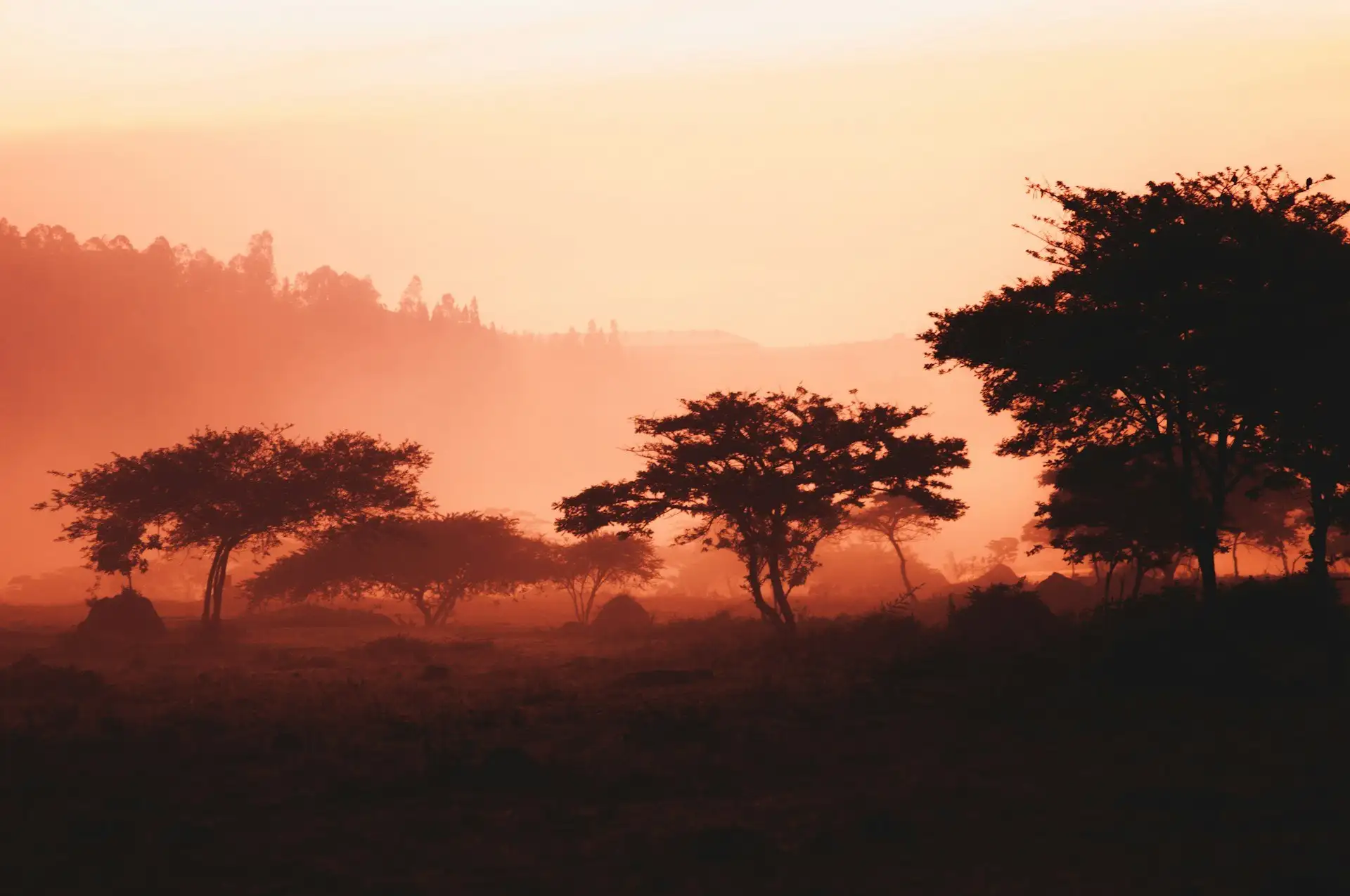
Rwanda is about the size of Wales or the US state of Maryland, among the most densely populated countries in Africa, with over 14 million people across 26,000 square kilometers of extraordinarily hilly terrain. The hills, cultivated from base to summit in tea, banana and subsistence crops, give the entire country the appearance of an elaborately terraced garden; from any elevated viewpoint, green hills stack into a horizon that in Rwanda is always close and always dramatic.
The country's transformation over the past three decades is one of the most documented and debated in Africa. In 1994, the genocide against the Tutsi killed an estimated 800,000 to one million people in 100 days, roughly 70 percent of the Tutsi population. Today Rwanda has a functioning economy, Africa's highest proportion of women in parliament, and a capital that consistently ranks as the continent's cleanest, safest and most livable. The transformation is real, remarkable and contested: it's been achieved under the authoritarian leadership of President Paul Kagame, who has held power since 1994 and has been criticized for suppressing political opposition, restricting press freedom, and involvement in the DRC conflict. These are facts a visitor needs to hold simultaneously with the genuine achievements.
The honest complications
Freedom of expression and political opposition are legally and practically restricted in Rwanda, and public criticism of the government carries real legal risks even for visitors expressing strong opinions loudly in public. Rwanda's involvement in eastern DRC, supporting the M23 rebel group according to UN experts, has caused a humanitarian crisis affecting millions, and this remains a genuinely sensitive topic worth understanding rather than raising carelessly. None of this changes what Rwanda offers as a destination, but it belongs in any honest account of the country.
A History Worth Knowing
Rwanda has been continuously inhabited for thousands of years by the same three groups, the Hutu, Tutsi and Twa, who had distinct social roles within a sophisticated pre-colonial kingdom. The distinctions between Hutu and Tutsi were historically social and economic, farmers versus cattle-keepers, rather than strictly ethnic; intermarriage was common and individuals could change classification through wealth. Belgian colonial policy, introducing identity cards in 1933 that permanently classified every Rwandan, hardened this fluid system into a rigid racial hierarchy that created the conditions for what followed sixty years later.
- 1933
Belgian racial classification. Identity cards permanently classify every Rwandan as Hutu, Tutsi or Twa, hardening a fluid social system into a racial hierarchy.
- 1959-1962
Hutu revolution & independence. Anti-Tutsi violence kills thousands and forces hundreds of thousands into exile; Rwanda gains independence in 1962.
- 1990
RPF invasion. The Rwandan Patriotic Front, formed by Tutsi exiles in Uganda, invades; the Arusha Accords follow in 1993.
- 6 Apr 1994
The genocide begins. President Habyarimana's plane is shot down; within hours, pre-planned genocide begins, killing 800,000 to one million people in 100 days.
- Jul 1994
RPF victory ends the genocide. Paul Kagame becomes de facto leader; two million Hutu flee to Zaire, now the DRC.
- 2002-2012
Gacaca courts. 12,000 community courts try 1.95 million genocide-related cases.
- 1994-Now
Rwanda's transformation. Rebuilds into one of Africa's most developed economies and safest cities, alongside ongoing concerns about political freedoms and DRC involvement.
Read the full history: the genocide, the gacaca courts, and the transformation
The genocide had been planned well in advance: lists of Tutsi had been compiled, radio stations had broadcast dehumanizing propaganda for months, machetes had been imported in enormous quantities. Neighbors killed neighbors; churches where people sought refuge became massacre sites; the international community failed entirely to intervene, and the UN famously withdrew most of its peacekeeping force as the killing began. Kagame's government faced an immense task afterward: justice for over 100,000 suspects in a country whose court system had been destroyed. The gacaca courts, traditional community justice adapted for this unprecedented scale, tried 1.95 million genocide-related cases across 12,000 local courts between 2002 and 2012, with all the strengths and acknowledged compromises that community justice implies. Ethnic identity markers were abolished in public life; the words "Hutu" and "Tutsi" cannot be used as ethnic identifiers in official Rwanda today, everyone is Rwandan.
The transformation that followed is genuinely extraordinary: GDP per capita grew from near zero to over $900 by the 2020s, Kigali was rebuilt into a model African capital, and the mountain gorilla conservation program has expanded the population significantly. But this recovery has been built under Kagame's RPF, which has held power continuously since 1994, suppressed political opposition, and been implicated in the assassination or disappearance of critics abroad. Rwanda's transformation is real; the political context of that transformation is also real, and understanding both is the honest way to visit.
Top Destinations
Rwanda is small enough that all major attractions are reachable from Kigali within a few hours. The classic circuit, Kigali, gorillas in Volcanoes National Park, Nyungwe Forest, Lake Kivu, Akagera National Park, can be done in 7-10 days, with excellent tarmacked roads and reliable services throughout.
Volcanoes National Park
2.5 hours northwest of Kigali in the Virunga Mountains, holding roughly 30 percent of the world's remaining mountain gorillas, around 360 individuals across more than 12 habituated groups. The trekking experience is considered the finest in East Africa: bamboo forest with better visibility than Uganda's Bwindi, shorter access from an international airport, and a 98%+ success rate. The trek, ranging from 30 minutes to 5 hours, culminates in one hour with the family, during which a silverback may walk within a few feet of you. The park also offers golden monkey trekking, a half-day hike to Mount Bisoke's crater lake, and the Dian Fossey Karisoke Research Centre trail.
Kigali
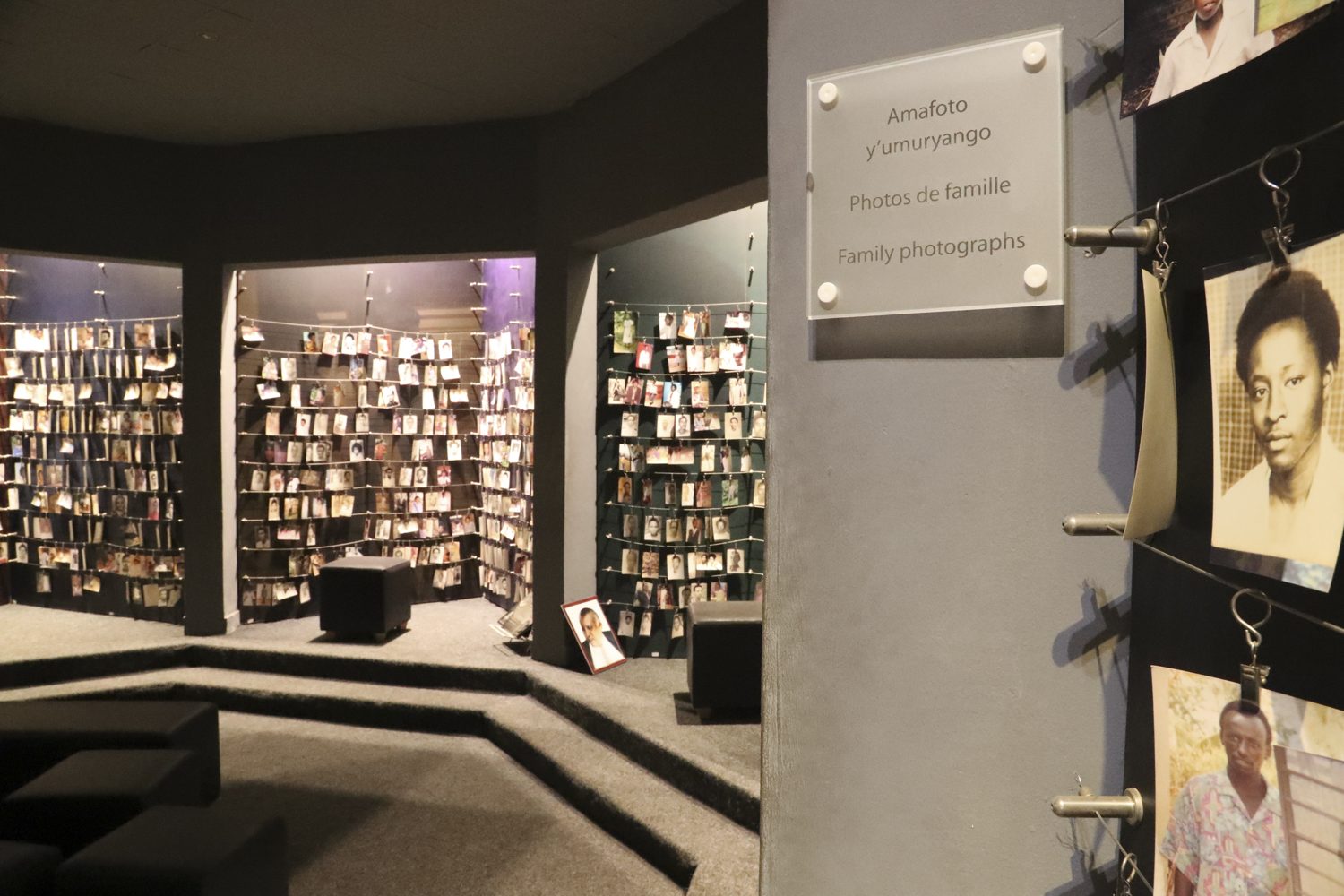
Consistently described as Africa's cleanest, safest and most livable capital, an assessment that surprises visitors expecting a standard post-conflict African city and finding instead a functioning metropolis of rolling hills and world-class coffee. The Kigali Genocide Memorial in Gisozi is non-negotiable, a museum walking through the genocide's history with intelligence, memorial gardens where 250,000 victims are buried; allow 2-3 hours and be aware it's emotionally demanding. Inema Arts Centre in Kacyiru is East Africa's finest contemporary art gallery, and Kigali's specialty coffee scene is remarkable, one of Africa's finest coffee producers served with real seriousness.
Nyungwe Forest National Park
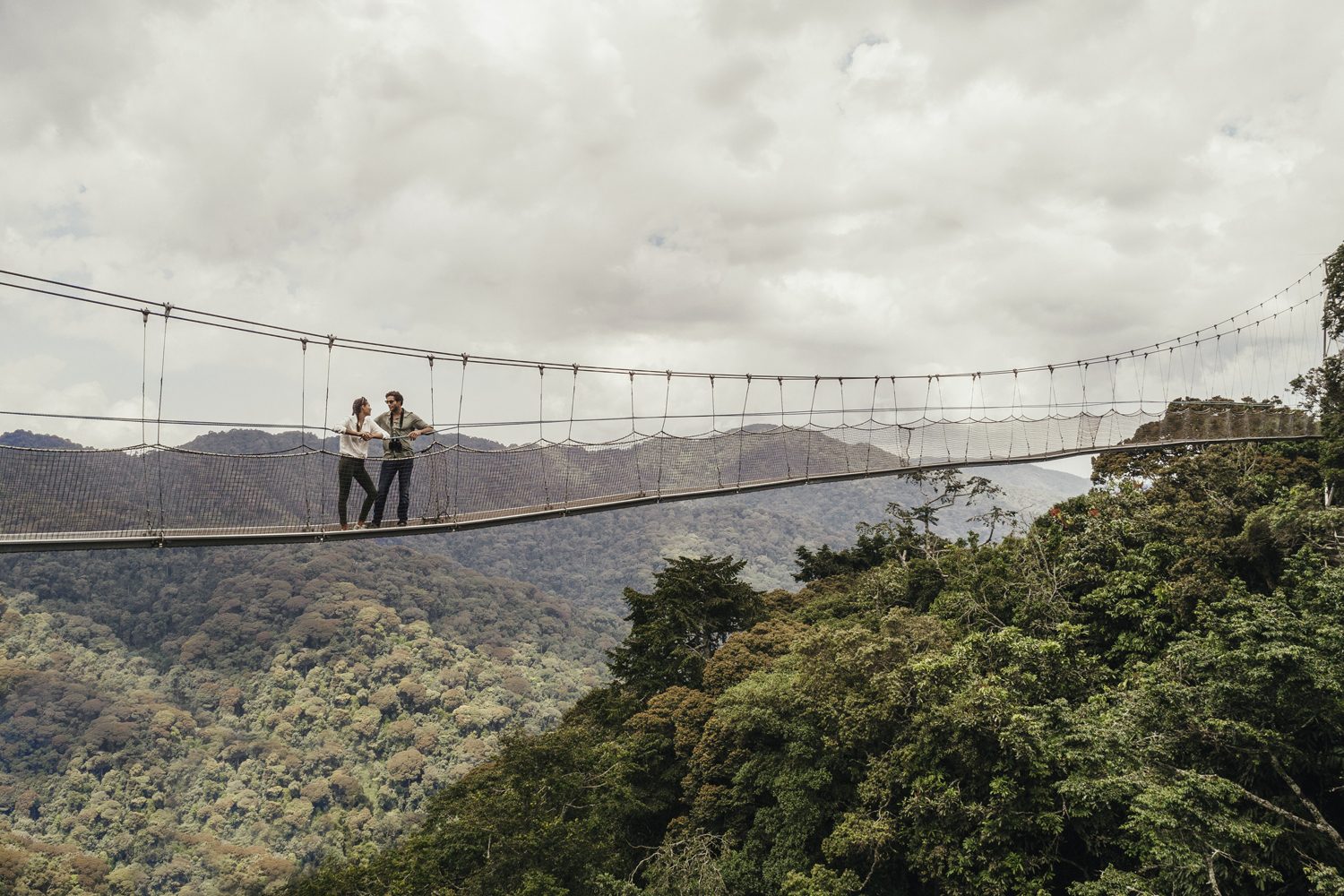
1,020 square kilometers of montane rainforest in southwest Rwanda, one of Africa's oldest forests, remaining intact through the Ice Age when most continental forests were lost. This ecological continuity explains extraordinary biodiversity: 13 primate species including habituated chimpanzees, over 300 bird species with 16 endemics, and a canopy walkway 70 meters above the forest floor.
Akagera National Park
100,000 hectares of savannah, lakes and wetlands on the Tanzanian border, devastated by the genocide and its aftermath, then managed by African Parks since 2010 with lions reintroduced in 2015 and black rhinos in 2017. Rwanda is one of the few countries where visitors can see mountain gorillas and all Big Five within a few days' drive.
Lake Kivu
One of Africa's Great Lakes, shared with the DRC. The Rwandan side offers charming lakeside towns, Rubavu (Gisenyi) in the north near the Virunga volcanoes, Karongi (Kibuye) in the center, and Rusizi (Cyangugu) in the south near Nyungwe. The lake is safe for swimming, too deep and cold for bilharzia, and the Congo-Nile Trail, a spectacular 227km hiking and cycling route along the lake's western escarpment, is one of Africa's finest long-distance trails.
Culture & Etiquette
Post-genocide Rwanda has consciously constructed a national identity around unity, "Ndi Umunyarwanda," I am Rwandan, rather than Hutu or Tutsi. Ethnic identifiers aren't used in official discourse, and reconciliation village communities where perpetrators and survivors live together by choice exist across the country. This project of national reimagination is both genuinely moving and politically complex.
Do
- Learn basic Kinyarwanda. "Muraho" (hello), "Murakoze" (thank you). English is widely spoken, but Kinyarwanda greetings earn genuine warmth.
- Respect plastic bag restrictions. Banned since 2008; bags are checked at the airport and single-use plastic confiscated. Bring a reusable bag.
- Plan around Umuganda. The last Saturday of every month, services may be limited from 8-11am; build this into any itinerary.
- Take the Genocide Memorial seriously. Go in the morning, allow 2-3 hours, don't combine it with a day full of other activities.
- Ask before photographing people. Particularly at markets and near memorial sites; most will say yes, some will decline, both with grace.
Don't
- Use ethnic labels in public discourse. Identifying people as Hutu or Tutsi is socially unacceptable and potentially illegal under Rwanda's genocide ideology laws; this is a deliberate political choice to prevent recurrence.
- Trek if you're unwell. Tell rangers about any respiratory symptoms on gorilla trekking day; you won't be permitted to trek, since a single transmission event can be catastrophic for a gorilla family.
- Discuss DRC politics carelessly. A genuinely sensitive topic; public criticism of Kagame's government is legally restricted, and expressing strong opinions loudly in public is unwise.
- Bring plastic bags. Enforcement is real, with confiscation and fines at entry points.
Deeper culture: umuganda, Rwandan coffee, and Intore dance
Umuganda. On the last Saturday of every month, all Rwandans between 18 and 65 participate in community work, cleaning streets and maintaining public spaces. Kigali's extraordinary cleanliness, no plastic bags, immaculate streets, is directly connected to this practice and a culture of public order the government has cultivated deliberately.
Rwandan coffee. Volcanic soils, elevation of 1,500-2,500 meters, and careful washing station processing produce beans with distinctive fruity, wine-like notes that specialty coffee buyers prize globally. Coffee farming provides income for hundreds of thousands of smallholder farmers, and the specialty premium makes their product worth growing well.
Intore dance. Rwanda's traditional royal dancers, warriors whose dances combined martial movements with white sisal costumes symbolizing lion manes, accompanied by Ingoma royal drums. Nearly lost in the post-colonial period and genocide but revived as a central element of Rwandan cultural identity.
Food & Drink
Rwandan cuisine is built around simple, fresh agricultural produce from one of Africa's most intensively cultivated countries, beans, cassava, plantain, sweet potato, yam and sorghum. Not heavily spiced by West African standards, but the quality of fresh ingredients and care in preparation make it satisfying, and Kigali's restaurant scene has expanded significantly in recent years.
Brochettes
Rwanda's most ubiquitous food: goat, beef or chicken on skewers, grilled over charcoal, served with fried plantain and pili-pili sauce. Evening brochettes from charcoal grills in Nyamirambo are among the best anywhere in East Africa.
Sambaza
Tiny freshwater fish from Lake Kivu, deep-fried whole until crispy, eaten bones and all with fried plantain and cold Primus. Best at lakeside restaurants in Rubavu with the DRC mountains visible across the water.
Rwandan Specialty Coffee
Washed-process arabica with fruity, floral, wine-like notes from volcanic highlands, one of the country's most celebrated economic successes. Question Coffee, directly connected to women's farmer cooperatives, and Bourbon Coffee roast and serve it properly.
Isombe & Ibihaza
Isombe is cassava leaves cooked with groundnuts into a thick, earthy stew; ibihaza is pumpkin mixed with beans. Everyday foods most Rwandan households eat regularly, what Rwanda actually tastes like beyond the hotel buffet.
Urwagwa & Ikivuguto
Urwagwa is traditional banana beer, cloudy and low in alcohol, always shared. Ikivuguto is fermented milk, a soured drinking-yogurt consistency, consumed at any time of day at Kigali's traditional milk bars.
Primus & Mutzig
Rwanda's national lagers, brewed with Lake Kivu water. A cold Primus after a gorilla trek, at a lodge overlooking the volcanoes, is one of Rwanda's great simple pleasures.
When to Go & Itineraries
Rwanda has two dry seasons and two rainy seasons. For gorilla trekking and wildlife, the dry seasons are significantly better; for green landscape photography and fewer crowds, the shoulder wet seasons are beautiful, and gorilla trekking still operates year-round.
All seasons compared, with temperatures
| Season | Verdict | Temps | Notes |
|---|---|---|---|
| Jun-Sep | Best | 18-25°C | Peak season, best trekking conditions; book permits and lodges 3-6 months ahead; Kwita Izina naming ceremony usually in September |
| Dec-Feb | Good | 20-27°C | Second-best window, drier trails, less crowded than peak |
| Mar-May & Oct-Nov | Viable, lush | 19-26°C | Gorilla trekking still operates; trails slippery; lower prices, sometimes easier permit availability |
Kigali averages at 1,500m altitude, pleasant year-round. Volcanoes NP is 3-8°C cooler at 2,000-3,000m; pack a layer for mornings.
Itineraries
A 7-day trip covers the highlights; 10-12 days gives space to breathe. Combine with Uganda for a two-country gorilla experience using the East Africa Tourist Visa.
- Days 1-2
Kigali. Genocide Memorial, Inema Arts Centre, specialty coffee, Kimironko Market for crafts, brochettes in Nyamirambo.
- Days 3-4
Volcanoes National Park. Drive to Musanze, cultural village or golden monkey briefing, then the gorilla trek. No other plans needed for the rest of that day.
- Days 5-7
Lake Kivu & return. Rubavu for lake swim and volcano views, drive along the Congo-Nile escarpment to Karongi, return to Kigali for departure.
- Days 1-2
Kigali. Genocide Memorial, Inema Arts Centre, Kandt House Museum, Nyamirambo walking tour with a local guide.
- Days 3-5
Volcanoes NP. Golden monkey trek, the gorilla trek, then a choice of Mount Bisoke's crater lake or the Dian Fossey grave trail.
- Days 6-7
Lake Kivu. Two nights, one in Rubavu, one in Karongi, boat trip, coffee farm tour, a half-day sampling the Congo-Nile Trail.
- Days 8-9
Nyungwe Forest. Chimpanzee tracking, the canopy walkway, colobus monkey trekking and birding.
- Day 10
Huye & return. The National Museum of Rwanda, optionally Nyanza's King's Palace, then back to Kigali for departure.
Getting there & around
Kigali International Airport is served by Ethiopian Airlines, RwandAir, KLM and others. Hiring a driver for the entire trip is the most practical option; Rwanda's roads are excellent but rural signage can be limited, and a local driver knows the shortcuts.
All transport options with prices: private driver, buses, motos
| Option | Price | Notes |
|---|---|---|
| Private driver | $60-120/day | The most practical option for the whole trip; a 4x4 helps for unpaved sections near Volcanoes and Akagera. |
| Buses (Kigali-cities) | 500-3,000 RWF | Horizon Express and others run Kigali-Musanze several times daily, about 2 hours, the budget option for gorilla trekkers. |
| Motos (Kigali) | 200-1,000 RWF | The most efficient way to move short distances; use the Yego Cabs app for fixed, transparent pricing, especially at night. |
| Lake Kivu boats | Varies | The MV Akagera ferry serves the full lake length, 8-10 hours; speedboat charters between towns are faster. |
East Africa Tourist Visa: $100 covers Rwanda, Uganda and Kenya together, worthwhile for a multi-country trip. GetTransfer offers fixed-price pickups from Kigali International Airport.
Where to stay
Luxury gorilla lodges
Bisate Lodge (Six Senses), One&Only Gorilla's Nest, Singita Kwitonda Lodge, close to Kinigi headquarters with forest restoration and community employment programs built in.
Mid-range, Volcanoes
Virunga Lodge (community-owned, crater lake views), Sabyinyo Silverback Lodge (African Wildlife Foundation partnership), good food and the right location.
Kigali
Radisson Blu, Kigali Marriott, and Heaven Restaurant & Boutique Hotel for international standard; Discover Rwanda Youth Hostel for a well-run budget option in Kimihurura.
Nyungwe & Akagera
One&Only Nyungwe House on a tea plantation; Ruzizi Tented Lodge on Akagera's lake, book well ahead in peak season.
Budget Planning
Rwanda is expensive by African standards, primarily because of the gorilla permit ($1,500). Without the gorilla trek it's a mid-range African destination; with it, budget for a premium experience, though the permit cost funds real conservation and the experience justifies itself for most visitors who make it.
- Hostels and guesthouses
- Local restaurants and brochettes
- Buses between cities
- Nyungwe chimp tracking, $150
- Good mid-range lodges and hotels
- Mix of local and restaurant dining
- Private transport or hired driver
- Gorilla permit, $1,500 one-time
- Bisate Lodge or One&Only Gorilla's Nest
- Private guides and vehicles
- Multiple gorilla treks
- Luxury lodges at every stop
Quick reference prices: permits, food, transport
| Gorilla trekking permit | $1,500/person |
| Golden monkey permit | $100/person |
| Chimpanzee permit, Nyungwe | $150/person |
| Brochettes + Primus, local | ~$1.50-3 |
| Specialty coffee, Kigali cafe | ~$2.20-4.40 |
| Kigali moto, short journey | ~$0.35-0.75 |
| Kigali-Musanze bus | ~$2.20 |
Prices reflect July 2026 research and drift over time. Treat them as a planning baseline, not a quote.
Visa & Entry
Rwanda has one of Africa's most accessible visa policies. Most nationalities can get a visa on arrival for $50 or apply in advance online at irembo.gov.rw. African Union citizens are generally visa-free, and the East Africa Tourist Visa ($100) covers Rwanda, Uganda and Kenya together.
✓ Valid passport
At least 6 months validity beyond your stay, at least one blank page.
✓ Visa fee, $50 USD
Payable on arrival in USD cash or by card, or online in advance; keep your receipt.
⚠ No plastic bags
Checked at the airport; any single-use plastic bags are confiscated. Pack reusable bags before departure.
✓ East Africa Tourist Visa
$100 covers Rwanda, Uganda and Kenya; apply online at irembo.gov.rw for the Rwanda entry point.
| Rwanda | Uganda | |
|---|---|---|
| Gorilla permit | $1,500 | $700 |
| Trek conditions | Bamboo forest, better visibility | Denser forest, typically longer trek |
| Access from capital | 2.5 hours from Kigali | 8+ hours from Entebbe |
| Overall safety rating | Africa's safest country | Generally safe, more variable by region |
| Best for | Accessibility and experience quality | Budget-conscious travelers |
Safety, Solo Women & Family
Rwanda is consistently rated Africa's safest country for visitors. Violent crime against tourists is extremely rare, and the government maintains strict public order; the culture of community accountability through umuganda and other programs creates a remarkably safe public environment, in Kigali and across the national parks.
DRC & Burundi border zones
Rated Level 4, Do Not Travel, by the US. Eastern DRC is one of the world's worst active conflict zones. Do not travel within 10km of these borders; the standard tourist circuit is entirely clear of them.
Political expression
Freedom of expression and political opposition are legally and practically restricted. Foreign visitors are generally not targeted for political speech, but expressing anti-government views loudly in public is unwise.
National parks
Volcanoes, Nyungwe and Akagera are managed at high professional standards, with armed rangers at Akagera and mandatory guides at Nyungwe. Wildlife encounters are guided and very safe.
Solo women and healthcare
Solo women: Rwanda is consistently rated one of Africa's best destinations for solo female travelers. Kigali's safety, professional tour and lodge operators, and a general culture of respect make this low-risk; standard precautions apply at night, and daytime harassment at established tourist sites is genuinely rare.
Healthcare: King Faisal Hospital in Kigali is the best private facility, international standard. Malaria risk is relatively low in Kigali due to altitude but present in lower areas including Akagera; prophylaxis is strongly recommended for those visits.
Emergency numbers
Embassy contacts in Kigali
Most Western missions are located in central Kigali's diplomatic districts.
- USA
- +250-252-596-400
- UK
- +250-252-584-098
- Germany
- +250-252-575-222
- France
- +250-252-572-685
Medical: King Faisal Hospital is Kigali's best private hospital, international standard for most needs; Nairobi is the evacuation destination for very serious cases.
Rwanda FAQ
How much is a gorilla trekking permit in Rwanda?
$1,500 per person, the most expensive gorilla permit in East Africa, covering one hour with a habituated mountain gorilla family. Only 96 permits are issued daily, and peak season (June to September) sells out three to six months ahead.
Is Rwanda safe to visit?
Yes, consistently rated Africa's safest country for visitors, with Kigali ranked as one of the continent's safest and cleanest capitals. The genuine risk zones are the borders with the DRC and Burundi, rated Level 4 Do Not Travel, which the standard tourist circuit does not approach.
Do I need a visa for Rwanda?
Most nationalities receive a 30-day visa on arrival for $50, or can apply online in advance through irembo.gov.rw. The East Africa Tourist Visa, $100, covers Rwanda, Uganda and Kenya together, worthwhile for a multi-country trip.
Is Rwanda or Uganda better for gorilla trekking?
Rwanda's permit costs more ($1,500 vs Uganda's $700) but the bamboo forest gives better visibility, the drive from Kigali is 2.5 hours versus 8-plus from Entebbe, and logistics are simpler overall. Uganda is the budget choice; Rwanda prioritizes accessibility and experience quality. Many visitors do both.
What happened in the Rwandan genocide?
In 100 days between April and July 1994, an estimated 800,000 to one million people, primarily Tutsi and moderate Hutu, were killed following the shooting down of President Habyarimana's plane, which triggered a pre-planned campaign by Hutu extremists. The Kigali Genocide Memorial documents this history in detail.
What is umuganda?
Mandatory community service held on the last Saturday of every month from roughly 8am to 11am, in which all Rwandans aged 18 to 65 participate in cleaning streets and building community infrastructure. Some shops and services are limited during this window.
Can you see the Big Five in Rwanda?
Yes, at Akagera National Park in eastern Rwanda, where lions were reintroduced in 2015 and black rhinos in 2017 after decades of near-total wildlife loss following the genocide. Rwanda is one of the few countries where visitors can see mountain gorillas and all Big Five within a few days' drive of each other.
How many days do you need in Rwanda?
Seven days covers Kigali, gorilla trekking, and Lake Kivu comfortably. Ten to twelve days adds Nyungwe Forest's chimpanzee tracking and Akagera's Big Five safaris without rushing.
Is Rwanda expensive?
By African standards, yes, primarily because of the $1,500 gorilla permit. Without gorilla trekking, Rwanda is a mid-range African destination at roughly $60-100 a day; with it, budget for a premium experience, though the permit fee funds real conservation.
What language is spoken in Rwanda?
Kinyarwanda is the national language, and English, French and Swahili are all co-official. English was adopted as a co-official language in 2008 and is widely spoken in Kigali and throughout the tourism sector.
Kwita Izina
Every year, usually in September, Rwanda holds a ceremony called Kwita Izina, the naming of the gorillas. Baby mountain gorillas born in the previous year are given names by community elders, conservation leaders, government officials and invited guests, Kinyarwanda words sometimes describing the circumstances of birth, sometimes expressing a hope. When Dian Fossey was working at Karisoke in the 1980s, there were fewer than 250 mountain gorillas left; today there are over 1,000.
A country that named its reconciliation process gacaca, the grass where people sit together to speak truth, understands something about the act of naming. In 1994, Rwanda lost a million people in 100 days. Today it has the fastest-growing gorilla population of any great ape on earth, one of Africa's most remarkable cities, and every September a ceremony where people gather in the hills to give new lives their names. These are the same people, in the same hills, thirty years apart, and the distance between those two Rwandas is one of the most extraordinary traversals in modern history.