
What You're Actually Getting Into
Gabon sits on the equator on Central Africa's Atlantic coast, wedged between Cameroon, Equatorial Guinea and the Republic of Congo. Roughly the size of Colorado, with a population of only 2.3 million, it's smothered almost entirely in one of the densest and most biodiverse rainforests on the planet. The combination of very few people and substantial oil revenue means huge tracts of the country have never been logged, farmed, or meaningfully disturbed. This is the reason to go.
The numbers are staggering if you let them sink in. Half the world's remaining forest elephant population lives here. Gabon holds more western lowland gorillas than any other country. The Atlantic beaches at Loango are the only place on earth where you can reliably watch forest elephants walk down to the ocean and stand in the surf. Humpback whales calve in the waters off Mayumba from June to September. The Kongou Falls in Ivindo National Park are the widest falls in Africa, and most visitors to this continent will never hear of them.
The honest complications
This is not a comfortable or cheap destination. Libreville is an expensive oil city with surprisingly little for tourists. Roads outside the capital are rough, often impassable in the wet season, and distances between parks are long. The tourism infrastructure that exists was built for wealthy French and international visitors and is priced accordingly. You'll spend real money to access the best of Gabon, and need to plan carefully or work with an operator who knows the country.
A History Worth Knowing
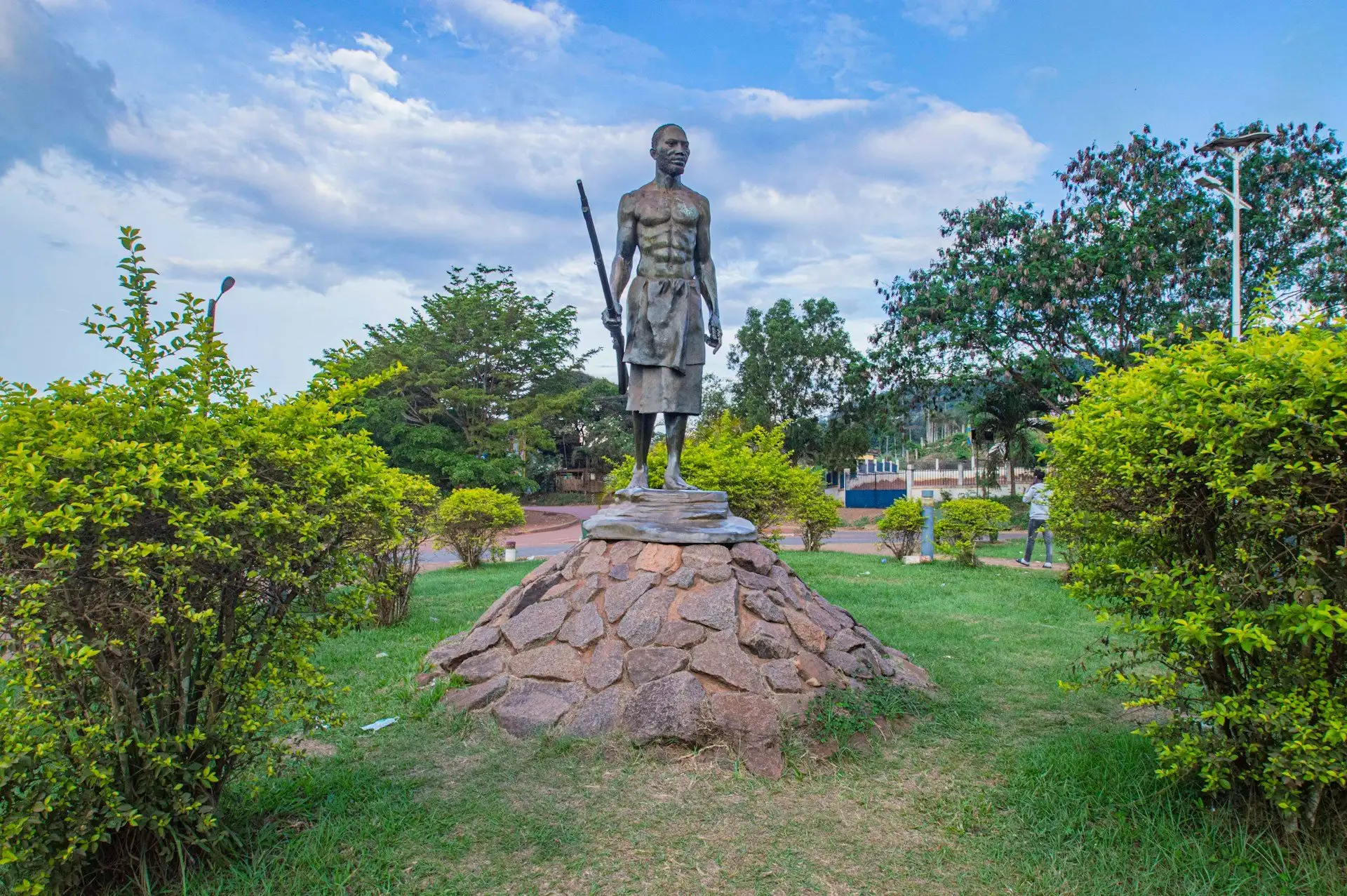
Gabon's deep history is one of forest peoples: the Baka and other Pygmy communities who were the region's original inhabitants, followed by Bantu migrations that brought the Fang, Myene, Kota and other ethnic groups who shaped the cultural landscape that exists today. The Portuguese reached the Gabon estuary in the 1470s; the slave trade that followed was devastating, and the French established their presence from the 1830s, freeing 52 enslaved people from a captured slave ship in 1849 and settling them at a point they named Libreville, Free Town, giving the capital its name and founding story.
- ~1470s
Portuguese arrival. Portuguese navigators reach the Gabon estuary; the slave trade begins its devastating impact on the region.
- 1849
Libreville founded. The French navy frees 52 enslaved people and names their settlement Libreville, Free Town.
- 1913
Schweitzer at Lambaréné. Albert Schweitzer establishes his hospital on the Ogooué River, drawing global attention to Gabon for the first time.
- 1960
Independence. Gabon gains independence from France; French influence remains profound in politics, economics and culture.
- 1967
Bongo dynasty begins. Omar Bongo takes power at 32 and rules for 42 years; his son Ali continues the family dynasty.
- 2002
13 national parks created. President Omar Bongo places 11% of Gabon under national park protection in one of Africa's great conservation acts.
- 2023
Military coup. General Oligui Nguema removes Ali Bongo, ending the 56-year Bongo dynasty; a transition government is installed.
- 2025
Oligui Nguema elected president. April 2025 election, over 90% of the vote; sworn in May 3, 2025, formally ending the transition period.
Read the full history: oil wealth, conservation, and the political transition
French colonial rule formalized through the late 19th century, incorporating Gabon into French Equatorial Africa; the colonial extraction model focused on timber, particularly okoumé wood, with severe labour conditions. Independence came in 1960; Léon M'ba became the first president and was briefly overthrown in a 1964 coup before French military intervention restored him, an early demonstration of the Paris-Libreville relationship that would define Gabonese politics for decades. Oil, discovered offshore in the 1970s, transformed Gabon into one of Africa's wealthier states by GDP per capita, though distributed very unevenly, and somewhat ironically helped preserve the forest, since the country didn't desperately need to convert land for agriculture.
The August 2023 coup ended the Bongo family's 56-year hold on power; General Oligui Nguema, a cousin of Ali Bongo, led the transition government as chairman of the Committee for the Transition and Restoration of Institutions. A new constitution was approved by referendum in November 2024, and Oligui Nguema won the April 2025 presidential election with a reported 90-95% of the vote against seven other candidates, in polls local observers deemed satisfactory. He was sworn in on May 3, 2025. Gabon's post-Bongo transition has been relatively peaceful, and Freedom House now rates the country Partly Free, an improvement on its pre-coup Not Free status, though the country continues to work through infrastructure and debt challenges inherited from the Bongo era.
Top Destinations
Gabon's 13 national parks spread across an enormous and largely roadless country. The practical reality for most visitors is a combination of two or three parks reached by a mix of the Trans-Gabon Railway, small charter planes, and rough road transfers. Lopé is the most accessible and best-established. Loango is the most spectacular for those willing to make the effort. The far east, Ivindo and Minkébé, is for serious expedition travelers with significant time and budget.
Loango National Park
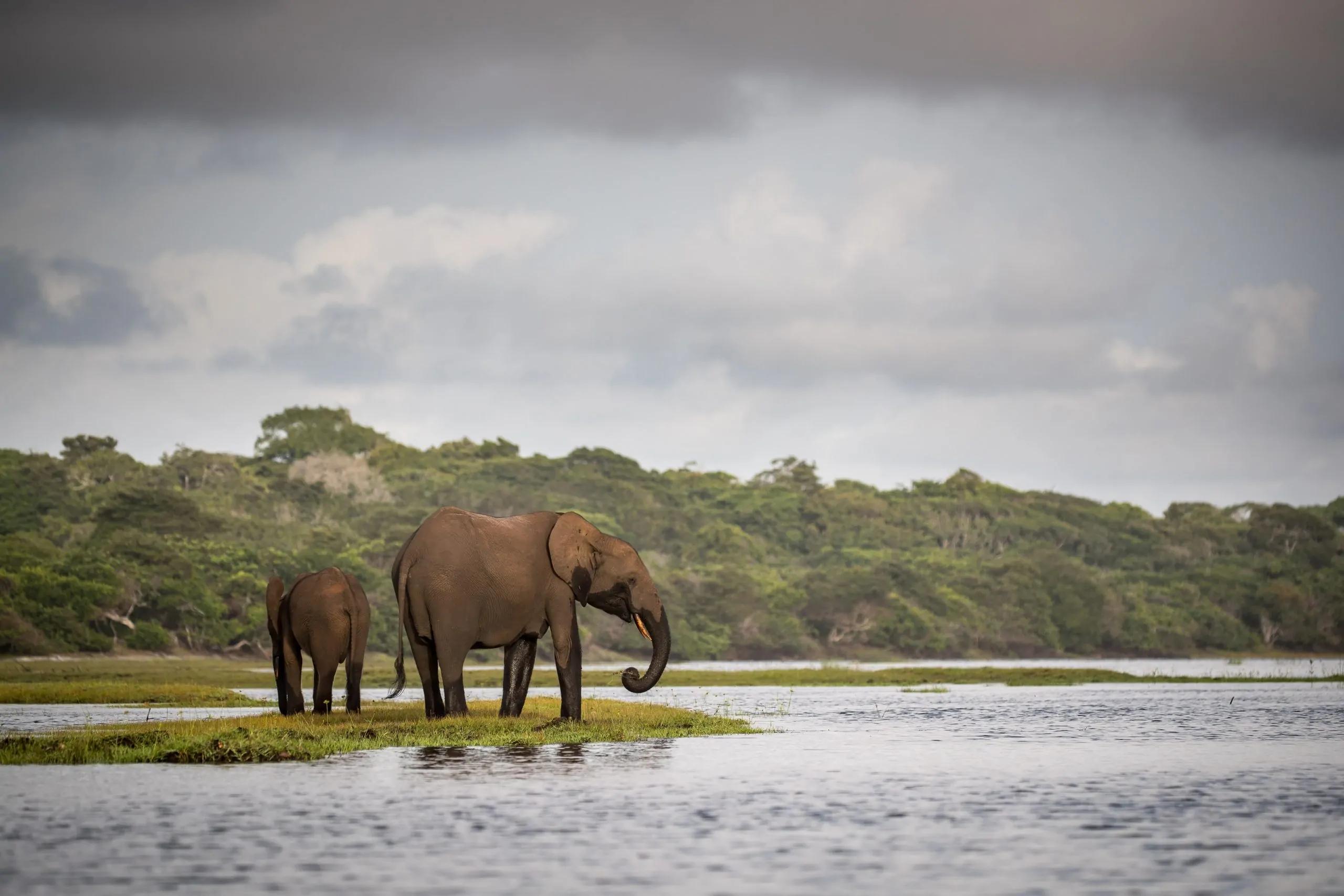
The signature experience of Gabon and one of the most extraordinary wildlife encounters in Africa. Loango covers 1,550 square kilometers of forest, savanna, lagoons and Atlantic beach. Forest elephants walk the beach at dawn and dusk, often entering the surf; hippos swim in the ocean; buffalo wander the shoreline. During the right season, humpback whales breach offshore while you watch from the beach. The surfing at the northern point is world-class and completely uncrowded. Getting here requires either a flight from Libreville or a combination of road and boat taking the better part of a day.
Lopé National Park
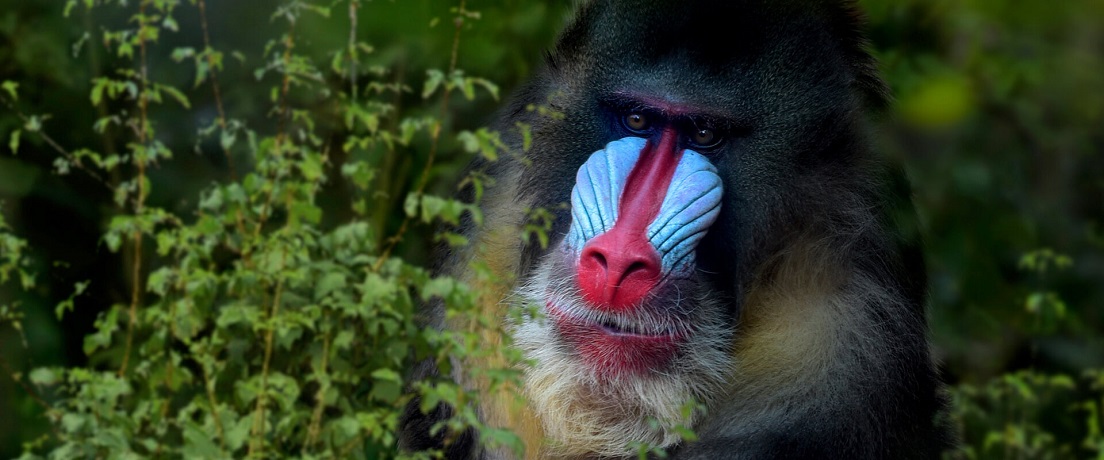
UNESCO World Heritage Site and Gabon's most visited park, which still means you'll likely have your guide largely to yourself. Lopé sits where equatorial forest meets ancient savanna, supporting extraordinary biodiversity: western lowland gorillas, mandrills, the world's largest monkey, forest elephants, chimpanzees, and over 400 bird species. Reached on the Trans-Gabon Railway from Libreville in five to seven hours, one of Central Africa's great train journeys through unbroken forest.
Ivindo National Park
The most remote of Gabon's accessible parks, in the northeast near the Congolese border. The Kongou Falls are the widest falls in Africa, broader than Victoria Falls, yet almost unknown outside specialist conservation circles. Reached by road and boat from Makokou; Bai Hokou within the park is one of Central Africa's finest spots for observing forest elephants and gorillas at natural forest clearings called bais.
Mayumba National Park
In the far south near the Congo border, protecting a narrow strip of Atlantic coast that's one of the world's most important nesting sites for leatherback sea turtles. Between October and March, hundreds of females come ashore at night to lay eggs, sometimes 500 on a single beach in one night; June to September brings humpback whale watching rivaling the best in the world.
Libreville
Gabon's capital sits on the estuary and is where almost every visitor begins and ends. Expensive and not architecturally remarkable, but with genuinely good French-influenced restaurants, lively nightlife along the Boulevard Triomphal, excellent seafood along the Boulevard du Bord de Mer, and a beach suburb at Point Denis reachable by a 15-minute pirogue. The Musée National des Arts et Traditions holds masks and ritual objects, particularly Fang and Kota examples, among the most significant in African art history. Spend two nights maximum and move on.
Culture & Etiquette
Gabon is a francophone country in the fullest sense: French is the language of government, education, commerce and most public interaction, and the cultural frame of reference in Libreville leans heavily toward Paris. None of which erases the depth of Gabonese culture underneath; the country has over 40 ethnic groups with distinct languages, traditions and artistic heritages, and the two coexist without apparent contradiction.
Do
- Speak French, or try to. English is not widely spoken outside upmarket hotels; even basic French vocabulary is met with warmth.
- Greet before transacting. "Bonjour, comment ça va?" before any practical request is the baseline of polite interaction.
- Ask about the art. Gabonese traditional masks and objects are among the most significant in Africa; asking someone to explain an object's function opens genuinely interesting conversations.
- Carry cash in small denominations. Card payment is essentially non-existent outside Libreville, and unreliable even there.
- Follow your park guide's instructions precisely. Gabon's parks contain genuinely dangerous wildlife, and guide instructions exist because of direct experience.
Don't
- Photograph military or government buildings. Illegal and enforced broadly and inconsistently; keep cameras away from checkpoints and uniformed personnel.
- Assume roads are passable without checking. A driveable dry-season road may be a river channel in the wet season. Ask locally about current conditions before committing to a route.
- Purchase wildlife products. Bushmeat, animal skins and ivory appear in some markets; purchasing supports the destruction of the wildlife that makes Gabon extraordinary.
- Take iboga without medical screening. A powerful substance with genuine cardiac risks; approach only through recognised operators with proper screening.
Deeper culture: Fang masks, Bwiti tradition, and forest culture
Fang masks and art. The Fang people's reliquary figures and masks are among the most important objects in the history of African art. Paul Guillaume brought Fang objects to Paris in 1914, directly influencing Picasso, Modigliani and others, a direct line of influence that reshaped Western art, and a connection most people don't know about.
Bwiti tradition. The spiritual practice of the Mitsogho and Fang involves multi-day initiation ceremonies using iboga root as a visionary sacrament. It's a living religion with active practitioners, not a tourist experience; approach with serious respect and zero entitlement.
Forest and river culture. Outside the capital, Gabon's culture is rooted in the forest and its rivers. The Ogooué river system has been the country's main artery for centuries, and villages along it maintain traditions of fishing, forest farming and communal living largely intact.
Food & Drink
Gabon's food landscape splits cleanly between Libreville and everywhere else. Libreville has a genuinely good restaurant scene built on French culinary tradition, Atlantic seafood, and local cuisine using cassava, plantain and forest ingredients. Everywhere else, you eat at the lodge, cook your own food, or find a local maquis, an informal roadside restaurant, and order whatever they cooked that day.
Nyembwe Chicken
The national dish. Chicken, sometimes fish or pork, cooked slowly in a sauce made from palm nuts, with aromatic leaves added at the end. Rich, slightly bitter, unlike anything in your normal frame of reference. Found at every maquis in the country.
Atlantic Seafood 2,000-4,000 XAF
Barracuda, dorado, red snapper and capitaine at the Libreville coast. At the morning fish market they arrive fresh off the boat onto a charcoal fire, better value by a factor of ten than the restaurant version.
Maquis Culture 500-1,500 XAF
The rough-hewn canteen of Gabon: plastic chairs, a chalkboard menu of two or three dishes, food made that morning and gone by early afternoon. You'll eat better here most days than at mid-range Libreville restaurants charging four times as much.
Cassava & Plantain
The starchy backbone of Gabonese cooking: foufou, pounded cassava eaten with stew; chikwangue, wrapped in banana leaves and steamed; plantain fried, boiled or roasted at every meal.
Régab Beer
Gabon's national lager, brewed in Libreville since 1966. A bottle at a maquis costs 500-700 XAF; at a hotel bar, three times that.
French Wine Culture
Libreville's relationship with French wine is genuine rather than aspirational; better restaurants stock burgundy and bordeaux at prices reflecting shipping but reasonable by European standards.
When to Go & Itineraries
Gabon has two dry seasons and two wet seasons, as expected directly on the equator. The long dry season from June to September is the main travel window: best wildlife viewing at Lopé and Loango, passable roads, whale watching offshore, and lowest malaria transmission. The shorter dry season from December to January works for Mayumba turtle season.
All seasons compared, with temperatures
| Season | Verdict | Temps | Notes |
|---|---|---|---|
| Jun-Sep | Best | 22-28°C | Peak wildlife season; humpback whales arrive; roads passable; lower malaria risk |
| Dec-Jan | Good | 22-27°C | Mayumba turtle nesting peaks; cooler and drier; book months ahead for holidays |
| Oct-Nov | Challenging | 24-30°C | Heavy rainfall, frequently impassable interior roads, highest malaria transmission |
| Feb-May | Challenging | 25-31°C | Rain returns with a brief March break; gorilla tracking remains possible at higher, better-drained Lopé |
Libreville is on the equator; humidity stays above 80% year-round, making temperatures feel hotter than they read.
Itineraries
Ten to fourteen days is the minimum to do Gabon justice. Less and you'll spend the whole trip in transit; fourteen allows Libreville as a base, a Trans-Gabon train journey to Lopé, and either Loango or Mayumba for the coastal experience.
- Days 1-2
Libreville. Marché du Mont-Bouët for market orientation and breakfast, National Museum for the mask collection, Boulevard du Bord de Mer for seafood dinner, Point Denis by pirogue.
- Days 3-6
Lopé National Park. Trans-Gabon train (5-7 hrs). Four nights minimum for proper gorilla tracking and mandrill sightings, sometimes in groups of 500 or more.
- Day 7
Return to Libreville. Train back, watching for forest elephants from the window in the first two hours; evening flight home or one final night.
- Days 1-2
Libreville. Logistics day: confirm bookings, local SIM, bureau de change rather than hotel rate, National Museum, fish market breakfast.
- Days 3-6
Lopé National Park. Four nights: gorilla and mandrill tracking, evening drives along the savanna edge.
- Days 7-12
Loango National Park. Charter flight from Lopé or via Libreville. Five nights: forest elephants on the beach at dawn and dusk, whale watching June-September, night walks for forest small mammals.
- Days 13-14
Return to Libreville. Final night, dinner at a Boulevard Triomphal brasserie, fly home next morning.
Getting there & around
The Trans-Gabon Railway is the spine of overland travel between Libreville and the interior. Everything else is a combination of rough roads, small charter aircraft, and river pirogues. Air transport is frequently the most practical option for covering large distances between parks.
All transport options with prices: train, charter flights, 4WD
| Option | Price | Notes |
|---|---|---|
| Trans-Gabon Railway | 5,000-15,000 XAF | Libreville-Lopé, 5-7 hrs; book at Gare d'Owendo; first class worth it on overnight journeys. |
| Domestic charter flights | $200-600/person | Essential for reaching Loango and Mayumba efficiently; book through your lodge or operator. |
| 4WD rental | 60,000-120,000 XAF/day | A proper 4WD, not a city SUV, required for interior road travel; hire with a driver if inexperienced with the conditions. |
| River pirogue | Negotiated locally | The Ogooué and its tributaries remain essential for reaching some villages and wildlife areas. |
Road reality: the N1 between Libreville and Lambaréné is paved and reliable; most roads south and east are unpaved and seasonally impassable. Ask at your lodge the day before attempting any route to Loango, not a week before. Trip.com offers fixed-price transfers from Leon M'ba International.
Where to stay
Park lodges
The specialist camps at Loango, Lopé and Mayumba are the reason to come, typically including guides and activities. Book 3-6 months ahead for peak season.
Libreville hotels
Radisson Blu, Ledger Plaza and Nomad Palace are the reliable upmarket options for the oil and business market; overpriced relative to what you get, but manageable for two nights maximum.
Guesthouses
In smaller towns, Lambaréné, Mouila, Oyem, Makokou, local guesthouses exist and are serviceable for travelers moving between parks; ask your operator for specific names.
Budget Planning
Be honest with yourself before you book: Gabon is not a budget destination. It's expensive regardless of how you travel, driven by oil-economy pricing in Libreville, thin tourism infrastructure in the parks, and the cost of charter flights to reach remote areas. A week done properly will cost more than an equivalent week on an East African safari circuit; the wildlife you see in return is extraordinary and often found nowhere else.
- Local guesthouses and hostels
- Maquis and market food daily
- Trans-Gabon Railway over charter flights
- Lopé only, most accessible park
- Mid-range Libreville hotel, 2 nights
- One park lodge, Lopé or Loango
- Mix of charter flight and train
- Guided gorilla tracking and game drives included
- Top Libreville hotels
- Premium park lodges, full board
- Charter flights between parks
- Whale watching boat charters at Mayumba
Quick reference prices: food, transport, park permits
| Maquis meal | 500-1,500 XAF |
| Régab beer, maquis | 500-700 XAF |
| Restaurant dinner, Libreville | 15,000-40,000 XAF |
| Trans-Gabon train, Libreville-Lopé | 5,000-15,000 XAF |
| Charter flight, Libreville-Loango | $200-400/person |
| Budget hotel, Libreville | 30,000-60,000 XAF/night |
| Park lodge, full board | $250-600/night |
| Lopé gorilla tracking permit | ~$100-150/person |
Prices reflect July 2026 research and drift over time. Treat them as a planning baseline, not a quote.
Visa & Entry
Gabon has made visa access considerably easier in recent years. Citizens of over 90 countries can obtain a visa on arrival at Libreville's Leon M'ba International Airport, and an e-visa system also allows online application before travel, recommended for peace of mind even where visa-on-arrival is technically available. Yellow fever vaccination is mandatory for entry; you must carry your international vaccination certificate.
✓ Valid passport
6+ months validity beyond your intended departure date.
✓ Yellow fever certificate
Mandatory; you won't be allowed to board without it.
✓ E-visa or on-arrival fee
Payable in USD or EUR at the airport; e-visa paid online in advance is more reliable.
⚠ No photography of military installations
Illegal and enforced; keep cameras away from checkpoints, government buildings and uniformed personnel.
| Gabon | Republic of Congo | |
|---|---|---|
| Signature draw | Loango's beach elephants, Lopé gorillas | Odzala-Kokoua's gorilla habituation, less developed infrastructure |
| Access | Via Paris or Addis; Trans-Gabon Railway | Via Brazzaville, fewer direct connections |
| Cost | Expensive, oil-economy pricing throughout | Comparably expensive for guided park access |
| Political situation | Stable since the 2025 election ended the transition | Long-standing single-party stability |
Safety, Solo Women & Family
Gabon is generally one of the safer countries in Central Africa. The national parks are safe with licensed guides. Libreville has petty crime at tourist-typical levels, phone snatching, opportunistic theft in busy markets, but the kind of street violence that characterizes some regional capitals is less prevalent here. Oligui Nguema's April 2025 election victory formally ended the transition period, and the political situation has remained stable since.
National parks
Very safe with properly licensed guides. The main risks are wildlife, managed through guide protocols, and the environment itself, heat, humidity, slippery forest paths, river crossings.
Road travel
Road accidents are a significant risk across the country. Night driving outside Libreville on unpaved roads is inadvisable. Checkpoints are common; keep documents accessible, be polite, don't photograph anything at a checkpoint.
Health risks
Malaria is the primary health threat and should be taken seriously year-round. Watercourses can carry bilharzia; don't swim in freshwater rivers or lakes without specific local advice.
Libreville city centre and healthcare
Libreville city centre: standard urban precautions apply. Avoid displaying expensive phones or cameras at the Marché du Mont-Bouët and on crowded streets. The Boulevard du Bord de Mer is generally safe in the evening; the streets behind it less so after dark.
Healthcare: the Fondation Jeanne Ebori in Libreville is the most reliable hospital for foreign visitors. Outside the capital, medical facilities are very limited. Medevac insurance and a saved evacuation service number are essential, not optional.
Emergency numbers
Embassy contacts and medical evacuation
Most embassies are in the Batterie IV and Quartier Louis districts of Libreville.
- USA
- +241-01-45-71-00
- France
- +241-01-79-10-00
- UK (via Yaoundé)
- +237-222-220-796
- Germany
- +241-01-76-01-88
- Canada (via Yaoundé)
- +237-222-230-203
Medical evacuation: ASSA Assistance (+241-01-72-45-40) operates in Gabon and handles medical emergencies and evacuations. Fondation Jeanne Ebori hospital (+241-01-76-57-57) in Libreville is the best facility in the country. Serious cases require evacuation to South Africa, France or Cameroon; ensure your insurance explicitly covers it.
Family travel & pets
Gabon is a rewarding but demanding family destination, best suited to families with children genuinely interested in wildlife and comfortable with the absence of entertainment infrastructure. Most park lodges set a minimum age for guided activities of 12, and some gorilla tracking requires participants 15 or older.
Loango beach walks with kids, and bringing pets
Loango beach walks: walking the beach at dawn to find forest elephant tracks, then waiting as the animals come down through the forest, is a wildlife experience children remember permanently. Age limit is typically 8 and above.
Pets: requires a rabies vaccination, health certificate within 10 days of travel, microchip proof, and veterinary import clearance from Gabon's Direction des Services Vétérinaires, starting at least two months before travel. Park lodges don't accept domestic animals, and the heat, humidity and disease environment make Gabon genuinely hostile for temperate-climate pets; not recommended for a wildlife-focused trip.
Gabon FAQ
Is Gabon safe to visit?
Yes, generally one of the safer countries in Central Africa. The national parks are safe with licensed guides, and Libreville has petty crime at tourist-typical levels rather than serious street violence. Brice Oligui Nguema was elected president in April 2025 with a large majority, ending the transition period that followed the 2023 coup, and the political situation has remained stable since.
What is the signature wildlife experience in Gabon?
Forest elephants walking Loango National Park's Atlantic beach at dawn and dusk, often entering the surf, alongside hippos swimming in the ocean and buffalo on the shoreline. It's one of the most extraordinary wildlife encounters anywhere in Africa, and there is nowhere else on earth where this specific combination occurs.
Do I need a visa for Gabon?
Citizens of over 90 countries can get a visa on arrival at Libreville's airport, and an e-visa is also available online in advance, recommended even where visa-on-arrival applies. A yellow fever vaccination certificate is mandatory for entry regardless of nationality.
How many days do you need in Gabon?
Ten to fourteen days is the minimum to do the country justice, covering Libreville briefly, a stay at Lopé National Park for gorilla and mandrill tracking, and either Loango or Mayumba for the coastal wildlife experience.
Is Gabon expensive?
Yes, driven by oil-economy pricing in Libreville, thin tourism infrastructure in the parks, and the cost of charter flights to reach remote areas. A week done properly typically costs more than an equivalent week on an East African safari circuit.
What is the Trans-Gabon Railway?
The main overland transport link between Libreville and the interior, running through unbroken rainforest with no road access otherwise. Libreville to Lopé takes 5-7 hours and is considered one of Central Africa's great train journeys.
Can you see gorillas in Gabon?
Yes, Gabon holds more western lowland gorillas than any other country, and Lopé National Park, a UNESCO World Heritage Site, offers reliable gorilla tracking alongside mandrill sightings, sometimes in groups of 500 or more.
What language is spoken in Gabon?
French is the official language and lingua franca, essential for daily interaction outside upmarket Libreville hotels. Over 40 ethnic groups speak their own languages at home, but French is the practical requirement for any visitor.
When is the best time to visit Gabon?
June to September, the long dry season, when wildlife viewing at Loango and Lopé peaks, humpback whales arrive offshore, roads are passable, and malaria risk is lower. December to January is a solid alternative, especially for Mayumba's turtle nesting.
What is Loango National Park?
A 1,550-square-kilometer park combining forest, savanna, lagoons and Atlantic beach, where forest elephants, hippos and buffalo interact directly with the ocean, alongside world-class uncrowded surfing and seasonal humpback whale watching.
One of the Last Places That Looks Like This
There is a specific quality to places where humans have not yet fully arrived. Gabon has it in abundance. Forests that have never been cleared. Beaches where the only tracks in the morning sand are those of a 5,000-kilogram elephant that passed through at 3am. An ocean where humpback whales breach fifty metres from the shore because no one has been there to disturb them. This isn't marketed as a travel experience, it's simply the unremarkable reality of a country that, for a combination of historical accident, oil money and geography, remained mostly wild.
The Gabonese word for the great equatorial forest that covers the country is la forêt, simply the forest, in the same register as you'd say the sea or the sky. Something that has always been there, that defines the place, that needs no additional description. Traveling in Gabon means spending time in something that still exists with that kind of scale and permanence. The appropriate response to that isn't wonder, exactly. It's closer to gratitude that you got there before it changed.