
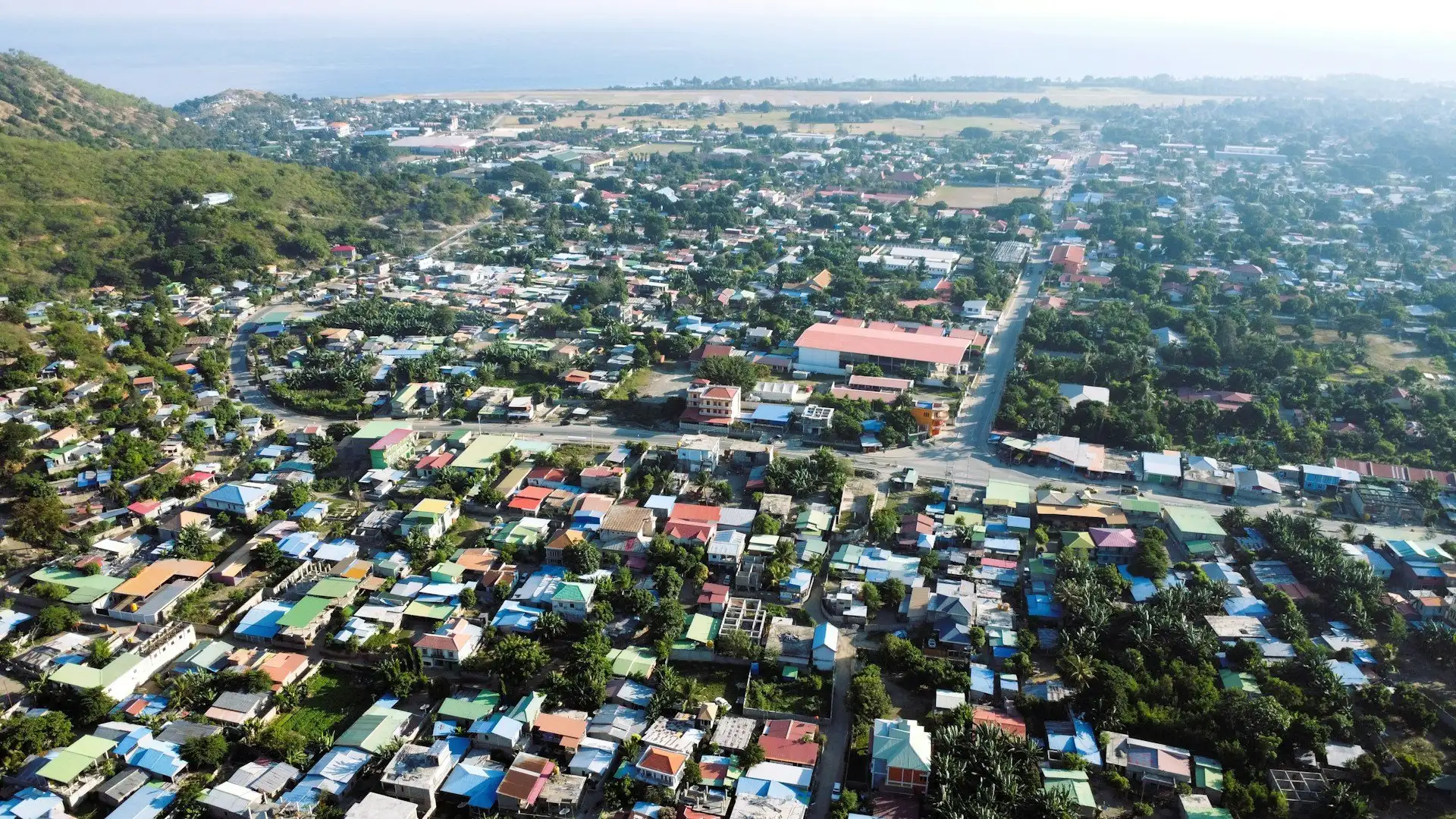
The second city of the Comoros, and a heritage town few people have seen
Mutsamudu is the capital and largest city of Anjouan and the second-largest city in the Comoros, with 23,594 people in 2021. Wikipedia says it was likely founded in 1482 and grew into a prosperous Swahili port linking Mozambique and Madagascar; by the 1700s it was the most prosperous town in the archipelago, and commissioner Frederick Holtzappel described its stone houses and the baths of its elite. Today the cargo port, built in 1982, is the only deep-water port in the Union of the Comoros, and ylang-ylang, cloves and vanilla are its main exports.
The news is the heritage listing. On 25 July 2026 the UNESCO World Heritage Committee, meeting in Busan, inscribed six medinas of the Comoros as the Medinas of the Historic Sultanates of the Comoros: four on Grande Comore and two on Anjouan, Mutsamudu and Domoni. A French-language report says the Mutsamudu medina holds about ten notable monuments, including the citadel, reached by a staircase of 280 steps. You can read the listing as an invitation: the town is still lived in, the lanes are still full of shops and small workshops, and a visit does not involve a ticket office or a tour group.
The honest complications
This is not a developed tourist destination. Canada says police and emergency services are "extremely limited" on Anjouan and that medical facilities and supplies are limited, with power and water interruptions affecting hospitals. A traveller guide warns that power flickers and water supply can be intermittent, so check a room has a working fan and water.
Cash is essential. Canada says the economy is mostly cash-based, ATMs are not widely available and most businesses do not accept credit cards. We also found no Booking.com properties in Mutsamudu itself (see Where to Stay), so plan your bed before you travel, and check the latest news before you go because the UK FCDO says protests and unrest can occur on Anjouan.
Four parts of town, all close together
Mutsamudu is small. One traveller guide says the medina, port and market are within about 15 minutes of each other on foot, so where you sleep matters less than when you walk: early morning and late afternoon are the best light and the coolest hours.
The Medina
According to Wikipedia, the medina lies between the town's two parallel main streets, a 15th-century quarter of narrow lanes and stone stairways. Wikivoyage says the narrow stairs and alleys make walking the only option. The lanes are uneven and slippery after rain, and the same guide suggests a local guide for the old doors and the sultans' quarter, at about €5 to €10 for roughly an hour.
The Citadel and its stairway
The citadel was built in the late 18th century to defend the town against Malagasy raiders; Wikipedia gives 1786 and built with British help, while the Mayotte Hebdo report says historians date its defensive role to between 1782 and 1789. The same report says it is reached by a staircase of 280 steps dating from the reign of Sultan Abdallah I. Wikipedia adds that a cyclone badly damaged it in 1950. Climb in the morning, before the heat.
Harbor and Port
The port is where Anjouan's goods arrive and where much of the cargo for the other two islands is transshipped. A traveller guide recommends the harbor and fish landing at dawn or late afternoon, notes boats on informal schedules at €3 to €10, and warns that currents near the harbor can be strong for swimmers and that pickpocketing is a concern in market crowds and at the port.
Central Market and Town Centre
The central market is busiest in the morning and is where shared taxis usually leave from. The same guide lists snacks and small purchases at about €2 to €5 for a 45-minute visit. Wikipedia mentions Al Amal Beach and a stone stairway among the town's features, and Wikivoyage places the Al Amal Hotel in Chitsangani.
A short list, and one beach hotel you can actually book
Accommodation is the thinnest part of an Anjouan trip. When we ran a Booking.com search for Mutsamudu with February 2027 dates, it returned no properties in the town, and only one for the whole island.
The one we could verify is Hotel Le Sultan on the beach at Moya, and about 1.5 hours from Mutsamudu by shared taxi according to a traveller guide. Booking.com lists a restaurant, a garden and terrace, air conditioning, a beachfront, airport pick-up, snorkelling, hiking and walking tours; it was not rated yet when we checked, and the price came to around €62 a night for a three-night stay in February 2027, so check current rates.
Wikivoyage also lists the One EGG Hotel behind the port, Le Papillote and the Al Amal Hotel in Chitsangani in or near Mutsamudu, with room prices in Comorian francs. Booking.com could not find them, so we have not linked or priced them: confirm availability and the rate directly before you rely on any of them, and carry cash for the deposit.
Market snacks, fresh fish and the island's spices
We could not verify a named restaurant in Mutsamudu with two independent sources, so this chapter sticks to what is documented: the market, the fish landing and the dishes that guides name.
The market and street stalls
A traveller guide lists stall plates at about €2 to €5 and sit-down meals at about €6 to €10. Dishes it names are mataba, mkatra foutra, langouste in season, samosas and banana fritters, with sweet spiced tea with ginger and fresh coconut water to drink. During Ramadan many daytime food stalls close and most places open only after sunset.
Fresh fish
The harbor and fish landing is on the same guide's list of sights, at dawn or late afternoon. The island's products are the other food story: Wikipedia lists ylang-ylang, cloves and vanilla as Mutsamudu's main exports.
A medina, a citadel and a mountain, mostly for free
Almost everything in Mutsamudu is on foot and costs little or nothing. The one traveller guide with timings lists the medina at 1.5 to 2 hours, the citadel at 45 minutes, the Friday Mosque at 20 to 30 minutes, the harbor at 30 to 60 minutes and the market at 45 minutes.
The medina
Walk it slowly, early or late. It is free, and the guide recommends a local guide only if you want the stories behind the carved doors and the sultans' quarter. Since July 2026 it is part of the UNESCO site, though the lanes are still just lanes: uneven, steep and slippery after rain.
The citadel and the Friday Mosque
The citadel is usually free or a small tip of about €1 to €2 according to the same guide. The Friday Mosque (Mosquée du Vendredi) is free; visit outside prayer times and dress modestly, covering shoulders and knees.
Lake Dzialandze and Mount Ntringui
Wikivoyage describes Lake Dzialandze as the island's largest freshwater source, inside a natural park, reachable from Dindri; entry was listed at FC2.000 a person. The climb up Mount Ntringui, the island's highest point, takes about 3 hours, is very steep in places and passes through forest. The traveller guide lists hike guides at €10 to €25, plus transport to the trailhead.
Tours and activities
We found no reliable bookable tours for Anjouan. Search results for Comoros on GetYourGuide are mixed with Zanzibar listings, so we do not link a specific product. If you want a guide, ask at your accommodation, or search for Mutsamudu tours and check that the product really starts on Anjouan.
One, two or three days, paced around the sun
Buses and shared taxis generally stop by sunset, so every route here is built to finish before dark.
- Morning
The citadel, then the medina. Climb the stairway before the heat, then walk the lanes with or without a local guide.
- Midday
Market lunch. Stall plates and a visit to the central market at its busiest.
- Afternoon
The Friday Mosque. Outside prayer times, dressed modestly.
- Late afternoon
Harbor and fish landing. The best light, and head back before dark.
- Day 1
The one-day route: citadel, medina, market, Friday Mosque and the harbor.
- Day 2
Domoni. The second Anjouan medina on the UNESCO list is 17 km away; a shared taxi takes 1.5 to 2 hours according to a traveller guide, so start early and leave in good time to be back before dark.
- Days 1-2
The two-day route above, at a gentler pace.
- Day 3, option A
Mount Ntringui or Lake Dzialandze. Take the bus to Dindri (Wikivoyage lists FC500 and about 30 minutes), then walk; the mountain climb takes about 3 hours.
- Day 3, option B
Moya or Sima. A beach day at Moya or the village of Sima; see Day Trips for the transport.
A short hop from Grande Comore, then your feet
International flights arrive at Prince Said Ibrahim International Airport in Moroni, where Canada says a tourist visa can be obtained on arrival, payable in euros. From there, Wikivoyage says Ouani Airport (AJN) on Anjouan has daily flights from the other islands, with a one-way fare of about €50 sold through tourist agencies. A traveller guide lists a private taxi charter to the airport area at €15 to €30.
Boats link the three islands, but treat them with care. The UK FCDO says boats and ferries may be overloaded, in poor condition or lack life jackets, and that overloaded vessels have capsized in Comorian waters with significant loss of life. Canada says to check that life jackets are provided and accessible and to avoid water transport in bad weather. Wikivoyage lists a weekly ferry to Moroni and a weekly service to Mayotte, and says tourists are often barred from boarding speedboats to Mohéli without a police permit; check the current position at the port, and our Moroni guide covers the other end.
In town, walk. For anything further, the traveller guide lists shared taxis (taxi-brousse) at €0.50 to €3 that leave when full, short private taxi rides at €1.50 to €3, and motorbike taxis at about €1 to €2 with no helmet for passengers. Canada says to negotiate fares in advance and carry small bills, and to avoid driving after dark.
Best time to visit and practical prep
Guides recommend May to October, the dry season. The UK FCDO says tropical cyclones can affect Comoros between January and May, and a traveller guide says cyclone risk is mostly January to March. Flights and boats fill and prices rise around Eid and the July independence period, so book early for July and August. Ramadan changes opening hours.
Practical prep: bring cash, including small notes. Canada recommends antimalarial medication for most travellers, hepatitis B vaccination for all, and travel insurance that covers medical evacuation. An eSIM set up before you travel is useful for maps.
Cheap on the street, one price level at the hotel
There is no official price survey for Mutsamudu. The only dated figures we found are in one traveller guide, updated on 22 October 2026, and they are quoted below exactly as stated. Treat them as a guide and agree every fare before you get in.
- Basic rooms €15-35 a night
- Stall plates €2-5
- Shared taxis €0.50-3
- Free medina, Friday Mosque and harbor
- The same guide's mid-range figure, with high-season lodging
- Sit-down meals €6-10
- Private taxi €1.50-3 for short rides
- Local guide €5-10, hike guide €10-25
- Hotel Le Sultan at Moya, unrated on Booking.com
- Restaurant and airport pick-up listed
- Private charter to Domoni or the airport area €15-30
- Half-day taxi hire €25-40
Low crime, thin services, and a few real risks
Canada advises Canadians to exercise a high degree of caution in Comoros, citing the limited availability of emergency services and inadequate medical facilities, and says police and emergency assistance is "extremely limited" on Mohéli and Anjouan. The UK FCDO says crime levels are low, pickpocketing is a concern and street robbery is rare, and that walking alone at night raises your risk, including on beaches and in town centres.
The FCDO also says protests and unrest can occur in Moroni, Grande Comore, Anjouan and Mohéli, especially after elections, and that in January 2024 a protester was killed and several were injured in clashes with security forces; avoid crowds and demonstrations. Canada warns that curfews can be declared at short notice, that riptides are common, several drownings occur each year and beaches are generally unsupervised. Road safety is a major concern and fatal accidents are common. Canada says same-sex sexual acts are prohibited, with penalties of up to five years' imprisonment, and that women travelling alone may face harassment.
Emergency numbers listed by Canada are police 17, firefighters 18; for an ambulance the UK FCDO says to call the hospital and ask, at Hôpital de Hombo on Anjouan +269 771 00 34. For scams and local rules, read our Comoros scam guide.
Domoni, Moya and the mountain
The traveller guide lists the distances from Mutsamudu below; Domoni 17 km, and it also names Moya beach, Sima village, Dziani Boundouni, Lac Dzialandze and the interior waterfalls as nearby trips. Fares are as that guide states them.
Domoni
The second Anjouan medina in the UNESCO listing. A French-language report names its Pangani palace, built in 1274 by Fani Othman Ibn Affane, and Wikivoyage lists the Medina of Domoni among Anjouan's sights. Charter taxis cost €15 to €30.
Moya
The beach and the home of Hotel Le Sultan. A chartered taxi with waiting time costs €30 to €45 in the same guide, and Wikivoyage lists Moya Bungalows at about FC7.500 to FC10.000 with restaurant meals at FC4.000 to FC8.000.
Sima
A village named by the traveller guide as a day trip; neither it nor Wikivoyage describes sights there, so ask locally before you go.
Lake Dzialandze and Mount Ntringui
See Things to Do. The climb takes about 3 hours, and Wikivoyage says homestays with home-cooked food can be arranged in Dindri by Oussein Said, who runs the village's only eatery; confirm this before relying on it.
Mutsamudu FAQ
Is Mutsamudu safe for tourists?
The UK FCDO says crime levels are low but pickpocketing is a concern, and that protests and unrest can occur on Anjouan, especially after elections. Canada advises a high degree of caution for Comoros and says emergency services are extremely limited on Anjouan. Avoid crowds and demonstrations and do not walk alone at night.
What is the UNESCO listing?
On 25 July 2026 UNESCO inscribed six medinas of the Comoros on the World Heritage List. Two of them are on Anjouan: Mutsamudu and Domoni.
How many days do I need in Mutsamudu?
One to two days covers the town. One traveller guide lists the medina at 1.5 to 2 hours, the citadel at 45 minutes, the market at 45 minutes and the harbor at 30 to 60 minutes. A second day fits a trip to Domoni, Moya or Sima.
How much does Mutsamudu cost per day?
One traveller guide, updated in October 2026, puts a daily budget at €32 to €63, with basic rooms at €15 to €35 a night and stall plates at €2 to €5. Cash is essential because ATMs are not widely available and most businesses do not accept cards.
When is the best time to visit Mutsamudu?
Guides recommend May to October, the dry season. The UK FCDO says tropical cyclones can affect Comoros between January and May.
How do I get to Mutsamudu from Moroni?
Fly to Ouani Airport (AJN) on Anjouan. Wikivoyage says it has daily flights from the other islands, with a one-way fare of about €50 sold through tourist agencies. Boats also run between the islands, but the UK FCDO and Canada both warn that ferries can be overloaded, poorly maintained or short of life jackets.
Where can I stay in Mutsamudu?
A Booking.com search for Mutsamudu with February 2027 dates returned no properties in the town. The one property returned for Anjouan was Hotel Le Sultan on Moya beach, around €62 a night. Wikivoyage also lists guesthouses in and near the town, so confirm availability directly.
Can I pay by card in Mutsamudu?
Rarely. Canada says the economy is mostly cash-based, ATMs are not widely available and most businesses do not accept credit cards. Bring cash, including small notes for taxis.
Is Mutsamudu walkable?
Yes. One traveller guide says the medina, port and market are within about 15 minutes of each other, though the lanes are uneven and slippery after rain. Further trips mean shared taxis or buses, which generally stop by sunset.
Do I need a visa to visit Mutsamudu?
Canada says a tourist visa is required and can be obtained on arrival at Prince Said Ibrahim International Airport in Moroni, with the fee payable in euros. You need a passport valid for at least 6 months beyond departure and an onward or return ticket.
What Stays With You
Mutsamudu has just been put on the world map, and almost nothing has changed on the ground yet. The medina is still a place where people live and shop, the citadel still looks down on a working harbor, and a visit is still unmediated by a ticket booth. The listing is only a few months old, and the town is still finding out what it means.
Climb the citadel stairway on your last morning, before the heat, and look down over the harbor.