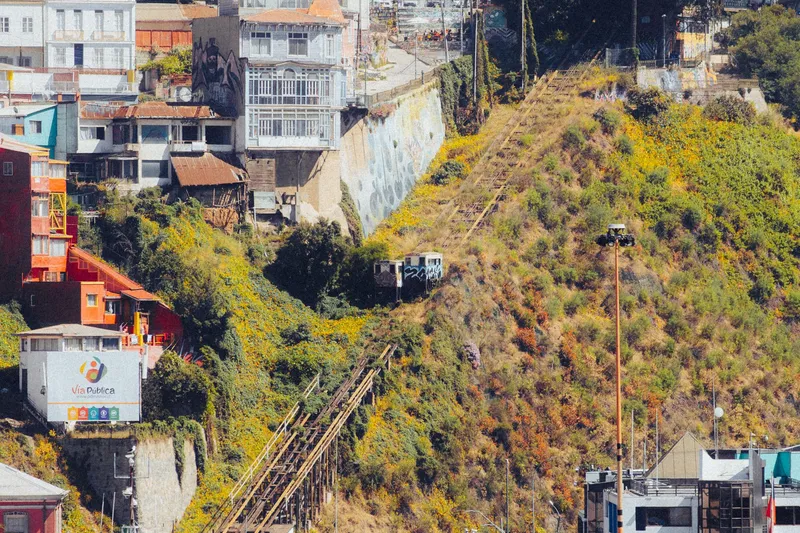
Historic funiculars
The ascensores
Wooden funiculars built from the 1880s that carry you up the hills, with El Peral and Reina Victoria the best known.
Book a funicular and street art tour
Updated November 2026 · Fact-checked
A working port with colourful houses stacked up the hillsides, wooden funiculars that creep up to the viewpoints, and a beach resort called the Garden City a short train ride along the bay. Valparaíso is the Chilean coast most Chileans themselves head for, and it rewards two unhurried days of walking uphill, taking a funicular back down and eating late.
 VALPARAÍSO · 33.0°S 71.6°W
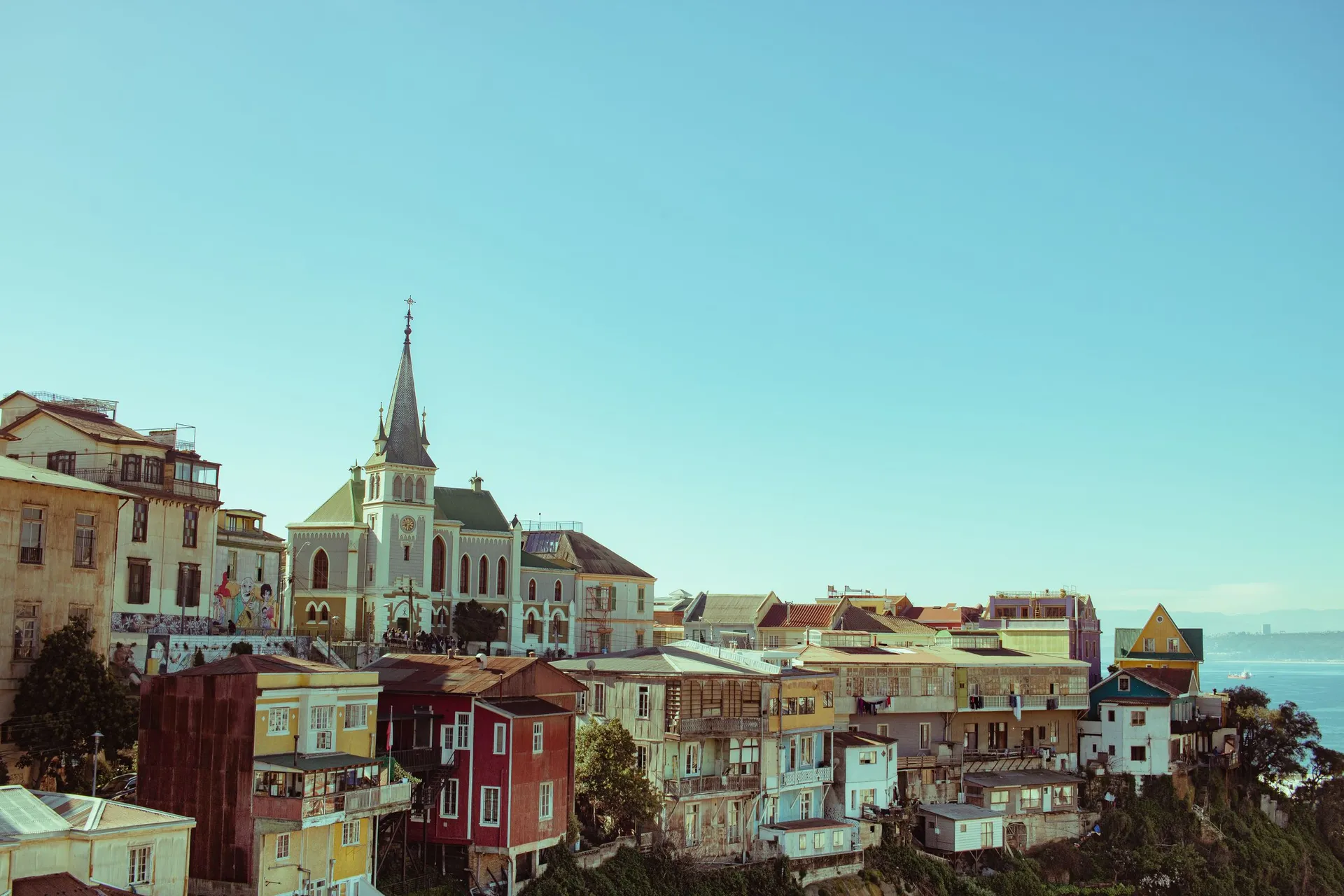
Valparaíso is a port city whose old quarter is a UNESCO World Heritage Site, built on hills that drop straight into the Pacific. Chile's national tourism board describes its hills as cobblestone streets, colourful houses and art galleries, and says every corner is an open-air canvas. It is about 120 km from Santiago, roughly 1.5 hours by road along Route 68, so it works as a long day trip or, better, a two-night stay.
It is also where Chileans themselves go. A Corfo study reported in September 2026 says the Valparaíso region received 20.7% of the overnight trips made by Chilean residents in 2025, and that Viña del Mar is the commune that receives the most domestic tourism in the country. That is why this guide covers both: Valparaíso for the hills, the funiculars and the port, Viña del Mar for the beaches, the gardens and the seafront.
Street crime is the main thing to plan around. The US advisory for Chile is Level 2, exercise increased caution, and it names Valparaíso and Viña del Mar among the places where petty crime is common. The UK government lists the distraction and spill scams used on British visitors as most common in central Santiago and Valparaíso, and Canada asks for extra vigilance in larger cities including Valparaíso and Viña del Mar. None of this is a reason to skip the city, but bags stay zipped and phones stay in pockets.
Demonstrations are frequent in Valparaíso according to Canada's advice, and can cause roadblocks and transport disruption; avoid them. The funiculars are historic machines, and only some of the 31 that once existed still run, so check which are open on the day rather than building a plan around one. And everything is steep: wear shoes you can walk uphill in.
Valparaíso's visitor areas are a few hills above a flat strip along the port, with Viña del Mar further round the bay. Where you sleep decides how much of the climbing you do with luggage, so choose the hill first and the hotel second.
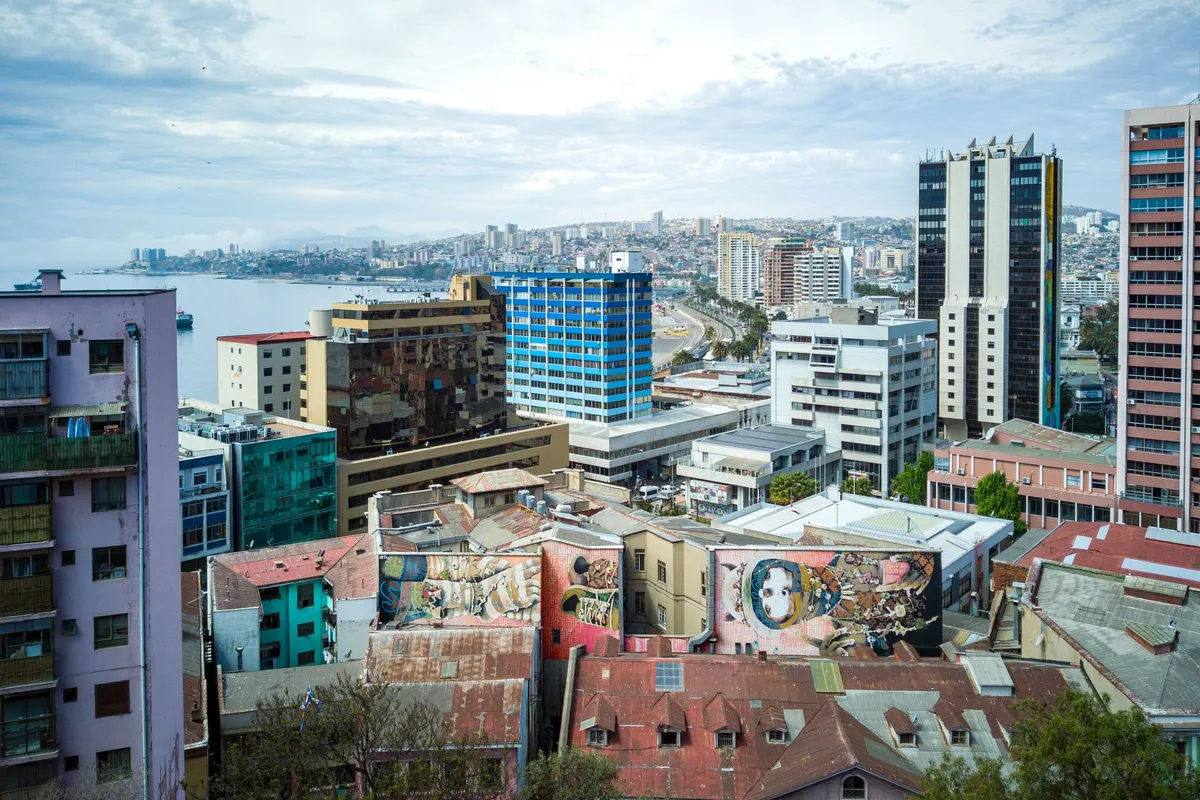
One of the two oldest hills and the usual first base. Chile's tourism board points visitors to Paseo Yugoslavo at the top for its views and to the Palacio Baburizza, which houses the Museum of Fine Arts. The streets are cobbled and lined with colourful houses and art galleries, and many of the hotels below are on this hill.
A short walk from Cerro Alegre. The official two-day route lists Paseo Gervasoni, Paseo Dimalow, the Lutheran Church, Paseo Atkinson and the Piano Staircase here, which makes it the best hill for photographs and for a bay-view dinner.
The low strip along the water holds Plaza Sotomayor, which Chile's tourism board lists among the unmissable sights, and Muelle Prat, the departure point for boat tours of the bay. The Barrio Puerto streets behind it have restored heritage buildings, among them the one housing Porto Di Vino. It is the easiest area to arrive in and the one where you keep the most careful hold of your bag.
The hill above the port where Pablo Neruda's La Sebastiana stands. The tourism board suggests riding the Espíritu Santo funicular and walking about 10 minutes along Ferrari Street, or taking a colectivo or taxi up. A private car is hard to park on these narrow streets.
The flat centre is where the old bars are. Bar Cinzano on Plaza Aníbal Pinto has run since 1896 and the area is described as the centre of the city's nightlife, while J. Cruz, the chorrillana address, is a few steps from Plaza Victoria. Good for an evening, less obvious as a place to sleep.
Nicknamed the Garden City, Viña del Mar is the beach resort next door, with the Flower Clock, the seafront promenade, the Botanical Garden and, further north, the Reñaca resort. Chile's tourism board recommends spring or summer, and the city hosts the International Song Festival every summer. It suits a family or beach stay better than a hill-city stay.
Hotels in Valparaíso are mostly restored townhouses and small boutique places on Cerro Alegre and Cerro Concepción, with chain towers and beach hotels in Viña del Mar. Every property below was found through Booking.com.
Prices below are rough nightly averages for a double room for early February 2027, peak summer, so check current rates for your dates. On the hills, the budget end runs around $35 to $55 a night: B&B La Nona on Cerro Alegre is rated 9+ by guests, and Casa Volante Hostal on Cerro Concepción is the hostel option. In the mid bracket, around $95 to $130, Hotel Manoir Atkinson is an adults-only hotel on Paseo Atkinson, and Hotel Boutique 17 sits on Cerro Concepción.
For a more polished stay, around $150 to $185 buys Zerohotel, a 4-star on Cerro Alegre that guests rate 9.0 from 261 reviews, or Fauna Valparaiso on Pasaje Dimalow. In Viña del Mar, Dei Templi Hotel in Reñaca (around $90, guests rate it 9.0 from over 1,100 reviews) is the value pick with a pool, while Best Western Marina del Rey (around $145, guests rate it 8.8 from over 2,700 reviews) is the dependable mid-range choice, and Sheraton Miramar Hotel (around $265, guests rate it 9.1 from over 1,700 reviews) is the beachfront splurge.
Valparaíso eats late and eats well. The signature plate is the chorrillana, a shared pile of fries with beef and caramelised onion, and the port means the seafood is a short walk from the boats.
J. Cruz at Condell 1466, a few steps from Plaza Victoria, serves a chorrillana built on selected beef with abundant fries and caramelised onion, plus dishes such as carne mechada and fresh reineta. Bar Cinzano on Plaza Aníbal Pinto has operated since 1896, and its chorrillana comes into its own as the night goes on, alongside machas a la parmesana and fried fish. Porto Di Vino at Cochrane 70 in Barrio Puerto, in a restored heritage building, does a seafood chorrillana with shrimp and mussels over fries, made for sharing.
Chile's tourism board recommends Caleta Portales, a fishing cove about 20 minutes from the centre by local transport, for a seafood lunch with sea lions on the rocks. In Viña del Mar the same board suggests a seafood lunch at Playa Caleta Abarca and a seafood empanada after a morning on Reñaca beach.
The best of Valparaíso is walking between viewpoints and taking a funicular when the hill wins. These are the sights that cover most of a first visit, plus Viña del Mar's two best-known stops.
Wooden funiculars built from the 1880s that carry you up the hills, with El Peral and Reina Victoria the best known.
Book a funicular and street art tour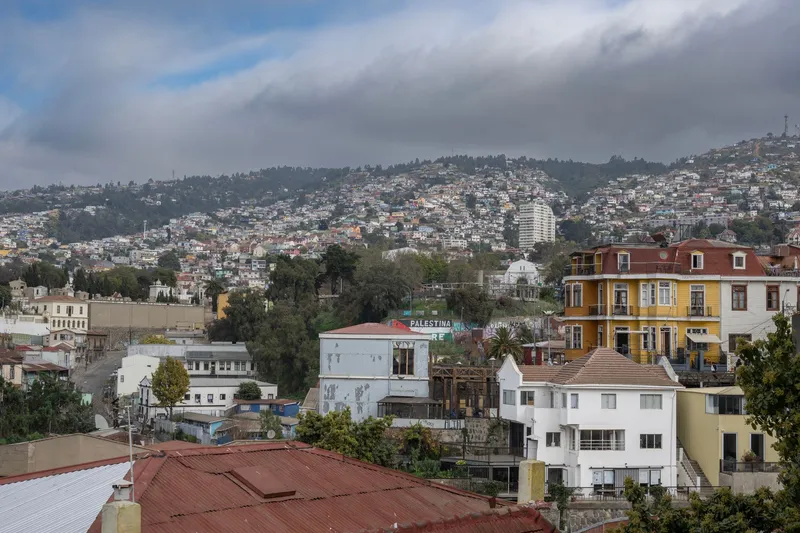
Cobbled lanes, galleries and lookouts such as Paseo Yugoslavo and Paseo Gervasoni, linked by a short walk.
Book a panoramic walking tour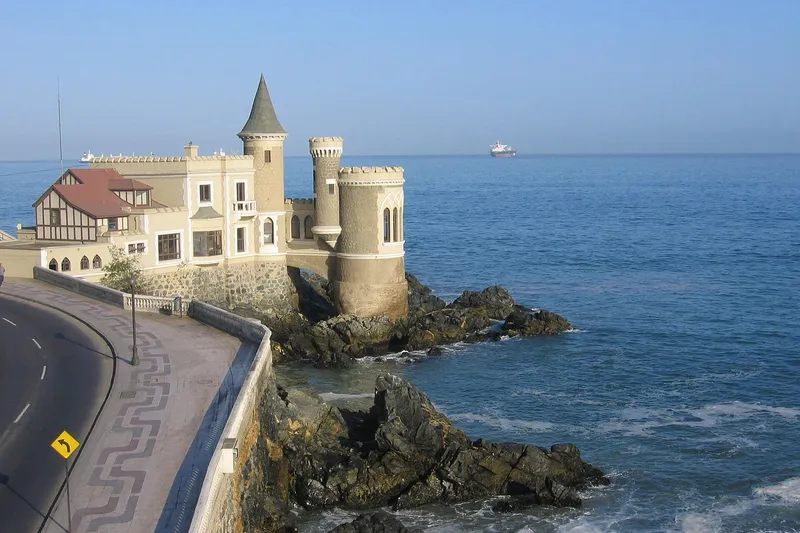
A European-style building with ocean views and temporary art exhibitions, about a 15-minute walk from Caleta Abarca.
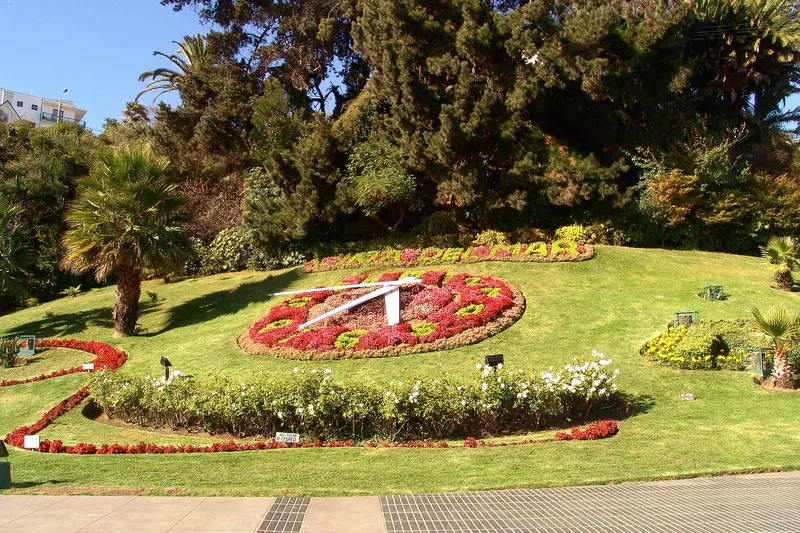
Viña del Mar's famous Flower Clock at the foot of Cerro Castillo, a popular photo stop.
Book a Valparaíso and Viña day tourValparaíso once had 31 funiculars, known as ascensores, with construction starting around 1880. Chile's tourism board names El Peral (opened in 1901, the first in the city to use a steam motor), Reina Victoria (built in 1902 and inaugurated in 1903), Cordillera (inaugurated in 1886, current version from 1894) and Artillería (inaugurated in 1892) among them, and notes that Polanco is a vertical elevator rather than a funicular. Only some run today, so treat them as a bonus on the way up or down and not as the plan.
The tourism board's 2-day route starts at Plaza Sotomayor, walks to Plaza de la Justicia to board the El Peral funicular, then covers Paseo Yugoslavo and the Palacio Baburizza on Cerro Alegre, and Paseo Gervasoni, Paseo Dimalow, the Lutheran Church, Paseo Atkinson and the Piano Staircase on Cerro Concepción. It covers 14 km over two days and can be done in any month of the year.
Pablo Neruda took an unfinished house begun by the builder Sebastián Collado and turned it into La Sebastiana, inaugurated on 18 September 1961. The highlight is the top-floor view of the bay and the port, which Neruda used to show guests from the tower. The Fundación Pablo Neruda lists its house museums as open Tuesday to Sunday, 10:00 to 18:00 (notice dated 2 November 2026); check the foundation's site for the current ticket price, and for the other two houses, La Chascona in Santiago and Isla Negra.
Muelle Prat is the departure point for boat tours of the bay, and the 2-day route ends there. For a seated overview of the hills from the water, a boat sightseeing tour combined with a guided city walk takes about 3.5 hours.
Chile's tourism board's two-day Viña plan starts at the Flower Clock, goes to Playa Caleta Abarca for a seafood lunch, then walks to Castillo Wulff, and spends the second day on Reñaca beach, the Botanical Garden (about 8 km from the centre, good for a picnic) and Avenida Perú at sunset. Reñaca is described as the city's most famous beach resort, known for surfing and water sports. The board also warns visitors to keep away from the rocks when the swell is strong.
Guided walks are good value here because guides know which funiculars are running. The street art, funiculars and port tour takes about 2 hours and guests rate it close to 5 from over 250 reviews, and the panoramic walking tour takes about 2.5 hours (guests rate it 4.8 from over 120 reviews). For the poet, a Pablo Neruda sightseeing tour of about 3.5 hours includes La Sebastiana. Walking tours start from around $25 to $40 per person, so check current rates before you book.
Two days covers Valparaíso properly, in line with the tourism board's own two-day route. A third day adds Viña del Mar's beaches.
Plaza Sotomayor and El Peral. Start at the square, then walk to Plaza de la Justicia for the El Peral funicular if it is running.
Cerro Alegre and Cerro Concepción. Paseo Yugoslavo, Paseo Gervasoni, Paseo Atkinson and the Piano Staircase.
La Sebastiana. Neruda's house for the bay view from the top floor, open Tuesday to Sunday.
Chorrillana in the centre. J. Cruz near Plaza Victoria or Bar Cinzano on Plaza Aníbal Pinto.
The hills. Plaza Sotomayor, El Peral, Paseo Yugoslavo and the Palacio Baburizza, then Paseo Gervasoni, Paseo Dimalow, the Lutheran Church, Paseo Atkinson and the Piano Staircase.
Dinner with a bay view on Cerro Concepción or a chorrillana in the centre.
La Sebastiana on Cerro Bellavista.
Caleta Portales and Muelle Prat. Seafood lunch and sea lions at the cove, then a bay boat tour from Muelle Prat.
The two-day route above, at a gentler pace.
Viña del Mar. The Flower Clock, then Playa Caleta Abarca for a seafood lunch.
Castillo Wulff on foot, then back along the bay by train or on to Reñaca beach by colectivo, bus or taxi.
Avenida Perú at sunset, the tourism board's suggestion for watching the sun go down over the bay.
Fly into Santiago's Arturo Merino Benítez airport (SCL). Valparaíso is about 120 km away, roughly 1.5 hours along Route 68, reachable by direct bus or rental car, and the tourism board puts Viña del Mar about 90 minutes from Santiago. A guided day tour from Santiago takes about 10 hours and guests rate it 4.3 from over 680 reviews, with day tours from Santiago starting at around $40 to $70 per person, depending on what is included.
Along the bay, the Tren Limache-Puerto run by EFE, known as the Merval, links Puerto, Bellavista, Francia, Barón, Portales, Recreo, Miramar and Viña del Mar, and continues on to Limache. It is the quick way between Valparaíso and Viña del Mar; fares depend on the time band, so check the EFE Valparaíso page or the station for the current price. In the hills, walk and use the funiculars that are running; for Caleta Portales, the tourism board suggests a local bus or colectivo, and for Reñaca and the Botanical Garden a colectivo, bus or taxi.
Chile's tourism board rates its Valparaíso hill route as doable all year, and recommends spring or summer for Viña del Mar. Viña del Mar's International Song Festival takes place every summer, which is also when beach crowds and hotel rates peak, so book early for February.
Practical prep: pack layers, a windbreaker, sunscreen and comfortable walking shoes, and an eSIM before landing saves a queue at the airport.
Hotel prices below are averages of several Booking.com results for a double room in early February 2027, peak summer, and tour prices are the lowest starting prices on GetYourGuide. Treat both as a guide and check current rates; they change daily.
The US rates Chile Level 2, exercise increased caution, and its advisory names Valparaíso and Viña del Mar among the areas where petty crime is common. Canada rates Chile "exercise a high degree of caution" because of demonstrations, civil unrest and crime (updated 19 October 2026), and the UK has no advice against travel to Chile (updated 9 October 2026).
The everyday risk is theft. The UK lists pickpocketing, mugging and thefts from vehicles as very common throughout Chile, including at viewpoints and bus stations, and names a distraction robbery and a liquid-spill scam as techniques used on British visitors especially in central Santiago and Valparaíso. Keep your phone out of sight at viewpoints, do not leave belongings in a parked car, and walk away from a stranger who spills something on you. Canada adds that demonstrations and strikes are frequent in Valparaíso and can cause roadblocks and clashes with police, so avoid them; large protests often fall on 29 March, 1 May, 11 September and 18 October. See the Chile scam guide for the full list.
Emergency numbers in Chile are 133 for police, 131 for medical assistance and 132 for firefighters, and the Maritime search and rescue line is 137. On the seafront, the tourism board's advice is simple: stay away from the rocks when the swell is strong.
Valparaíso sits on a coast with wine, dunes and fishing coves within reach. Most of these are easiest on a guided tour, which is also how many visitors reach them from Santiago.
Casablanca Valley is the wine region that most Santiago-to-coast tours pass through, and it is a standard add-on. Several Valparaíso tours end with a tasting at a vineyard, for example the Valparaíso, Viña del Mar and Casablanca wine tour (about 10 hours, guests rate it 4.8 from over 1,300 reviews).
Reñaca is Viña del Mar's surf and beach resort, and Concón's dunes are the sunset stop on tours such as the Valparaíso, llama vineyard and Concón dune sunset tour (about 8.5 hours).
Isla Negra is the third house museum run by the Fundación Pablo Neruda, alongside La Sebastiana and La Chascona. The foundation lists all its house museums as open Tuesday to Sunday, 10:00 to 18:00, so confirm opening and booking on its site before going.
If you are staying in the capital instead, the Santiago guide covers the city, and the same day-trip logic runs in reverse: Valparaíso and Viña del Mar are an easy long day from Santiago, but a night on the coast is worth it.
Chile is rated Level 2, exercise increased caution, by the US, which names Valparaíso and Viña del Mar among the places where petty crime is common. Pickpocketing and distraction scams are the main risk, and Canada notes that demonstrations are frequent in Valparaíso, so keep bags zipped and avoid protests.
Two days. Chile's tourism board publishes its own two-day route for the hills, covering 14 km on foot, and a third day adds Viña del Mar's beaches and gardens.
About 120 km, roughly 1.5 hours along Route 68 by direct bus or rental car, according to Chile's tourism board. It works as a long day trip, but a night on the coast is worth it.
Cerro Alegre or Cerro Concepción for atmosphere, galleries and lookouts, with most boutique hotels on those two hills. Stay in Viña del Mar instead if the beach matters more than the hills.
Only some of them. Valparaíso once had 31 funiculars, known as ascensores, and Chile's tourism board names El Peral, Reina Victoria, Cordillera and Artillería among the historic ones. Check which are open on the day rather than building a plan around one.
La Sebastiana is Pablo Neruda's house museum in Valparaíso, inaugurated in 1961, with a bay view from its top floor. The Fundación Pablo Neruda lists its house museums as open Tuesday to Sunday, 10:00 to 18:00 (notice dated 2 November 2026); check its site for the current ticket price.
By the Merval, the Tren Limache-Puerto run by EFE, which stops at Puerto, Bellavista, Francia, Barón, Portales, Recreo, Miramar and Viña del Mar, among other stations. Fares depend on the time band, so check the EFE Valparaíso page or the station.
Chorrillana, a shared plate of fries with beef and caramelised onion, at places such as J. Cruz, Bar Cinzano or Porto Di Vino. For seafood, Chile's tourism board recommends Caleta Portales, about 20 minutes from the centre by local transport.
Chile's tourism board lists its Valparaíso hill route as suitable all year and recommends spring or summer for Viña del Mar. Summer brings the International Song Festival and the highest hotel demand, so book February early.
Stay in Valparaíso for the hills, funiculars and old bars, and visit Viña del Mar for a half day by train. Stay in Viña del Mar if beaches, gardens and a resort feel come first.
For early February 2027, Booking.com results ran around $35 to $55 a night for hostels and B&Bs, around $95 to $130 for mid-range hotels on the hills and around $150 to $185 for upper boutique hotels. Prices change daily, so check current rates.
Valparaíso does not tidy itself up for visitors. The hills are steep, some funiculars are out of service, and a chorrillana arrives at midnight on a table that is not quite level, but that is the point. A city built up a hillside has a view from nearly everywhere, and a walk of ten minutes usually changes it.
Climb a hill in the morning, ride a funicular down if one is running, and finish at an old bar in the flat centre. That is the whole plan, and it is enough.