
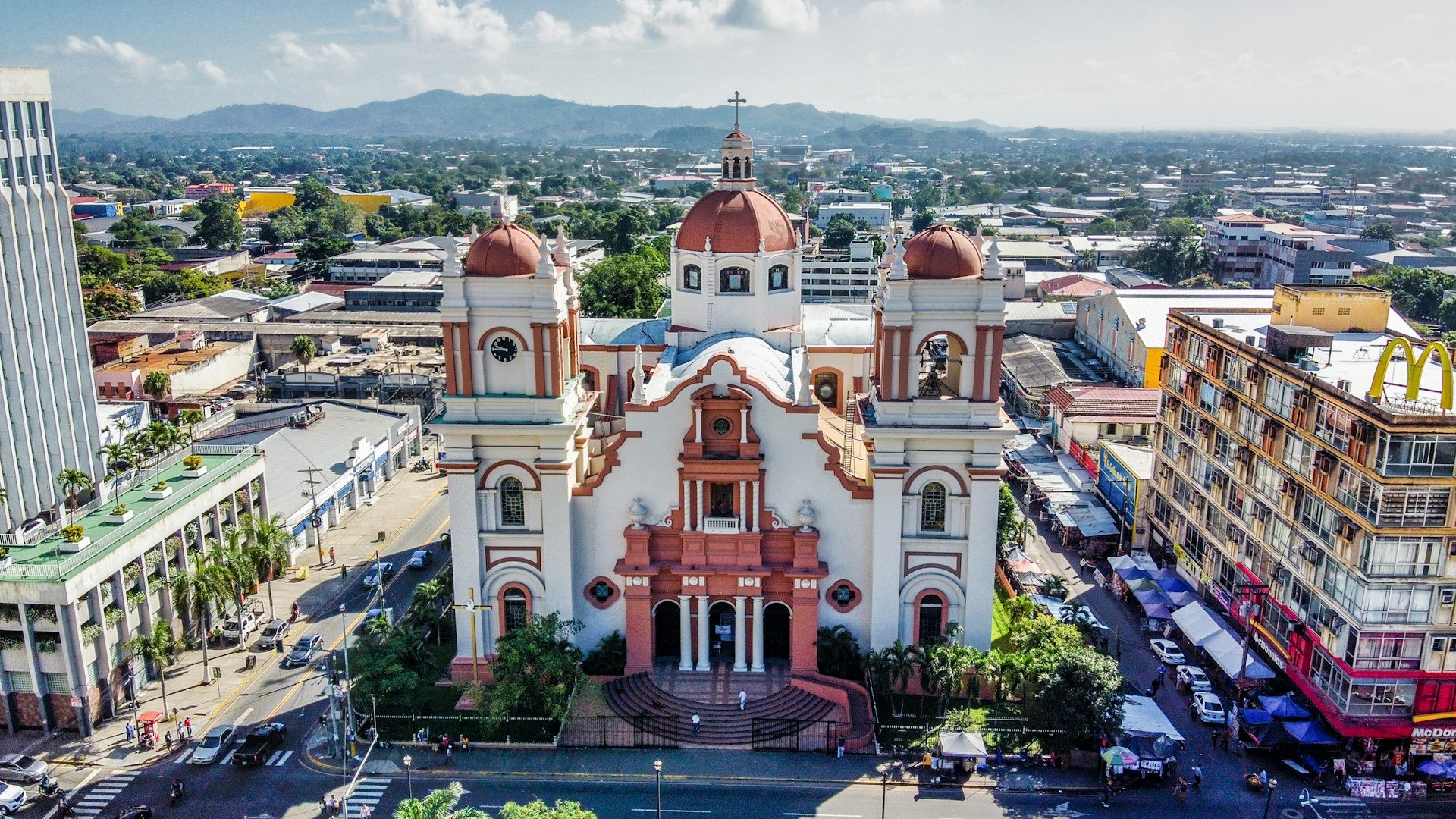
What You're Actually Getting Into
Honduras is the second-largest country in Central America, mountainous and green, with a long Caribbean coast in the north, a sliver of Pacific shoreline on the Gulf of Fonseca in the south, and the Bay Islands floating off the north coast on the Mesoamerican Barrier Reef. In between are cloud forests, coffee farms, pine-covered highlands, the Lenca villages of the west and one of the great archaeological sites of the Maya world at Copán.
For most visitors, Honduras is really two countries. The Bay Islands, Roatán, Utila and Guanaja, are English-speaking, laid-back and among the cheapest places in the world to learn to dive, with direct flights from the US and Canada. The mainland is Spanish-speaking, more raw and less touristed, and requires more care, but rewards it with Copán's ruins, river rafting near La Ceiba, the waterfalls and birdlife of Lake Yojoa, and genuinely warm, unhurried hospitality.
The honest complications
Honduras has one of the highest homicide rates in the Americas, driven mainly by gang (mara) violence in parts of San Pedro Sula, Tegucigalpa and La Ceiba, and drug trafficking in remote areas like La Mosquitia. Tourists are rarely targeted, but robberies happen, especially on buses and at night. A state of exception targeting gangs ran from December 2022 until January 2026, and the new government has said it may reintroduce it in specific municipalities. Infrastructure is basic outside the main routes, and the rainy season can wash out roads. None of that makes Honduras off limits, but it does mean planning ahead, travelling by day and using first-class buses or private shuttles.
A History Worth Knowing
Honduras was home to the Maya city of Copán, part of Spain's empire for three centuries, then a member of the short-lived Central American federation. In the 20th century it became the original "banana republic", dominated by US fruit companies, followed by military governments, a devastating hurricane and a 2009 coup that still shapes its politics.
- 426-822 AD
Copán's golden age. A dynasty of 16 kings rules Copán, producing the most elaborate sculpture and longest hieroglyphic text in the Maya world, before the city declines.
- 1502
Columbus arrives. On his fourth voyage, Columbus lands near Trujillo and names the coast Honduras ("depths") for its deep waters.
- 1797
The Garifuna arrive. Britain deports thousands of Garifuna, descendants of West Africans and Indigenous Caribs, from St Vincent to Roatán; they settle along the Caribbean coast.
- 1821-1838
Independence and federation. Honduras gains independence from Spain, joins the Federal Republic of Central America and becomes a separate republic in 1838.
- 1900s
The banana republic. US fruit companies like United Fruit and Standard Fruit control vast plantations, railways and politics, inspiring the term "banana republic".
- 1998-present
Hurricane Mitch and modern politics. Hurricane Mitch kills thousands in 1998; a 2009 coup ousts President Zelaya; Xiomara Castro becomes the first female president in 2022, and conservative Nasry Asfura takes office in January 2026 after a disputed election.
Read the full history: Copán, the Garifuna and the banana republic
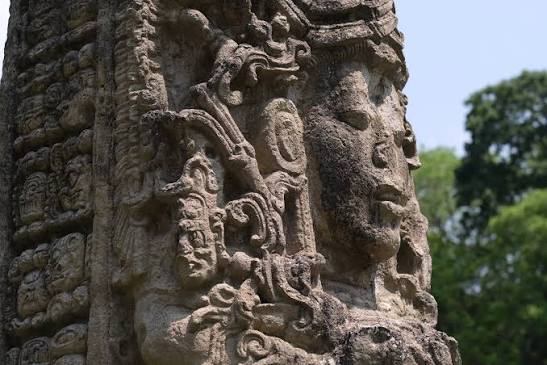
Copán was never the largest Maya city, but it was the most artistic. Its rulers, including 18 Rabbit (Uaxaclajuun Ub'aah K'awiil), commissioned the deeply carved stelae of the Great Plaza and the Hieroglyphic Stairway, whose 2,000-plus glyphs record the city's royal history. Tunnels dug by archaeologists beneath the Acropolis revealed the Rosalila Temple, buried intact with its original red paint; a full-size replica stands in the site's sculpture museum.
The Garifuna culture, recognized by UNESCO for its language, dance and music, survives in villages along the north coast from Tela to Trujillo and in Punta Gorda on Roatán. Their story, from exile on St Vincent to settlement in Honduras, is one of resilience; today Garifuna communities face pressure from land disputes and tourism development.
The term "banana republic" was coined by American writer O. Henry, who lived in Honduras in the 1890s. By the early 20th century, US fruit companies owned much of the north coast, ran its railways and ports, and backed coups when it suited them. The towns of La Ceiba, Tela and El Progreso were built around the banana trade, and the history still shapes Honduran attitudes to foreign investment.
Top Destinations
A classic route links the Bay Islands with Copán in the far west and Lake Yojoa and La Ceiba in between, avoiding long stays in San Pedro Sula and Tegucigalpa. Distances are moderate, but roads are slow; first-class buses (Hedman Alas) and private shuttles are the safest way to travel on the mainland, and short domestic flights connect the islands.
Roatán, Utila and Guanaja
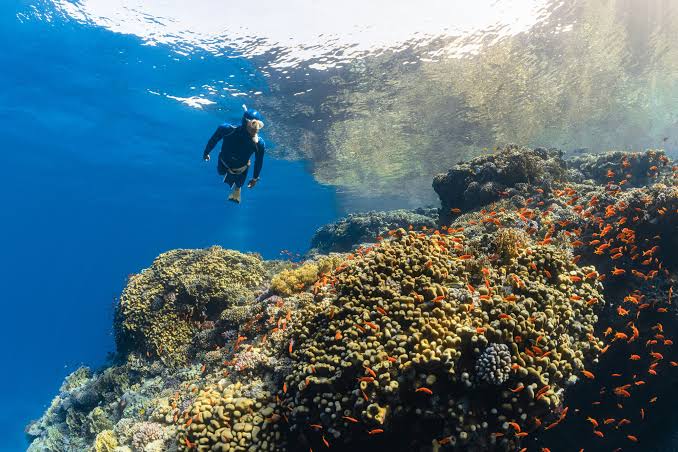
The Bay Islands sit on the Mesoamerican Barrier Reef, the second-largest reef system on earth. Roatán, the largest and most developed, has the white sand of West Bay, the dive-town charm of West End, and direct flights from the US. Utila, smaller and scruffier, is one of the cheapest places in the world to get PADI certified and a hotspot for whale sharks, most often seen from March to May, with a second window in August and September. Remote Guanaja, covered in pines, sees few visitors. Cayos Cochinos, a marine reserve of tiny cays, is a classic boat trip. See our Roatán city guide for full detail.
Copán, the Paris of the Maya world
Copán Ruinas, near the Guatemalan border, is a charming cobbled town next to one of the most important Maya sites in the Americas. The ruins (around $15 entry, plus about $15 for the tunnels and $7 for the sculpture museum) are famous for the intricately carved stelae of the Great Plaza, the Hieroglyphic Stairway and the Sculpture Museum with its replica of the painted Rosalila Temple. Scarlet macaws, the sacred bird of Copán, fly over the site, and Macaw Mountain bird park rescues and releases them. Hot springs and coffee farms complete two very good days.
La Ceiba, Pico Bonito and the Garifuna coast
La Ceiba is the ferry port for the Bay Islands and the gateway to Pico Bonito National Park, a rainforest of waterfalls and toucans, and the Río Cangrejal, with some of the best whitewater rafting in Central America (class II-IV). West along the coast, Tela has the Lancetilla Botanical Garden and the Punta Sal (Jeannette Kawas) National Park, while Garifuna villages like Sambo Creek and Miami keep their traditions of drumming, cassava bread and seafood stews alive. Stay in eco-lodges along the Cangrejal rather than in the city.
Lake Yojoa, Comayagua and the highlands
Lake Yojoa, the country's largest lake, is a bird-watcher's paradise with roughly 400-500 species recorded, surrounded by cloud forest in Cerro Azul Meámbar and Santa Bárbara national parks. Nearby, the roughly 40-metre Pulhapanzak Waterfall can be explored from behind on a guided walk. The colonial city of Comayagua, the former capital, has a cathedral clock said to be one of the oldest in the Americas, and makes a good stop between Lake Yojoa and Tegucigalpa or Palmerola airport.
Gracias, Santa Rosa and the Lenca villages
The cool, pine-covered highlands of western Honduras are the heart of the Lenca people and of Honduran coffee. Gracias, a colonial town with hot springs, is the base for Celaque National Park and the country's highest peak, Cerro Las Minas (about 2,850 m). Santa Rosa de Copán has a cigar factory and coffee tours, and Lenca villages like La Campa are known for their pottery. This is slow, authentic travel, far from the crowds and with lower crime than the big cities.
Hidden gems beyond the main circuit
The Bay Islands and Copán cover a first trip well. With extra days, these places rarely make the standard itineraries but reward the detour.
Guanaja
The quietest Bay Island, with pine forests, a stilt village on Bonacca Cay and reefs few divers ever see.
Cayos Cochinos
A protected archipelago of tiny cays with a Garifuna fishing village, white sand and some of the healthiest coral in the region.
Trujillo
A sleepy Caribbean town with a Spanish fortress, Garifuna villages and the grave of American filibuster William Walker.
Celaque National Park
Cloud forest and Honduras's highest peak, reached from the colonial town of Gracias.
Punta Sal National Park
A peninsula near Tela with jungle trails, howler monkeys and empty beaches, reached by boat.
Valle de Ángeles
A colonial craft town in pine forests 30 minutes from Tegucigalpa, popular with Honduran families at weekends.
Culture & Etiquette
Hondurans, often called catrachos, are warm, polite and family-centred, with a strong Catholic and increasingly evangelical faith. Life on the mainland is Spanish-speaking and Latin American, while the Bay Islands have an English-speaking Caribbean culture shaped by British settlement, and the Garifuna and Lenca peoples keep distinct languages and traditions. Football is a national passion.
Do
- Greet everyone. Say "buenos días" or "buenas tardes" when entering shops, buses and offices; politeness matters.
- Learn some Spanish for the mainland. English is common on the Bay Islands but rare elsewhere; basic Spanish makes a big difference.
- Dress modestly away from the beach. Hondurans dress neatly in towns and churches; beachwear is for the islands and the coast.
- Ask before photographing people. Especially in Lenca and Garifuna communities, and always with children.
- Tip around 10%. Many restaurants add a service charge; otherwise 10% is appreciated, and tip dive crews and guides.
Don't
- Flash valuables or phones in cities. Keep phones, jewellery and cameras out of sight in San Pedro Sula, Tegucigalpa and La Ceiba.
- Travel on local "chicken buses" between cities. Robberies and extortion target these buses. Use first-class buses like Hedman Alas or private shuttles.
- Walk around cities at night. Take a taxi recommended by your hotel, even for short distances, after dark.
- Discuss gangs or politics casually. These are painful subjects; listen rather than offer opinions.
- Touch or stand on coral. The reef is fragile; use reef-safe sunscreen and keep your fins off the coral.
Deeper culture: Garifuna punta, Lenca traditions and the catracho identity
Garifuna music and dance. Punta, a fast, hip-swinging dance to drums, and the newer punta rock, are the soundtrack of the north coast. Garifuna Settlement Day on 12 April commemorates their arrival in Honduras with celebrations in coastal villages.
The Lenca. The largest Indigenous group in Honduras lives in the western highlands, known for their pottery, colourful textiles and resistance; Lenca hero Lempira, who fought the Spanish in the 1530s, gave his name to the currency. Environmental activist Berta Cáceres, murdered in 2016, was Lenca.
Catrachos. Hondurans call themselves catrachos, a nickname derived from the general Florencio Xatruch, who led Honduran troops against William Walker in the 1850s. National pride is strong, especially when the football team plays.
Food & Drink
Honduran food is simple, filling and cheap: beans, tortillas, rice, plantains, cheese and grilled meats on the mainland, and coconut-based seafood dishes on the coast and islands. Honduras is also Central America's largest coffee producer, and its high-altitude beans from Marcala and Copán are excellent.
Baleada L25-60
A thick flour tortilla with refried beans, cream and cheese, plus optional egg, avocado or meat. The national snack, eaten at any time of day.
Plato típico L150-250
The national plate: grilled beef, refried beans, fried plantains, rice, cheese, cream, avocado and tortillas.
Sopa de caracol L200-350
Conch soup with coconut milk, cassava and green bananas, made famous across Latin America by a punta song.
Tapado L250-400
A Garifuna seafood stew of fish, crab and shrimp in coconut milk with plantains and cassava.
Pupusas and tamales L20-60
Corn pancakes stuffed with cheese, beans or pork, and nacatamales wrapped in banana leaves.
Honduran coffee and Salva Vida L30-80
Strong local coffee from the highlands, and Salva Vida or Port Royal beer, cold, on the beach.
When to Go & Itineraries
The dry season from February to May is the best time to visit most of Honduras, with sunny weather on the islands and coast, good visibility for diving and easier roads. June to November is the rainy season, with hurricane risk from August to October and heavy rains on the north coast from October to January. The Bay Islands can be visited year-round, but November to January is their rainiest period.
All seasons compared, with temperatures
| Season | Verdict | Temps | Prices & crowds |
|---|---|---|---|
| Feb-May | Best | 26-32°C | Dry, best diving; Easter (Semana Santa) busy |
| Jun-Aug | Good | 26-31°C | Afternoon rain inland; second whale shark window in Utila Aug-Sep |
| Sep-Oct | Hurricane season | 25-31°C | Cheapest, risk of storms |
| Nov-Jan | Rainy on the coast | 22-29°C | Northers bring rain to the islands |
Highland towns like Gracias, Santa Rosa and Copán are noticeably cooler than the coast, especially at night. Pack a light jacket.
Itineraries
Plan around the Bay Islands and a mainland loop by first-class bus or shuttle, avoiding overnight stays in San Pedro Sula and Tegucigalpa where possible.
- Days 1-4
Roatán. Fly into Roatán, base in West End, dive or snorkel the reef, spend a day at West Bay and take a boat to Cayos Cochinos.
- Days 5-7
Utila. Ferry to Utila for diving, whale shark trips in season and the island's laid-back bars.
- Days 1-2
Copán Ruinas. Fly into San Pedro Sula, shuttle straight to Copán for the ruins, Macaw Mountain and hot springs.
- Days 3-4
Lake Yojoa. Shuttle east; Pulhapanzak falls, birding and a boat on the lake.
- Days 5-6
La Ceiba and the Cangrejal. Rafting and Pico Bonito from a river lodge.
- Days 7-10
Roatán or Utila. Ferry to the islands for reef time and beach days.
- Days 1-3
Copán Ruinas and the highlands. The ruins, then coffee country around Santa Rosa or Gracias.
- Days 4-5
Lake Yojoa. Waterfalls, birds and lakeside calm.
- Days 6-8
La Ceiba and Garifuna coast. Rafting, Pico Bonito and a Garifuna village near Tela or Sambo Creek.
- Days 9-14
Utila and Roatán. Dive course on Utila, then West End and West Bay on Roatán.
Getting there & around
Honduras has international airports at San Pedro Sula (SAP), Palmerola (XPL) near Comayagua, which replaced Tegucigalpa's old Toncontín for most international flights, Roatán (RTB) with direct flights from the US and Canada, and La Ceiba (LCE) for domestic flights. Between cities, Hedman Alas runs safe, air-conditioned first-class buses, and tourist shuttles connect Copán, Lake Yojoa, La Ceiba and San Pedro Sula. The Galaxy Wave ferry links La Ceiba with Roatán (about 1h15) and the Utila Dream serves Utila.
All transport options with prices: flights, buses, shuttles and ferries
| Option | Price | Notes |
|---|---|---|
| SAP airport to Copán shuttle | Varies, book ahead | About 3.5-4.5 hours for the 180 km, door to door. |
| Hedman Alas bus | Check hedmanalas.com | First-class buses linking San Pedro Sula, Copán, La Ceiba and Tegucigalpa. |
| La Ceiba-Roatán ferry | ~$31-35 one way | About 1h15 on the Galaxy Wave (twice daily); seas can be rough. |
| La Ceiba-Utila ferry | ~$30-35 one way | About 1 hour on the Utila Dream. |
| Domestic flights to Roatán | $80-150 | From La Ceiba, San Pedro Sula or Palmerola. |
| Taxi in cities | L100-300 | Use hotel-recommended or radio taxis, never unmarked cars. |
Getting around safely: avoid local chicken buses between cities, which are frequent targets of robbery and extortion. Do not drive at night. On the islands, shared taxis and water taxis are cheap and safe; agree fares before getting in.
Practical prep: an eSIM before landing saves hunting for a SIM on arrival; local Tigo and Claro SIMs are cheap if you prefer. Carry US dollars in small bills as well as lempiras.
Where to stay
Roatán resorts
Beachfront resorts on West Bay like Infinity Bay and the Kimpton Grand Roatán, with dive centres and pools.
Island guesthouses
Small dive lodges and cabanas in West End and Utila, often with dive packages included.
Budget & hostels
Backpacker hostels in Utila, Copán Ruinas, Lake Yojoa and West End, many with free or discounted dorms for divers.
Eco-lodges
Rainforest and river lodges near La Ceiba and Lake Yojoa, the best way to see the mainland's nature.
Budget Planning
Honduras is one of the cheapest countries in Central America on the mainland, while the Bay Islands, especially Roatán, are priced in US dollars and noticeably more expensive. Diving is the big expense, but it is among the cheapest in the world. 1 US dollar buys roughly 26.8 lempiras (2026).
- Hostel dorm $12-25
- Baleadas and comedor lunches $2-6
- First-class buses and shuttles
- Free beaches and town walks
- Guesthouse or boutique hotel
- Restaurant meals $12-25
- Fun dives and boat trips
- Copán ruins and tours
- Beach resorts and eco-lodges
- Private transfers and flights
- Liveaboard or private dive trips
- Fine dining on Roatán
Quick reference prices: food, diving, entry fees
| Baleada | L25-60 ($1-2.50) |
| Comedor set lunch | L100-150 |
| Local beer | L40-80 |
| Copán ruins entry | ~$15 (+$15 tunnels) |
| Fun dive, Roatán | $45-60 |
| PADI Open Water, Utila | $300-400 |
| La Ceiba-Roatán ferry | ~$31-35 |
| Two-tank dive, Roatán | $90-120 |
| Mid-range hotel double | $60-120/night |
Prices reflect October 2026 research and drift over time. Bay Islands prices are usually quoted in US dollars. Treat them as a planning baseline, not a quote.
Visa & Entry
Citizens of the US, Canada and most EU countries do not need a visa for Honduras and receive up to 90 days on arrival. British citizens are the exception: since 15 August 2024, in response to the UK's visa rule for Hondurans, UK passport holders need a visa from a Honduran consulate before travelling (residents of the Cayman Islands are exempt). Other nationalities should check the official list. Honduras is part of the CA-4 agreement with Guatemala, El Salvador and Nicaragua, which means those 90 days are shared across all four countries combined. Your passport must be valid for at least six months, and you may be asked for proof of onward travel.
✓ Valid passport
At least 6 months validity from your date of entry, with a blank page.
✓ CA-4 shared 90 days
Time in Guatemala, El Salvador and Nicaragua counts against the same 90-day allowance.
✓ Onward ticket
Airlines and immigration may ask for proof of return or onward travel.
✓ Customs declaration
Fill in Honduras's online customs declaration before arrival and departure and show the QR code; the old immigration pre-check form is no longer required.
| Honduras | Belize | |
|---|---|---|
| Daily budget | $45-60 for budget travelers | Noticeably more expensive |
| Diving | Bay Islands, some of the world's cheapest dive courses | Great Blue Hole and atolls, pricier |
| Maya ruins | Copán, the most artistic Maya site | Caracol, Xunantunich and Lamanai |
| Safety | Level 3 advisory; islands much safer than cities | Level 2 advisory |
| Language | Spanish on the mainland, English on the islands | English throughout |
Safety, Solo Women & Family
Honduras carries a Level 3 "Reconsider Travel" advisory from the US State Department (August 2026) because of crime and terrorism, with Level 4 "Do Not Travel" for the remote Gracias a Dios department (La Mosquitia). Most violence is gang-related and concentrated in poor urban neighbourhoods of San Pedro Sula, Tegucigalpa and La Ceiba, far from where travelers go. The Bay Islands, Copán Ruinas, Lake Yojoa and the Cangrejal valley are considerably safer, and most visitors have trouble-free trips.
Cities and buses
Robbery and armed assault occur in San Pedro Sula and Tegucigalpa. Avoid walking after dark, use hotel taxis and first-class buses, and do not resist if robbed.
The Bay Islands
Much safer, but petty theft and occasional burglaries occur. Avoid isolated beaches and paths at night, and do not walk between West Bay and West End after dark.
Natural hazards
Hurricanes from August to October, flooding on the north coast, and strong currents on some beaches. Follow local warnings.
One more thing worth knowing: arriving at San Pedro Sula
San Pedro Sula's airport is safe, but the city itself has high crime. Many travelers arrange a shuttle straight from the airport to Copán, Lake Yojoa or La Ceiba, or stay in an airport-area hotel for one night rather than in the centre. Book transfers in advance, and avoid changing money or using ATMs on the street.
The 3 scams to actually know about
Honduras is not a high-scam destination, but three patterns catch visitors. The full country list lives on our Honduras travel alerts page.
Taxi overcharging
Unmetered taxis, especially at airports and ferry terminals, quote inflated fares. Agree the price before getting in, or use hotel-arranged transport.
Bus and terminal theft
Bags disappear from overhead racks and luggage holds on local buses. Keep valuables with you and use first-class services.
Unlicensed tour and dive operators
Cheap, unlicensed operators can cut corners on safety. Choose PADI or SSI centres with good reviews and proper equipment.
Solo women travelers
Solo women travel the Bay Islands, Copán and Lake Yojoa regularly and generally safely, but Honduras requires more caution than much of the region. Machismo means catcalling is common on the mainland. Avoid walking alone at night, use reputable transport, dress modestly in towns, and stick to established tourist areas and well-reviewed accommodation. Full detail on our Solo Woman Explorer pages.
Emergency numbers
Embassies and practical health notes
911 is the national emergency number, though English-speaking operators are not guaranteed. Several countries cover Honduras from neighbouring capitals; check your embassy's website for current details.
- USA (Tegucigalpa)
- +504-2236-9320
- Canada (Tegucigalpa office)
- +504-2280-0971
- Germany (Tegucigalpa)
- +504-2275-9292
- Spain (Tegucigalpa)
- +504-2236-5666
- UK (covered from Guatemala City)
- +502-2380-7300
Health: do not drink tap water; use bottled or filtered water. Dengue is common, and Zika and chikungunya are present, so use repellent. Malaria risk is low on the main tourist routes but present in La Mosquitia. Roatán has decent private clinics, and dive centres have access to hyperbaric chambers on Roatán and Utila. Travel insurance with evacuation cover is essential.
Family travel & pets
With planning, the Bay Islands are a good family destination: calm, shallow snorkelling at West Bay, dolphins and iguana farms, and family-run resorts. The mainland suits older children who can handle long journeys, with Copán's macaws and ruins and river activities near La Ceiba.
Practical family notes and bringing pets
With kids: Gumbalimba Park on Roatán, with monkeys and macaws, and the iguana sanctuaries at French Cay are hits with children. Bring child-sized snorkel gear and reef-safe sunscreen. Medical facilities are limited outside Roatán and the big cities, so carry a good first-aid kit.
Pets: importing dogs and cats requires a health certificate issued shortly before travel, proof of rabies vaccination and an import permit. Few hotels accept pets, and the climate and stray dogs make it hard; most travelers leave pets at home.
Honduras FAQ
Is Honduras safe to visit?
It depends where. Honduras carries a Level 3 Reconsider Travel advisory because of gang violence in its big cities, but the Bay Islands, Copán Ruinas, Lake Yojoa and the Cangrejal valley see far less crime and most visitors have trouble-free trips. Travel by day and use first-class transport.
Is Roatán safe?
Roatán is much safer than mainland cities, and tourist areas like West End and West Bay are generally fine. Petty theft occurs; avoid isolated beaches and walking long distances after dark.
How many days do you need in Honduras?
A week covers Roatán and Utila. Ten days to two weeks lets you add Copán Ruinas, Lake Yojoa and La Ceiba's rivers and rainforest.
How much does Honduras cost per day?
Budget travelers manage on $45-60 a day on the mainland and Utila; Roatán costs more. Mid-range runs $100-160 a day, plus diving.
Do I need a visa for Honduras?
Not for US, Canadian or most EU passports: you get up to 90 days on arrival, shared with Guatemala, El Salvador and Nicaragua under the CA-4 agreement. British citizens have needed a visa since August 2024.
When is the best time to visit Honduras?
February to May, the dry season, for sunny weather and the best diving. Hurricane season peaks from August to October.
Is Utila or Roatán better?
Utila is cheaper, more backpacker-oriented and best for dive courses and whale sharks. Roatán has better beaches, more comfortable hotels and direct international flights.
What currency is used in Honduras?
The Honduran lempira (L, HNL). US dollars are widely accepted on the Bay Islands and in tourist businesses, but you need lempiras on the mainland.
Is Honduras safe for solo female travelers?
The main tourist areas are visited by many solo women, but caution is needed: avoid walking alone at night, use reputable transport and expect some catcalling on the mainland.
Is Honduras good for families with kids?
The Bay Islands can be, with calm snorkelling, wildlife parks and family resorts. The mainland suits older children used to travel.
Can I drink the tap water in Honduras?
No. Drink bottled or purified water, which is cheap and widely available.
What is Honduras known for?
The Bay Islands and the Mesoamerican Barrier Reef, cheap diving, the Maya ruins of Copán, Garifuna culture, coffee, bananas and, unfortunately, a high crime rate in its cities.
What Stays With You
Honduras asks a little more of travelers than its neighbours, and gives back more than most expect. It is in the hush of the forest at Copán as macaws flash red over the stelae, the first breath through a regulator above the reef off Utila, the drums in a Garifuna village at dusk, the baleada eaten at a roadside stall with a family who insist you try their coffee too.
Travel smart, stick to the route and keep an open mind, and you will leave with a very different picture of Honduras from the headlines, and a reef you will measure every other one against.