
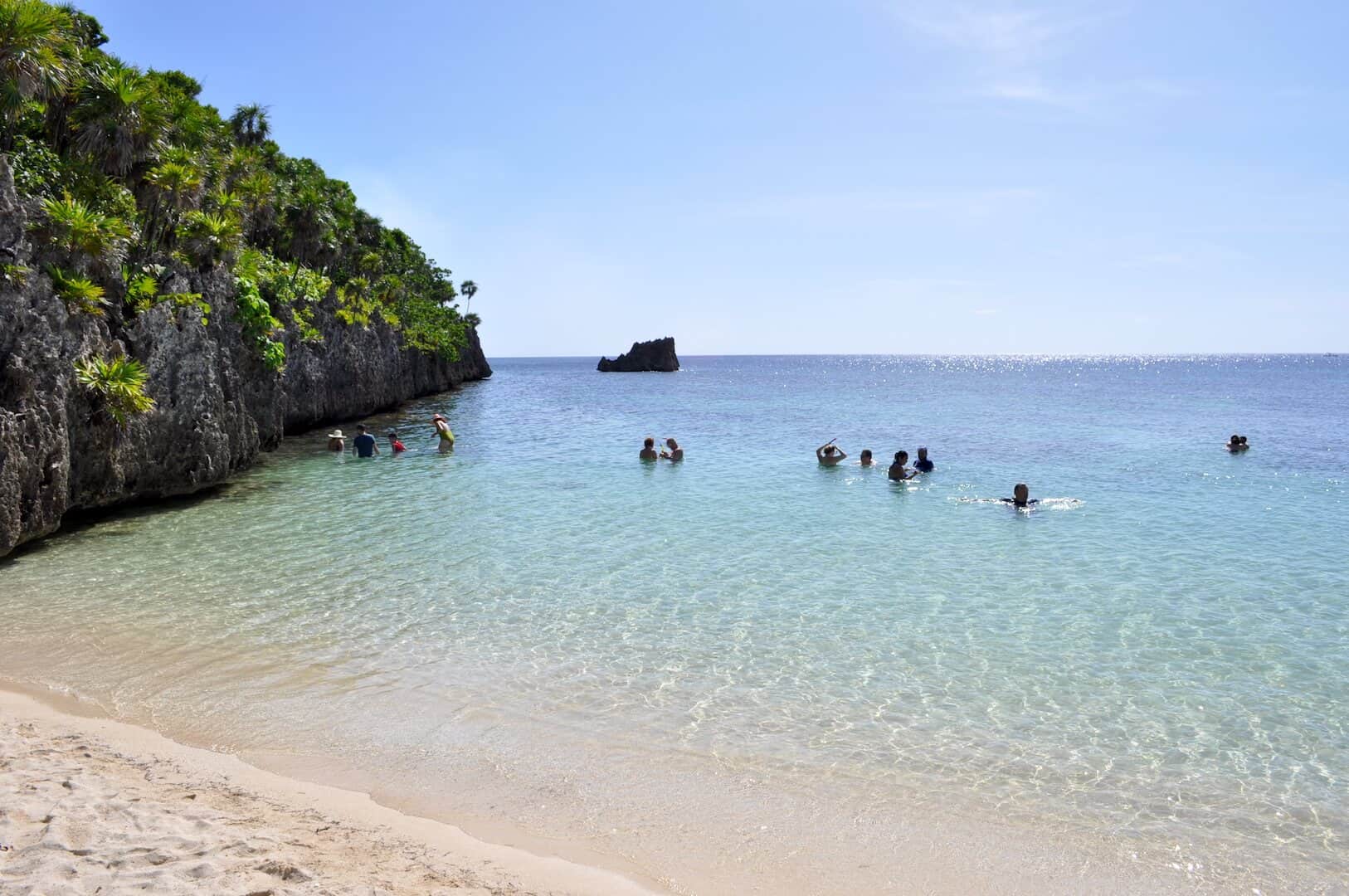
A Caribbean island on the world's second-largest reef
Roatán is about 60 km long and only a few kilometres wide, the largest of the Bay Islands, 65 km off the north coast of Honduras. The Mesoamerican Barrier Reef, stretching from Mexico to Honduras, runs right along its shore, which is why the island became a dive destination long before cruise ships discovered it. British settlement, Garifuna villages and generations of islanders known as Bay Islanders give it an English-speaking Caribbean culture distinct from the Spanish-speaking mainland.
The west end of the island is where most visitors stay: West End, a laid-back dive village of wooden bars, dive shops and restaurants, and West Bay, a postcard beach of white sand and turquoise water lined with resorts. The east is quieter and wilder, with mangroves, fishing villages and the Garifuna community of Punta Gorda. Cruise ships dock near Coxen Hole and Mahogany Bay, and on busy ship days West Bay fills up between 10am and 3pm.
The honest complications
Roatán is more expensive than the mainland, with many prices in US dollars, and cruise ship days can make West Bay feel crowded. Sandflies (no-see-ums) bite at dawn and dusk on some beaches. Infrastructure is basic, with occasional power and water cuts, and the roads can be rough. Development is putting pressure on the reef and local communities.
Don't judge Roatán by the cruise ports. Mahogany Bay and Coxen Hole are built around ships and shopping; the real island is in West End's dive shops, the quiet coves of the east and the reef itself.
Six areas that matter
Where you stay on Roatán shapes your trip: West End for dive-town atmosphere, West Bay for the beach, Sandy Bay and the east for quiet. Water taxis link West End and West Bay; elsewhere you will need taxis or a car.
West End
A sandy road of dive shops, guesthouses, restaurants and bars along Half Moon Bay, with reef snorkelling off the shore. The social heart of the island and the best base for divers and independent travellers.
West Bay
A mile of white sand and calm turquoise water with coral right off the beach. Resorts and condos line it, and it gets busy on cruise ship days; mornings and evenings are idyllic.
Sandy Bay
A residential stretch between West End and Coxen Hole, home to the Roatán Marine Park offices, Anthony's Key Resort and the Institute for Marine Sciences.
French Harbour
The island's main fishing port and commercial hub, with supermarkets, seafood restaurants and the iguana farm at French Cay.
Punta Gorda
The oldest Garifuna settlement in Honduras, founded in 1797, where you can hear punta drumming and eat traditional food.
East End and Camp Bay
Mangrove channels, empty beaches and small boutique lodges, an hour or more from West End along slower roads.
From West Bay resorts to dive lodges
Roatán has everything from all-inclusive resorts to simple dive lodges. Many dive shops offer packages that include accommodation, and prices drop noticeably outside Christmas, New Year and Easter.
At the top, the Kimpton Grand Roatán on West Bay is the island's most polished resort, with an infinity pool and a dive centre, from around $350 a night. Infinity Bay (from $250) offers spacious suites right on the sand, and the Mayan Princess (from $200) is a long-running favourite on West Bay.
In West End, small dive lodges and guesthouses offer much better value, from around $60-120 a night, often with dive packages. On a budget, hostels in West End and Sandy Bay have dorms from $15-25 and simple private rooms from $35-50.
Island seafood, baleadas and sunset bars
Roatán's food mixes Caribbean, Garifuna, Honduran and international influences: coconut seafood stews, fresh grilled fish and lobster in season, cheap baleadas and some surprisingly good international restaurants in West End and West Bay. Prices are often in US dollars.
Seafood at Gio's
Gio's Restaurant in French Harbour is famous for king crab and garlic seafood, served on a dock over the water. Worth the taxi ride from the west end.
Cheap eats in West End
Small local cafés sell plates of chicken, rice and beans for a few dollars, and baleada stands along the road serve breakfast for a couple of dollars.
Garifuna food in Punta Gorda
Try tapado (seafood and coconut stew), machuca (mashed plantain) and cassava bread in the Garifuna community, ideally with music on a Sunday.
Sunset at Sundowners
Sundowners on the West End beach is the classic place to watch the sun go down with a rum punch, toes in the sand.
Fresh lobster
Lobster season runs July to February (fishing is closed from 1 March to 30 June); outside it, lobster on menus is likely frozen or illegal. Ask before ordering.
Reef first, everything else second
Roatán is all about the water. Even non-divers can see spectacular reef just off the beach, and the island's jungle, gardens and Garifuna culture fill the days in between.
Diving the Mesoamerican Reef
Roatán has more than 170 dive sites, from shallow coral gardens to walls dropping into the deep, wrecks like the El Aguila and encounters with turtles, eagle rays and, occasionally, whale sharks. Fun dives cost $45-60, and a PADI Open Water course around $350-450. Pay the Roatán Marine Park fee to support reef protection. Book with established operators in West End or West Bay.
Snorkelling
The reef at West Bay starts just metres from the sand at the southern end, and the Blue Channel at West End and Half Moon Bay are easy shore entries. A snorkelling boat trip reaches healthier outer reefs.
Jungle and gardens
Carambola Botanical Gardens near Sandy Bay has orchids and a trail to a hilltop viewpoint, Gumbalimba Park combines monkeys, macaws and zip-lines, and the iguana farm at French Cay is home to thousands of iguanas. Zip-line tours run through the hills above West Bay.
Culture and the east
Visit the Garifuna community of Punta Gorda for food and dance, take a boat through the mangrove tunnels near Oak Ridge, a village built on stilts over the water, and explore the quieter beaches of Camp Bay on the east end.
One, two or three days on the island
Most visitors stay at least four nights, especially divers. These plans assume a West End or West Bay base and use water taxis and day tours.
- Morning
Snorkel West Bay. Arrive early, before cruise passengers, and snorkel the reef at the southern end.
- Midday
Beach and lunch. Lunch at a beach bar, then a swim and a lounger.
- Afternoon
Water taxi to West End. Explore the village and its dive shops.
- Evening
Sunset and dinner. Sundowners for sunset, then dinner along West End road.
- Day 1
The one-day route: West Bay snorkelling, West End and sunset.
- Day 2 morning
Two-tank dive or snorkel trip. A boat trip to the outer reef or a wall dive.
- Day 2 afternoon
Carambola Gardens or zip-line. Jungle trails or a canopy tour above West Bay.
- Day 2 evening
Seafood in French Harbour. Taxi to Gio's for king crab on the dock.
- Days 1-2
The two-day route above, adding the iguana farm and Gumbalimba Park.
- Day 3, option A
East end and Punta Gorda. Mangrove tunnels at Oak Ridge, Garifuna food in Punta Gorda and quiet beaches at Camp Bay.
- Day 3, option B
Cayos Cochinos. A full-day boat trip to the marine reserve's tiny cays and Garifuna fishing village.
Water taxis, island taxis and a few bumpy roads
Juan Manuel Gálvez International Airport (RTB) near Coxen Hole has direct flights from cities including Houston, Atlanta, Miami, Toronto and Montreal (some seasonal), plus domestic flights from La Ceiba, San Pedro Sula and Palmerola. A taxi to West End or West Bay takes 20-30 minutes and costs around $20-30; agree the fare first.
The Galaxy Wave ferry links Roatán with La Ceiba on the mainland (about 1h15, around $31-35 one way; the crossing can be rough). On the island, shared colectivo taxis run along the main road for a few dollars, private taxis charge $10-30 depending on distance, and water taxis shuttle between West End and West Bay for around $5. Renting a car or scooter is the best way to explore the east end, but roads are narrow and hilly.
Best time to visit and cruise ship days
February to May is the dry season, with calm seas and the best visibility. June to August is also good. September and October bring the highest hurricane risk, and November to January the heaviest rain from northerly winds. Water temperature stays around 26-29°C all year.
Practical prep: check the cruise ship schedule and plan West Bay for non-ship days or early mornings. An eSIM before landing saves finding a SIM on arrival. Bring reef-safe sunscreen and insect repellent for sandflies.
Caribbean prices, Honduran exceptions
Roatán is the most expensive place in Honduras, but still cheaper than most Caribbean islands, and diving here is among the best value in the world. Prices are usually quoted in US dollars.
- Hostel dorm $15-25
- Baleadas and local food $4-10
- Colectivo taxis
- Shore snorkelling and free beaches
- Guesthouse or dive lodge in West End
- Restaurant meals $15-30
- Two fun dives a day
- A snorkel or island tour
- West Bay beachfront resort
- Private boat charters
- Fine dining and lobster
- Spa treatments
Much safer than the mainland, with sensible care
Roatán is considerably safer than mainland Honduras, and most visitors have no problems. West End and West Bay are generally fine, with police and private security in the busiest areas. Petty theft and occasional burglaries do happen, especially of unattended belongings on the beach and in poorly secured rentals.
Avoid walking along the beach path between West Bay and West End or on isolated roads after dark; take a water taxi or a taxi instead. Coxen Hole, the main town, is best avoided at night. Use dive and boat operators with good safety records. Drink bottled water, use repellent against mosquitoes and sandflies, and protect yourself from strong sun. Emergency number is 911; there are private clinics and a hyperbaric chamber on the island.
Cays, sister islands and the mainland
Roatán makes a good base for exploring the rest of the Bay Islands and the north coast of Honduras by boat, ferry or a short flight.
Cayos Cochinos
A marine reserve of tiny palm-covered cays and a Garifuna fishing village, with some of the healthiest coral in Honduras. Tours include snorkelling and a seafood lunch. Book a Cayos Cochinos tour.
Utila
Roatán's smaller, cheaper sister island, famous for dive courses, whale sharks (best March to May, with a second window in August and September) and a lively backpacker scene. Better as an overnight trip.
Little French Key and Barbareta
Small private islands and cays off the south coast for beach days, snorkelling and seafood lunches.
La Ceiba and Pico Bonito
Rainforest, waterfalls and whitewater rafting on the Río Cangrejal on the mainland. Best with an overnight at a river lodge.
Roatán FAQ
Is Roatán safe for tourists?
Yes, generally. Roatán is much safer than mainland Honduras. Petty theft occurs, so watch belongings on the beach and avoid isolated paths and Coxen Hole after dark.
How many days do I need in Roatán?
Three to five days covers the reef, West Bay and a day trip. Divers often stay a week or longer.
How much does Roatán cost per day?
Budget travellers manage on $60-80 a day; mid-range runs $150-250 including diving. Resorts on West Bay cost considerably more.
When is the best time to visit Roatán?
February to May, for dry weather, calm seas and the best visibility. Hurricane risk peaks in September and October.
West End or West Bay?
West End for dive-town atmosphere, restaurants and lower prices; West Bay for the best beach and resorts. They are 10 minutes apart by water taxi.
Do I need lempiras on Roatán?
Not really. US dollars are widely accepted and many prices are quoted in dollars, though lempiras are useful for local taxis and small shops.
Is Roatán good for snorkelling?
Excellent. The reef starts just off the beach at West Bay and West End, with turtles, rays and colourful fish.
How do I get to Roatán?
By direct flights from the US and Canada to RTB, domestic flights from mainland Honduras, or the Galaxy Wave ferry from La Ceiba.
Is Roatán good for families?
Yes. Calm, shallow water at West Bay, wildlife parks and family-friendly resorts make it easy with children.
Can I visit Utila from Roatán?
Yes, by ferry (about 1 hour) or a short flight. Most visitors stay at least one night for diving or whale shark trips.
What Stays With You
Roatán is at its best in the quiet moments: the first dive of the morning, dropping onto a wall of coral with an eagle ray sliding past; a water taxi skimming across turquoise water to West Bay; the hush in West End as the sun drops into the sea and the bars turn their music down for a minute to watch.
Spend your last evening on a dock with your feet over the water and a cold Salva Vida in hand, and you will understand why so many divers came for a week and stayed for years.