
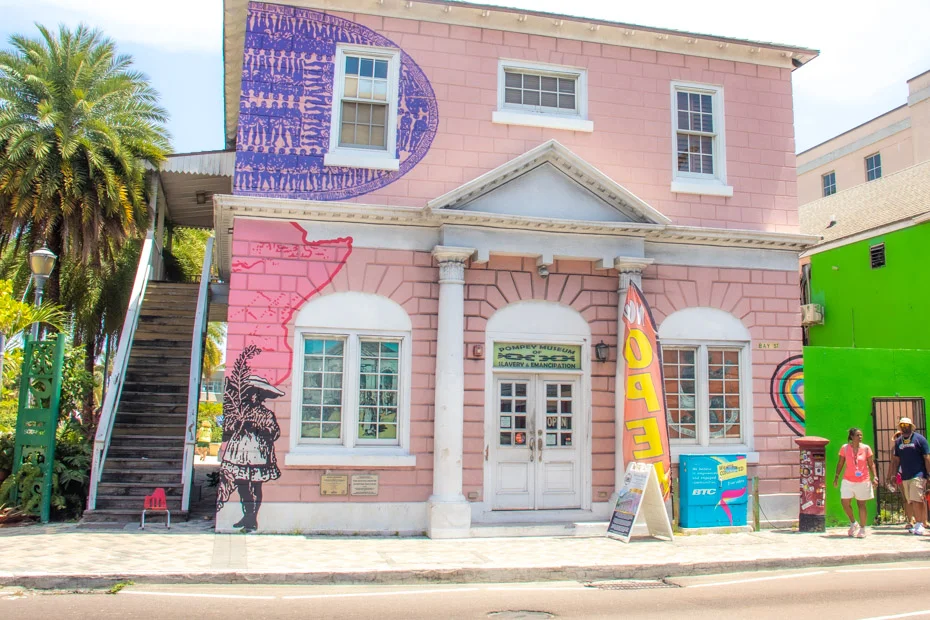
The capital does double duty, and mostly pulls it off
Nassau sits on New Providence, a relatively small island that somehow holds a colonial downtown built by Loyalist settlers and pirates before them, a cruise port that can process several ships' worth of passengers before lunch, and two of the biggest resort complexes in the Caribbean facing each other across the harbor. It shouldn't cohere as a single destination, and in a strict sense it doesn't: Bay Street's straw vendors and Fort Fincastle's limestone walls are a genuinely different city from Atlantis's water slides and Baha Mar's casino floor. Most visitors end up experiencing both without fully clocking the seam between them.
What changed in the last decade is scale. Baha Mar's arrival on Cable Beach roughly doubled the city's high-end hotel capacity, and Atlantis has kept expanding Aquaventure into one of the largest water parks in the region. Nassau now runs at a size and polish that a lot of first-timers don't expect from a capital this compact, and the tourist infrastructure, English-speaking, US-dollar-friendly, cruise-ship-scaled, is about as frictionless as international travel gets. The tradeoff is that away from the resort zones, the advisory-flagged crime concerns are real enough to plan around rather than ignore.
The honest complications
Cruise days flood Bay Street and the Straw Market with day-trippers by mid-morning, and the crowd draws a predictable set of hustlers: inflated taxi quotes, "free" braiding offers that turn into a payment demand, and aggressive port-side boutiques. The advisory-flagged crime risk is concentrated well outside the tourist strips, but it means Nassau isn't a city to wander at random after dark the way a similarly sized European city might be. And Paradise Island and Cable Beach both run resort pricing: a meal or activity booked through your hotel routinely costs double what the same thing costs a ten-minute taxi ride away.
Three zones, one bridge, very different trips
Nassau's geography is simple once it clicks: downtown on the New Providence mainland, Cable Beach a short drive west along the same shoreline, and Paradise Island across the bridge (or a water taxi) to the north. Where you base yourself shapes the whole trip more than in most cities this size.
Downtown Nassau
Bay Street and the streets stepping up the hill behind it hold the colonial core: pastel government buildings, the Straw Market, and the climb up to Fort Fincastle. It's walkable, cheaper than the resort zones, and busiest by far on cruise-ship days; by early evening, once the ships pull out, it empties out considerably.
Cable Beach
A wide, three-thousand-foot strip of white sand fronting the Baha Mar complex, home to the Rosewood, Grand Hyatt and SLS hotels under one resort umbrella, plus a large casino floor. Quieter and more self-contained than Paradise Island, with downtown a short taxi ride rather than a bridge crossing away.
Paradise Island
Connected to downtown by a toll bridge and by water taxi, Paradise Island is built almost entirely around the Atlantis resort complex and its Aquaventure water park, with The Ocean Club, A Four Seasons Resort, holding down the quieter, more exclusive end of the island. It's the most self-contained of the three zones: many guests barely leave resort grounds for their entire stay.
From an oceanfront hostel to the Four Seasons
Nassau's accommodation splits cleanly by zone and budget: Paradise Island and Cable Beach hold the big resort names, downtown has the closest thing to budget stays, and each tier has a property that earns its reputation rather than just its marketing.
At the top, The Ocean Club, A Four Seasons Resort on Paradise Island is widely regarded as the most exclusive and tranquil stay in the country, a low-rise colonial-style property built around formal gardens and a quieter stretch of beach than its neighbor, from about $600 a night. Within the Baha Mar complex on Cable Beach, Rosewood Baha Mar (from about $450) is the adults-leaning, most polished of the resort's three hotels, while the Grand Hyatt Baha Mar (from about $280) is the family-oriented option on the same 3,000-foot beach with six outdoor pools.
For the classic Nassau splurge, The Royal at Atlantis (from about $320) is the iconic bridge-shaped tower with direct access to Aquaventure, best for families who want the water park at their doorstep, while Comfort Suites Paradise Island (from about $150) sits a short walk from Atlantis with day-pass access to its beach and pools at a fraction of the price of staying inside the resort itself. At the budget end, Viking Hill Oceanfront Hostel & Resort (from about $60) is one of the few genuine hostel-style stays in Nassau with an oceanfront setting, and Golden Palm B&B (from about $90) is a small, well-reviewed guesthouse a short drive from downtown.
Conch first, everything else after
Nassau's food scene runs on conch, pronounced "konk," in every form the mollusk can take, alongside a fine-dining tier that punches well above what a city this size usually offers. The best entry point is not a resort restaurant but a strip of beach shacks a short drive from downtown.
Arawak Cay, "The Fish Fry"
A single strip of restaurants and shacks that begins with sit-down tables and ends beachside with barbecue smoke and speakers, and the place Bahamians actually go for conch. Goldie's Conch House does an excellent conch salad and a well-known rum punch called the Holy Water; Twin Brothers Seafood & Steakhouse, a two-story spot at the heart of the strip, covers everything from fried snapper to cracked conch; and Fish Fry Central, further along, is the liveliest late in the evening with music and a younger crowd. Walk the whole strip once before committing, then come back for the place that smelled best.
Graycliff
Nassau's grandest dining room, inside the 18th-century Graycliff Hotel, pairs refined international and Bahamian cooking with a wine cellar of over 250,000 bottles, one of the largest privately held collections in the world. Book ahead and dress up a little; this is the special-occasion table in the city.
Café Matisse & The Poop Deck
Café Matisse, tucked into a courtyard downtown, does Mediterranean and Italian cooking in a genuinely romantic setting; The Poop Deck, a longtime waterfront favorite near the harbor, is the reliable choice for fresh grilled seafood with a water view, popular with locals as much as visitors.
Dune & Nobu
At The Ocean Club, Dune, from chef Jean-Georges Vongerichten, blends French and Asian technique with Bahamian ingredients in one of the most polished dining rooms in the country. At Atlantis, Nobu brings its signature Japanese-Peruvian menu to Paradise Island, ultra-luxe pricing included.
Colonial history in the morning, a water park by lunch
Nassau's sights split naturally into downtown's compact historic core, walkable in half a day, and Paradise Island's resort-scale attractions, which can absorb an entire trip if you let them. A few day trips off the island round out the rest.
Downtown's historic core
Start at the Queen's Staircase, 66 steps carved from solid limestone by enslaved laborers in the late 1700s and named for Queen Victoria decades later, free to walk and shaded most of the day. At the top, Fort Fincastle, shaped like a ship's bow and built in 1793 to watch for pirates and invading fleets, costs a few dollars to enter with harbor views worth the climb. A mile west, Fort Charlotte, the largest of Nassau's forts, is free to explore and considerably less crowded. Down on Bay Street, the Straw Market is a lively indoor bazaar of handmade hats, bags and woodwork; go in the morning before the cruise crowds and expect some good-natured haggling.
Rum, pirates and flamingos
John Watling's Distillery, set in the restored Buena Vista Estate on the edge of downtown, runs free tours of both the historic grounds and the rum production itself, ending in tastings of its handcrafted rums. The Pirates of Nassau Museum is genuinely well done and kid-friendly, with life-size ship replicas and the real stories behind Blackbeard, Calico Jack Rackham and Anne Bonny. And Ardastra Gardens and Zoo, a short taxi from downtown, runs a marching flamingo show that's been a Nassau fixture for decades and remains oddly charming even for skeptics.
Paradise Island & the water
Aquaventure, the water park at Atlantis, spans 141 acres with high-speed slides, a lazy river and 14 pools, and is worth a day pass even for visitors staying elsewhere, though resort guests get better included access. A short ferry from downtown, Blue Lagoon Island (officially Salt Cay) runs dolphin and sea lion encounters alongside a full beach day with lunch, from around $109 per adult, and is a calmer alternative to the Atlantis crowds. The water taxi between downtown and Paradise Island, about $7 each way and roughly ten minutes, is a scenic and cheaper alternative to a taxi over the bridge.
Junkanoo
If your dates land on Boxing Day (26 December) or New Year's Day, the Junkanoo parade down Bay Street, costumed groups competing before dawn with cowbells and goatskin drums, is one of the best free cultural events in the Caribbean and worth restructuring a trip around.
One, two or three days, mapped out
Two full days covers Nassau's essentials properly; a third opens up an Out Island day trip that's worth the extra time if your schedule allows it.
- Morning
Downtown on foot. Queen's Staircase, Fort Fincastle, then the Straw Market before the cruise crowds peak.
- Midday
John Watling's Distillery. The free estate tour and rum tasting, an easy downtown add-on.
- Afternoon
Water taxi to Paradise Island. A few hours at Aquaventure on a day pass, or simply the beach at Atlantis.
- Evening
Arawak Cay. Conch salad and cracked conch at the Fish Fry, ending the day the way locals do.
- Day 1
The one-day route: downtown history, John Watling's, Aquaventure, Arawak Cay at sunset.
- Day 2 morning
Blue Lagoon Island. The ferry out, the dolphin and sea lion programs, and a full beach day.
- Day 2 evening
A proper dinner. Graycliff for the full occasion, or Café Matisse or The Poop Deck for something a notch more relaxed.
- Days 1-2
The two-day route above, at a slightly gentler pace, adding Ardastra Gardens' flamingo show and Fort Charlotte.
- Day 3
An Out Island day trip. A short flight to Exuma for the swimming pigs, or to North Eleuthera for Harbour Island's pink sand, both bookable as a full-day tour from Nassau.
Compact, but the three zones don't share a sidewalk
Lynden Pindling International Airport (NAS) sits about 30 minutes from downtown and Cable Beach, a little further from Paradise Island. A licensed taxi, identifiable by a blue "TX" plate, runs a flat $32 for two passengers to most hotel zones, plus $4 per additional passenger; agree the fare before getting in, since meters aren't standard practice. The jitney bus network covers Nassau for about $1.50 a ride with exact change required, though there's no stop directly at the terminal, a roughly 15-minute walk to the main road connects to Route 10 into town.
Within Nassau, taxis and resort shuttles cover most trips; the water taxi between downtown and Paradise Island (about $7, ten minutes) is both cheaper and more scenic than crossing the bridge by car. Car rental is available at the airport and worth it mainly for visitors planning to explore New Providence beyond the main tourist zones; remember that traffic keeps to the left, a genuine adjustment given most cars on the road are left-hand-drive American imports.
Best time to visit and Junkanoo timing
December through April is Nassau's dry season and peak tourist window: warm, low humidity, and the busiest and most expensive stretch of the year, especially around US holidays. Late April and November offer a good compromise of weather and lower prices. Hurricane season runs June through November, worst mid-August to mid-October; storms don't hit every year, but travel insurance with cancellation coverage is a sensible purchase for a trip booked in this window.
Junkanoo runs before dawn on Boxing Day (26 December) and New Year's Day down Bay Street; accommodation books up around both dates well in advance.
A resort city, priced like one
Nassau runs on the US dollar in every practical sense and prices accordingly. The Fish Fry and downtown keep a budget trip genuinely possible; Paradise Island resort dining and activities are where costs escalate fastest.
- Guesthouse or hostel $60-100
- Fish Fry & local meals $10-20
- Jitney buses and walking
- Free forts plus one paid sight
- Cable Beach hotel $180-320
- Restaurant meals $25-50/person
- Taxis plus the water taxi
- Aquaventure day pass or Blue Lagoon Island
- The Ocean Club or Atlantis suites
- Dune or Nobu-level dining
- Private charters and Out Island flights
- Full resort spa and activity access
Real risk, specifically located, easy to plan around
Nassau sits under the Bahamas' Level 2, Exercise Increased Caution advisory, citing armed robbery, burglary and sexual assault, concentrated away from the tourist strips rather than spread evenly across the city. Downtown by day, Cable Beach and Paradise Island are considerably lower risk; the advisory is a call for normal, city-level street awareness after dark, not a reason to avoid Nassau.
The specific things that catch visitors: unlicensed jet ski operators, officially flagged for safety and assault risk on New Providence and Paradise Island, so only book watersports through your resort or a known, licensed operator; taxi fare disputes, since meters aren't standard, so agree the price before getting in; and cruise-day hustle around Bay Street and the Straw Market, inflated quotes and "free" gift offers that turn into a payment demand. That's the practical list. Emergency numbers are 911 or 919 from any phone.
The Out Islands are why some visitors never come back to Nassau alone
Nassau's position as the country's transport hub makes it an easy base for Out Island day trips, most bookable as a full-day tour with flights included.
The Exumas & the swimming pigs
The single most-booked Nassau day trip: a short flight to Exuma International Airport, then a boat out to Big Major Cay to swim with the colony of feral pigs that paddle out to greet arriving boats, usually combined with snorkeling in the Exuma Cays Land and Sea Park. Tours typically include the flight, lunch and hotel transfers; book the earliest available departure for a calmer encounter before the midday boat traffic builds.
Harbour Island's pink sand
A short flight to North Eleuthera followed by a ten-minute water taxi lands you in Dunmore Town, the pastel-cottage settlement on Harbour Island, with Pink Sands Beach running almost the length of the island's Atlantic side. Doable as a long day trip from Nassau, though it rewards an overnight far more than the Exumas do.
Blue Lagoon Island
The easiest of the three: a short ferry from downtown to Salt Cay for dolphin and sea lion encounters plus a full beach day with lunch included, from around $109 per adult. The only major Nassau-area day trip that doesn't require a flight.
Grand Bahama
A quieter, less-visited option: the Lucayan National Park's cave system and the wide, uncrowded Gold Rock Beach, best for visitors who've already done the Nassau highlights and want a genuinely different pace for a day.
Nassau FAQ
Is Nassau safe for tourists?
Nassau carries a Level 2, Exercise Increased Caution advisory for armed robbery and sexual assault risk, concentrated away from the main tourist strips. Paradise Island, Cable Beach and downtown by day are considerably lower risk; avoid walking alone late at night and only book watersports through licensed operators.
How many days do I need in Nassau?
Two full days covers downtown Nassau and Paradise Island well: one for the historic sites and the Fish Fry, one for Aquaventure or Blue Lagoon Island. A third day fits an Exuma swimming pigs trip or Harbour Island and is worth adding if your schedule allows.
How much does Nassau cost per day?
Budget travellers manage on $150-220 a day with a guesthouse and Fish Fry-style meals; mid-range runs $250-400 with a Cable Beach hotel and restaurant dinners. Paradise Island resorts push costs well past that.
When is the best time to visit Nassau?
December through April: dry, warm and outside hurricane season. Late April and November offer good weather with lower prices. June through November is hurricane season, riskiest mid-August to mid-October.
What is the best area to stay in Nassau?
Cable Beach for a long white-sand strip with the Baha Mar resort complex and easy downtown access; Paradise Island for Atlantis and Aquaventure right outside your door; downtown for budget stays within walking distance of the Straw Market and cruise port.
How do I get from Nassau airport to Paradise Island or Cable Beach?
A licensed taxi from Lynden Pindling International Airport runs a flat $32 for two passengers to most hotel zones, plus $4 per extra passenger. Many resorts also run their own shuttle; agree the fare with an independent taxi before you get in, since meters aren't standard.
Do I need to leave Nassau to see the swimming pigs?
Yes. The famous swimming pigs are on Big Major Cay in the Exumas, reached from Nassau by a roughly 40-minute flight to Exuma International Airport followed by a boat, or a long multi-hour powerboat crossing; it isn't a Nassau-based excursion despite how it's often marketed.
Is Nassau walkable?
Downtown Nassau is walkable and compact around Bay Street. Cable Beach and Paradise Island are more spread out and resort-oriented; a water taxi, taxi or resort shuttle covers the distance between the two better than walking.
What is the water taxi to Paradise Island?
A roughly 10-minute passenger ferry between downtown Nassau and Paradise Island, about $7 one way, and a scenic, cheaper alternative to a taxi over the bridge.
Can I visit Atlantis without staying there?
Yes, day passes to Aquaventure water park and the on-site marine habitat are sold separately from a room, though they cost more than a resort guest's included access and are worth booking online in advance during busy periods.
What Stays With You
Nassau doesn't ask you to choose between the postcard version of the Bahamas and the real one, it just puts both within a short taxi ride of each other. Fort Fincastle's limestone walls and a plate of cracked conch at a plastic table on Arawak Cay sit a few miles from a water park that could swallow a whole vacation on its own, and neither cancels the other out.
Go up to Fort Charlotte in the late afternoon, watch the cruise ships pull out of the harbor, and understand why this small island has been worth fighting over, smuggling through and finally just living in for the better part of five centuries.