
A working capital, not a showpiece
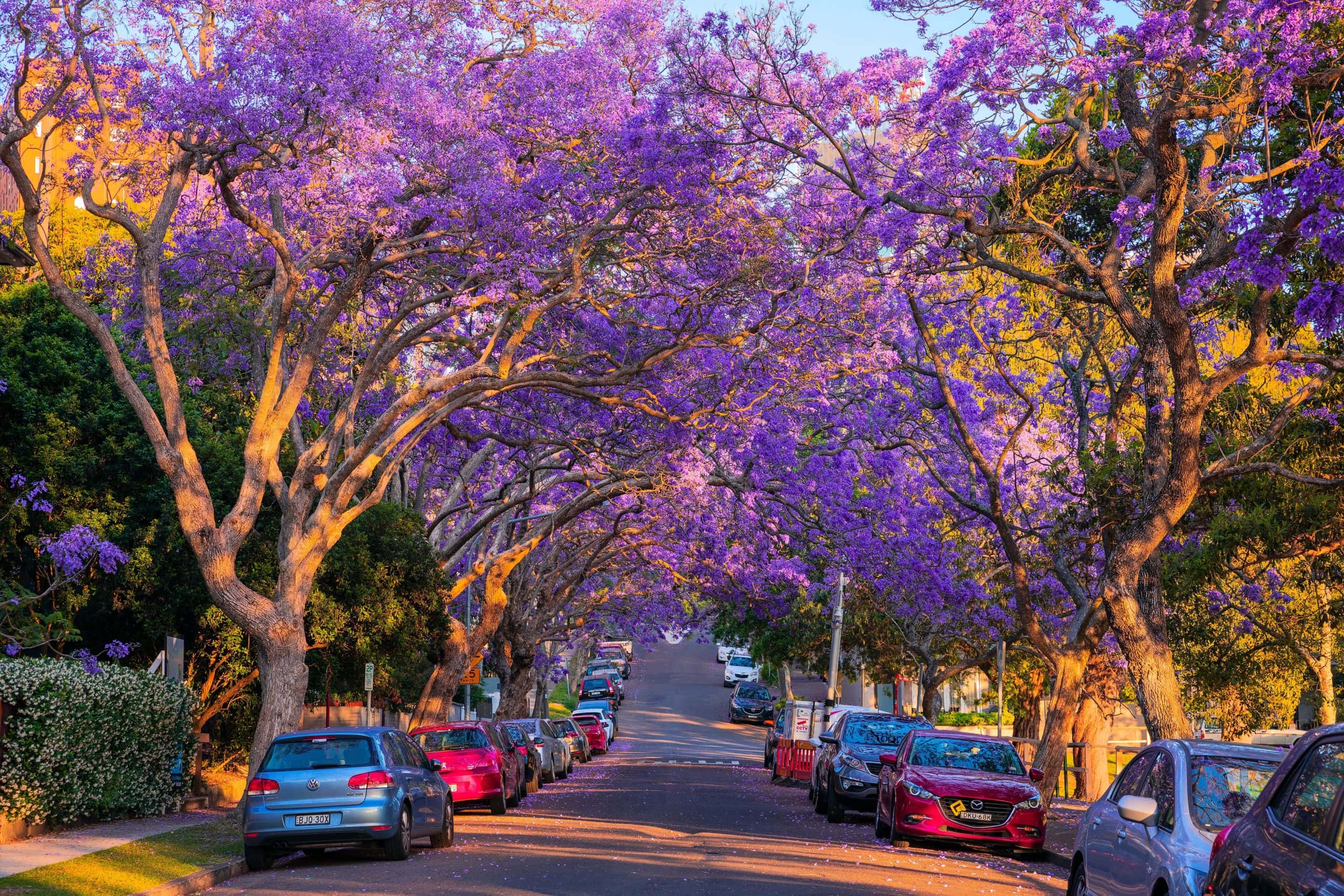
Lilongwe became Malawi's capital in 1975, replacing Zomba, and it shows: rather than a historic center, the city is a planned, low-density spread of two distinct halves, jacaranda-lined government avenues on one side and a dense, market-driven commercial district on the other, connected by wide roads that assume you're driving. It has none of Blantyre's colonial architecture or Cape Maclear's postcard water, and it isn't trying to.
What Lilongwe does well is function: it's the country's main international gateway, its best-organized base for arranging a safari or a lake trip, and home to a genuinely worthwhile wildlife rescue centre and cultural village that reward a day of your itinerary rather than a rushed layover. Most travelers spend one or two nights here at the start or end of a Malawi trip, and that's about the right amount.
The honest complications
Lilongwe is spread out enough that you'll need taxis or a driver for almost everything; there's no meaningful walking-between-sights city center the way Blantyre or a European capital has. Old Town, the liveliest and cheapest part of the city for markets and budget guesthouses, also carries the highest petty-crime risk after dark, and the city as a whole sits inside Malawi's Level 2 (Exercise Increased Caution) national advisory rather than a uniquely dangerous bubble. None of this makes Lilongwe a difficult stop, but it rewards arranging transport in advance and not wandering unfamiliar streets after sunset.
Two cities in one, plus two residential belts
Lilongwe splits cleanly into a commercial half and a government half, with two further residential areas that host most visitor accommodation. Where you base yourself depends mostly on how much you value walkable evenings over cheap beds.
Old Town
Old Town is Lilongwe's original commercial center: markets, shops, bus depots and the city's densest concentration of budget guesthouses and casual restaurants, including the Old Town Mall. It's the most affordable and locally textured place to base yourself, but it also carries Lilongwe's highest petty-crime risk, especially around markets and bus stations after dark. Fine by day and with a taxi at night; not the area to wander unfamiliar streets alone after sunset.
Capital City / City Centre
Also called City Centre, this is the planned administrative core: government ministries, embassies, the Bingu International Conference Centre, and most of Lilongwe's upscale hotels including Sunbird Capital. Quieter, greener and generally safer after dark than Old Town, at the cost of being less walkable to markets and street life.
Area 43
An upscale residential and expat area with villa-style guesthouses and serviced apartments, close enough to both Capital City and the airport road to work well as a base for business travelers and longer stays.
Area 47
The go-to area for backpacker lodges and guesthouses, quieter and more residential than Old Town while still budget-friendly. Mabuya Camp, a long-running overland-truck stop and backpacker base, anchors the area.
From lodge gardens to backpacker bunks
Lilongwe's hotel scene is built around business and NGO travel rather than tourism, which means reliable mid-range options with generators for the frequent power cuts, plus a smaller but genuine backpacker and boutique-lodge scene. As of 2026, accommodation must be paid for in hard currency (USD, GBP, EUR or ZAR).
At the top end, Sunbird Capital, across from the Bingu International Conference Centre in Capital City, is one of Lilongwe's most polished hotels, combining modern rooms with an outdoor pool and lush gardens; a dependable choice for business travelers and anyone wanting predictable comfort after days on dirt roads. Latitude 13 Degrees is the boutique pick, with a pool, fitness centre and garden setting that consistently rates among the city's best family-friendly stays.
On the edge of town, Kumbali Country Lodge sits beside the Kumbali Cultural Village on a working farm estate, a favourite for its gardens and relaxed dining atmosphere rather than proximity to the centre; it suits travelers who'd rather unwind outside the city than be downtown. For value, Crossroads Hotel and the President Hotel are dependable mid-range options popular with both business and leisure travelers.
At the budget end, Mabuya Camp in Area 47 is the country's best-known backpacker base: dorms, camping space and a bar that doubles as the meeting point for onward overland trips, alongside Annie's Lodge nearby for simple private rooms.
Nsima at the market, steak in a tropical garden
Lilongwe's food scene splits between simple, cheap Malawian staples at markets and local eateries, and a small but genuine cluster of international restaurants that grew up around the NGO and diplomatic community. Both are worth your time, and neither will strain a modest budget.
Nsima & chambo
Malawi's staple maize porridge with grilled or fried lake tilapia is the meal to eat at least once from a genuinely local spot rather than a hotel buffet. Four Seasons Restaurant & Garden Café, in a leafy garden setting about ten minutes from the centre, serves an authentic version alongside Mediterranean-inspired dishes and grills, and is a reliable first taste of Malawian food for visitors easing in.
Buchanan's Grill
A steakhouse set in the same tropical garden complex as Four Seasons, popular for grilled meat and a relaxed, wander-the-garden atmosphere rather than a formal dining room. One of the go-to nights out for Lilongwe's resident expat and NGO community, and a good measure of the city's upper-mid dining scene.
Mamma Mia
Lilongwe's best-rated Italian restaurant, in the Old Town Mall, known for wood-fired pizza and a genuinely fancy-for-Lilongwe dining room favoured by the expatriate community. Consistently the city's top-ranked restaurant on independent review sites.
Beyond Italian and steak
Seble serves authentic Ethiopian dishes for a change of pace, and Bombay Palace covers the city's solid Indian option, both reflecting the international mix that Lilongwe's diplomatic community has built up over the decades.
A short but genuine list
Lilongwe isn't a sightseeing city, but the handful of things worth doing here are genuinely good rather than filler, and a well-planned day covers them comfortably.
Lilongwe Wildlife Centre
A hands-on rescue and rehabilitation centre for orphaned and confiscated wildlife, mostly primates and birds, run as a small, educational and ethically managed operation rather than a zoo. Guided tours explain the rehabilitation work and let you get genuinely close to baboons, monkeys and other rescued animals, and it's one of the better places in the region to understand Malawi's approach to wildlife conservation before heading into the parks. Adjacent, the Lilongwe Nature Sanctuary boardwalk follows the Lingadzi River through indigenous forest, a good half-hour of quiet walking inside the city.
Kumbali Cultural Village
A community-run cultural centre on the edge of the city showcasing traditional dance, crafts and storytelling, and one of the best places near Lilongwe to meet local artisans and see Malawian cultural life presented respectfully rather than performed for a bus tour. Guided walks through the surrounding woodland cover indigenous plants and their traditional medicinal uses, and traditional cooking classes let you make nsima and relish hands-on. If your visit lands on the right Sunday, a flea market runs mid-month with football, volleyball and cycling tracks alongside the craft stalls.
Old Town Market
Lilongwe's main market, dense, loud and entirely local, is worth an hour by day for produce, fabric and everyday Malawian commerce rather than tourist souvenirs. Go with a local guide or your hotel's recommendation if it's your first African market, keep valuables minimal, and treat photography the way you would anywhere: ask first.
One day is usually enough, here's how to spend two or three
Most Malawi trips give Lilongwe one or two nights bookending the real destinations. These routes make the most of whatever time you've allotted.
- Morning
Lilongwe Wildlife Centre. A guided tour of the rescue and rehabilitation programme, then a walk on the adjacent Nature Sanctuary boardwalk.
- Midday
Old Town Market and lunch. An hour browsing the market, then nsima and chambo from a busy local stall.
- Afternoon
Kumbali Cultural Village. Traditional crafts, a guided woodland walk, and a cooking demonstration if timing allows.
- Evening
Dinner at Four Seasons or Buchanan's. A relaxed garden dinner to close out the day before an early start toward Liwonde or the lake.
- Day 1
The one-day route: Wildlife Centre, Nature Sanctuary, Old Town Market, Kumbali Cultural Village, dinner at Four Seasons.
- Day 2
Dedza day trip. The pottery factory tour and Chongoni Rock Art Area, about 1.5 hours each way, back in Lilongwe for a Mamma Mia dinner in Old Town Mall.
- Days 1-2
The two-day route above, at a gentler pace.
- Day 3
Senga Bay. A full day at Lake Malawi's closest access point to the capital: the beach, the fish market, and a simple boat trip, back in Lilongwe by evening or overnighting lakeside before continuing your trip.
Spread out, low-rise, built for a car
Kamuzu International Airport (LLW), about 27km and 30 minutes from the centre, is Malawi's main international gateway, with Ethiopian Airlines, Kenya Airways and South African Airways connecting through their respective hubs. There is no Uber or ride-hailing app operating in Malawi, and taxis run without meters, so agree a fare of around $25-30 for the airport transfer before getting in, or book a fixed-price hotel transfer in advance to skip the negotiation entirely.
Within the city, taxis (negotiated, not metered) are the standard way to move between Old Town, Capital City and the outlying areas; ask your hotel for a trusted driver's number and reuse them rather than hailing new cars each time. Minibuses cover the city cheaply but are consistently overcrowded and not recommended for visitors. Car rental (Avis and local operators including SS Rent a Car) makes sense if you're self-driving onward to the parks or the lake, since a rental picked up in Lilongwe saves arranging transport separately for the rest of the trip.
Best time to visit Lilongwe
Lilongwe sits at over 1,000 metres elevation, which keeps it noticeably cooler than the lakeshore and the Shire Valley lowlands year-round. May to October, the dry season, brings mild days and genuinely cool, sometimes chilly nights, June through August especially; September and October warm up while staying dry. November through April is the rainy season: hot, humid and prone to afternoon downpours, though rarely disruptive for a city stay the way it can be for rural road trips.
One of the more affordable capitals you'll visit
Lilongwe is inexpensive by international standards, with the main cost variable being hotel quality rather than food or transport. As of 2026, accommodation must be paid for in hard currency, while day-to-day spending, markets, minibuses, casual meals, runs in kwacha cash.
- Backpacker dorm or guesthouse $10-20
- Market and local meals $5-10
- Negotiated taxis for short hops
- Wildlife Centre and Old Town Market
- Business hotel or boutique lodge $60-100
- Restaurant meals $15-30
- Hired driver for the day
- Kumbali Cultural Village and a Dedza day trip
- Sunbird Capital or equivalent
- Fine dining at Four Seasons or Buchanan's
- Private driver-guide throughout
- Onward safari or lake transfer included
A moderate-risk capital, with a short, specific list
Lilongwe sits within Malawi's Level 2 (Exercise Increased Caution) national advisory, and the city itself rates as moderate risk rather than especially dangerous: most visits pass without incident, but petty crime is a real and specific concern rather than a background worry. Old Town's markets and bus stations see the most pickpocketing and bag-snatching, worse in the evenings, and the city as a whole is not a place to walk unfamiliar streets alone after dark.
The patterns that actually catch visitors: unmetered taxi overcharging, since no Lilongwe taxi runs a meter, so agree the fare before you get in; fake tour guides offering services without credentials around transport hubs and tourist sites, best avoided by booking through your hotel or a known operator; and evening street safety in Old Town and around markets, where sticking to well-lit areas and using a trusted taxi after dark removes most of the risk. Emergency numbers are police 997, ambulance 998 and fire 999; the US Embassy is reachable at +265 1 773 166.
Lilongwe's real value is what it's close to
Lilongwe's location in central Malawi makes it a workable base for two genuine day trips, and the easiest launch point for longer trips to Liwonde National Park and Lake Malawi beyond day-trip range.
Senga Bay
The closest Lake Malawi access to the capital: a long sandy beach, clear water, and a lively working fish market where the day's catch comes straight off the boats. A simple boat trip and lakeside chambo lunch round out a full day, and it's a genuine taste of the lake without committing several days to reach the more famous bases further south or north.
Dedza
A border town famous for its pottery works, where a factory tour walks you through wheel-throwing, glazing and firing by hand, and for the nearby Chongoni Rock Art Area, a UNESCO World Heritage Site with the densest concentration of rock art in Central Africa, painted by Batwa and Chewa communities over centuries. Guided walks up Dedza Mountain add a hiking option for a longer visit.
Liwonde National Park
Too far for a comfortable day trip, but close enough that many Lilongwe stays use it as the very next stop: Malawi's largest elephant population along the Shire River, with boat safaris that get closer to wildlife than a vehicle. Better as a two-to-three-night extension of your Lilongwe stay than a rushed single day.
Lilongwe FAQ
Is Lilongwe safe for tourists?
Lilongwe is rated a moderate-risk city within a Level 2 country. Petty crime including pickpocketing is concentrated in Old Town markets and bus stations, worse after dark. Agree taxi fares in advance, avoid walking alone at night, and keep valuables out of sight.
How many days do I need in Lilongwe?
One full day covers the city itself: the Wildlife Centre, Kumbali Cultural Village and Old Town Market. Most visitors use Lilongwe as a one-to-two-night base before or after Liwonde National Park or Lake Malawi rather than a standalone destination.
How much does Lilongwe cost per day?
Budget travellers manage on $25-40 a day with guesthouses and local meals; mid-range runs $70-130 with a business hotel and restaurant dinners. Hotels must be paid in hard currency (USD, GBP, EUR or ZAR) as of 2026.
When is the best time to visit Lilongwe?
May to October, the dry season, is best: mild days, cool nights and reliable road conditions for day trips. November to April is hot and wet, though still workable if you're mainly staying in the city.
How do I get from Lilongwe airport to the centre?
Kamuzu International Airport is about 27km from the centre, roughly 30 minutes by road. There is no Uber in Malawi; taxis have no meters, so agree a fare of around $25-30 in advance, or book a fixed-price hotel transfer.
What is the best area to stay in Lilongwe?
Capital City (also called City Centre) or Area 43 for first-timers: closer to embassies, upscale hotels and restaurants, and generally quieter at night. Old Town has more budget options and local atmosphere but a higher petty-crime risk after dark.
Do I need to speak Chichewa in Lilongwe?
No. English is an official language and used throughout hotels, restaurants and tour operators. A few Chichewa phrases, zikomo (thank you) and muli bwanji (how are you), are genuinely appreciated.
Is Lilongwe walkable?
Not really. Lilongwe is spread out and low-density, with the main sights, hotels and restaurants kilometres apart. Plan on taxis or a hired driver rather than walking between neighbourhoods, especially after dark.
Can I drink the tap water in Lilongwe?
Bottled or filtered water is the safer default for visitors, even in hotels. Most lodges and restaurants serve bottled or filtered water as standard; avoid ice from uncertain sources outside established venues.
What Stays With You
Lilongwe doesn't ask to be the highlight of your Malawi trip, and it isn't. What it does is work quietly and reliably: the rescued baboon that makes eye contact a little too directly at the Wildlife Centre, the smell of nsima cooking at an Old Town stall, a Kumbali woodland walk where someone explains what a plant you've never heard of is used for. It's the kind of capital that earns a full, unhurried day rather than a rushed layover, then gets out of the way for the lake and the elephants.
Spend your one full day properly, book your onward transport before you land, and let Lilongwe do what it does best: get you ready for the rest of Malawi.