
The Warm Heart of Africa, Literally
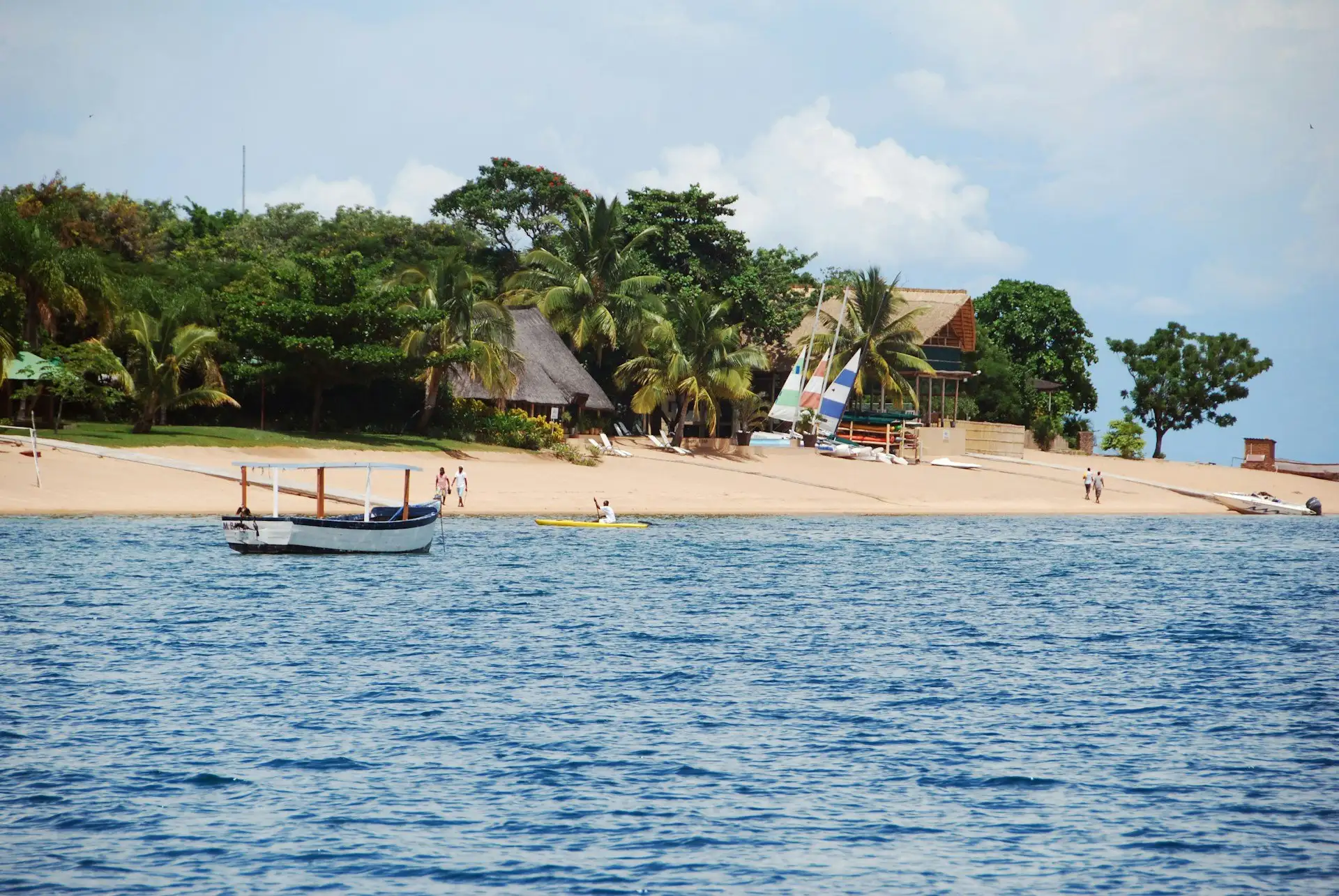
Malawi is a thin, landlocked strip of a country dominated by one enormous fact: Lake Malawi, the world's ninth-largest lake by surface area, running nearly the length of the country and holding more freshwater fish species than any other lake on the planet, most of them the small, dazzlingly colored cichlids that make Cape Maclear one of the best freshwater snorkeling and diving spots anywhere. Around the lake and inland, the country stacks tea estates, elephant-thick river parks and a rhino conservation success story into a footprint about the size of Pennsylvania.
What Malawi is best known for, though, is neither the lake nor the wildlife but the welcome. "The Warm Heart of Africa" is the kind of tourist-board slogan that usually oversells, but travelers who visit consistently report it undersells: minibus conductors who walk you to your connection, market vendors who correct your change in your favor, strangers who invite you to a wedding. Malawi is also, by regional standards, remarkably cheap: a full day of guesthouse, meals and transport can run under $25.
The honest complications
Malawi is one of the world's poorest countries by GDP per capita, and that shows up in patchy road quality outside main routes, frequent power cuts, and a Level 2 (Exercise Increased Caution) US State Department advisory that flags theft, burglary and armed robbery as genuinely occurring, not just theoretical. Malawi also revoked its visa-waiver scheme on 2 January 2026: most Western nationalities now need to apply for an eVisa in advance rather than simply arriving, an extra step that catches travelers who visited before the change and assume the old rules still apply. None of this makes Malawi a hard place to visit responsibly, but it does mean more planning than a well-trodden safari circuit, and it rewards travelers who read the safety and visa chapters before booking flights.
A History Worth Knowing
Malawi was the British protectorate of Nyasaland until 1964, when Dr. Hastings Kamuzu Banda led it to independence and then ruled it as an increasingly authoritarian one-party state for three decades. Multiparty democracy arrived in 1994, and the country has had six further presidents since, most recently a genuinely dramatic reversal in September 2025 when 85-year-old former president Peter Mutharika staged a landslide comeback against the sitting president he had lost to five years earlier.
- 1891-1964
Nyasaland. British protectorate rule, part of the short-lived Federation of Rhodesia and Nyasaland from 1953 to 1963.
- 1964
Independence. Hastings Kamuzu Banda leads Nyasaland to independence as Malawi on 6 July; the country becomes a republic in 1966 with Banda as president.
- 1966-1994
One-party rule. Banda, made president for life in 1971, runs a tightly controlled state with a feared secret police and strict social rules, alongside genuine economic stability by regional standards.
- 1994
Multiparty democracy. Banda loses the country's first multiparty election to Bakili Muluzi after a referendum ends one-party rule.
- 2012
Joyce Banda. Following president Bingu wa Mutharika's death in office, Joyce Banda becomes Africa's second female head of state.
- 2020
Historic annulment. The 2019 election result is annulled by the courts over irregularities, a rare judicial rebuke in African electoral politics; Lazarus Chakwera wins the rerun.
- 2025
Mutharika returns. Amid a severe economic crisis, fuel and forex shortages, and cyclone damage, 85-year-old former president Peter Mutharika defeats Chakwera in a landslide, becoming president again five years after leaving office.
Read the full history: the lake's ancient trade routes to today's politics
Long before Europeans arrived, Lake Malawi sat on Swahili and Arab trade routes carrying ivory and enslaved people to the coast, a history the Livingstonia mission and towns like Nkhotakota still reference. David Livingstone's 1859 expedition to the lake, and the missionary and anti-slavery movement it triggered, gave the region its colonial name, Nyasaland, "nyasa" being a local word for lake.
Hastings Banda's rule after independence combined genuine achievements, roads, agricultural exports, regional political stability, with a repressive personality cult: mandatory praise songs, banned books and films, dress codes for women, and a network of informants that made open dissent dangerous. His fall in the 1994 multiparty election, following international pressure and a domestic pro-democracy movement, was a rare peaceful transition of power in the region at the time.
The three decades since have been turbulent but consistently democratic on paper: Bakili Muluzi (1994-2004), Bingu wa Mutharika (2004-2012, died in office), Joyce Banda (2012-2014), Peter Mutharika (2014-2020), Lazarus Chakwera (2020-2025), and Peter Mutharika again from 2025. The 2019-2020 election annulment and rerun, triggered by evidence of tally-sheet tampering including correction fluid on official forms, is still cited across the region as a landmark case of courts enforcing electoral integrity. Chakwera's single term was dominated by a currency crisis, chronic fuel shortages, foreign aid cuts and a series of destructive cyclones, the combination of which fueled Mutharika's 2025 comeback. The transition itself was peaceful, with Chakwera conceding before final results were declared.
Top Destinations
Malawi runs north to south along its namesake lake, with the country's parks, mountains and two largest cities strung along or just off the M1 highway. The lake alone could fill two weeks; most trips combine a few lake days with one park and one highland stop. Distances are manageable but road quality varies, so budget more driving time than the map suggests, especially in the rainy season.
Cape Maclear, the backpacker classic
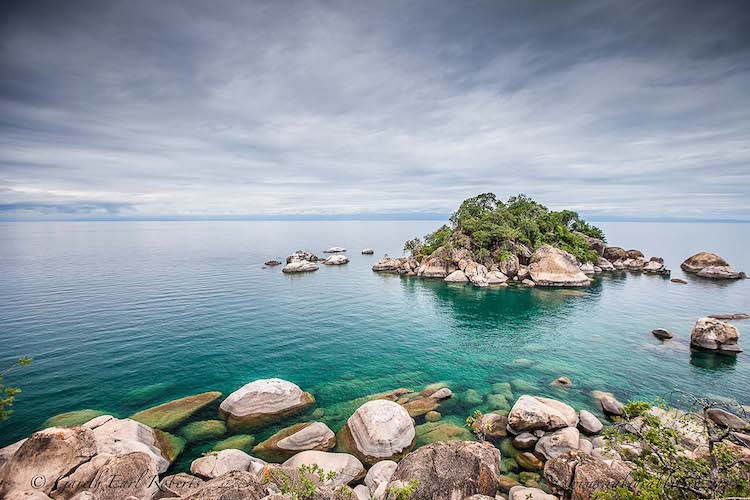
Cape Maclear sits inside Lake Malawi National Park, the world's first freshwater national park and a UNESCO World Heritage Site, and it's the liveliest base on the lake: a single sandy road of lodges, dive shops and lakeside bars behind a beach that drops straight into water clear enough to see cichlids from the shore. Boat trips out to Mumbo Island and Domwe Island, both largely undeveloped and reachable only by water, are the best day trip, with snorkeling over granite boulders that function as a natural aquarium. PADI certification here runs far cheaper than the Red Sea or Southeast Asia.
Nkhata Bay & Likoma Island, the quieter north
Nkhata Bay, a former fishing and slave-trade port on a series of small, hilly coves, has a laid-back, terraced-into-the-hillside feel that suits longer stays. Chikale Beach is the swimming spot, and the town is the jumping-off point for the overnight Ilala ferry to Likoma Island, a Malawian island that sits, oddly, entirely within Mozambican waters, with some of the best snorkeling and least-developed beaches on the lake.
Liwonde National Park, elephants on the Shire River
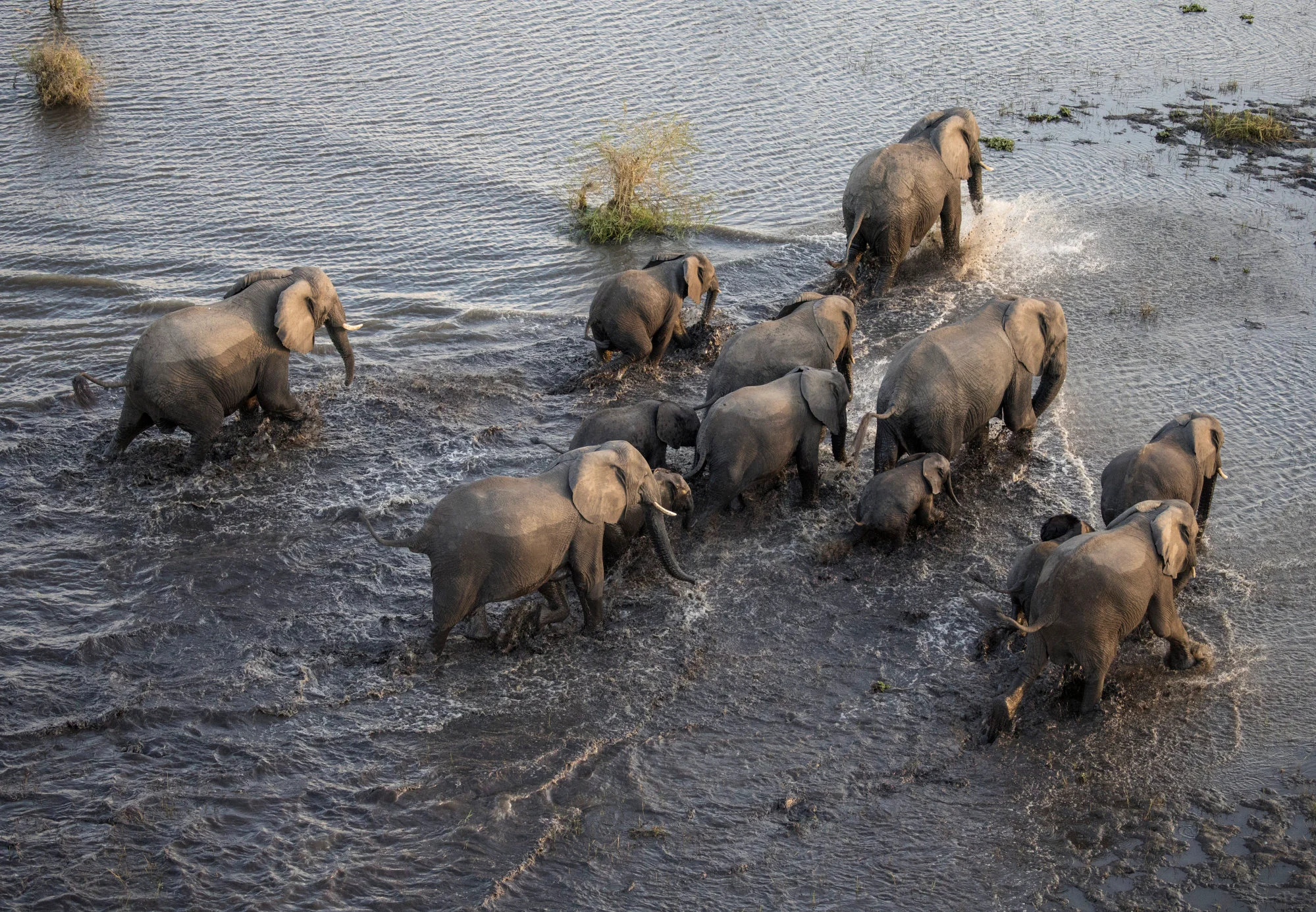
Liwonde holds Malawi's largest elephant population, frequently seen in large herds along the banks of the Shire River, where boat safaris get closer to elephants and hippos than a vehicle ever could. Lion and black rhino have also been reintroduced under African Parks management, alongside strong birdlife. Mvuu Wilderness Lodge, open since 1995 and set beside a lagoon in the park's north, is the benchmark safari lodge; a simpler camp with self-catering chalets covers the budget end. April to October, the dry season, gives the best game viewing as animals concentrate along the river.
Majete Wildlife Reserve, the Big Five comeback story
Majete is one of Africa's clearest conservation turnarounds: by the early 2000s poaching had wiped out most large mammals, and after African Parks took over management in 2003, more than 2,500 animals across 14 species were reintroduced, restoring lion, leopard, elephant, buffalo and black rhino, Malawi's only reliable year-round Big Five sighting. An hour from Blantyre, it's easily combined with the south of the country.
Nyika National Park, the high plateau
Malawi's largest park is also its strangest landscape: a rolling, treeless highland plateau above 2,000 meters, closer to Scottish moorland than typical African bush, good for birdwatching, mountain biking and multi-day wilderness hiking rather than classic game drives, with zebra, eland and leopard present but the scenery the main draw.
Zomba Plateau, the accessible highland
Zomba Plateau rises straight from Zomba town, Malawi's colonial-era capital, to a forested tabletop at over 2,000 meters with trout streams, waterfalls and views across the Shire Highlands. The Potato Path, a direct 45-minute walk from town to the plateau top near Ku Chawe Inn, is the quick route; a full loop past Mulunje peak to Chingwe's Hole, a natural chasm with views over the valley, takes 4 to 6 hours. Cooler and greener than the lowlands, and easy to combine with Liwonde or Majete on a south-of-the-country loop.
Mulanje Massif, Central Africa's highest peak
Mulanje rises abruptly out of tea estates to Sapitwa Peak at just over 3,000 meters, the highest point in Central Africa, its granite plateaus home to about 26 named peaks and the endangered Mulanje cedar found nowhere else on Earth. The classic route starts at the Likhubula forestry office and follows the skyline path through forest to the high plateau; multi-day traverses linking mountain huts suit experienced hikers, while shorter day walks to waterfalls suit everyone else. A local guide is standard practice and inexpensive.
Blantyre, the commercial capital
Blantyre, not Lilongwe, is Malawi's oldest city and commercial heart, founded by Scottish missionaries in 1876 and named after David Livingstone's Scottish birthplace. It has more colonial-era architecture than Lilongwe, a livelier café and restaurant scene around the Blantyre and Ndirande areas, and is the natural base for Majete, Zomba and Mulanje, all under two hours away. Most visitors pass through rather than linger, but it's a genuinely more atmospheric city than the purpose-built capital.
Hidden gems beyond the main circuit
The zones above cover a first Malawi trip well. With extra days, these reward the detour.
Dedza Pottery & Chongoni Rock Art
A working pottery factory with a full production tour, and the nearby Chongoni Rock Art Area, a UNESCO World Heritage Site with the densest concentration of rock art in Central Africa, painted by Batwa and Chewa communities over centuries.
Nkhotakota Wildlife Reserve
Malawi's oldest and largest wildlife reserve, on the lakeshore, underwent a major elephant translocation from Liwonde and Majete in 2016-2017 and is now a quieter, less-visited alternative with a genuine wilderness feel.
Livingstonia
A remote mission station founded in 1894, reached by a dramatic 20-hairpin dirt road up the Rift Valley escarpment, with sweeping lake views, a working hospital and church from the original mission, and the Manchewe Falls nearby.
Culture & Etiquette
Malawian culture centers on respect, greeting and hospitality in a way that's immediately noticeable to visitors: a rushed "hello" without asking how someone is doing reads as mildly rude, and the Chewa Gule Wamkulu, a masked secret-society dance performed at funerals, initiations and other significant occasions, is recognized by UNESCO as a Masterpiece of the Oral and Intangible Heritage of Humanity. Malawi is religiously mixed, mostly Christian with a significant Muslim minority concentrated along the lake, and both traditions coexist with older Chewa, Yao and Tumbuka customs.
Do
- Greet properly before asking for anything. "Muli bwanji?" (how are you?) before a request or a purchase is expected, not optional small talk.
- Dress modestly, especially away from lake resorts. Shorts and swimwear are fine at beach lodges; cover shoulders and knees in towns, markets and rural areas.
- Use your right hand, or both hands, to give and receive money, food or gifts. The left hand alone is considered impolite.
- Bargain gently in markets, but expect fixed prices at shops, supermarkets and formal restaurants.
- Carry cash in kwacha for daily spending. As of 2026, hotels and lodges require payment in hard currency, but markets, minibuses and small restaurants are cash-kwacha only.
Don't
- Photograph people, especially in markets or villages, without asking first. A friendly request is usually granted; photographing without asking is not.
- Assume ATMs and card payments work everywhere. Outside Lilongwe and Blantyre, cash is essential and ATMs can run out or go offline.
- Point with your left hand or your feet, both considered disrespectful gestures.
- Rely on the old visa-free rules. The 2026 eVisa requirement catches travelers who last visited, or read about Malawi, before January 2026.
- Underestimate travel times. Road quality varies sharply outside the M1 corridor; a route that looks like two hours on a map can take four.
Deeper culture: Gule Wamkulu, the lake's Islamic history, and Chichewa basics
Gule Wamkulu. The "Great Dance" of the Chewa Nyau secret society involves elaborately masked dancers representing spirits, animals and moral lessons, performed at funerals, initiations and chiefly installations. Genuine performances are not staged for tourists, though some cultural villages offer respectful, explained demonstrations.
Islam on the lake. Centuries of Swahili and Arab trade along Lake Malawi's shore left a significant Muslim population concentrated in Mangochi, Nkhotakota and other lakeside towns, distinct from the Christian-majority interior and giving lakeside Malawi a noticeably different religious and architectural texture.
A few Chichewa phrases: Muli bwanji? (how are you?), Ndili bwino (I'm fine), Zikomo (thank you), Chonde (please), Inde (yes), Ayi (no). Attempting even a little Chichewa produces a warmly disproportionate response.
Food & Drink
Malawian food is built around one staple eaten at nearly every meal, with lake fish, garden vegetables and grilled meat as the variation. It's simple, filling food rather than an elaborate cuisine, and the best of it is found at roadside stalls and family-run restaurants rather than hotel buffets.
Nsima Included
A thick, smooth maize porridge that is the country's staple starch, eaten with the hands and used to scoop up a relish of vegetables, beans, meat or fish. Nsima with chambo is Malawi's closest thing to a national dish, recognized by UNESCO as part of the country's intangible culinary heritage.
Chambo $3-8
A Lake Malawi tilapia species, usually grilled or fried whole and served with nsima and vegetables. It's the fish every lakeside restaurant serves and the one worth ordering: freshest right on the lakeshore in Mangochi, Salima and Nkhata Bay.
Zitumbuwa ~$0.20
Malawian banana fritters: ripe banana mashed into a batter and deep-fried until golden. A ubiquitous street snack sold from baskets at markets and bus stations, best eaten hot.
Goat meat $3-6
A special-occasion delicacy, slow-cooked until tender and served with nsima or rice, common at roadside grills (nyama choma-style) and celebrations.
Usipa & kampango
Smaller lake fish: usipa, tiny dried sardine-like fish sold in markets and used in relishes, and kampango, a larger catfish grilled at lakeside restaurants.
Thobwa & Kuche Kuche $1-2
Thobwa is a lightly fermented, non-alcoholic maize drink, sweet and thick. Kuche Kuche and Carlsberg Green, both brewed locally, are the standard lagers at bars countrywide.
When to Go & Itineraries
May to October, Malawi's dry season, is the best time to visit for almost every purpose at once: clear skies, good wildlife viewing as animals concentrate near water, passable roads and comfortable hiking in the highlands. June to August is coolest, with genuinely cold nights above 1,500 meters on Nyika, Zomba and Mulanje. November to April is the rainy season: hot, humid, occasionally difficult for driving off the M1, but the lake stays warm for swimming and the landscape turns a deep green that dry-season photos don't capture.
All seasons compared, with temperatures
| Season | Verdict | Temps | Notes |
|---|---|---|---|
| May-Aug | Best (cool & dry) | 10-25°C, cold nights in highlands | Best wildlife viewing, clearest skies, peak lodge prices |
| Sep-Oct | Good (hot & dry) | 25-35°C | Hottest dry-season months, still excellent for parks and the lake |
| Nov-Dec | Fair (building rains) | 25-33°C | Green landscapes begin, first storms, roads still mostly fine |
| Jan-Apr | Low season (wet) | 22-30°C | Heaviest rain, some rural roads difficult, lowest prices, warm lake swimming |
Lilongwe and the highlands run noticeably cooler than the lakeshore and the Shire Valley lowlands, which stay hot and humid year-round.
Itineraries
Ten days is the practical minimum for a satisfying Malawi trip that combines the lake with a safari. Two weeks adds a highland stop without rushing; a full week works if you pick either the lake or a park rather than both.
- Days 1-2
Lilongwe. Arrive, Lilongwe Wildlife Centre and Kumbali Cultural Village, settle in before heading out.
- Days 3-4
Liwonde National Park. Drive or transfer south (about 3.5 hours), two nights for a boat safari and game drives.
- Days 5-7
Cape Maclear. On to Lake Malawi (about 2 hours from Liwonde), snorkeling at Mumbo Island and beach time before flying out of Lilongwe.
- Days 1-2
Lilongwe. Wildlife Centre, Kumbali Cultural Village, an optional Dedza pottery and rock art day trip.
- Days 3-5
Liwonde National Park. Three nights, boat and vehicle safaris both morning and evening.
- Days 6-8
Cape Maclear. Three nights: Mumbo Island snorkeling, a sunset lake cruise, and genuine downtime.
- Days 9-10
Zomba Plateau. A cooler final stop with the Potato Path or a longer plateau walk before returning to Lilongwe or Blantyre.
- Days 1-3
Lilongwe & Dedza. City sights plus a full-day pottery and Chongoni rock art excursion.
- Days 4-6
Liwonde National Park. Three nights for a proper safari rhythm: dawn boat trips, evening game drives.
- Days 7-9
Majete Wildlife Reserve. Via Blantyre, three nights for the country's most reliable Big Five sightings.
- Days 10-11
Mulanje or Zomba. A highland break: a two-day Mulanje hike for hikers, or the gentler Zomba Plateau loop.
- Days 12-14
Cape Maclear or Nkhata Bay. Three unhurried final days on the lake before flying out of Lilongwe.
Getting there & around
Kamuzu International Airport (LLW) in Lilongwe is Malawi's main international gateway, with Ethiopian Airlines, Kenya Airways, South African Airways and other regional carriers connecting through Addis Ababa, Nairobi and Johannesburg; Chileka International Airport (BLZ) in Blantyre handles fewer international routes. There is no Uber or ride-hailing app operating in Malawi: taxis have no meters, so agree the fare before getting in, and pre-booked hotel transfers avoid the haggling entirely. Self-drive or a hired driver is the most practical way to cover the country: minibuses reach almost everywhere but are consistently overcrowded and not recommended for tourists on intercity routes.
All transport options with notes: minibuses, the Ilala ferry, internal flights
| Option | Notes |
|---|---|
| Rental car / driver-guide | The most flexible way to see the country; a hired driver-guide is often better value than self-drive given road quality outside main routes and the value of local knowledge. |
| Minibuses | Cheap and cover almost every route, but overcrowded and uncomfortable for long distances; more of a local experience than a practical tourist option intercity. |
| Airport taxis | No meters and no Uber; agree the fare in advance or book a fixed-price hotel transfer. |
| Ilala ferry | Runs the length of Lake Malawi since 1951, on an approximate rather than fixed schedule; slow, cheap and memorable rather than efficient. |
| Internal flights | Small charter and scheduled operators connect Lilongwe, Blantyre and some lodge airstrips; worth pricing against driving time for longer legs. |
Practical prep: buy a local SIM (Airtel or TNM) on arrival for data and calls, or an eSIM before landing; signal is minimal in the parks and highlands, so download offline maps first. Confirm your travel insurance covers medical evacuation, since serious medical care beyond Lilongwe and Blantyre's main hospitals typically means transfer to South Africa. Malaria prophylaxis is recommended for the whole trip, including Lilongwe itself.
Where to stay
Lake Malawi backpacker lodges
Cape Maclear and Nkhata Bay both have dense clusters of budget lakefront lodges with dorms and simple chalets, most including free snorkeling gear and cheap boat trips to the offshore islands.
Safari lodges
Mvuu Wilderness Lodge in Liwonde is the country's best-known safari address; Majete and Nyika both have smaller lodge and tented-camp options, typically priced with meals and activities included.
Lilongwe & Blantyre business hotels
Both cities have a cluster of mid-range hotels aimed at NGO and business travelers, generally reliable, with pools and generators for the frequent power cuts.
Highland lodges
Ku Chawe Inn on Zomba Plateau and simple huts and campsites at the Likhubula forestry office below Mulanje are the standard highland bases, both bookable direct or through local operators.
Budget Planning
Malawi is one of the cheapest countries in Southern Africa outside of safari lodges, which price similarly to lodges anywhere on the continent. As of 2026, hotels and lodges must be paid for in hard currency, USD, GBP, EUR or ZAR, a real change from the kwacha-cash norm of a few years ago, so budget accordingly and check each property's accepted currencies before booking.
- Lake lodge dorm or budget room
- Nsima-and-relish meals $2-4
- Minibus transport
- Free beaches and self-guided walks
- Mid-range hotel or lake chalet
- Restaurant meals $6-12
- Hired driver or rental car
- Park entry fees and a day safari
- All-inclusive safari lodge nights
- Private driver-guide throughout
- Boat safaris and guided activities
- Best available city hotels
Quick reference prices: kwacha, meals, park fees
| Exchange rate (approx.) | ~1,700 MWK / $1 |
| Nsima-and-relish meal | $2-4 |
| Chambo dinner at a lakeside restaurant | $5-10 |
| Local lager (Kuche Kuche/Carlsberg) | ~$1-2 |
| Airport taxi, Lilongwe (fixed, negotiate) | $25-30 |
| Liwonde National Park entry | ~$20-35/day (varies by residency) |
| Budget lake lodge dorm bed | $8-15/night |
| Mid-range lake chalet | $35-70/night |
Prices reflect July 2026 research; the kwacha has been volatile against major currencies, so treat these as a planning baseline and confirm current rates before booking.
Visa & Entry
Malawi's entry rules changed significantly on 2 January 2026: the visa-waiver scheme that had let US, UK, EU and many other nationalities enter without a visa was revoked, and most non-SADC nationalities now need an eVisa arranged in advance through the official evisa.gov.mw portal. A single-entry tourist eVisa is typically valid for 90 days from issuance; every traveler, including infants, needs their own application. Some nationalities may still be eligible for visa on arrival, but the Department of Immigration recommends applying online in advance to avoid boarding and border delays.
✓ Valid passport
At least 6 months validity from your arrival date, as required for the eVisa application itself.
✓ eVisa applied in advance
Apply at evisa.gov.mw before travel; do not rely on the pre-2026 visa-free rules or on third-party sites that charge extra for a service the official portal provides directly.
✓ Return/onward ticket
May be requested at immigration for air arrivals, alongside proof of accommodation.
✓ Yellow fever certificate
Required only if arriving from a country with risk of yellow fever transmission; not required if flying in directly from outside Africa or South America.
| Malawi | Zambia | |
|---|---|---|
| Daily budget | $22-50 gets you far outside safari lodges | Similar day-to-day costs, but marquee parks price higher |
| Signature draw | Lake Malawi: swimming, snorkeling, island boat trips | Victoria Falls and walking safaris in South Luangwa |
| Wildlife | Growing Big Five story at Majete; elephants at Liwonde | Bigger, more established parks with denser game |
| Crowds | Genuinely under-visited outside a few lake hubs | Victoria Falls busy; the parks much quieter |
| Entry | eVisa required in advance as of 2026 | eVisa or KAZA univisa, also arranged in advance |
Safety, Solo Women & Family
Malawi is rated Level 2, Exercise Increased Caution, by the US State Department as of May 2026. That's a real step above a country like Albania or Portugal: the advisory specifically names theft, burglary, armed robbery and assault as occurring, and notes that Malawi Police Service resources are limited, which affects both crime deterrence and response. Most visits to lodges, parks and the main tourist circuit pass without serious incident, but this is not a country to treat as effortlessly safe: normal precautions genuinely matter here.
Street & petty crime
Concentrated in Lilongwe's Old Town and Blantyre's markets and bus stations, worse after dark. Keep valuables out of sight, avoid walking alone at night, and use hotel-arranged or trusted taxis rather than hailing on the street.
Demonstrations
Political demonstrations occur periodically, sometimes met with tear gas and road closures. Avoid areas with visible gatherings and follow local news and your embassy's alerts during politically sensitive periods.
Road safety
Traffic accidents are a leading cause of injury to travelers regionally; roads outside the M1 corridor are poorly lit, pedestrians and cyclists share the road with minimal separation, and night driving outside towns is best avoided.
Two more things worth knowing: health care access and water safety
Health care access. Kamuzu Central Hospital in Lilongwe is the main public referral hospital; private clinics in Lilongwe and Blantyre handle routine care, but serious injuries or illness typically require medical evacuation to South Africa. Confirm your travel insurance covers this before you go.
Bilharzia and lake water. Lake Malawi can carry bilharzia (schistosomiasis) in some shallow, reedy areas, though the open water at established swimming beaches like Cape Maclear is generally considered low-risk and swum in daily by residents and visitors alike. If concerned, ask your lodge about current local risk and consider a post-trip test if you've swum extensively in untested areas.
The 3 scams to actually know about
Malawi is not a high-scam destination by global standards, but a handful of patterns catch travelers, concentrated in Lilongwe, Blantyre and lake tourist spots where foreigners stand out.
Unmetered taxi overcharging
No taxis in Malawi run meters, so drivers, especially at the airport, sometimes quote a high fare after the fact. Agree the price before getting in, or book a fixed-price hotel transfer.
Fake tour guides
Individuals without proper credentials sometimes offer guiding services at parks and lake towns. Book activities through your lodge or a known operator rather than accepting offers from strangers at transport hubs.
Currency exchange tricks
Street money changers occasionally shortchange with sleight of hand or pass counterfeit notes. Use bank ATMs or licensed bureaux de change, and count kwacha received before walking away.
Solo women travelers
Solo women travel in Malawi with the usual regional precautions: Lilongwe rates as a moderate-risk city for solo women, and unwanted attention from men, including catcalling, is more common than in Western Europe. It's not typically physically dangerous in tourist areas, but the Level 2 advisory's crime concerns apply to everyone, and being additionally alert as a woman traveling alone is sensible. Avoid walking alone after dark anywhere, sit near the driver or other women on minibuses if you use them, dress modestly outside beach resorts, and stick to trusted transport and accommodation. Lake lodges are generally comfortable and social for solo travelers of any gender. Full detail on our Solo Woman Explorer pages.
Emergency numbers
Embassies in Lilongwe
Most embassies sit in and around Lilongwe's Capital City / Area 40 government district. The US Embassy is at 16 Jomo Kenyatta Road (+265 1 773 166; after-hours emergency +265 999 591 024), and the British High Commission is off Convention Drive (+265 1 772 400). Response to remote areas, including the parks and lake, is slower than in the two main cities; your lodge or tour operator is often the fastest first call in a genuine emergency.
Family travel
Malawi works well for families comfortable with a slower-paced, less polished safari circuit than Kenya or South Africa. Lake Malawi's calm, warm water and gently sloping beaches suit children better than an ocean coastline, boat safaris at Liwonde are a gentler wildlife introduction than a bumping game-drive vehicle, and the Lilongwe Wildlife Centre gives kids an accessible, explained introduction to conservation before heading into the parks. Malaria prophylaxis and mosquito precautions matter for children just as much as adults; discuss age-appropriate options with a travel health clinic well before departure.
Malawi FAQ
Is Malawi safe to visit?
Malawi is rated Level 2 (Exercise Increased Caution) by the US State Department. Violent crime including theft and armed robbery does occur, but most visits are trouble-free with normal precautions: agree taxi fares in advance, avoid walking alone at night in Old Town areas, and keep valuables out of sight.
Do I need a visa for Malawi in 2026?
Yes. Malawi revoked its visa-waiver scheme on 2 January 2026. Most nationalities, including the US, UK and EU, now need an eVisa applied for in advance at evisa.gov.mw, typically valid for a single 90-day entry.
How much does a trip to Malawi cost?
Budget travelers manage on about $22 a day, mid-range travelers around $51, and comfortable travel with lodges and safaris runs $95 or more. Note that as of 2026 hotels and lodges must be paid for in hard currency (USD, GBP, EUR or ZAR).
When is the best time to visit Malawi?
May to October, the dry season, is best for wildlife viewing, hiking and clear lake water. June to August is coolest, especially at night in the highlands. November to April is hot and wet, with some roads difficult, though the lake itself is warm and green scenery is at its best.
How many days do you need in Malawi?
Ten days covers a solid circuit: a few days on Lake Malawi, a safari at Liwonde or Majete, and Lilongwe or Blantyre as a base. Two weeks adds the Zomba Plateau or Mulanje Massif and a slower pace on the lake.
Is Lake Malawi worth visiting?
Yes. It's one of the world's largest freshwater lakes, with clear water, sandy beaches, over 700 endemic cichlid fish species and some of the cheapest lakeside accommodation in Africa. Cape Maclear and Nkhata Bay are the two most popular bases.
Can I see the Big Five in Malawi?
Yes, at Majete Wildlife Reserve, where lion, leopard, elephant, buffalo and black rhino were reintroduced after a conservation project starting in 2003. Liwonde National Park has Malawi's largest elephant population but not resident lion or rhino in the same numbers.
What language do people speak in Malawi?
English is an official language and used in business and by most tour operators. Chichewa is the national language spoken at home and in markets; a few Chichewa phrases go a long way.
Do I need malaria tablets for Malawi?
Malaria is present countrywide, including Lilongwe and Lake Malawi, and antimalarial prophylaxis is recommended for all travelers. See a travel health clinic four to six weeks before departure, and use repellent and a net regardless of medication.
Is Malawi cheaper than Kenya or Tanzania?
Generally yes for accommodation and day-to-day costs, though Malawi's safaris at Liwonde and Majete are smaller in scale than the Maasai Mara or Serengeti. Malawi suits travelers who want a slower, lake-and-parks trip at a lower price than East Africa's marquee safari circuits.
What Stays With You
Malawi doesn't have the marquee-name recognition of Kenya's Maasai Mara or Tanzania's Serengeti, and that's arguably the point. What you remember is quieter and more specific: the exact color the lake turns at 6pm, a minibus conductor who refused a tip for carrying your bag, an elephant so close to the Shire River boat you could hear it breathing. It's a country that asks a little more planning than a well-trodden safari circuit, with a visa system that changed at the start of this year and a safety picture that rewards care rather than complacency, and gives back a trip that feels genuinely earned rather than packaged.
Go in the dry season, budget for the eVisa and hard-currency lodge payments before you land, and don't rush past the lake to get to the parks. Most of what people love about Malawi happens at the pace the lake sets.