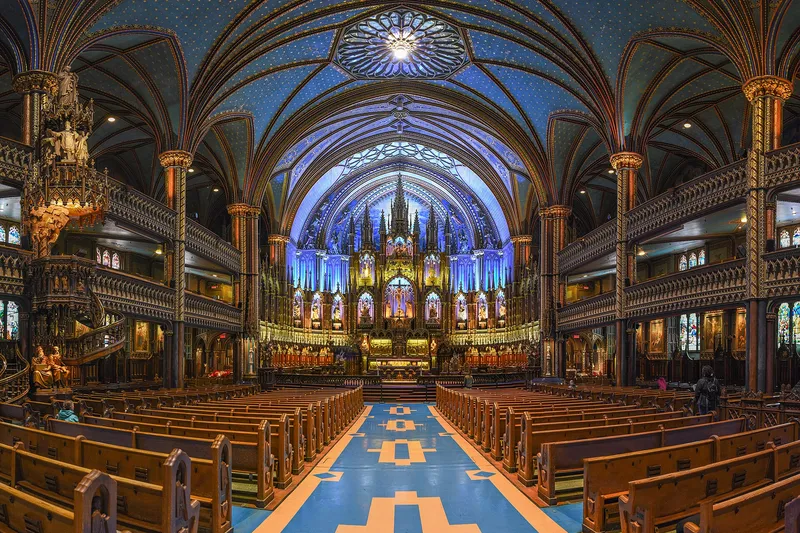
Basilica in Old Montréal
Notre-Dame Basilica
Visit by day, or come for the evening AURA Experience.

Updated November 2026 · Fact-checked
Cobblestone streets in Old Montréal, Notre-Dame Basilica, bagels boiled in honey water and a lookout over the whole city from the top of Mount Royal. Montréal is a French-speaking city that Tourisme Montréal describes as blending historic charm with cultural diversity, and this guide sticks to what official sources confirm.
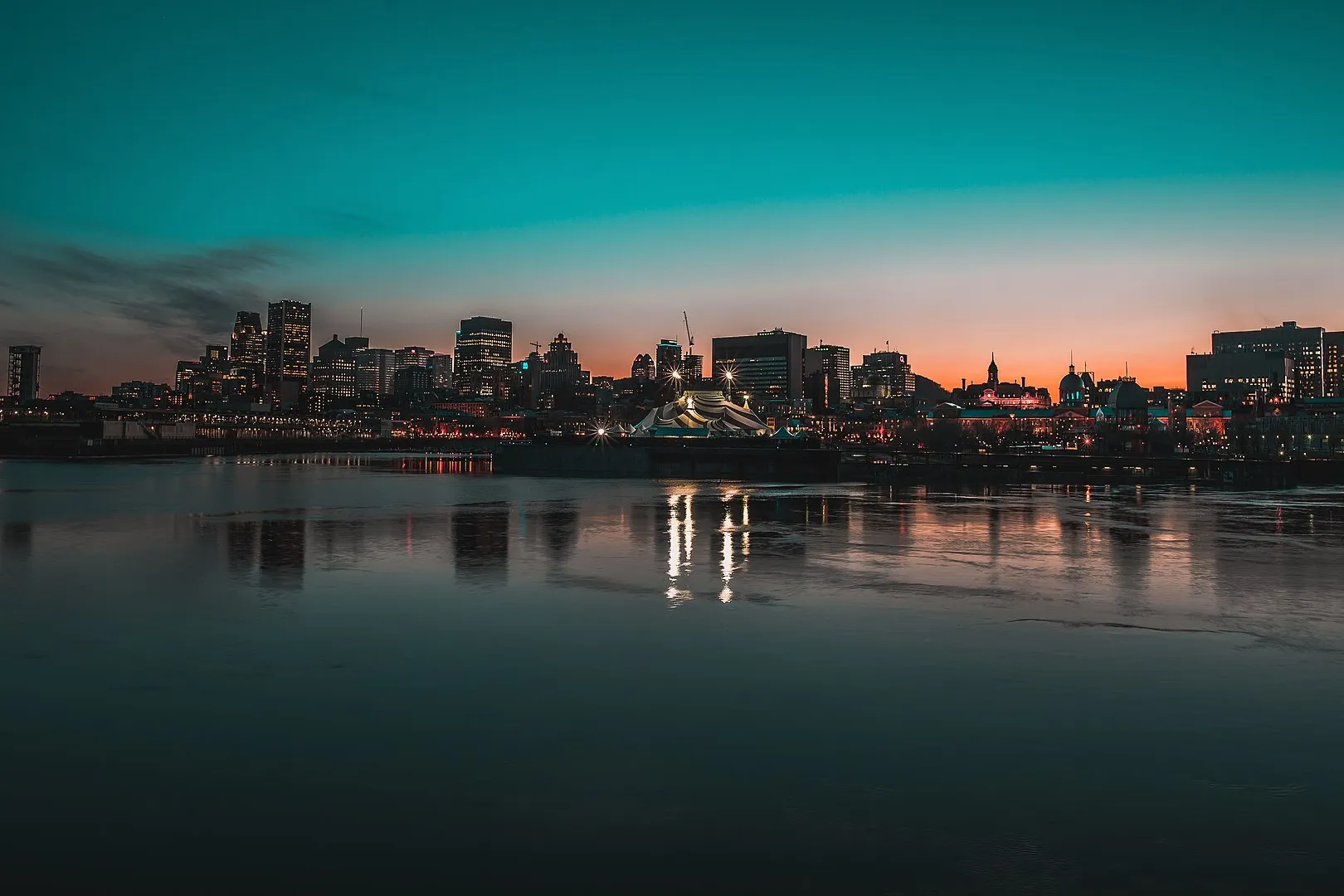
Tourisme Montréal calls the city “a thrilling city that effortlessly blends” historic charm with cultural diversity, and the practical version of that is a compact mix of cobblestone Old Montréal, a downtown with a 32-kilometre underground pedestrian network, a forested mountain in the middle of the city and neighbourhoods built around food.
The Plateau is where the tourism board sends visitors to experience the city's French-speaking culture and artistic flair, so expect French first on signs and menus. Everything in this guide that carries a price, hour or route comes from the operator or official source named in the fact-check box at the bottom, and anything we could not confirm has been left out rather than guessed.
Prices on this page are in Canadian dollars and often exclude tax (the Basilica, for example, lists its rates “plus tax”). Opening hours and fares change, so check the operator's page before you go.
Tourisme Montréal itself notes that summer is the season when road work is planned across the region, so check the Mobility Montréal website before any drive out of the city.
Tourisme Montréal's first-time visitor list maps neatly onto five areas: the old town, downtown, the Plateau, Little Italy and the Mount Royal side of the city. Each is a different kind of day.
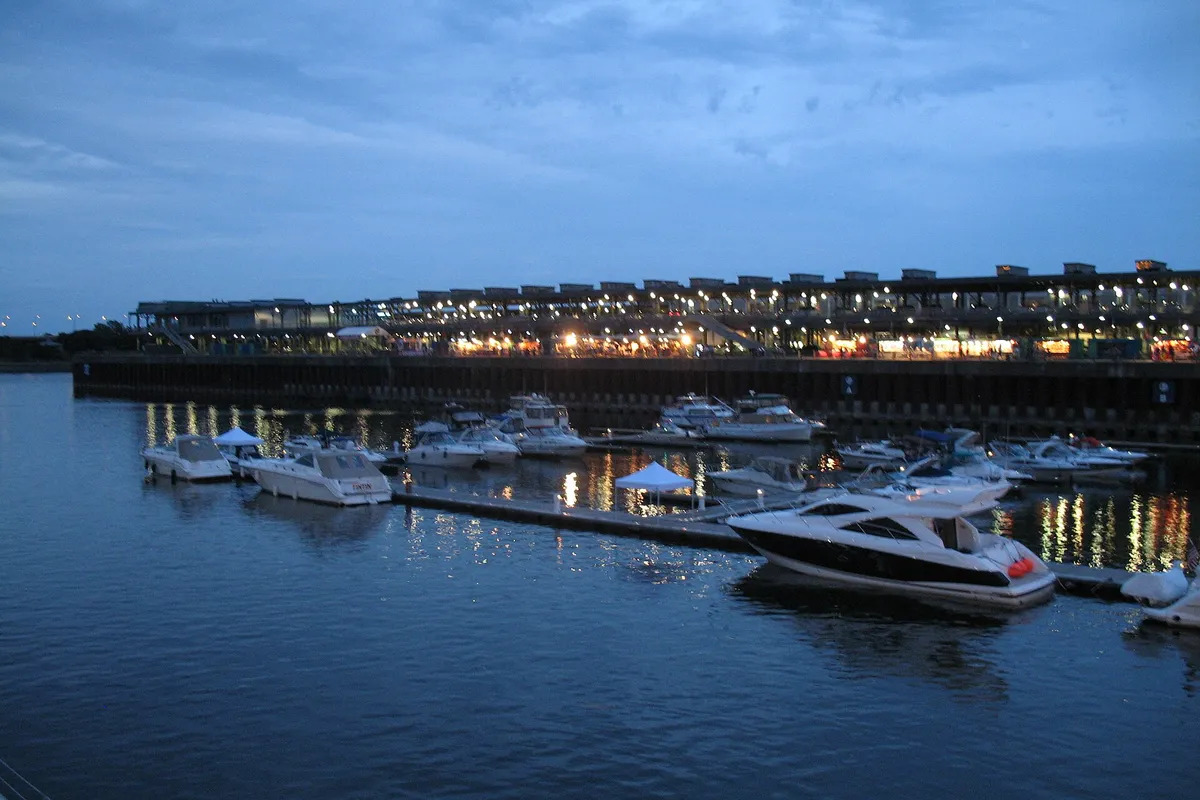
No first-time visit is complete without the cobblestone charm of Vieux-Montréal, according to Tourisme Montréal, with architecture dating back to 1685. Notre-Dame Basilica is here, and Place Jacques-Cartier has street performers and outdoor terraces.
Sainte-Catherine Street is one of the longest commercial strips in Canada at 11 kilometres, with global brands alongside local retailers and shopping centres. Beneath it, RÉSO is a 32-kilometre network of pedestrian walkways that connects 10 major hotels, several shopping malls and the convention centre, and keeps the city moving in winter.
Famous for its colourful houses and spiral outdoor staircases, the Plateau is described by the tourism board as the creative heart of Montréal. Walk Mont-Royal Avenue, grab a pastry at Kouign Amann Bakery or picnic in Parc La Fontaine.
Jean-Talon Market sits in the heart of Little Italy and is, according to the Marchés publics de Montréal, one of the biggest public markets in North America. It is the area to come to hungry.
Mount Royal Park is the city's most famous green space and the starting point for its most iconic skyline view. On the northern slope, Saint Joseph's Oratory is reached by métro to Côte-des-Neiges and a walk up its grand staircase.
We name no individual hotels or nightly rates here because we could not source them from an official page. What we can confirm is how the main areas work as a base.
Downtown puts you on the RÉSO underground network, which links 10 major hotels with the shopping malls and the convention centre, so winter days stay indoors. Old Montréal puts the basilica, Place Jacques-Cartier and the Old Port on your doorstep. The Plateau is the pick for the neighbourhood feel, with Mont-Royal Avenue and Parc La Fontaine nearby. Compare rooms and current prices on Booking.com.
Tourisme Montréal says the city's joie de vivre is best experienced through its food, and recommends these hearty staples for eating like a local.
The tourism board points visitors to the world-famous Schwartz's Deli for smoked meat.
Try Fairmount Bagel Bakery or St-Viateur Bagel. Their bagels are boiled in honey water, which gives them a distinctive sweetness.
La Banquise is the tourism board's pick for the ultimate version of the fries-and-curds classic.
Jean-Talon Market in Little Italy is open year-round, Monday to Saturday 8 a.m. to 6 p.m. and Sunday 8 a.m. to 5 p.m., and was inaugurated in May 1933. From June to October its aisles are closed to cars on Thursdays, Fridays, Saturdays and Sundays from 11 a.m. to 5 p.m. For an Art Deco setting and specialty delicatessens, head to Atwater Market near the Lachine Canal. Seasonal treats include maple syrup in spring, strawberries in summer and Macintosh apples in autumn.
Most of what first-time visitors come for is within one métro ride of downtown. The four biggest sights are below, followed by what else is worth your time.
Visit by day, or come for the evening AURA Experience.
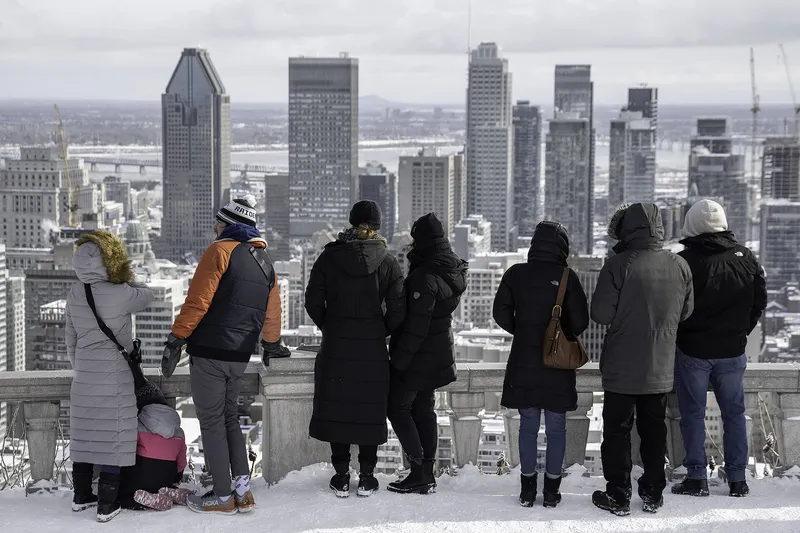
The summit lookout over the city, in a park designed by Frederick Law Olmsted.
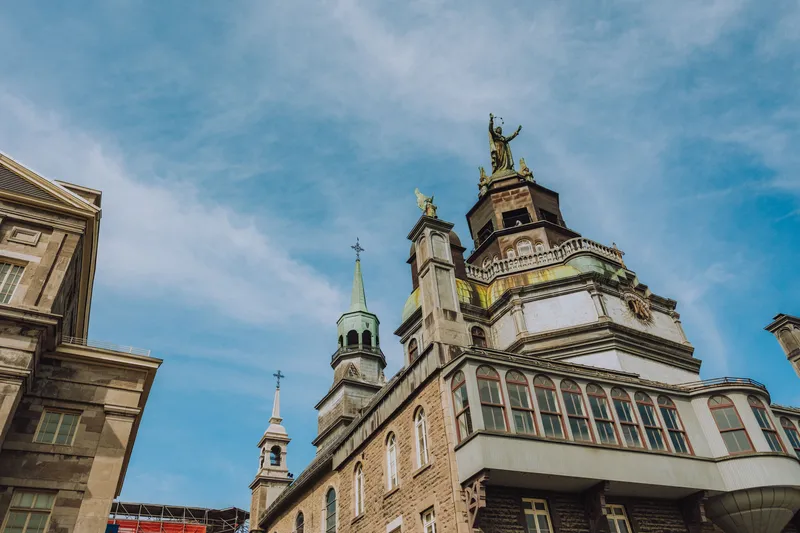
Cobblestone streets and architecture dating back to 1685, around Place Jacques-Cartier.
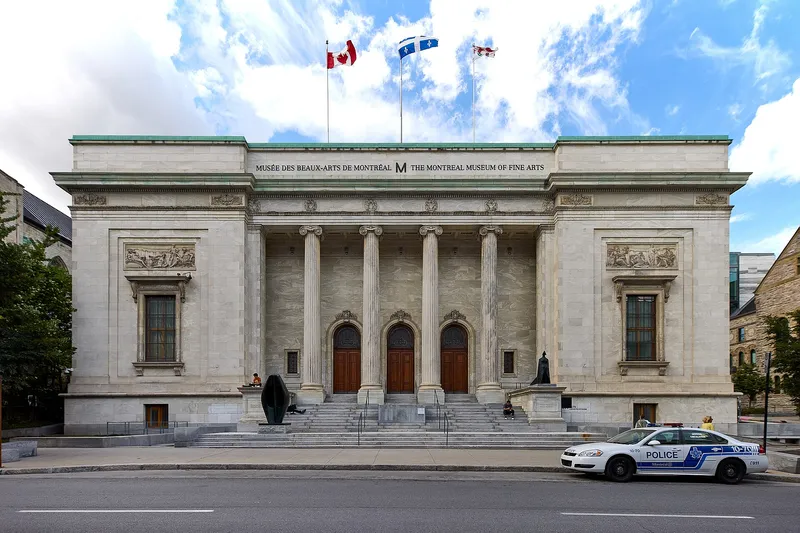
The city's main art museum, with a collection and rotating exhibitions.
The daytime sightseeing visit starts at $16 for adults (plus tax), with reduced rates for seniors ($15), students ($14) and children 6 to 16 ($10); children 5 and under are free. Visiting hours are Monday to Saturday 9:00 a.m. to 4:00 p.m. and Sunday 12:30 p.m. to 4:00 p.m., and tickets bought after 4 p.m. must be booked online or by phone. In the evening, the AURA Experience starts at $37 for adults. Afterwards, walk to Place Jacques-Cartier for street performers and a terrace.
Mount Royal Park was designed by Frederick Law Olmsted, the landscape architect behind New York's Central Park. Reach the summit lookout by walking the forest trails or taking a guided tour. The chalet at the summit has washrooms and a small canteen, and Tourisme Montréal suggests giving yourself at least two hours. 2026 marks the park's 150th anniversary.
The Montreal Museum of Fine Arts sells a Museum day ticket at an exclusive online rate of $30, and a ticket that adds the current major exhibition for $32. The Space for Life museums (Biodôme, Biosphère, Botanical Garden, Insectarium and Planétarium) charge visitor adults $25.50 for a single museum, and children under 4 are free.
One of the world's most significant Catholic pilgrimage sites, with a dome 97 metres high, second only to Saint Peter's in Rome. Take the métro to Côte-des-Neiges and walk up the grand staircase for northern views of the city.
RÉSO is a 32-kilometre network of climate-controlled pedestrian walkways. Above it, Sainte-Catherine Street runs for 11 kilometres and is the city's premier shopping artery.
These routes use only sights and venues covered above. Check opening hours on the day, especially in winter.
Old Montréal. Cobblestone streets, Place Jacques-Cartier and the basilica, which opens at 9:00 a.m. Monday to Saturday.
Smoked meat or bagels. Schwartz's, Fairmount Bagel Bakery or St-Viateur Bagel.
Mount Royal. Walk up to the summit lookout and allow at least two hours.
Poutine at La Banquise or the AURA Experience at the basilica.
The one-day route above.
Jean-Talon Market in Little Italy, open from 8 a.m.
The Plateau. Mont-Royal Avenue, a pastry at Kouign Amann Bakery and a picnic in Parc La Fontaine.
Downtown. Sainte-Catherine Street and the Underground City.
The two-day route above.
Museums and the Oratory. The Montreal Museum of Fine Arts, then the métro to Côte-des-Neiges for Saint Joseph's Oratory.
A day trip. The Eastern Townships or Ottawa (see Day Trips below).
From Montréal-Trudeau Airport (YUL), the STM 747 bus runs seven days a week, 24 hours a day, and every 10 to 15 minutes in the daytime in both directions. It serves Lionel-Groulx and Berri-UQAM métro stations and the Gare d'autocars de Montréal bus terminal, and has a dedicated space for luggage.
The STM names the 24-hour pass ($11.25) as the best fare for the 747 and the cheapest way to get to and from the airport. Downtown, the pay stations near 747 stops (marked with a blue “P$” sign) sell a one-way ticket if you enter 0747; it must be used within two hours.
Zone A fares from the STM: single trip with transfer $3.75, 2-trip $7, 10-trip $35, 24-hour pass $11.25, 3-day pass $21.75, weekly pass $33.25.
According to the UK government's summary of Canada's rules, most people need a visa or an Electronic Travel Authorization (eTA), not both; short visits (normally up to 6 months) do not need a visa, but you may need an eTA, and your passport must be valid for the length of your stay. Use our visa checker and confirm the current rules on the Canadian government's site before booking.
An eSIM before landing saves a stop at the airport.
We do not publish a daily budget, because no official source gives one. Below are the published prices, in Canadian dollars, for the things most visitors pay for.
The UK government's travel advice for Canada tells visitors to take precautions against petty crime: do not leave your bag or luggage unattended, keep luggage out of sight in cars, keep valuables and your passport in a safe location, leave copies of important documents with family and friends, and carry a copy of your passport for ID.
The emergency number is 911 (ambulance, fire and police). The same advice says terrorists are likely to try to carry out attacks in Canada, that attacks could be indiscriminate, and that you should stay aware of your surroundings and follow local authorities' advice. Illegal drugs carry severe penalties; recreational cannabis is legal in Canada but laws vary by province, and taking it across the border is illegal. For scams specific to the country see our Canada scam guide.
Tourisme Montréal calls the city a launching pad for day trips, all within a couple of hours' drive. We give distances as the tourism board states them and do not quote transport fares we could not source.
The region starts barely an hour after you cross the Champlain Bridge. It is mostly farmland and rolling hills, with a wine route, cheese tours and orchard hopping, and it is popular with cyclists.
North of the city, a wilder landscape of rocky mountains and lake towns, visited for ski hills in winter and hiking and kayaking in summer. The area is famous for its Nordic spas.
Canada's capital is two hours west of Montréal by car, with Parliament Hill, the National Gallery of Canada, the National Arts Centre, the Canadian Museum of History and the Royal Canadian Mint.
Three hours east of Montréal, Québec City is the historic epicentre of the province, perched on a hill above the St. Lawrence.
Petty crime is the main concern. The UK government advises not leaving your bag or luggage unattended, keeping luggage out of sight in cars, keeping valuables and your passport somewhere safe and carrying a copy of your passport for ID. The emergency number is 911 for ambulance, fire and police.
Take the STM 747 bus. It runs 24 hours a day, every 10 to 15 minutes in the daytime, between the airport, Lionel-Groulx and Berri-UQAM métro stations and the Gare d'autocars de Montréal. The STM names the $11.25 24-hour pass as the best fare for it.
In Zone A a single trip with transfer costs $3.75, a 10-trip ticket $35, a 24-hour pass $11.25 and a 3-day pass $21.75, according to the STM.
Tourisme Montréal points first-time visitors to smoked meat at Schwartz's, bagels at Fairmount Bagel Bakery or St-Viateur Bagel (both boiled in honey water) and poutine at La Banquise.
The daytime sightseeing visit starts at $16 for adults (plus tax, in Canadian dollars). Visiting hours are Monday to Saturday 9:00 a.m. to 4:00 p.m. and Sunday 12:30 p.m. to 4:00 p.m. The evening AURA Experience starts at $37 for adults.
Yes. The Marchés publics de Montréal say Jean-Talon Market is open year-round. Opening hours are Monday to Saturday 8 a.m. to 6 p.m. and Sunday 8 a.m. to 5 p.m.
Old Montréal for the historic streets and Notre-Dame Basilica, downtown for Sainte-Catherine Street and the Underground City, the Plateau for its colourful houses and spiral staircases, Little Italy for Jean-Talon Market, and Mount Royal for the lookout.
Both are reachable. Tourisme Montréal describes Ottawa as two hours west of Montréal by car and Québec City as three hours east. The Eastern Townships start about an hour after crossing the Champlain Bridge.
Most travellers need either a visa or an Electronic Travel Authorization (eTA), not both. According to the UK government's summary of Canada's rules, you do not need a visa for short visits (normally up to 6 months) but may need an eTA, and your passport must be valid for the length of your stay. Check the official Canadian requirements before you travel.