
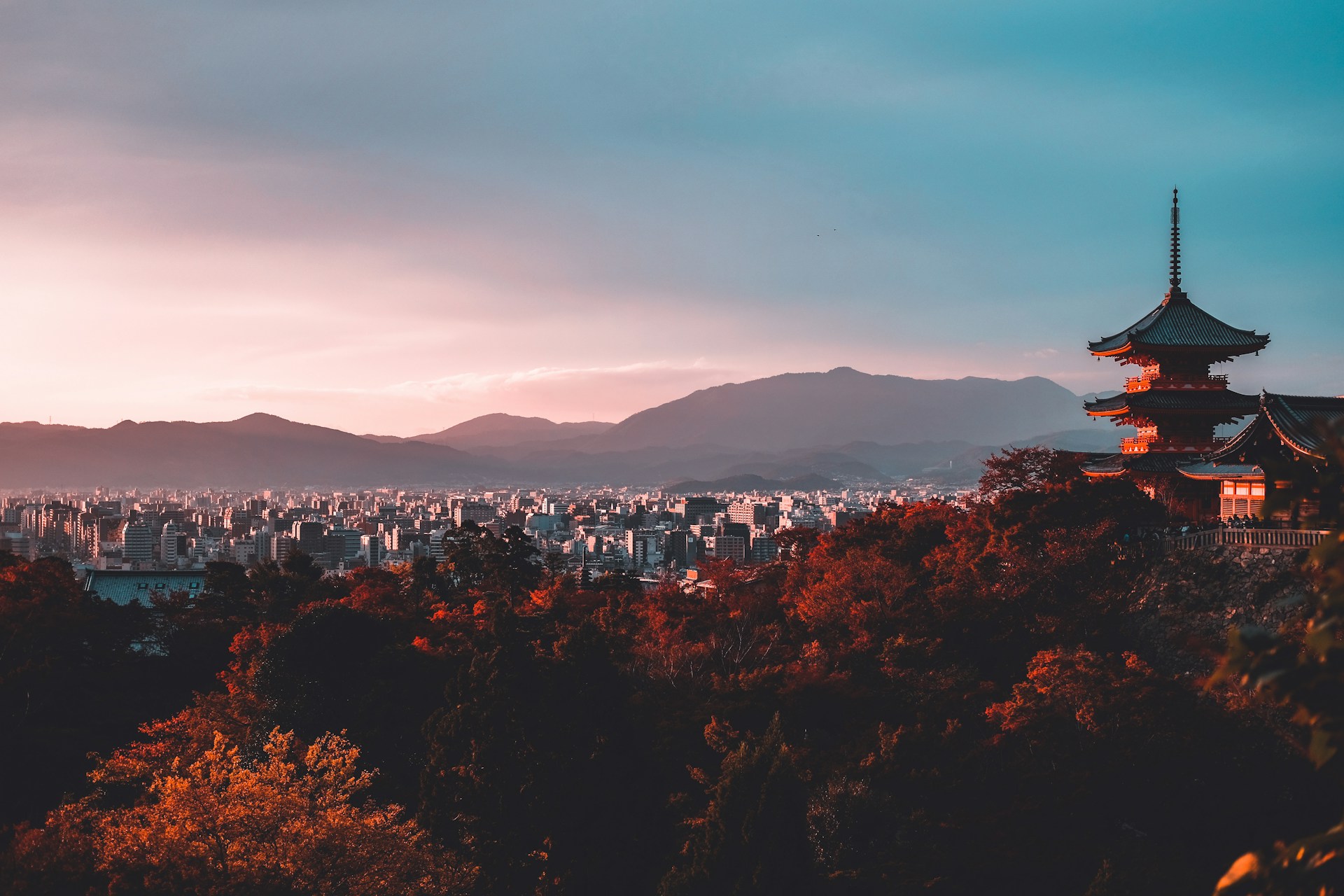
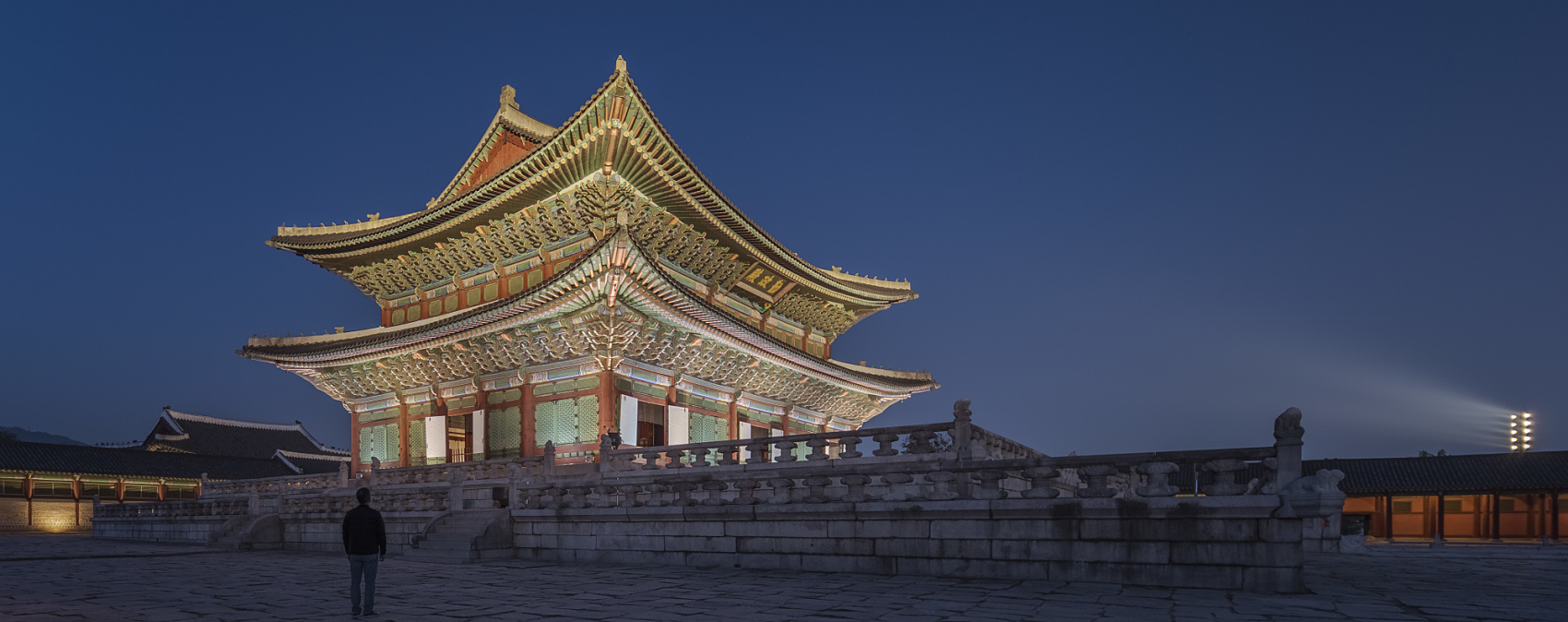
Tokyo vs Seoul at a glance
Eight rounds, scored honestly. Seoul takes cost, Tokyo takes safety, and the other six are different strengths. Select a category to jump to the full comparison.
| Category | TokyoSeoul |
|---|---|
| The eight rounds | |
| SightsTemples and crossings against palaces and hanok lanes | Different strengths |
| Food & drinkMichelin depth and 700-yen ramen against markets and BBQ | Different strengths |
| NightlifeGolden Gai against Hongdae until sunrise | Different strengths |
| Pop culture & shoppingAkihabara and Harajuku against K-pop and Myeongdong | Different strengths |
| CostLower budget and mid-range daily ranges in Seoul | Seoul wins, narrowly |
| Getting aroundSuica and the Yamanote loop against T-money and AREX | Different strengths |
| Safety9.5/10 against 8.2/10, with Seoul's taxi problem | Tokyo wins, narrowly |
| Day tripsKamakura, Nikko, Hakone against the DMZ and Suwon | Different strengths |
| Best for | |
| First-timers who want maximum safety and rangeTokyo, 9.5/10 safety and the widest mix of neighbourhoods, food and day trips. | Tokyo |
| Budget-conscious travellersBudget travel at $40-70 a day against $60-90 in Tokyo. | Seoul |
| K-pop and K-drama fansThe agency buildings in Gangnam, Myeongdong and Gwangjang Market. | Seoul |
| Anime, electronics and gaming fansAkihabara, Harajuku and Shibuya. | Tokyo |
| OverallNo overall winner: Seoul for value, Tokyo for safety and scale | Depends on your priorities |
What you're really choosing between
Tokyo and Seoul are East Asia's two great city breaks and are often flown into back to back. One is a sprawl of 23 wards and 200,000 restaurants; the other a compact, subway-linked capital built around palaces, markets and nightlife.
Fourteen million people, perfectly safe at 3am
Tokyo is 23 wards, roughly 60 neighbourhoods and around 200,000 restaurants, with the world's most punctual trains. It is easy for visitors, but cash culture in smaller places, huge stations like Shinjuku, and accommodation costs in cherry blossom season are the usual stumbling blocks.
A capital that runs on its own confident logic
Seoul is a city of ten million that still feels legible: a fast, cheap, English-signed subway, neighbourhoods with distinct personalities and a 24-hour scene in Hongdae and Gangnam. English fades off the main tourist corridors, and taxi overcharging rose sharply in 2026.
Key facts side by side
| Fact | 🗼 Tokyo | 🏯 Seoul |
|---|---|---|
| Country | Japan | South Korea |
| Currency | Yen (JPY) | Won (KRW) |
| Main airports | Narita (NRT), Haneda (HND) | Incheon (ICN) |
| Population (per guides) | 14 million | About 10 million |
| Budget travel, per day | $60-90 | $40-70 |
| Mid-range, per day | $130-200 | $100-200 |
| Days needed | 3 to 4, more with day trips | 3 full days plus 1 for a day trip |
| Best months | Spring and autumn, avoid August | April-May, September-November |
| Safety score (Atlas guides) | 9.5/10 | 8.2/10 |
| Emergency | 110 police, 119 ambulance or fire | 112 police, 119 fire or ambulance |
Typical 2026 figures as listed in the Atlas city guides. Yen and won are not converted.
Round 1 of 8
Landmarks and sights
Different strengths
Tokyo spreads temples, crossings and digital art across a huge city; Seoul packs palaces, hanok lanes and a mountain viewpoint into a tight subway-connected core. Different strengths, not a clear winner.
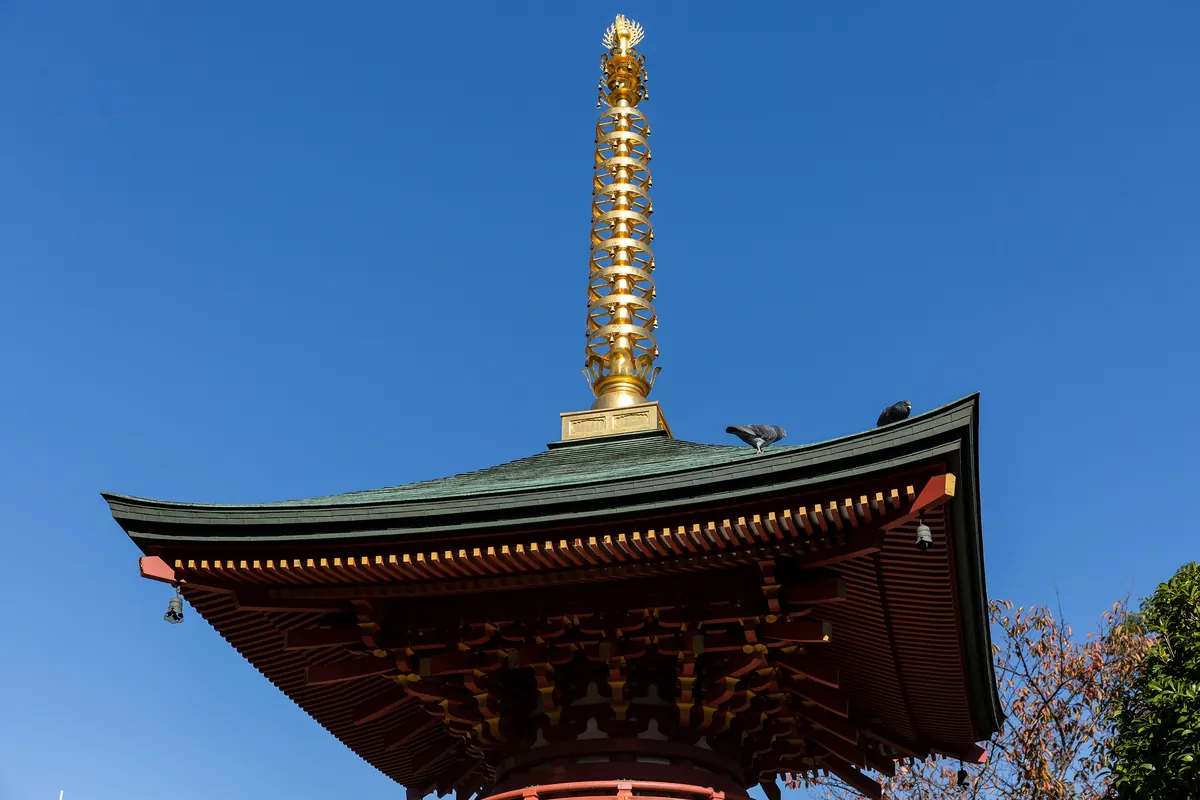 🗼 Tokyo
Temples at dawn, a famous crossing and immersive art
Senso-ji in Asakusa is Tokyo's oldest temple and is free; the guide suggests going at 6am before the tour groups. Shibuya Crossing is free and busiest around 7-9pm on weekdays, Meiji Shrine sits in a forested approach beside Harajuku, and TeamLab Planets in Toyosu is 3,200 yen and sells out, so book weeks ahead.
- Don't miss
- Senso-ji, Shibuya Crossing, Meiji Shrine, TeamLab Planets
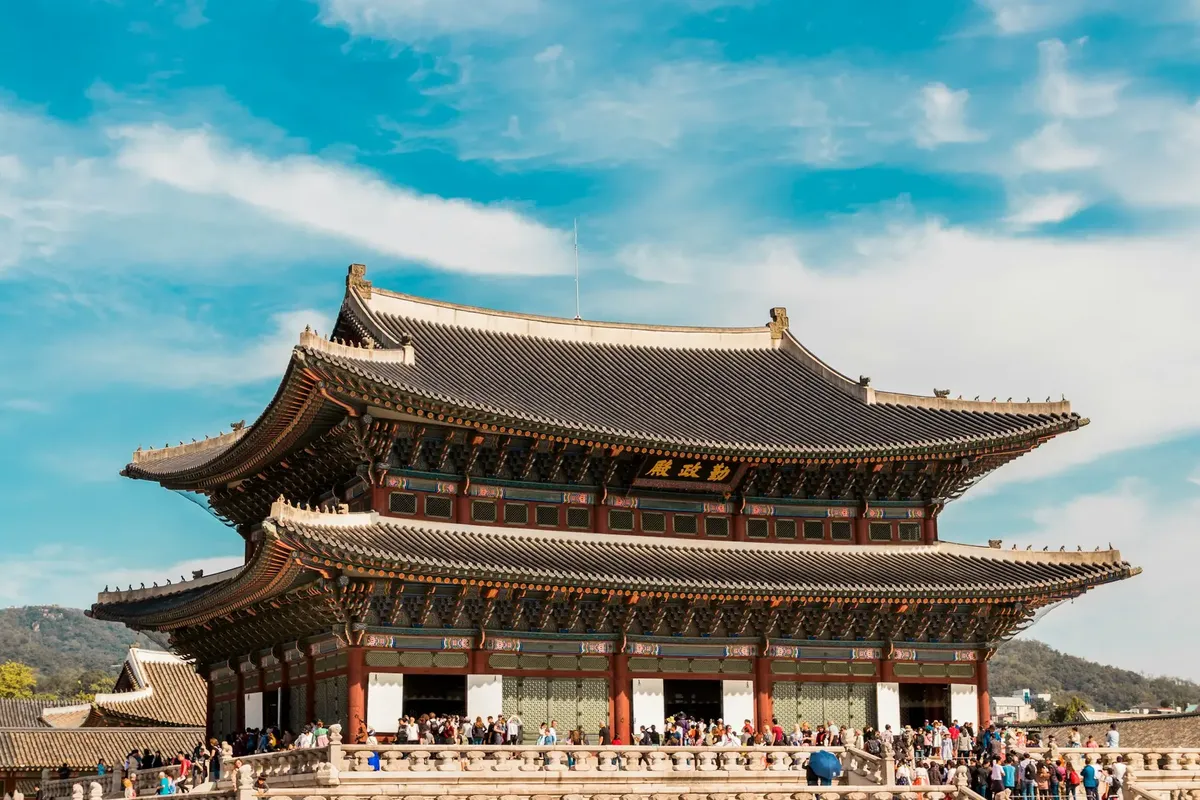 🏯 Seoul
Palaces, hanok lanes and a city-wide view
Gyeongbokgung is the largest of Seoul's five Joseon-era palaces, a 40-hectare complex that costs 3,000 won, and free if you wear a rented hanbok. Bukchon Hanok Village sits immediately north, and N Seoul Tower on Namsan has the definitive panorama, with observatory tickets from around $15.
- Don't miss
- Gyeongbokgung, Bukchon Hanok Village, N Seoul Tower
Round 2 of 8
Food and drink
Different strengths
Tokyo's range runs from 120-yen onigiri to Michelin counters; Seoul's runs from market stalls to tabletop BBQ. Both are among the best food cities in Asia, in different ways.
 🗼 Tokyo
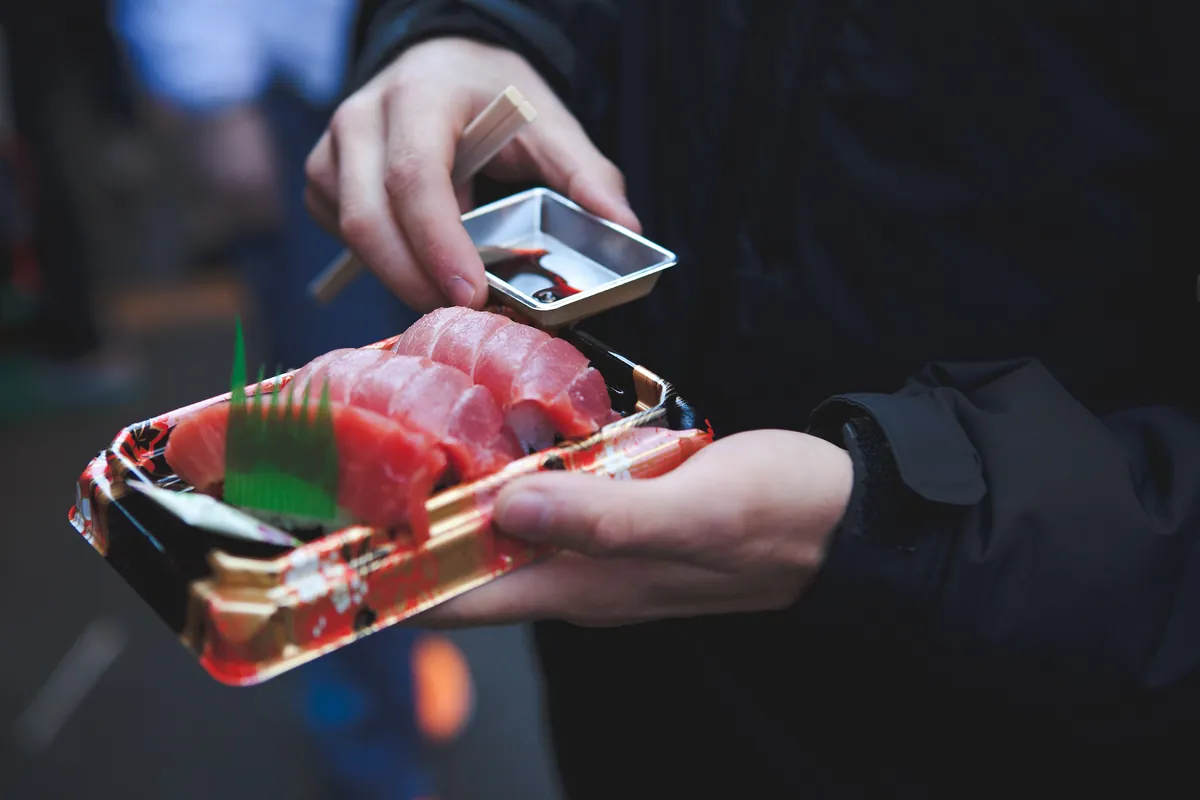
Over 200 Michelin-starred restaurants and 700-yen ramen
The Atlas guide counts over 200 Michelin-starred restaurants in Tokyo, yet ramen runs 700-1,200 yen, sushi 150-500 yen a piece, yakitori 120-280 yen a skewer and an izakaya meal 2,000-4,000 yen. Convenience stores count as real food: onigiri at around 120 yen, and hot oden in winter.
- Must try
- Ramen, sushi at Tsukiji, yakitori, izakaya
 🏯 Seoul
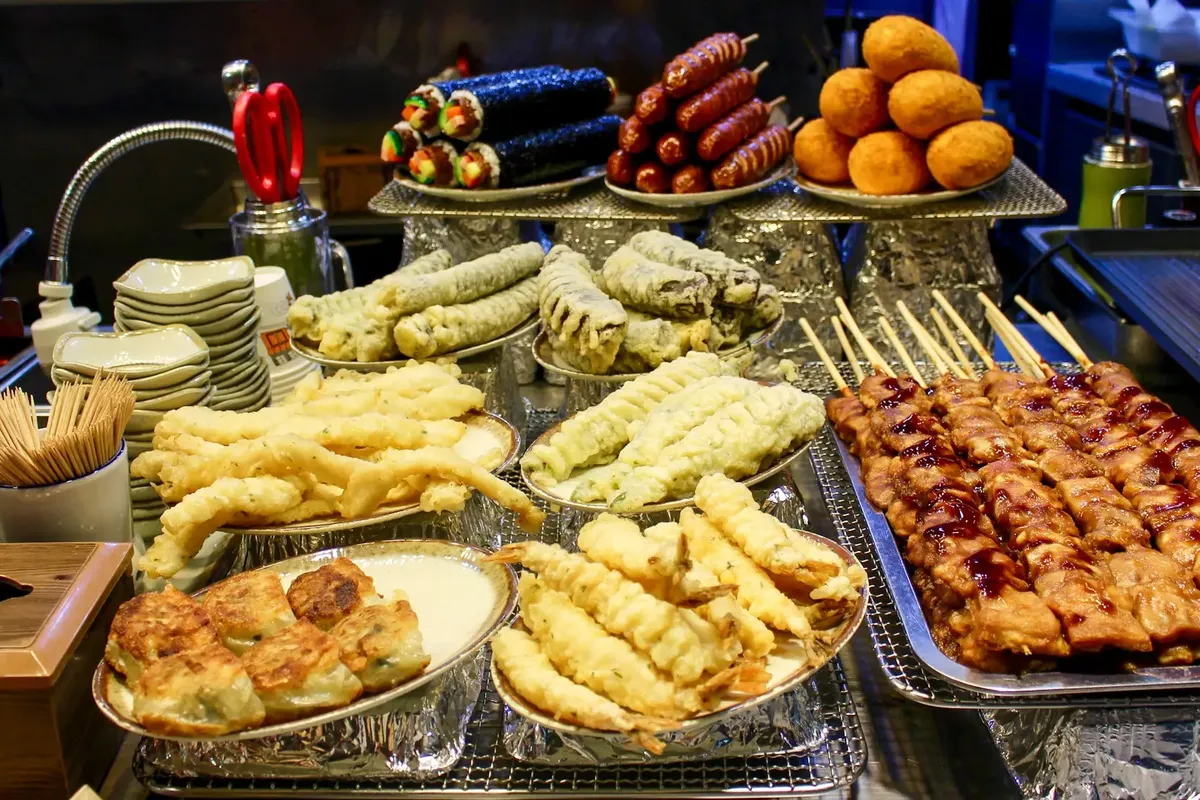
Market stalls that outclass restaurants, and BBQ everywhere
Gwangjang Market serves bindaetteok, mayak gimbap and kalguksu at 3,000-8,000 won a dish, and the guide says the best single meal in the city might cost 6,000 won from a stall. Korean BBQ runs 15,000-30,000 won per person, bibimbap with unlimited banchan 8,000-12,000 won, and fried chicken with beer (chimaek) 18,000-25,000 won.
- Must try
- Gwangjang Market, Korean BBQ, bibimbap, fried chicken
Round 3 of 8
Nightlife
Different strengths
Tiny lantern-lit bars and izakaya against clubs, chicken-and-beer spots and street performers that run until dawn. Seoul keeps going later; Tokyo packs more variety into its bars.
 🗼 Tokyo
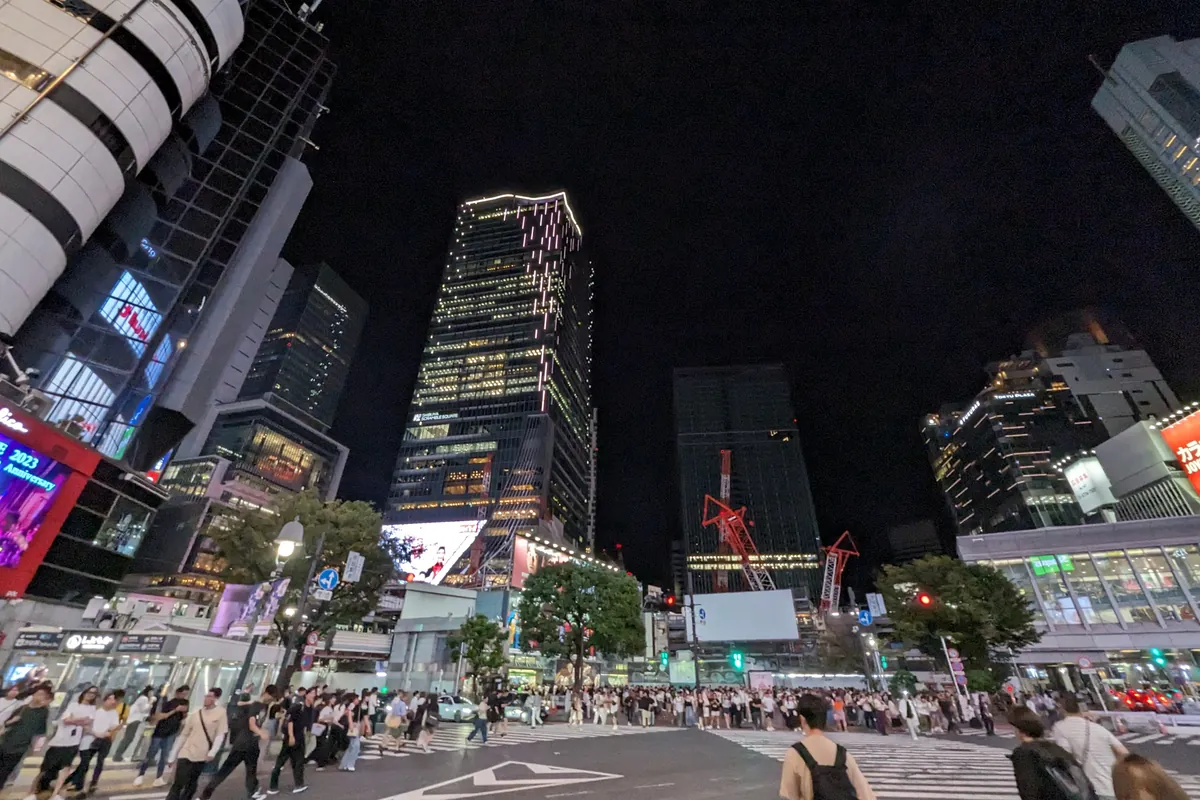
Golden Gai, izakaya and a metro that stops at midnight
Shinjuku on a Friday night feels like five cities stacked on top of each other, with Golden Gai's tiny bar alley at its core. The metro runs from 5am to midnight, so plan your last train or budget for a taxi. Some Roppongi bars have overcharged tourists, so agree prices before ordering.
- Go-to spots
- Shinjuku, Golden Gai, Shibuya, izakaya
 🏯 Seoul
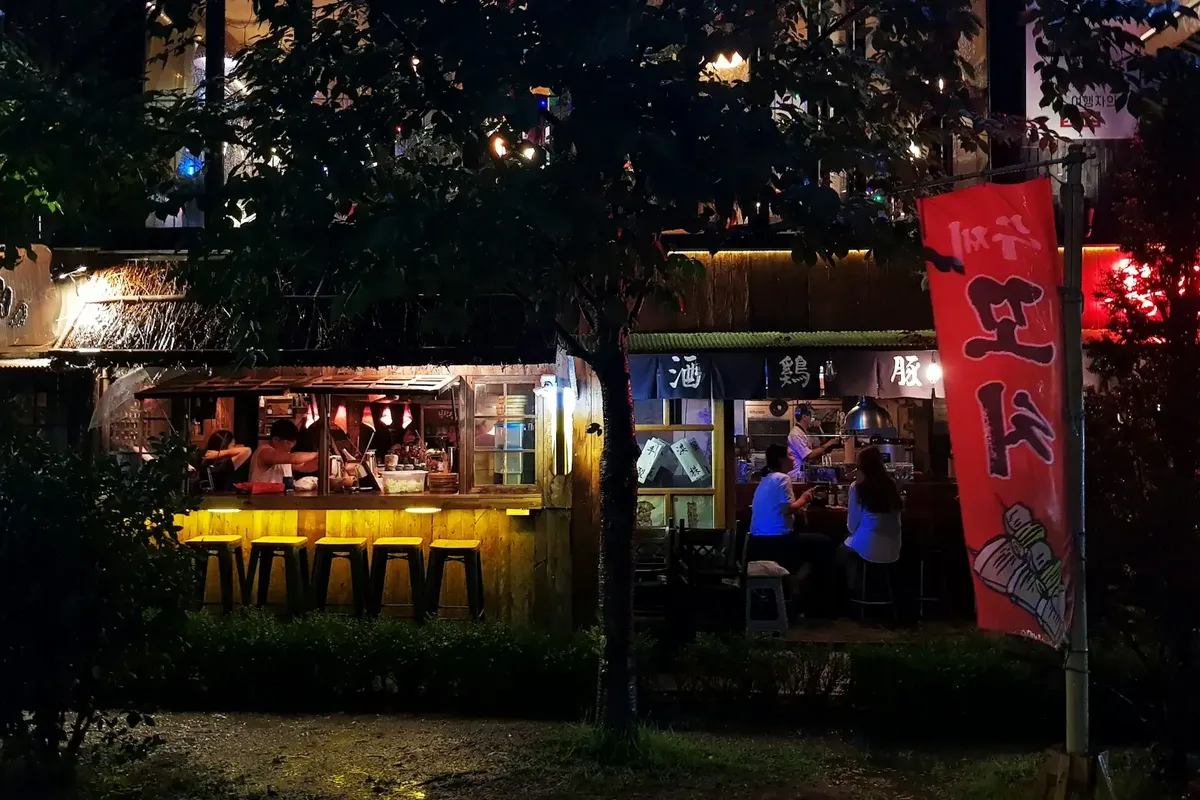
Hongdae until sunrise, Gangnam a little more polished
Hongdae is Seoul's nightlife and indie-culture district, with bars, clubs and street performers running until sunrise on weekends, and Gangnam stays loud past 3am in a dressed-up version. Hongdae and Gangnam also have the highest concentration of chicken-and-beer spots that stay open well past midnight.
- Go-to spots
- Hongdae, Gangnam, chimaek spots
Round 4 of 8
Pop culture and shopping
Different strengths
Anime, electronics and department-store food halls against K-pop, skincare and street-food corridors. Pick the fandom you came for.
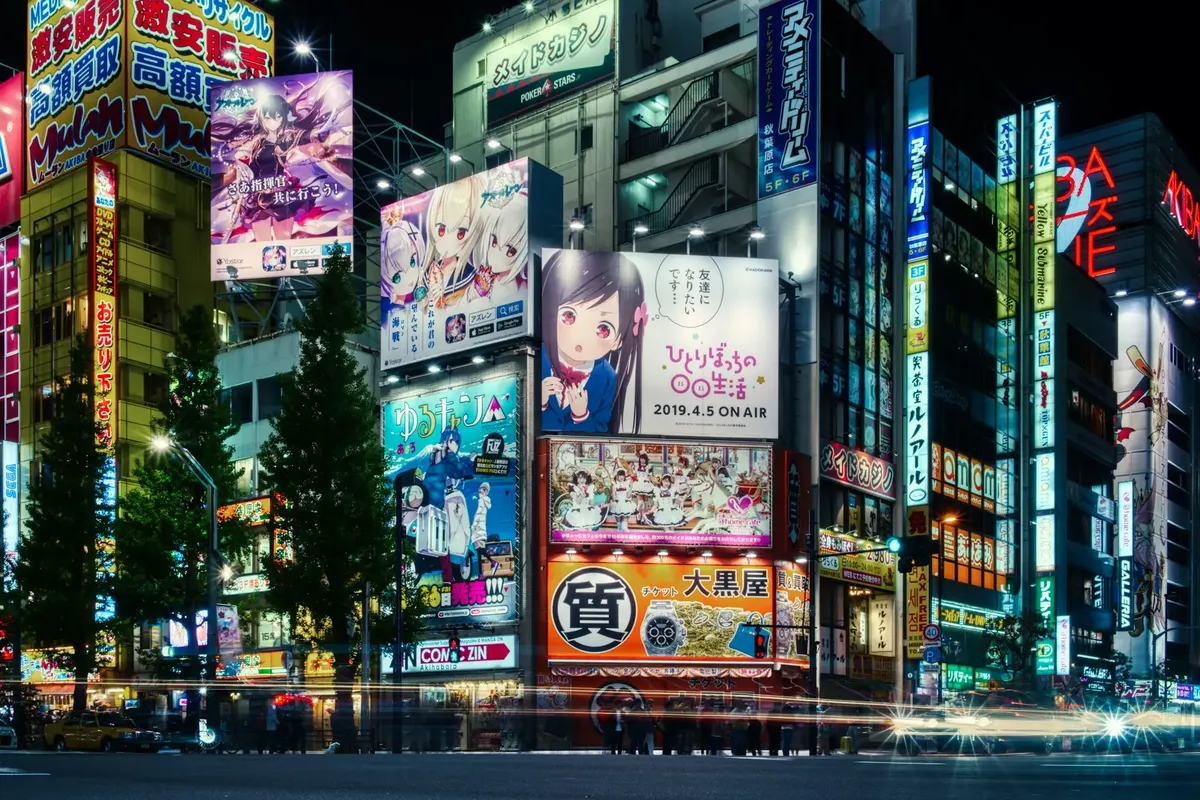 🗼 Tokyo
Akihabara, Harajuku and the depachika
Akihabara is Tokyo's electronics and anime district and, the guide says, interesting even if you have no interest in manga. Takeshita Street in Harajuku is the youth-fashion strip, Ginza has the flagship stores, and every major department store has a basement food hall; the guide rates Isetan in Shinjuku the best.
- Go-to spots
- Akihabara, Takeshita Street, Ginza, Isetan
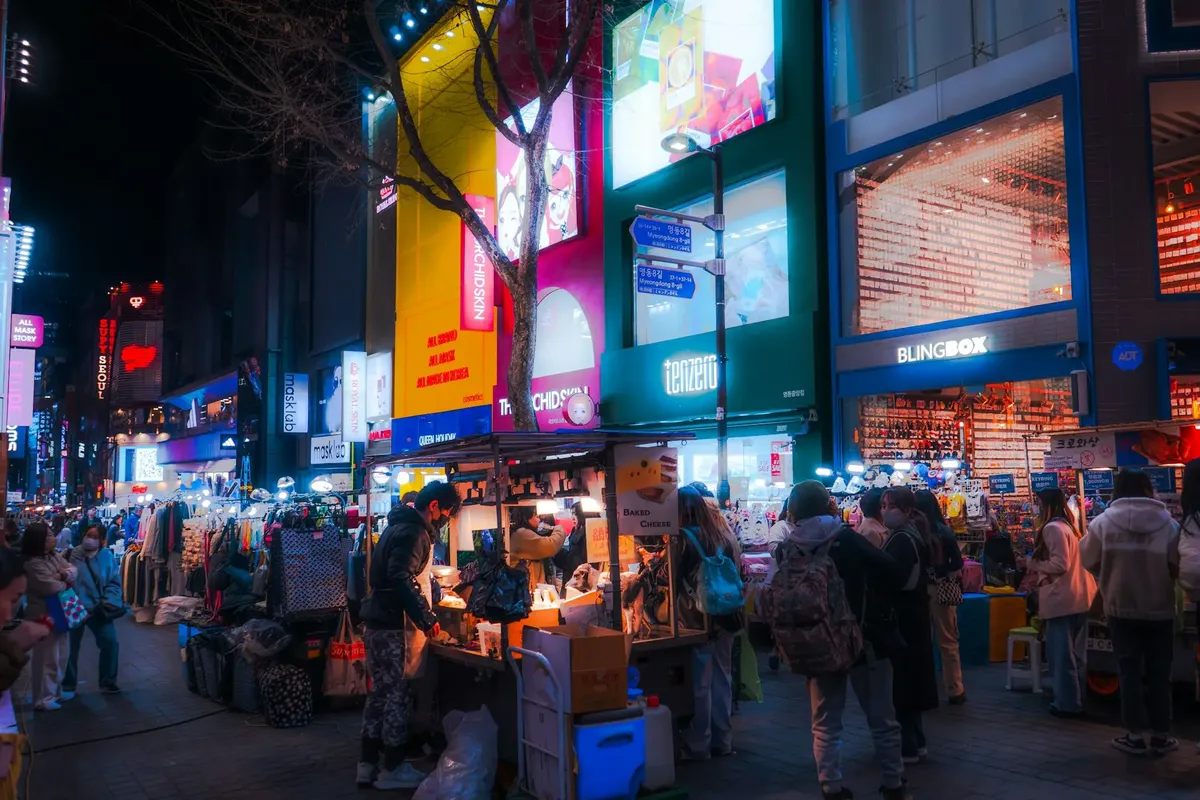 🏯 Seoul
K-pop agencies, skincare and Myeongdong's street food
Myeongdong's pedestrian streets combine high-street fashion, skincare shops and the densest street-food corridor in the city, livelier after dark. Gangnam is home to the K-pop entertainment agency buildings and department stores, and Insadong's antique shops and tea houses are the calmer counterpoint.
- Go-to spots
- Myeongdong, Gangnam, Insadong
Round 5 of 8
Which is cheaper, Tokyo or Seoul?
Seoul wins, narrowly
Seoul is cheaper at the budget and mid-range levels, but the guides put its top-end spending above Tokyo's.
| Typical cost | 🗼 Tokyo | 🏯 Seoul |
|---|---|---|
| Budget travel, per day | $60-90 | $40-70 |
| Mid-range, per day | $130-200 | $100-200 |
| Comfortable, per day | $250+ | $300+ |
| Cheapest bed | Capsule or hostel dorm, 3,000-6,000 yen | Hostel dorm, 25,000-28,000 won |
| Mid-range hotel | Business hotel, 10,000-18,000 yen | Boutique hotel, 120,000-220,000 won |
| Street or market meal | Ramen, 700-1,200 yen | Gwangjang Market dish, 3,000-8,000 won |
| Single subway or metro ride | 170-320 yen | 1,400-1,550 won with a T-money card |
| Key sight | TeamLab Planets, 3,200 yen | Gyeongbokgung, 3,000 won (free in a hanbok) |
Typical 2026 prices as listed in the Atlas guides to Tokyo and Seoul. Daily budgets are in US dollars as the guides give them; the other rows are in local currency (yen and won) and are not converted.
Bottom line: the Seoul guide calls the city significantly cheaper than Tokyo for comparable quality, and the budget range backs that up, with the mid-range ranges overlapping. The Tokyo guide says its cost problem is accommodation, especially in cherry blossom season, and the Seoul guide's main cost trap is tourist-menu restaurants beside the palace gates.
Round 6 of 8
Getting around
Different strengths
Both have superb, English-signed metro networks and a stored-value card. The differences are the airport run and taxi trouble.
Suica, 13 metro lines and the Yamanote loop
Load a Suica or Pasmo card with 3,000 yen at any major station; it works on every train, subway and bus and in convenience stores. Metro fares are 170-320 yen, and the JR Yamanote Line loops through Shinjuku, Shibuya and Tokyo Station. From Haneda, the monorail or Keikyu takes 30-40 minutes for 500-650 yen; from Narita, the Narita Express takes about 90 minutes to Shinjuku for 3,070-4,070 yen.
- Good to know
- Suica or Pasmo, Haneda over Narita
T-money, free transfers and a one-hour airport train
From Incheon Airport the AREX all-stop train reaches Seoul Station in about an hour for roughly 5,000 won, and the AREX Express takes closer to 45 minutes for 9,000-14,000 won. A T-money card costs 2,500 won plus credit and gives free subway-to-bus transfers within 30 minutes. Taxis are cheap, but confirm the meter is on or use the Kakao T app.
- Good to know
- T-money card, AREX, Kakao T
Round 7 of 8
Which is safer for tourists, Tokyo or Seoul?
Tokyo wins, narrowly
Both are among the safest big cities in the world. Tokyo scores 9.5/10 and Seoul 8.2/10 in the Atlas guides, and Seoul's one real catch is taxi overcharging.
Very low risk, with a few known traps
The guide calls violent crime against tourists statistically negligible. Pickpocketing has increased in Asakusa and Harajuku, some Roppongi bars have overcharged tourists, and groping on crowded trains does occur, which is why the women-only carriages exist. Japan is seismically active, so know your hotel's emergency procedure. Police are 110 and ambulance or fire 119.
- Watch for
- Crowded sights, Roppongi bars, trains
Very safe, apart from taxis
Violent crime against tourists is extremely rare and the subway and nightlife districts are safe at night. The catch is taxi overcharging, which rose sharply through 2026 and prompted a 100-day crackdown. Always confirm the meter is running or use Kakao T. Police are 112, fire and ambulance 119, and the 1330 tourism hotline covers eight languages.
- Watch for
- Taxi meters, crowded markets
Round 8 of 8
Day trips
Different strengths
Tokyo is a hub for shrines, coast and mountains by train; Seoul adds a border tour no other city offers. Four good options each.
Kamakura, Nikko, Hakone and even Kyoto
Kamakura is about an hour from Shinjuku for 940 yen return, with a 13-metre bronze Buddha. Nikko is two hours from Asakusa for 2,720 yen return, Hakone is about 1.5 hours for 2,470 yen return, and Kyoto is 2 hours 20 minutes by Shinkansen for 13,850 yen return, though the guide says you will wish you had stayed two nights.
- Go-to trips
- Kamakura, Nikko, Hakone, Kyoto
The DMZ, Suwon, Nami Island and Everland
The DMZ is an organised tour only, 55,000-85,000 won, and you must bring your passport. Suwon Hwaseong Fortress, a UNESCO site with about 5.5 km of walls, is about an hour by subway. Nami Island is 1.5-2 hours away with a ferry crossing, and Everland, South Korea's largest theme park, is about an hour away.
- Go-to trips
- DMZ, Suwon Hwaseong, Nami Island
Which is better for specific trips?
Seoul for budget, K-culture and palaces. Tokyo for safety, scale, anime and fine dining.
First-time visitors who want maximum safety and range
Tokyo
A 9.5/10 safety score and the widest mix of neighbourhoods, food and day trips.
Budget-conscious travellers
Seoul
Budget travel at $40-70 a day and dorm beds from 25,000 won.
K-pop and K-drama fans
Seoul
The agency buildings in Gangnam, Myeongdong and Gwangjang Market.
Anime, electronics and gaming fans
Tokyo
Akihabara, Harajuku and Shibuya.
Fine dining and sushi
Tokyo
Over 200 Michelin-starred restaurants and sushi from 150 yen a piece.
Palaces and Korean history
Seoul
Gyeongbokgung, Bukchon Hanok Village and the DMZ.
Winter city breaks on a budget
Seoul
Hotel prices are often 30-50% below peak in winter.
Using the city as a base for day trips
Tokyo
Kamakura, Nikko, Hakone and Kyoto by train.
Can you combine Tokyo and Seoul in one trip?
Yes, three days in each works well, plus a travel day between the cities. The Atlas guides do not list flight times or fares between them, so check current options before you book.
Tokyo: days 1 to 3
- Day 1
Asakusa and Senso-ji. Be at Senso-ji at 6am before the tour groups, walk the Nakamise street, then eat sashimi breakfast at the Tsukiji outer market.
- Day 2
Meiji Shrine, Harajuku and Shibuya. Walk the forested approach to Meiji Shrine, cut through Yoyogi Park to Takeshita Street, then see Shibuya Crossing at night.
- Day 3
A day trip or TeamLab. Kamakura is an hour away, or book TeamLab Planets in advance and finish with yakitori under the tracks at Yurakucho.
Seoul: days 4 to 6
- Day 4
Gyeongbokgung and Bukchon. Palace grounds at opening and the Changing of the Guard, then up through Bukchon Hanok Village and lunch in Insadong.
- Day 5
Gwangjang Market, Myeongdong and Hongdae. Share stalls at Gwangjang Market, shop in Myeongdong, then chicken and soju in Hongdae.
- Day 6
The DMZ or Suwon. Book a DMZ tour well in advance and bring your passport, or walk the Hwaseong Fortress walls in Suwon.
When to go: spring and autumn suit both cities. Tokyo's cherry blossom runs late March to early April and its foliage peaks in November, with August best avoided. Seoul's blossom peaks in early April, its foliage in the last week of October into early November, and winter is its cheapest and quietest season. Book Tokyo three to six months ahead for blossom season.
Verdict: Tokyo or Seoul?
It depends on what you value. Seoul wins on cost, Tokyo wins on safety, and the other six rounds are different strengths.
Choose Tokyo if…
Tokyo, for safety, scale and range
The right choice for a first trip to East Asia where safety, food variety and day trips matter most.
- Safety and a calm, predictable city come first
- The widest food range, up to Michelin level
- Anime, electronics and Harajuku fashion
- Easy day trips by train, Kyoto included
- Cherry blossom in late March to early April
- Walking a huge city with the best-run trains
Choose Seoul if…
Seoul, for value, palaces and nights out
The right choice if budget matters, or if K-culture, palaces and late nights are the point.
- Budget and value matter
- Palaces, hanok lanes and Korean history
- K-pop agencies, skincare and K-drama sets
- Nightlife that runs until sunrise
- The DMZ, Suwon or Nami Island as a day trip
- A cheaper winter break
Weigh it for your own trip
Select everything that matters to you.
Pick what matters on this trip and the needle will move.
Tokyo vs Seoul: frequently asked questions
Is Tokyo or Seoul better for first-time visitors?
Tokyo if you want the biggest range of neighbourhoods, food and day trips and the highest safety score (9.5/10 in the Atlas guide). Seoul if you want palaces, K-culture and lower costs in a city that is easier to see in three days.
Is Tokyo or Seoul cheaper?
Seoul, for most budgets. The Atlas guides put budget travel at $40-70 a day in Seoul against $60-90 in Tokyo, and mid-range at $100-200 against $130-200. The Seoul guide calls it noticeably cheaper than Tokyo for comparable quality. At the top end the guides list $300+ a day in Seoul against $250+ in Tokyo.
Which has better food, Tokyo or Seoul?
Different strengths. Tokyo has over 200 Michelin-starred restaurants, ramen at 700-1,200 yen and sushi at 150-500 yen a piece. Seoul has market food at 3,000-8,000 won at Gwangjang Market, Korean BBQ at 15,000-30,000 won per person and fried chicken with beer.
Which is better for nightlife, Tokyo or Seoul?
Seoul runs later and is easier to follow, with Hongdae and Gangnam loud past 3am and Hongdae going until sunrise on weekends. Tokyo has Golden Gai's tiny bars and Shinjuku, but the metro stops around midnight, and some Roppongi bars overcharge tourists.
Which is safer, Tokyo or Seoul?
Both are very safe. The Atlas guides score Tokyo 9.5/10 and Seoul 8.2/10. Seoul's main issue is taxi overcharging, which prompted a 100-day crackdown in 2026; in Tokyo, watch for pickpockets in Asakusa and Harajuku, overcharging in some Roppongi bars and groping on crowded trains.
When is the best time to visit Tokyo and Seoul?
Spring and autumn for both. Tokyo's cherry blossom is late March to early April, its foliage is in November, and the guide says to avoid August. Seoul is best in April-May and September-November, and winter hotel prices are often 30-50% below peak.
How many days do you need in Tokyo and Seoul?
The Seoul guide says three full days cover the city, with a fourth for the DMZ or Nami Island. Tokyo is larger and the guide lists four day trips, so give it at least three to four days and more if you add Nikko, Hakone or Kyoto.
Do Tokyo and Seoul use the same currency?
No. Tokyo uses the Japanese yen and Seoul the South Korean won. Both cities are card-friendly in the centre, but Tokyo is still cash-heavy in smaller restaurants and shrines, and foreign cards work reliably at 7-Eleven and Japan Post ATMs.
There's no wrong answer here
Tokyo and Seoul are compared so often because both are superb, safe, easy-to-navigate city breaks. Pick on what you want from the trip: Tokyo's scale, safety and day trips, or Seoul's palaces, K-culture and lower costs. Or see both.