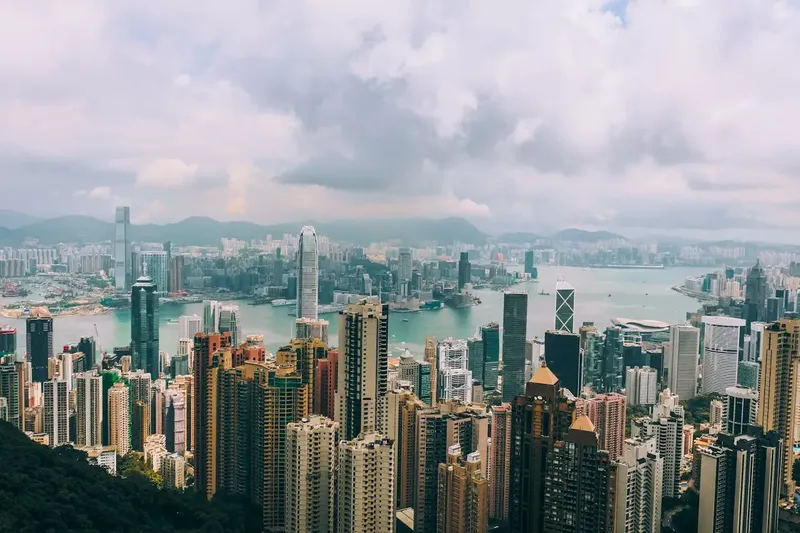
City viewpoint
Victoria Peak
The classic view over the skyline and harbour, reached by the steep Peak Tram from Central.

Updated October 2026 · Fact-checked
A green-and-white ferry pushing across the harbour as the towers light up. A roast-goose counter with a Michelin star and a queue out the door. Incense drifting through a Kowloon temple ten minutes from a glass-and-steel mall. Hong Kong moves fast and stacks everything vertically, and three or four days here are enough to see why it still feels like nowhere else.
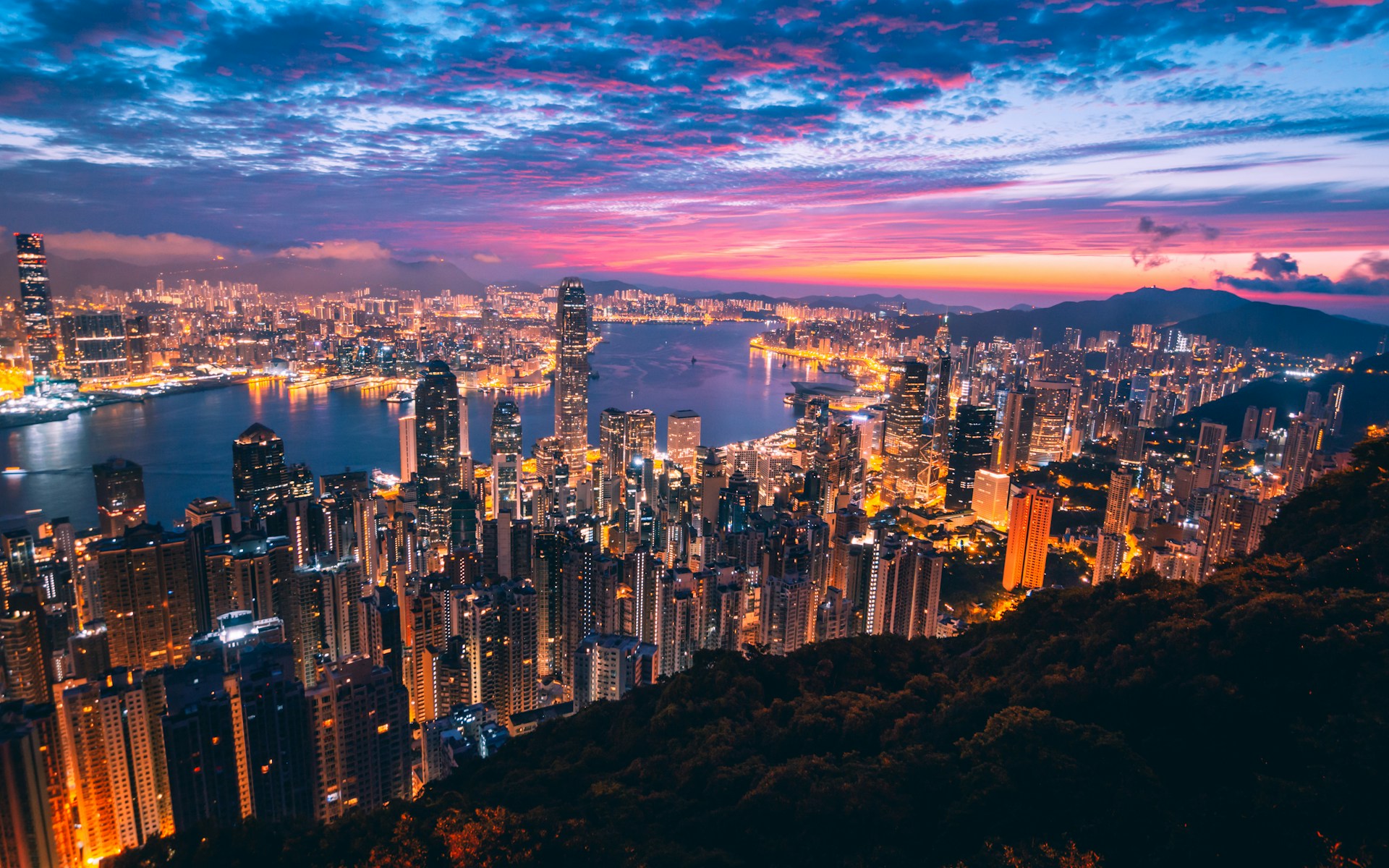 HONG KONG · 22.3°N 114.2°E
Hong Kong packs a skyline, a working harbour, temple smoke, night markets and genuinely wild hills into a territory you can cross by train in under an hour. It is a Special Administrative Region of China with its own currency, its own immigration rules and its own legal system, which is why it gets its own guide here rather than a paragraph in the China one. Most visitors from Europe, North America and Australia arrive without a visa and stay up to 90 days; British citizens get 180.
The city rewards the visitor who mixes the obvious with the ordinary. Ride the Peak Tram and the Star Ferry, by all means, then spend an evening in a cha chaan teng or a roast-meat shop where the menu is on the wall and the tables are shared. Three to four days covers Hong Kong Island and Kowloon properly; add a day for Lantau or Macau and another if you want to hike, because the green half of Hong Kong surprises nearly everyone.
Hong Kong is expensive to sleep in. Rooms are small at every price point and a budget that stretches far in Bangkok or Taipei goes noticeably less far here; food, transport and most sights, by contrast, are good value. Summers are hot and humid, and July to September is peak typhoon season, when a storm signal can shut ferries and attractions at short notice.
The legal climate has changed. National security laws apply to visitors too. The US advisory (Level 2, updated September 2026) cites arbitrary enforcement of local laws, and since March 2026 refusing to give police the password to your phone or laptop in a national security case is a crime. For the overwhelming majority of tourists none of this comes up, but stay away from demonstrations and think about what you carry on your devices.
Hong Kong Island and the Kowloon peninsula face each other across Victoria Harbour, linked by the MTR in a couple of minutes and by the Star Ferry in under ten. Most of what a first-time visitor wants sits within a few stops of the harbour on either side.
Glass towers, the Airport Express terminus at Hong Kong Station, the Star Ferry pier and the lower terminus of the Peak Tram. Uphill, Lan Kwai Fong and SoHo hold the bars and restaurants, and Tai Kwun, the restored former Central Police Station compound, is now an arts and heritage centre. Expensive to sleep in, unbeatable for getting around.
West of Central, dried-seafood shops and herbal medicine stores share streets with independent cafes and galleries. Man Mo Temple on Hollywood Road is one of the city's oldest, and the Macau ferry terminal is here too.
East of Central, Wan Chai mixes old tenement streets with the convention centre on the waterfront, and Causeway Bay is the island's shopping crush. Both are dense with some of the city's best cheap eating, and the double-decker trams run straight through.
The tip of the Kowloon peninsula, with the waterfront promenade facing the Hong Kong Island skyline, the Star Ferry pier and the museums of the West Kowloon Cultural District a short walk west. Hotels here range from the historic to the very compact, often for less than their equivalents in Central.
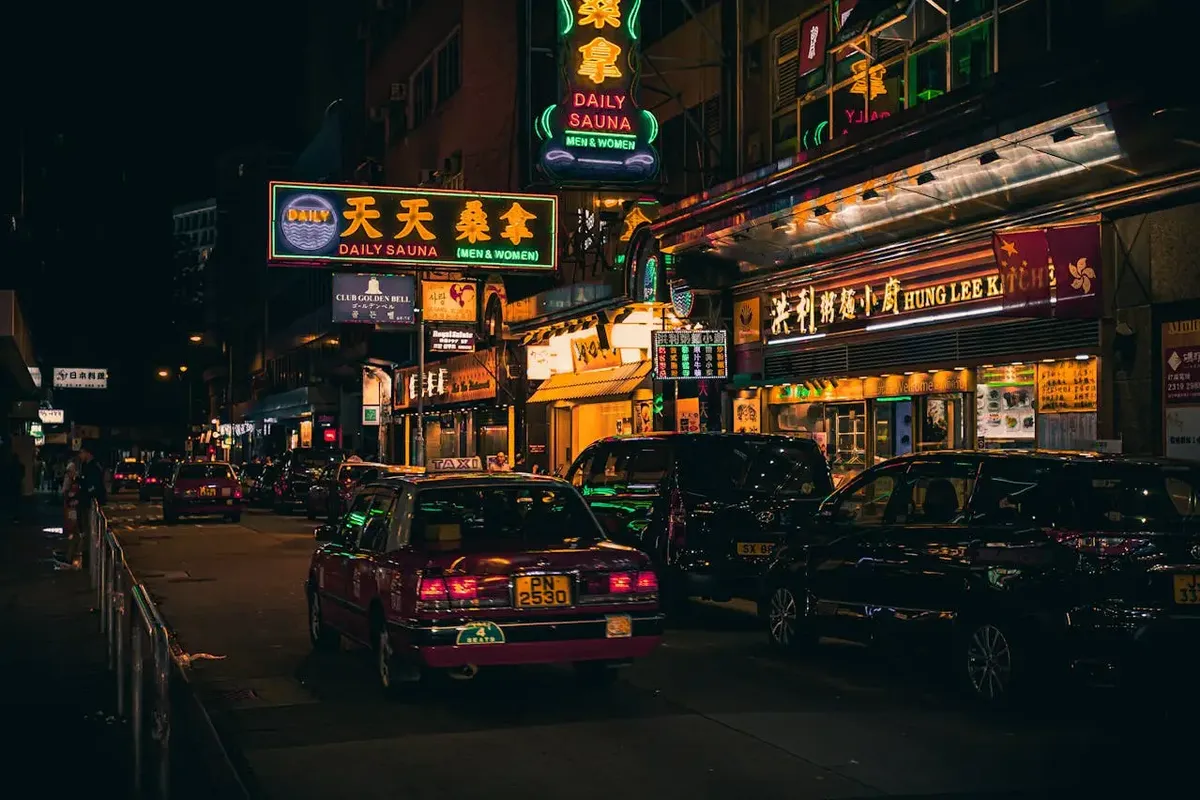
North along Nathan Road, the city gets louder and more local: Temple Street Night Market in Jordan, the street markets of Mong Kok, and some of the densest blocks on earth. Good value for a base if you don't mind noise.
An older, low-income district of fabric markets, electronics stalls and no-frills noodle shops. Not a place to stay for most visitors, but a good half-day for anyone who wants to see the Hong Kong that tourist brochures skip.
Accommodation is the one part of a Hong Kong trip that is genuinely expensive. Hostel dorms typically run HK$180-350 a night and mid-range hotels HK$900-1,800, so the real choice is how much location and view you want to pay for.
At the top, The Peninsula Hong Kong on Salisbury Road in Tsim Sha Tsui has been the city's grande dame since 1928, harbour views and afternoon tea included. Across the water in Admiralty, The Upper House is the calm, design-led alternative above Pacific Place. In the mid-range, Hotel ICON in Tsim Sha Tsui East, owned by the Hong Kong Polytechnic University and run partly as a teaching hotel, is known for service well above its price.
On a budget, YHA Mei Ho House in Sham Shui Po occupies a restored 1950s public housing block, with a small museum on the history of Hong Kong's resettlement estates on site. Compact business-style hotels around Sheung Wan, Jordan and Mong Kok fill the gap between hostels and the big names; check the room size in square metres before booking.
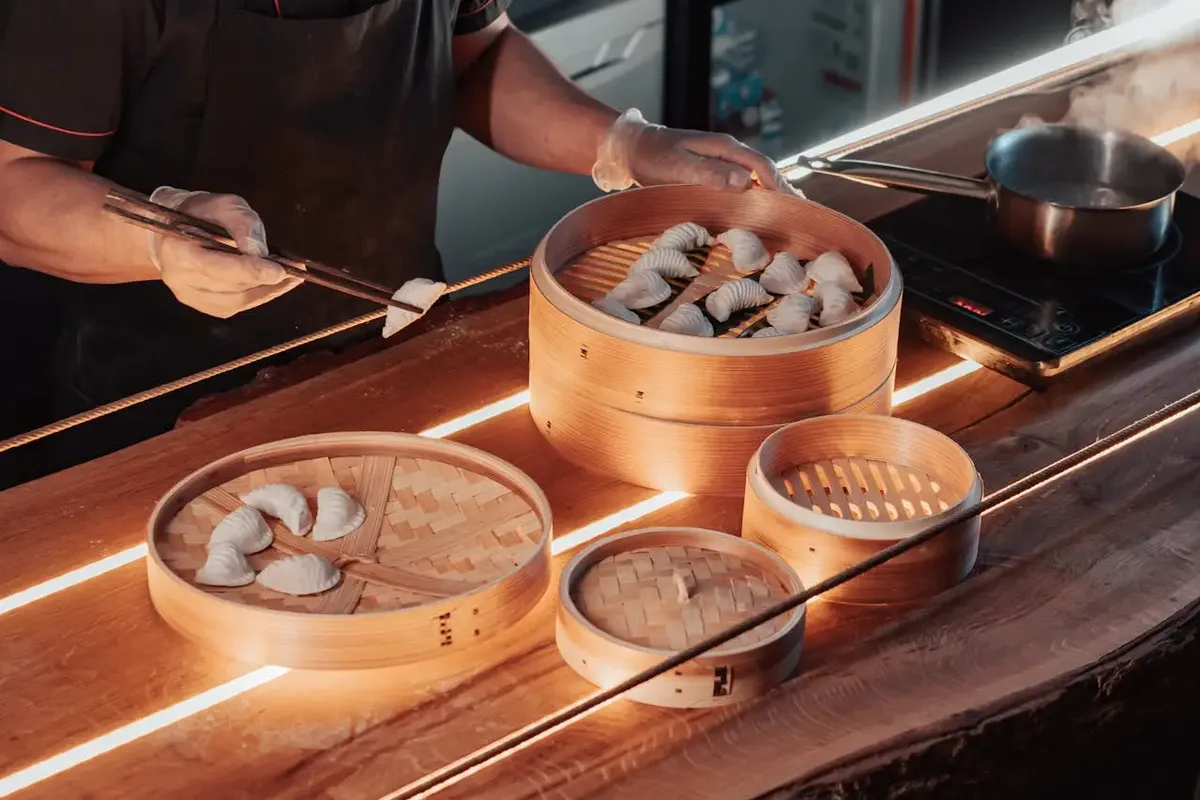
Hong Kong is one of the few cities where Michelin stars hang over roast-meat counters and noodle shops. Eating very well here doesn't require booking months ahead or spending much: a cha chaan teng or dai pai dong meal typically costs HK$60-120.
Two roast-goose specialists hold one Michelin star in the 2026 guide: Kam's Roast Goose in Wan Chai and Yat Lok in Central. Expect a queue, shared tables and a short menu; order the goose with rice or noodles and go outside peak lunch hour.
Ho Hung Kee in Causeway Bay, also starred in the 2026 guide, serves the Cantonese classic: springy egg noodles, shrimp wontons and a clear broth, plus congee.
City Hall Maxim's Palace, a vast banquet hall beside City Hall in Central, is one of the last big places where dim sum still comes round on trolleys. Arrive early or expect to wait.
Hong Kong's own diners serve milk tea, pineapple buns, French toast and macaroni soup from morning to night. For egg tarts, Tai Cheong Bakery's original shop on Lyndhurst Terrace in Central, open for almost six decades, is the classic stop.
Hong Kong's big sights are easy to reach and most cost little or nothing. The classic order is harbour first, Peak at dusk, markets after dark, and a full day for Lantau.
The classic view over the skyline and harbour, reached by the steep Peak Tram from Central.
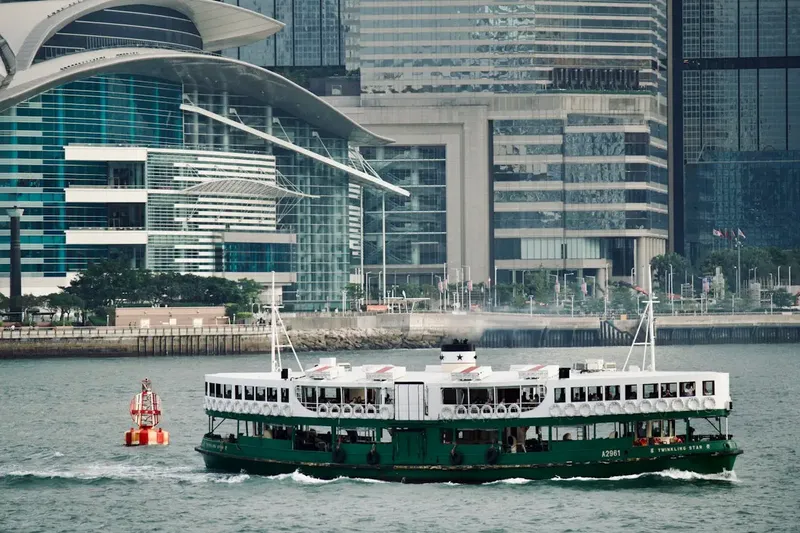
The cheapest harbour cruise anywhere: Tsim Sha Tsui to Central with the skyline in front of you.
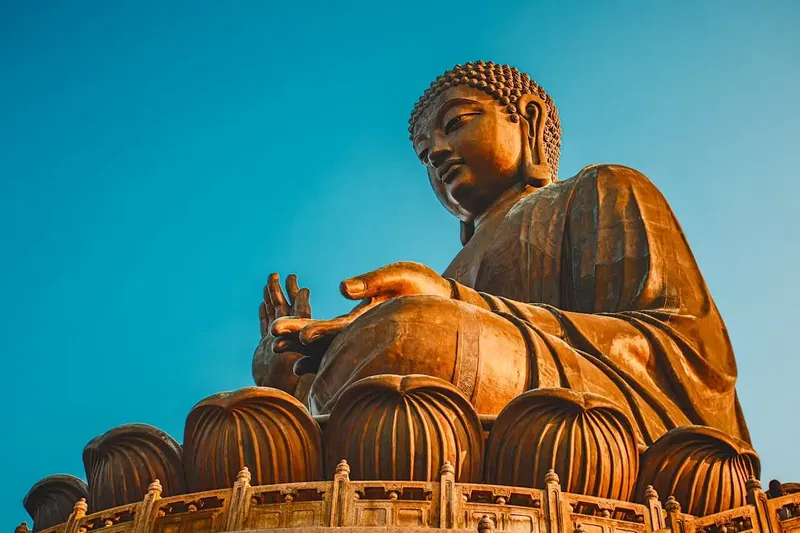
The giant bronze Buddha at Ngong Ping, reached by a long cable car ride over the hills.
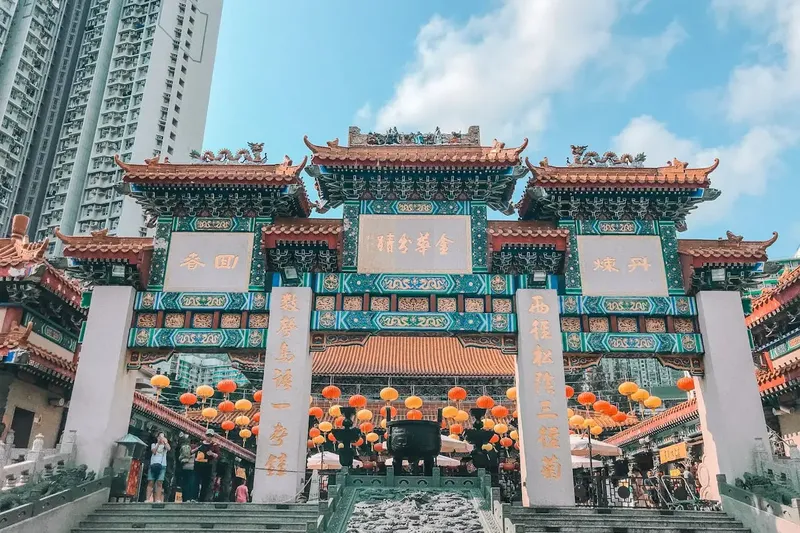
Kowloon's busiest temple, thick with incense and fortune-telling, right next to its MTR station.
Cross the harbour on the Star Ferry between Tsim Sha Tsui and Central, a crossing of about 8 to 9 minutes that costs a few Hong Kong dollars (from 25 January 2027 the adult fare rises to HK$6 on weekdays and HK$8.30 at weekends). Walk the Tsim Sha Tsui waterfront promenade for the skyline, then take the Peak Tram up Victoria Peak: HK$116 return or HK$82 one way for adults since 29 December 2025. Going up late in the afternoon gives you the view in daylight and after dark on one ticket.
M+, the museum of visual culture on the West Kowloon waterfront, has charged a single admission price of HK$190 for adults since 15 July 2025, covering its exhibitions. The Hong Kong Palace Museum next door shows treasures from Beijing's Palace Museum. The park between them is free and has some of the best ground-level harbour views in the city.
Wong Tai Sin Temple in Kowloon is the most visited, busiest at Lunar New Year. On Hong Kong Island, Man Mo Temple on Hollywood Road is smaller and older, and Tai Kwun nearby turns the former police station and prison into galleries, courtyards and restaurants.
The Ngong Ping 360 cable car (HK$295 for an adult standard-cabin return) climbs from Tung Chung to the Tian Tan Buddha and Po Lin Monastery. Book ahead for weekends and check the weather: the cable car stops in high winds.
Temple Street Night Market in Jordan is the classic evening stop for stalls, fortune tellers and open-air seafood. The street markets of Mong Kok nearby are busiest in the evening too.
Splitting the days by side of the harbour saves hours of transit. These routes use the MTR, the Star Ferry and the trams, and put the Peak and the markets at the right time of day.
Central and Sheung Wan. Dim sum, Man Mo Temple, Tai Kwun and the old streets around Hollywood Road.
Victoria Peak. Peak Tram up in the late afternoon, stay for the lights coming on.
Roast goose in Wan Chai or Central, then a tram ride east.
Star Ferry to Tsim Sha Tsui and the waterfront promenade.
West Kowloon: M+ or the Hong Kong Palace Museum, then the harbourfront park.
Temple Street Night Market and street food around Jordan and Mong Kok.
The two-day route above, adding Wong Tai Sin Temple on the Kowloon day.
Lantau. MTR to Tung Chung, Ngong Ping 360 to the Tian Tan Buddha and Po Lin Monastery, back in time for dinner.
The three-day route above.
Macau. About an hour by ferry from Sheung Wan for Portuguese-Chinese streets, the Ruins of St Paul's and egg tarts.
Lamma Island. Ferry from Central Pier 4, walk from Yung Shue Wan to Sok Kwu Wan and eat seafood by the water.
From Hong Kong International Airport (HKG), the Airport Express reaches Hong Kong Station in Central in 24 minutes (HK$130 adult single) and Kowloon Station in 22 minutes (HK$115), with trains about every 10 minutes. The cheaper Cityflyer bus A21 runs to Tsim Sha Tsui and Mong Kok for HK$34.60 in 45-60 minutes. A red taxi to Central costs around HK$350-385, plus HK$6 per piece of luggage and tunnel tolls.
In the city, the MTR covers almost everything, with single journeys typically HK$4.50-15. Pay with an Octopus card: the sold Tourist Octopus costs HK$39 with no stored value and no deposit, and iPhone users can add Octopus to Apple Wallet through the Octopus for Tourists app. The same card works on the Star Ferry, buses, the double-decker trams on Hong Kong Island and in many shops.
October to December is the best season: cool, dry and clear enough for the Peak and for hiking. Spring is mild, June to August is hot and humid, and July to September is peak typhoon season, when storm signals can stop ferries and close attractions at short notice. Build a spare day into a summer trip.
Practical prep: an eSIM before landing saves the airport queue. If you continue into mainland China, remember that many Western apps and sites don't work there without a VPN.
Your room is the biggest line in a Hong Kong budget. Transport is cheap, many of the best sights are free or nearly free, and some of the best food in the city costs less than a museum ticket.
Day to day, Hong Kong is one of the safest big cities you can visit: walking around late at night is normal, and violent crime against tourists is rare. The advisories are about the law, not the streets. The US rates Hong Kong Level 2 "Exercise increased caution" (updated September 2026) because of arbitrary enforcement of local laws, and Australia advises a "high degree of caution".
Practically: don't join or photograph demonstrations up close, be aware that police can demand device passwords in national security cases since March 2026, and leave vapes and herbal cigarettes at home, as a ban on them took effect in 2026. Typhoon and rainstorm warnings are the other real risk; follow the Hong Kong Observatory and stay indoors when signal 8 or higher is raised. The emergency number for police, fire and ambulance is 999.
Hong Kong is a hub for more than flights. Outlying islands are half an hour away by ferry, Macau about an hour, and Shenzhen 14 minutes by high-speed train, though Macau and the mainland each mean a separate border.
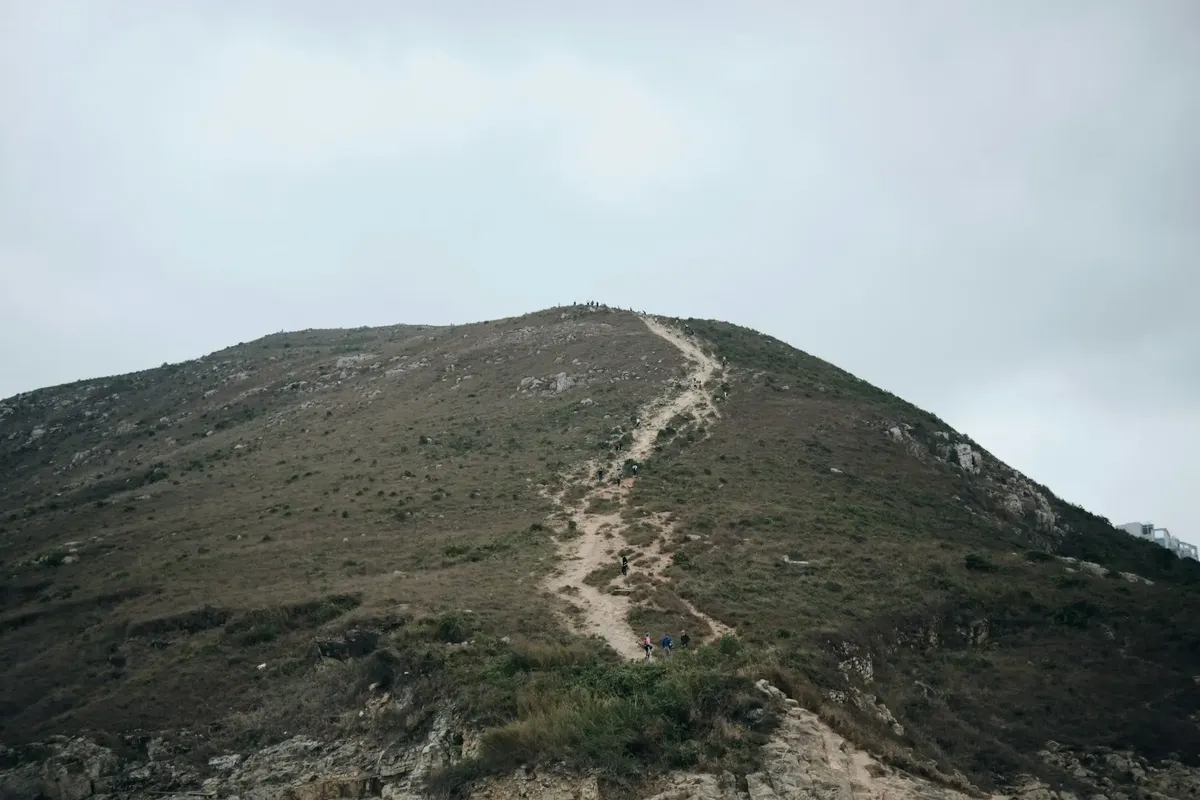
The former Portuguese territory has its own immigration, currency and casinos, plus a UNESCO-listed historic centre around the Ruins of St Paul's. TurboJET sails from the Hong Kong Macau Ferry Terminal in Sheung Wan to Macau Outer Harbour; economy fares since 25 April 2026 are HK$194 on weekdays, HK$212 at weekends and HK$242 at night. Bring your passport.
Ferries to Yung Shue Wan leave every 20 to 30 minutes. There are no cars on the island: walk the trail over the hill to Sok Kwu Wan, eat seafood by the water and take the ferry back. Fares rise on Sundays and public holidays.
If you've done Ngong Ping, the ferry to Mui Wo opens up quieter Lantau: beaches, hiking trails and the stilt-house fishing village of Tai O.
High-speed trains from West Kowloon reach Shenzhen Futian in about 14 minutes, second class from HK$75. Mainland China is a separate border with its own visa rules: citizens of Belgium and many other European countries can enter visa-free for up to 30 days until 31 December 2026, but check your own nationality first. The West Kowloon checkpoint can't issue visas on arrival or process transit exemptions; travellers relying on those cross at Lo Wu, Huanggang or Shenzhen Bay instead.
Most visitors don't. Citizens of the EU, the US, Canada, Australia, Japan and South Korea can stay up to 90 days without a visa, and British citizens up to 180 days. Indian nationals get 14 days but must complete pre-arrival registration online. Hong Kong's rules are separate from mainland China's.
Street crime is very low and walking around at night is normal. The US rates Hong Kong Level 2, Exercise increased caution, because of arbitrary enforcement of local laws, including national security laws. Avoid demonstrations and follow typhoon warnings.
Three to four days covers Hong Kong Island and Kowloon plus a day on Lantau. Add a day for Macau, Lamma Island or hiking.
Around HK$900 a day on a budget with hostels and street food, HK$1,600-2,200 mid-range, and HK$3,500 or more for a comfortable trip. Accommodation is the biggest cost; food and transport are good value.
October to December, when the weather is cool, dry and clear. June to August is hot and humid, and July to September is peak typhoon season.
The Airport Express reaches Hong Kong Station in Central in 24 minutes for HK$130 and Kowloon Station in 22 minutes for HK$115. Bus A21 to Tsim Sha Tsui and Mong Kok costs HK$34.60 and takes 45-60 minutes. A taxi to Central costs around HK$350-385.
It makes life much easier. The sold Tourist Octopus costs HK$39 with no deposit, and iPhone users can add Octopus to Apple Wallet. It works on the MTR, buses, trams, the Star Ferry and in many shops.
Tsim Sha Tsui for harbour views and a central Kowloon base, Central or Sheung Wan for the best connections on Hong Kong Island, and Jordan or Mong Kok for better value. Stay close to an MTR station.
Yes. TurboJET ferries reach Macau in about an hour from Sheung Wan, and high-speed trains reach Shenzhen Futian in about 14 minutes from West Kowloon. Both are separate borders, so bring your passport and check mainland China's visa rules for your nationality.
Hong Kong is a city that runs on contrasts you can cross in minutes: a glass tower beside a temple full of incense, a Michelin-starred goose served on a plastic plate, a skyline that ends where the jungle-covered hills begin. It moves fast and it rarely explains itself, which is exactly why the small moments stick.
Take the Star Ferry one last time after dark, stand at the rail as Central's towers light up, and you'll understand why so many people who come for a stopover end up coming back.