
The Only City in South Sudan Set Up for Visitors, and Only Barely
Juba became South Sudan's capital in 2011 with independence, growing fast and unevenly from a garrison town on the White Nile into a city of roughly half a million people, most of its streets unpaved, its skyline still mostly low concrete and tin roofs punctuated by a handful of newer hotel towers. It functions, in the narrow sense that it has an international airport, a small number of international-standard hotels, working phone and internet service in most of the city, and enough diplomatic and NGO presence to sustain the beginnings of an international-facing service economy. It does not function as a destination in any normal travel sense.
What Juba has going for it, relative to the rest of the country, is concentration: the international airport, the embassies, the UN mission presence and the secured hotels sit within a few kilometers of each other, which is precisely why it is the only place in South Sudan this guide can respectably tell a visitor to be. That is a statement about relative risk within a Level 4 country, not a claim that Juba is safe by the standards this site uses everywhere else.
What day-to-day life in Juba is actually like
Electricity and running water are inconsistent outside hotels and well-resourced compounds, most of which run generators and water storage as standard. Mobile data works reasonably well in central Juba through MTN and Zain. The city's real economy, the markets, the boda-boda motorbike taxis, the roadside stalls, operates largely outside anything a first-time visitor should be navigating alone, and this guide does not pretend otherwise in the chapters that follow.
Juba Is the Least Risky Part of a Do Not Travel Country
South Sudan carries a Level 4, Do Not Travel advisory from the US State Department, and the UK FCDO advises against all travel to the entire country, Juba included. Within that context, Juba is where the international community, embassies, the UN mission and most NGOs, actually operates day to day, which is a practical reason it is the city this guide covers. It is not a reason to relax the precautions below.
Movement
Use a known, pre-arranged driver for all movement, ideally the same one for your whole stay. Avoid travel after dark outside secured hotels and compounds, and avoid walking with visible cameras, laptops or jewelry.
Checkpoints
Official and unofficial checkpoints appear around the city and can change with little notice. Carry identification at all times, stay calm and cooperative, and let your driver, who will know current conditions, handle the interaction.
Crime
Armed robbery and, per US State Department reporting, sexual assault targeting foreign nationals have occurred. Stick to known routes and venues, and travel in company where possible rather than alone.
Emergency numbers, embassy contacts and the fuller advisory picture for South Sudan as a whole are covered in the South Sudan country guide; the short version repeated here because it matters at the city level too: 999 is the number most consistently cited for police, ambulance and fire, though local emergency response, including in Juba, cannot be assumed to be fast or reliable, and your employer's or embassy's security contact should be your first call in a real emergency, not a public number.
A Handful of Areas, Not a List of Neighbourhoods to Explore
Juba's areas matter here mainly for where the hotels, embassies and secured compounds sit, not as places to wander between. Nearly every legitimate visitor ends up in one of three general areas.
Tongping
North of the city center along the Nile, Tongping and neighboring Thongpiny hold most of the embassies, including the US Embassy on Kololo Road, along with UN and NGO compounds. It is the area with the heaviest concentration of security infrastructure in the city.
Hai Cinema & the central business district
Named for a Greek-run cinema that operated here from the 1960s until the Second Sudanese Civil War closed it in 1983, Hai Cinema and the surrounding central district hold most of the hotels a visitor is likely to use, along with the restaurants that serve the international community and the Juba Landmark Hotel itself.
Konyo Konyo & the market district
The area around Konyo Konyo Market is the commercial heart of everyday Juba, dense with stalls and street trade. Worth a brief, escorted look for a sense of the city's real economy; not an area to wander independently.
Three Hotels Cover Nearly Everyone Who Legitimately Needs One
Juba's hotel market is small, international-facing and priced accordingly. These are not budget options; they are the properties with the security, generator power and reliability that make them the realistic choices for visitors.
At the top, the Radisson Blu Hotel, Juba is the country's first internationally branded five-star hotel, on the White Nile roughly ten minutes from Juba International Airport, with 154 rooms and suites facing the pool, the city or the river, six on-site bars and restaurants, a gym, spa and outdoor pool, and a 13th-floor Sky Lounge with a 360-degree view over the city, a genuinely striking spot to watch the sun go down over the Nile from behind hotel security.
The Juba Landmark Hotel in Hai Cinema, open since 2015, is a well-reviewed mid-to-upper option (ranked among the top hotels in the city on Tripadvisor) with an outdoor pool, garden, free airport shuttle, 24-hour front desk and currency exchange, from around $178 a night. The Pyramid Continental Hotel, a five-star property with a spa, sauna, gym and outdoor pool, runs from around $111 a night and is a frequent choice for NGO and business travelers on a tighter allowance than the Radisson.
Hotel Kitchens First, a Short List of Others Second
Juba does not have a restaurant scene in the way most guides mean it. Most visitors eat most of their meals inside their hotel, and the few independent restaurants that serve the international community are worth knowing rather than seeking out casually after dark.
The Sky Lounge at the Radisson Blu
The best single view in the city, a 360-degree lounge over Juba and the White Nile, and the most straightforwardly reliable place to eat a proper dinner without leaving hotel security. If you're staying elsewhere, it's worth arranging a visit here for one evening.
Ethiopian & Ugandan restaurants
A handful of Ethiopian and Ugandan restaurants operate around the central business district and are the most common independent dining choice for NGO staff and diplomats, reflecting the cross-border trade and expatriate community that has grown around Juba since independence.
Konyo Konyo Market food stalls
Street food stalls inside and around Konyo Konyo Market serve the city's everyday South Sudanese fare. This is real local food culture, but it belongs to a brief, daylight, escorted visit rather than independent exploring, for the same reasons covered in the Safety chapter.
A Short List, Each Item Worth an Escort
Juba is not a sightseeing city and this guide isn't going to pad out a list to look like one. A small number of places are genuinely worth the trip if you have a free few hours, a trusted driver and daylight, in roughly that order of importance.
John Garang Mausoleum
The tomb and memorial to John Garang, the SPLA leader whose death in a 2005 helicopter crash came just months after the peace deal that set South Sudan on the path to independence, sits on elevated ground near the city center with a memorial statue and displays on his life. It is considered sacred ground by many South Sudanese, so quiet, respectful behavior matters here more than at a typical monument.
The White Nile riverbank
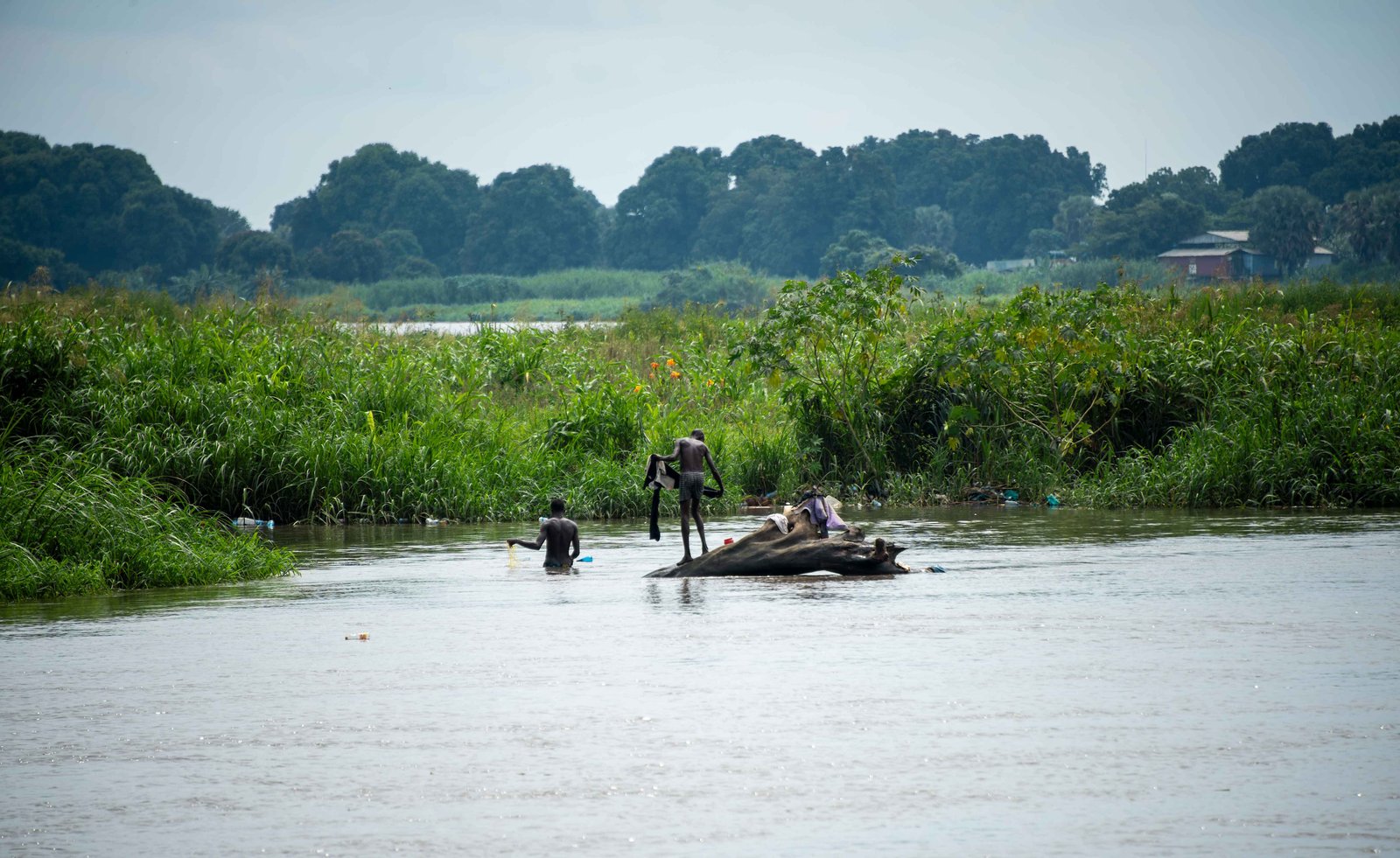
Walking or, with a locally arranged boat, cruising a stretch of the Nile at Juba is the closest thing the city has to a classic travel experience: fishermen working the shallows, longboats crossing toward Mongalla, the river doing what it has done here for longer than any government has existed. Arrange any boat trip through your hotel or a known local operator rather than informally at the water's edge.
Nyakuron Cultural Centre
A cultural venue with an auditorium, exhibition space and gardens hosting traditional dance, music and storytelling performances tied to South Sudan's many ethnic groups. When something is on, it is one of the few genuinely enriching, low-risk things to do in the city.
Konyo Konyo Market
Covered in the Food chapter above and worth repeating here: a brief, daylight, escorted visit to Juba's main market gives a real sense of the city's everyday commerce, produce, fabric, household goods, street food, that the hotel districts don't show you.
One Airport, One Way to Move Around the City
Juba International Airport (JUB) is South Sudan's only international gateway, roughly a ten-minute drive from the Radisson Blu and most central hotels, served by a small set of regional carriers connecting through Nairobi, Addis Ababa, Cairo and other East African hubs; there is no direct long-haul service from Europe or North America. Arrange pickup in advance through your hotel or organization rather than engaging an unarranged driver at arrivals.
Inside the city, movement happens by pre-arranged driver, hotel shuttle or organizational vehicle, generally the same vehicle and driver for the length of a stay. This isn't a matter of comfort so much as practicality: a known driver has current knowledge of which routes and checkpoints are fine on a given day, which independent ride-hailing in Juba cannot replicate, and which most visitors, including long-term NGO staff, don't try to replace.
Juba's climate is hot and humid year-round, wet roughly May to October, drier and marginally cooler December to March, with daytime highs typically in the low-to-mid 30s°C (90s°F). The dry season eases road conditions for the drives that do happen but does not change the underlying security picture.
Small Market, International Pricing, Cash Only
Juba is not cheap for visitors. The small pool of hotels and services that meet the security standard described above serves an international market and prices accordingly, and there is essentially no lower tier a first-time visitor should be relying on.
Hotels
Roughly $110-180 a night at the Pyramid Continental, Juba Landmark or Radisson Blu; NGO guesthouses run lower but are typically arranged through an organization, not booked independently.
Meals
3,000-8,000 SSP (roughly a few dollars at informal market rates, more at hotel restaurants) outside hotels; hotel dining runs closer to international pricing.
The South Sudanese pound has depreciated dramatically since independence and remains extremely volatile, so a printed exchange rate here would likely be stale by the time you read it. Check a live rate immediately before travel.
Why This Isn't a Day Trips Chapter
Most Atlas Guide city pages have a Day Trips chapter. This one doesn't, deliberately: nothing outside Juba qualifies as a same-day, independently arranged trip under current conditions, and inventing one would misrepresent what's actually safe to do.
The one genuine exception is the Boma-Badingilo migratory landscape to the east, home to an estimated six million migrating antelope, white-eared kob, tiang, reedbuck and Mongalla gazelle, that researchers and the conservation group African Parks, which has managed the parks under a government agreement since 2022, now consider the largest overland mammal migration on the planet. It is reachable from Juba only by charter flight to a bush airstrip with an armed ranger escort arranged through a specialist operator; it is not a drive, not a same-day trip in the normal sense, and not something to plan independently from this page. Anyone genuinely considering it should be working directly with African Parks or a named, currently operating specialist safari company and checking the security situation immediately before booking, since access changes with the broader advisory picture.
Juba FAQ
Is Juba safe for visitors?
South Sudan carries a Level 4, Do Not Travel advisory from the US State Department and the UK FCDO advises against all travel; Juba is the least risky part of the country but that's a relative, not absolute, statement. Visitors move by pre-arranged driver, avoid travel after dark outside secured compounds, and follow current guidance from their employer or embassy.
What is the best hotel in Juba?
The Radisson Blu Hotel, Juba is the city's first internationally branded five-star property, on the White Nile with a 13th-floor Sky Lounge. Juba Landmark Hotel and Pyramid Continental Hotel are the two other internationally reviewed options most visitors use.
How do I get around Juba?
Through a pre-arranged driver, hotel shuttle or organizational vehicle, ideally the same driver for your whole stay. Independent ride-hailing and unarranged taxis are not the norm for visitors here.
Can I visit the antelope migration from Juba?
Only through a specialist operator running charter flights to the Boma-Badingilo landscape with armed ranger escorts. It is not something to arrange independently, and availability depends on the current security situation.
What currency should I bring to Juba?
US dollars in cash, clean and newer bills. South Sudan is in an active banking and cash liquidity crisis, ATMs are unreliable and dispense South Sudanese pounds only, and older or damaged dollar notes are frequently refused.
Does Juba have restaurants outside hotels?
A limited number, mostly Ethiopian and Ugandan kitchens serving the international and NGO community around the city center. Most visitors eat most meals inside their hotel.
What This Page Won't Pretend
Juba is a real city with a real, resilient population that has kept building a life here through independence, civil war and an unfinished peace, and the White Nile still moves through it the way it always has. This page won't dress that up as a travel destination, because right now it isn't one. It exists so that the people who genuinely have to be here, for work, for aid, for family, have something accurate to work from.
If a trip to Juba is unavoidable, lean on your employer's security team, your embassy and a known local driver, not on this page alone, and reread the Safety chapter before you land.