
A Country Sealed Since Independence
Eritrea is one of the last genuine blank spots on the Horn of Africa tourist map. Independent visitor numbers are tiny, a handful of thousand a year against the millions who visit neighboring Ethiopia, and the reason is not danger in the way that word usually applies to travel warnings. It is a one-party state, unchanged in leadership since independence in 1993, that has kept itself deliberately closed: no independent press, a heavily cash-based economy with no working ATMs for foreign cards, limited internet, and a system of indefinite national service that has driven several hundred thousand Eritreans into exile over the past two decades.
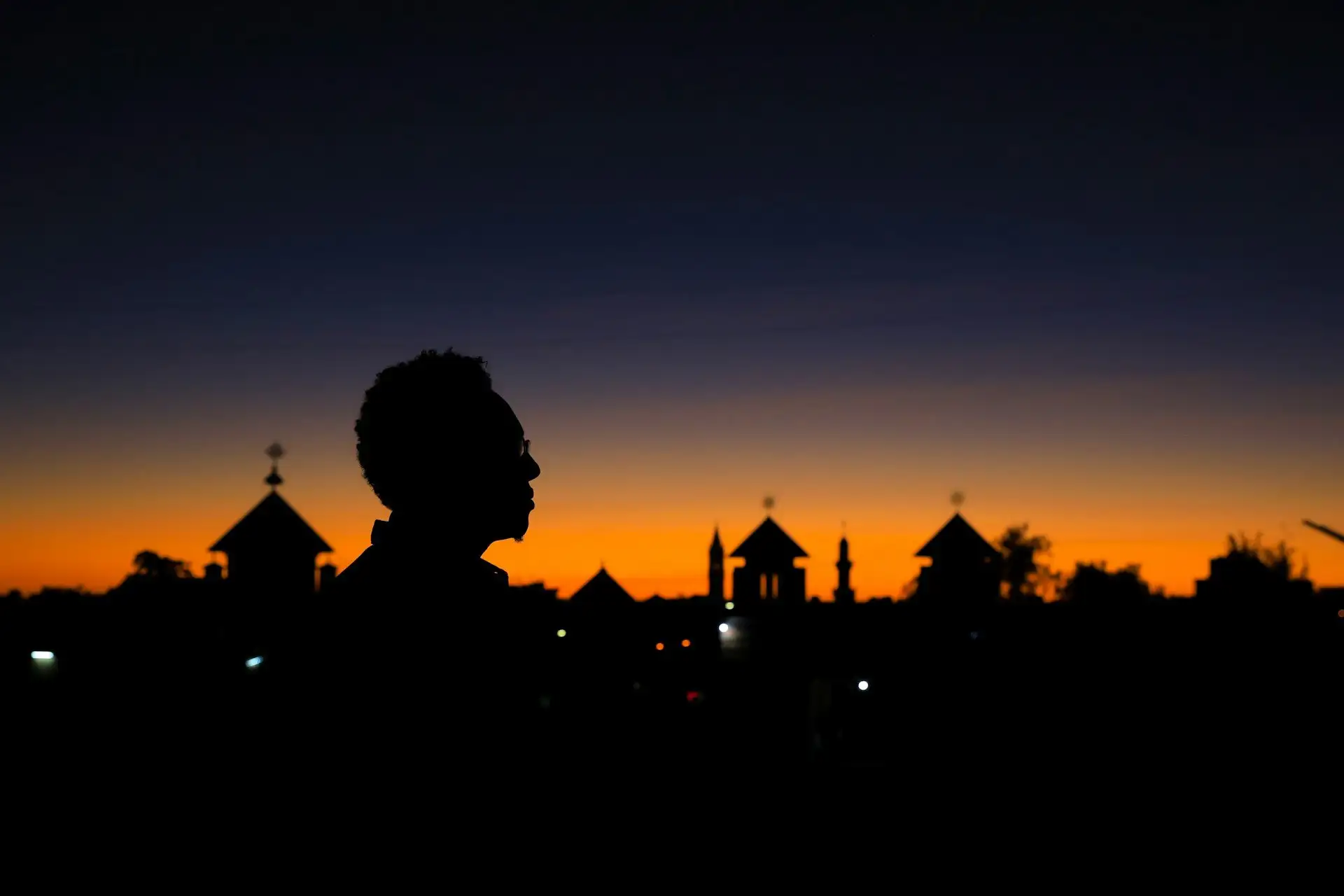
What that isolation preserved, almost by accident, is Asmara: a highland capital built by Italian colonial planners in the 1930s and largely untouched since, now a UNESCO World Heritage Site for its Art Deco cinemas, rationalist government buildings and one genuinely startling aeroplane-shaped service station. The country's roughly 3.7 million people are split close to evenly between Christianity, mostly the Eritrean Orthodox Tewahedo Church, and Islam, and the two communities' buildings sit within sight of each other in central Asmara.
The honest complications
This is a guide for a specific kind of traveler: patient, comfortable with bureaucracy, and prepared for a country that does not make independent travel easy. A visa must be arranged weeks in advance, a separate permit is required for anywhere more than 25 km outside Asmara, and every transaction outside a hotel is cash only in a currency you cannot legally obtain outside authorized exchange bureaus. Photography of anything resembling a government or military building is illegal and enforced. None of this makes Eritrea unsafe for the traveler personally, in the way that phrase is normally used, but it does mean this is not a country to arrive in without preparation, and this guide's safety chapter, next, is worth reading in full before anything else.
What the Advisory Actually Says
The US State Department rates Eritrea Level 2, Exercise Increased Caution, one step above its baseline and two steps below the Level 4, Do Not Travel rating it gives countries like neighboring Somalia. The cited concerns are travel restrictions, limited consular assistance, the risk of wrongful detention, and landmines left over from the independence and border wars in some rural and border areas, not violent crime against tourists, which is genuinely rare in Asmara.
Travel permits
Movement beyond 25 km of Asmara requires a permit from the Ministry of Tourism, obtained in person and not guaranteed same-day. Travel without one to a restricted zone is the most common way tourists run into trouble with authorities.
Landmines
A legacy of the 1961-1991 independence war and the 1998-2000 border war with Ethiopia. Risk is concentrated in rural border areas, not Asmara or the main Keren and Massawa routes; stay on marked roads and paths.
Photography & surveillance
Unauthorized photography of government buildings, military sites, airports and border areas is illegal and enforced, with confiscation, detention or interrogation as real outcomes. Ask before photographing people.
Two more things worth knowing: limited consular help and wrongful detention
Limited consular assistance. The US Embassy in Asmara operates with restricted access and limited ability to assist citizens in trouble compared to most countries, which is the practical meaning behind the State Department's "limited consular assistance" language: help is slower and more constrained here than travelers may expect.
Wrongful detention risk. Foreign nationals, including journalists and dual Eritrean-foreign citizens, have faced arbitrary detention in past years. Ordinary tourists on a valid visa and permits are not a typical target, but it is the reason this advisory sits at Level 2 rather than Level 1.
Emergency numbers
US Embassy Asmara and consular contact
The US Embassy is at 179 Alaa Street, Asmara. The switchboard, +291-1-12-00-04, takes emergency calls for American citizens (death, arrest or hospitalization) at any time, including after hours. Routine consular phone inquiries are taken Monday to Thursday, 4:30 to 5:00pm, and Friday, 11:30am to 1:30pm.
Solo travelers & families
Eritrean society is conservative and family-oriented, and unaccompanied travelers, including women, generally report no harassment on the streets of Asmara, a city with very low visible crime. The bigger practical friction for any traveler is bureaucratic rather than personal: the permit system, the cash economy and limited internet access mean less spontaneity and less ability to call for help than in most other African capitals, and trip planning should account for that rather than for street safety.
A History Worth Knowing
Eritrea's modern borders were drawn by Italy, which proclaimed the colony in 1890 and, after 1935, rebuilt Asmara as a showcase of Fascist-era rationalist architecture. What followed was three decades of war for independence from Ethiopia, a referendum that returned a near-unanimous result, and then a second border war with the same neighbor that has left relations unsettled into 2026.
- 1890
Italian colony proclaimed. Asmara grows from a military outpost into a colonial capital; after 1935 it is rebuilt at scale in the modernist idiom that survives today.
- 1941-1952
British administration. Britain administers Eritrea after defeating Italian forces in WWII, before the UN federates it with Ethiopia in 1952.
- 1961-1991
War of Independence. Ethiopia's 1962 annexation triggers a 30-year guerrilla war, fought first by the Eritrean Liberation Front and from the 1970s by the Eritrean People's Liberation Front, which takes Asmara in May 1991.
- 1993
Independence confirmed. A referendum returns 99.83% in favor of independence; Eritrea joins the UN days later.
- 1998-2000
Border war with Ethiopia. A dispute centered on the town of Badme kills tens of thousands before a UN-brokered ceasefire, with the border effectively closed for the next 18 years.
- 2018-2026
Peace, then Tigray, then an unsettled border. A 2018 peace deal with Ethiopia's Abiy Ahmed reopens the border briefly; Eritrean troops later fight in Ethiopia's 2020-2022 Tigray war, the border closes again, and only some crossings, including Zalambessa in 2025, have since reopened.
Read the full history: the EPLF, indefinite conscription and press freedom
The Eritrean People's Liberation Front, which absorbed or defeated its rival the Eritrean Liberation Front by the early 1980s, became the country's sole legal political party after independence under the name PFDJ, the People's Front for Democracy and Justice. Its wartime leader, Isaias Afwerki, has been Eritrea's only president since 1993. A constitution was ratified in 1997 but has never been implemented, and no national elections have been held since independence.
National service, originally an 18-month statutory obligation for young adults, was extended indefinitely after the 1998-2000 border war and has, according to Human Rights Watch, kept many conscripts in military or civilian state assignments for years or decades at token wages, with no recognized right to conscientious objection. Freedom House rates Eritrean press freedom at 3 out of 100, among the lowest scores of any country it tracks, and there is no independent media or civil society inside the country. These two facts, more than any crime statistic, are why several hundred thousand Eritreans, a meaningful share of the population, have left as refugees over the past two decades.
Asmara, and Two Trips Beyond It
Nearly every itinerary in Eritrea is built around Asmara, for good reason: the country's single UNESCO site and the large majority of its functioning tourist infrastructure are here. Two other towns are worth the permit paperwork if time allows: Keren to the northwest and Massawa on the Red Sea coast, both connected to Asmara by tarred roads that make a long day trip or an easy overnight possible.
Asmara, the reason to come
Eritrea's capital sits at 2,300 meters and is the whole reason most visitors apply for the visa in the first place. Its historic core was inscribed on the UNESCO World Heritage List in 2017 as "Asmara: A Modernist City of Africa," the first entire modernist city ever listed in full, for a collection of Art Deco, rationalist and futurist buildings built almost entirely between 1935 and 1941 and barely altered since. See the full Asmara city guide for hotels, restaurants and a walking itinerary.
Keren, the market town in the hills
Roughly 90 km and about two hours northwest of Asmara by road, Keren is Eritrea's second-largest urban area and the site of the Shrine of St. Mariam Dearit, a small Catholic chapel built into a baobab tree said to be centuries old and visited by both Christian and Muslim pilgrims. Its Monday livestock market, trading camels, cattle and goats in a scene largely unchanged for generations, is the largest of its kind in the region. Keren's Commonwealth and Italian war cemeteries, and a wartime tank graveyard, mark the town's role in the 1941 battle for Eritrea and later conflicts.
Massawa, the Red Sea port
The road from Asmara to Massawa drops from 2,300 meters to sea level in around 100 km, passing through three climate zones in two to three hours of driving, one of the more dramatic short road trips in the Horn of Africa. Massawa's old town mixes Ottoman, Egyptian and Italian colonial architecture, much of it war-damaged and slowly being restored, around a harbor that was Eritrea's main port before independence. The Dahlak Archipelago, a scatter of islands in the Red Sea, is reachable by boat from here for travelers with extra time and the right permits.
Culture & Etiquette
Eritrea's population is split close to evenly between Christianity, chiefly the Eritrean Orthodox Tewahedo Church, and Islam, and the two faiths coexist with little visible friction in Asmara, where the Catholic Cathedral's bell tower, the Enda Mariam Orthodox Cathedral and the Great Mosque's minaret are all visible from roughly the same street corner. Tigrinya and Arabic are the most widely spoken languages, with English used in secondary schools and business, and enough Italian survives in Asmara's daily vocabulary, especially around coffee and food, that a barista will understand "cappuccino" and "macchiato" without translation.
Do
- Carry your passport, visa and permit together. Checkpoints on roads outside Asmara are routine, and the paperwork needs to be produced on request.
- Ask before photographing people, a norm most Eritreans expect and appreciate being asked about, even casually.
- Dress modestly at religious sites, covering shoulders and knees for both churches and the Great Mosque.
- Bring more USD or EUR cash than you think you need. There is no way to access more money once you run out.
- Keep exchange receipts from Himbol bureaus for the length of your trip; they can be requested at departure.
Don't
- Photograph government buildings, military sites, airports or border areas, under any circumstance. This is enforced, not a formality.
- Exchange money outside a Himbol bureau or bank, even at a much better rate offered informally. It is illegal and actively prosecuted.
- Raise national service, politics or the president in conversation with people you have just met; Eritreans are typically cautious discussing any of this with strangers, for understandable reasons.
- Travel beyond 25 km of Asmara without your permit already issued and on you.
- Assume internet access will be reliable. Connectivity is limited and slow even in Asmara hotels; do not plan around it.
Food & Drink
Eritrean food shares its base with Ethiopian cuisine, injera flatbread and spiced stews, but Asmara's fifty years under Italian rule left a genuine second culinary layer: pasta, pizza and espresso-based coffee sit on the same menus as Eritrean stews, often in the same restaurant.
Zigni & Tsebhi
Zigni is a spiced beef stew in a berbere-based sauce, Eritrea's signature dish; tsebhi is the broader family of meat stews, made with chicken, lamb or fish, both eaten scooped up with injera.
Shiro & Alicha
Shiro is a creamy stew of ground chickpeas or lentils with garlic and berbere, the everyday vegetarian staple. Alicha is the mild counterpart, spiced with turmeric and ginger rather than chili.
Coffee & Italian holdovers
Espresso and cappuccino, made properly, are everywhere in Asmara, a direct legacy of Italian rule, alongside pasta and pizza on menus across the city.
When to Go & Getting There
Asmara's altitude gives it a mild, stable climate year-round, but the dry season from October to March is genuinely the best window: daytime temperatures around 24 to 27°C, cooler evenings, and none of the heavier rains that peak around August. Massawa, at sea level on the Red Sea, is hot for most of the year and best combined with Asmara's cooler climate rather than visited alone in summer.
Asmara International Airport (ASM) is the country's only real gateway, served by Turkish Airlines, Etihad Airways and Flydubai as the main international operators, plus Egyptair from Cairo. There are no direct flights from the US or Western Europe; most itineraries connect through Cairo, Istanbul, Abu Dhabi or Dubai.
Getting around, permits and practical prep
Central Asmara is compact and walkable, and taxis cover the rest of the city cheaply. Anywhere beyond 25 km of the capital, including Keren and Massawa, requires a travel permit from the Ministry of Tourism in Asmara, applied for in person, costing around 200 Nakfa (about $13) and usually ready within a day; it cannot be arranged online or in advance from abroad.
Money: bring all the USD or EUR cash your trip will need. There are no functioning ATMs or credit card facilities for foreign cards anywhere in Eritrea, and exchanging currency outside a state Himbol bureau is illegal and enforced. Connectivity: mobile data and hotel wifi are both slow and limited by regional standards; download offline maps and anything else you need before arrival.
Budget Planning
Eritrea is inexpensive by the numbers, priced in Nakfa at an official peg of 15 ERN to 1 USD, but the real cost driver for most visitors is the visa and permit process itself rather than daily spending once inside the country.
- Simple guesthouse or budget hotel room
- Eritrean-Italian meals at local restaurants
- Walking and shared taxis in Asmara
- Hotel like Crystal or Sunshine ($90-100/night)
- Restaurant meals plus a driver for day trips
- Travel permit and one out-of-town trip
- Best available Asmara hotels
- Private driver and guide for Keren and Massawa
- Buffer cash for visa and permit fees
Visa & Entry
Eritrea does not offer visa-on-arrival to most nationalities, including US, UK, EU, Australian and Canadian citizens. A tourist visa must be arranged in advance through an Eritrean embassy or consulate, typically valid for around 30 days, with processing that can take anywhere from a few days to several weeks. Start the application at least six weeks before travel.
✓ Valid passport
At least six months validity from your entry date, standard for the region.
✓ Visa applied for in advance
Through an Eritrean embassy; there is no reliable visa-on-arrival option for tourists.
✓ Travel permit, once inside
Obtained in person at the Ministry of Tourism in Asmara for any trip beyond 25 km of the capital.
✓ Cash for the whole trip
USD or EUR, since there is no way to withdraw or access more money once inside the country.
| Eritrea | Ethiopia | |
|---|---|---|
| Visa | Required in advance, no visa on arrival | E-visa available online for most nationalities |
| Independent travel | Allowed in Asmara; permit needed beyond 25 km | Open, well-established independent tourist circuit |
| Money | Cash only, no working ATMs for foreign cards | ATMs and cards work in major cities |
| Headline sight | Asmara's UNESCO modernist architecture | Lalibela's rock-hewn churches, Simien Mountains |
| Advisory level | US Level 2, Exercise Increased Caution | US Level 3 in some regions, Level 2 elsewhere |
Eritrea FAQ
Is Eritrea safe to visit?
The US State Department rates Eritrea Level 2, Exercise Increased Caution, not its most severe Level 4 rating. The concerns are travel restrictions, limited consular assistance, wrongful detention risk and landmines in some border areas, not street crime against tourists.
Do I need a visa for Eritrea?
Yes. Eritrea has no visa on arrival for most nationalities. Apply in advance through an Eritrean embassy, allow at least six weeks, and expect a visa valid for about 30 days.
Do I need a permit to travel outside Asmara?
Yes, for travel more than 25 km outside Asmara. Permits are issued in person at the Ministry of Tourism in Asmara, cost around 200 Nakfa (about $13), and are usually ready within a day.
Can I use my credit card or ATM card in Eritrea?
No. Eritrea has no functioning ATMs or credit card acceptance for foreign cards. Bring enough USD or EUR cash for your entire trip and exchange it only at state Himbol bureaus.
What is the currency in Eritrea?
The Nakfa (ERN), pegged at an official rate of 15 ERN to 1 USD. Exchanging money outside authorized Himbol bureaus is illegal and enforced, with confiscation and deportation as real risks.
What is Asmara famous for?
Its UNESCO-listed collection of Italian modernist and Art Deco architecture from the 1930s, including the Fiat Tagliero building and Cinema Impero, inscribed in 2017 as the first entire modernist city on the World Heritage List.
What language is spoken in Eritrea?
Tigrinya and Arabic are the most widely used languages, alongside several other ethnic languages. English is used in secondary education and business, and Italian words survive in Asmara from the colonial period.
Is Eritrea in a war with Ethiopia?
Not currently, but the relationship is unsettled. The two countries fought a border war from 1998 to 2000 and signed a peace deal in 2018, but the border closed again during the 2020-2022 Tigray conflict and only some crossings have reopened since.
Can I take photos in Eritrea?
Not of military sites, government buildings, airports or border areas, which is enforced and can lead to confiscation or detention. Ask permission before photographing people, and photography of Asmara's streets and buildings is otherwise normal.
How long has Eritrea's government been in power?
President Isaias Afwerki has led Eritrea since independence in 1993. No national elections have been held and the constitution ratified in 1997 has never been implemented.
Is independent travel allowed in Eritrea?
Yes, independent travel is currently permitted and no longer requires a guided tour, though a permit is still needed for anywhere more than 25 km outside Asmara. Many older guides describing mandatory tours are out of date.
What Stays With You
Asmara does not feel like anywhere else in Africa, and it does not feel entirely like Italy either: it feels like a specific decade, 1938, that got sealed inside a highland capital and left mostly alone while the rest of the world moved on. Walking Harnet Avenue past Art Deco cinemas and a cappuccino counter that has not changed its method in eighty years is a genuinely singular travel experience, and it exists inside a country that is, by design, difficult to understand from the outside and only partly understandable from the inside as a visitor.
Go with the paperwork done, the cash counted, and the expectation that this is a trip about a frozen moment in one city, not a country-wide circuit. That is exactly what Eritrea, right now, actually offers.