
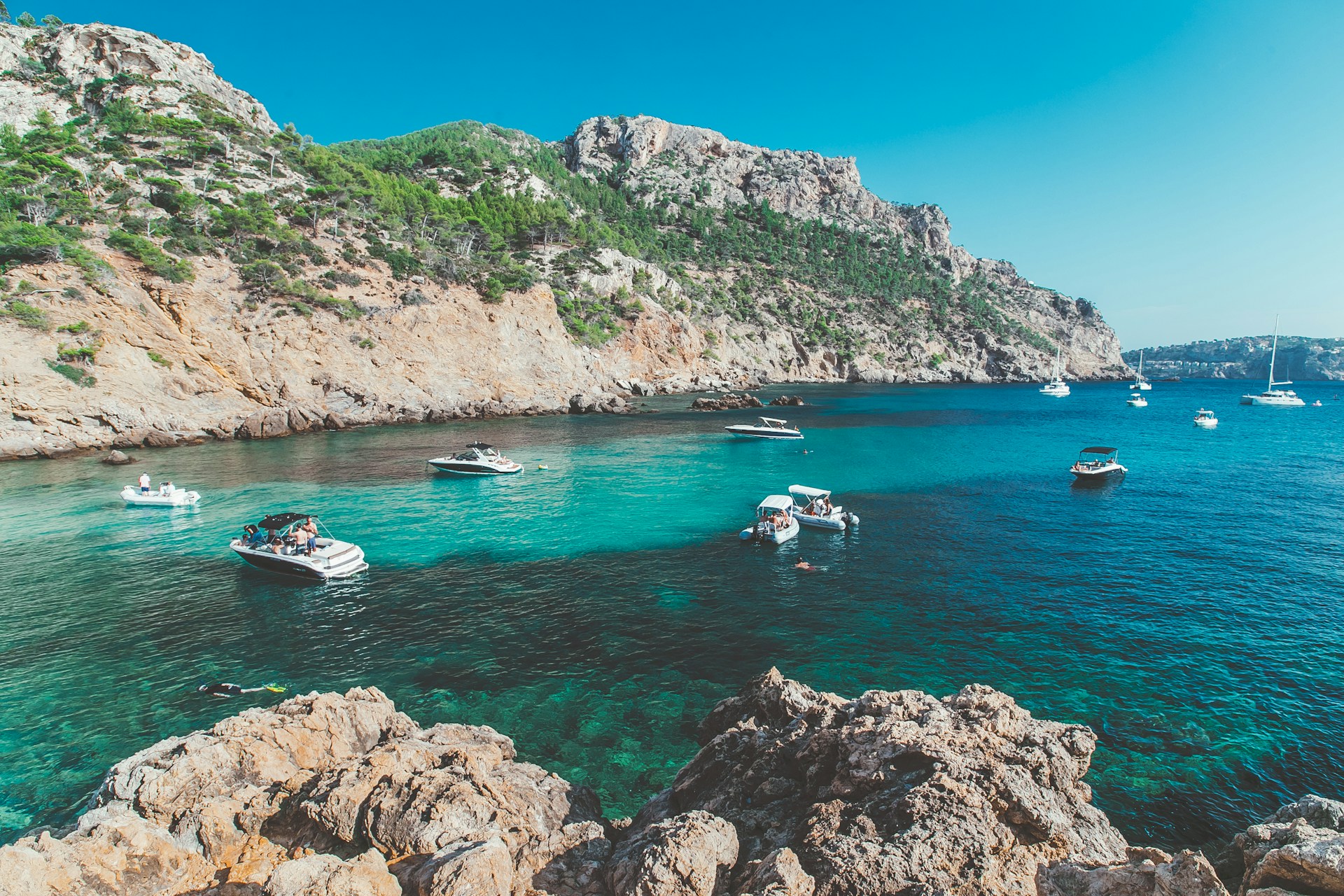
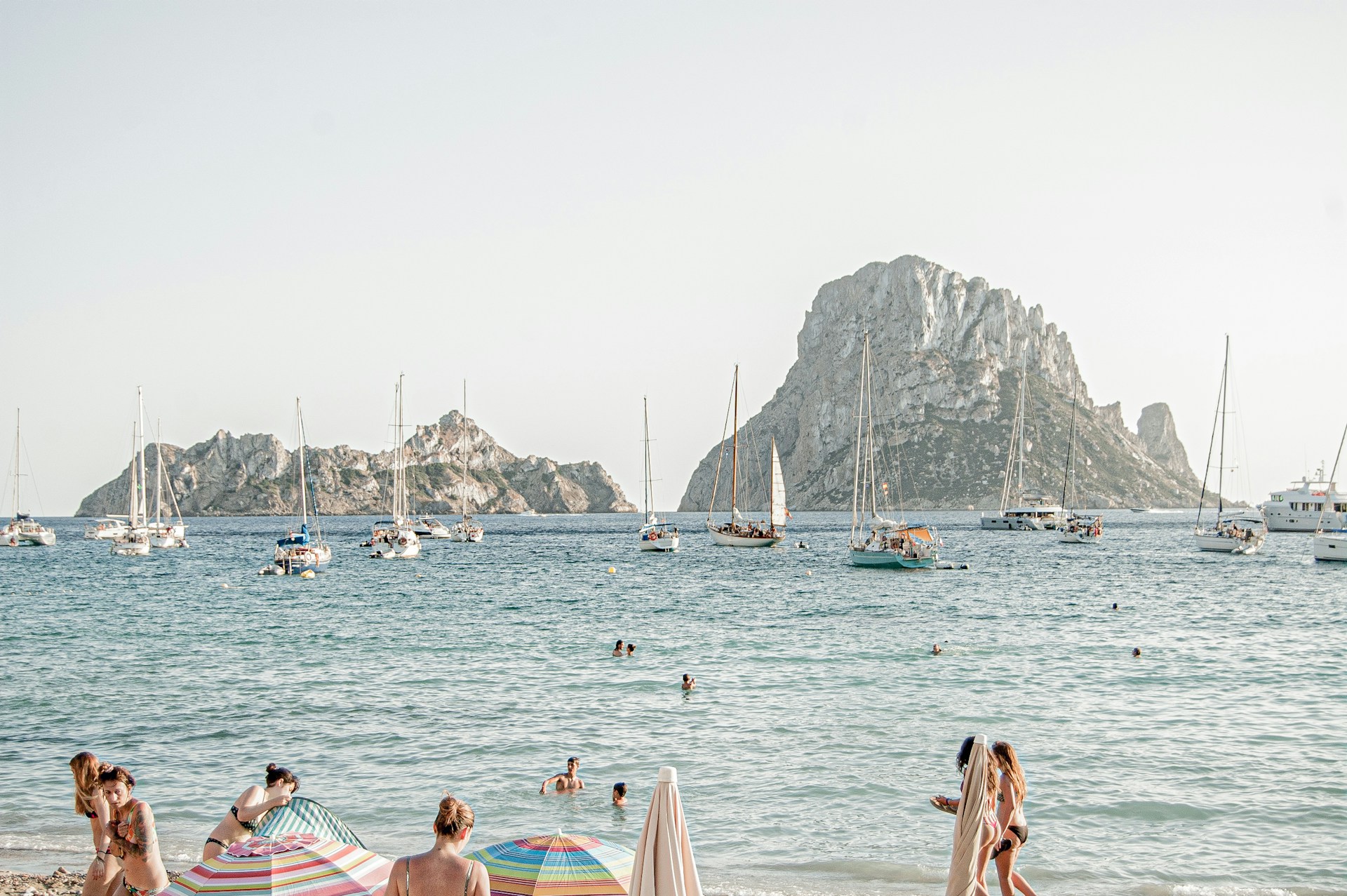
Mallorca vs Ibiza at a glance
Ten rounds, scored honestly. Mallorca takes beaches, families and value; Ibiza takes nightlife outright. Select a category to jump to the full comparison.
| Category | MallorcaIbiza |
|---|---|
| The ten rounds | |
| Beaches200+ coves against a smaller stage | Mallorca wins |
| NightlifeThe world capital of club culture | Ibiza wins, emphatically |
| SceneryThe Tramuntana, Deià and Palma's cathedral | Mallorca wins |
| FamiliesOne island is built for families | Mallorca wins, significantly |
| FoodPalma has quietly become one of Spain's best food cities | Mallorca wins |
| CostCheaper at every tier, and no club budget | Mallorca wins |
| Things to doCycling and caves vs boat trips and markets | Different strengths |
| Getting aroundMore public transport, and a car helps on both | Mallorca wins, narrowly |
| WeatherThe same Balearic climate and the same golden months | A genuine tie |
| SafetyBoth safe, with resort-area nightlife caveats | A draw |
| Best for | |
| Families with childrenShallow bays, water parks and family resorts | Mallorca |
| Clubbers and DJ fansUshuaïa, Hï, Amnesia and DC10 | Ibiza |
| Cyclists and hikersThe Tramuntana and Sa Calobra climbs | Mallorca |
| OverallClubs or everything else, that is the whole choice | Depends on your priorities |
Variety vs intensity
Mallorca gives you everything. Ibiza gives you one thing, and does it better than anywhere on earth. Understanding that distinction makes the choice simple.
The Balearics' largest and most complex island
3,640 km² holding an extraordinary range of experiences at once: the UNESCO-listed Serra de Tramuntana, stone villages like Deià and Sóller, Palma's Gothic cathedral and over 200 beaches and coves. The package resort, the luxury villa, the cycling paradise and the cultural city all sit on the same island.
Smaller, more singular and more intensely itself
At 571 km², Ibiza is the world capital of electronic music from June to October, home to Ushuaïa, Pacha, Amnesia, Hï and DC10. But the UNESCO-listed Dalt Vila, the bohemian north and sunsets at Café del Mar and Es Vedrà make it far more than its clubs.
Key facts side by side
| Fact | 🏖️ Mallorca | 🎧 Ibiza |
|---|---|---|
| Size | 3,640 km², largest Balearic | 571 km², third largest |
| Mid-range daily budget | €80–140 | €100–200+, club circuit extra |
| Best for | Beaches, families, scenery, cycling, food | Nightlife, sunsets, bohemian culture |
| Main airport | Palma (PMI), busiest in Spain | Ibiza (IBZ), 7km from Ibiza Town |
| Best season | May–Jun & Sep–Oct | May–Jun & Sep–Oct (clubs Jul–Aug) |
| UNESCO site | Serra de Tramuntana | Dalt Vila, Ibiza Town |
| Nightlife | Good, not Ibiza's level | World-class, June to October |
| Family rating | Excellent, purpose-built resorts | Limited, quiet north only |
Typical 2026 prices excluding flights. Both are Spanish islands using the euro.
Round 1 of 10
Beaches
Mallorca wins
Both islands have outstanding beaches. Mallorca's sheer variety and volume make it the winner.
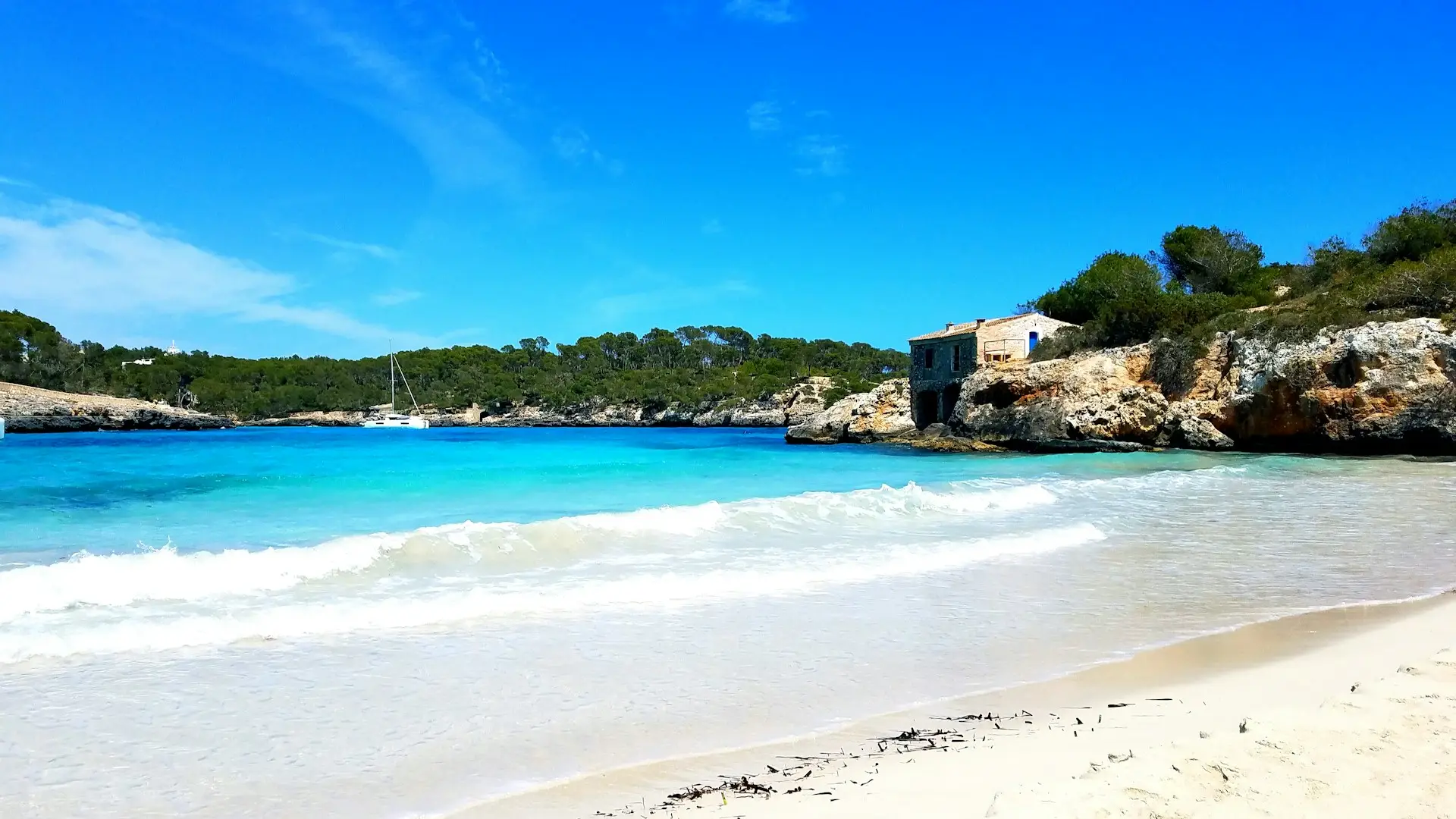 🏖️ Mallorca
200+ beaches: dramatic coves and Es Trenc's pristine sands
Sa Calobra, reached by 27 hairpin bends or by boat, ends in a narrow gorge opening onto a limestone cove. Es Trenc is 6km of undeveloped white sand and dunes, Cala Mondragó a protected natural-park cove, and Alcúdia Bay 10km of gently shelving sand perfect for families.
- Don't miss
- Es Trenc, Cala Mondragó, Sa Calobra
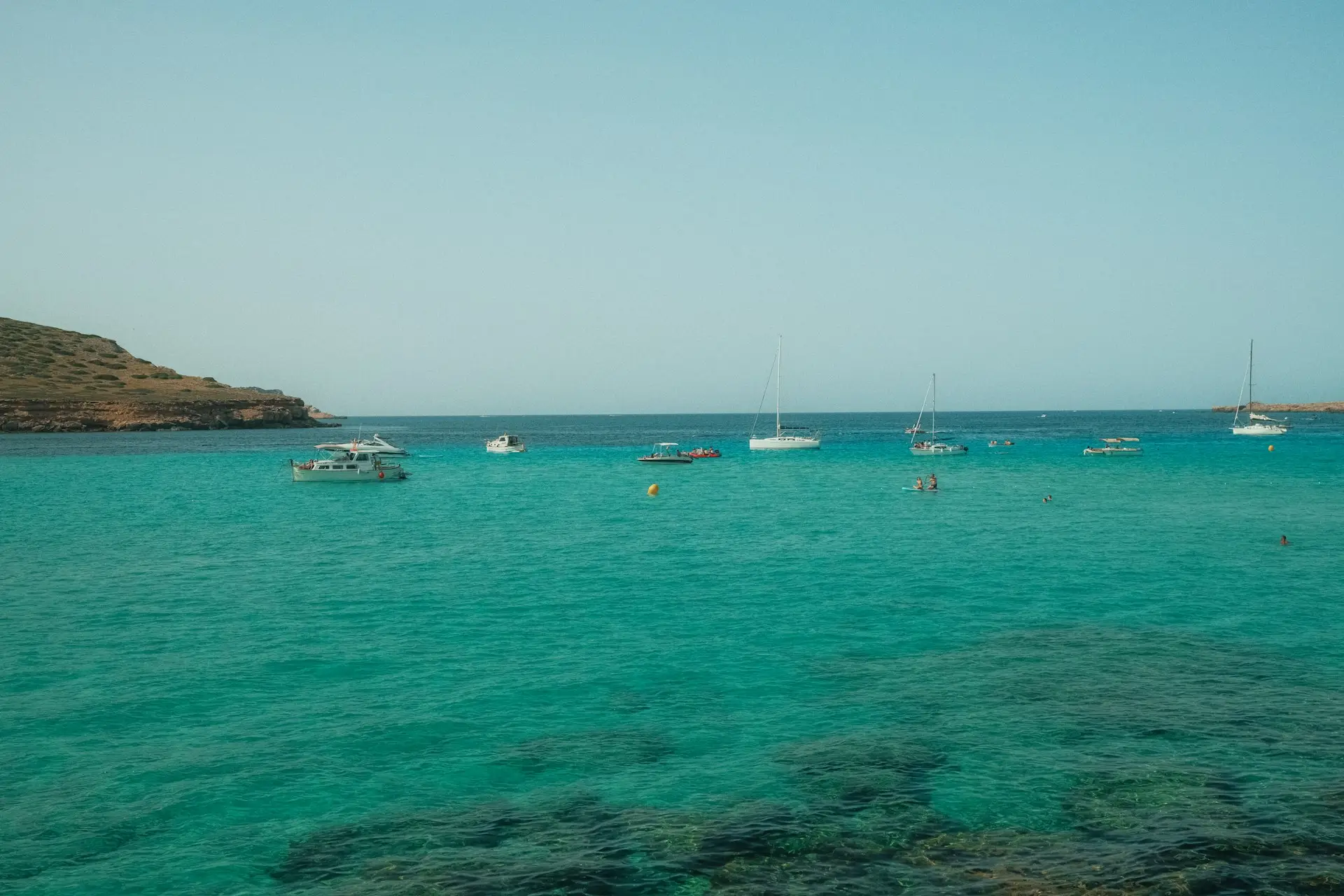 🎧 Ibiza
Cala Conta, Ses Salines and the crystal north
Cala Conta on the west coast is the standout, flat limestone platforms, shallow turquoise water and pine-covered islets, especially at sunset. Ses Salines is backed by salt flats with Formentera on the horizon. Excellent at the top end, but fewer options overall.
- Don't miss
- Cala Conta, Ses Salines, Cala Benirrás
Round 2 of 10
Nightlife
Ibiza wins, emphatically
Ibiza invented modern club culture. Mallorca has nightlife. These are not the same thing.
 🏖️ Mallorca
Palma's cocktail bars and beach clubs, lively but not Ibiza
Palma's old town hides some of Spain's best craft cocktail bars and rooftop terraces, and the Paseo Marítimo has beach clubs running late. Magaluf sits at the other end, budget package-tourism nightlife for its own audience. Good for a holiday island, but not a club destination.
- Go-to areas
- Palma old town, Puerto Portals
 🎧 Ibiza
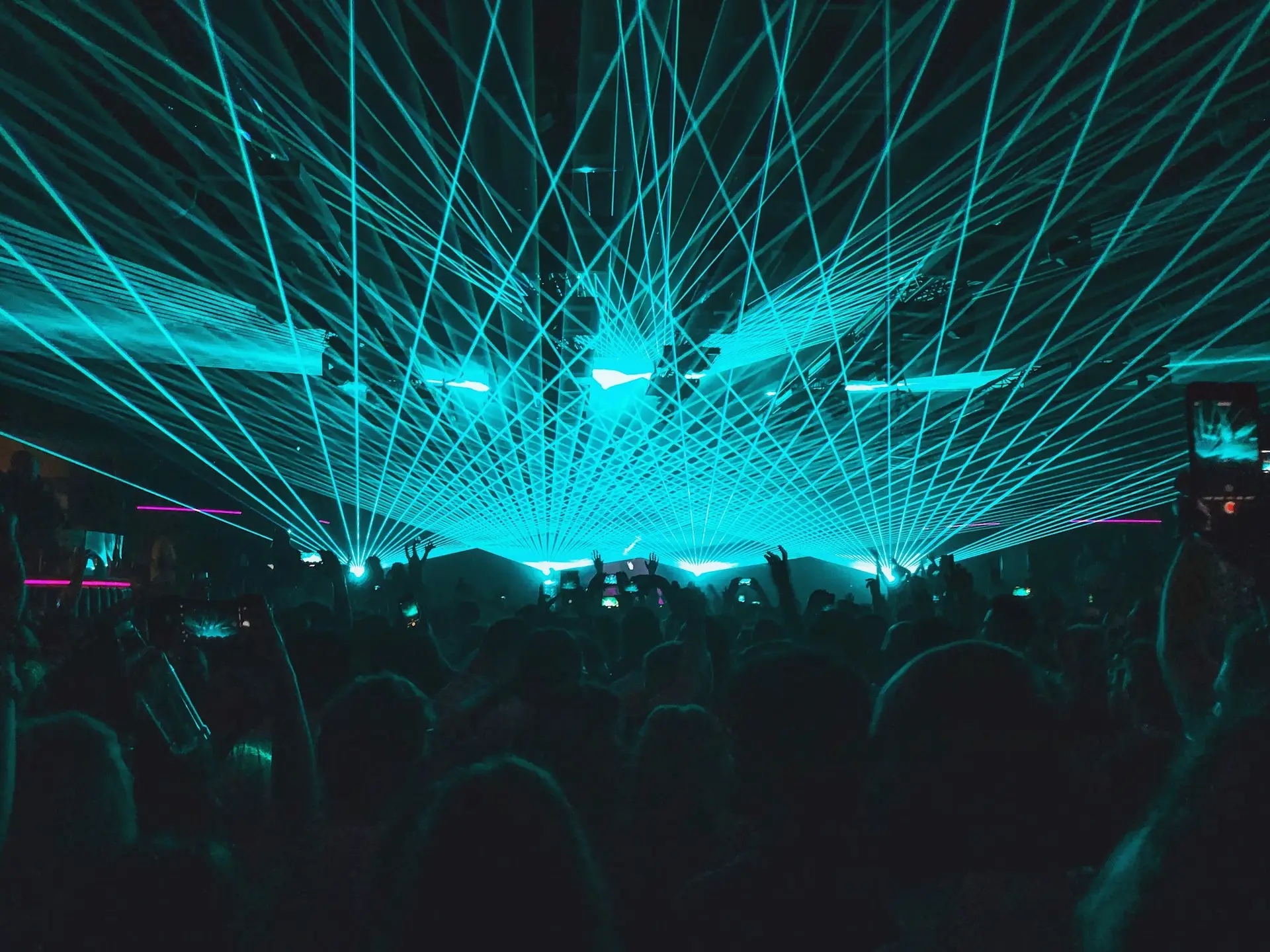
Ushuaïa, Pacha, Amnesia, Hï and DC10
Ushuaïa is an open-air stadium club with residencies by the world's top DJs, Hï is considered among the greatest indoor venues for electronic music, and Amnesia's Cocoon nights have run for over 20 years. Entry runs €30–80 and drinks €15–25, but the product is in a different category from any other club destination.
- Go-to venues
- Ushuaïa, Hï, Amnesia, DC10
Round 3 of 10
Scenery, countryside and culture
Mallorca wins
Beyond the beaches and the clubs, both islands have genuine interior beauty, though Mallorca's is more varied.
 🏖️ Mallorca
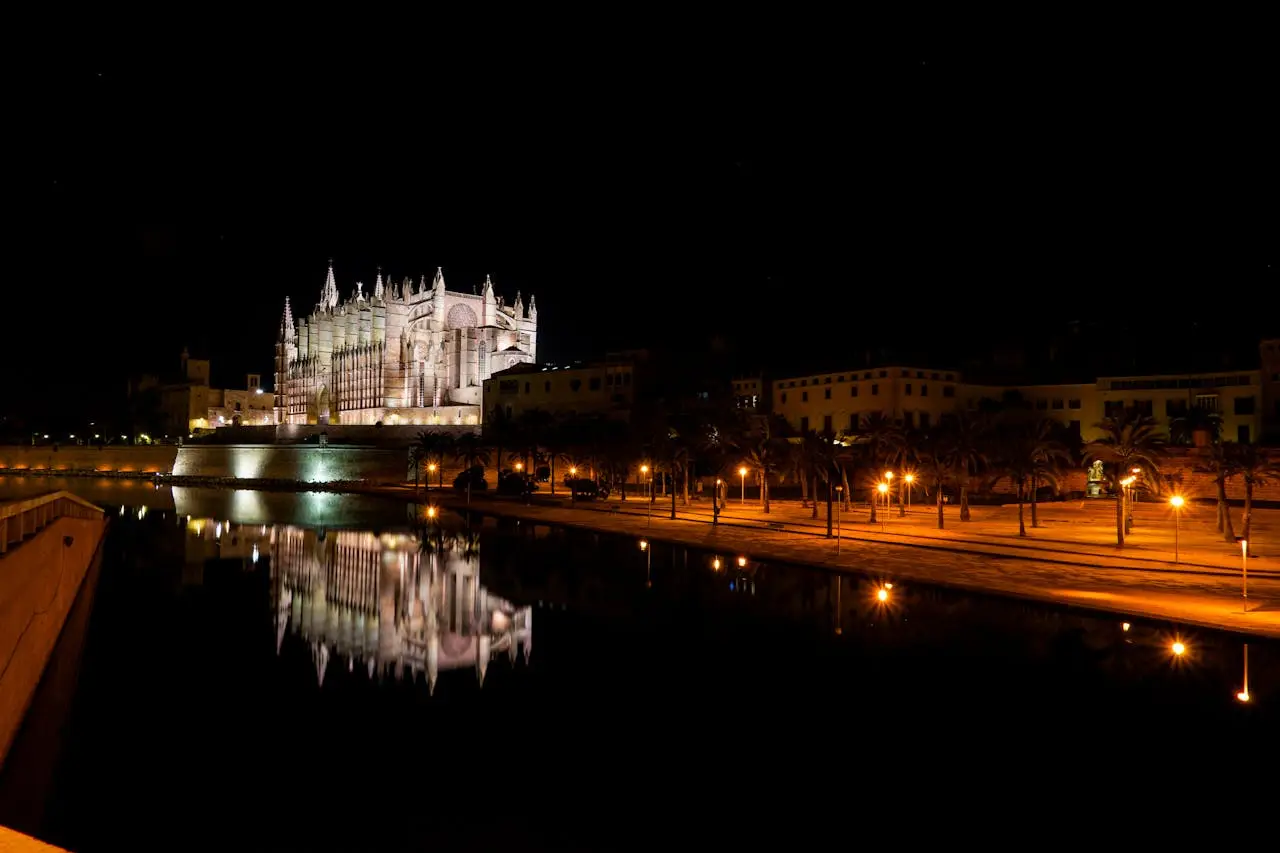
The Serra de Tramuntana, Deià and Palma's Gothic Cathedral
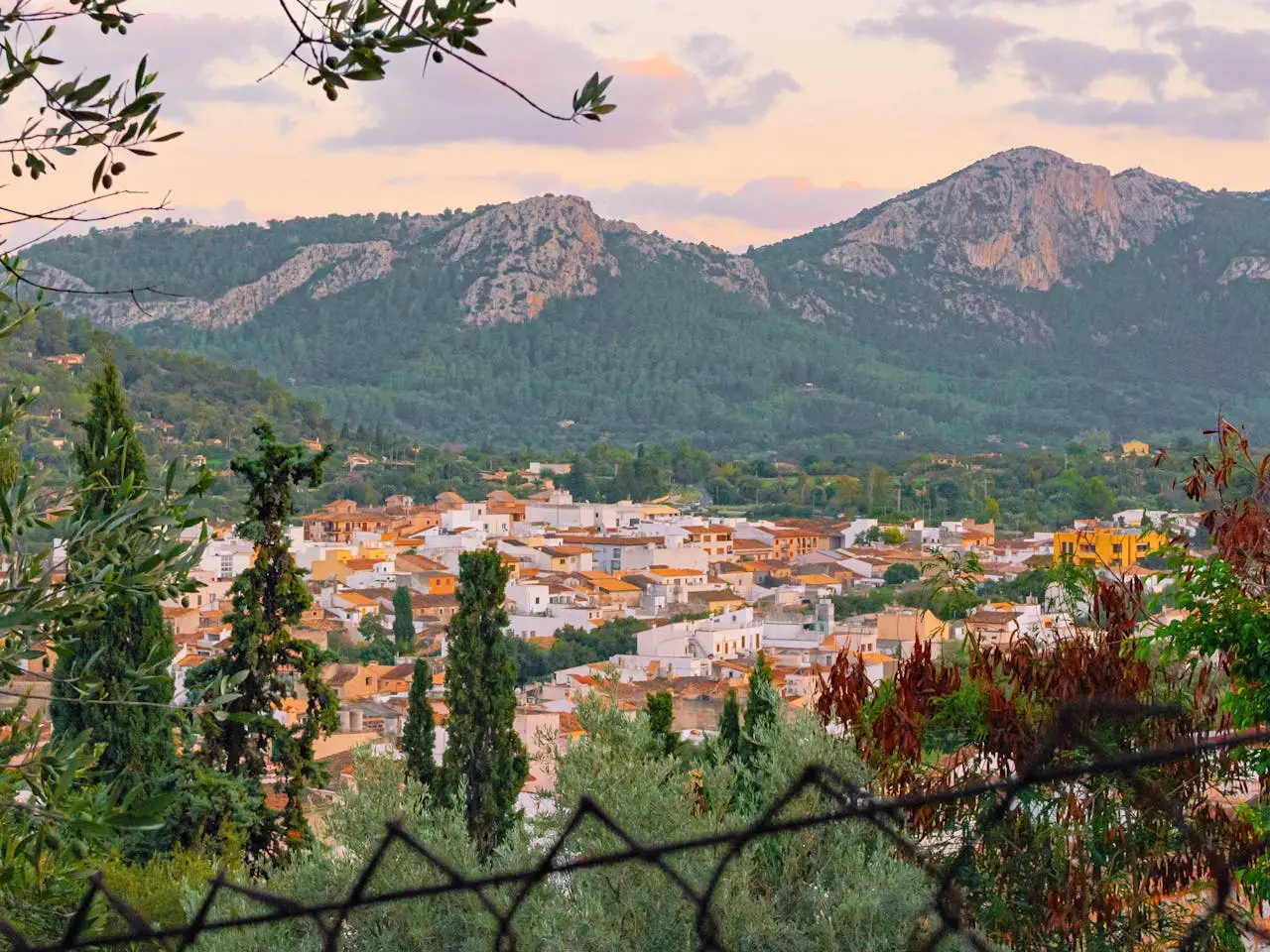
The Tramuntana runs 90km along the northwest coast with UNESCO-protected terraced olive groves. Deià has drawn artists since Robert Graves settled there, Valldemossa's monastery hosted Chopin, and Sóller is reached by a historic wooden tram. Palma adds a Gothic cathedral, a Moorish palace and a serious restaurant scene.
- Don't miss
- Deià, Valldemossa, La Seu cathedral
 🎧 Ibiza
Es Vedrà, Dalt Vila and the hippie north
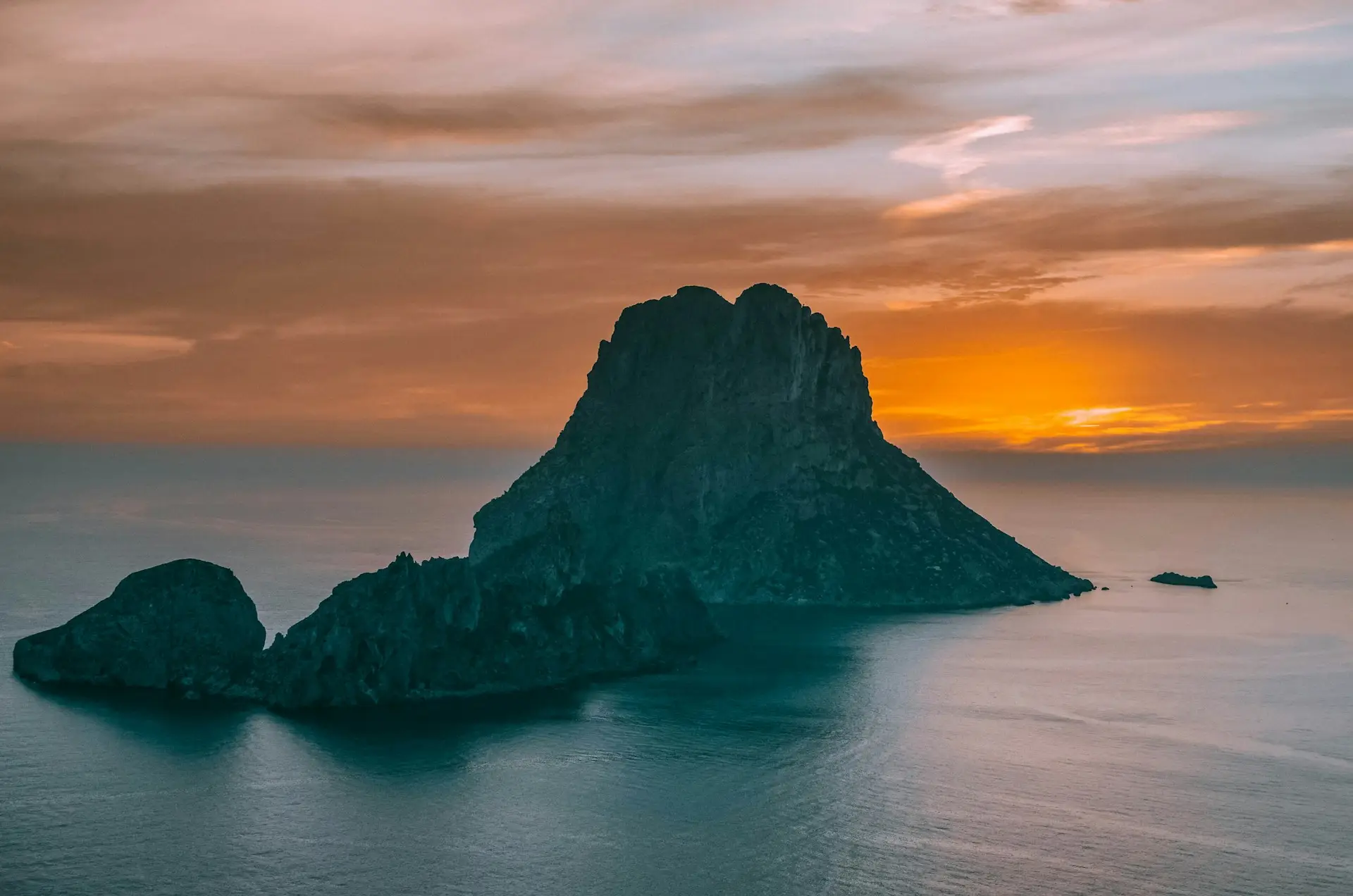
The UNESCO-listed Dalt Vila is a medieval walled town above the harbour with exceptional views toward Formentera. Es Vedrà, a 413m sea stack wrapped in legend, is best seen by boat at sunset, and the pine-covered north has hippie markets at Las Dalias and Punta Arabí. Beautiful, on a smaller canvas.
- Don't miss
- Dalt Vila, Es Vedrà, Las Dalias market
Round 4 of 10
Families and children
Mallorca wins, significantly
One island is built for families. The other is built for something else.
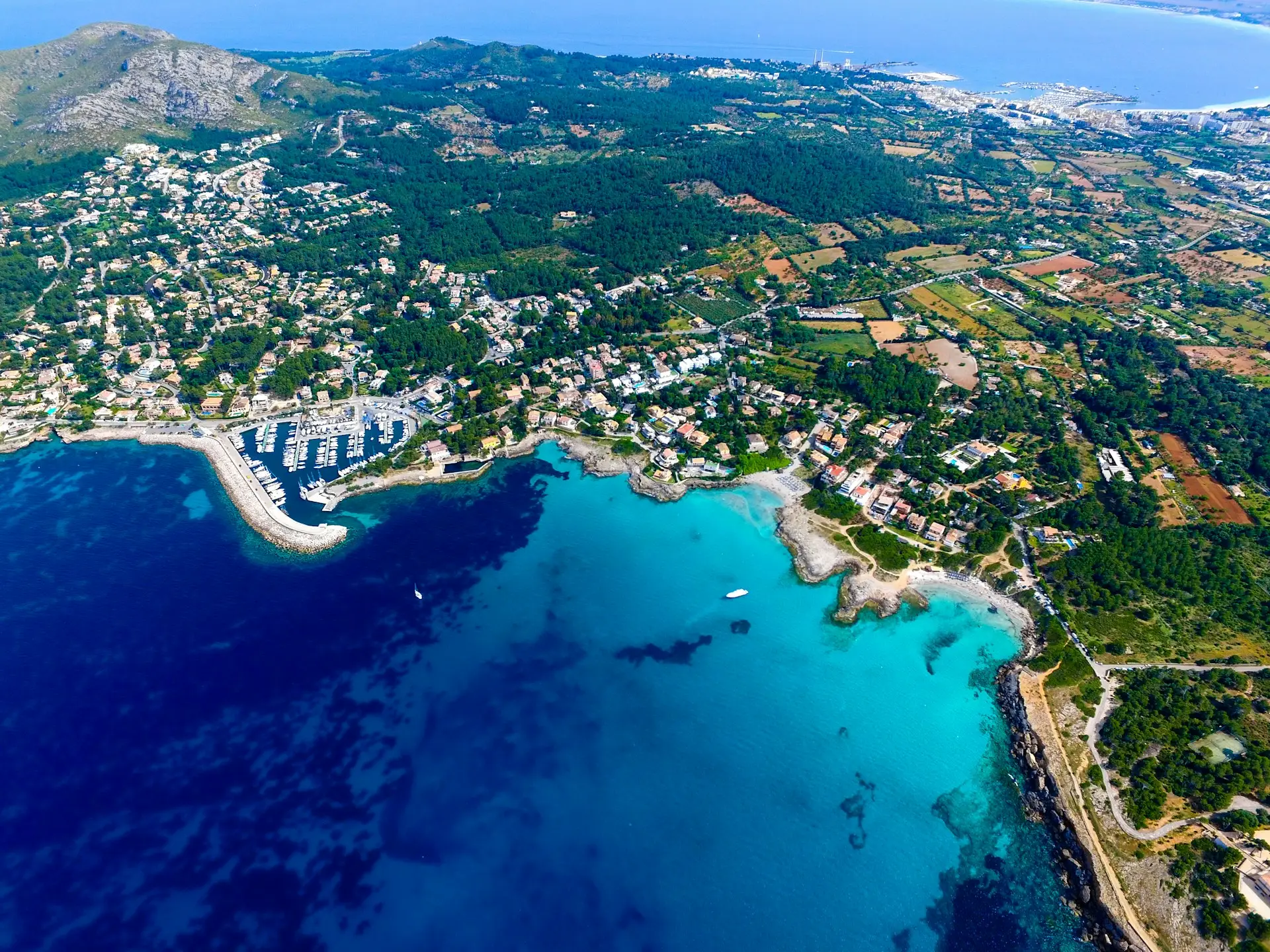 🏖️ Mallorca
One of Europe's best family island destinations
Alcúdia Bay's shallow, calm water is purpose-made for young children. The Drach Caves hold one of the world's largest underground lakes, water parks fill a full day, and the flat Via Verde trails suit all ages. Accommodation ranges from all-inclusive resorts with kids' clubs to rural fincas with private pools.
- Don't miss
- Alcúdia Bay, Drach Caves, Palma Aquarium
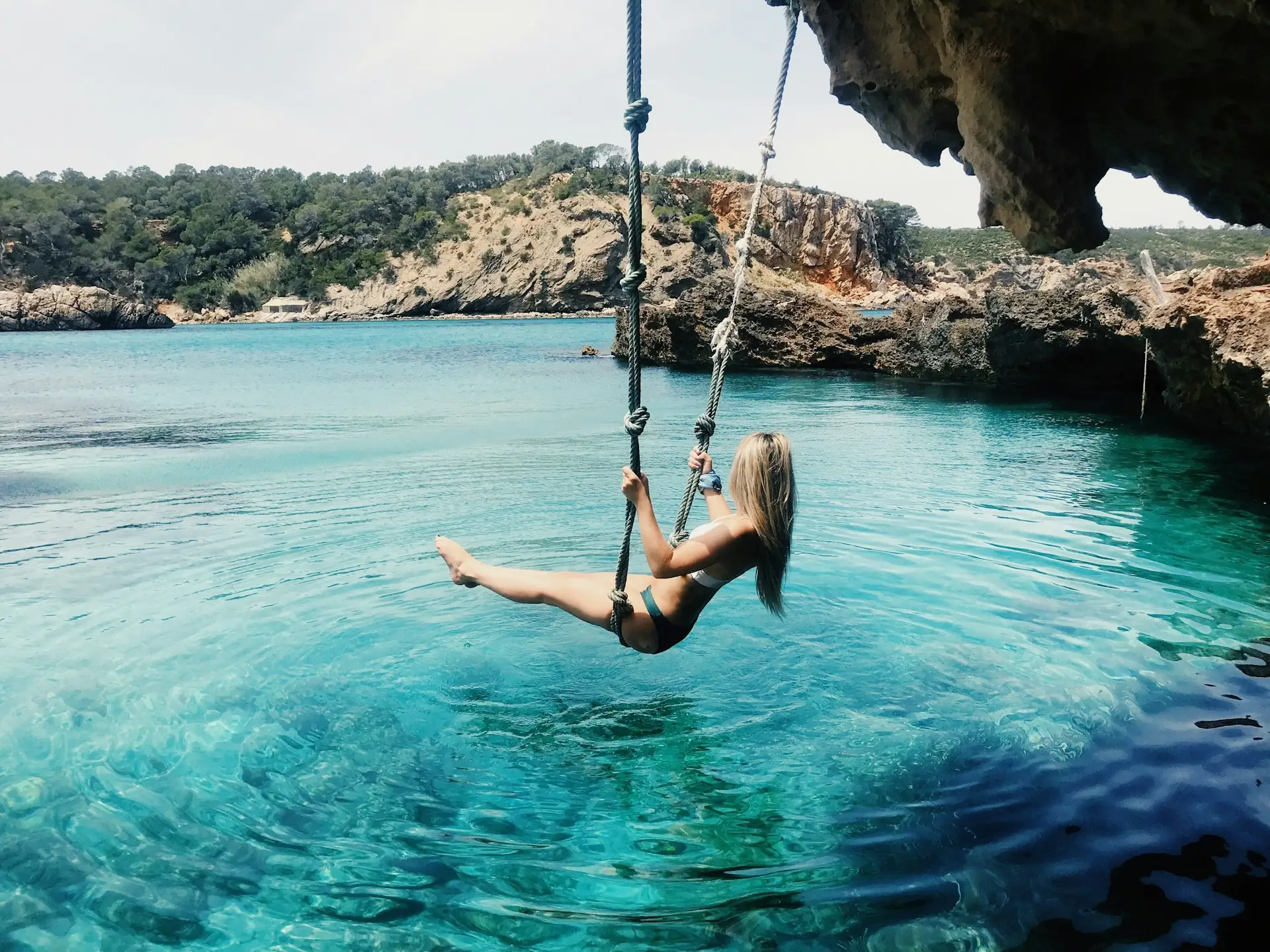 🎧 Ibiza
Possible in the quiet north, but not what the island is built for
Santa Eulàlia and the rural north are calm and suitable, with a pedestrianised waterfront and relaxed beaches. But against Mallorca's water parks, shallow family beaches, cave tours and all-inclusive resorts, Ibiza's family offering is significantly thinner.
- Best base
- Santa Eulàlia
Round 5 of 10
Food and eating
Mallorca wins
Palma has quietly become one of Spain's best food cities. Ibiza's restaurant scene is excellent but smaller.
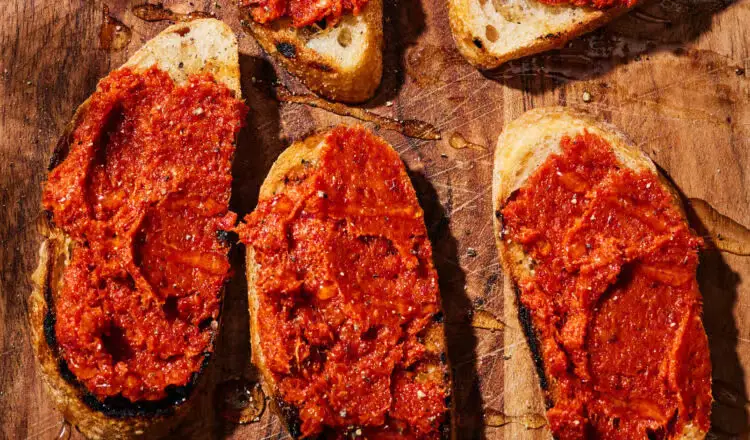 🏖️ Mallorca
Palma's food scene and a genuine Mallorcan tradition
Sobrasada, pa amb oli, flaky ensaïmada and tumbet give Mallorca its own cuisine, and Palma's Mercat de l'Olivar is one of Spain's finest food markets. Restaurants range from stone-vaulted traditional cellers to Michelin-starred modern cooking, with Manto Negro reds from Binissalem on the wine list.
- Must eat
- Sobrasada, pa amb oli, ensaïmada
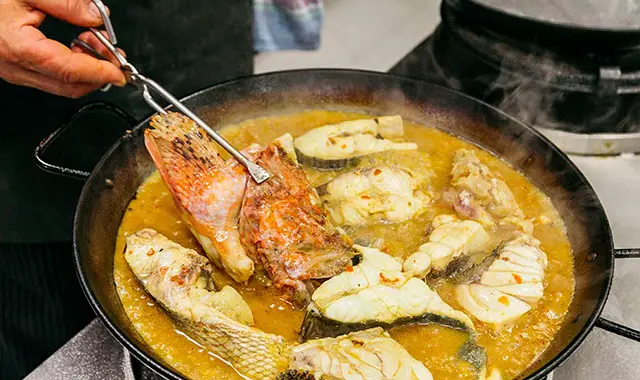 🎧 Ibiza
Bullit de peix, beach club dining and harbour restaurants
Bullit de peix, a saffron fish stew followed by a rice course, is the signature dish, and the La Marina harbour restaurants are atmospheric. Beach clubs like Jockey Club combine good food with beautiful settings, and hierbas ibicencas is the local digestivo. Enjoyable, but without Palma's depth.
- Must eat
- Bullit de peix, fresh harbour fish
Round 6 of 10
Which is cheaper, Mallorca or Ibiza?
Mallorca wins
Both islands are premium in peak season, but Ibiza adds the club circuit on top of everything else.
| Typical cost | 🏖️ Mallorca | 🎧 Ibiza |
|---|---|---|
| Budget accommodation | €40–80/night | €60–120/night, little true budget |
| Mid-range hotel | €80–180/night | €120–280/night, peak |
| Luxury villa / hotel | €300–1,000+/night | €400–2,000+/night |
| Restaurant dinner | €20–40/person | €30–60/person |
| Club entry | n/a | €30–80/person |
| Club drinks | n/a | €15–25 per drink |
| Beach club day pass | €20–40 | €40–100+ |
| Shoulder-season saving | 30–40% in May/Sep | 40–50% outside club season |
Typical 2026 prices in euros, excluding flights.
The Ibiza club budget: a serious week on the circuit, 3–4 club nights with entry and drinks, adds €400–700+ on top of accommodation and flights. For many visitors that is the point. For those who assume Ibiza is a generic beach holiday, it can be a shock. If you're going for beaches and scenery, Mallorca or Formentera offers better value.
Round 7 of 10
Things to do beyond the beach
Different strengths
Mallorca leads on active and inland options; Ibiza on boat trips, markets and sunset culture.
| Activity | 🏖️ Mallorca | 🎧 Ibiza |
|---|---|---|
| Cycling | The Sa Calobra and Formentor climbs, Europe's most celebrated | Quiet back roads, fewer famous routes |
| Hiking | The Tramuntana, including the GR 221 trail | Gentle coastal and pine-forest walks |
| Boat trips | Sa Calobra and coves by boat | Es Vedrà sunset cruises and Formentera day trips |
| Markets | Palma's Mercat de l'Olivar | Las Dalias and Punta Arabí hippie markets |
| Caves and museums | Drach Caves, Palma cathedral and museums | Dalt Vila museums and ramparts |
| Sunsets | Good along the west coast | Café del Mar and Es Vedrà, world-famous |
Honest verdict: a real split. Active and cultural travellers get more on Mallorca; sunset-and-atmosphere travellers get more on Ibiza.
Round 8 of 10
Getting around
Mallorca wins, narrowly
A hire car unlocks both islands. Mallorca has the better public transport for those without one.
Buses, a historic tram and a big car-hire market
Palma airport is the busiest in Spain, with frequent buses to major resorts and Palma itself, the wooden tram to Sóller, and cheap car hire for reaching the remote coves and mountain villages. Driving the Tramuntana is an experience in itself, though roads are narrow.
Compact, but taxis and cars dominate
Ibiza is small and the airport is 7km from Ibiza Town, but bus coverage is thinner and taxis are expensive in peak season. Hire cars and scooters are common, and in July and August parking at popular beaches fills early. Book ferry crossings to Formentera well ahead.
Round 9 of 10
When to go: the best time for Mallorca and Ibiza
A genuine tie
Both share the same Mediterranean climate. May–June and September–October are the sweet spots for both.
Shoulder season wins: sea temperatures of 22–26°C, fewer crowds and prices 30–50% below August. July and August reach 28–35°C and are best only if the Ibiza club circuit at full capacity is the goal. Both islands run reduced services from November to April, though Palma is worth visiting year-round.
Round 10 of 10
Is Mallorca or Ibiza safer for tourists?
A draw
Both are very safe, with low violent crime. The real risks are petty theft and nightlife-area excess.
🏖️ Mallorca: what to watch
- Petty theft on crowded Palma streets and busy beaches; keep bags in view.
- Magaluf excess Heavy drinking and balcony accidents in party strips have caused serious injuries; know your limits.
- Mountain roads The Tramuntana is narrow and cyclist-heavy; drive carefully.
- Sun and heat July and August heat is intense inland.
🎧 Ibiza: what to watch
- Drink spiking and overcharging at a small minority of venues; stick to known clubs and bars.
- Ticket touts and fake club tickets are common; buy entry directly or from official sellers.
- Petty theft at crowded beach clubs and on the club circuit.
- Sun and dehydration after all-day beach-club sessions is a bigger everyday risk than crime.
In both places, ordinary precautions cover nearly everything. The biggest hazards are self-inflicted, alcohol and sun.
Which is better for specific trips?
Mallorca for families, cyclists, foodies and first-timers. Ibiza for clubbers, sunset chasers and those seeking a bohemian escape.
Families with children
Mallorca
Alcúdia Bay, the Drach Caves and all-inclusive family resorts have no Ibiza equivalent.
Clubbers and DJ fans
Ibiza
The world capital of electronic music, at its best from June to October.
Cyclists and hikers
Mallorca
One of Europe's most celebrated cycling islands, year-round.
Sunset lovers
Ibiza
Café del Mar and Es Vedrà are among the Mediterranean's most famous sunsets.
First-time Balearic visitors
Mallorca
The widest variety of beaches, scenery and culture on a single island.
Budget-conscious travellers
Mallorca
A wider price range and no club budget on top.
Bohemian, seclusion seekers
Ibiza
The quiet north and its hippie markets, especially in shoulder season.
Foodies
Mallorca
Palma's markets and restaurants, plus Mallorcan wine from Binissalem.
Can you combine Mallorca and Ibiza in one trip?
Yes, and it's one of the Mediterranean's most popular island combinations. A ferry takes about 4.5 hours, or a flight 30 minutes.
Mallorca: nights 1 to 5
- Nights 1–2
Palma. The cathedral, old-town cocktail bars and the Mercat de l'Olivar.
- Nights 3–4
Tramuntana. Deià, Valldemossa and the tram to Sóller, with a swim at Sa Calobra by boat.
- Night 5
Es Trenc. A south-coast beach day before the ferry or flight to Ibiza.
Ibiza: nights 6 to 9
- Nights 6–7
Ibiza Town. Dalt Vila at sunset, harbour dinners and a club night if that is the goal.
- Night 8
The north. Cala Benirrás, Las Dalias market and a finca lunch.
- Night 9
Formentera (optional). A 30-minute ferry to the Balearics' clearest shallow water.
Book ahead: summer ferries sell out, especially in July and August. Adding Formentera as a third stop makes a classic Balearic island hop.
Verdict: Mallorca or Ibiza?
There's no single overall winner. The decision matrix is simple: clubs or everything else.
Choose Mallorca if…
Mallorca, for variety, families and scenery
The right choice for almost everyone not specifically coming for the Ibiza club circuit: the better first Balearic visit, family destination, beach destination and food destination.
- Families with children, infrastructure built for it
- Beaches are the primary focus, 200+ coves
- Scenery matters, the Tramuntana and Deià
- Palma is on the itinerary
- Budget is a consideration
- Cycling, hiking or active holidays
Choose Ibiza if…
Ibiza, for clubs, sunsets and the world's best DJ circuit
The right choice when the club circuit is the specific reason for the trip and the budget allows, or for a quieter, bohemian escape in the north in shoulder season.
- The club circuit is specifically the goal
- Ushuaïa, Pacha, Amnesia or Hï are on the list
- Sunsets at Café del Mar or Es Vedrà
- Dalt Vila's UNESCO old town
- The bohemian north and hippie markets
- Combining with Formentera
Weigh it for your own trip
Select everything that matters to you.
Pick what matters on this trip and the needle will move.
Mallorca vs Ibiza: frequently asked questions
Is Mallorca or Ibiza better for beaches?
Mallorca wins by volume, variety and the quality of its best coves. Over 200 beaches and coves, from the limestone gorge of Sa Calobra to the 6km undeveloped Es Trenc and the protected Cala Mondragó. Ibiza's Cala Conta and Ses Salines are outstanding, but the total variety is smaller.
Is Mallorca or Ibiza better for nightlife?
Ibiza wins, emphatically. From June to October it is the world capital of electronic music, with Ushuaïa, Pacha, Amnesia, Hï and DC10 hosting the global elite of dance music. Mallorca's Palma cocktail scene is excellent, but for club culture Ibiza is the unambiguous choice.
Is Mallorca or Ibiza better for families?
Mallorca is significantly better. Alcúdia Bay's shallow water, water parks, the Drach Caves, family cycling routes and all-inclusive resorts cater for every age. Ibiza can work in the quiet north around Santa Eulàlia, but its infrastructure is built around the club circuit.
Is Mallorca or Ibiza more expensive?
Ibiza is consistently more expensive, especially in July and August and around the club circuit: entry is €30–80, drinks inside clubs €15–25. Mallorca's range is wider, from budget package resorts to €1,000/night villas. Both drop 30–50% in shoulder season.
Is Mallorca or Ibiza better for a couple?
Both work well. Mallorca suits couples who want scenery, village hopping, cycling and food; Ibiza suits couples who want sunsets, beach clubs and a livelier evening scene, especially in the quieter north in shoulder season.
Can you get around Mallorca and Ibiza without a car?
Mallorca is easier, with frequent buses to major resorts and Palma and the tram to Sóller. Ibiza has thinner bus coverage and pricey peak-season taxis, so a hire car or scooter is more useful there.
What is the best time to visit Mallorca and Ibiza?
May–June or September–October for both: sea temperatures of 22–26°C, fewer crowds and prices 30–50% below August. July and August are hottest (28–35°C) and best only if the Ibiza clubs at full capacity are the goal. Mid-September is ideal for Ibiza: clubs still open, sea warm, crowds gone.
Can you combine Mallorca and Ibiza in one trip?
Yes. A ferry from Palma to Ibiza Town takes about 4.5 hours, or flights take 30 minutes. Many travellers spend 4–5 nights in Mallorca then 3–4 in Ibiza, and Formentera is a 30-minute ferry from Ibiza. Book summer ferries well in advance.
There's no wrong answer here
Mallorca and Ibiza are compared so often because they share a sea and almost nothing else. Pick on what you want from this trip: variety, families and mountains, or one extraordinary summer of music and sunsets. Better still, do both, they're a short hop apart.