About Mallorca
Far More Than a Beach Holiday
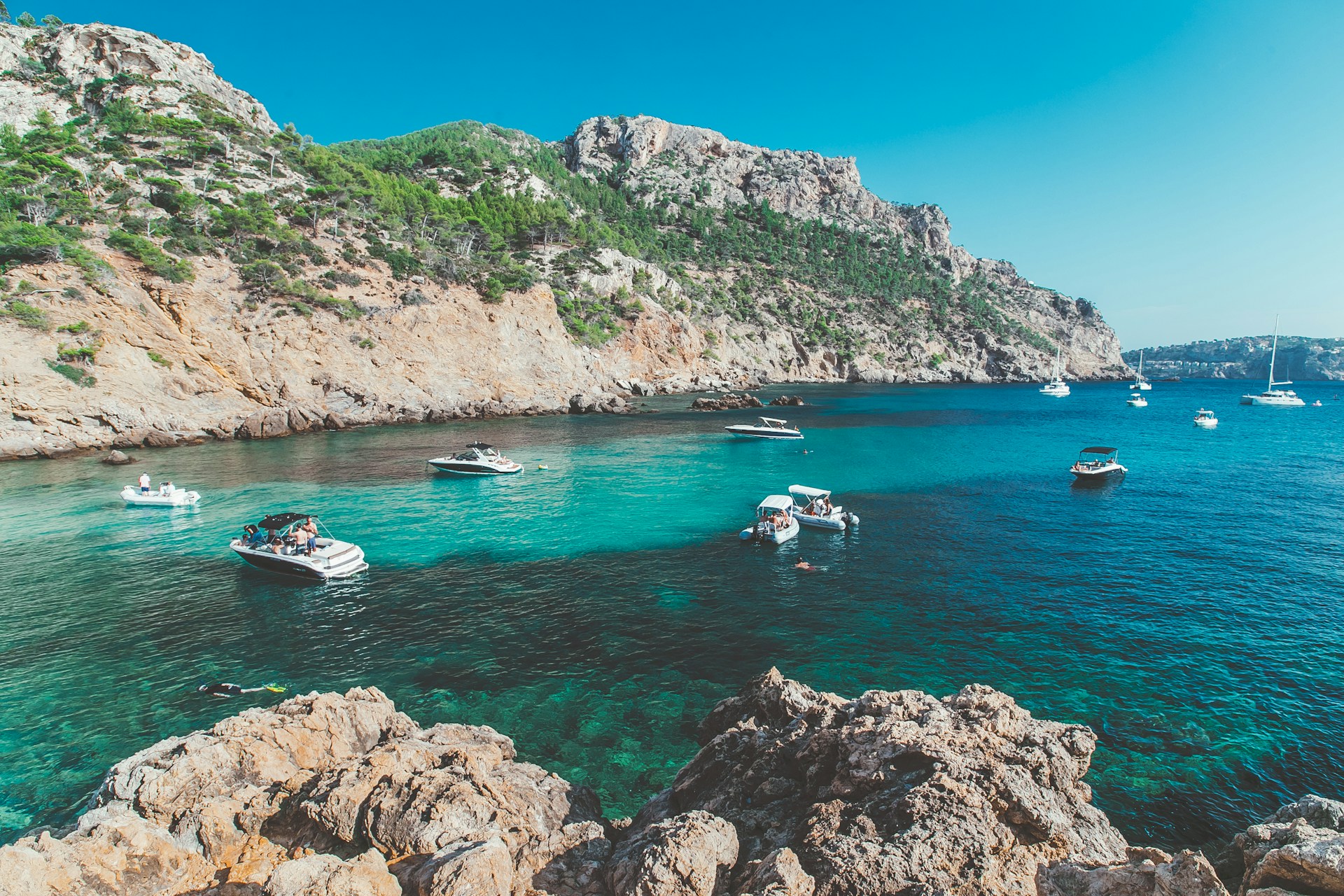
Mallorca's reputation as a package-holiday destination has long obscured what the island actually is: one of the most varied and rewarding places in the entire Mediterranean. Yes, the beaches are extraordinary — 262 of them, from the wide sandy crescents of the north to the secret turquoise coves of the east coast, carved into limestone cliffs and accessible only by boat or on foot. But that is the merest surface of an island that contains multitudes.
The Serra de Tramuntana — a UNESCO World Heritage mountain range running the length of the northwest coast — is one of the most dramatic landscapes in Spain. Ancient terraced olive groves cling to near-vertical slopes above fishing villages that have barely changed in a century. The road from Andratx to Pollença along the mountain spine is one of the finest drives in Europe. The hilltop village of Valldemossa, where Chopin spent a winter composing, and Deià, where Robert Graves lived for most of his life, are two of the Mediterranean's most beautiful villages.
Palma de Mallorca, the capital, surprises almost everyone who arrives expecting a resort town. A real Catalan city of 450,000 people, it has a Gothic cathedral of staggering scale, a Moorish palace, some of the best tapas bars in Spain, a thriving contemporary art scene, and a waterfront that has been transformed into a genuinely elegant promenade. Given three days in Palma, most visitors wish they had given it a week.
🏨 Find Hotels in Mallorca