
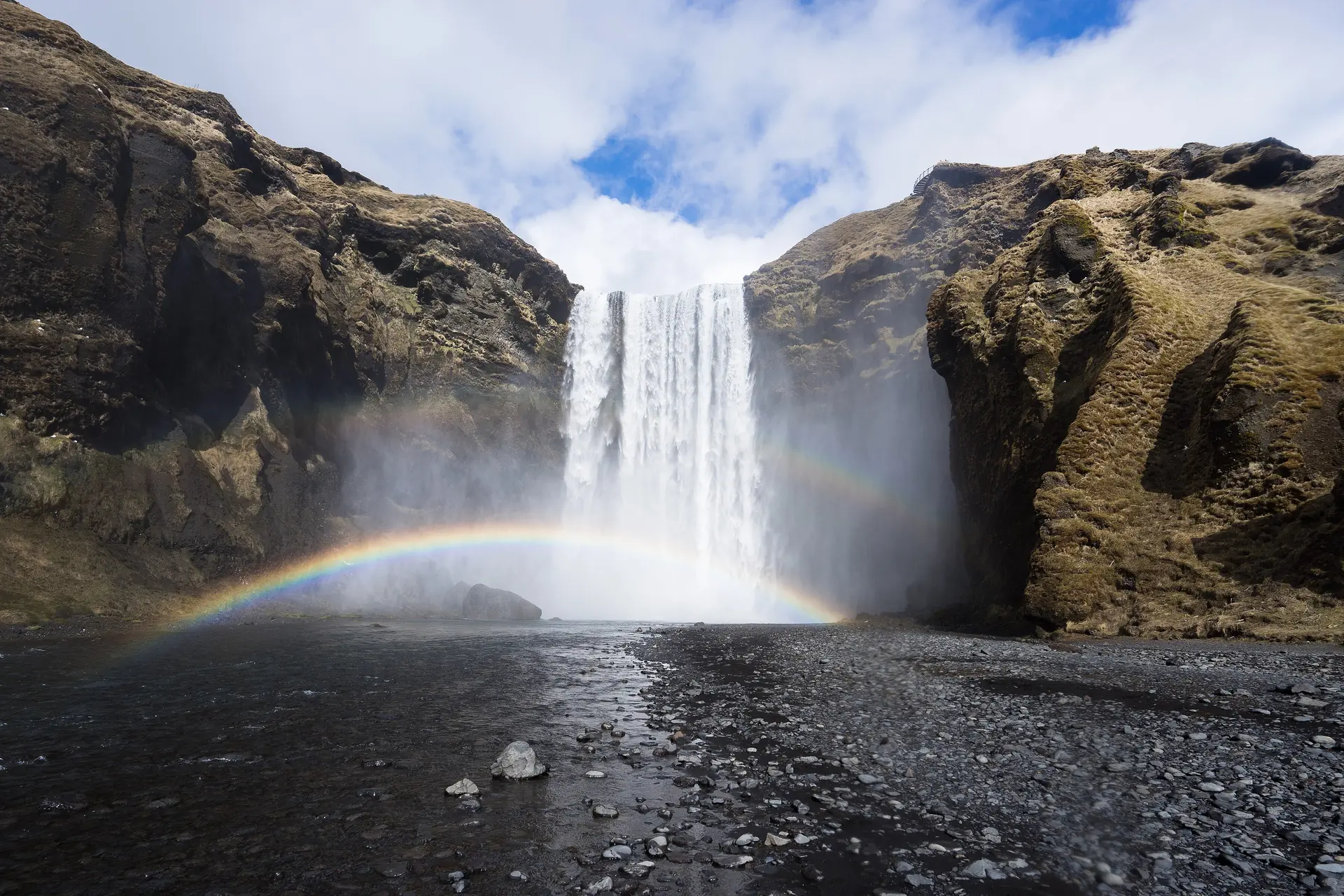
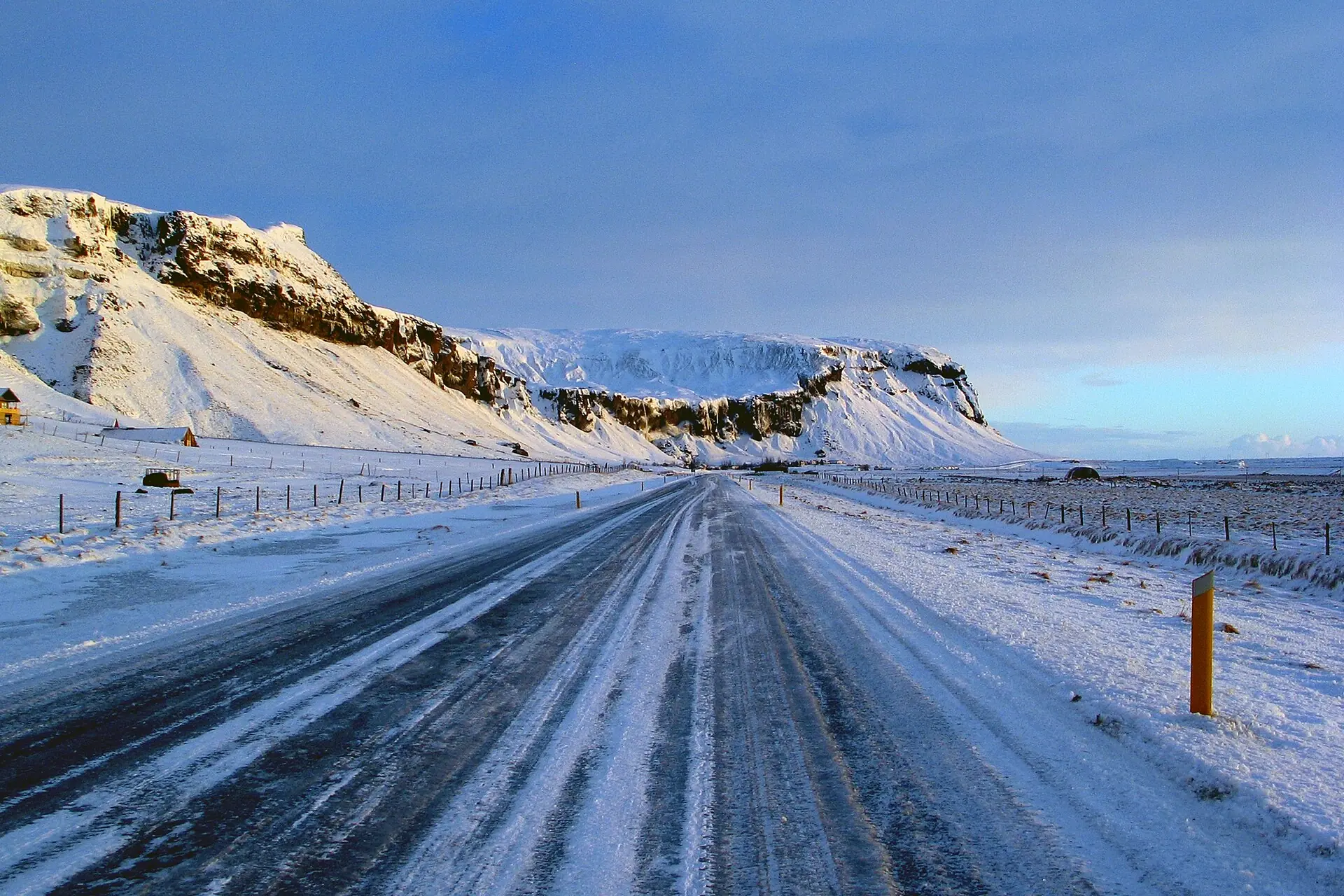
Iceland summer vs winter at a glance
Eleven rounds, scored honestly. Summer takes access, daylight, wildlife and driving; winter takes the Northern Lights, lower prices and fewer crowds. Select a category to jump to the full comparison.
| Category | SummerWinter |
|---|---|
| The eleven rounds | |
| SceneryWaterfalls and the Highlands vs snow and ice caves | Summer, narrowly |
| Daylight & weatherAbout 20–24 hours of daylight vs 4–7 | Summer, clearly |
| Northern LightsAurora needs darkness, from about September to early April | Winter, emphatically |
| Crowds & bookingJuly and August fill up fast | Winter, clearly |
| CostPeak summer rooms and rental cars vs the lowest prices of the year | Winter, clearly |
| WildlifePuffins and whales vs arctic foxes | Summer, clearly |
| Things to doHighlands and hiking vs ice caves and glaciers | A genuine tie |
| Getting aroundF-roads and the full Ring Road vs icy roads | Summer, clearly |
| Food & hot poolsSame menu, better soaking in the cold | Winter, narrowly |
| Safety & healthNatural risks are higher in winter | Summer, narrowly |
| FamiliesLong days vs pools and snow | Summer, narrowly |
| Best for | |
| First-time visitorsEverything open and the easiest driving | Summer |
| Budget travellersLowest prices of the year for rooms and rental cars | Winter |
| Northern Lights huntersThe only season with a dark sky | Winter |
| OverallNo outright winner, it comes down to what you want to see | Depends on your priorities |
One island, two completely different trips
Iceland changes more between seasons than almost any destination in Europe. The same waterfalls, black sand beaches and glaciers are there all year, but the daylight, the roads and what is open are not.
June to August: near-24-hour daylight and the whole map open
June through August brings near-24-hour daylight, the mildest weather, whale watching at its best and full access to the Highlands, but also peak prices and the biggest crowds at marquee sites. Reykjavik averages around 13°C in July.
September to March: aurora, lower prices and short days
September through March flips the trade-off: real odds at the Northern Lights, noticeably lower prices, but as little as 4 to 5 hours of daylight in December and January and winter driving conditions that demand real caution. Reykjavik averages around 0°C in January.
Key facts side by side
| Fact | ☀️ Summer | ❄️ Winter |
|---|---|---|
| Core months | June to August | November to February (aurora from about September) |
| Daylight | About 20–24 hours | About 4–7 hours |
| Reykjavik average | Around 13°C in July | Around 0°C in January |
| Northern Lights | No dark sky | Strong odds, September to early April |
| Highlands (F-roads) | Open roughly June to September, 4x4 only | Closed |
| Prices | Peak | Lowest of the year |
| Visa, most Western passports | None, up to 90 days (Schengen) | None, up to 90 days (Schengen) |
| Currency | Icelandic króna (ISK) | Icelandic króna (ISK) |
Figures from the Atlas Guide Iceland guide (August 2026) and the sources noted in the text; check road.is and vedur.is for current conditions.
Round 1 of 11
Scenery
Summer wins, narrowly
Green slopes and full waterfalls against snow, ice and low sun. Winter is spectacular, but summer shows you more of the country.
 ☀️ Summer
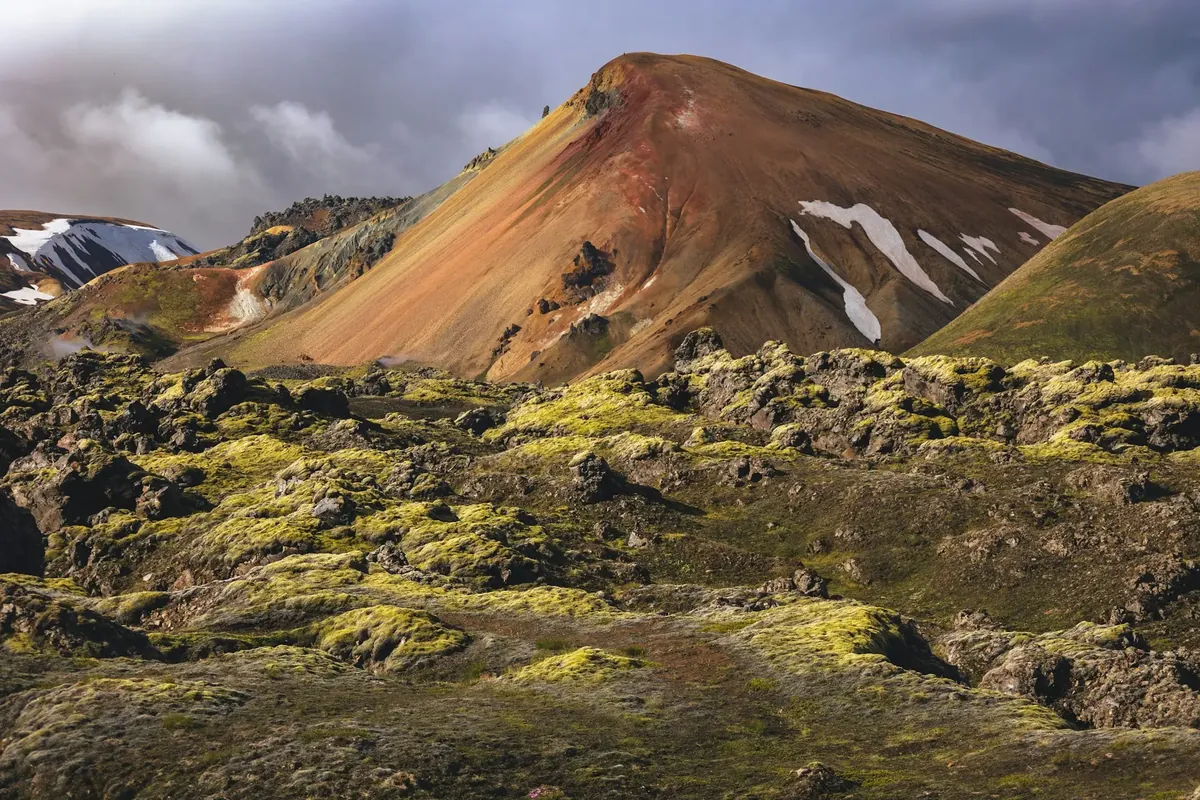
The Highlands, moss and waterfalls you can walk up to
Summer is the only time the interior Highlands are open, with Landmannalaugar's rhyolite mountains and moss-covered lava reached by 4x4 on F-roads. Waterfalls like Seljalandsfoss (where you can walk behind the falling water) and Skógafoss (a 60-metre curtain) are also easy to reach and approach.
- Don't miss
- Landmannalaugar, Seljalandsfoss, Skógafoss
 ❄️ Winter
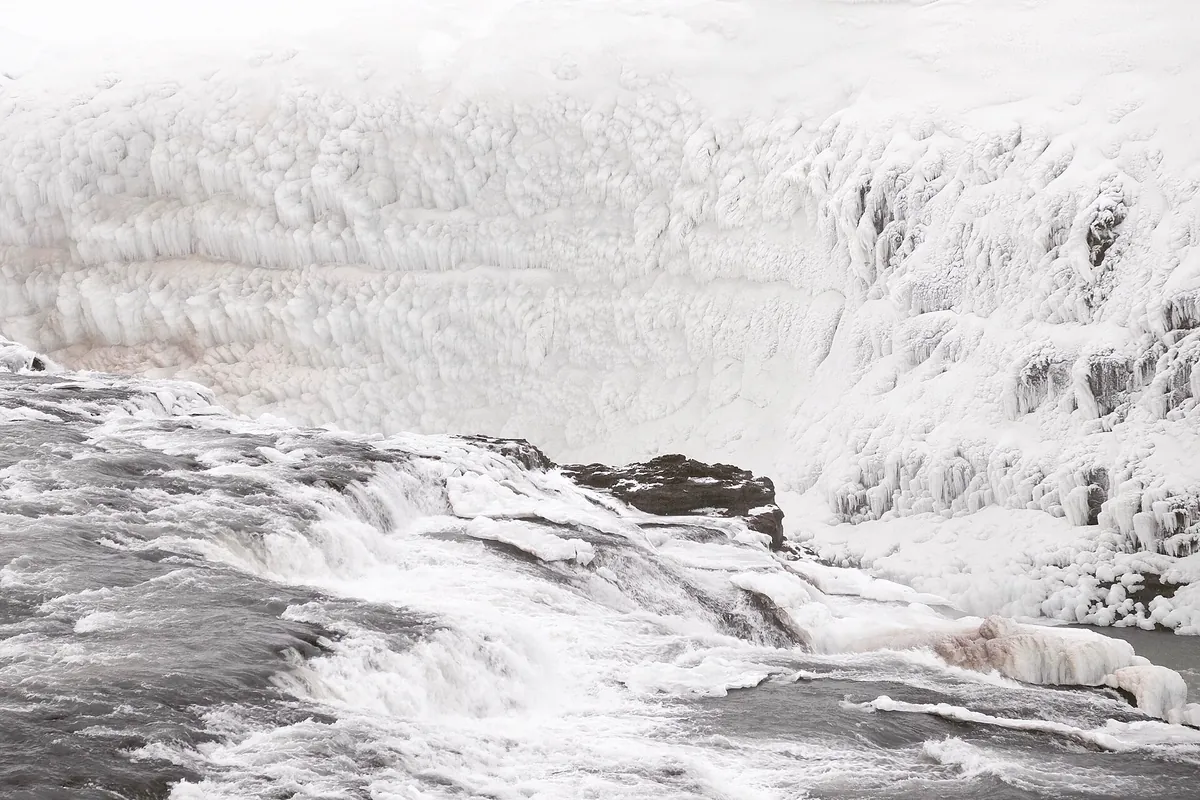
Frozen falls and white mountains, from a distance
Snow turns Gullfoss and the coast into a monochrome landscape and creates the natural ice caves, but many waterfalls can only be viewed from a safe distance because they are too slippery to approach, and the Highlands are closed. The reward is a quieter, starker Iceland.
- Don't miss
- Frozen Gullfoss, Jökulsárlón ice caves
Honest verdict: Winter looks different rather than worse, and photographers often prefer it. But summer opens every region at once, which is why it takes the round.
Round 2 of 11
Daylight and weather
Summer wins, clearly
This is the biggest practical gap between the seasons. Summer gives you around 20 to 24 hours of daylight and mild weather; winter gives you 4 to 7 hours and wind chill.
| Months | Daylight | What to expect |
|---|---|---|
| Jun–Aug | About 20–24 hours | Summer. The sun barely sets; Reykjavik averages around 13°C in July; peak prices; Highlands F-roads open |
| Sep–Oct | About 10–14 hours | Good balance. Lower prices and early Northern Lights chances |
| Nov–Feb | About 4–7 hours (as little as 4–5 in December and January) | Winter. Best for aurora; Reykjavik averages around 0°C in January; lowest prices; winter driving; F-roads closed |
| Mar–May | About 10–17 hours | Variable. Shoulder prices, roads reopening gradually |
Why summer wins: Iceland's weather changes fast in any season, with rain, wind and sun possible within an hour, and "feels like" temperatures run colder because of near-constant wind. In winter that comes with only 4 to 7 hours of light to drive and sightsee in. Reykjavik stays on GMT all year with no daylight saving.
Round 3 of 11
Northern Lights and midnight sun
Winter wins, emphatically
The aurora needs darkness, a clear sky and high activity, and summer simply has no dark sky. The flip side is the near-endless light of the Icelandic summer.
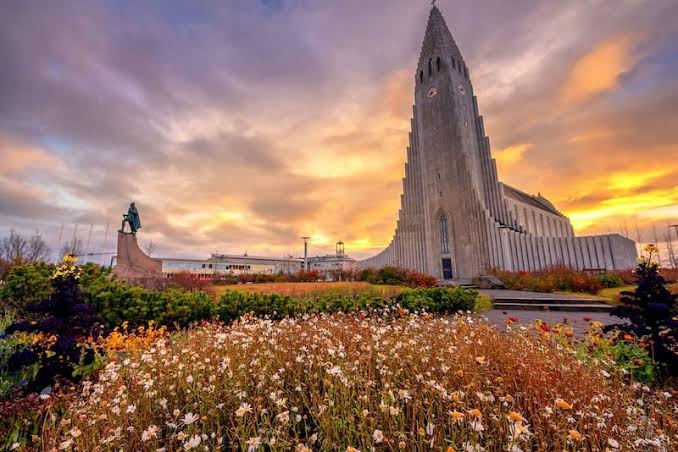 ☀️ Summer
The sun barely sets, but there are no aurora
From mid-May to mid-August the sun barely sets, so you can sightsee, hike and drive late into the evening and fit far more into a day. It is a unique experience in itself, but it means the Northern Lights cannot be seen at this time of year.
- Good for
- Late-evening hikes, long driving days
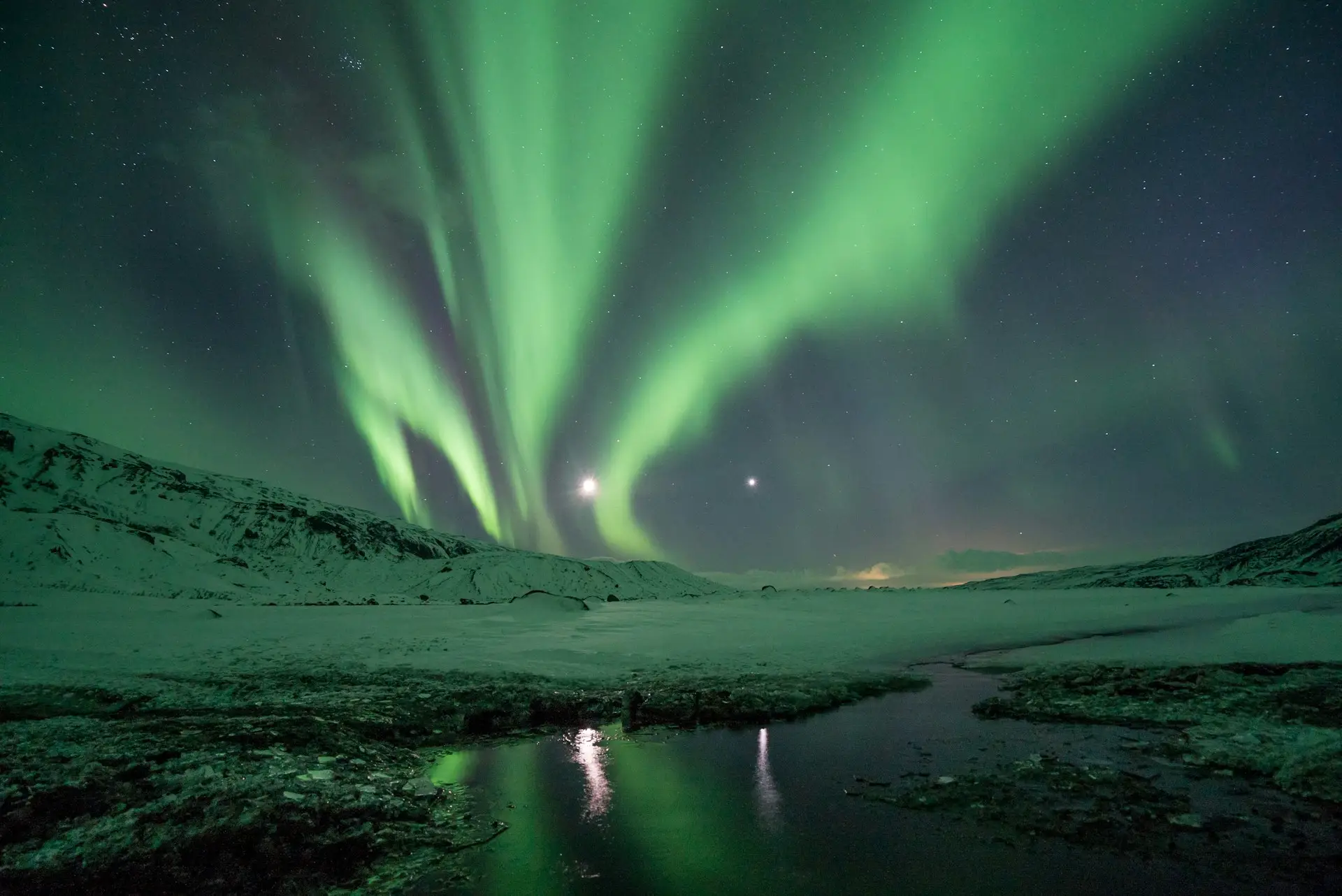 ❄️ Winter
Real odds at the aurora, from September to early April
The aurora season runs from about September to the beginning of April, with the long nights of December to February giving the most hours of darkness. You still need a clear sky and high aurora activity, so check forecasts and allow several nights.
- Good for
- Aurora hunting, Sep–Mar
Plan for it: Aurora is never guaranteed. Even low activity can show something on a clear night, so stay at least several nights and be ready to chase clear skies.
Round 4 of 11
Crowds and booking lead time
Winter wins, clearly
July and August are Iceland's peak, and the country's small hospitality sector runs short. Winter is quieter almost everywhere.
Peak crowds at the marquee sites
July and August fill up fast given Iceland's small hospitality capacity relative to visitor numbers. Restaurants and popular tours should be booked ahead, and room inventory around the Ring Road can genuinely run out, so Akureyri, Höfn and Egilsstaðir need booking well ahead.
- Book by
- Well ahead for July and August
Fewer tourists and emptier attractions
Winter has fewer visitors, so attractions are less busy. The trade-off is that most museums outside Reykjavik only open in high season.
- Book by
- Much shorter lead times
Good to know: Even in winter, the Blue Lagoon, Sky Lagoon, glacier hiking and horseback riding run all year, so quiet does not mean closed.
Round 5 of 11
Which is cheaper, summer or winter?
Winter wins, clearly
Iceland is one of the most expensive countries in Europe in any season, but summer is peak pricing and winter has the lowest prices of the year.
| Category | ☀️ Summer | ❄️ Winter |
|---|---|---|
| Modest hotel room | $180–250 a night in summer | Lowest prices of the year (Nov–Feb) |
| Rental car | Economy $40–80/day in shoulder season; SUV/4x4 $120–200+/day in peak summer | Winter rental prices are lower; an SUV is advisable |
| Daily budget | $130–170/day budget travelling, $250–350 mid-range | Not quoted separately; winter is the lowest-price period |
| Blue Lagoon, Comfort package | ~11,990 ISK ($96) | Runs all year; the guide quotes the same price |
| Casual restaurant meal | $25–35 | $25–35, quoted without a seasonal change |
The saving: The Atlas guide quotes one price for food and attractions, so the seasonal swing is in rooms and rental cars. Prices reflect August 2026 research and drift with the season, so treat them as a planning baseline, not a quote. At time of writing roughly 121 ISK equaled 1 USD.
Round 6 of 11
Wildlife
Summer wins, clearly
Puffins and whales are summer headliners. Winter wildlife is quieter and harder to plan around.
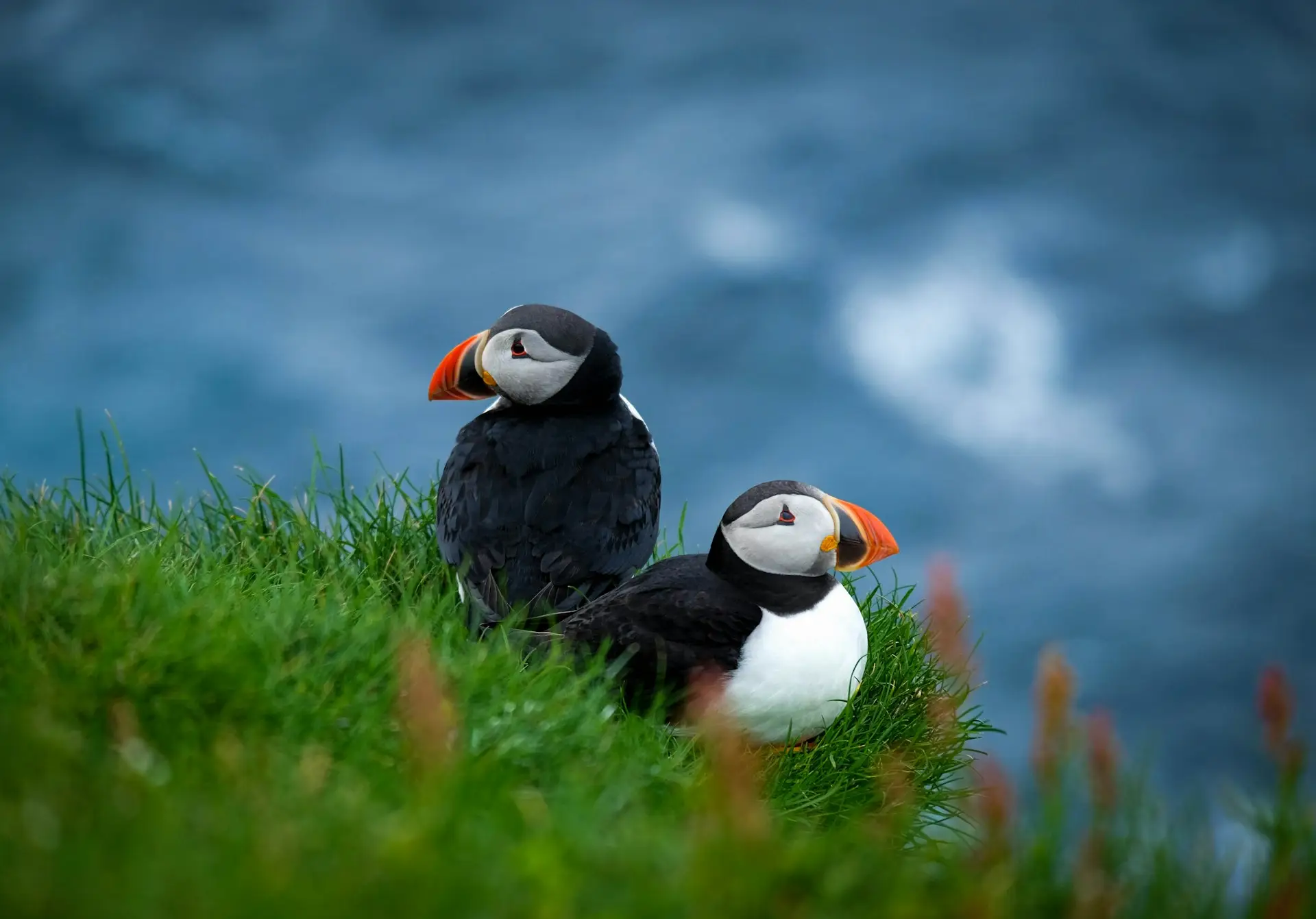 ☀️ Summer
Puffins on the cliffs and the best whale watching
Puffins can only be seen in summer, and the southern coast is the best place for them; the Westman Islands hold one of Europe's largest puffin colonies. Whales can be seen in any season but the chances are much higher in summer, and Húsavík is widely considered Iceland's best whale watching town.
- Don't miss
- Westman Islands puffins, Húsavík whale watching
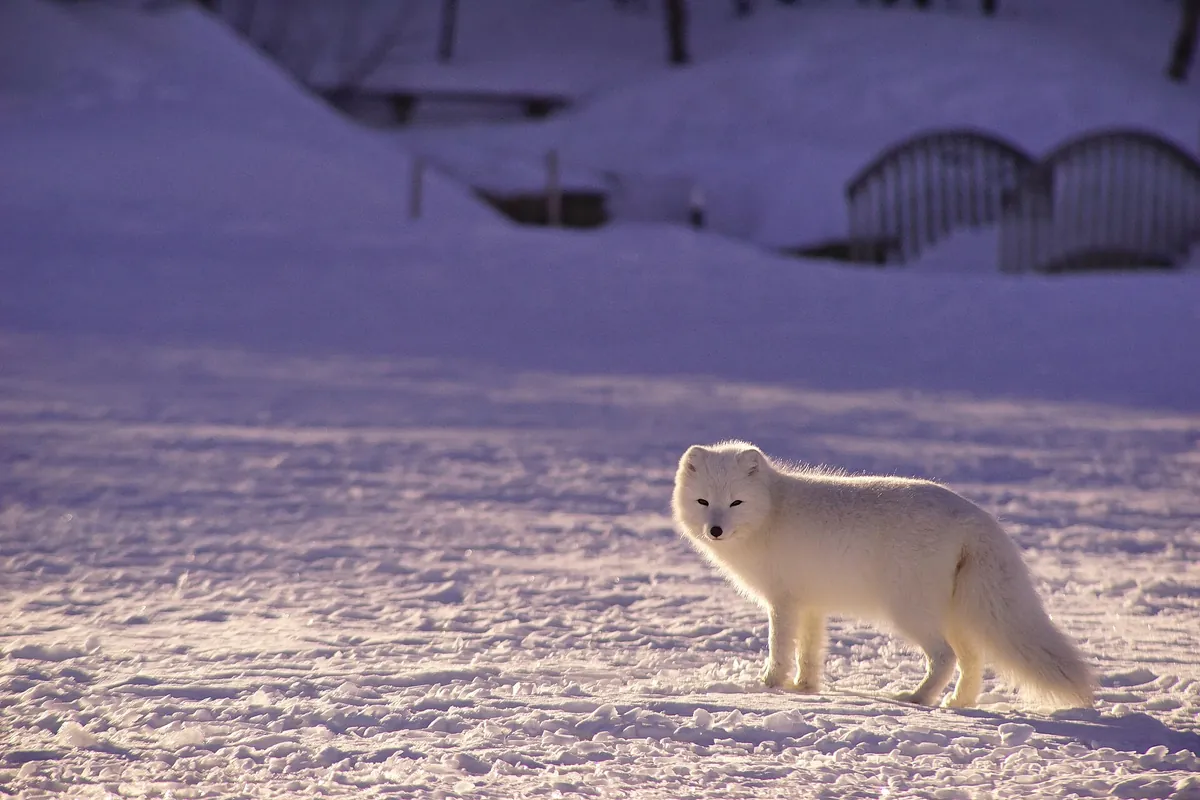 ❄️ Winter
Arctic foxes and a few off-season tours
Whale watching tours do run all year, though the chances are much lower than in summer, and puffins can only be seen in the summer months. Arctic foxes live in Iceland year-round, so there is still something to look for.
- Don't miss
- Arctic fox country, winter whale tours
Honest verdict: If seeing puffins or whales is a priority, go in summer. Whale watching tours cost $91 to $309 depending on the operator and season.
Round 7 of 11
Things to do
A genuine tie
Summer has the Highlands, hiking and boat trips; winter has ice caves, aurora tours and snowy landscapes. Different lists of things to do, comparable depth.
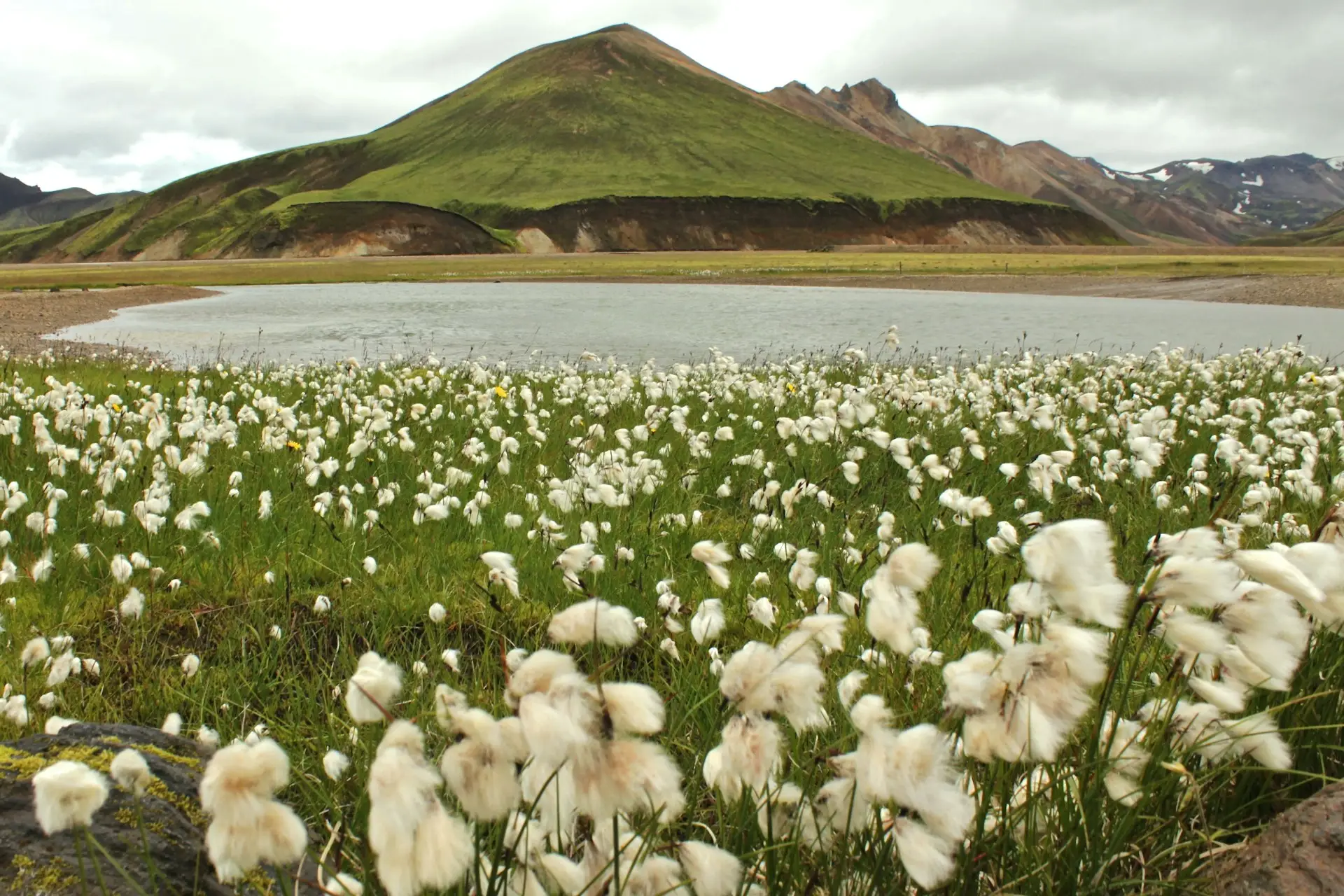 ☀️ Summer
Highlands hikes, ferry rides and long road trips
Summer is the only time the F-roads to Landmannalaugar are open, and puffin colonies such as the Westman Islands are a summer sight, so a two- or three-week Ring Road with a Highlands detour is a summer trip. Hiking and whale watching are at their best.
- Don't miss
- Landmannalaugar, Westman Islands, Westfjords
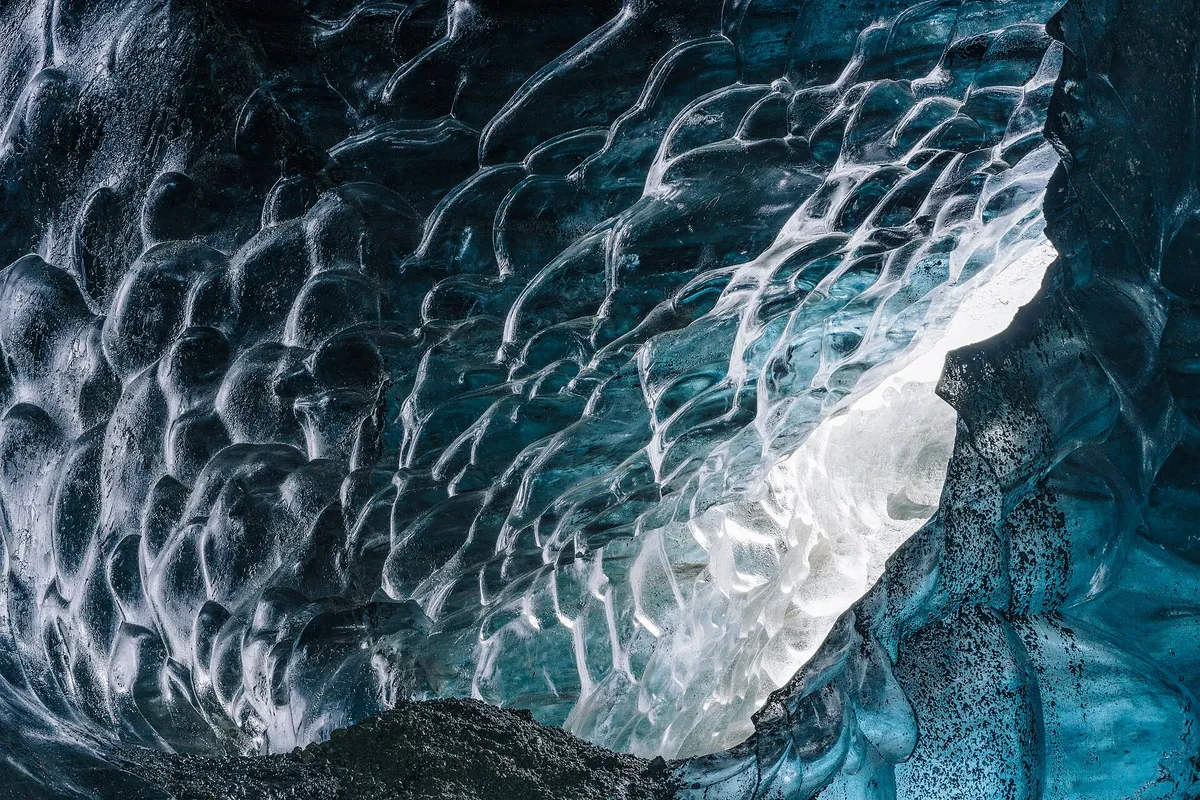 ❄️ Winter
Ice caves, glacier walks and hot water in the cold
Natural ice caves near Skaftafell and Jökulsárlón can only be visited in the coldest winter months, and geothermal pools feel best in cold air. Glacier walks and ice caves should only be done with a certified guide.
- Don't miss
- Jökulsárlón ice caves, geothermal pools
Honest verdict: The Katla ice cave can be visited year-round, and the Blue Lagoon, Sky Lagoon, glacier hiking and horseback riding run in every season. The real difference is which landmarks are open.
Round 8 of 11
Getting around and driving
Summer wins, clearly
A rental car is close to essential outside Reykjavik, and conditions are far easier in summer.
The full Ring Road, no snow to worry about
In summer the complete Ring Road (Route 1, about 1,330 km) can be driven without worrying about snow, and F-roads open from roughly June to September for 4x4s. Weather still matters: check road.is and vedur.is daily.
- Rental
- Economy $40–80/day shoulder; SUV $120–200+ peak
Icy roads, short days and closures
Winter driving is tricky: an SUV is recommended, the smallest car is not, and sections of the interior and even parts of the ring itself can close seasonally. With only 4 to 7 hours of daylight you have far fewer hours to cover distance, so plan extra buffer days.
- Check daily
- road.is and vedur.is
Practical: Standard rental insurance often excludes river crossings and F-road damage, so check the policy specifically. Download the SafeTravel app and file a travel plan for any remote hike.
Round 9 of 11
Food and hot pools
Winter wins, narrowly
Icelandic food barely changes with the season. The difference is how good a hot pool feels.
The same lamb, seafood and skyr
Free-range lamb, fresh cod, haddock and arctic char, skyr and lobster soup are on the menu all year, at the same prices. Summer adds long evenings to enjoy a harbour-side terrace, but nothing new on the plate.
- Must try
- Lobster soup, lamb, pylsur
Soup, hot dogs and a soak in the cold
The best-value eating is the most traditional, a hot dog or a bowl of soup, and both go down better in winter. Nearly every town has a public pool complex with hot tubs, and soaking in steam in cold air is what many people remember most.
- Must try
- Hot lobster soup, town pools
Honest verdict: A small edge for winter because of the pools, but food is not a reason to choose either season.
Round 10 of 11
Safety and health considerations
Summer wins, narrowly
Iceland is among the safest countries in the world in every season. The risks are natural, and winter has more of them.
☀️ Summer: what to watch
- Sneaker waves at Reynisfjara and similar black sand beaches have swept visitors out to sea; never turn your back on the ocean.
- Changeable weather and strong wind: rain, wind and sun can all happen within an hour.
- Geothermal areas like Geysir have boiling water and unstable ground just off the marked paths.
- Off-road driving is illegal and heavily fined, and F-road river crossings are often excluded from standard insurance.
❄️ Winter: what to watch
- Icy roads and closures: check road.is and vedur.is daily and don't push through a closure or a storm warning.
- Only 4 to 7 hours of daylight, so finish drives early and plan around sunset.
- Hidden crevasses under fresh snow make glacier walks and ice caves guided-only.
- Sneaker waves and unstable edges are still a risk at the coast in every season.
In both seasons, Iceland uses one emergency number, 112, with English-speaking operators, and the free 112 Iceland app lets you register your location before heading into remote areas.
Round 11 of 11
Family travel
Summer wins, narrowly
Iceland is an excellent family destination, low-crime and built around the outdoors. Summer is easier with children; winter adds a unique pool-and-aurora appeal.
Long days and easy logistics
Long daylight means kids can be outside late, roads are easy and everything is open. The cost is peak prices and crowds, and keeping young children well back from cliffs, geothermal areas and the ocean at black sand beaches.
Pools, snow and cosy evenings
Public pool complexes with hot tubs and waterslides are cheaper and more local than the lagoons and are a good way to burn energy on a driving day. Short days and icy roads make long drives with children harder, and late aurora nights suit older kids.
In both seasons: pack real layers regardless of season, and note that the mandatory pre-swim shower applies to everyone regardless of age.
Which season is better for specific trips?
Summer for first trips, hikers, wildlife and nervous drivers. Winter for the Northern Lights, ice caves and lower prices.
First-time Iceland visitors
Summer
Everything is open, the driving is easiest and a Golden Circle plus South Coast loop is straightforward.
Northern Lights hunters
Winter
The only season with a dark sky, from about September to early April.
Budget travellers
Winter
Lowest prices of the year for rooms and rental cars, though Iceland is never cheap.
Hikers and Highlands fans
Summer
Landmannalaugar and the other F-road destinations are only open roughly June to September.
Puffin and whale lovers
Summer
Puffins are a summer-only sight and whale chances are much higher.
Ice cave and glacier visitors
Winter
Natural ice caves near Jökulsárlón can only be visited in the coldest months.
Nervous drivers
Summer
No snow on the Ring Road and far longer daylight to drive in.
Families with young children
Summer
Long days, easy logistics and every attraction open.
Sample itineraries for each season
Same island, different rhythm. Summer gives you time for a full Ring Road loop; winter is best kept to the southwest. Pick the tab for your travel window.
Summer: 14 days around the Ring Road
- Days 1–2
Reykjavik and the Golden Circle. Þingvellir, Geysir and Gullfoss, all free to enter.
- Days 3–5
South Coast to Jökulsárlón. Seljalandsfoss, Skógafoss, Reynisfjara, then on to the glacier lagoon and Diamond Beach.
- Days 6–8
East and North. The Eastfjords, then Mývatn's geothermal area and Húsavík for whale watching.
- Days 9–14
Akureyri, Snæfellsnes and back. The "capital of the north", then Kirkjufell and a final lagoon day in Reykjavik.
Winter: 7 days in the southwest
- Days 1–2
Reykjavik. Settle in, Hallgrímskirkja, the Old Harbour and a first aurora attempt on a clear night.
- Day 3
Golden Circle. Þingvellir, Geysir and Gullfoss as a self-drive or organised day tour, checking road.is first.
- Days 4–5
South Coast. Seljalandsfoss, Skógafoss and Vík, overnighting near Vík or Hella, with a guided ice cave tour if conditions allow.
- Days 6–7
Lagoon and Reykjavik. A geothermal soak at the Blue Lagoon or Sky Lagoon and a spare evening for the lights.
Either way: build in buffer days for weather, and check road.is and vedur.is daily. Seven days covers the southwest highlights; two weeks allows a full Ring Road circuit.
Verdict: Iceland in summer or winter?
There's no single overall winner. Summer for a first trip and maximum access; winter for the Northern Lights, ice caves and lower prices.
Choose summer if…
Summer, for access, daylight and easy driving
The right choice when you want to see as much of the island as possible, hike the Highlands, spot puffins and whales and drive without worrying about snow.
- You want the full Ring Road or the Highlands
- Puffins and whale watching are on your list
- You would rather not drive on snow and ice
- You want 20 or more hours of daylight to sightsee in
- You can book early and pay peak prices
- You are travelling with young children
Choose winter if…
Winter, for the Northern Lights and lower prices
The right choice when the aurora is the reason for the trip, when you want ice caves and quiet attractions, and when lower prices matter.
- The Northern Lights are the reason for the trip
- You want to visit a natural ice cave
- Lower prices and fewer crowds matter
- You are happy with 4 to 7 hours of daylight
- You can keep to the southwest and be flexible about weather
- You have already seen Iceland in summer
Weigh it for your own trip
Select everything that matters to you.
Pick what matters on this trip and the needle will move.
Iceland summer vs winter: frequently asked questions
Is Iceland better in summer or winter?
Neither season wins outright, it depends on what you want. Summer (June to August) has about 20 to 24 hours of daylight, the mildest weather, whale watching at its best and full access to the Highlands, but peak prices and the biggest crowds. Winter has real odds at the Northern Lights, natural ice caves and the lowest prices, but only about 4 to 7 hours of daylight and driving conditions that demand real caution. Most first-time visitors who want to see as much of the country as possible are better off in summer; aurora chasers and budget-minded travellers lean towards winter.
When is the best time to see the Northern Lights in Iceland?
The aurora season runs from about September to the beginning of April, and you need three things: darkness, a clear sky and high aurora activity. That is why the midsummer months are out: with around 20 to 24 hours of daylight there is no dark sky. The long winter nights give the most hours of darkness, so December to February is the core window, with early chances in September and October.
How many hours of daylight does Iceland get in summer and winter?
From June to August Iceland has roughly 20 to 24 hours of daylight and the sun barely sets from mid-May to mid-August. In September and October it falls to about 10 to 14 hours, and from November to February it is only about 4 to 7 hours, with as little as 4 to 5 hours in December and January. Reykjavik stays on GMT all year, so the clocks never change.
Is Iceland cheaper in winter than in summer?
Yes. Winter (November to February) has the lowest prices of the year, while June to August is peak season for accommodation and rental cars. Iceland is expensive in any season, with budget travellers managing on roughly $130 to $170 a day, but a modest hotel room costs $180 to $250 a night in summer and rental cars climb to $120 to $200 or more a day for an SUV in peak summer. In shoulder season an economy rental car runs around $40 to $80 a day.
Can you drive the Ring Road in winter?
Yes, but conditions change fast and some roads close. The Ring Road (Route 1) is about 1,330 km, and sections of the interior and even parts of the ring itself can close seasonally. Check road.is and vedur.is every day, consider an SUV rather than the smallest car, and build in spare days for weather. In summer the full loop can be driven without worrying about snow, although weather alerts still matter.
Are the Highlands open in winter?
No. The interior Highlands are reached mostly by unpaved F-roads that need a 4x4 and are only open in summer, roughly June to September depending on snowmelt. Places like Landmannalaugar are a summer trip. Standard rental insurance also often excludes river crossings and F-road damage, so check your policy.
Can you see puffins and whales in Iceland in winter?
Puffins are a summer sight only, and the southern coast is the best place to see them. Whales can in theory be seen in any season, but the chances are much higher in summer, and Húsavík in the north is widely considered Iceland's best whale watching town. Whale watching tours do run all year, so a winter trip is not a guaranteed miss.
Are the ice caves open in summer?
Natural ice caves near Skaftafell and Jökulsárlón can only be visited in the coldest winter months, because they are underwater the rest of the year. The Katla ice cave can be visited year-round. Glacier walks and ice cave trips should only be done with a certified guide, since crevasses are often hidden under fresh snow.
Is Iceland safe to visit in winter?
Yes, Iceland is one of the safest countries in the world and violent crime against visitors is essentially unheard of, in every season. The risks are natural: changeable weather, severe wind, road conditions and hazards near glaciers, cliffs and black sand beaches. Underestimating the weather is the leading cause of visitor rescues, which makes winter, with its short days and icy roads, the less forgiving season.
There's no wrong answer here
Iceland in summer and winter are compared so often because they are two different countries on the same island. Pick on what you want from this trip: the long light, open roads and wildlife of June to August, or the dark skies, ice caves and lower prices of the cold months. If you can, go twice.