
Iceland vs Norway at a glance
Twelve rounds, scored honestly. Norway takes fjords by a landslide; Iceland takes road trips and logistics just as clearly. Most of the rest depends on exactly what kind of Nordic drama you're after. Select a category to jump to the full comparison.
| Category | IcelandNorway |
|---|---|
| The twelve rounds | |
| LandscapesVolcanic drama vs fjord grandeur | Different geological drama |
| Cost & valueCheaper food and free wild camping | Norway, narrowly |
| Culture & citiesOslo and Bergen against Reykjavik alone | Norway, narrowly |
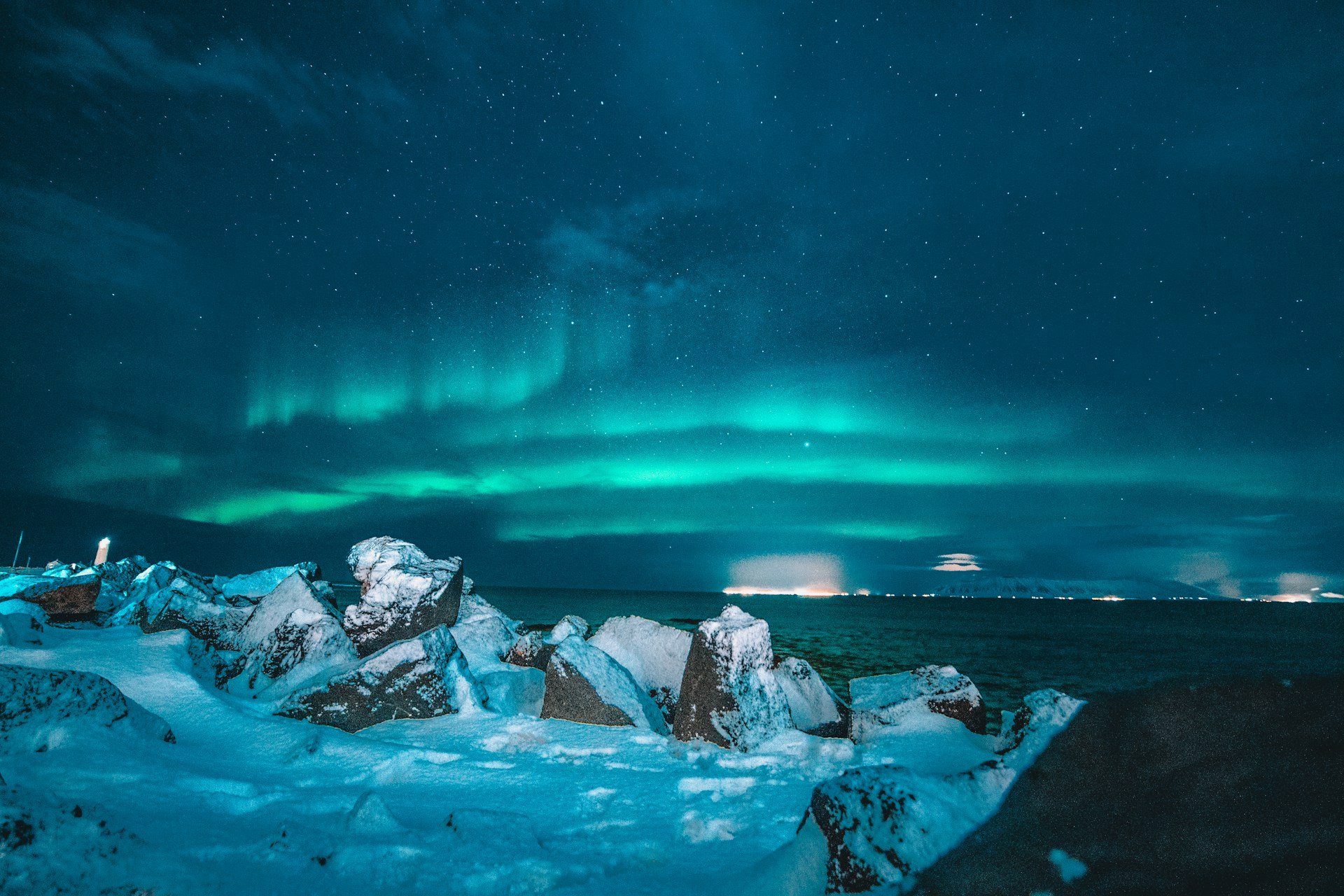
| Northern lightsEasy access vs the most dramatic backdrops | A genuine tie |
| Road tripsOne satisfying loop vs a longer, complex country | Iceland, narrowly |
| Things to doGlacier snorkelling vs cliff-edge hikes | Different kinds of adventure |
| FoodTwo simple, high-quality Nordic kitchens | Draw |
| NightlifeReykjavik's famous runtur weekend | Iceland, narrowly |
| WildlifeOrcas, moose and sea eagles add variety | Norway, narrowly |
| WeatherSame golden shoulder seasons, different extremes | A genuine tie |
| Getting aroundOne loop beats flights, ferries and long drives | Iceland, narrowly |
| SafetyBoth rank among the world's safest countries | Draw |
| Best for | |
| Budget backpackers & campersAllemannsretten, free wild camping nationwide | Norway |
| First-time Nordic visitorsOne island, one road, no logistics puzzle | Iceland |
| Serious hikersTrolltunga, Preikestolen, Besseggen | Norway |
| OverallNo outright winner; it comes down to priorities | Depends on your priorities |
Fire and ice vs the world's greatest fjords
Both countries deliver landscapes of a scale and drama that genuinely exceed expectation, but they're delivering entirely different kinds of overwhelming.
A landscape in constant, visible process
Iceland sits atop the Mid-Atlantic Ridge, where the Eurasian and North American plates separate by 2.5cm a year, and it shows: geysers erupt on schedule, lava fields still radiate heat, and glaciers calve icebergs into lagoons. The Golden Circle, the South Coast and the Ring Road connect it all in a single continuous circuit, and Reykjavik is a small, creative capital with an outsized cultural punch.
1,752km of coastline carved by ice
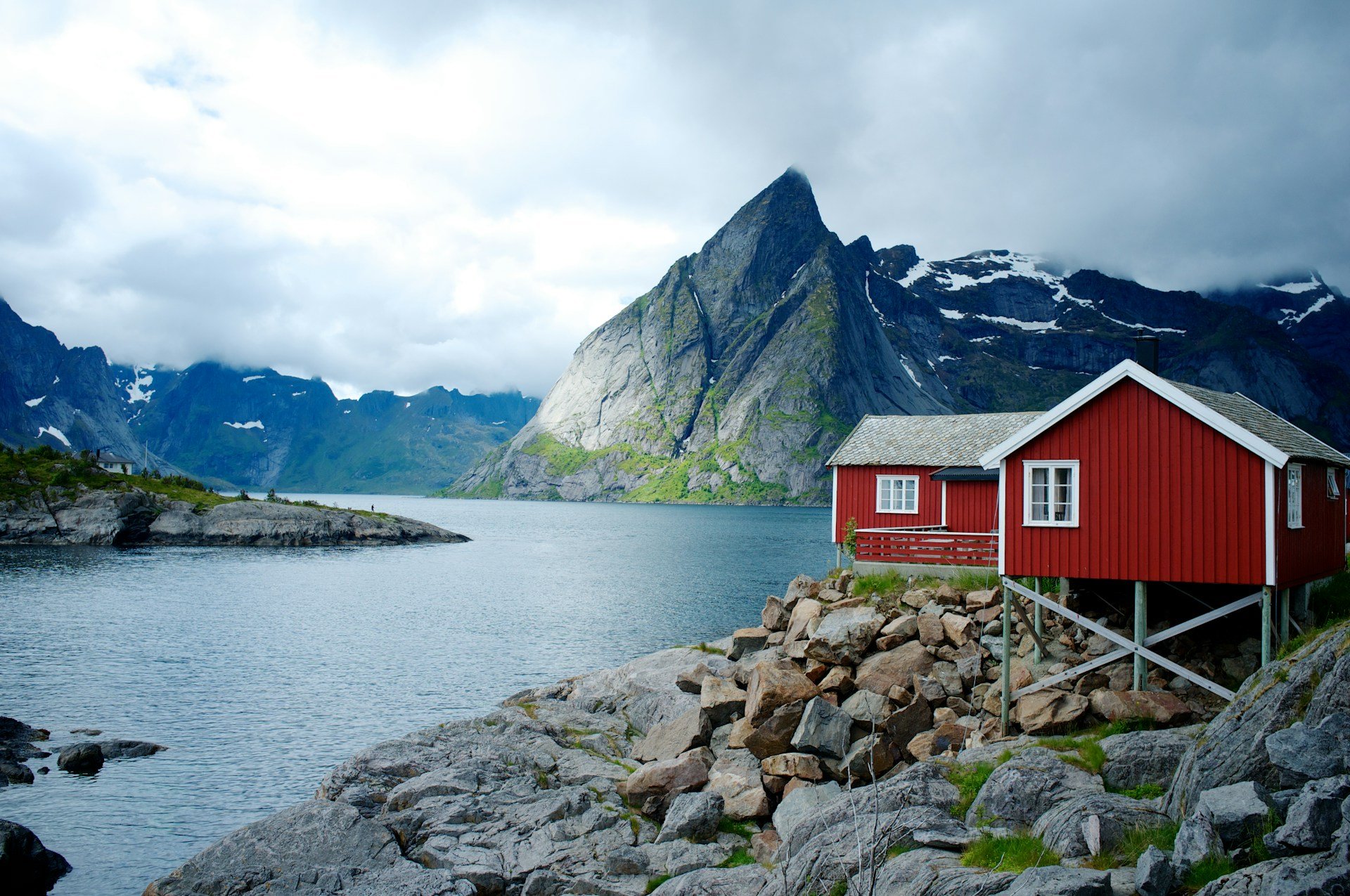
Norway stretches from Oslo further north than the tip of Alaska, and along that length its coastline has been carved into the most spectacular fjord system on earth: 1,190 fjords, walls rising 1,000m from water 1,300m deep. The Lofoten Islands, red fishing villages reflected in mirror-calm bays below jagged peaks, are among the most beautiful places in Europe.
Key facts side by side
| Fact | 🇮🇸 Iceland | 🇳🇴 Norway |
|---|---|---|
| Mid-range daily budget | €150–220 per person | €130–200 per person |
| Currency | Icelandic Króna (ISK) | Norwegian Krone (NOK) |
| Best for aurora | Sep–Mar, dark skies easily reachable | Tromsø, Lofoten, Oct–Mar |
| Main airport(s) | Keflavík (KEF), 50 min from Reykjavik | Oslo (OSL), Bergen (BGO), Tromsø (TOS) |
| Signature route | The Ring Road, a 1,332km circuit | Geirangerfjord, Nærøyfjord, Sognefjord |
| UNESCO sites | 3 | 8, including 2 fjord systems |
| Right to roam | Camping at designated sites | Allemannsretten, free wild camping nationwide |
| Best season | Jun–Aug (midnight sun), Nov–Feb (aurora) | Jun–Aug (fjords), Nov–Mar (aurora, skiing) |
| Visa, most Western passports | None, Schengen zone | None, Schengen zone |
Both countries are Schengen members, so visa and entry rules are identical. Typical 2026 prices exclude international flights.
Round 1 of 12
Landscapes and natural scenery
Different geological drama
Both countries have landscapes that genuinely exceed expectation, of entirely different geological character. Iceland wins on volcanic variety; Norway wins on fjord grandeur.
 🇮🇸 Iceland
Earth showing its workings
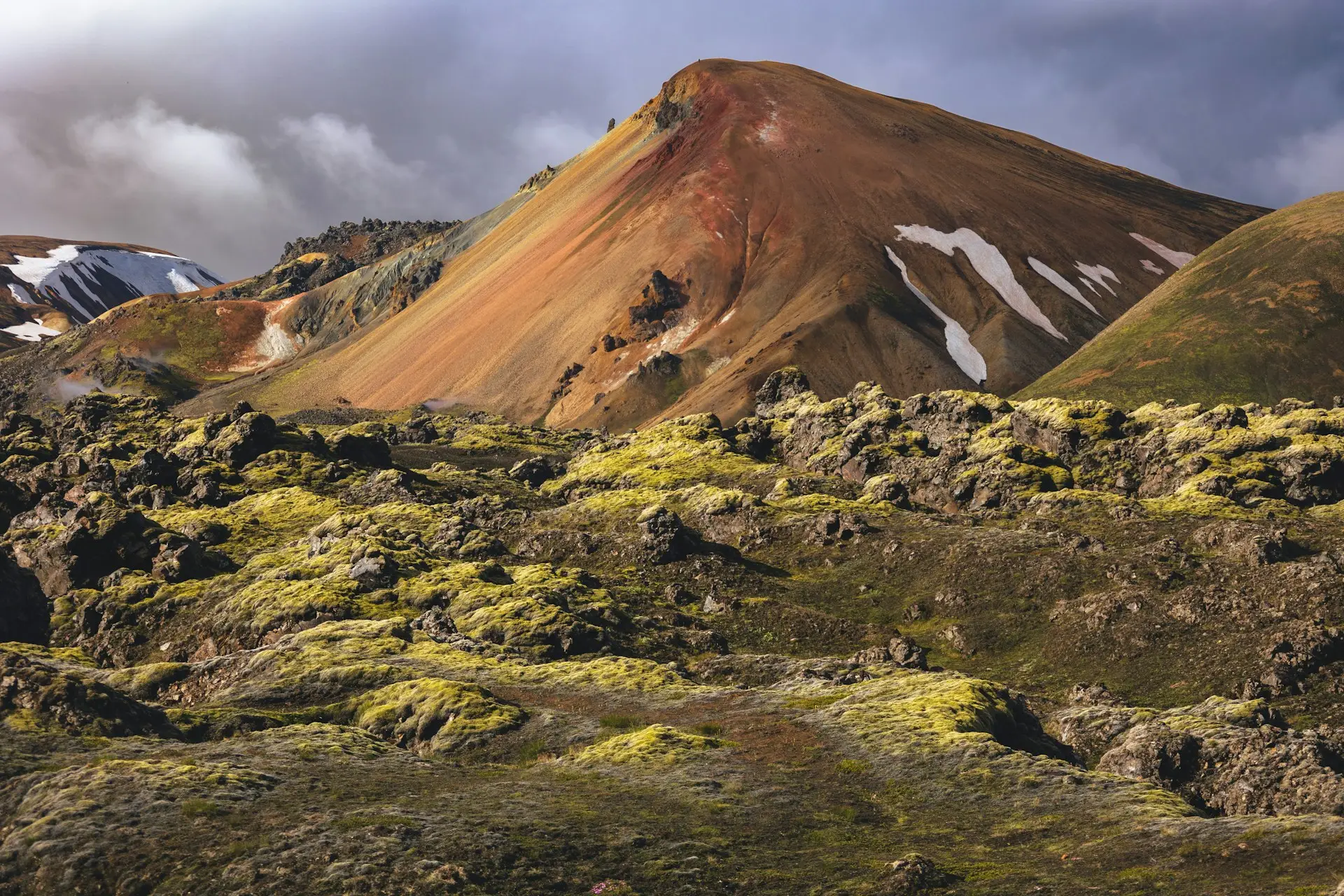
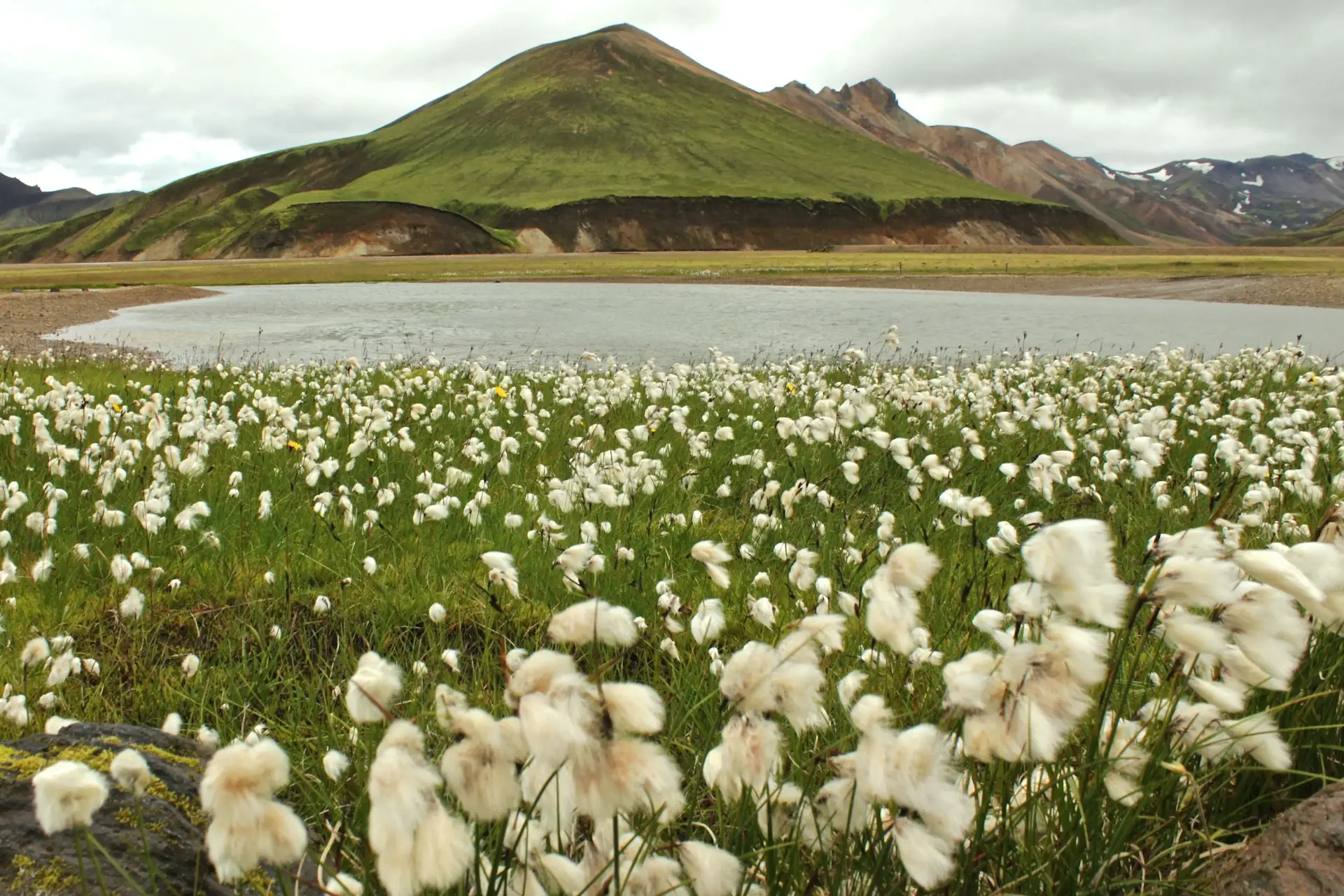
Strokkur geysir erupts a column of boiling water 20–30m into the air every 5–10 minutes, on schedule. Gullfoss drops 32m in two stages into a gorge. Jökulsárlón glacier lagoon, filled with icebergs calved from Europe's largest glacier, has a primordial stillness. Landmannalaugar's rainbow rhyolite mountains look like a geological painting, and Reynisfjara's black sand beach is one of the most photographed in Europe.
- Don't miss
- Strokkur, Jökulsárlón, Landmannalaugar
 🇳🇴 Norway
The world's greatest fjord system
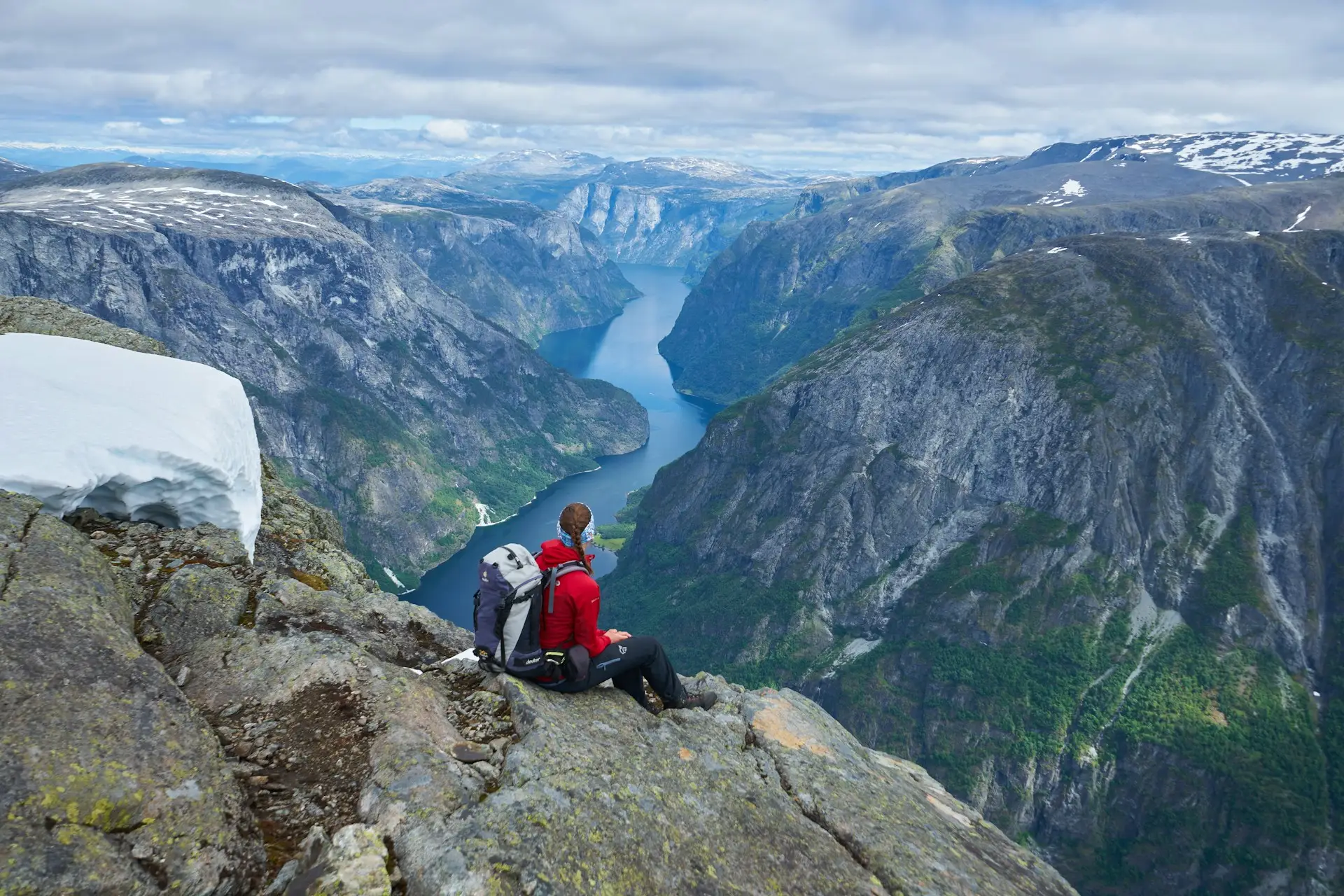
Geirangerfjord's walls rise 1,400m from water 260m deep, with the Seven Sisters waterfall cascading opposite the Bridal Veil. Nærøyfjord, the world's narrowest navigable fjord at 250m across, creates an intimate enclosure wider fjords can't replicate. Sognefjord is the world's deepest (1,308m) and longest (204km). The Lofoten Islands, sharp peaks rising from the ocean, are one of Europe's most beautiful places in any season.
- Don't miss
- Geirangerfjord, Nærøyfjord, Lofoten
Round 2 of 12
Which is cheaper, Iceland or Norway?
Norway wins, narrowly
Both are among Europe's most expensive destinations. Norway offers slightly more flexibility, and one legal quirk gives budget travellers a real edge.
| Typical cost | 🇮🇸 Iceland | 🇳🇴 Norway |
|---|---|---|
| Hostel dorm / budget hotel | €50–150/night | €40–140/night |
| Mid-range hotel | €160–280/night | €130–240/night |
| Restaurant main course | €25–40 | €22–38 |
| Beer at a bar | €9–13 | €8–12 |
| Supermarket self-catering | Expensive, most food imported | More affordable, domestic agriculture |
| Camping | Designated sites, €15–30/night | Free wild camping under allemannsretten |
| Car hire, per day | €60–120, 4WD needed for the Highlands | €50–100 |
| Fuel, per litre | €1.70–2.00 | €1.80–2.20 |
Typical 2026 prices in euros, excluding international flights.
Norway's secret weapon: allemannsretten, the legal right of public access, entitles anyone to camp on uncultivated land for up to two nights, hike across any mountain, and use any coastline. A couple with camping gear can spend ten nights in Norway's most spectacular landscapes for the cost of food alone, a right with no equivalent in Iceland.
Round 3 of 12
Culture and cities
Norway wins, narrowly
Reykjavik punches well above its weight; Norway simply has more cities doing it.
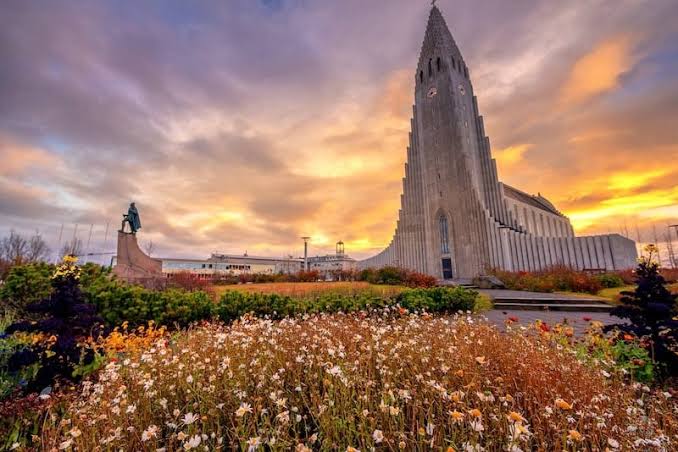 🇮🇸 Iceland
Reykjavik: small, creative, disproportionately excellent
A city of 130,000 with the cultural energy of somewhere ten times the size: the striking Hallgrímskirkja church, the Harpa concert hall on the harbour, a genuinely excellent live music scene, and a design and food culture that punches well above its population. It's Iceland's only real city, everywhere else on the Ring Road is a small town or a natural wonder.
- Don't miss
- Hallgrímskirkja, Harpa, the Old Harbour
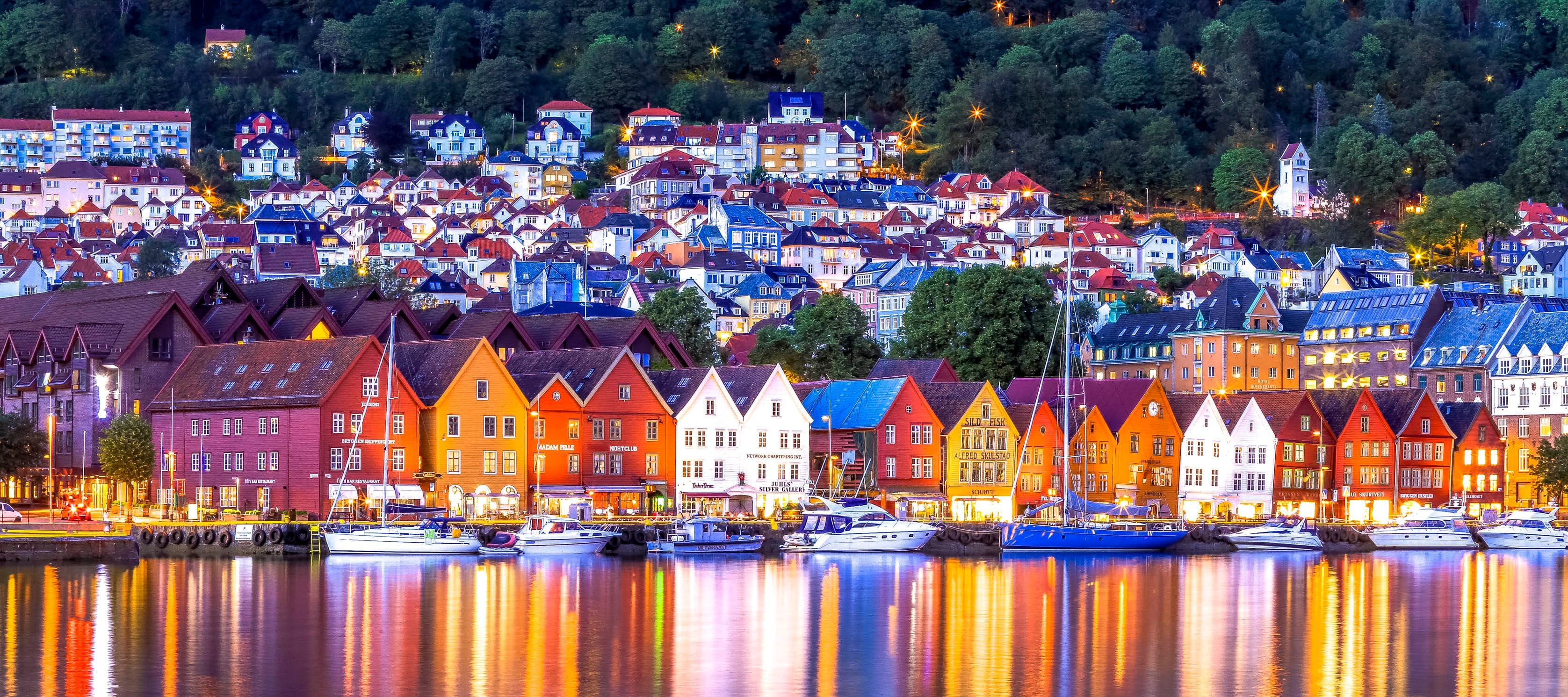 🇳🇴 Norway
Oslo and Bergen, two cities with real depth
Oslo has the Vigeland sculpture park, the Munch Museum and a striking waterfront opera house you can walk onto the roof of. Bergen's UNESCO-listed Bryggen wharf, colourful Hanseatic-era wooden buildings along the harbour, is one of Scandinavia's most charming old towns, with an excellent fish market alongside it. Two genuinely different cities beat one, however good that one is.
- Don't miss
- Bryggen wharf, the Vigeland park
Round 4 of 12
Northern lights
A genuine tie
Both countries deliver outstanding aurora experiences. Iceland wins on accessibility; Norway wins on the most spectacular possible backdrop.
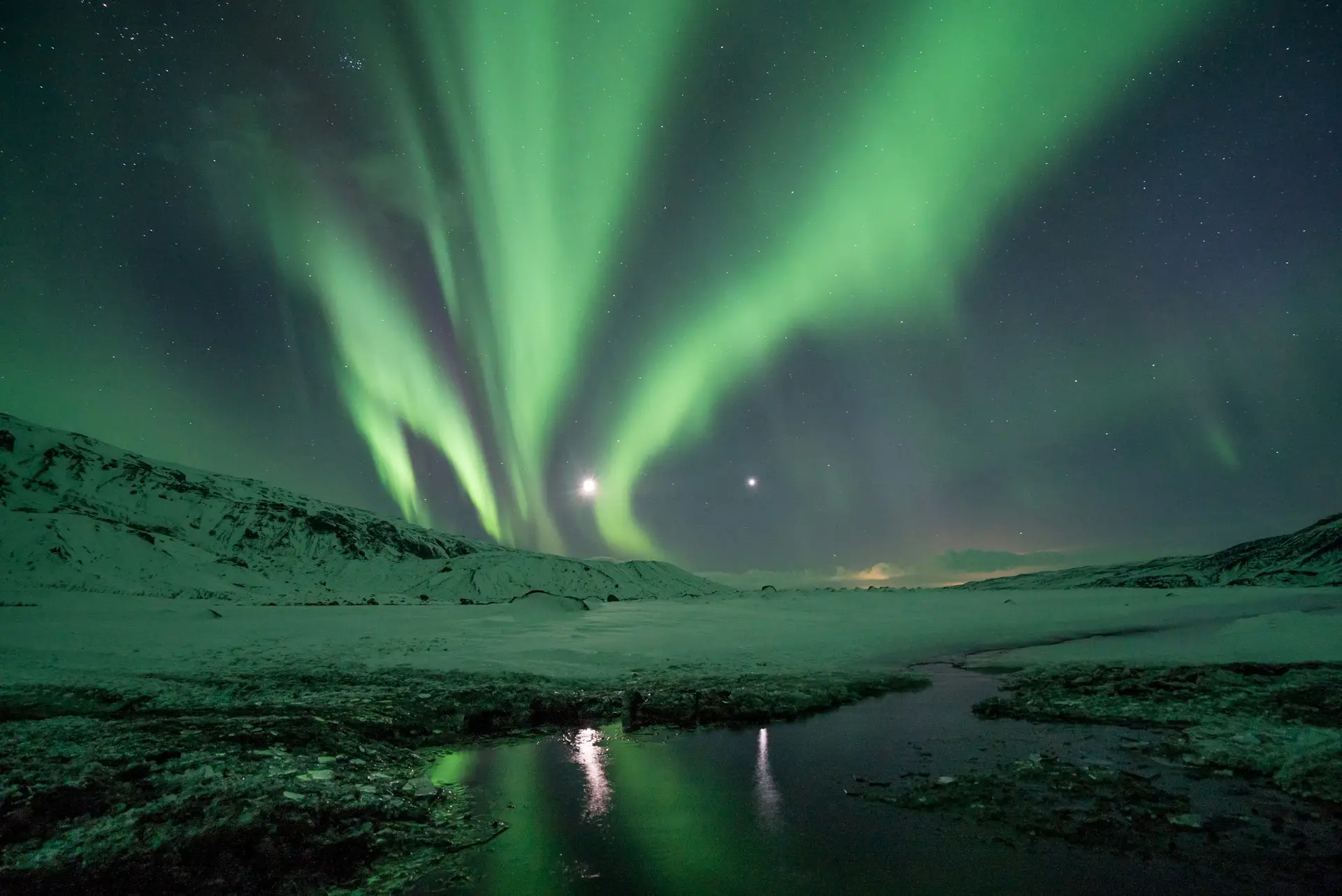 🇮🇸 Iceland
Dark skies 30 minutes from Reykjavik
Driving 20–30 minutes from the capital puts you in complete darkness with an unobstructed horizon. The Ring Road provides dark-sky access anywhere on the island, and Iceland offers aurora foregrounds Norway can't match: geothermal steam rising through the display, or icebergs glowing silently beneath it. The Icelandic Met Office's forecast app allows same-night decisions on where to drive.
- Season
- September to March
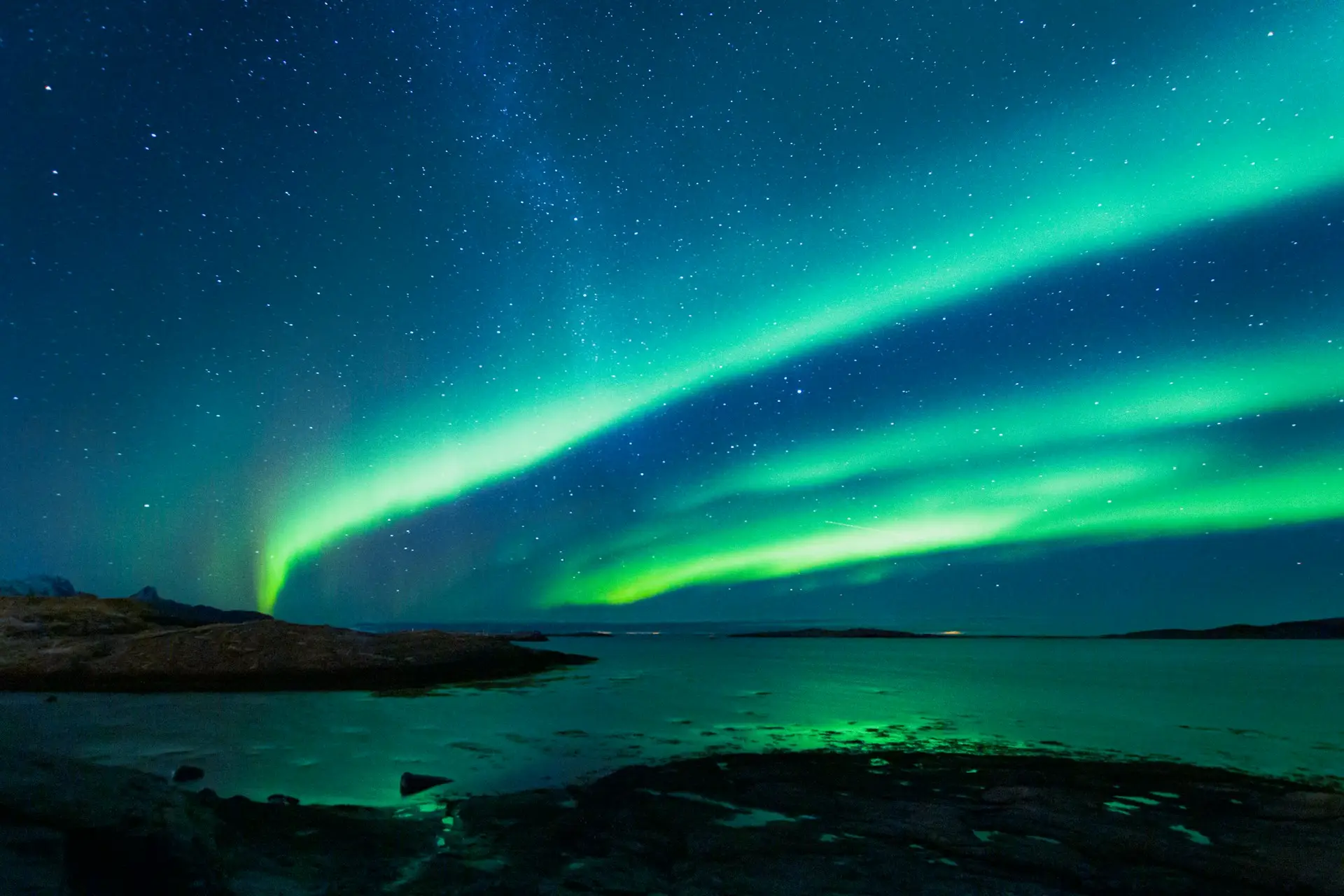 🇳🇴 Norway
Tromsø and Lofoten, the most dramatic settings
Tromsø sits directly under the auroral oval, with guided tours by dog sled or heated bus that chase clear skies in any conditions. Aurora over the Lofoten Islands, reflected in a mirror-calm fjord below jagged peaks, is one of the world's great photographic experiences. The limitation: Oslo and Bergen are too far south, so reaching the best locations means extra travel north.
- Season
- October to March, Tromsø and Lofoten
Honest verdict: Iceland wins for ease on a standard trip; Norway wins for the most spectacular backdrop when you make the effort to reach the north. Neither country can guarantee a sighting.
Round 5 of 12
Road trips
Iceland wins, narrowly
Both countries reward driving. Iceland's Ring Road is the more satisfying single-circuit itinerary, and Norway's routes, while spectacular, ask more of the traveller.
 🇮🇸 Iceland
The Ring Road: Europe's most satisfying circuit
A 1,332km loop around the entire island with no backtracking: you leave Reykjavik and return to Reykjavik having seen the whole country, each day delivering a completely different landscape. Roads are generally good, distances are manageable in a day, and the island is small enough to cover comprehensively in 10–14 days. The Highland F-roads (summer only, 4WD required) add a more adventurous interior alternative.
- Typical length
- 7–14 days, one continuous loop
 🇳🇴 Norway
Spectacular routes, more logistically complex
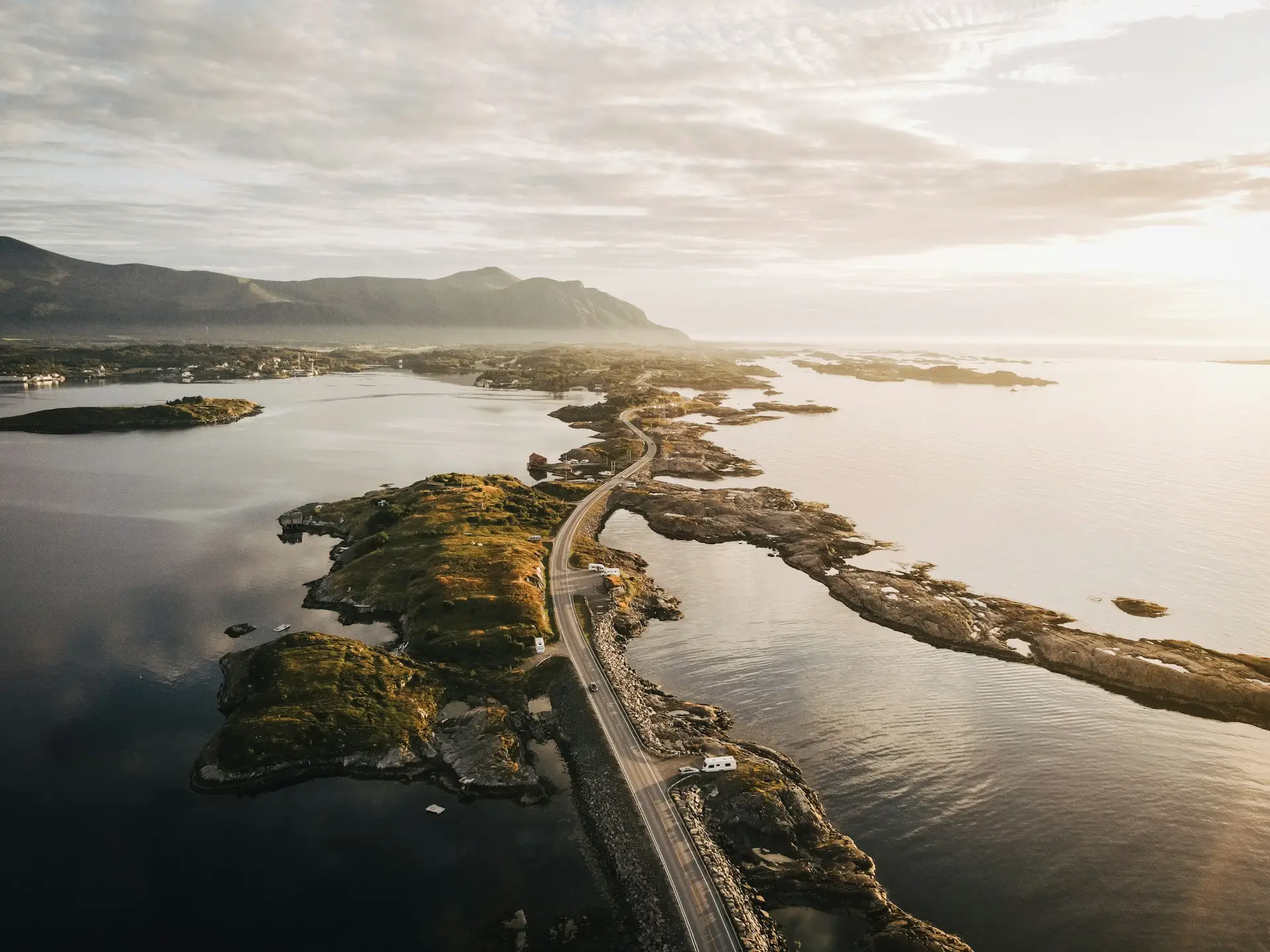
The Atlantic Ocean Road, a series of low bridges across open sea often battered by weather, and the Trollstigen mountain road's 11 hairpin bends are genuinely thrilling. The Lofoten Islands circuit is arguably Norway's best single road trip. But Norway's 1,752km length means a comprehensive trip needs domestic flights or a multi-week commitment, and the fjords add ferry crossings that cost time and money.
- Don't miss
- Trollstigen, the Lofoten circuit
Round 6 of 12
Things to do beyond the road trip
Different kinds of adventure
Iceland leads on glacier and geothermal experiences unique to it; Norway leads on serious mountain hiking and skiing.
| Activity | 🇮🇸 Iceland | 🇳🇴 Norway |
|---|---|---|
| Glacier walks & ice caves | Vatnajökull, Europe's largest icecap | Smaller, less accessible glaciers |
| Snorkelling & diving | Silfra, between two tectonic plates | Good but less distinctive |
| Iconic day hikes | Laugavegur trail, multi-day | Trolltunga, Preikestolen, Besseggen |
| Skiing | Limited, a few small resorts | Geilo, Voss, Hemsedal |
| Geothermal bathing | Blue Lagoon, Sky Lagoon, wild hot pools | Fewer natural hot springs |
| Fjord & coastal cruises | Limited | Hurtigruten and fjord sightseeing boats |
Round 7 of 12
Which has better food, Iceland or Norway?
A genuine draw
Call it even. Neither is a food-first destination in the way Italy or Japan are, but both do simple, high-quality Nordic cooking well.
 🇮🇸 Iceland
Lamb, skyr and a surprisingly good capital
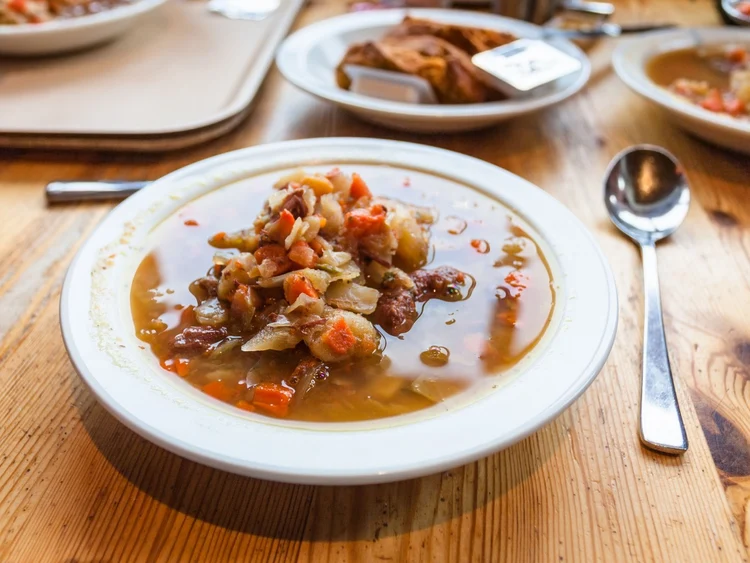
Icelandic lamb, grazed on wild herbs across the highlands, is genuinely excellent, and skyr, a thick, protein-rich cultured dairy, is a national staple. Fermented shark (hákarl) is the famously adventurous outlier most visitors try once. Reykjavik's restaurant scene has grown into something genuinely good, with fresh seafood and a serious New Nordic influence.
- Must try
- Lamb soup, skyr, a Reykjavik hot dog
 🇳🇴 Norway
Salmon, brown cheese and reindeer up north
Norway's coastal waters produce some of the world's best salmon and cod, both centrepieces of home cooking and restaurant menus alike. Brunost, a caramelised brown whey cheese unique to Norway, is a genuine national obsession. In the far north, reindeer and other Sámi-influenced dishes add a distinctive Arctic character you won't find in Iceland.
- Must try
- Fresh salmon, brunost, reindeer stew
Round 8 of 12
Nightlife
Iceland wins, narrowly
Reykjavik's weekend runtur is a genuinely famous scene for a city this small. Oslo and Bergen are solid but more conventional.
Reykjavik's runtur, a weekend institution
Reykjavik's Friday and Saturday "runtur" (bar crawl) is a well-known phenomenon for a city of only 130,000: bars along Laugavegur fill from around midnight and stay busy until sunrise, with a genuinely eclectic, creative crowd. It's a disproportionately lively scene for the size of the city, and one of Reykjavik's most talked-about features among visitors.
Oslo and Bergen, solid but conventional
Oslo's Grünerløkka and Bergen's harbour bars deliver a perfectly good night out, with a growing craft beer and cocktail scene in both cities. It's a more standard big-city nightlife experience than a destination in its own right, without the singular, oversized reputation Reykjavik has built relative to its population.
Round 9 of 12
Wildlife
Norway wins, narrowly
Iceland specialises in seabirds and marine mammals. Norway adds large land mammals and greater overall diversity.
 🇮🇸 Iceland
Puffins, Arctic foxes, whales
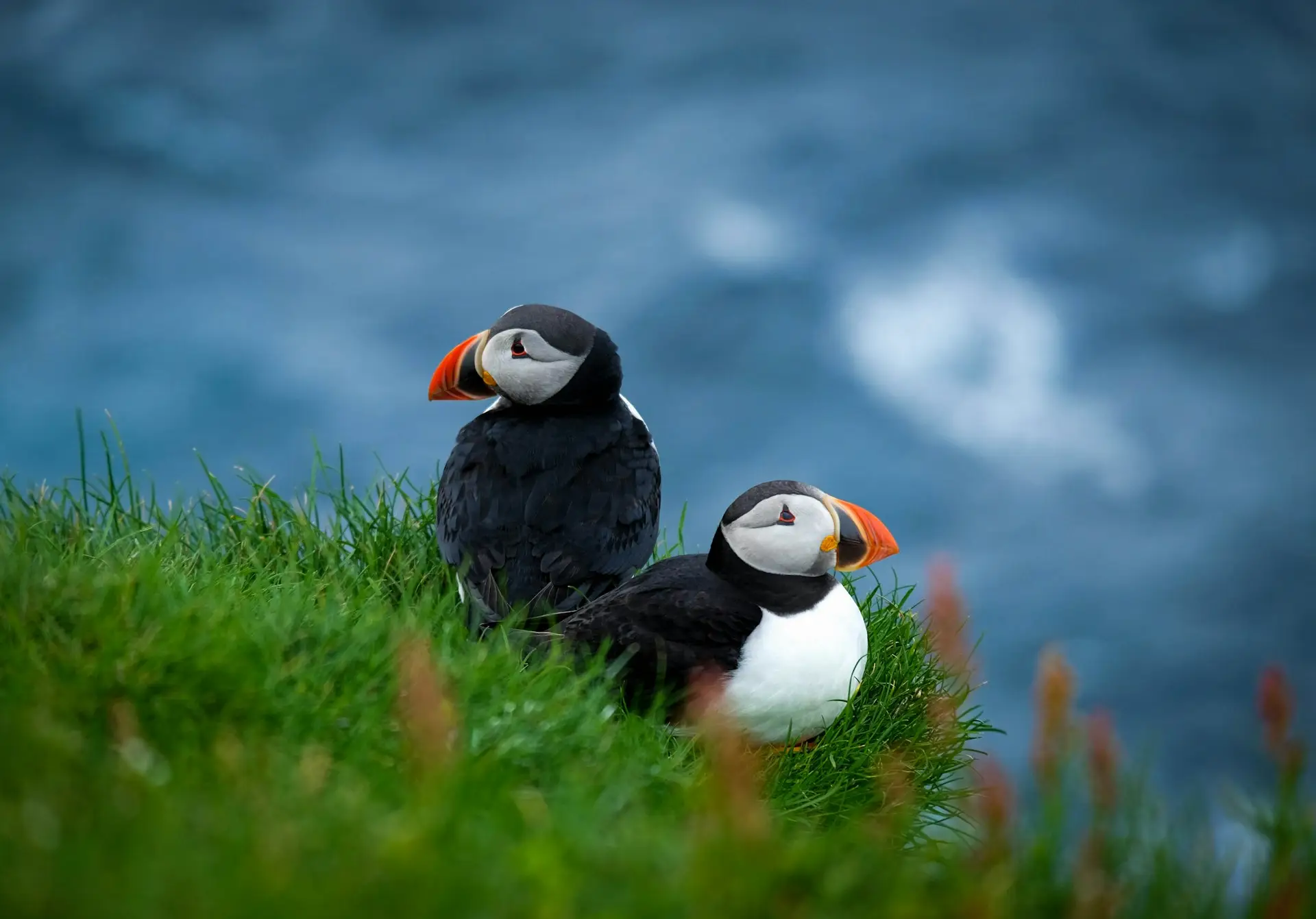
60% of the world's Atlantic puffin population breeds in Iceland each summer, and watching them at Látrabjarg, Europe's largest seabird cliff, or at Dyrhólaey, is one of the continent's great wildlife experiences. Whales are excellent off Húsavík, minke, humpback, and on lucky days blue whales. Arctic foxes, Iceland's only native land mammal, live in the Westfjords year-round.
- Don't miss
- Puffins at Látrabjarg, whales off Húsavík
 🇳🇴 Norway
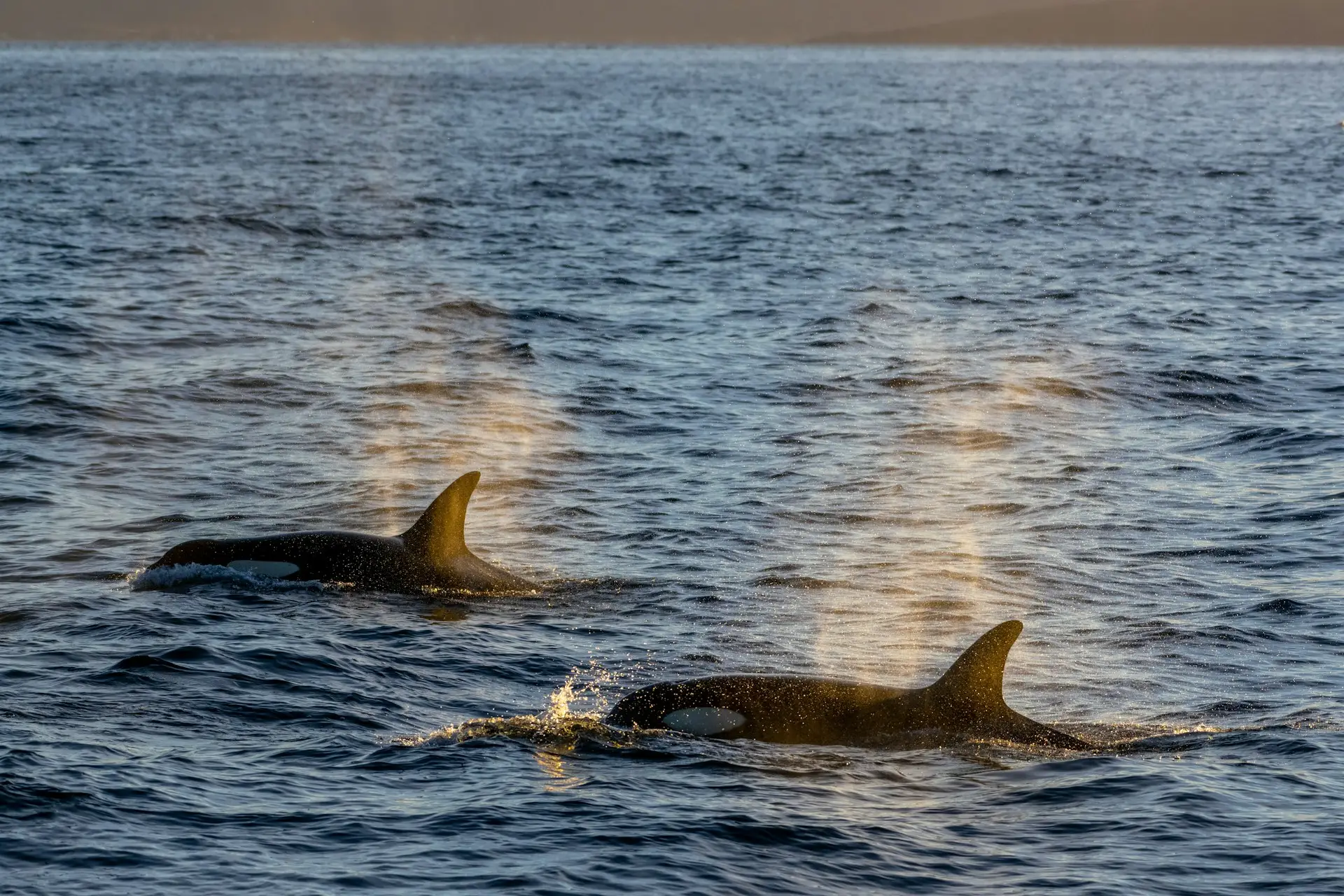
Orcas, moose, sea eagles, musk oxen
The Vesterålen and Tromsø fjords host some of the world's best orca viewing in winter, pods hunting herring often visible from shore, with no equivalent in Iceland. Moose are common throughout Norway's forests, Sámi-herded reindeer roam Finnmark, and white-tailed sea eagles, Europe's largest bird of prey, nest across the western fjords. Musk oxen in Dovrefjell National Park add a genuinely prehistoric-looking bonus.
- Don't miss
- Orcas near Tromsø, sea eagles in Lofoten
Round 10 of 12
Weather and daylight, month by month
A genuine tie
The real story here isn't rainfall, it's daylight. Both countries swing from near-endless summer light to short, dark winter days, and the far north of each takes that swing to genuine extremes.
Same golden windows: May and September are the sweet spot in both countries, fewer crowds and lower prices than the summer peak, with enough darkness returning by September for early aurora chances. Book summer (June–August) three to six months ahead in either country.
Round 11 of 12
Getting there and getting around
Iceland wins, narrowly
Iceland is simpler by design. One island, one loop, one airport. Norway's length and fjord-cut coastline mean more moving parts to plan around.
One ring, one airport, no flights needed
Keflavík is the country's one real international gateway, about 50 minutes from Reykjavik, and most visitors self-drive the entire Ring Road without a single domestic flight. Roads are generally good, though single-lane bridges and gravel sections in the east require care, and the Highland F-roads are summer-only and need a proper 4WD.
Flights, ferries and a much longer country
Seeing more than one region, say the fjords and Lofoten, usually means a domestic flight or the famous Hurtigruten coastal ferry route, plus local ferry crossings across individual fjords. It's part of the charm for travellers with time, but it's real added planning and cost compared with Iceland's single loop.
Round 12 of 12
Is Iceland or Norway safer for tourists?
A draw
Both are among the safest countries on earth, and Iceland has topped the Global Peace Index more often than any other nation. The real risks in both are weather and terrain, not other people.
🇮🇸 Iceland: what to watch
- Weather changes fast: check road.is and vedur.is before any drive; storms can close roads with little warning.
- Single-lane bridges and gravel roads, especially in the east, need real care and reduced speed.
- Glacier and ice cave visits should always be with a licensed guide; crevasses are a genuine hazard.
- F-roads require a proper 4WD and river-crossing knowledge; standard rental cars are not equipped for them.
🇳🇴 Norway: what to watch
- Exposed hikes like Trolltunga and Preikestolen have sheer drops and no barriers; check weather and your own fitness before setting out.
- Avalanche risk in the mountains during winter and spring; heed local advisories.
- Ferry and flight schedules can be affected by weather in the fjords; build slack into tight itineraries.
- Cold-water hazards: fjord water stays cold year-round; take boat and kayak safety seriously.
In both countries, violent crime against tourists is rare enough to barely register. The sensible precautions are about respecting the outdoors, not watching your back.
Which is better for specific trips?
Iceland for first-timers, solo travellers and hot-spring lovers. Norway for serious hikers, skiers and budget campers.
First-time Nordic visitors
Iceland
One island, one road, no ferry timetables or domestic flights to plan around.
Serious hikers
Norway
Trolltunga, Preikestolen and the Besseggen ridge are in a different league from anything on Iceland's Ring Road.
Budget backpackers & campers
Norway
Allemannsretten makes free wild camping legal nationwide, a huge saving over Iceland's paid campsites.
Hot spring & spa lovers
Iceland
The Blue Lagoon, Sky Lagoon and countless wild geothermal pools are a distinctly Icelandic pleasure.
Solo travellers
Iceland
Extremely safe, compact, English widely spoken, and easy to navigate alone on a self-drive loop.
Skiers
Norway
Geilo, Voss and Hemsedal offer proper alpine skiing that Iceland's small resorts can't match.
Photographers
Either
Iceland's geothermal drama and Norway's fjord light are both once-in-a-lifetime subjects, just very different ones.
Families with young children
Iceland
A compact island, geothermal pools kids love, and a Ring Road that's easy to break into short daily drives.
Can you combine Iceland and Norway in one trip?
Yes, though there are no direct ferries between them. Flights between Reykjavik and Oslo, Bergen or Stavanger take two and a half to three and a half hours.
Iceland: days 1 to 7
- Days 1–2
Reykjavik and the Golden Circle. Þingvellir, Geysir and Gullfoss, with a night soaking at the Blue Lagoon or Sky Lagoon.
- Days 3–5
The South Coast. Skógafoss and Seljalandsfoss waterfalls, Reynisfjara's black sand beach, and Jökulsárlón's glacier lagoon.
- Days 6–7
Back via the highlands or the ring. A glacier walk or ice cave tour with a licensed guide, then back to Reykjavik to fly onward.
Norway: days 8 to 14
- Day 8
Fly to Bergen. Settle in and walk the UNESCO-listed Bryggen wharf and fish market.
- Days 9–11
Sognefjord and the Flåm Railway. One of the world's most scenic train rides, plus a fjord cruise on Nærøyfjord.
- Days 12–14
Geirangerfjord. The Seven Sisters waterfall, a hike for the view over the fjord, then fly home from Ålesund or back via Bergen.
When to go: May and September give you the best of both countries, lower prices, fewer crowds, and reasonable odds of clear roads. Budget €3,000–5,000+ per person for a combined two-week trip; many travellers split the two across separate years instead.
Verdict: Iceland or Norway?
There's no single overall winner. Both deliver unforgettable landscapes; the choice comes down to what kind of nature you want to be inside.
Choose Iceland if…
Iceland, for volcanic drama and the Ring Road
The right choice when volcanic landscapes, geothermal pools and the self-contained Ring Road circuit are the draw, or when a first, convenient northern lights trip is the goal.
- The Ring Road self-drive circuit is specifically the plan
- Geothermal pools, the Blue Lagoon, Sky Lagoon or wild pools, appeal
- Volcanic geology, geysers, lava fields, glacier lagoons
- A first northern lights trip with easy logistics
- Glacier hiking and ice cave exploration
- A shorter trip, seven to ten days covers Iceland well
Choose Norway if…
Norway, for fjords, hiking and Lofoten
The right choice when the world's greatest fjords are the specific goal, serious hiking is planned, or the Lofoten Islands and Arctic wildlife are the draw.
- Fjord landscapes are the primary motivation
- The Lofoten Islands are on the bucket list
- Serious hiking, Trolltunga, Preikestolen, Besseggen
- Budget travel with free wild camping under allemannsretten
- Orca watching in the winter fjords near Tromsø
- You want a longer, more varied trip across a larger country
Weigh it for your own trip
Select everything that matters to you.
Pick what matters on this trip and the needle will move.
Iceland vs Norway: frequently asked questions
Is Iceland or Norway better for the northern lights?
Both are excellent, with different strengths. Iceland wins for accessibility: dark skies are within 20–30 minutes of Reykjavik, and the geothermal landscape creates unique aurora foregrounds. Norway wins for the most spectacular settings: aurora over the Lofoten Islands reflected in a fjord, or seen from Tromsø surrounded by snowy peaks, is among the world's great sights. Neither country can guarantee a sighting, you need darkness, clear skies and solar activity.
Is Iceland or Norway better for fjords?
Norway wins, emphatically. Norway's Western Fjords, Geirangerfjord, Nærøyfjord, Sognefjord and Hardangerfjord, are UNESCO World Heritage Sites of almost incomprehensible grandeur. Iceland's fjords, in the Westfjords region, are smaller and less dramatic than Norway's headline destinations.
Is Iceland or Norway more expensive?
Both are among the world's most expensive travel destinations, but Iceland is marginally more expensive for most visitors. A mid-range day in Iceland runs €150–220; Norway runs €130–200. Norway's key budget advantage is allemannsretten, the legal right to wild camp anywhere on uncultivated land for free, which dramatically reduces accommodation costs for travellers willing to camp.
Is Iceland or Norway better for a road trip?
Iceland's Ring Road is the most satisfying single-circuit road trip in Europe: a 1,332km loop around the entire island with no backtracking, passing nearly every major natural attraction in 7–10 days. Norway has spectacular individual routes, the Atlantic Ocean Road, Trollstigen, the Lofoten circuit, but its greater length means a comprehensive road trip needs more planning and often ferry crossings.
Which has better food, Iceland or Norway?
Call it a draw. Both share a simple, seafood-and-lamb Nordic culinary tradition. Iceland's skyr, lamb and famously adventurous fermented shark sit alongside genuinely excellent modern Reykjavik dining. Norway answers with fresh salmon and cod, brown cheese (brunost), and reindeer in the north. Neither is a food-first destination in the way Italy or Japan are, but both do simple, high-quality Nordic cooking well.
How do you get around Iceland and Norway?
Iceland is simple: one Ring Road, one main international airport, and most visitors self-drive the whole loop without needing a single domestic flight. Norway is more complex: its great length and fjord-cut coastline mean domestic flights, coastal ferries (including the famous Hurtigruten route) and longer drives are often required to see more than one region.
Is Iceland or Norway safer for tourists?
Both are among the safest countries on earth, and Iceland has topped the Global Peace Index more often than any other country. Violent crime against tourists is rare in either. The real risks in both are weather and terrain: sudden storms and single-lane bridges in Iceland, and exposed cliff-edge hikes and avalanche risk in Norway's mountains.
When is the best time to visit Iceland and Norway?
Both countries have two distinct optimal seasons. Summer (June–August) brings the midnight sun, fully open roads and mild temperatures, but is peak season with the highest prices. Winter (November–February) brings the northern lights and dramatic snow-covered scenery at lower prices. The shoulder seasons, May and September, offer the best of both: fewer crowds, lower prices, and in September still good aurora prospects.
Can you combine Iceland and Norway in one trip?
Yes, though there are no direct ferries between them. Flights between Reykjavik and Oslo, Bergen or Stavanger take 2.5–3.5 hours. A combined 14–18 day trip works well: 7 nights in Iceland, then fly to Bergen for 5–7 nights in the Norwegian fjords. Both countries require similar cold-weather gear, and this is one of the world's more expensive two-destination combinations.
There's no wrong answer here
Iceland and Norway are compared so often because both are genuinely extraordinary, just built on opposite geological stories. Pick on what you want from this trip: volcanic drama in one satisfying loop, or fjord grandeur across a longer, wilder country. Better still, do both, ideally not on the same holiday's budget.