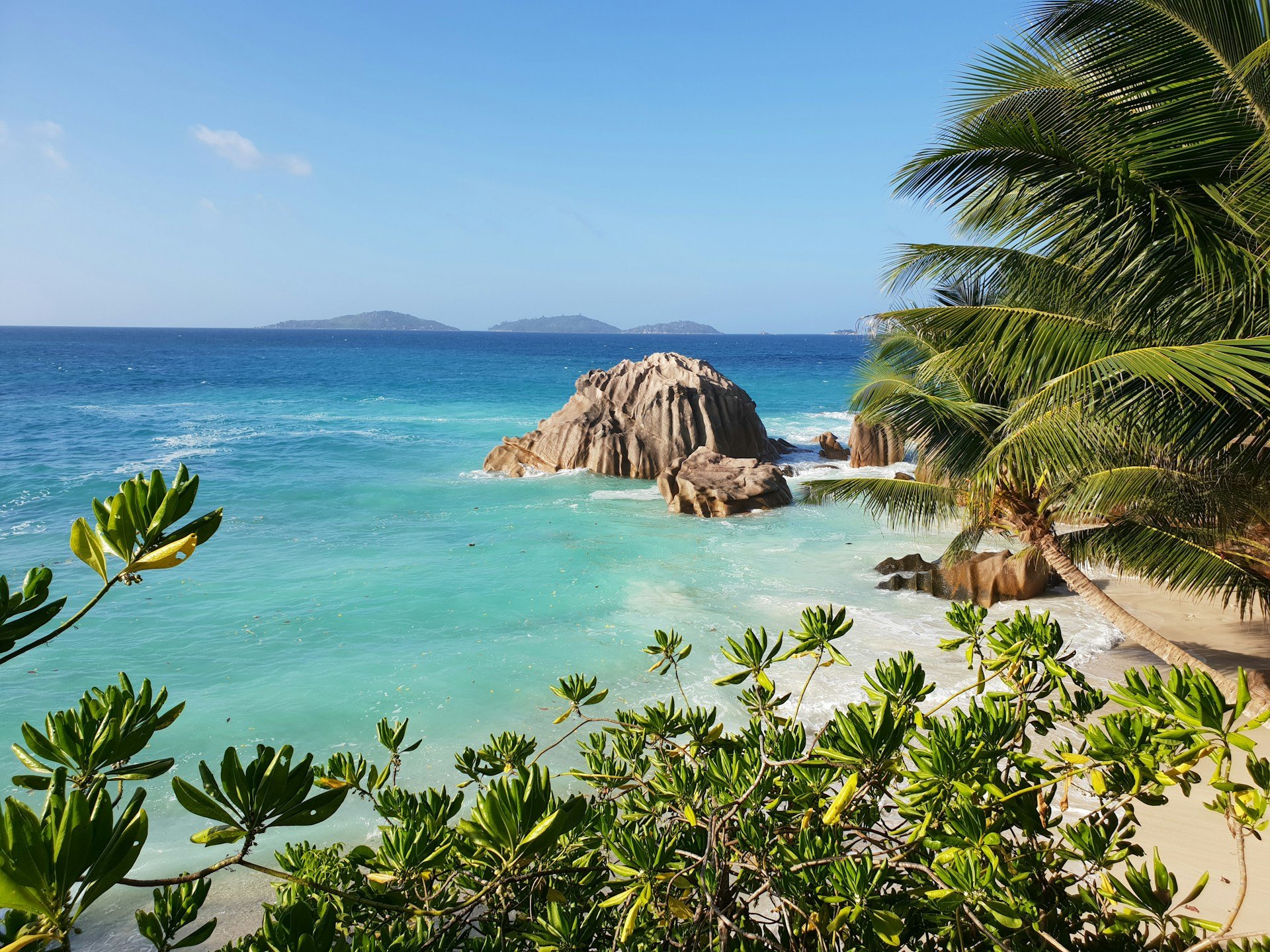
Greece
vsItaly
Europe's two most historically rich, most culinarily celebrated, most endlessly debated Mediterranean destinations. One gave the world democracy, philosophy and Santorini. The other gave it the Roman Empire, the Renaissance, pizza and gelato. Both are extraordinary. Both reward return visits for decades. Choosing between them is one of travel's most pleasurable dilemmas.
Greece vs Italy, The Cradle of Democracy vs the Heart of the Roman World
Both civilisations shaped the entire trajectory of Western history. Both countries wear that legacy visibly, in every temple, every piazza, every olive tree. The traveller choosing between them is choosing between two different relationships with beauty, time and pleasure.
Greece
Greece is a country of extremes and contrasts held together by light, the particular quality of Aegean light that has drawn philosophers, painters, poets and travellers for three millennia. The mainland holds the foundations of Western civilisation: the Acropolis still visible from almost anywhere in Athens, the oracle at Delphi, the stadium at Olympia. But most visitors come for the islands, 227 inhabited ones, each with its own character, pace and beauty. Santorini's volcanic caldera and white-washed cubic architecture. Mykonos's windmills and world-class party scene. Crete's Minoan palaces, gorge hikes and epic beaches. Naxos's marble mountains and unhurried pace. Corfu's Venetian old town and lush green hills. Zakynthos's iridescent Navagio bay. The Greek islands offer a variety and freedom of exploration that no other Mediterranean country can match.
Italy
Italy is arguably the most concentrated country of human achievement on earth. In no other nation of comparable size do you encounter such density of world-class art, architecture, food, landscape and living culture, all simultaneously. Rome contains the Colosseum, the Vatican, the Pantheon, Bernini's fountains, Caravaggio's churches and the best cacio e pepe you will ever eat, all within walking distance of each other. Florence holds the Uffizi (Botticelli, Titian, Leonardo, Michelangelo), the Duomo and the Ponte Vecchio. Venice is a city that should not exist and yet does, on wooden piles driven into a lagoon, with no cars, with Byzantine and Gothic architecture reflected in dark green canals. Then there is the Italian countryside: Tuscany's cypress-lined hilltop towns, the Amalfi Coast road, the truffle farms of Piedmont, the Baroque excess of Sicily, each more beautiful than the last.
Quick Facts
Key numbers and logistics for planning your Mediterranean trip in 2026.
Food & Eating Culture
Greece has wonderful food. Italy has one of the world's greatest cuisines. These are not the same statement.
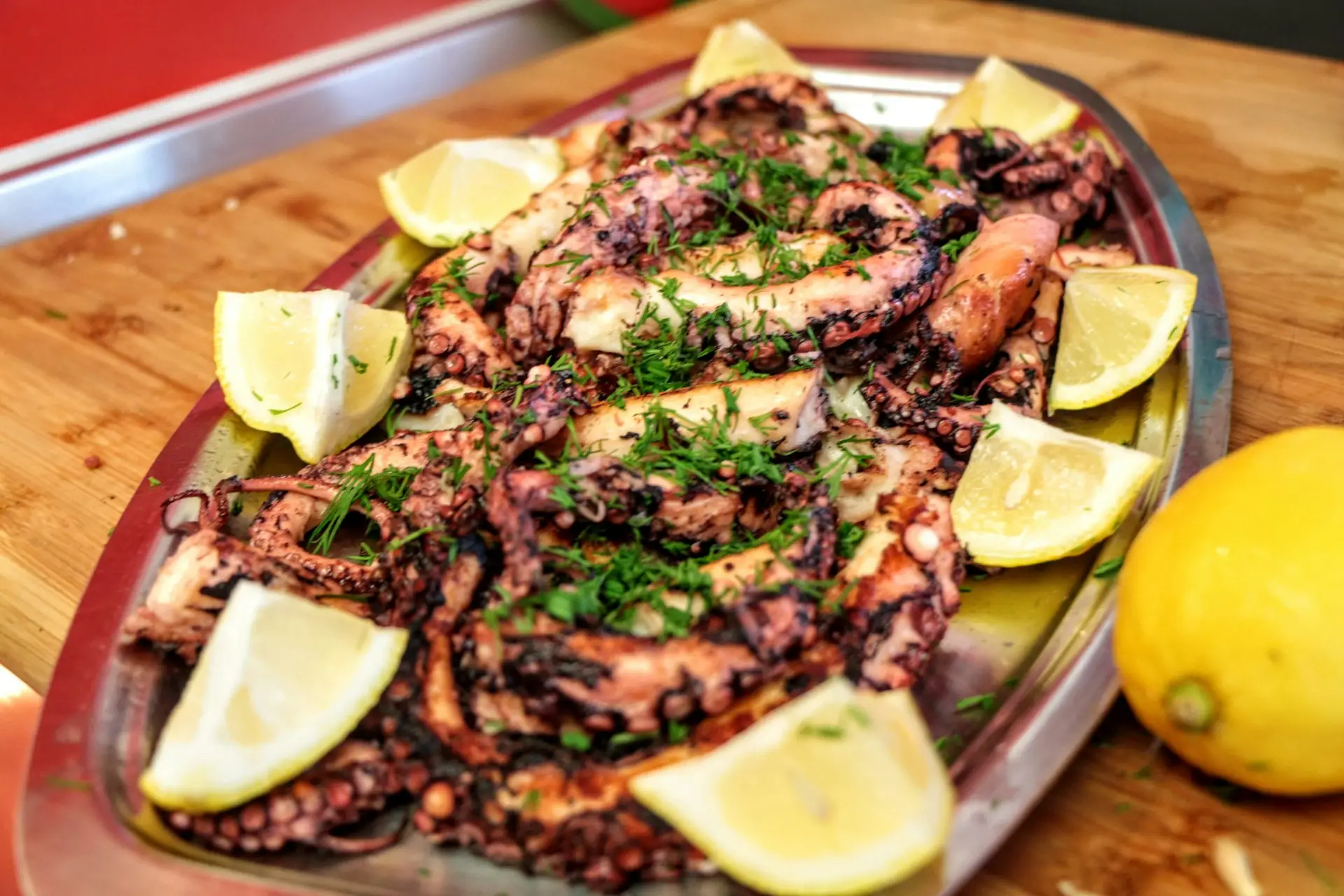
Simple, honest Mediterranean cooking at its finest
Greek food is genuinely excellent and among the healthiest in the world, the original Mediterranean diet built on olive oil, fresh vegetables, legumes, seafood and sheep's cheese. The pleasures of a proper Greek taverna are real: grilled octopus charred over charcoal, a horiatiki salad of tomatoes and cucumber under a slab of barrel-aged feta, spanakopita fresh from the oven, slow-cooked lamb kleftiko falling from the bone, and a cold carafe of local retsina on a harbourside terrace watching fishing boats come in. Seafood on the islands (sea bream, red mullet, sea bass grilled whole) is exceptional when fresh. Street food is strong: souvlaki and gyros from a sidewalk grill are among the Mediterranean's best fast meals. Greek food is fresh, honest and deeply satisfying. It is not a cuisine of great technical complexity or regional variation to rival Italy's.
Excellent, honest and fresh
One of the world's greatest cuisines, with 20 distinct regional traditions
Italy's food culture is among humanity's greatest collective achievements. Twenty regions, each with its own distinct cuisine, ingredients and traditions that differ as radically as different countries: Naples' wood-fired Margherita pizza (chewy, charred, with San Marzano tomato and fior di latte) versus the slow-cooked ragù of Bologna over hand-rolled tagliatelle; Rome's cacio e pepe and carbonara (no cream, no exceptions) versus Venice's seafood risotto nero and its cicchetti bar culture; the truffles, Barolo and tajarin of Piedmont versus the arancini, caponata and cannoli of Sicily. The espresso culture. The aperitivo hour. The gelato. The pecorino and Parmigiano aged for 36 months. Italian food is not a single thing but an entire civilisation's relationship with pleasure, produce and time. It is the world's most widely beloved cuisine for a reason.
🏆 Winner, food (one of the world's greatest cuisines)History, Art & Ancient Ruins
Both countries are the fountainhead of Western civilisation, but from different eras and in different concentrations.
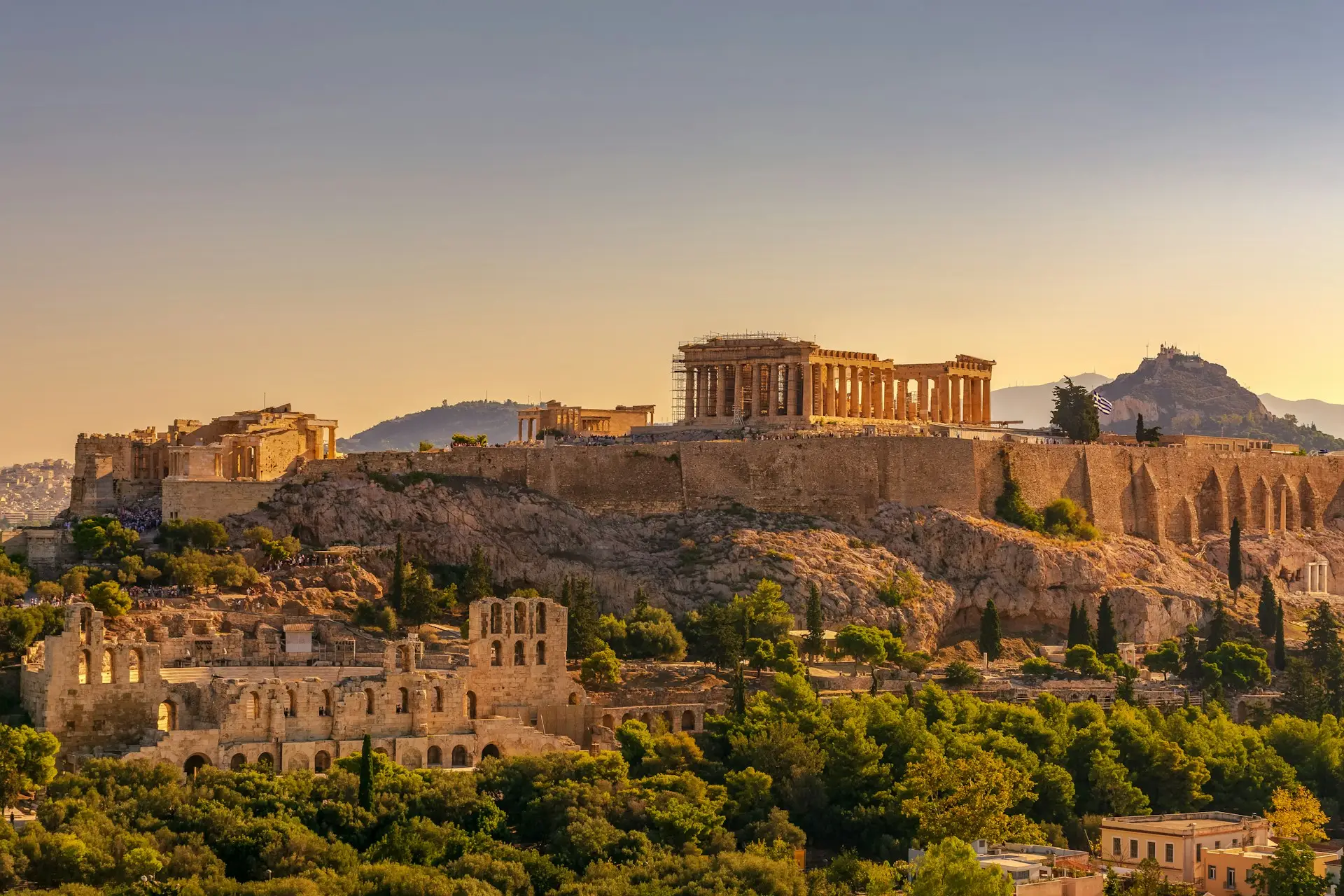
The Acropolis, Delphi, Olympia, where Western civilisation was born
Greece's historical sites are the literal birthplace of Western thought. The Acropolis of Athens (the Parthenon, the Erechtheion, the Propylaea, the Temple of Athena Nike) is the most important monument in the Western world: a 2,500-year-old temple complex that has never lost its power to astonish. Delphi, where the ancient world came to consult the oracle of Apollo on its mountainside above the Gulf of Corinth, is extraordinarily atmospheric. Olympia, where the Olympic Games were held for over a millennium, still has its stadium intact. Epidaurus, whose 4th-century BC theatre seats 14,000 and still has perfect acoustics, is a jaw-dropping feat of ancient engineering. Knossos on Crete holds the 3,500-year-old Minoan palace, Europe's oldest civilisation. Mycenae has the Lion Gate and the shaft graves of Agamemnon. Greece's ancient sites are fewer in number than Italy's, but among the most significant on earth.
🏆 Winner, ancient Greek civilisation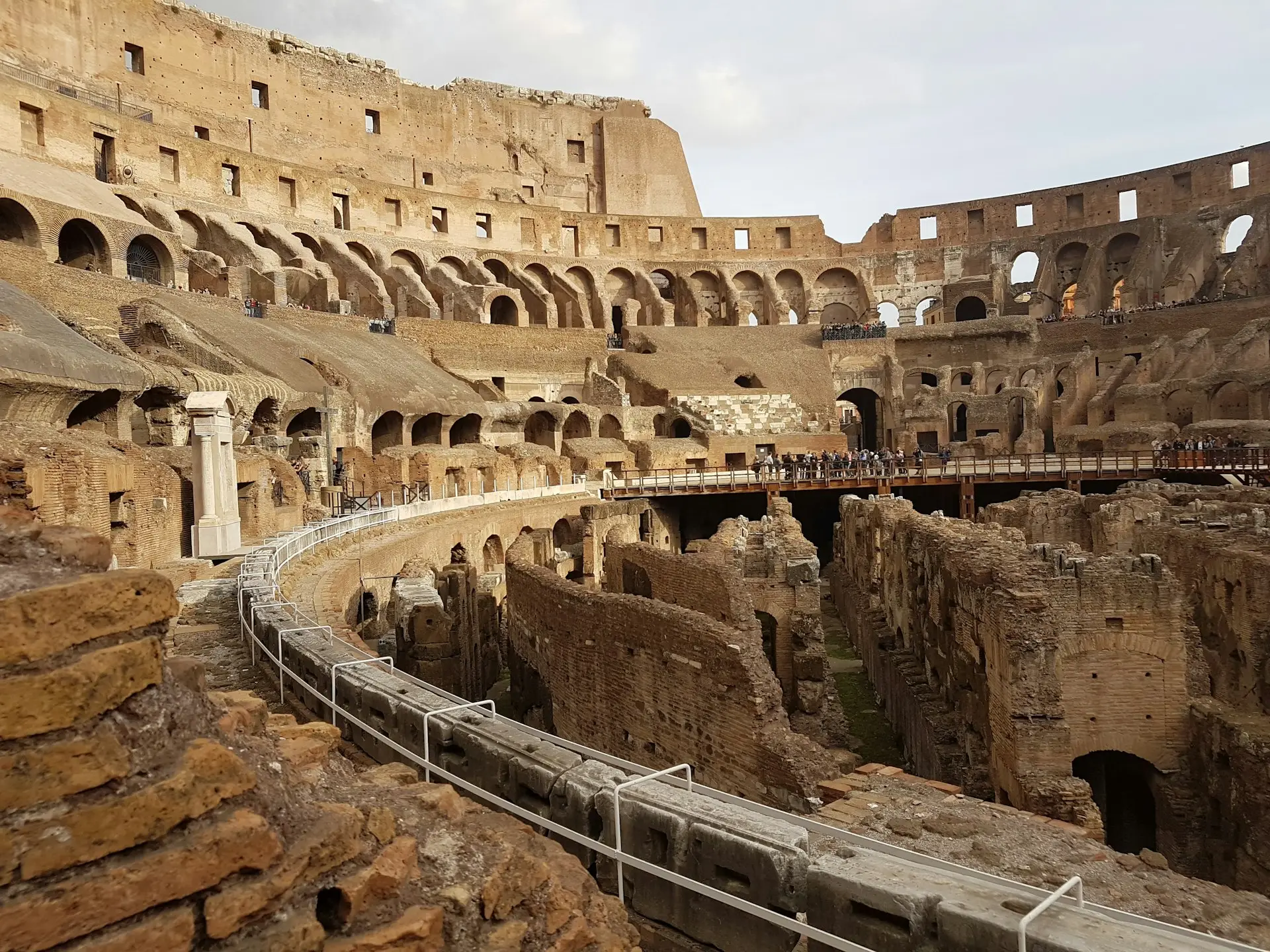
Rome, the Renaissance, Pompeii, 60 UNESCO sites and 2,800 years of history
Italy has more UNESCO World Heritage Sites than any country on earth (60), and the density of extraordinary history in a single city (Rome) is unmatched anywhere. The Colosseum (capacity 80,000, built in 8 years in 70-80 AD), the Roman Forum (where Caesar was murdered and where Augustine walked), the Pantheon (still its original dome after 1,900 years, the best-preserved ancient building on earth), the Vatican Museums (Raphael's rooms, the Sistine Chapel ceiling) and Castel Sant'Angelo, all within a 4 km² area of central Rome. Then Florence: the Uffizi holds the world's greatest concentration of Renaissance painting (Botticelli's Birth of Venus, Titian, Raphael, Leonardo). Venice was the wealthiest trading republic in medieval Europe and its architecture (Byzantine, Gothic and Renaissance layered across 118 islands) reflects that wealth with extraordinary continuity. Pompeii, frozen by Vesuvius in 79 AD, offers the most complete Roman city on earth.
🏆 Winner, total historical density & Renaissance artHonest verdict: Both win, for different eras. Greece wins for the ancient Greek world specifically: the Acropolis, Delphi and Olympia are unmatched for the origins of Western civilisation. Italy wins for total historical breadth: Roman history, Renaissance art, medieval culture and Baroque architecture layered across dozens of cities. Most serious travellers feel compelled to experience both.
Beaches
Greece's 6,000+ beaches across 227 islands make this a straightforward verdict.
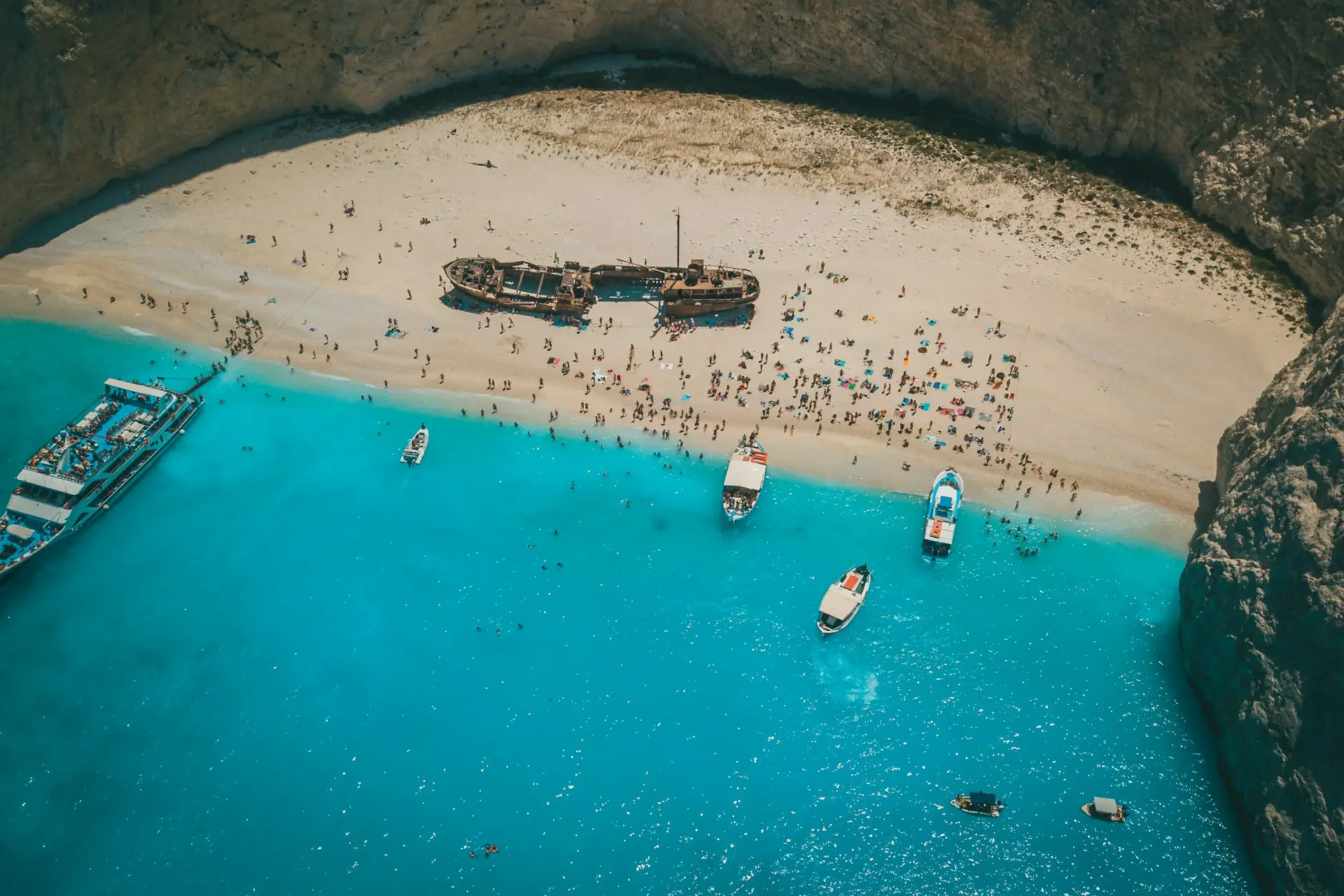
6,000+ beaches across 227 islands, the Mediterranean's finest
Greece's beach offering is simply the finest in the Mediterranean. The variety across its islands is extraordinary: Navagio (Shipwreck Beach) on Zakynthos, a vertically walled limestone cove accessible only by boat, with a rusted 1980s freighter on white pebbles under water so turquoise it appears lit from below, is one of the world's most photographed beaches. Elafonisi on Crete has pink sand tinted by crushed coral, shallow warm water and a lagoon that extends 500m from shore. Sarakiniko on Milos is a lunar landscape of white volcanic rock with brilliant blue water filling its crevices. Balos Lagoon in northwest Crete is a triple beach of white, pink and reddish sand behind a turquoise lagoon. Myrtos on Kefalonia drops dramatically from white limestone cliffs to impossibly blue water. The Aegean and Ionian seas are cleaner, clearer and calmer than most Italian equivalents.
🏆 Winner, beaches (significantly)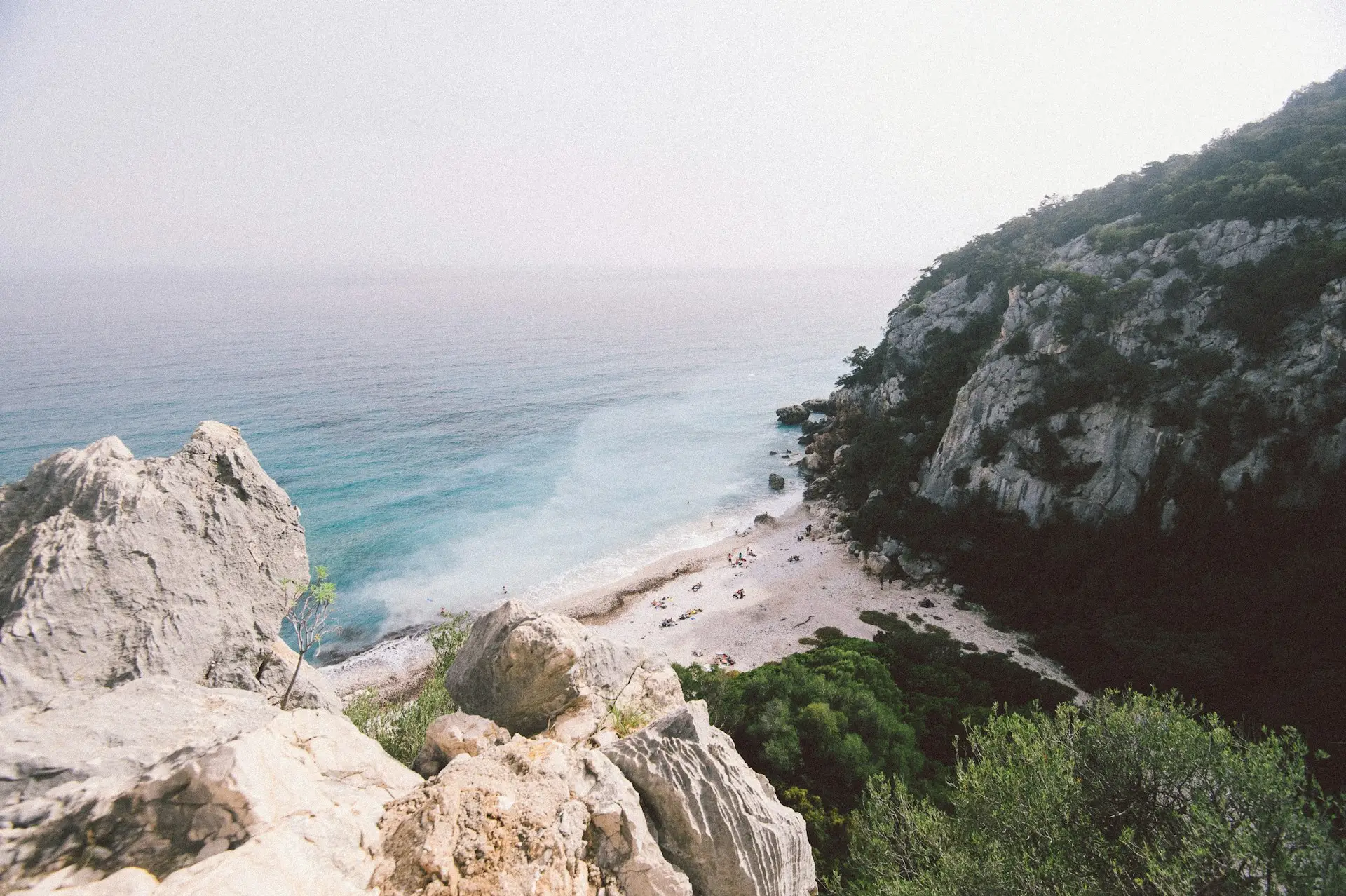
Sardinia, Sicily and Puglia, world-class but a smaller canvas
Italy does have genuinely world-class beaches, they are simply fewer and more concentrated. Sardinia is the standout: the Costa Smeralda's emerald water and white granite coves (Cala Goloritzé, accessible only by boat or 2-hour hike, is among the Mediterranean's most dramatic); Villasimius in the south; the pink La Pelosa beach near Stintino. Sicily's San Vito lo Capo is a long arc of fine white sand with turquoise water rivalling anywhere in the Mediterranean. Puglia's Adriatic coast has pleasant beaches. The Amalfi Coast is spectacular scenery but poor for swimming, steep cliffs descend to small pebble beaches and crowded platforms. The Cinque Terre villages are photogenic but not beach destinations. Italy's best beaches require either Sardinia or Sicily, an extra flight or long drive from the main cultural cities.
Excellent in Sardinia & Sicily, smaller range overallIsland Experiences
Greek island hopping is one of the world's great travel experiences. Italy's islands are excellent but fewer.
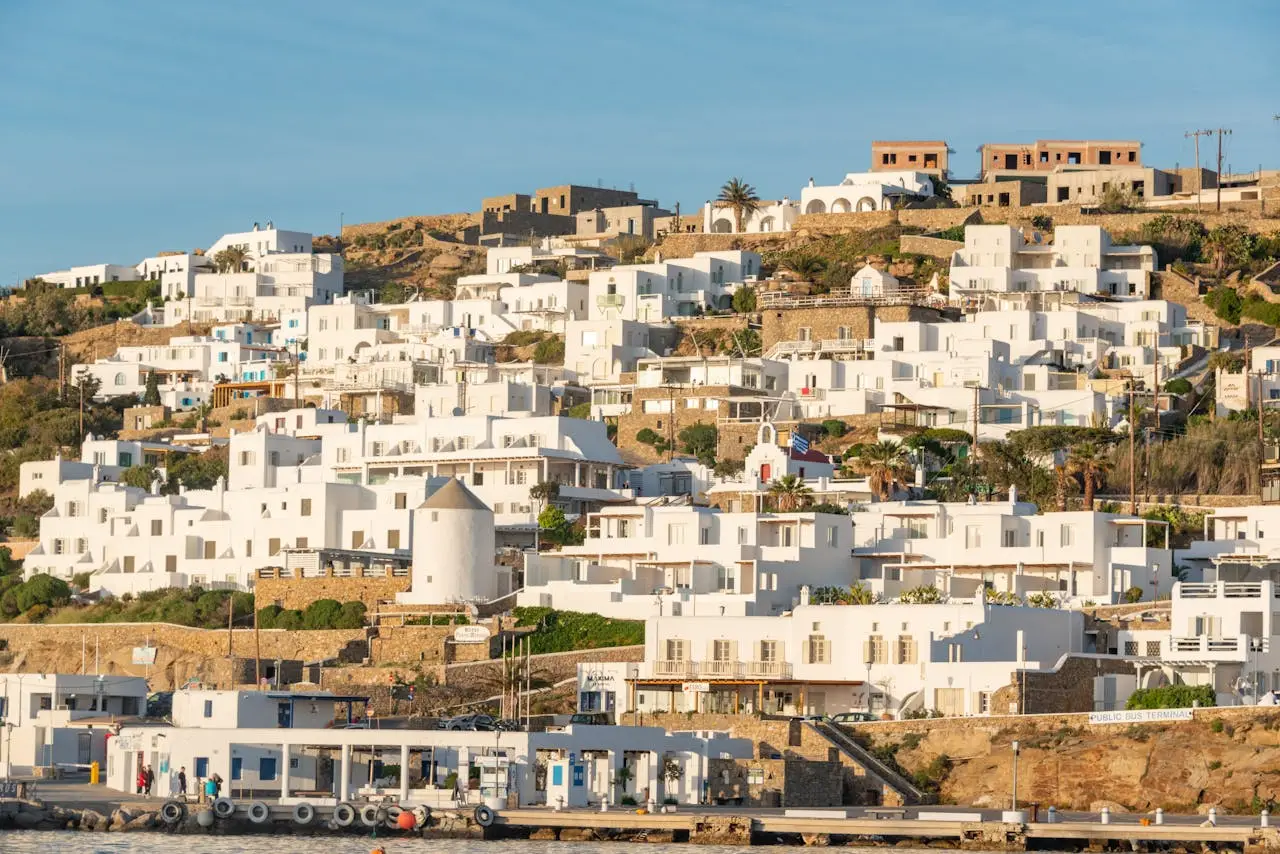
Island-hopping across 227 inhabited islands, each with its own world
The Greek island-hopping experience is one of the world's great itineraries, a form of travel that cannot be replicated anywhere else. Each island has a distinct identity: Santorini's volcanic drama and luxury sunset terraces. Mykonos's glamorous party scene and iconic windmills. Crete's size and depth (Minoan palaces, gorge walks, mountain villages, epic beaches, excellent wine). Rhodes's intact medieval walled city (the best-preserved in Europe). Naxos's marble-streaked mountains and unhurried local pace. Paros's golden beaches and Cycladic villages. Corfu's Venetian old town and lush green landscape unlike anywhere else in the Cyclades. Milos's extraordinary volcanic geography and Sarakiniko's lunar beaches. The ferry network connects most islands and island-hopping across the Cyclades or between the Ionian islands by boat is among the most pleasurable travel experiences in Europe.
🏆 Winner, island variety & experience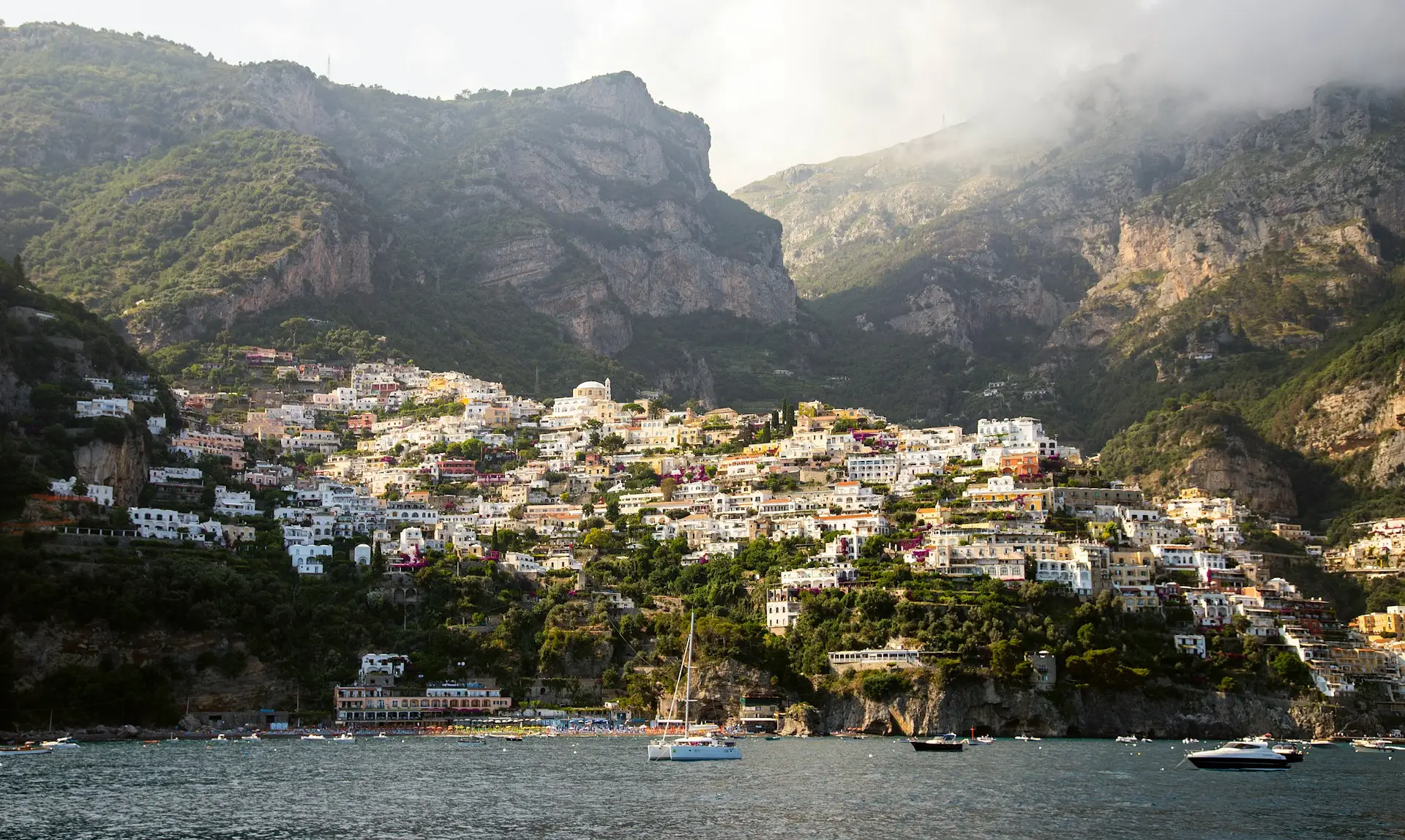
Sicily, Sardinia, Capri and the Amalfi Coast, spectacular but more limited
Italy's islands and coastal experiences are world-class but occupy a smaller canvas. Sicily is Italy's island crown, a culturally layered island of Greek temples (Agrigento's Valley of the Temples is stunning), Baroque towns (Noto, Ragusa), active volcanoes (Etna, Stromboli) and outstanding seafood. Sardinia is among the Mediterranean's most beautiful islands with some of Europe's finest beaches and a genuinely distinct local culture. Capri, off Naples, is bracingly expensive and undeniably beautiful, the Blue Grotto, the Villa San Michele and the views from Anacapri. The Amalfi Coast road (50km of vertiginous cliff-hugging villages: Positano, Ravello, Praiano above a blue sea) is one of the world's great coastal drives. The Aeolian Islands (Stromboli's active volcano, Lipari, Vulcano's sulphur mud baths) are extraordinary. Italy's coastal experiences are arguably Italy's greatest single argument, but Greece's sheer variety across 227 islands wins the overall comparison.
Spectacular, Sicily & Sardinia are world-classCities
Athens is a great city. Italy has Rome, Florence, Venice, Naples, Bologna and Palermo, all world-class.
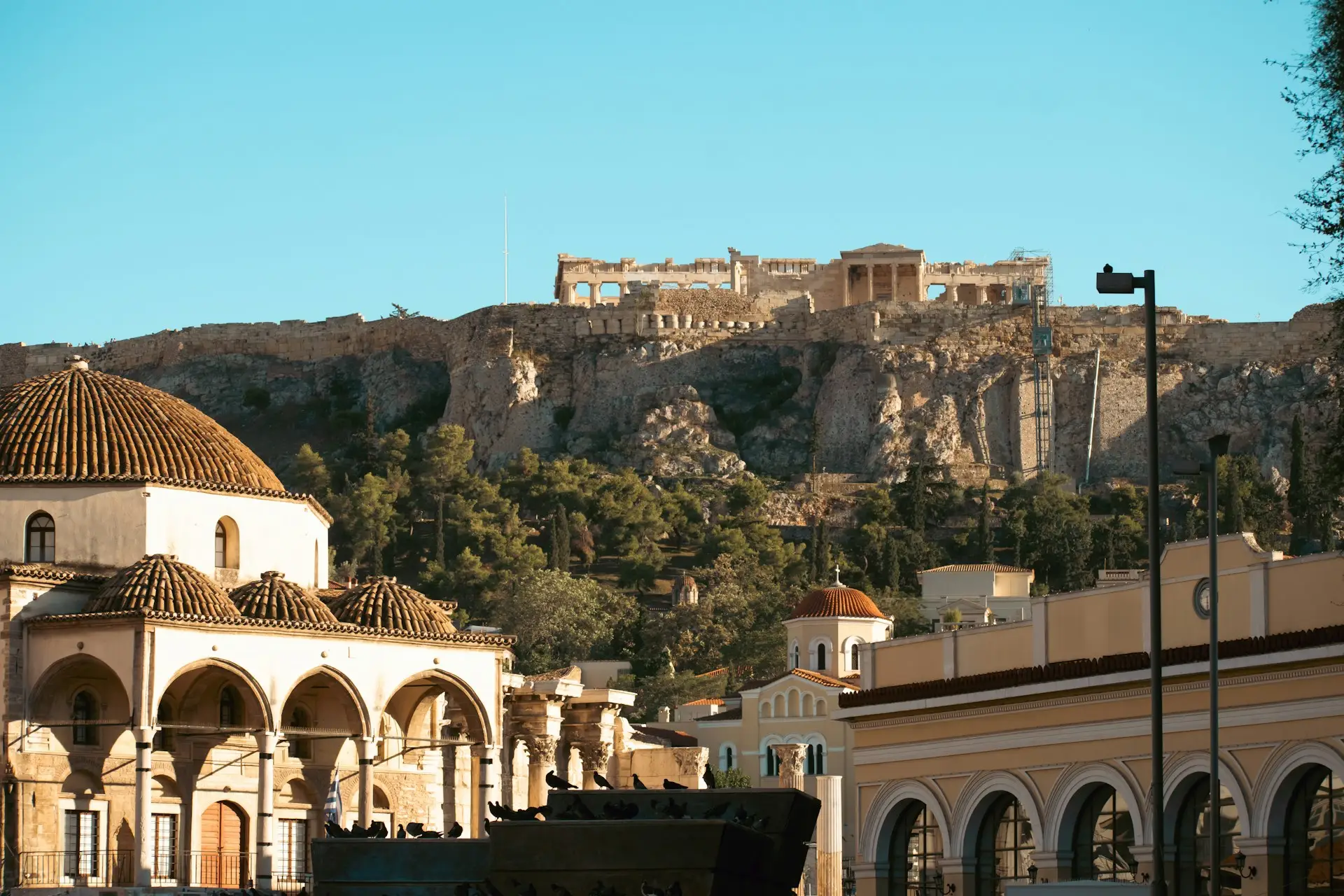
Athens, underrated, gritty and genuinely great
Athens has spent years unfairly dismissed as a stopover city, something to pass through on the way to the islands. The city has reasserted itself: the revamped Acropolis Museum (glass floors reveal archaeological excavations beneath the building), the Monastiraki and Psirri neighbourhoods alive with rooftop bars looking up at the lit Parthenon, the central market on Athinas Street, the Benaki Museum's extraordinary collections and the food scene that has outgrown its tourist taverna reputation. Thessaloniki in the north (Byzantine churches, the best food scene in Greece, a laid-back university city energy) is Greece's underrated second city. Both are excellent, genuinely interesting cities. But Italy's city portfolio is simply in a different league of breadth.
Athens is great, but Greece has one headline city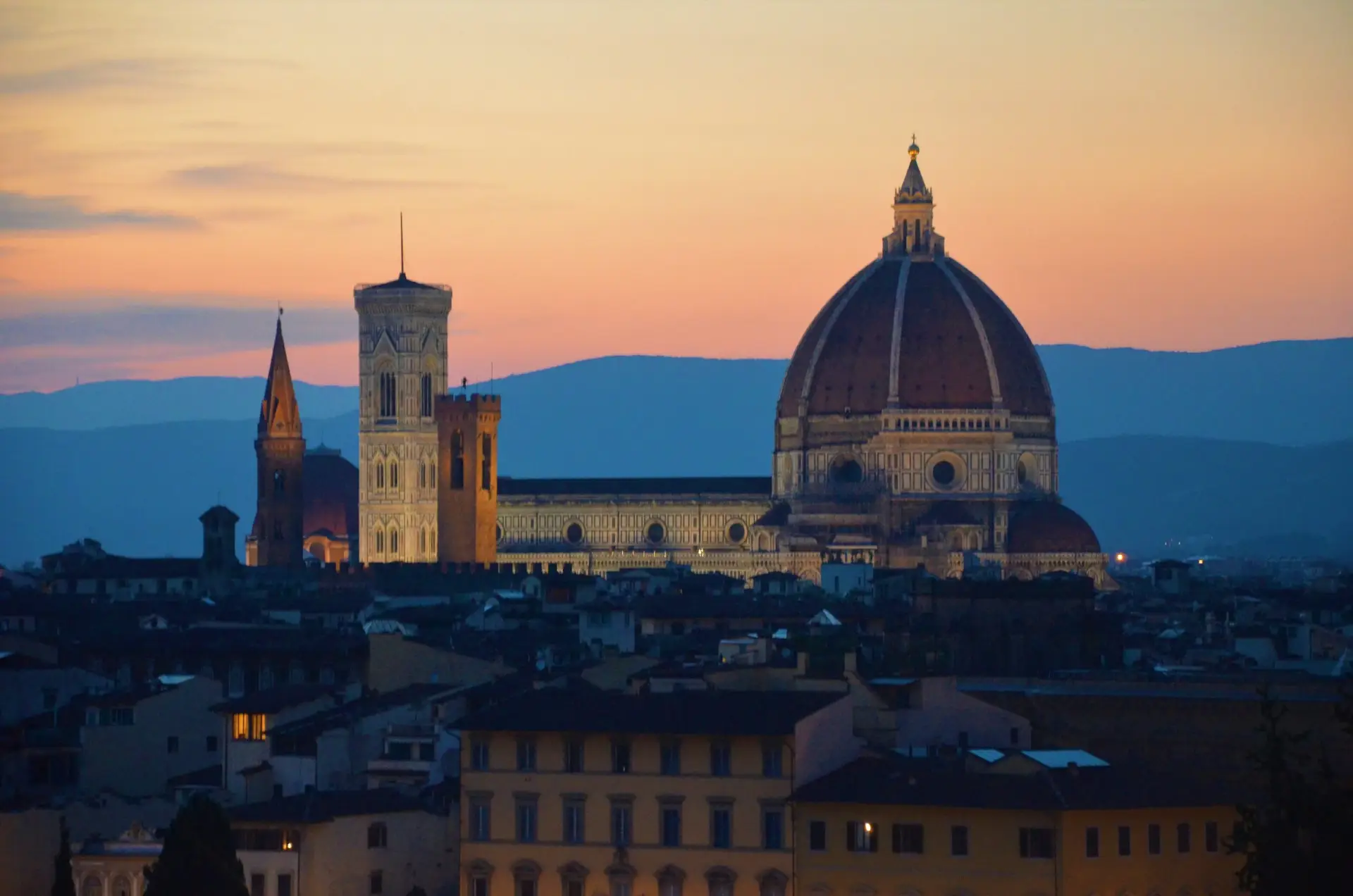
Rome, Florence, Venice, Naples, four world-class cities and counting
Italy's cities are its greatest argument. Rome is one of the world's most complex and rewarding cities, archaeologically layered across 2,800 years, with ancient monuments, Renaissance churches, Baroque fountains and excellent contemporary restaurants existing in the same street. Florence is compact and walkable, its historic centre UNESCO-listed, its Uffizi holding the world's greatest concentration of Renaissance painting. Venice is one of the world's most extraordinary urban environments, built on wooden piles in a lagoon, navigable by gondola and vaporetto, with no cars and a sensory atmosphere unlike anywhere else. Naples is chaotic, loud, theatrical and extraordinary: the best pizza on earth, the National Archaeological Museum (Pompeii's treasures) and an energy that is unapologetically and entirely itself. Bologna, the food capital of Italy in the country that takes food most seriously, is underrated and essential. Italy wins cities comprehensively.
🏆 Winner, cities (most diverse city portfolio in Europe)Cost of Travel
Greece holds a modest value edge, particularly outside the headline islands.
| Category | 🏛️ Greece | 🍕 Italy | Winner |
|---|---|---|---|
| Budget accommodation | €30 to €60 | €35 to €75 | 🏛️ Greece |
| Mid-range hotel | €80 to €160 | €100 to €220 (higher in Rome, Venice, Florence) | 🏛️ Greece |
| Taverna / trattoria dinner | €20 to €35 pp (with wine) | €25 to €45 pp (with wine) | 🏛️ Greece |
| Street food / quick lunch | €4 to €8 (gyros, souvlaki, spanakopita) | €3 to €7 (pizza al taglio, supplì, arancino) | Tie |
| Local wine / beer | €3 to €5 (house carafe), €3 to €4 (beer) | €4 to €6 (house wine), €4 to €6 (beer) | 🏛️ Greece |
| Museum / site entry | €10 to €20 (Acropolis €20) | €16 to €25 (Colosseum €18, Vatican €20, Uffizi €25) | 🏛️ Greece |
| Inter-city transport | €30 to €70 (island ferries) / €40 to €80 (flights) | €20 to €60 (Frecciarossa train, fast) | 🍕 Italy (mainland) |
| Santorini / Mykonos premium | +50% to 100% vs mainland Greece prices | n/a | 🍕 Italy (avoid Greek headline islands) |
| Mid-range daily budget | €80 to €130 | €100 to €160 | 🏛️ Greece |
Important caveat: The price gap between Greece and Italy has narrowed significantly on the headline islands. Santorini and Mykonos in peak season (July-August) now cost more than Rome or Florence in most accommodation categories, and the "cheap Greek islands" reputation no longer applies to the famous names. If budget is a genuine consideration, choose the less-famous Greek islands (Naxos, Paros, Milos, Sifnos, Lefkada) or travel in May, June or September to October when island prices drop 30 to 50%.
Climate & Best Time to Visit
Both countries share classic Mediterranean climate patterns. Late spring and early autumn are the golden windows. Average rainfall in mm by month (Athens and Rome).
Safety & Common Scams
Both are very safe by global standards. Italy has more documented tourist scams; Greece is exceptionally safe.
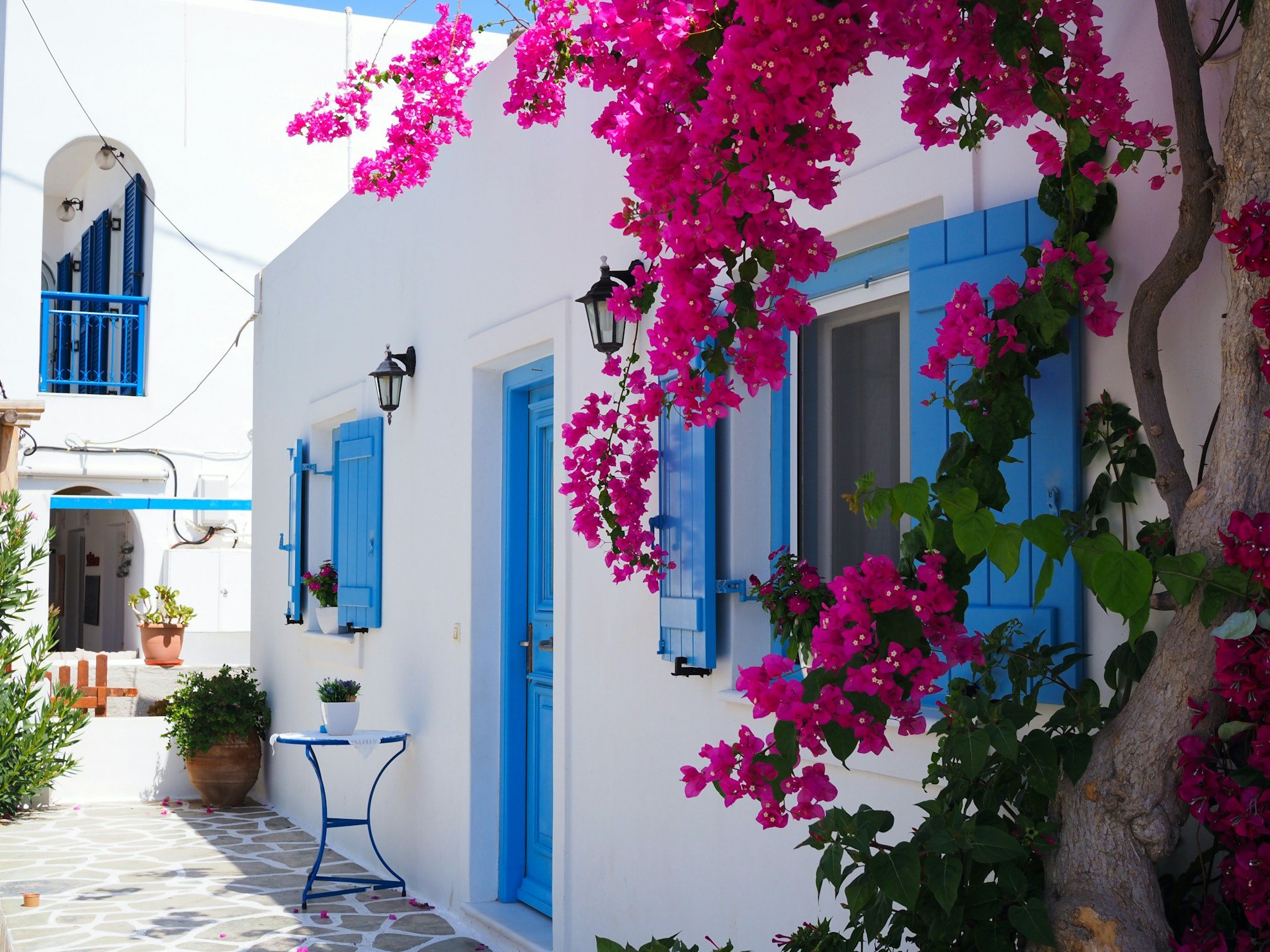
Exceptionally safe, especially on the islands
Greece is one of Europe's safer tourist destinations. Violent crime against tourists is rare. The Greek islands feel notably safer than most European capitals, locals leave doors unlocked in many villages. The main risks are economic: Athens has the usual capital-city pickpocketing in Monastiraki, Syntagma and the metro line 3 (the airport line). Some Athens taxi drivers attempt to overcharge tourists arriving at the airport; insist on the meter. Ferry and domestic flight strikes happen periodically and can disrupt island travel, check kathimerini.gr or local news the day before transit. Wildfires are a serious risk in summer, particularly on Attica and Evia, follow Civil Protection alerts. Read our Greece travel scams guide.
🏆 Winner, marginally safer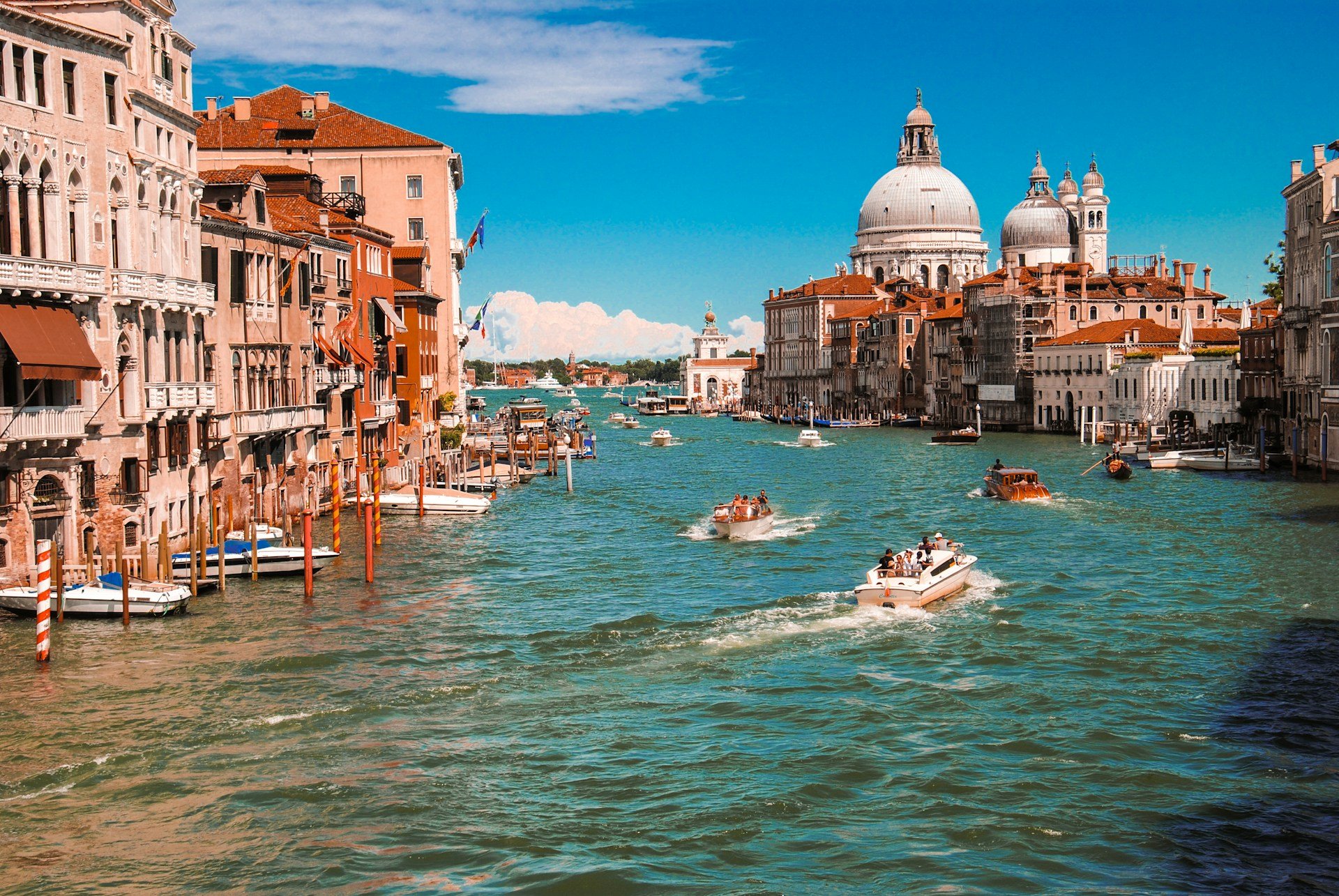
Safe but more documented tourist scams, especially in Rome and Naples
Italy is generally safe with very low violent crime, but it has a more developed tourist scam ecosystem than Greece. Rome's specific risks: pickpocketing at the Colosseum, Trevi Fountain, Vatican queues and on bus 64 (Termini to Vatican). Unlicensed taxis at Termini station are a classic overcharging trap, use only white taxis with meters. Restaurant overcharging near major sites is common, always check menu prices before sitting down. Card skimming at standalone ATMs near tourist sites occurs. Naples has higher rates of opportunistic petty theft than the rest of Italy; the train station and the Spanish Quarter at night require extra awareness. Venice's gondola operators sometimes quote prices much higher than the official rate (€80 for 30 minutes daytime). Read our Italy travel scams guide.
Safe overall, more tourist scams to watch forPros & Cons of Each Destination
No fluff, no marketing copy. The realistic upsides and downsides of each.
- The world's best beaches (6,000+ across 227 islands)
- Island-hopping is one of travel's great experiences
- 20 to 30% cheaper than Italy on the mainland
- Exceptionally safe, especially on the islands
- The Acropolis and ancient Greek sites are foundational
- Aegean light is genuinely unique and unforgettable
- Excellent fresh seafood and grilled meats
- Athens has matured into an excellent city break
- Very low language barrier, English widely spoken
- More relaxed pace than Italian cities
- Santorini and Mykonos are now extremely expensive
- Ferry logistics complicate multi-island trips
- Most islands close from November to March
- Food is excellent but less varied than Italy's
- Athens is the only world-class city in Greece
- Meltemi summer winds disrupt ferries in the Cyclades
- Driving on rural roads can be challenging
- Summer wildfires are an increasing risk
- Ferry strikes can disrupt itineraries
- One of the world's greatest cuisines
- 60 UNESCO sites, most of any country on earth
- Rome, Florence, Venice, Naples, four world-class cities
- The Renaissance: the Uffizi, Vatican, David, Sistine Chapel
- Fast Frecciarossa trains connect everything brilliantly
- Pompeii and Roman archaeology are unrivalled
- Wine culture: Brunello, Barolo, Chianti, Prosecco
- Amalfi Coast, Cinque Terre and Tuscany countryside
- Easy to combine cities, beaches and countryside
- Espresso and gelato culture is unmatched
- 20 to 30% more expensive than Greece overall
- Rome, Florence, Venice are very crowded May-September
- More tourist scams than Greece (taxi, restaurant, pickpocket)
- Venice has a €5 day-tripper entry fee 2025+
- Best beaches require flying to Sardinia or Sicily
- English less common outside major tourist hubs
- Train strikes happen, check Trenitalia before key days
- Amalfi Coast driving is genuinely terrifying
- Restaurant coperto charges can sting unexpectedly
Combined 16-Day Greece & Italy Itinerary
The classic Mediterranean circuit. Start in Italy for cities, art and food, finish in Greece for beaches, islands and ancient sites.
Days 1 to 3 · Rome, Italy
Fly into Rome Fiumicino (FCO). Three nights minimum in Rome to do it any justice. Day 1: acclimatise, walk the historic centre (Piazza Navona, Pantheon, Trevi Fountain), aperitivo at a Campo de' Fiori bar, dinner in Trastevere. Day 2: the ancient triad of the Colosseum, Roman Forum and Palatine Hill (book skip-the-line tickets in advance). Afternoon at Capitoline Museums. Evening Roman trattoria for cacio e pepe. Day 3: Vatican City (Vatican Museums, Sistine Chapel, St Peter's Basilica), afternoon free for Galleria Borghese (requires advance booking) or Villa Borghese gardens.
Days 4 to 5 · Naples and Pompeii, Italy
High-speed train from Rome to Naples (1 hour 10 minutes, around €45). Two nights based in Naples. Day 4: settle into the historic centre, lunch at a Margherita pizzeria (Da Michele or Sorbillo), afternoon at the National Archaeological Museum (housing most of Pompeii's frescoes and mosaics), dinner in the Spanish Quarter. Day 5: day trip to Pompeii (40 minutes by train, €3.20), or alternatively to Herculaneum which is smaller but better preserved. Evening in Naples or optional day trip to Capri by hydrofoil.
Day 6 · Crossing to Greece
Two options. Overland route: train from Naples to Bari (4 hours, €60), evening ferry from Bari to Corfu, Igoumenitsa or Patras (8 to 17 hours overnight, €60 to €120 with cabin, Anek Lines or Superfast Ferries). Romantic and pleasant in good weather, lets you arrive rested. Fast route: fly Naples to Athens (2 hours, €80 to €150 with Aegean, Ryanair or ITA Airways), the standard option for most travellers.
Days 7 to 9 · Athens, Greece
Three nights in Athens. Day 7: arrival and Plaka neighbourhood evening, rooftop drinks looking up at the lit Acropolis. Day 8: the Acropolis itself in early morning (gates open 8am, beat the heat and crowds), the new Acropolis Museum afterwards, lunch in Monastiraki, afternoon walk around Anafiotika (the village-within-Athens below the Acropolis). Day 9: the National Archaeological Museum (extraordinary, easily 3 hours), afternoon in Psirri or Exarcheia, or day trip to Delphi (3 hours away) or Cape Sounion (sunset at the Temple of Poseidon).
Days 10 to 12 · Santorini, Greece
Fly Athens to Santorini (45 minutes, €60 to €120 with Aegean or Sky Express) or ferry (5 to 8 hours, €45 to €70 with Blue Star or SeaJets). Three nights based in Oia or Imerovigli for the caldera view. Day 10: settle in, sunset at Oia (arrive 90 minutes before, it gets packed). Day 11: caldera hike from Fira to Oia (10km, allow 4 hours with stops), or boat tour of the volcano and hot springs. Day 12: south of the island for Akrotiri archaeological site (the Bronze Age "Minoan Pompeii"), Red Beach and a winery visit (Santo Wines, Domaine Sigalas).
Days 13 to 16 · Crete or Naxos, Greece
Final stretch on a larger, less famous island. Choose your style. Crete by ferry from Santorini (2 hours, €40 to €65) for the depth: Heraklion plus Knossos palace, Chania's Venetian harbour, Samaria Gorge hike, Elafonisi pink beach, mountain villages, exceptional food. Naxos (3 hours from Santorini by ferry, €40) for a more laid-back finale: golden Cycladic beaches, marble mountain villages (Apiranthos, Halki), Portara temple gateway, excellent value compared to Santorini. Fly home from Heraklion (HER) or Naxos (JNX) to Athens then onward.
Greece or Italy, Which Should You Choose?
The honest answer: your primary motivation determines everything. Here's who wins for what.
Greece is the right choice when the islands are the goal, beaches are the priority, you want to experience ancient Greek civilisation at its source, or you want a more relaxed, sun-and-sea-focused Mediterranean trip.
- Island-hopping is specifically what you want
- Beaches are the primary priority, Greece wins clearly
- The Acropolis, Delphi or Olympia are on the bucket list
- Budget is a consideration, Greece is moderately cheaper
- You want a more relaxed, unhurried pace
- Sailing or island-hopping by ferry appeals
- You've already done Italy and want something new
- Summer beach holidays with crystal-clear water
Italy is the right choice when food is the central purpose, when great art and Renaissance culture are the goal, when city-hopping by fast train appeals, or when you want the broadest and deepest European cultural experience in a single country.
- Food and dining culture is the central purpose
- Renaissance art (Uffizi, Vatican) is on the list
- Rome, Florence and Venice are all must-sees
- First trip to Mediterranean Europe, Italy covers more range
- The Amalfi Coast, Cinque Terre or Tuscany countryside
- Sicily or Sardinia for beaches alongside culture
- Fast train travel between major cities is appealing
- Wine country (Tuscany, Piedmont) is the draw
Plan Your Mediterranean Adventure
Greece vs Italy, FAQ
The questions every Mediterranean traveller asks before choosing.
Related Comparisons
Still deciding? These comparisons might also help.