
Myanmar's biggest city, and the easiest place to start
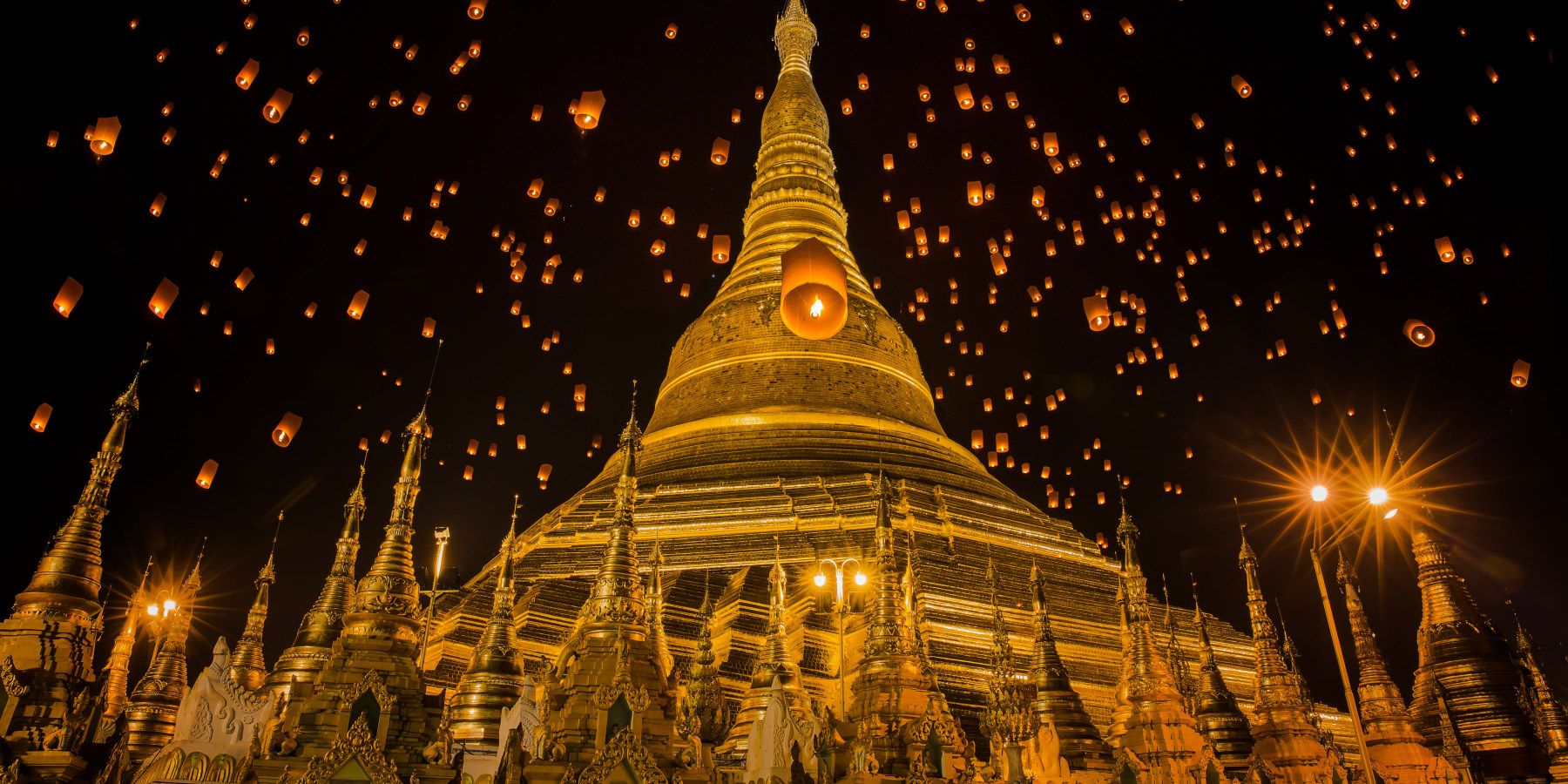
Yangon, known as Rangoon under British rule, was Burma's capital until the military government moved administrative functions to purpose-built Naypyidaw in 2006. It remains the country's largest city, its commercial center, and its main international gateway, with more surviving colonial-era architecture than almost anywhere else in Southeast Asia standing alongside Buddhist sites that predate the British by centuries. Shwedagon Pagoda alone, a gold-covered stupa visible across much of the city, is worth the trip on its own.
What makes Yangon specifically relevant right now is that it functions. Hotels take bookings and honor them, taxis run, restaurants serve food, and the UK's Foreign, Commonwealth & Development Office rates it a lower-risk "green zone" relative to most of the rest of Myanmar. That is a genuinely useful, practical fact for a traveler weighing this trip. It is not the same as saying Yangon is a normal city break, and this guide does not pretend otherwise.
The honest complications
Petty crime has increased in crowded areas like Chinatown and around Bogyoke Aung San Market, taxi drivers routinely try to overcharge arriving visitors before they find the official counter, and English drops off quickly once you're off the main tourist streets. Infrastructure that looks fine on paper can be inconsistent: power cuts happen, and card acceptance is limited outside hotels and larger restaurants. More seriously, Yangon sits inside a country under a Level 4, Do Not Travel advisory, and while it is genuinely the calmest single point in Myanmar, that is a relative statement, not an absolute one. Read the safety chapter below before booking anything.
What the advisory means inside the calmest city
Yangon does not carry a separate, lower advisory rating from the rest of Myanmar in US State Department terms: the whole country sits at Level 4, Do Not Travel. The UK's FCDO does draw a finer distinction, classifying Yangon a "green zone" relative to the orange and red zones covering most of the rest of the country. In practical, day-to-day terms, petty theft and traffic, not terrorism or kidnapping, are what actually catches visitors here.
Pickpocketing
Concentrated around Bogyoke Aung San Market, crowded Chinatown streets, and public buses. Keep bags closed and in front, and carry only what you need for the day.
Common scams
A man in robes near Shwedagon claiming the temple is closed and soliciting "donations" (real monks don't solicit on the street); a Bogyoke Market gem-shipping offer that ends in fake export fees; airport drivers quoting inflated USD fares before the official counter.
After dark
Nighttime risk is noticeably higher than daytime: poor lighting, quieter streets and occasional sudden security checks. Arrange transport through your hotel for evening plans rather than walking unfamiliar streets.
Emergency numbers
Four areas that cover almost everyone's trip
Yangon is large and sprawling, but visitors realistically spend their time in a handful of central districts. Where you base yourself comes down to whether you want colonial streetscape or lakeside quiet within easy reach of Shwedagon.
Downtown (Kyauktada & Latha)
The old commercial heart of British Rangoon: Sule Pagoda sitting improbably in the middle of a traffic roundabout, City Hall's white facade facing Maha Bandula Garden, and Strand Road running past the Yangon Customs House, the colonial-era General Post Office and the High Court on the way to the river. This is the most atmospheric base for a first visit and the easiest area to explore on foot, though it's also the busiest and least green.
Chinatown / 19th Street
West of Sule Pagoda, Yangon's Chinatown centers on 19th Street, which turns into an open-air grilling and drinking street every evening. It's the city's best concentration of budget hostels and cheap, good food, and worth basing yourself here if nightlife and street food matter more than colonial views.
Kandawgyi Lake area (Bahan)
East of downtown, the district around Kandawgyi Lake is greener, quieter and a short ride from Shwedagon Pagoda, with the city's best lakeside hotels overlooking the water and the golden Karaweik Hall. A calmer, more residential alternative to downtown for the same central location.
Botahtaung / riverside
The riverside district around Botahtaung Pagoda and the main railway station, useful mainly as the starting point for the Circular Train loop and the ferry across to Dalla for a Twante day trip. Not a base for most visitors, but a regular stop on any itinerary.
From a 1901 colonial landmark to $6 dorm beds
Yangon's hotel scene runs from one of Asia's most storied colonial hotels to a genuinely good hostel cluster in Chinatown. Book a real security and reliability standard rather than the cheapest unrated guesthouse you can find, especially for a first Myanmar trip.
At the top, The Strand on Strand Road is Yangon's most storied address: opened by the Sarkies brothers in 1901 and once host to Rudyard Kipling, George Orwell and Somerset Maugham, it's a genuine piece of colonial history operating as a working luxury hotel today. On the lake, Chatrium Hotel Royal Lake Yangon has some of the best sunrise and sunset views over Kandawgyi Lake and the city skyline from its rooms and pool deck, while the Kandawgyi Palace Hotel sits directly on the Royal Lake just 5 to 10 minutes' walk from Shwedagon Pagoda and People's Park.
At the budget end, Chinatown's Baobabed Hostel sits a five-minute walk from 19th Street's night food scene and helps with tour and ticket arrangements, while downtown's HOOD Hostel is a short walk from Mahabandoola Garden and Yangon Central Railway Station and rates consistently well for cleanliness. For a private room without a big price jump, Hninn Si Budget Inn is a reliable, clean, no-frills option that regularly tops budget-hotel shortlists for the city.
Mohinga for breakfast, 19th Street after dark
Yangon eats on the street as much as in restaurants, and the city's food scene ranges from a bowl of noodle soup that costs less than a dollar to a proper sit-down restaurant reviving old Rangoon recipes.
Mohinga
Myanmar's unofficial national dish, a fish-based rice noodle soup with crispy fritters, hard-boiled egg and fried onion, is sold from stalls on nearly every street corner in the city, usually in the morning. Eating one is close to mandatory.
Rangoon Tea House
On the second floor of a building in Yangon's historic downtown business district, Rangoon Tea House sources everything locally and makes its menu from scratch, serving a properly cooked mohinga alongside lahpet thoke (fermented tea leaf salad), nan gyi thoke (tossed noodle salad) and steamed buns stuffed with butterfish. A good first sit-down meal to understand what Burmese food is doing.
19th Street, Chinatown
Every evening, 19th Street closes to traffic and fills with grilled skewers, seafood and beer stalls that spill across the road. KOSAN 19th St. Snack & Bar is a reliable, well-reviewed spot to anchor an evening here before wandering the rest of the street.
Gold, colonial brick, and a train loop that shows you the rest
Yangon's sights split cleanly into three kinds of morning or afternoon: the sacred sites, the colonial downtown, and the slower, stranger pleasure of just riding the train around the city.
Shwedagon Pagoda
Shwedagon Pagoda, Myanmar's most sacred Buddhist site, is a gold-covered stupa rising nearly 100 meters, said to enshrine relics of four Buddhas and covered in genuine gold leaf plus, at the very top, diamonds and other gems. Go at sunrise or sunset, when the light plays off the gold and the platform is at its most atmospheric; remove shoes and socks before stepping onto the marble platform, which applies across the entire complex, not just the inner shrine.
The colonial downtown walk
Start at Sule Pagoda, claimed to be over 2,000 years old and sitting, unusually, in the middle of a downtown traffic roundabout, then walk the short distance to City Hall, a 1926 building designed by Burmese architect U Tin facing Maha Bandula Garden and the Independence Monument. From there, Strand Road runs past the Yangon Customs House, the colonial-era General Post Office and the High Court toward The Strand, whose lobby bar is worth a drink even if you're not staying there. The full loop takes one to two unhurried hours.
The Yangon Circular Train
Myanmar Railways' Circular Train runs a roughly three-hour, 45-kilometre loop around greater Yangon on ordinary commuter carriages, passing markets, rural villages and everyday city life that the tourist sights don't show you. Board at Yangon Central Railway Station, and consider combining it with a stop at Chaukhtatgyi Pagoda to see its enormous reclining Buddha, a common pairing on guided Circular Train tours.
Bogyoke Aung San Market & Kandawgyi Lake
Bogyoke Aung San Market, nearly a century old, is the place for jade, gems, traditional crafts and antiques, though it's closed on Mondays and worth watching your bag closely inside. Afterward, Kandawgyi Lake, a 260-acre park built around a British-era reservoir, is a good place to slow down; the golden, barge-shaped Karaweik Hall on the lake's southeast corner runs a traditional Burmese dance and dinner show most evenings from around 6:30 to 9:30pm.
Two or three days, planned around the light and the crowds
Two full days cover Yangon's essentials; a third adds either a slower pace or a day trip beyond the city.
- Day 1 morning
Downtown colonial walk. Sule Pagoda, City Hall, Maha Bandula Garden, Strand Road past the Customs House and Post Office to The Strand.
- Day 1 afternoon
Bogyoke Aung San Market. Browse jade, crafts and antiques (closed Mondays, plan accordingly).
- Day 1 evening
19th Street, Chinatown. Grilled skewers and beer on the closed-to-traffic food street.
- Day 2 morning
Shwedagon Pagoda at sunrise. Arrive early for the light and thinner crowds; shoes off for the whole platform.
- Day 2 afternoon
Kandawgyi Lake and Karaweik Hall. A slower walk through the park, with the option of the evening dance and dinner show.
- Days 1-2
The two-day route above, at the same pace.
- Day 3 option A
The Circular Train. The full three-hour loop from Yangon Central Railway Station, paired with a stop at Chaukhtatgyi Pagoda's reclining Buddha.
- Day 3 option B
Beyond the city. A day trip to Bago or Twante (see the chapter below) before flying onward to Bagan, Mandalay or Inle Lake.
A fixed-fare taxi counter solves most of it
Yangon International Airport (RGN) sits about 15km north of downtown, and the drive takes 45 to 90 minutes depending on traffic, worse during the roughly 8-10am and 4-7pm rush windows. Use the official prepaid taxi counter inside the terminal, which charges a fixed fare of around $8-10 to downtown; avoid drivers who approach before you reach the counter and quote fares in US dollars outside the system. Grab operates an airport taxi service at RGN, though it can run intermittently depending on regulatory conditions, so don't rely on it as your only option.
Within the city, taxis are the main way to get around; most don't use meters, so agree the fare before you get in, or use Grab where it's working. The Yangon Bus Service (YBS) covers the city cheaply but is confusing for first-timers without a translation app. Walking works well within downtown and Chinatown but not much further given the heat and traffic.
Best time to visit
November to February, the cool dry season, is the best time to visit Yangon: warm days without the worst humidity. March to May turns hot ahead of the rainy season, which runs roughly June to October with heavy, sometimes flooding, downpours. This also lines up with the only window for Bagan's hot air balloon flights if Yangon is the first stop on a longer trip.
Inexpensive by regional standards
Yangon is affordable compared to most Southeast Asian capitals, with genuinely good hostels at the low end and international-standard hotels that still undercut equivalent properties in Bangkok or Singapore.
- Hostel dorm $5-12 (Chinatown or downtown)
- Street food and tea houses $3-8
- Taxis and occasional Grab rides
- Shwedagon entry plus one paid sight
- Mid-range hotel with breakfast
- Restaurant meals, a private guide some days
- Circular Train ticket, market shopping
- Airport transfer arranged in advance
- The Strand or Chatrium Royal Lake
- Private driver and guide throughout
- Karaweik Hall dinner show
- Full operator-managed itinerary
Two trips worth a day, both still on the calmer map
Two destinations within a few hours of Yangon are genuinely worth a day each, and both stay within the country's calmer central zone rather than pushing toward any conflict-affected region.
Bago
Bago, Myanmar's former capital, holds the reclining Buddha at Shwethalyaung and the reconstructed Kanbawzathadi Palace, and works well as a half-day stop on its own. It's also the usual staging point for full-day trips to Kyaiktiyo Pagoda, the Golden Rock, a gilded boulder balanced on a cliff edge that's one of Myanmar's most important pilgrimage sites; the round trip from Yangon runs about four hours each way by road plus a 45-minute open-truck transfer up the mountain, making it a long but manageable single day with an early start, typically booked as a guided tour with transport and lunch included.
Twante & Dalla
A short ferry across the Yangon River to Dalla, followed by a drive to Twante, a village known for its centuries-old pottery tradition, makes for a slower, more rural half-day or full-day trip that most visitors combine into a single guided tour. Hands-on pottery demonstrations and a quieter, more local pace than the city are the draw here rather than a single headline sight.
Yangon FAQ
Is Yangon safe for tourists?
Yangon is the UK FCDO's lowest-risk "green zone" within Myanmar and the calmest city on the tourist circuit, but the whole country, Yangon included, sits under a US Level 4, Do Not Travel advisory. Petty theft, traffic and occasional checkpoints are the practical, day-to-day risks; violent crime against tourists is rare.
How many days do I need in Yangon?
Two to three days covers it well: one for Shwedagon Pagoda and Kandawgyi Lake, one for the colonial downtown and the Circular Train, and a third for Bogyoke Market and Chinatown or a day trip to Bago or Twante.
How much does Yangon cost per day?
Budget travellers manage on $35-55 a day with hostels and street food; mid-range runs $70-120. Yangon is inexpensive by regional standards, though domestic flights onward to Bagan, Mandalay or Inle Lake add significantly to a total trip budget.
What is the best area to stay in Yangon?
Downtown, near Sule Pagoda and Strand Road, for colonial architecture and walkability, or the Kandawgyi Lake area for quieter, greener surroundings close to Shwedagon. Both are reasonable first-time bases.
Is Shwedagon Pagoda worth visiting?
Yes, it is Myanmar's most sacred Buddhist site and one of the most striking religious buildings in Southeast Asia: a gold-covered stupa nearly 100 meters tall, best seen at sunrise or sunset when the light plays off the gold leaf.
What is the Yangon Circular Train?
A roughly three-hour, 45-kilometre loop on Myanmar Railways' commuter line around greater Yangon, passing markets, rural villages and everyday city life. It's inexpensive, slow, and one of the best ways to see how the city actually lives outside the tourist sights.
How do I get from Yangon airport to downtown?
Use the official prepaid taxi counter inside the terminal, which charges a fixed fare of roughly $8-10 to downtown; avoid drivers who approach you before the counter and quote fares in USD outside the system. The drive takes 45-90 minutes depending on traffic.
Do I need to speak Burmese in Yangon?
No. English is spoken at hotels, restaurants and tourist sites in the city center, though less so on public transport and in residential neighbourhoods. A few words of Burmese are appreciated but not necessary.
Is Bogyoke Aung San Market worth visiting?
Yes, for jade, gems, traditional crafts and antiques in a nearly century-old covered market, though it's closed on Mondays and pickpockets are known to work its crowded lanes. Decline any offer to ship gems home at a discount; it's a documented scam.
What Stays With You
Yangon does not ask you to reconcile its two truths, the working, walkable, genuinely welcoming city and the advisory hanging over the country it belongs to, and this guide isn't going to pretend that's easy either. What most travelers describe taking home is a specific image: Shwedagon at dusk, the gold catching the last light while the city's traffic and tea houses carry on beneath it, indifferent to how the rest of the world currently rates the place.
If you come, come with a plan, a booked hotel with real security, and a clear sense of where the calmer circuit ends and the rest of the map begins. Yangon rewards that kind of preparation more generously than it punishes the lack of it, which is itself a small, honest reason for hope.