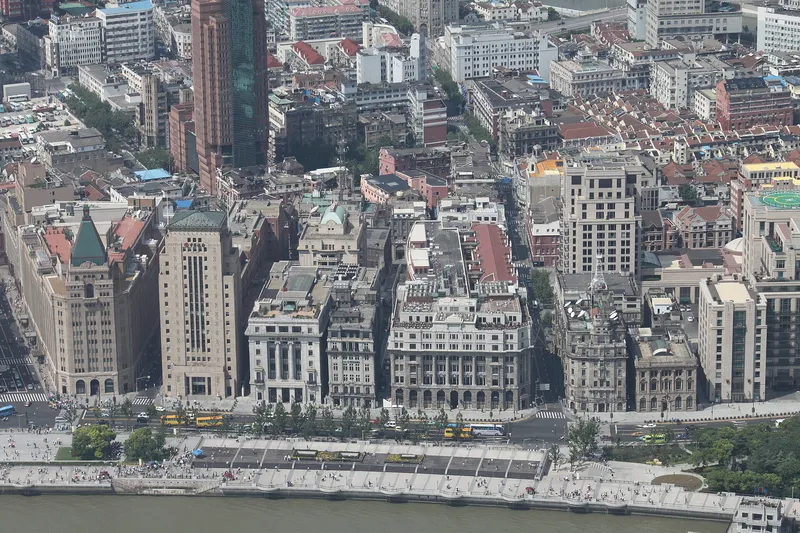
Riverfront promenade
The Bund
A 1.6 km stretch of the Huangpu's west bank lined with 52 buildings in mixed European styles, facing the towers of Pudong.
Book a highlights bus tour
Updated November 2026 · Fact-checked
A riverfront of historic buildings on one side, a skyline of supertall glass on the other, and between them a promenade crowded from morning to midnight. Shanghai is the China most first-time visitors meet, and it is a gentle introduction: a metro with English signs, a maglev from the airport and ancient water towns an hour or two away.
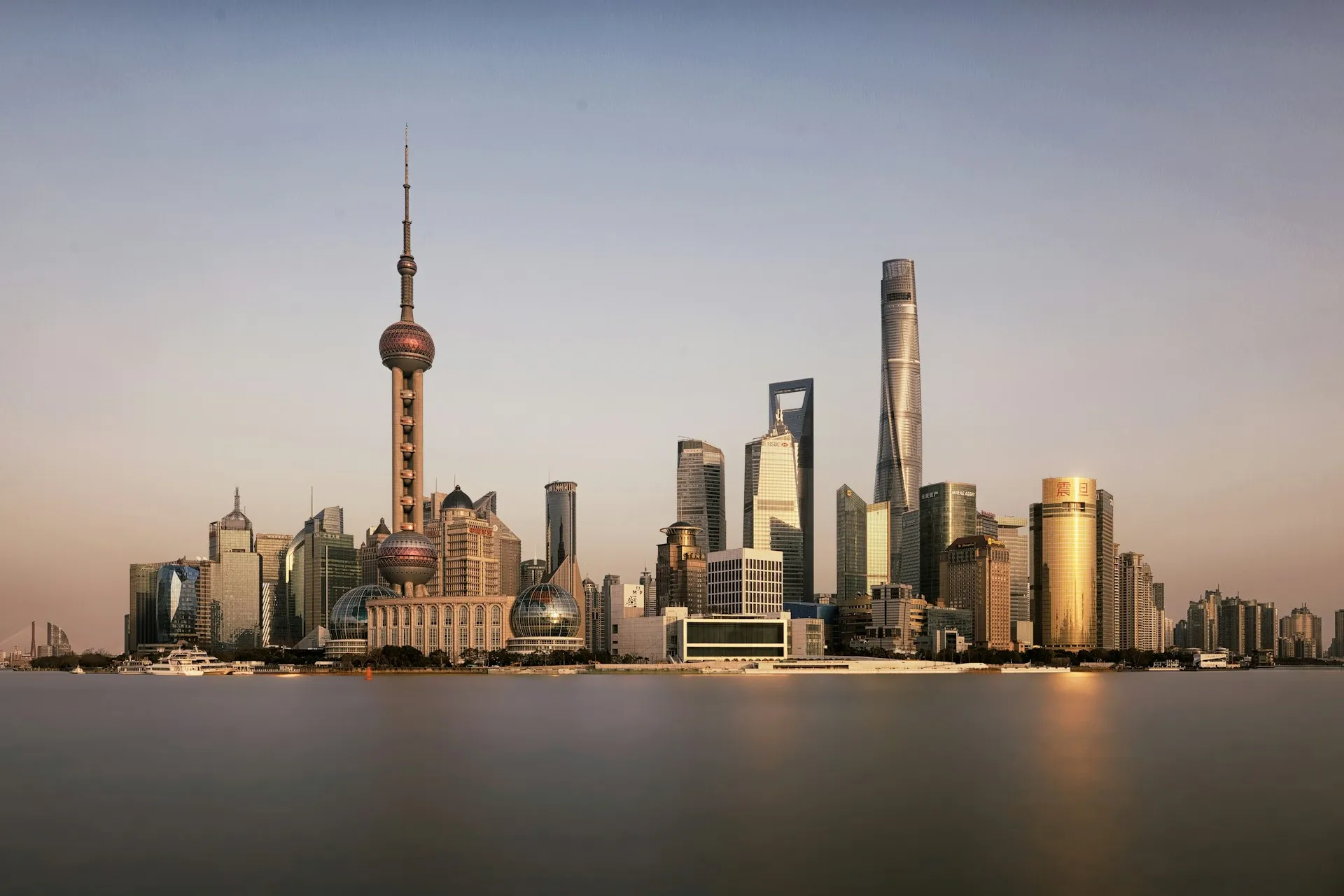 SHANGHAI · 31.2°N 121.5°E
Shanghai had about 24.9 million residents in 2023 and is China's most populous city, yet it is also the easiest one to arrive in. It received more than 9.36 million inbound visits in 2025, up almost 40 percent on the year before and well ahead of Beijing's 5.48 million, which is why we chose it as our first mainland China city guide. Visa-free entry for many passports, an airport maglev and a metro with tourist passes all lower the bar for a first visit.
The city splits in two along the Huangpu River. On the west bank, the Bund is a 1.6 km riverside strip of 52 buildings in mixed European styles, and behind it lie the old streets, People's Square and the shopping avenue of East Nanjing Road. On the east bank, Pudong holds the Lujiazui financial district and the towers that define the skyline. Most visitors spend their first two days going back and forth between the two, and that is the right way to do it.
Summer is hot and wet. July is the hottest month, with a mean daily maximum around 33 °C, June to August bring the most rain, and typhoons can arrive in summer and the start of autumn. The Canadian government also warns that local laws can be enforced arbitrarily in China, so read the entry and conduct rules for your own passport before you go.
The Bund is a named scam hotspot. The Canadian government lists Shanghai's Bund, along with Beijing's Tiananmen Square, as a place where a friendly stranger invites you to a bar, tea house or massage and you are left with a very large bill. The UK Foreign Office describes the same tea tasting and massage routine. Politely decline and keep walking; our China scam guide explains each trick.
Shanghai is huge, but a first visit fits inside a few areas that are all linked by metro. Pick your base by what you want outside the front door, because every district below is a short train ride from the others.
Huangpu is the central district on the west bank and holds the Bund, East Nanjing Road, People's Square and the Shanghai Museum. Yu Garden sits in the old city nearby and is served by metro Lines 10 and 14. Staying here puts the headline sights within walking distance, at the price of the thickest crowds in the city.
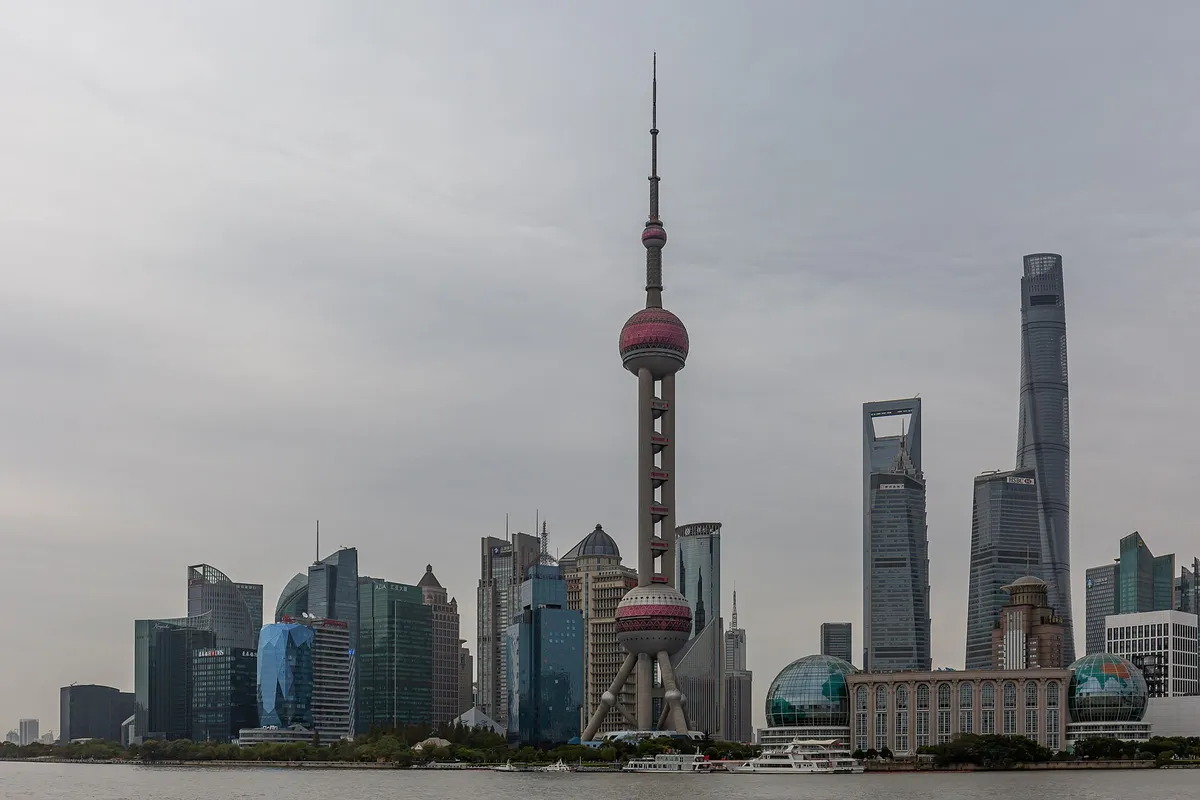
The east bank of the Huangpu River is home to the Lujiazui financial district, the Oriental Pearl Tower and Shanghai Tower. It suits travellers who want the towers outside the window and an easy run to Pudong Airport, since the maglev starts from Longyang Road station in this district.
Jing'an is built around Jing'an Temple and is a well-connected, central base with a quieter feel than the riverfront. The former French Concession, known for its plane-tree-lined streets, is the best part of the city for slow walking; Wukang Road is the street our scam guide singles out for its autumn colour.
Hongqiao, on the western side of the city, is where most high-speed trains to Suzhou and Hangzhou leave from, and it has its own airport. It is a practical base for early departures rather than for sightseeing. The Airport Link metro line connects Hongqiao and Pudong airports in about 40 minutes.
Shanghai's hotels are dominated by international chains, which makes the choice easy: pick the district first, then the price bracket. Every hotel below was found and checked on Booking.com.
Prices below are rough averages per night for a double room, worked out from several listings in the same bracket for a Friday and Saturday night in February 2027, so check current rates for your own dates. For a simple base, Campanile Hotel Shanghai Jing'an Temple on North Wulumuqi Road is a 3-star that guests rate 8+ from over 680 reviews (around ¥300 to ¥350 a night). In the middle, Campanile Shanghai Bund Hotel on Fujian South Road in Huangpu is rated 8+ from over 3,000 reviews (around ¥500 to ¥600), and Holiday Inn Shanghai Jing'an on Zhongxing Road is rated 9+ by guests from over 900 reviews (around ¥500).
For the skyline side of the river, Novotel Atlantis Shanghai on Pudong Avenue is a 5-star with an indoor pool that guests rate 9+ from over 5,000 reviews (around ¥500). Near the airport and the rail hub in the west, Sofitel Shanghai Hongqiao on Taihong Road is rated close to 9 from over 400 reviews and offers a free airport shuttle (around ¥500).
At the top of the range, two five-stars stand on East Nanjing Road in Huangpu: Radisson Collection Hyland Shanghai is rated close to 9 from over 4,000 reviews, and Crowne Plaza Shanghai Nanjing Road is rated 8.5+ from over 3,000 reviews. Expect around ¥800 to ¥850 a night at either.
Shanghai cooking is mellower and slightly sweeter than most other Chinese regional cuisines, and sweet and sour is a typical Shanghai taste. Its classic style leans on oil and soy sauce, which gives dishes their dark amber colour. This chapter sticks to the dishes to look for; we have not verified individual restaurants well enough to recommend them by name.
A steamed dumpling with a thin dough skin, stuffed with pork or minced crab meat and soup, with the broth sealed inside until you bite.
A pork-filled bun fried in a pan and topped with sesame seeds and scallions. It is similar to xiaolongbao but thicker, because yeast goes into the dough.
Pork belly cooked for a long time in Shanghainese soy sauce. It is the dish that best shows the city's heavy-soy, slightly sweet style.
Shanghai's hairy crab is best steamed, which preserves its original taste, and is usually served with a dipping sauce of rice vinegar, sugar and ginger.
Shanghai's best sights cluster around the Huangpu River and are easy to chain together by metro. Several close on Mondays, so plan the week with that in mind.
A 1.6 km stretch of the Huangpu's west bank lined with 52 buildings in mixed European styles, facing the towers of Pudong.
Book a highlights bus tour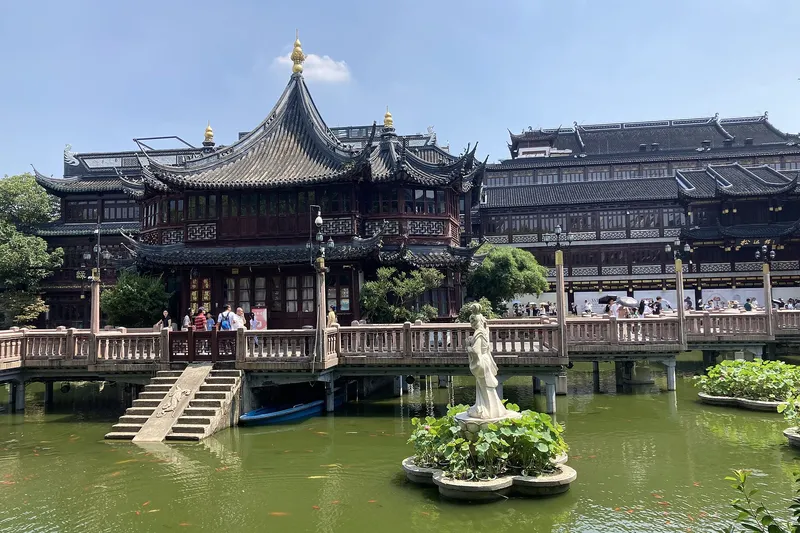
A classical garden of pavilions, ponds and rockeries in the old city, built in 1559.
Book a Yu Garden ticket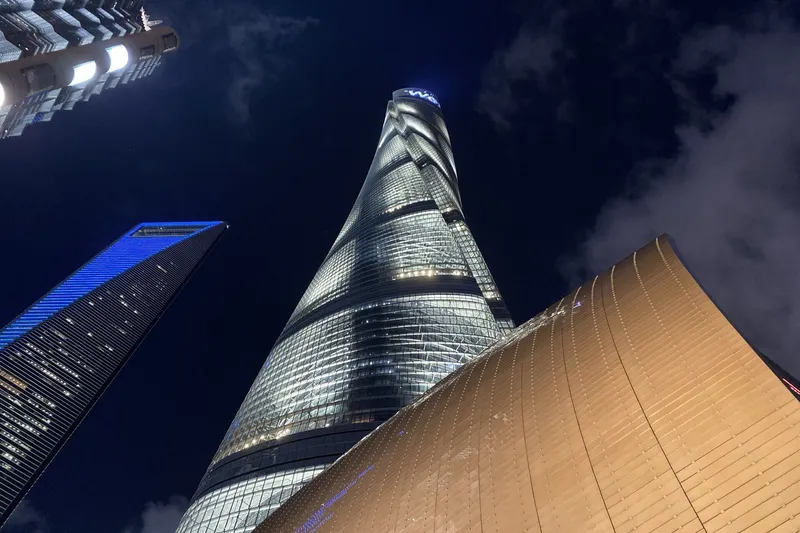
A 632 m tower with 127 stories and an observation deck on floor 118, 546 m above the ground.
Book an observation deck ticket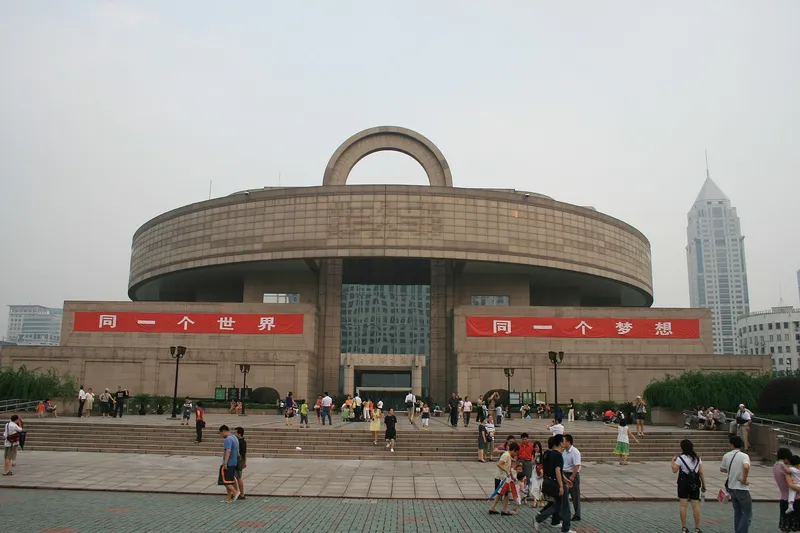
The main branch on People's Square, open 9:00 to 17:00, with entry through the south gate on showing valid ID.
Walk the Bund first thing in the morning, before the crowds and before anyone has time to approach you with an invitation. The Bund is 1.6 km long and faces the skyscrapers of Lujiazui across the river. From there, Yu Garden is a short ride away on metro Lines 10 or 14. The garden dates to 1559 and costs ¥40 from April to June and from September to November and ¥30 in the other months, according to a current visitor guide. It is open Tuesday to Sunday and closed on Mondays.
Cross to the east bank for Shanghai Tower, 632 m tall with 127 stories. The Top of Shanghai observatory is on floor 118, 546 m up, and adult tickets are listed at ¥180 by travel guides, with lower prices for children by height and for seniors.
The Shanghai Museum on People's Square is open from 9:00 to 17:00 and closed on Mondays except on national holidays. Since 1 September 2025 individual visitors no longer need to reserve for the People's Square building, although reservations still apply during peak periods such as national holidays, school breaks and popular special exhibitions. A separate branch, Shanghai Museum East, is in Pudong and closes on Tuesdays instead, so check which building you are heading to.
If you would rather not plan the logistics, a few bookable options cover the main sights. The Yu Garden, Old Street, Bund and Zhujiajiao bus tour takes about 8 hours and has guests rating it close to 5 from 585 reviews. The Old Town, Yu Garden and Zhujiajiao tour includes a local lunch and a guide, and comes with a private option. For the skyline, a Shanghai Tower observation deck ticket is rated 4.5 from nearly 600 reviews, and a separate Yu Garden admission ticket is rated 4.4 from over 340 reviews. Prices vary by date and group size, so check current rates before you book.
Two days cover the city itself; a third is best spent on a train. The routes below assume a day that is not a Monday, because the Shanghai Museum and Yu Garden are both closed then.
The Bund and People's Square. Walk the riverfront early, then visit the Shanghai Museum, which opens at 9:00.
Yu Garden. Metro Line 10 or 14 to the old city and a loop through the garden.
Pudong. Cross the river to Lujiazui for Shanghai Tower and the skyline.
Back to the Bund. See the Pudong towers lit from the west bank, and decline any invitation to a tea house.
The old city and the river: the Bund, Yu Garden and the Shanghai Museum.
Pudong. Shanghai Tower observation deck and a walk through Lujiazui.
The former French Concession. Slow walking along the plane-tree streets, such as Wukang Road.
Soup dumplings and a final walk. Try xiaolongbao and red-braised pork, then head back to Jing'an or Huangpu.
The two-day route above, at a gentler pace with more time in the former French Concession.
Suzhou by train. As little as 21 minutes each way from Hongqiao; allow the rest of the day for the gardens and canals.
Hangzhou by train. As little as 45 minutes each way from Hongqiao to Hangzhou East.
Shanghai has two airports, Pudong International and Hongqiao. From Pudong, the maglev covers the 30 km to Longyang Road metro station in less than 8 minutes. A one-way ticket costs ¥50 and a return, valid for 7 days, costs ¥80; trains run from 6:45 to 21:40, about every 15 minutes until 17:00 and every 20 minutes after that. Its top operating speed is 431 km/h.
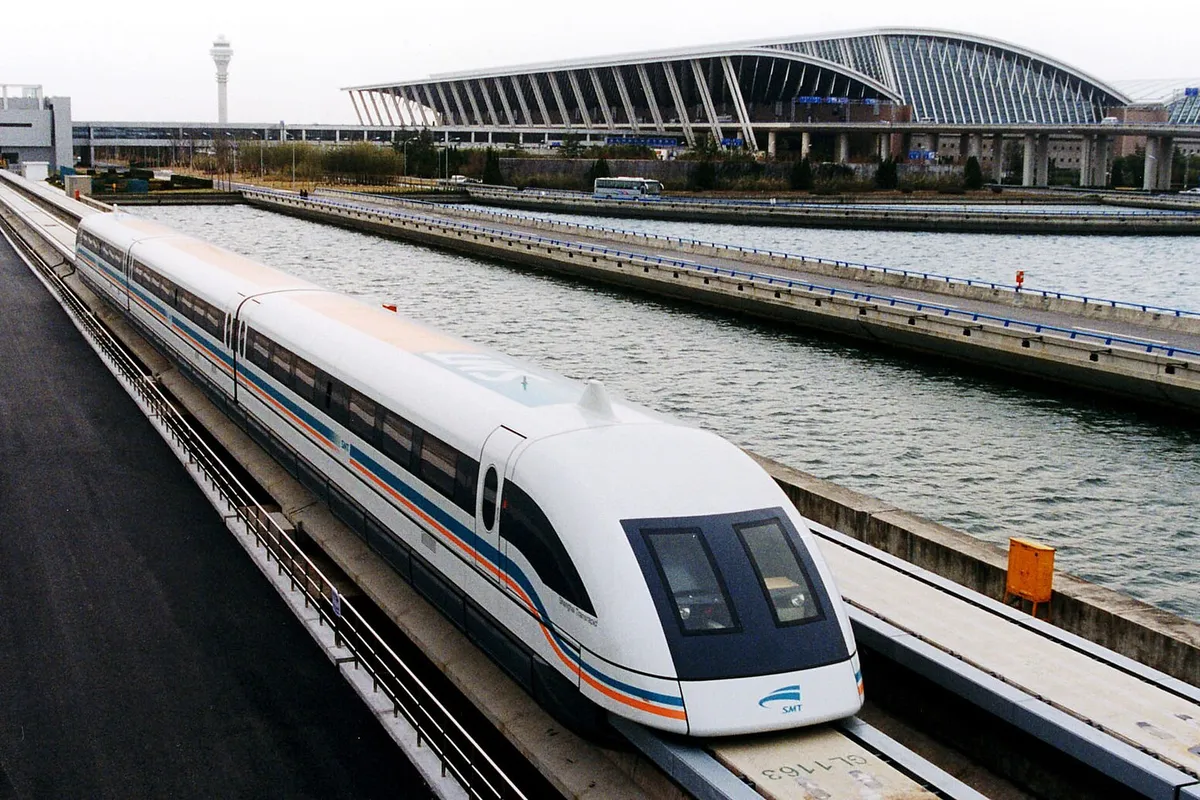
At Longyang Road you change to metro Lines 2 and 7. Between the two airports, the Airport Link line runs from Hongqiao to Pudong in about 40 minutes, with a full-journey fare of ¥26.
Within the city, metro fares are distance-based: ¥3 for trips up to 6 km, plus ¥1 for each further 10 km. A one-day pass costs ¥18 for 24 hours from first entry and a three-day pass costs ¥45 for 72 hours; neither covers the maglev. Eligible foreign Visa and Mastercard-type cards work as tap-to-ride at the gates, and the Metro Daduhui app links to Alipay or WeChat Pay. A combined maglev and one-day metro pass costs ¥55 single or ¥85 return.
April-May and September-October are the usual picks for mild weather. July is the hottest month and the wettest months run from June to August, with typhoons possible in summer and early autumn.
Practical prep: UK citizens can currently enter China visa free for up to 30 days until 31 December 2026, with a passport valid for at least 6 months and 2 blank pages. Check our China guide for rules for other passports, set up mobile payment before you fly, and consider an eSIM before landing so you have data on arrival.
Transport is the bargain in Shanghai; the hotel is where your budget is decided. The figures below are the ones we could source, grouped by what you are paying for.
The UK Foreign Office says serious crime against foreign nationals in China is relatively rare, although incidents can happen, and it advises watching your belongings at major tourist sites and busy places. The Canadian government rates China at "Exercise a high degree of caution" (updated 3 November 2026). The risks there centre on the arbitrary enforcement of local laws and on scams in tourist areas, not on street violence.
The scam to know is the invitation: a friendly stranger asks you to a tea tasting, bar or massage and the establishment then demands a very large fee, sometimes with threats or card fraud. Canada names the Bund as a hotspot. The UK government warns about QR code phishing, and the Canadian government about fake police calls that ask you to transfer money; do not send money in either case. On the road, avoid unmarked or unmetered taxis, insist on the metered fare and ask for a receipt that shows the taxi number. In an emergency, the numbers are 110 for police, 120 for medical help and 119 for fire, and the UK government lists +86 (0) 10 5192 4000 for British assistance in China. Read our China scam guide before you land.
Shanghai Hongqiao is the high-speed rail hub for the two classic day trips, and a third is a standard organised tour. Trains and fares change by date, so check the times on the day you travel.
The fastest high-speed trains from Shanghai Hongqiao reach Suzhou North in about 21 minutes, and the second-class G-train fare is listed at around ¥45, with slower D-trains around ¥31. Most trains arrive at Suzhou Railway Station or Suzhou North. A guided Suzhou day trip from Shanghai with gardens, Tiger Hill and a canal cruise takes a full day.
Three G-trains make the run from Shanghai Hongqiao to Hangzhou East in 45 minutes, and the second-class fare is listed at around ¥73. Hongqiao and Hangzhou East are the main terminals for this route, so book those two stations.
Zhujiajiao is the water town most often added to Shanghai itineraries. The two organised tours listed in the Things to Do chapter both include it alongside Yu Garden and the Bund, so you can see it without working out the transport yourself.
Serious crime against foreigners is relatively rare, according to the UK Foreign Office, but scams are common around tourist areas. The Canadian government names the Bund as a hotspot for invitations to a bar, tea house or massage that end in a large bill. Say no to strangers who invite you anywhere.
Two full days cover the core: the Bund, Yu Garden and a museum on one day, Pudong and the skyline on the other. A third day works well as a day trip to Suzhou or Hangzhou by high-speed train.
UK citizens can enter China visa free for up to 30 days until 31 December 2026, according to the UK Foreign Office, and the passport needs at least 6 months of validity and 2 blank pages. Rules differ by passport and change often, so check the China guide and your own government's page before you book.
The maglev covers the 30 km from Pudong Airport to Longyang Road metro station in about 8 minutes for ¥50 one way or ¥80 return, running from 6:45 to 21:40. At Longyang Road you can change to metro Lines 2 and 7.
Single trips start at ¥3 for up to 6 km, plus ¥1 for each further 10 km. A one-day pass costs ¥18 and a three-day pass ¥45, neither of which covers the maglev.
Partly. The metro gates accept tap-to-ride with Visa and Mastercard-type cards, and the Suishenxing app takes international cards. Mobile payment is common across the city, so link a card to Alipay or WeChat Pay before you arrive.
April to May and September to October are the usual picks. July is the hottest month, June to August are the wettest, and typhoons can arrive in summer and early autumn.
Huangpu for the Bund, East Nanjing Road and People's Square on foot. Jing'an for a central base with metro links. Pudong for the skyline and the maglev. Hongqiao for early trains and flights.
Yes. Suzhou is as little as 21 minutes by high-speed train from Shanghai Hongqiao and Hangzhou as little as 45 minutes. Zhujiajiao water town is a standard half-day or full-day tour.
Yes, if you go early on a weekday. It was built in 1559 in the Ming dynasty, costs ¥30 to ¥40 depending on the season and is closed on Mondays.
Shanghai is a city of two skylines facing each other across one river: the stone banks of the Bund on the west bank and the glass towers of Lujiazui on the east. It is a place built to be looked at, and also one that is surprisingly easy to move through, from the maglev at the airport to the metro that takes a foreign bank card.
Walk the Bund after dark on your last evening, once you have seen both banks up close, and watch the two Shanghais light up facing each other.