
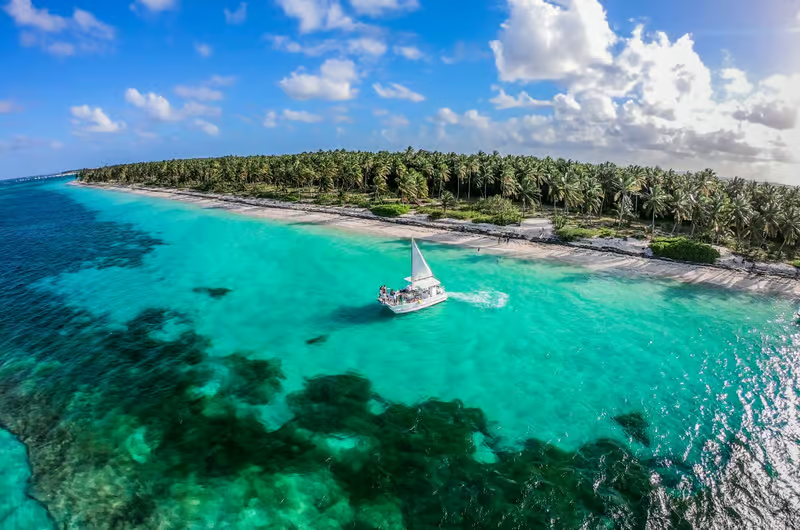
A resort machine, and a very good one
Punta Cana is technically a point on the map, but in practice the name covers an entire tourism region running roughly 40 miles along the Dominican Republic's easternmost coast, in La Altagracia province. There's no real downtown to wander: what there is instead is resort after resort behind coconut groves and calm, reef-protected water, purpose-built for travelers who want the logistics of a vacation solved before they land. It does that job better and cheaper than almost anywhere else in the Caribbean, which is why Punta Cana International Airport (PUJ) handles more visitors than any other airport in the region.
The resort strip breaks into distinct zones with real differences in character, price and crowd, covered in the next section, and most visitors never leave whichever one they booked into. That's a reasonable way to spend a week. It's also worth knowing that the "real" Dominican Republic, comedores, working towns, the colonial weight of Santo Domingo, exists entirely outside this bubble, a few hours' drive away rather than a few minutes.
The honest complications
Punta Cana's resort security is genuinely good, but the moment you step off resort property, whether for an excursion pickup or a walk to a nearby restaurant, you're dealing with the same taxi-overcharging and timeshare-tout culture found across Dominican tourist zones. The area is also spread out enough that getting between zones, say from Uvero Alto to a Bávaro restaurant, means a real taxi ride rather than a walk, and airport transfer times vary a lot depending on which resort you've booked, from 10 minutes to nearly an hour. None of this is a reason to avoid Punta Cana; it's a reason to book transport and excursions through legitimate channels rather than whoever approaches you first.
Five zones, one coastline
Punta Cana runs north to south as Uvero Alto, Macao, Bávaro (with Arena Gorda, Los Corales and El Cortecito inside it), Cabeza de Toro, and Cap Cana, with the airport sitting roughly in the middle. Which zone you book into matters more here than the neighbourhood choice in most cities, since each has a genuinely different feel and moving between them takes a real taxi ride.
Bávaro
The dense, roughly 8-mile heart of Punta Cana tourism: the largest concentration of all-inclusive resorts, the Palma Real and BlueMall shopping centers, and most of the nightlife. Bávaro Beach itself, along with Playa Arena Blanca and Arena Gorda, has calm, swimmable water and is the most iconic strip of sand in the region. For a first trip wanting the most restaurant and activity variety within a short taxi ride, this is the base.
Cap Cana
South of the airport, Cap Cana is a gated, master-planned zone with no independent development outside the resorts and villas inside it: golf courses, upscale hotels, and shallow, calm water better for lounging than big surf. This is the choice for couples and travelers prioritizing quiet exclusivity over walkable variety.
Uvero Alto
The furthest resort zone from the airport (35-45 minutes by transfer), with resorts spaced out among coconut groves and a wilder, more open Atlantic coastline. Fewer beach vendors, more adults-only and boutique-scale properties, and a genuinely more tranquil pace than Bávaro.
Cabeza de Toro
A small pocket with only a handful of all-inclusive resorts and little else, known for shallow, calm water that makes it the best zone for stand-up paddleboarding and kayaking rather than open swimming or surf.
Macao
Home to rougher Atlantic surf and Punta Cana's most popular public beach, with local fish-shack culture on weekends rather than resort infrastructure. Dreams Macao Beach is the only major resort directly on it.
From mega-resorts to quiet adults-only escapes
Punta Cana's hotel market runs almost entirely on the all-inclusive model, from enormous family resorts to smaller adults-only properties, and prices swing hard with season: December through the holidays is peak, September is typically cheapest. These picks span the range, all currently operating.
At the top, Tortuga Bay inside Puntacana Resort & Club, close to the airport, is the region's most exclusive address: private villas, a members'-club feel, and rates from roughly $780 a night. In Cap Cana, Eden Roc Cap Cana and the adults-only Sanctuary Cap Cana, A Luxury Collection Resort (324 suites) both sit at the luxury end, from roughly $700-1,000-plus a night; in Uvero Alto, the boutique-scale Zoëtry Agua Punta Cana (92 suites, adults-friendly) runs from roughly $525.
In the upper-mid all-inclusive bracket, Bávaro holds most of the well-known names: Barceló Bávaro Palace, one of the original mega-resorts, from roughly $170; the recently renovated Riu Palace Bávaro, from around $270; and Majestic Elegance Punta Cana, from around $200. Dreams Royal Beach Punta Cana, also in Bávaro, runs from around $240, while the adults-only Excellence Punta Cana in Uvero Alto (446 suites) starts around $350.
Beyond the buffet
Most Punta Cana visitors eat on an all-inclusive meal plan, but the region has a real off-resort dining scene worth at least one or two excursions, concentrated around the beach, the malls, and the Los Corales strip.
Jellyfish Restaurant & Beach Club
A distinctive beachfront building directly on Bávaro Beach, serving snapper, mahi mahi and seafood paella with your toes in the sand. It's popular and priced accordingly; go for the setting as much as the specific dish.
Restaurante Playa Blanca
Beachfront inside Puntacana Resort but open to non-guests, with mains like spicy Dominican goat running $14-24. A solid choice for a proper sit-down meal without leaving the resort corridor entirely.
Palma Real & BlueMall
Punta Cana's two main shopping centers double as its most reliable restaurant clusters. Palma Real Shopping Village holds Misheru Asian Experience & Sushi Bar, Italian at Capriccio, and the usual Hard Rock Café and Tony Roma's; BlueMall Punta Cana has SBG Punta Cana for Mediterranean and Caribbean fine dining and The Butcher Shop for burgers.
Los Corales strip
A cluster of independent, non-resort restaurants worth the taxi ride: Wacamole Punta Cana for Mexican, Cuts & Grill Punta Cana for steak, and Citrus Punta Cana for international and seafood.
The excursions that justify leaving the pool
Punta Cana's excursion market is large, well-organized, and genuinely worth engaging with rather than defaulting to the pool for a full week. A handful of activities come up again and again because they're simply the best of what the region offers.
Isla Saona
The region's signature day trip: a roughly 1.5-hour transfer to Bayahibe, then a catamaran or speedboat out to Isla Saona inside Cotubanamá National Park, typically with a stop at a shallow sandbar called the Natural Pool. Group tours through operators like Nomades run from around $59 a person including a buffet lunch on the island; premium and private boat options cost considerably more.
Hoyo Azul & Scape Park, Cap Cana
A striking natural cenote of intensely blue water inside Scape Park at Cap Cana, reached via a short hike or a zip-line entrance, combined on the same ticket with Taíno Caves, the Iguabonita waterfalls and an iguana sanctuary. General admission runs around $129 for adults, with premium packages adding lunch and transport.
Indigenous Eyes Ecological Park
A network of freshwater lagoons and nature trails near Puntacana Resort, considerably quieter and more low-key than Scape Park. Entry pricing varies by package, guests of the Westin Puntacana and Four Points get free entry, so confirm the current rate for your situation before visiting.
Zip-lining, buggies and golf
Canopy Adventures, near the Indigenous Eyes park, runs 2,100 meters of zip line across 16 platforms, including a 700-meter final run, from around $55. ATV and buggy tours, run by several legitimate local operators, typically cost around $65 per vehicle for a roughly four-hour off-road route with a cave or cenote swim stop. Golfers have three real championship courses to choose from: Corales, a Tom Fazio design that hosts a PGA Tour event and runs six holes along the ocean; La Cana, a 27-hole P.B. Dye course with extensive ocean views; and Punta Espada in Cap Cana, designed by Jack Nicklaus.
Water and wildlife
Catamaran operators including Happy Fish Catamarans run private charters and shared party-boat trips along the coast. Dolphin Explorer and Ocean Adventures both run legitimate, land-based dolphin interaction programs (from around $109-150 depending on the package), and several charter operators, including Sherlock 39, run half and full-day deep-sea fishing trips from the marinas.
Nightlife
Coco Bongo Punta Cana is the region's big disco-and-acrobatics night out, entry $70-100 including open bar. Imagine, a nightclub built into a natural cave system near Puntacana Resort, is the more atmospheric alternative. For daytime beach clubs, Juanillo Grill & Beach Club and Little John, both on Playa Juanillo inside Cap Cana, charge a modest access fee that's redeemable against food and drink.
Four days, or a full resort week
Punta Cana doesn't need a packed itinerary; the point of an all-inclusive trip is largely to not have one. These plans assume you want some structure without turning the whole week into excursions.
- Day 1
Arrive and settle in. Transfer to your resort, get oriented, ease into the beach.
- Day 2
Isla Saona. The full-day boat trip via Bayahibe, the region's best single excursion.
- Day 3
Scape Park or golf. Hoyo Azul and the Taíno Caves at Cap Cana, or a round at Corales or Punta Espada.
- Day 4
One off-resort meal, then departure. Dinner at Playa Blanca or the Los Corales strip before your flight.
- Days 1-2
Arrive and decompress. Full resort days, no plans.
- Day 3
Isla Saona. The signature day trip via Bayahibe.
- Day 4
Scape Park. Hoyo Azul, Taíno Caves and the Iguabonita waterfalls at Cap Cana.
- Day 5
Active day. Zip-lining at Canopy Adventures in the morning, a catamaran or dolphin program in the afternoon.
- Day 6
Golf or beach club. A round at Corales or La Cana, or a day at Juanillo Beach in Cap Cana.
- Day 7
Off-resort dinner and departure. Los Corales or BlueMall for a final meal before flying out.
Spread out enough that transport is worth planning
Punta Cana International Airport (PUJ) sits roughly in the middle of the resort strip, and transfer times vary a lot by zone: about 10 minutes to Puntacana Resort or the Westin, 15-20 minutes to Cap Cana (around $30 by taxi), 20-30 minutes to Bávaro ($35-45), and 35-45 minutes to Uvero Alto ($80-110). Book a private or shared shuttle transfer in advance rather than negotiating with drivers at arrivals.
Uber's app works in Punta Cana through a local taxi-request model, but drivers can be fined for picking up directly at the airport due to an exclusive taxi concession there, so don't count on it for the arrival transfer even though it's generally reliable once you're at your resort. Local guagua buses run outside the airport terminals roughly every 30 minutes for a low peso fare, and the Expreso Bávaro route connects the airport to Bávaro for a few dollars, a genuine budget option if you're comfortable with local transit. Car rental is available at PUJ from all major agencies for travelers planning to explore beyond the resort zone.
Best time to visit and hurricane season
December through April is the dry season and the most reliable weather window, also the most expensive time to book. Hurricane season runs 1 June to 30 November, peaking mid-August through mid-October; direct hits on the Punta Cana coast specifically are less frequent than on the wider Caribbean, but it's worth checking forecasts if booking during peak season. September is typically the cheapest month to find a room, precisely because it falls inside that peak hurricane window.
One of the Caribbean's best all-inclusive values
Punta Cana resort pricing swings hard with season and category. December is consistently the most expensive month; September, deep in hurricane season, is usually the cheapest, sometimes by a wide margin.
- 3-star all-inclusive resort
- Local guagua transport
- Free beach days, minimal excursions
- Best value outside peak December weeks
- 4 to 5-star all-inclusive resort
- Private airport transfer
- Isla Saona plus one more excursion
- An off-resort dinner or two
- Cap Cana luxury or Tortuga Bay-tier stay
- Private boat charters and golf
- Adults-only, all-suite properties
- Private transfers throughout
Safer than the country average, with real scams to know
Punta Cana's resort zones are meaningfully safer than the Dominican Republic overall: private resort security, a controlled guest environment, and heavier tourist-police presence than inland areas all apply here specifically. The real risks visitors actually run into are scams and water safety, not violent crime.
The two most common scams: timeshare touts offering a "free" breakfast, spa credit or excursion in exchange for attending a sales presentation that runs far longer than advertised, and fake concierges or unlicensed taxi drivers at the airport claiming your prearranged transfer already left. Confirm your actual transfer company's name in advance and don't engage with anyone else at arrivals. Rip currents are a genuine, documented hazard on the more open Atlantic-facing beaches: four tourists drowned at Playa Arena Gorda in January 2025 after entering the water despite a red flag warning. Always check flag status and heed it.
The US Consular Agency in Bávaro (Palma Real Shopping Village) currently handles only life-and-death emergencies; routine passport and notarial services are suspended as of this writing. For anything else, contact the US Embassy in Santo Domingo at +1-809-567-7775. Confirm current status before relying on the Bávaro office for non-emergencies.
Beyond the resort strip
Punta Cana's location on the eastern tip of the country makes some day trips easy and others a genuine commitment. Know which is which before you book.
Isla Saona
The easy, obvious choice, and genuinely worth it: see the Things to Do section above for detail.
Santo Domingo
The colonial capital is about 121 miles away, a 2.5 to 3-hour drive each way, making this a 10-12 hour round trip if done as a single day. It's viable for travelers determined to see the Zona Colonial, but an overnight stay makes for a far less exhausting version of the same trip.
Samaná whale watching
Humpback whale season in Samaná Bay runs roughly mid-January to late March. The drive is long, 3.5 to 4 hours each way, though a fly-and-boat combination trip shortens it considerably. Outside the season window, skip this entirely, there's nothing to see.
Punta Cana FAQ
Is Punta Cana safe for tourists?
Resort zones in Punta Cana are considerably safer and more policed than the Dominican Republic as a whole, with private resort security and a dedicated tourist police force. The real risks are scams (timeshare touts, taxi overcharging) and rip currents, not violent crime, provided you stay within organized tourism areas.
Which is better, Bávaro or Cap Cana?
Bávaro is the commercial core with the most resorts, malls and nightlife, better for first-timers and families wanting variety. Cap Cana is gated, quieter and more upscale, better for couples and travelers prioritizing exclusivity over walkable variety.
How many days do I need in Punta Cana?
A week is the standard resort trip and lets you add one full-day excursion like Isla Saona without feeling rushed. Four to five days works for a shorter break focused purely on the resort and beach.
How much does a Punta Cana all-inclusive cost?
Three-star all-inclusives start around $70 a night; four and five-star resorts typically run $150-370 a night depending on season, with December the most expensive month and September usually the cheapest.
Is Isla Saona worth it?
Yes, for most visitors. It's a full-day trip via Bayahibe (about 1.5 hours from Punta Cana), with a stop at a shallow sandbar known as the Natural Pool, and it's the single most popular day trip from the resort corridor for good reason.
Does Uber work in Punta Cana?
The Uber app operates in Punta Cana through a local taxi-request model, but drivers can face fines for picking up directly at the airport due to an exclusive taxi concession there. Expect it to work reliably around town but not for airport pickup.
Can I visit Santo Domingo as a day trip from Punta Cana?
It's possible but long: driving distance is about 121 miles (195km), 2.5 to 3 hours each way, making it a 10-12 hour round trip. It's viable if you're determined to see the Zona Colonial, but an overnight stay is a more comfortable way to do it.
When can I see whales near Punta Cana?
Humpback whale season in Samaná Bay runs roughly mid-January to late March. It's a genuine day-trip commitment from Punta Cana (3.5-4 hours each way by road, or a faster fly-and-boat option), and outside that window there's no whale watching to be had.
What is the best area to stay in Punta Cana?
Bávaro for first-timers wanting the most resort and dining variety within walking or short-taxi distance. Cap Cana for a quieter, more upscale trip. Uvero Alto for a more spread-out, adults-leaning atmosphere with wilder Atlantic surf.
What Stays With You
Punta Cana doesn't pretend to be anything other than what it is: a resort machine built to remove every friction point between you and a good week on the beach. That's not a criticism. It does that job better, more affordably, and with better weather odds than almost anywhere else within a few hours' flight of the US east coast, and there's a reason so many people come back to the same stretch of Bávaro sand year after year.
If you only take one thing off the resort property, make it Isla Saona. It's the version of the Dominican coastline that doesn't come with a buffet schedule, and it's the closest a Punta Cana trip gets to feeling like a discovery rather than a transaction.