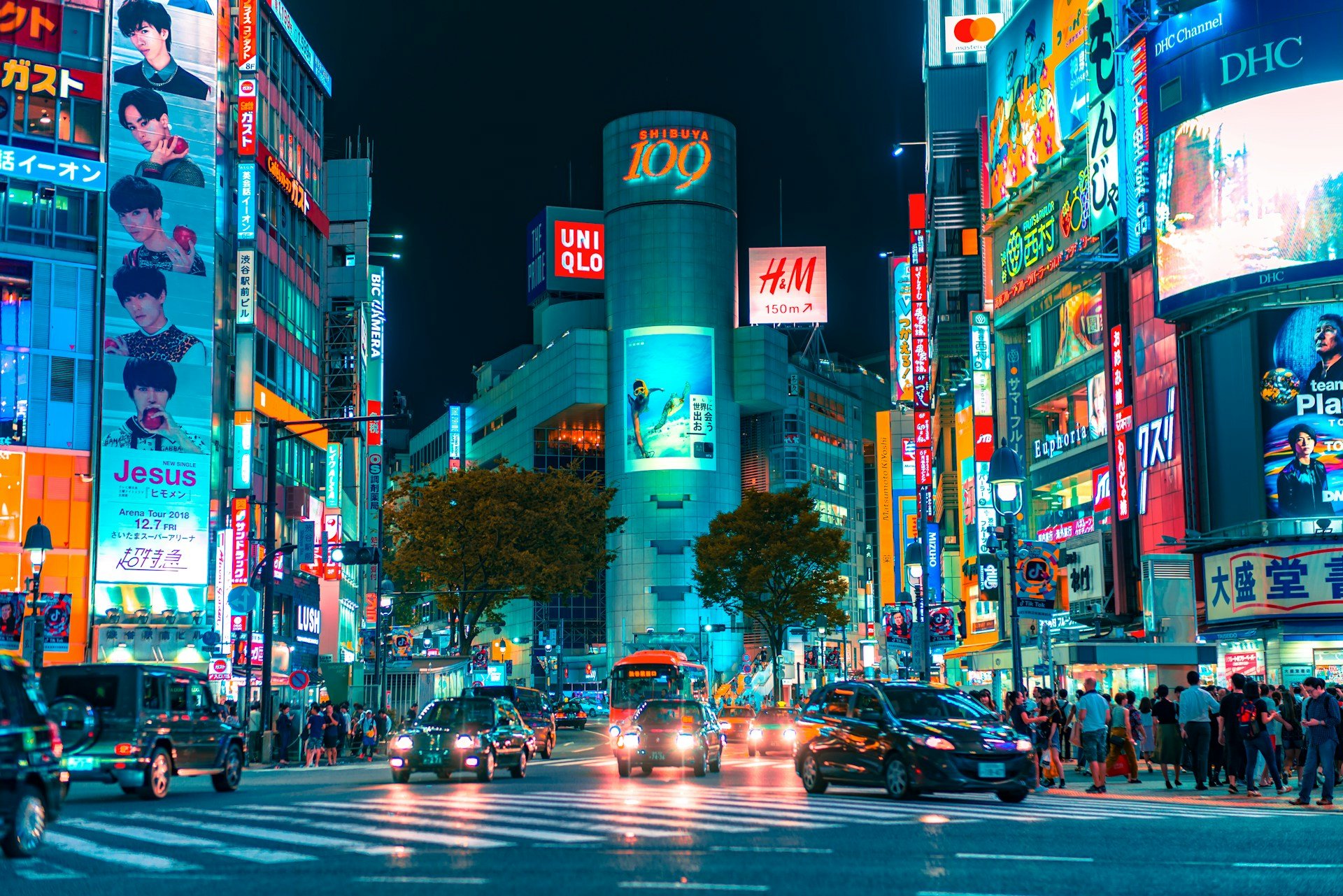
Cambodia
vsLaos
Cambodia has Angkor Wat, the greatest temple complex on earth. Laos has Luang Prabang, arguably Southeast Asia's most perfectly preserved town. Both sit along the Mekong, both are genuinely off the tourist superhighway, and both reward the traveller who slows down.
Cambodia vs Laos, Ancient Kingdoms and the Mekong
Neighbours connected by the Mekong River and by centuries of shared Theravada Buddhist heritage, yet profoundly different in character, scale, and what they offer the traveller.
Cambodia
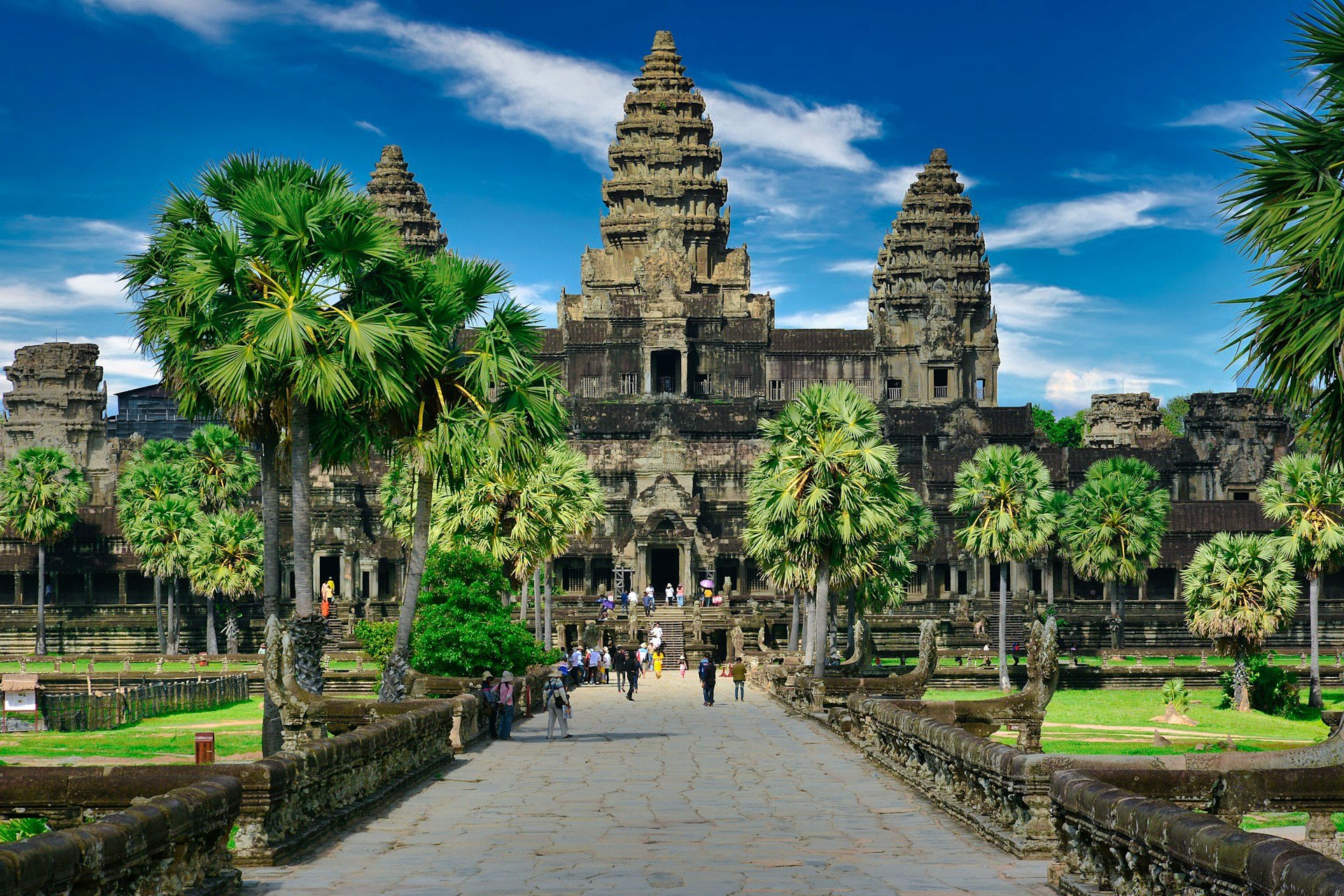
Cambodia is a country defined by one extraordinary achievement and one terrible wound. Angkor Wat (the 12th-century Khmer temple complex covering 400 square kilometres) is the largest religious monument ever built and justifies Cambodia's place on any serious travel itinerary on its own. But Cambodia is also the country of the Khmer Rouge and the killing fields, and engaging honestly with that recent history (at Phnom Penh's Tuol Sleng Genocide Museum and Choeung Ek memorial) is one of the most important and sobering travel experiences in Southeast Asia. Cambodia rewards the traveller who looks beyond Angkor.
Laos
Laos is Southeast Asia's landlocked secret, the least visited and in many ways the most rewarding of the region's countries for travellers seeking something genuinely unhurried. Luang Prabang, a UNESCO World Heritage town where gilded temples sit beside French colonial shophouses on a peninsula between the Mekong and Nam Khan rivers, is one of the most beautifully preserved small cities in all of Asia. The daily alms-giving ceremony at dawn, where dozens of saffron-robed monks walk in silence through the streets, is one of those travel experiences that stays with you for years. Laos is quiet in a way that is increasingly rare in Southeast Asia.
Quick Facts
Key logistics for planning your Mekong adventure in 2026.
Temples & Ancient Heritage
Sacred architecture is the heart of both countries, but the scale is not remotely comparable.
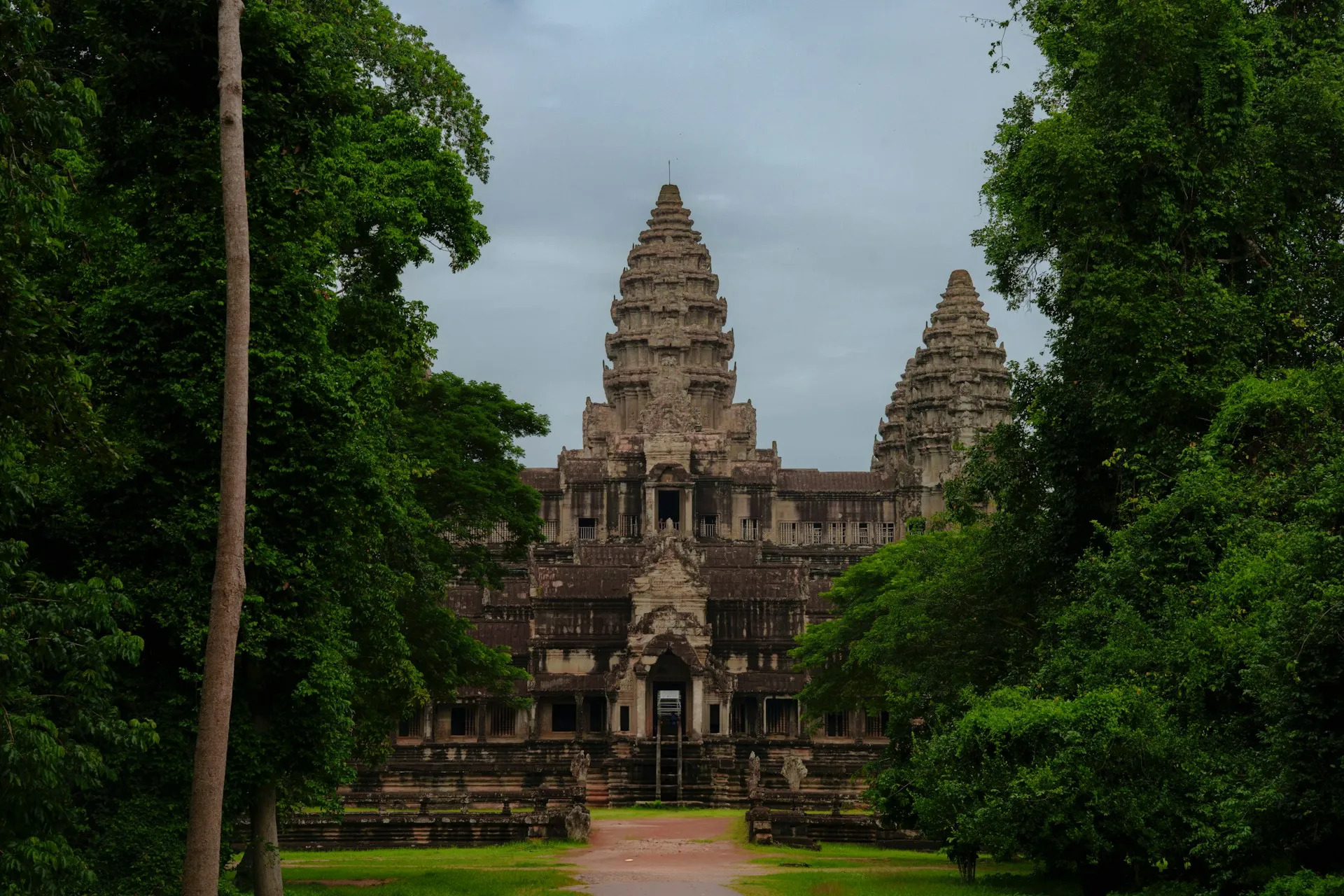
Angkor, the greatest temple complex ever built
Angkor Wat alone would justify the journey. Built in the early 12th century by Khmer King Suryavarman II, it covers 1.6 square kilometres (making it the world's largest religious monument) and its five central towers, bas-relief galleries stretching nearly 1km, and the mathematical precision of its astronomical alignment are staggering. But Angkor is not just one temple. The wider Archaeological Park contains over 1,000 temples spread across 400 square kilometres. Ta Prohm, where strangler figs and silk-cotton trees have been allowed to reclaim the stonework, is one of the world's great photographic subjects. Bayon's 216 stone faces watching from every angle are unforgettable. Three days barely scratches the surface.
🏆 Winner, Temples (by a vast margin)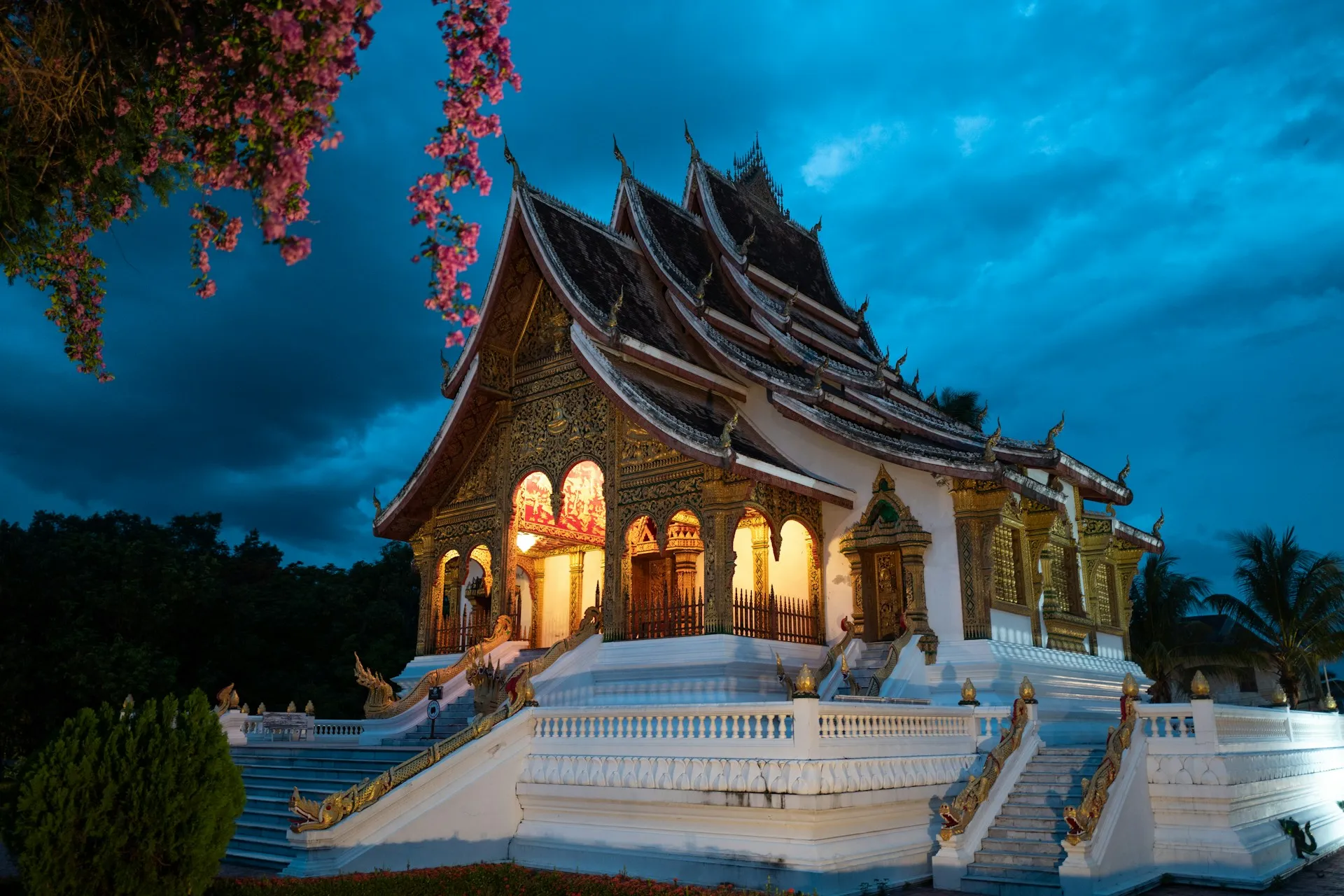
Intimate, gold-layered temples in a living city
Laos cannot compete with Angkor on scale (no country can), but its temples have a different quality. They are living, actively used sacred spaces woven into the fabric of daily Lao life rather than archaeological sites. Luang Prabang alone has 34 wats (temple compounds), of which Wat Xieng Thong (with its distinctive low sweeping roofline, extraordinary mosaic facade, and tree of life panel) is one of Southeast Asia's most beautiful buildings. In Vientiane, That Luang is Laos's most sacred monument: a gilded stupa of genuine grandeur. The temples here feel devotional rather than monumental, intimate rather than overwhelming.
Beautiful, but outscaled by AngkorTown Atmosphere & Daily Life
Beyond the headline sights, what it actually feels like to be there.
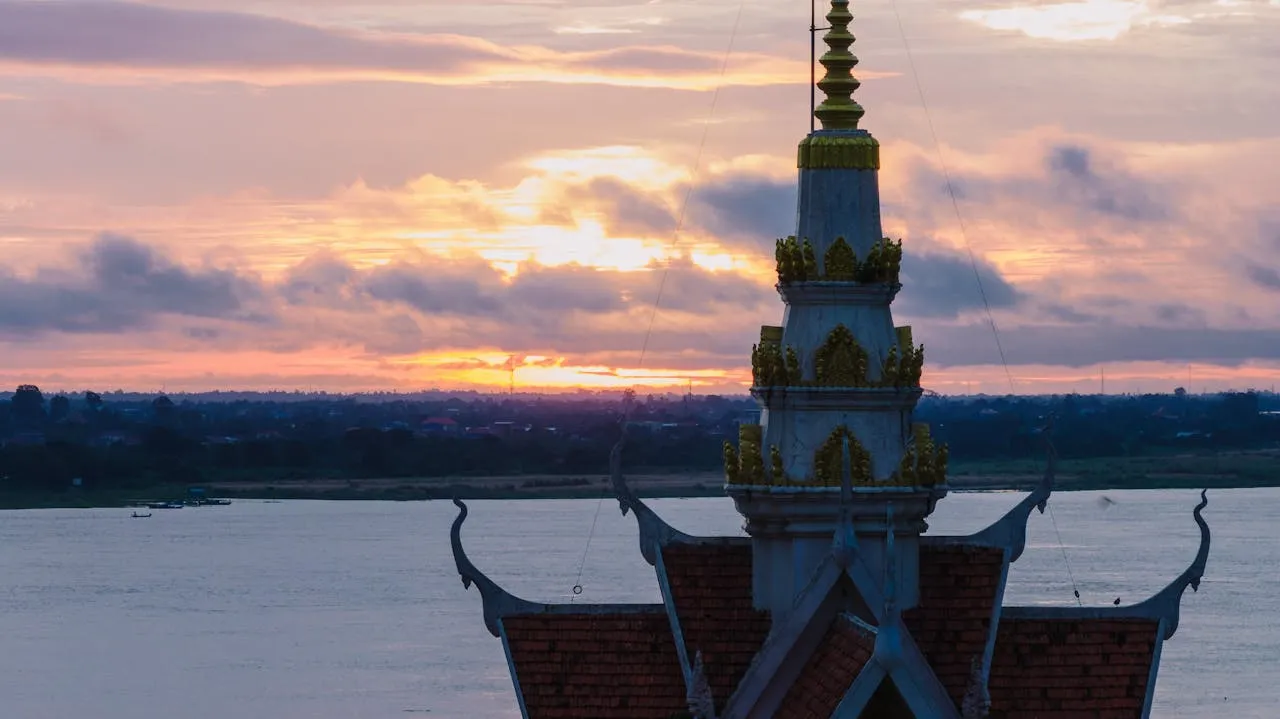
Siem Reap's charm and Phnom Penh's complex energy
Cambodia's two main towns offer very different atmospheres. Siem Reap (the base for Angkor) has become a polished, tourist-oriented town with a well-developed restaurant and bar scene, night markets and efficient tourist infrastructure. Comfortable but somewhat sanitised. Phnom Penh is more interesting: a proper city of two million, with a dignified French colonial riverfront, excellent restaurants and a cultural depth that rewards exploration. The shadow of the Khmer Rouge hangs over it (the Tuol Sleng and Choeung Ek sites are sobering and essential) but the city has enormous resilience and an increasingly vibrant arts and food scene.
Good atmosphere, varied across cities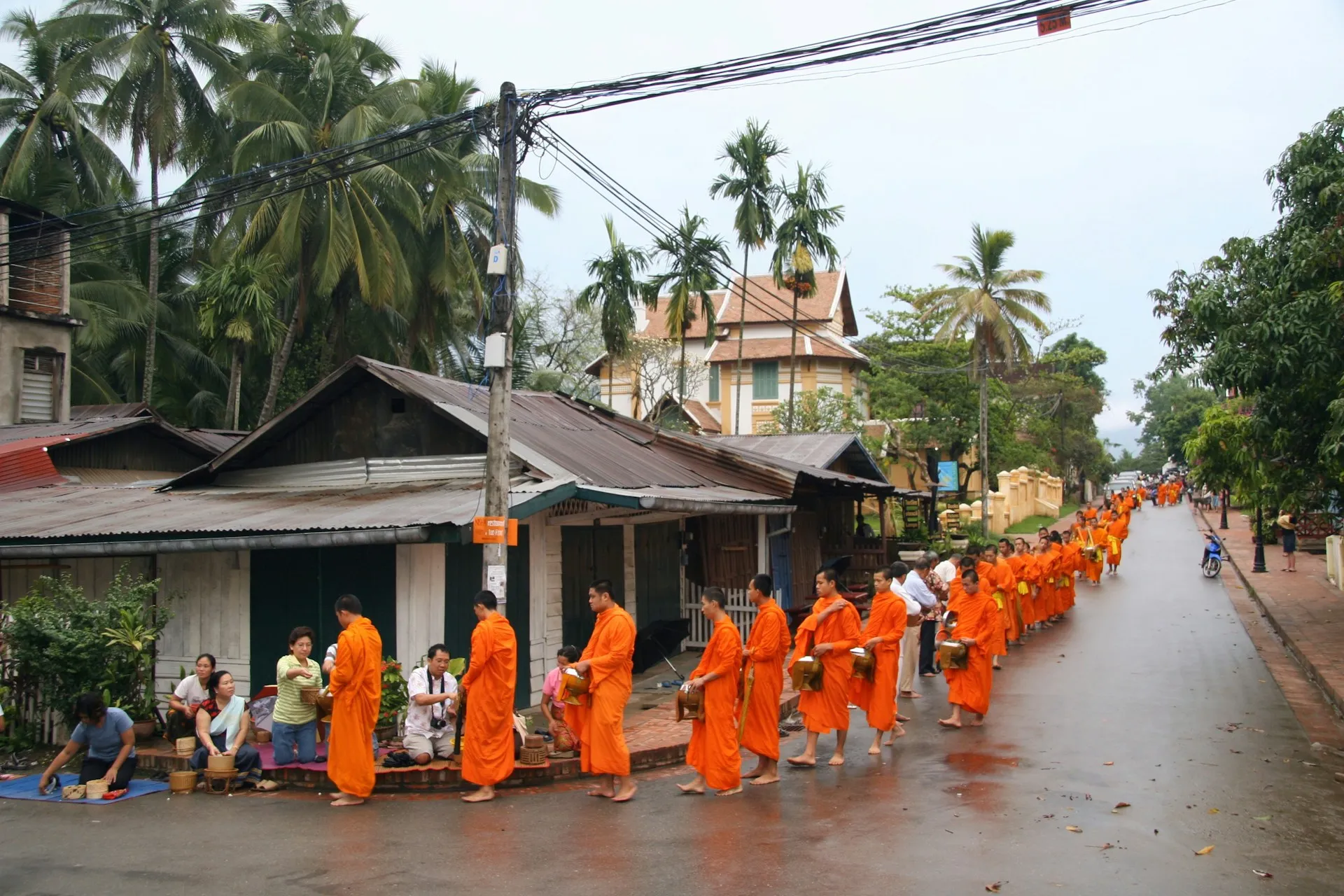
Luang Prabang, perhaps Southeast Asia's most beautiful town
Luang Prabang is genuinely special. A UNESCO World Heritage town on a peninsula between two rivers where French colonial shophouses sit alongside gilded temple compounds, and where the pace of life is so slow it feels like a different century. The tak bat (the daily pre-dawn alms-giving ceremony where lines of saffron monks walk in silence through fog-draped streets collecting sticky rice from kneeling donors) is one of Southeast Asia's most powerful living rituals. The night market sells excellent textiles and the restaurant scene along the main street is surprisingly sophisticated. UNESCO protection has saved the town from the over-development that has diluted so many Southeast Asian towns.
🏆 Winner, Town AtmosphereCost of Travel
Both are among Southeast Asia's cheapest destinations, Cambodia has a slight edge.
| Category | 🇰🇭 Cambodia | 🇱🇦 Laos | Winner |
|---|---|---|---|
| Budget guesthouse | $8 to $20 | $12 to $25 | 🇰🇭 Cambodia |
| Mid-range hotel | $25 to $60 | $35 to $80 | 🇰🇭 Cambodia |
| Local restaurant meal | $2 to $5 | $3 to $7 | 🇰🇭 Cambodia |
| Beer (local) | $0.50 to $1.50 | $1 to $2.50 | 🇰🇭 Cambodia |
| Tuk-tuk / day hire | $12 to $20 | $15 to $25 | 🇰🇭 Cambodia |
| Signature experience | Angkor 3-day pass $62 | Mekong slow boat ~$35 | 🇱🇦 Laos |
| Domestic flight | $60 to $120 | $90 to $150 | 🇰🇭 Cambodia |
| SIM card with data (week) | $3 to $5 | $5 to $10 | 🇰🇭 Cambodia |
| Overall daily budget | $30 to $60 | $35 to $70 | 🇰🇭 Cambodia |
Bottom line: Cambodia is marginally cheaper across most categories, partly because USD is accepted everywhere eliminating currency exchange friction, and partly because the higher volume of tourists creates more competition. The Angkor pass is a significant fixed cost not present in Laos. At $62 for 3 days, it adds up. The Mekong slow boat in Laos is extraordinary value at around $35 for a two-day river journey. Both are comfortably among the cheapest countries in Asia to travel.
River Life & Natural Landscape
The Mekong defines both countries, but Laos makes it the journey itself.
Tonle Sap, Southeast Asia's great freshwater lake
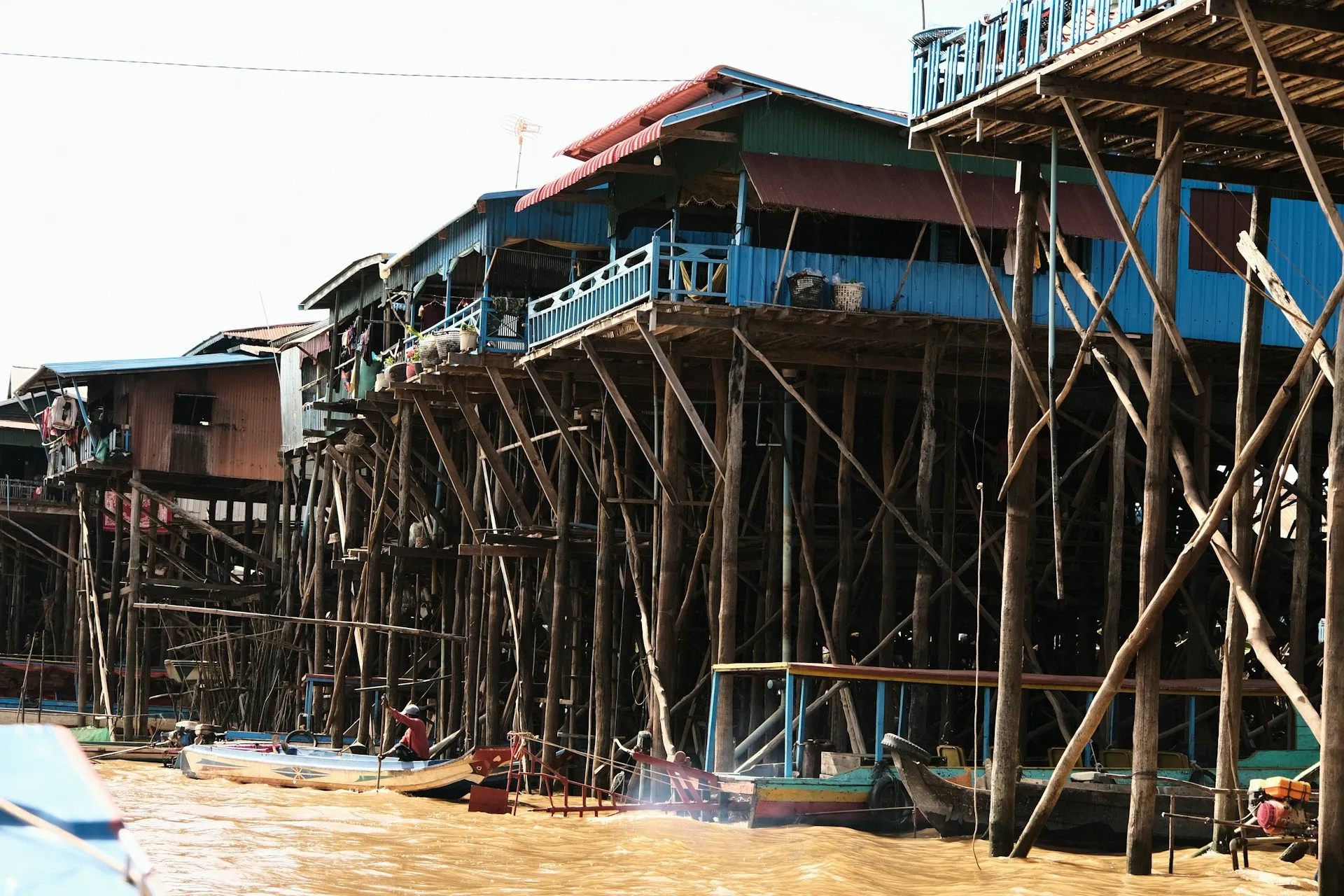
Cambodia's most significant body of water is not the Mekong but the Tonle Sap, the largest freshwater lake in Southeast Asia, which reverses its flow twice a year as the Mekong floods. The floating villages on the Tonle Sap (visited by boat from Siem Reap) are extraordinary: entire communities including schools, petrol stations, police stations and restaurants built on pontoons and wooden platforms, moving with the water level by up to nine metres between wet and dry seasons. It's a water world with no equivalent in the region. The Cambodian Mekong riverfront at Phnom Penh is pleasant and walkable but not a primary experience in the way it is in Laos.
Unique, Tonle Sap is extraordinary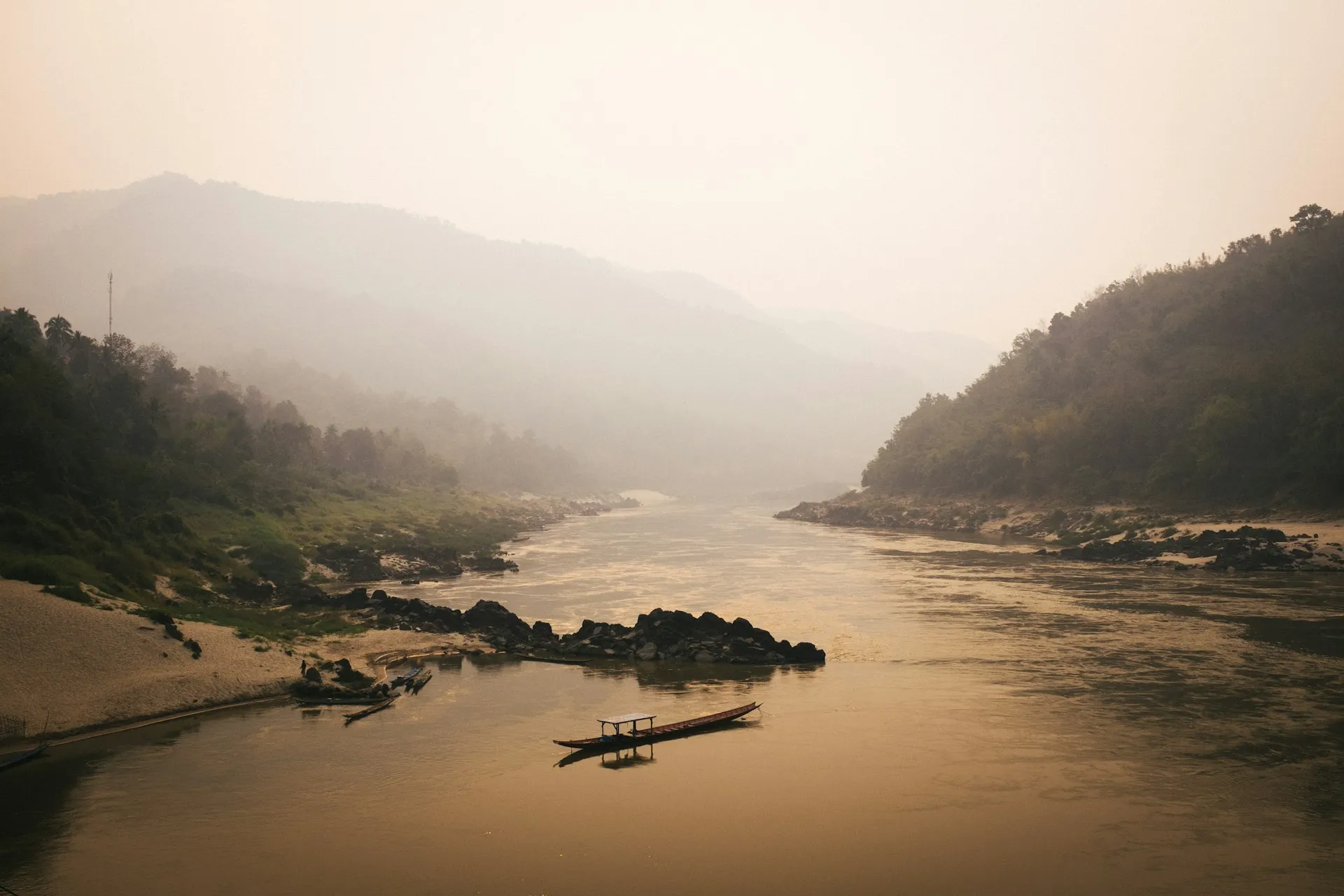
The Mekong slow boat, two days of moving meditation
The two-day slow boat journey from Huay Xai (on the Thai border) to Luang Prabang is one of Southeast Asia's iconic travel experiences. A wooden passenger boat drifting downstream between forested limestone karst hills, past villages accessible only by river, stopping overnight at the small town of Pak Beng. It's slow, sometimes uncomfortable and entirely without spectacle, which is precisely why it works. The 4,000 Islands (Si Phan Don) in the far south of Laos, where the Mekong fans into hundreds of channels around a cluster of river islands, offers one of Southeast Asia's most laid-back experiences: hammocks, river sunsets, endangered Irrawaddy dolphins and virtually nothing to do.
🏆 Winner, River ExperienceFood & Cuisine
Two cuisines built on rice, herbs and freshwater fish, both excellent, both underrated.
Khmer cuisine, gentle, fragrant, and deeply underrated
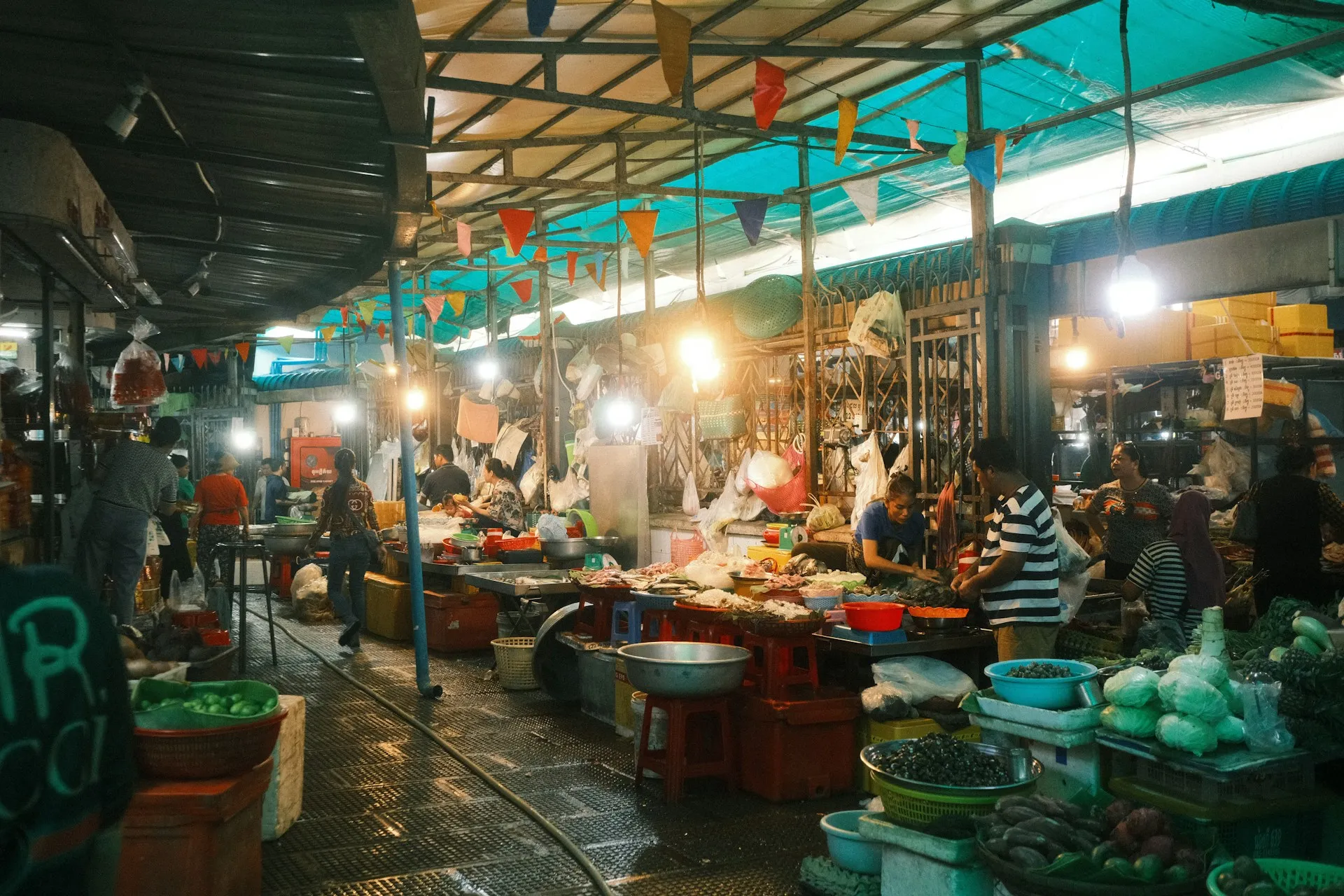
Khmer cuisine is one of Southeast Asia's most underappreciated food cultures. Gentler and less chilli-forward than Thai or Vietnamese, built on the aromatic paste kroeung (lemongrass, galangal, turmeric, kaffir lime) that underlies most Khmer cooking. Fish amok (a coconut-steamed fish curry served in a banana leaf) is Cambodia's national dish and genuinely excellent when properly made. Lok lak (stir-fried beef with lime and pepper dipping sauce), num banh chok (rice noodle soup with green fish curry at breakfast), and the extraordinary variety of freshwater fish from the Tonle Sap give Cambodian cuisine real depth. Phnom Penh has developed a strong restaurant scene with excellent Vietnamese, French-Khmer fusion and fine-dining.
Very good, underrated internationally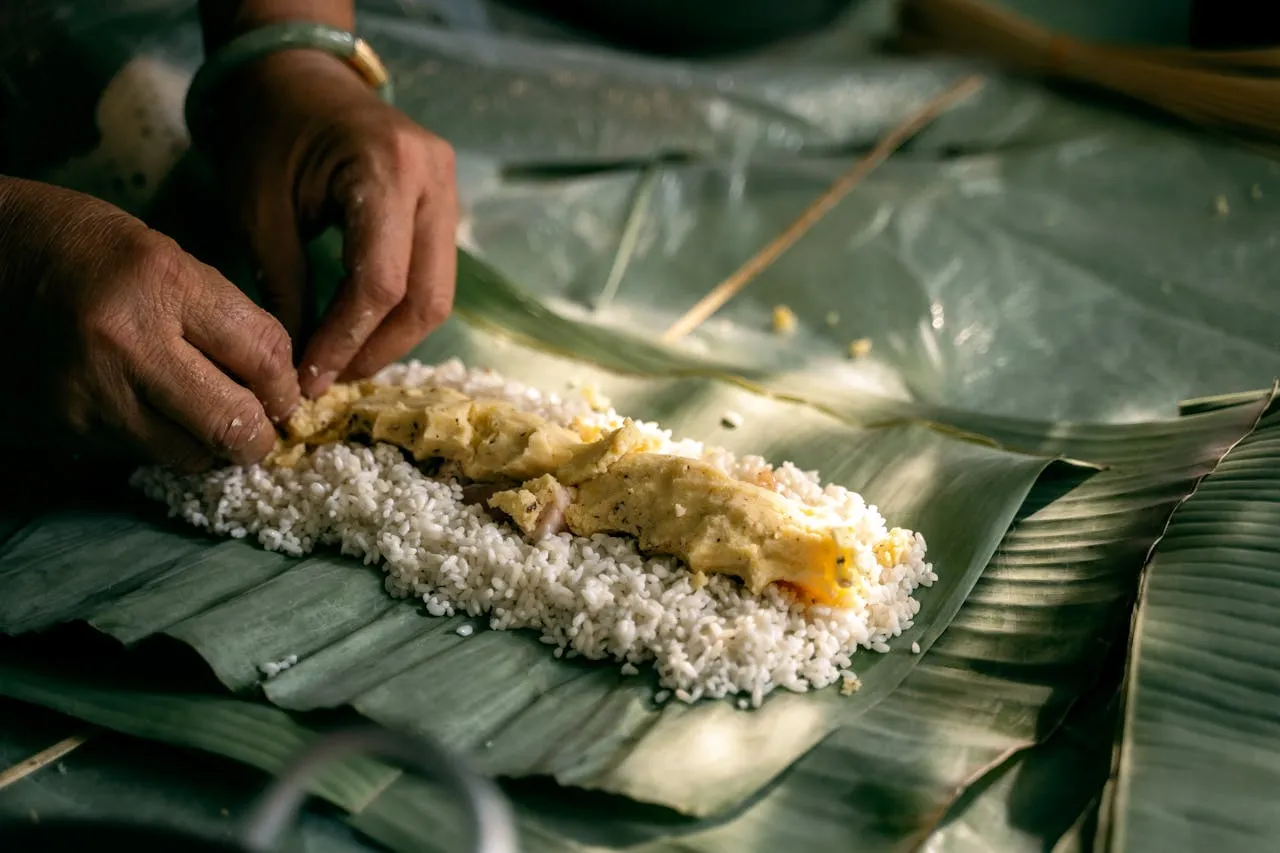
Lao food, sticky rice, laap, and herb-forward simplicity
Lao cuisine is the most understated in Southeast Asia, and arguably the most authentic in the sense that it hasn't been commercially adapted for foreign palates. Sticky rice (khao niao) is the staple, eaten by hand rolled into balls, dipped into sauces, or pressed against laap, the national dish of minced meat (pork, chicken, fish or duck) seasoned with toasted rice powder, fish sauce, lime, mint and chilli in varying quantities. Jaew bong (Luang Prabang's distinctive chilli-dried buffalo skin paste) is complex and extraordinary. The restaurant scene in Luang Prabang is well-developed with excellent Lao and French-Lao options; elsewhere in the country, eating options can be limited in smaller towns.
Excellent, most authentic in the regionClimate & Best Time to Visit
Both countries share almost identical seasonal patterns. The dry winter months are best for both. Average rainfall in mm by month.
Safety & Health
Both are generally safe for tourists. The risks are mostly opportunistic crime in cities and lingering UXO in rural areas.
Safe in tourist areas, but watch Phnom Penh after dark
Cambodia is generally safe for tourists. Siem Reap is particularly tourist-friendly with very low crime. Phnom Penh has more risk: bag snatching by riders on motorbikes is the most common incident (keep bags away from the road side, wear straps across the body), and walking alone late at night in poorly-lit areas is best avoided. Unexploded ordnance (UXO) from US bombing during the Vietnam War era remains a real risk in rural areas, particularly near the Vietnamese border. Stick to marked paths and don't wander into fields. Tap water is not safe to drink. Read our travel scams guide before you go.
Generally safe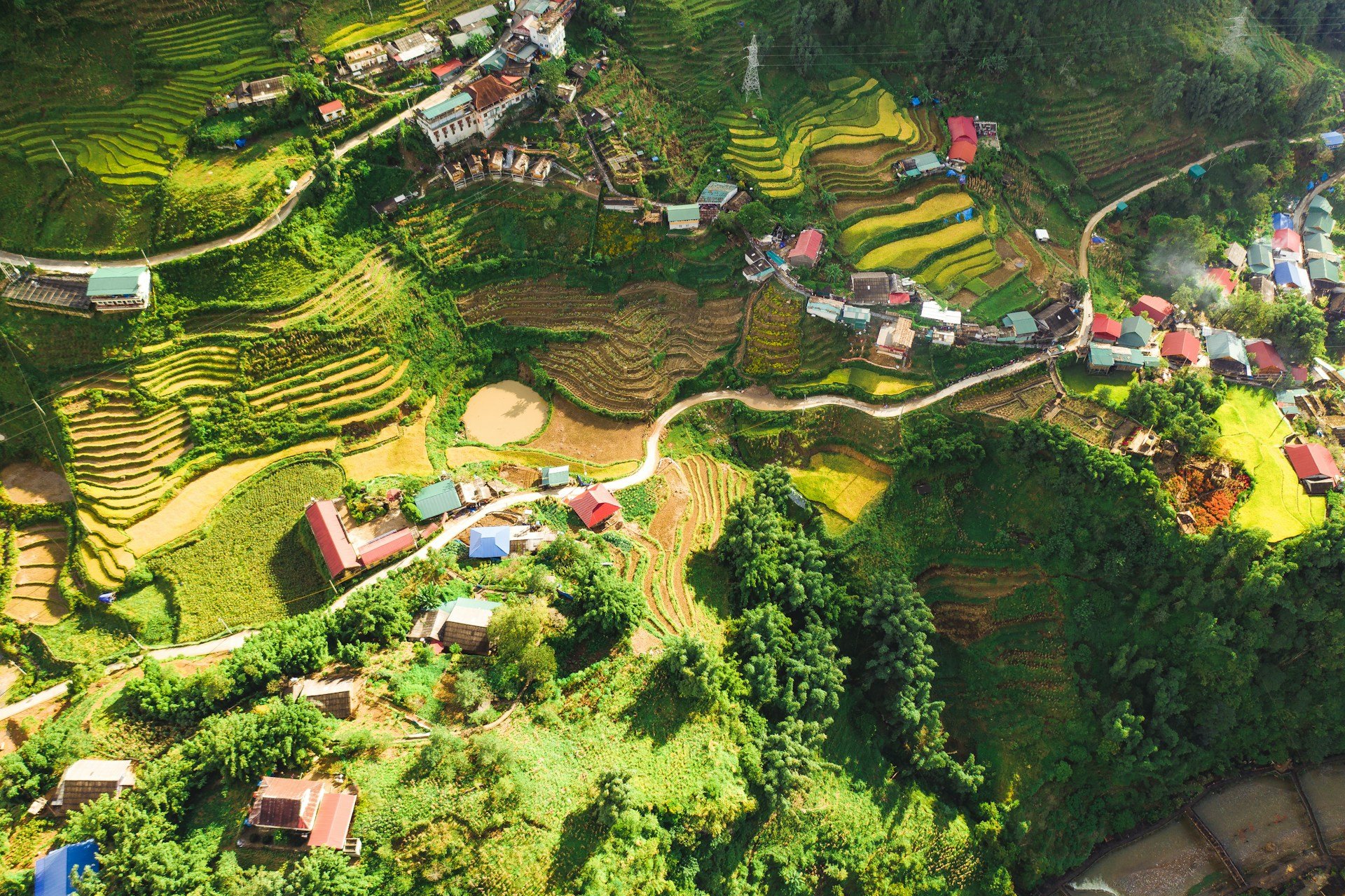
One of Southeast Asia's safest countries
Laos is consistently rated among Southeast Asia's safest destinations for tourists. Petty theft is rare, violent crime against foreigners is very rare, and the social atmosphere is exceptionally calm and welcoming. The main risks are not human. Laos is the most heavily bombed country per capita in history (more than 2 million tonnes of US ordnance dropped during the Vietnam War era), and around 30% remains unexploded. The risk is overwhelmingly in rural eastern provinces; tourist areas are safe but never wander off marked paths. Tubing accidents in Vang Vieng were a serious issue in the 2010s, much reduced since regulation. Tap water is not safe.
🏆 Winner, Slightly saferPros & Cons of Each Destination
No fluff, no marketing copy. The realistic upsides and downsides of each.
- Angkor Wat, the world's largest religious monument
- Over 1,000 temples spread across 400 square kilometres
- USD accepted everywhere, no currency exchange friction
- English widely spoken in tourist areas
- Marginally cheaper than Laos across most categories
- Phnom Penh is a proper city with serious cultural depth
- Khmer cuisine is genuinely underrated
- Better international flight connections (PNH and SAI)
- Tonle Sap floating villages are entirely unique
- Direct flights from major SEA hubs and Europe
- Siem Reap can feel tourist-saturated, especially Pub Street
- Angkor pass at $62 for 3 days is a significant fixed cost
- Khmer Rouge history is heavy and emotionally demanding
- Phnom Penh bag snatching incidents are real, especially at night
- Hot and humid year-round, brutal March to May
- UXO risk in rural areas off marked paths
- Less of a "slow travel" rhythm than Laos
- Luang Prabang is one of Asia's most beautiful preserved towns
- Dawn alms-giving ceremony is a once-in-a-lifetime ritual
- Mekong slow boat is an iconic Southeast Asia journey
- 4,000 Islands offers genuine hammock-and-river slowness
- One of Southeast Asia's safest countries for tourists
- Significantly less crowded than neighbouring countries
- Lao cuisine is the most authentic in the region
- Cooler temperatures in the northern highlands
- Easy overland connection to Thailand
- UNESCO protection has saved Luang Prabang from over-development
- No flagship sight to match Angkor
- Marginally more expensive than Cambodia
- Less English spoken outside main tourist towns
- Internal transport is slow and tiring (mountainous roads)
- Burning season haze in March and April obscures views
- Higher per capita UXO contamination than anywhere on earth
- Food options can be limited in smaller towns
- Vientiane is forgettable as a capital
- Wet season (Jun to Aug) brings genuinely heavy rainfall
Combined 16-Day Cambodia & Laos Itinerary
The natural Mekong loop. Start in Cambodia for the bucket-list temples, then slow your pace through Laos to finish.
Days 1 to 4 · Siem Reap & Angkor, Cambodia
Fly into Siem Reap (SAI), the new airport that opened in 2023. Get the 3-day Angkor pass ($62) and split your visits across multiple sunrises rather than trying to do everything in one go. Day 1: sunrise at Angkor Wat (be there by 5:00am), then the main complex and Angkor Thom. Day 2: Ta Prohm (the tree-root temple), Banteay Srei (pink sandstone carvings, 30 minutes out of town) and Preah Khan. Day 3: outer temples or a return visit to favourites. Reserve an afternoon for the Tonle Sap floating villages or the Cambodia Landmine Museum.
Days 5 to 6 · Phnom Penh, Cambodia
Bus or short flight to Phnom Penh (PNH). The city deserves more time than it gets. Visit Tuol Sleng Genocide Museum (S-21) and Choeung Ek killing fields, this is heavy but essential. Walk the colonial-era riverfront and the Royal Palace. Phnom Penh's restaurant scene has become genuinely good in recent years; try Romdeng for proper Khmer or one of the French-Khmer fusion spots.
Days 7 to 8 · Vientiane, Laos
Fly from Phnom Penh to Vientiane (VTE), around 90 minutes. Vientiane is a quiet, low-rise capital that you only need two nights for: That Luang gilded stupa, Patuxai (Laos's modest Arc de Triomphe), and the COPE Visitor Centre about UXO and rehabilitation. The riverfront night market is pleasant for sunset.
Days 9 to 10 · Vang Vieng, Laos
Bus or van about 4 hours north to Vang Vieng, set among limestone karst landscapes along the Nam Song river. Once notorious as a tubing party town, Vang Vieng has rebranded over the last decade as an outdoor activity hub: kayaking, hot air balloons at sunrise, caving, and Blue Lagoon swimming. The karst scenery is genuinely beautiful.
Days 11 to 14 · Luang Prabang, Laos
The new China-Laos railway covers Vang Vieng to Luang Prabang in around 1 hour (a journey that used to take 7 hours by road). Four nights here is the right amount. Wake up at 5:30am at least once for the tak bat alms-giving ceremony (observe respectfully from a distance, do not interfere). Visit Wat Xieng Thong, the Royal Palace Museum, the night market, Kuang Si waterfall (one of Asia's most beautiful), and take a longtail boat to the Pak Ou caves. Eat your way through the restaurant scene.
Days 15 to 16 · Mekong Slow Boat to Thailand
From Luang Prabang take the two-day Mekong slow boat upstream to Huay Xai on the Thai border, with an overnight in Pak Beng. This is the journey itself, not a transit. Around 8 hours each day drifting through karst hills past river villages. Cross into Thailand at Chiang Khong and fly home from Chiang Rai or Chiang Mai. Alternatively skip the boat and fly directly home from Luang Prabang.
Cambodia or Laos, Which Should You Choose?
The honest answer depends on a single question: do you need to see Angkor Wat? If yes, Cambodia. If you've already been or temples aren't the draw, Laos.
Cambodia is the right choice when temples, ancient history and the complete Southeast Asia bucket list are priorities, or when you're coming for the first time to the region.
- Angkor Wat is on your bucket list (it should be)
- First Southeast Asia trip, high-impact rewards
- Budget is tight, Cambodia is marginally cheaper
- You want to engage with 20th-century history
- City energy matters, Phnom Penh is genuinely interesting
- You want the Tonle Sap floating village experience
- You're short on time, 5 to 7 days is enough for highlights
Laos is the right choice when you've already seen Angkor, or when what you seek from Southeast Asia is atmosphere, quietness and authentic daily life rather than headline sights.
- You've already done Cambodia, Laos is the next step
- Luang Prabang's atmosphere is the draw
- You want the Mekong slow boat experience
- Slower, more contemplative travel appeals
- Off-the-beaten-path is a priority, Laos is quieter
- The 4,000 Islands hammock lifestyle sounds perfect
- You're entering or exiting via Thailand, perfect routing
Plan Your Mekong Adventure
Cambodia vs Laos, FAQ
The questions every Southeast Asia traveller asks when choosing between these two.
Related Comparisons
Still deciding? These comparisons might also help.