
Nigeria
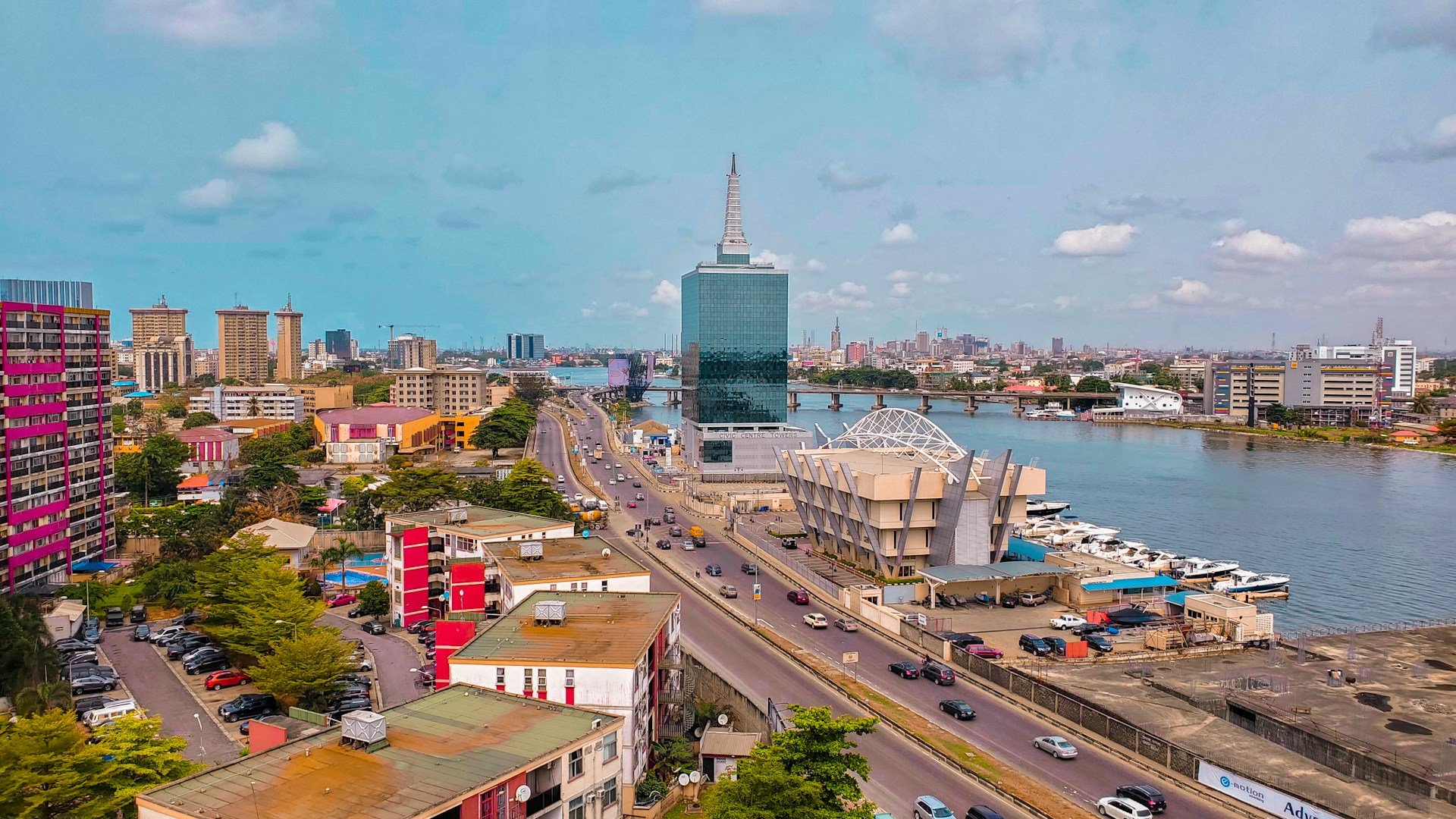
Africa's most populous country and its loudest cultural exporter. The sound that took over global music. The film industry that produces more movies than Hollywood. Bronze sculptures made in Benin City 600 years ago that now define what pre-colonial African art looks like. A plate of jollof rice that starts arguments across three continents. And Lagos — a city of 20 million people that contains more energy per square kilometer than anywhere else in Africa.
What You're Actually Getting Into
Nigeria is not one country in the way that most countries are one country. It is 250 ethnic groups and three dominant ones — Hausa-Fulani in the north, Yoruba in the southwest, Igbo in the southeast — bound together by British colonial convenience in 1914 and still negotiating what that union means. It is two different religions (roughly 50% Muslim, mostly in the north; 50% Christian, mostly in the south) that coexist in the middle belt and occasionally collide. It is simultaneous extreme poverty (189 out of 193 on the UN Human Development Index) and a creative and entrepreneurial class that produces globally influential culture on a daily basis. It is organized chaos that somehow functions.
Visiting Nigeria requires understanding the regional divisions. The north — particularly the northeast, where Boko Haram and ISIS West Africa have been active since 2009, and the northwest, where armed bandit groups have kidnapped hundreds from roads and schools — is genuinely dangerous and has no significant tourist infrastructure. This page is clear about that. The south — Lagos, Abuja, the southeast, Cross River State — is a different story: a difficult and chaotic environment, but one that thousands of international visitors navigate each week for business, culture, and diaspora visits.
The case for coming is not subtle. Nigeria's cultural output is transformative: Afrobeats dominates global streaming, Nollywood produces more films than Hollywood, Nigerian literature (Chinua Achebe's Things Fall Apart, Chimamanda Ngozi Adichie's work, Wole Soyinka's Nobel Prize) defines how the world reads African narrative. Fela Kuti, who invented Afrobeat and used music as political resistance against military dictatorship, is one of the great artists of the 20th century. The Benin bronzes — some 3,000 brass and bronze sculptures made by craftsmen in Benin City from the 13th century onward — are among the finest objects ever made in Africa, most of them currently in European museums. The food — jollof rice, suya, egusi soup, moi-moi, puff-puff — is extraordinary. Lagos, at its best, is intoxicating.
Nigeria at a Glance
A History Worth Knowing
The territory that became Nigeria holds some of Africa's oldest and most sophisticated civilizations. The Nok culture, which flourished on the Jos Plateau from around 1500 BC to 200 AD, produced the earliest known terracotta sculpture in sub-Saharan Africa and may have independently developed iron smelting. The Igbo Ukwu bronze works, dated to around the 9th century AD, demonstrate a level of metallurgical sophistication — thin-walled castings with extraordinary detail — that was not matched in Europe at the same time. At Ile-Ife, the spiritual capital of the Yoruba, bronze and terracotta portrait heads made between the 11th and 15th centuries display a naturalism that astonished Western scholars when they were first studied, because the assumed European timeline of artistic development couldn't account for them.
The Kingdom of Benin, centered in what is now Benin City in Edo State, produced the Benin bronzes — thousands of brass plaques, heads, and figurative sculptures depicting the royal court, warriors, and everyday life, made from the 13th century onward using the lost-wax casting technique. When British forces sacked Benin City in the Punitive Expedition of 1897, they looted approximately 3,000 of these objects and sold them to European museums, where most remain today. The Benin bronzes are now at the center of the most significant repatriation debate in the art world; Germany has returned several hundred, and the new Edo Museum of West African Art in Benin City is being built to receive objects as they come back.
The Hausa states in the north — Kano, Katsina, Zaria, Gobir — were urban commercial centers linked by trans-Saharan trade routes from before 1000 AD, trading with North Africa and the Mediterranean in cloth, leather, and kola nuts. In the early 19th century, the Fulani scholar Usman dan Fodio led a successful jihad across Hausaland, creating the Sokoto Caliphate — one of the largest states in 19th-century Africa — whose successor institutions still carry significant authority in northern Nigeria today. The Yoruba Oyo Empire, which dominated the southwest from the 17th century, was a major supplier of enslaved people in the Atlantic trade. The Bight of Benin and Bight of Biafra, along Nigeria's coast, were among the most active slave-exporting regions in the entire Atlantic trade; millions of people were taken from this territory.
British colonization began with the seizure of Lagos in 1851 and the formal declaration of the Colony and Protectorate of Nigeria in 1914 — Frederick Lugard's amalgamation of the Northern and Southern Protectorates into a single administrative unit, a decision made for economic convenience rather than political coherence. Independence came on 1 October 1960. Nigeria's early post-independence years were defined by the tensions between its three major regions and ethnic groups. A military coup in January 1966 and a counter-coup in July 1966 triggered a massacre of Igbo people living in the north. The Eastern Region, predominantly Igbo, seceded as the Republic of Biafra in May 1967. The Nigerian Civil War (1967–1970) lasted three years and caused over one million deaths, most from the famine that accompanied the federal blockade of the secessionist region. The war ended with Biafra's surrender in January 1970. Its wounds are still not fully healed in Nigerian public life.
Military rule dominated from 1966 until the return to democracy in 1999. The most notorious period was General Sani Abacha's rule (1993–1998), during which Ken Saro-Wiwa — novelist, environmental activist, and leader of the movement against oil company destruction in Ogoniland — was hanged along with eight other activists in November 1995, triggering Nigeria's international isolation. Nigeria has been a democracy since 1999, with civilian transfers of power in 2007, 2011, 2015, 2019, and 2023. The country is currently governed by President Bola Tinubu, who came to office in May 2023.
West Africa's oldest terracotta tradition on the Jos Plateau. Sophisticated iron smelting, complex funerary culture. Possible ancestor of Yoruba and Igbo artistic traditions.
The most technically sophisticated bronze castings in early medieval Africa, found in southeastern Nigeria. Wide-ranging trade connections including glass beads from Venice via North Africa.
Yoruba Ile-Ife produces naturalistic bronze portrait heads. The Kingdom of Benin develops the brass casting tradition that produces the Benin bronzes — looted by Britain in 1897.
Usman dan Fodio's jihad unifies northern Nigeria under the Sokoto Caliphate — one of 19th-century Africa's largest states, whose religious and political authority shapes the north today.
Frederick Lugard combines Northern and Southern Protectorates into "Nigeria" for administrative convenience. Yoruba, Igbo, Hausa, and 250 other groups are merged into one colonial entity.
Nigeria becomes independent from Britain. Immediate tensions between the three major regions and ethnic groups. The first republic lasts six years before a military coup.
The Eastern Region secedes as Biafra. Three years of civil war, over one million deaths — mostly from famine caused by the federal blockade. Nigeria remains united. The wounds take generations.
General Abacha annuls the 1993 election (widely believed won by MKO Abiola), who later dies in detention. Ken Saro-Wiwa is executed. Nigeria faces international isolation.
Return to democracy. Six civilian presidential transitions. Boko Haram insurgency from 2009. End SARS protests in 2020. Nigeria remains a complicated, vital, and turbulent democracy.
Top Destinations
Nigeria's accessible tourist destinations are concentrated in the south: Lagos, Abuja, Calabar, Benin City, Ibadan, and the southeast. The north — particularly Kano, which is a genuinely extraordinary ancient city — is visited by adventurous travelers with local contacts, but carries real risks that most visitors should weigh honestly. The safety section addresses this in detail.
Lagos
Africa's largest city — estimates range from 15 to 25 million people, depending on how you count the metro area. It is the continent's most intense urban environment: the traffic (Lagos traffic is legendary in the way Dante's Inferno is legendary), the noise, the density, the entrepreneurialism, the music from every direction, the sheer press of people engaged in the relentless project of getting and spending. Victoria Island and Ikoyi are the international-facing zones: beach clubs, international hotels, galleries, restaurants serving yam and egusi alongside Japanese and Italian. Tarkwa Bay (boat access only, 20 minutes from VI) is an escape to a quiet beach. The Nike Art Gallery in Lekki has five floors of Nigerian art, sculpture, textiles, and beaded works — the best single collection of Nigerian art accessible to visitors. Freedom Park on Lagos Island, built on the site of a colonial prison, hosts outdoor concerts and cultural events. The New Afrika Shrine in Ikeja — the spiritual home of Fela Kuti's legacy, run by his son Seun — is one of the great live music venues in Africa, with performances every Sunday.
Benin City
The seat of the Kingdom of Benin and home to the most important ongoing story in African art — the return of the Benin bronzes. Benin City's Oba's Palace, the National Museum, and the new Edo Museum of West African Art (EMOWAA, designed by David Adjaye, currently under construction) are the centers of this cultural conversation. The city holds the Ogba Zoo and Nature Park, the ancient Walls of Benin (a medieval earthworks system that stretches for thousands of kilometers and was larger than the Great Wall of China at its peak), and a craft tradition of bronze casting that has continued unbroken for 700 years. The current Oba of Benin, Oba Ewuare II, has been central to the repatriation campaign. Coming to Benin City is coming to the source of objects that define African art in the world's greatest museums.
Abuja
Nigeria's purpose-built capital, occupying the Federal Capital Territory in the country's geographic center. Cleaner, calmer, and more organized than Lagos — wide boulevards, a visible security presence, modern architecture, and Aso Rock, the massive monzogranite outcrop that dominates the city's skyline. The Abuja National Mosque and Nigerian National Christian Centre mark the city's careful religious balance. Millennium Park is pleasant for a morning walk. Abuja is the gateway for visitors combining Nigeria with other West African destinations. The city itself is an attraction primarily for business travelers and as a base for nearby attractions.
Calabar
Cross River State's capital is Nigeria's most visitor-friendly city: clean, relatively safe, genuinely charming, and home to the Calabar Carnival — Africa's largest street party, held every December, drawing over two million participants across two weeks of parades, costumes, and music. The Calabar Museum in the colonial-era Duke Town occupies an old slave trading post and deals honestly with the city's history as one of West Africa's largest slave export ports. Obudu Mountain Resort, 310 kilometers north in the highlands near the Cameroon border, offers cable car access to mist-covered highlands, the best climate in Nigeria, and some of the country's finest walking.
Yankari Game Reserve
Nigeria's largest wildlife reserve, 2,244 square kilometers in Bauchi State, is the country's most established wildlife destination. Elephants (around 350–500), baboons, warthogs, waterbuck, hippos, and a good range of birds. The Wikki Warm Springs — fed by warm, crystal-clear water from deep underground, constant temperature of 31°C — is one of Nigeria's most beautiful natural features, accessible by a short walk within the reserve. Getting to Yankari requires either flying to Bauchi (connecting from Abuja or Lagos) or driving — the drive from Abuja takes about 5 hours and passes through areas with some banditry risk; flying is safer.
Kano
One of the oldest cities in sub-Saharan Africa — continuously inhabited for over 1,000 years, with intact medieval city walls, the Emir's Palace, 500-year-old Kurmi Market (still a working trading center), and the ancient Kofar Mata indigo dye pits that have been in continuous operation since the 15th century. The Kano Old City is one of West Africa's greatest historical environments. The caveat is honest: Kano State has experienced terrorism incidents, religious violence, and kidnapping. Most visits by experienced travelers with local contacts are incident-free, but casual tourism without preparation is genuinely risky. The reward for getting it right is very high.
Ile-Ife
The spiritual capital of the Yoruba people, site of the creation myth of Oduduwa, and home to the Ife Museum which holds some of the ancient bronze and terracotta portrait heads that rank among the world's greatest sculpture. The Osun-Osogbo Sacred Grove, 90 kilometers from Ile-Ife in Osun State, is a UNESCO World Heritage Site: a riverine forest sanctuary with shrines, sculptures, and a living Yoruba religious tradition. The annual Osun-Osogbo Festival (August) draws worshippers and visitors from across the world and is one of Nigeria's most extraordinary cultural experiences.
Ibadan
Nigeria's third-largest city and the country's largest by area — sprawling across seven hills north of Lagos. Once the capital of the Oyo Empire's successor states, Ibadan has a gritty historic character that Lagos, with its island geography, lacks. Bower's Tower, a colonial-era lookout, gives the best panoramic view of the city's red rooftops spreading across the hills. The University of Ibadan, Nigeria's first university (1948), has a beautiful campus and a zoo. The Lagos-Ibadan expressway connects the two cities in about 1.5–2 hours by car (traffic and conditions permitting) — making Ibadan a practical day trip from Lagos.
Culture & Identity
Nigeria's cultural output in the 21st century has been disproportionate to almost any country of its size. Afrobeats has gone from Lagos clubs to global stadium tours and Grammy awards in less than two decades. Nollywood produces over 2,500 films annually and distributes them across sub-Saharan Africa, creating the most-watched film industry on the continent by volume. Nigerian fashion designers — with their ankara prints, agbada, and aso-ebi tradition — are at major international shows. Nigerian literature has produced two Nobel Prizes (Wole Soyinka, 1986; no other Sub-Saharan African country has two) and a generation of writers including Adichie, Teju Cole, and Ben Okri whose work shapes how the global literary world thinks about African narrative. This is a lot for one country.
Afrobeats
The genre that Fela Kuti pioneered as "Afrobeat" — a fusion of jazz, highlife, funk, and political fuji — mutated over decades into the poppier, globally dominant "Afrobeats" of Burna Boy, Wizkid, Davido, Tems, and Asake. The distinction is important to Nigerians and worth knowing. Fela was a prophet who used music as a weapon against military dictatorship; Afrobeats is his grandchildren's commercial and artistic inheritance. Felabration, the annual week-long festival at the New Afrika Shrine in Ikeja (Fela's birthday week, October), is the best possible encounter with both legacies simultaneously.
Nollywood
Nigeria's film industry, which effectively began in the early 1990s with low-budget direct-to-video productions, now produces over 2,500 films a year — second only to India's Bollywood by production volume. Nollywood films have a specific aesthetic: immediate, emotionally direct, rich in Yoruba, Igbo, and Hausa cultural references. They are watched by hundreds of millions of people across Africa. Netflix has invested significantly in high-budget Nigerian productions, raising production values while keeping the storytelling tradition. Cinema Lagos and Filmhouse are the multiplex chains where you can catch both international films and Nollywood in Lagos.
Literature
Chinua Achebe's Things Fall Apart (1958) is the most translated African novel in history and a foundation text for postcolonial literature globally. Wole Soyinka won the Nobel Prize in Literature in 1986. Chimamanda Ngozi Adichie's Americanah, Half of a Yellow Sun, and her TED talks on feminism have shaped global conversations. Teju Cole's Open City is among the finest novels of urban alienation in any language. This is not a coincidence — Nigeria's literary output reflects a culture with a powerful oral tradition, a complex multilingual identity, and a history that demands to be narrated.
Fashion & Aso-Ebi
The aso-ebi tradition — where guests at a celebration wear matching fabric in a specific color to signal community belonging — is one of the most visible markers of Yoruba social culture. Ankara prints (wax-print cotton fabrics, originally made in the Netherlands for the West African market) in vivid geometric patterns are ubiquitous. Nigerian fashion designers including Lisa Folawiyo, Deola Sagoe, and Maki Oh have shown internationally. The Lekki Arts and Crafts Market in Lagos is the best single place to buy fabric, beaded jewelry, and handmade goods. Don't buy at hotel gift shops when market prices are a fraction of the cost.
Nigerian greetings are not abbreviated. Asking after someone's family, health, and general state before getting to business is expected and respected. Rushing past this to make a request is considered rude regardless of how busy you think you are. "How are you? How is your family?" is not small talk — it is the relationship.
Nigerian hospitality is expressed through food. When someone offers you food in their home or at their business — whether it's a plate of rice, a small dish of puff-puff, or a cup of zobo (hibiscus drink) — accepting it is accepting the relationship. Politely declining for no reason reads as a slight. If you genuinely cannot eat something, explain briefly with warmth.
Nigerian Pidgin English is the informal lingua franca of Lagos and much of southern Nigeria — a rapid, expressive language with its own grammar and enormous vocabulary. Learning even a few expressions ("How you dey?" — How are you? "E don do" — It's finished/done. "Shine your eye" — Be careful) signals respect and gets an immediate warm response.
Prices at markets, for taxis and okadas, and for many informal services are starting points. Negotiating is expected and culturally normal. The opening price is often 2–3x the settled price. Maintain good humor throughout — this is a social transaction, not a confrontation.
Photographing Nigerian security forces, government buildings, bridges, airports, and official installations is illegal and can result in arrest, confiscation of equipment, and detention. This applies to incidental photography where these subjects appear in the background. Be deliberate about what's in your frame.
Okadas are banned on many major Lagos roads and are both dangerous and a vector for petty theft. Keke napep (tricycles) are slower and less dangerous but still risky. Use Bolt, Uber, or hotel-arranged transport in Lagos. The price difference is not worth the risk at tourist prices.
Flashy jewelry, visible phones, expensive cameras, and branded clothing make you a specific target in a way that modest presentation does not. This applies particularly in Lagos traffic jams ("go-slows"), at markets, and at bus parks. Lagos go-slows — long traffic jams at which windows are open — are where phone snatching is most common.
Not safe anywhere in Nigeria. Use sealed bottled water for drinking and brushing teeth. Bottled water is universally available and very cheap. Waterborne illness is a significant traveler risk; this is the simplest prevention.
Nigerian Food
Nigerian cuisine is one of the great under-exported culinary traditions in the world. It is rich, complex, deeply spiced (but not always hot — the distinction matters), and built around a combination of starchy staples (rice, yam, cassava, plantain) and soups or stews that contain the real depth of flavor. Every ethnic group has its own tradition, and the differences are significant: Yoruba food in Lagos is different from Igbo food in Enugu is different from Hausa food in Kano. Jollof rice, which has become a global shorthand for Nigerian cooking, is just the most exported tip of a very deep iceberg.
Jollof Rice
Long-grain rice cooked in a tomato and pepper base, seasoned with a combination of spices that varies by cook and region. Nigerian jollof is cooked on an open fire long enough to develop a smoky "party jollof" quality — the slightly charred bottom layer that marks a rice cooked with confidence. The rivalry with Ghanaian jollof is a genuine cultural phenomenon; Nigerians are right about this one. Order it with chicken, beef, or fried plantain. At a Nigerian party it comes in a massive serving tray and you will eat too much.
Suya
Spiced, skewered beef, liver, or chicken grilled over charcoal at roadside suya spots across Nigeria. The seasoning — a dry rub of ground groundnuts, paprika, ginger, garlic, and other spices — is proprietary to each suya mallam. Served on newspaper with raw sliced onion and tomato. Best eaten standing at the grill, very late, after something to drink. Lagos suya after 10pm is one of the city's definitive experiences. Hausa in origin; now universal.
Egusi Soup
Ground melon seeds cooked with palm oil, leafy greens, smoked fish, and meat (usually goat or chicken). Served with pounded yam, eba (cassava), or fufu. The melon seed paste creates a thick, rich broth with a distinctive nutty depth. This is everyday food in Yoruba and Igbo households — the kind of dish that takes hours to make properly and is the standard by which you judge someone's cooking.
Pepper Soup
A thin, intensely flavored broth of spices unique to Nigerian cooking — including calabash nutmeg, local pepper varieties, and cloves — with goat, fish, catfish, or cow tripe. Clear, very spicy, restorative. Eaten at all hours including very late at night in Lagos and Port Harcourt. Found at specialist pepper soup joints and in almost every beer parlor in the south. The spice level is not decorative.
Puff-Puff & Street Food
Puff-puff is deep-fried sweet dough — round, slightly chewy, dusted with sugar, sold everywhere. Moi-moi (steamed black-eyed pea cake) is a complete protein that Nigerians eat for breakfast and as a side dish. Akara (fried black-eyed pea fritters) is the preferred early morning food. Boli (roasted plantain) with groundnut paste is the Lagos roadside snack at its most elemental. All of these cost almost nothing from street vendors.
Zobo & Palm Wine
Zobo is a deep red drink made from dried hibiscus petals (Roselle), ginger, and sometimes cloves — chilled and very refreshing. It is to Nigeria what hibiscus agua fresca is to Mexico, deeply embedded in everyday life. Palm wine (fresh fermented sap from the oil palm tree) is the traditional drink of the southeast and southwest — very fresh, slightly fizzy, mildly alcoholic. Best in the morning when freshly tapped. The longer it sits, the more alcoholic and sour it becomes.
When to Go
Nigeria has two seasons: the rainy season (roughly April to October in the south, shorter in the north) and the dry season (November to March). The best time to visit is November to March — lower humidity, better road conditions, and the festive season that makes Lagos particularly electric in December.
Nov – Mar
Dry SeasonLower humidity, dry roads, comfortable temperatures. November brings Art X Lagos (international art fair). December is Detty December — the diaspora returns, Lagos becomes Africa's most electric city, concerts and events every night. Calabar Carnival (December). Harmattan from January (dry dusty wind from the Sahara) can reduce visibility but temperatures are pleasant.
Apr – Jun
Early RainsEarly rainy season is manageable — rains are afternoon showers rather than all-day downpours. The landscape is greener. Fewer visitors. Osun Festival in August is worth planning around. Felabration in October (Fela Kuti week at the New Afrika Shrine) is one of Lagos's best events.
Jul – Sep
Peak Rainy SeasonLagos flooding is significant in peak rainy season — some areas become effectively inaccessible. Humidity is brutal. Road conditions deteriorate. Not a good time for first-time visitors. If you must travel in this period, Abuja and the north are drier and more comfortable than Lagos.
Trip Planning
Five to seven days gives you Lagos (3 nights), a day trip to Benin City or Ibadan, and possibly a night in Calabar or Abuja. Two weeks allows Lagos, Benin City, Calabar, and a deeper exploration of the southeast or Ibadan area. For most first-time visitors, Lagos alone justifies a trip — the cultural density is such that a week in the city barely scratches the surface.
Lagos — Island
Check in to Victoria Island or Ikoyi. Day 1: acclimatize — walk around VI, beach club at sunset, evening at Eko Hotel's pool bar. Day 2: Nike Art Gallery in Lekki (2 hours minimum), lunch at a proper Lagos restaurant, Freedom Park in the afternoon. Evening: Tarkwa Bay by boat if the season allows.
Lagos — Mainland & Culture
Day 3: National Museum Lagos on Lagos Island (Nok terracottas, Benin bronzes, Yoruba art). Afternoon: Balogun Market on Lagos Island — the most intense market experience in the city. Day 4: New Afrika Shrine (Sunday — Seun Kuti plays). Late lunch at a proper mama-put (local restaurant). Suya at night from a spot on the mainland.
Day Trip: Benin City
Fly or drive (4–5 hours) to Benin City. Oba's Palace in the morning. Benin National Museum. Bronze craft workshops in the afternoon. Return to Lagos. The bronzes in the museum are extraordinary; the craft workshops show the living tradition. Benin City has good guesthouses if you prefer to stay overnight.
Lagos — What You Missed
Two more days in Lagos, which will be necessary because the city is inexhaustible. Day 6: Lekki Arts & Crafts Market, beach time, a proper Lagos lunch spot. Evening: rooftop bar with a view of the lagoon. Day 7: final morning at the market or gallery, then departure. Buy suya at the airport if possible — it wraps well and travels better than you'd expect.
Lagos
Three nights in Lagos covering the island zone, the Shrine, Nike Art Gallery, National Museum, markets, beaches. Add evening events — Art X Lagos in November, Felabration in October, or whatever concert is on during your stay. Lagos always has something on.
Benin City
Two nights: Oba's Palace, National Museum, bronze craft workshops, Walls of Benin earthworks (some sections survive and are walkable). EMOWAA site visit if the new museum has opened. Benin City is compact and walkable within the historic areas.
Calabar
Fly from Benin City or Lagos. Two nights: Calabar Museum and the Duke Town colonial zone, a day trip toward Cross River National Park (chimpanzees), and good seafood in the evenings. In December, add two more nights here for the Carnival.
Ile-Ife & Osogbo
Fly or drive to Ibadan, then road to Ile-Ife (1.5 hours). Ife Museum and Ife Palace. Continue to Osogbo for the Osun Sacred Grove (UNESCO). Osogbo has good guesthouses. The Grove is extraordinary — a living Yoruba spiritual tradition in a forested river valley.
Lagos departure
Drive or fly back to Lagos. Morning at Lekki market for final purchases. Suya before the airport. Lagos is roughly equidistant from both international departure terminals by road — leave at least 3 hours.
Vaccinations
Yellow fever certificate required for all visitors. Malaria is endemic throughout Nigeria — prophylaxis essential for all regions. Also recommended: Hepatitis A, Typhoid, Meningococcal (if going north). Cholera risk during flooding season. Polio boosters may be recommended depending on your origin country.
Full vaccine info →Money
Nigerian Naira (NGN), approximately ₦1,500 per USD (subject to significant fluctuation). ATMs at GTBank, First Bank, Access Bank, and Zenith Bank work reliably in Lagos and Abuja. Credit cards accepted at international hotels and upmarket restaurants; cash needed everywhere else. Carry USD as backup — it's widely accepted at hotels and for larger transactions. Avoid street money changers.
Connectivity
MTN and Airtel are the main carriers. Buy a local SIM on arrival at the airport — it's cheap and gives good data coverage in Lagos and Abuja. Signal is reasonable in most southern cities, variable outside them. Bolt and Uber work in Lagos and Abuja — use these instead of street taxis, always. WhatsApp is the universal communication platform.
Power
Nigeria has a power infrastructure problem — "NEPA" (the now-renamed national electricity company) is almost universally supplemented by private generators at hotels, restaurants, and businesses. Good hotels have reliable backup power. Charge devices whenever power is available. A portable power bank is essential. Power outages are a daily reality for most Nigerians; visitor facilities manage around this.
Transport
Use Bolt or Uber in Lagos and Abuja — they are safer and priced in local currency. Lagos traffic is extreme during rush hours (7–10am, 4–8pm); build significant extra time for any journey. Never drive at night outside major cities. Domestic flights (Air Peace, Ibom Air, United Nigeria) are the safe option for inter-city travel — the roads between cities carry kidnapping risk on some routes.
Insurance
Medical facilities are limited outside Lagos and Abuja. Medical evacuation to South Africa or Europe is realistic for serious cases — ensure your insurance explicitly covers Nigeria. Some standard policies flag Nigeria as a restricted destination; confirm coverage before departure. Emergency medical treatment requires upfront cash payment at most hospitals.
Transport in Nigeria
International Flights
Via Addis, Doha, DubaiLagos Murtala Muhammed International Airport (LOS) is the main hub — served by Ethiopian Airlines, Qatar Airways, Emirates, British Airways, KLM, and others. Abuja Nnamdi Azikiwe International Airport (ABV) has fewer connections but is better for northern and central Nigeria. Both airports have improved but remain chaotic on arrival.
Domestic Flights
₦40,000–100,000/routeFly between cities wherever possible. Air Peace is the largest carrier; Ibom Air and United Nigeria are considered more reliable for punctuality. Lagos–Abuja, Lagos–Calabar, Lagos–Port Harcourt, Abuja–Kano all have multiple daily flights. Book through their websites or travel agents. Factor in delays.
Bolt & Uber (Lagos/Abuja)
₦2,000–8,000/journeyThe safest and most practical option in Lagos and Abuja. Driver details are logged; you can share your trip. Works well within the island zone in Lagos. Can be slow to match during peak hours. Have the app set up and verified before arrival — setting up payment requires local verification in some cases.
Intercity Bus
₦5,000–15,000/routeABC Transport, GUO Transport, and Peace Mass Transit serve major routes. Lagos–Abuja (7 hours), Lagos–Benin City (4 hours). Use only in daylight hours. Don't use at night under any circumstances. Road quality and driver fatigue make night bus travel genuinely dangerous. Kidnapping risk on some routes.
Rail
₦4,000–9,000/ticketThe Lagos–Ibadan standard gauge rail line (60 minutes) is safe, air-conditioned, and runs multiple times daily. The Abuja–Kaduna railway also runs. Nigerian rail is better than its reputation in these specific corridors. Book through the NRC (Nigerian Railway Corporation) app. Much slower than flying for longer routes.
Boat (Lagos)
₦500–3,000/tripWater taxis operate between Lagos Island, Victoria Island, and the mainland, bypassing road traffic completely. The Tarkwa Bay ferry (₦1,000–1,500) runs from Victoria Island jetty. Danfo (yellow minibuses) and keke (tricycles) are the cheapest option but least advisable for visitors who don't know the city.
Accommodation in Nigeria
Nigeria's hotel sector is dominated by Lagos and Abuja's international and upper-mid properties. Victoria Island and Ikoyi (Lagos) have the widest range for international visitors — from international chains to boutique properties. Outside these zones, quality drops sharply and you are largely dependent on local knowledge for finding reliable mid-range options.
International Hotels (Lagos/Abuja)
$200–600+/nightEko Hotel & Suites (VI) is Lagos's most established international property — large, reliable, with extensive facilities including the Eko Convention Centre. The George Hotel (Ikoyi) is Lagos's finest boutique option. In Abuja: Transcorp Hilton Abuja is the landmark hotel; Fraser Suites and Sheraton Abuja also reliable. All have 24-hour security and backup generators.
Mid-Range (Lagos Island Zone)
$80–200/nightMany good options in Victoria Island and Lekki: Federal Palace Hotel (historic VI property), Radisson Blu Lagos Ikeja (Mainland but good security), various boutique guesthouses in Ikoyi. All mid-range options in Nigeria should be selected for their security setup — 24-hour guards, CCTV, gated entry. This is not a preference; it is a baseline.
Outside Lagos (Calabar, Benin City)
$40–120/nightCalabar has Transcorp Hotels and several good mid-range options. Benin City's best hotels are functional rather than atmospheric — use them as a base for the day's cultural program. Ibadan and Ile-Ife have limited international-standard options; Airbnb can be more reliable for researched options in university areas.
Eco & Nature (Yankari, Obudu)
$50–150/nightYankari has the NSTDA-operated Wikki Camp within the reserve — basic chalets with the Wikki Warm Springs accessible by foot. Book in advance through the Bauchi State Tourism Board. Obudu Mountain Resort (operated by Transcorp) is the only quality option in the Cross River highlands — book early, particularly for December-March.
Budget Planning
Nigeria has a significant price gap between international-standard services and local prices. International hotels in Lagos are expensive by any measure. But eating at local restaurants, street food, and domestic transport are very cheap. The experience of Nigeria is available across a wide budget range — the challenge is knowing which tier to use for which activity.
- Mid-range guesthouse in Lagos
- Local restaurants, mama-put, street food
- Bolt/Uber for transport
- Market shopping
- Museum entry fees
- 3-4 star hotel on Victoria Island
- Mix of local and restaurant dining
- Domestic flights between cities
- Guided tours of cultural sites
- Beach clubs and venue entry
- Eko Hotel or The George Ikoyi
- High-end Nigerian and international restaurants
- Private drivers and security
- VIP concert and festival access
- Private domestic charter flights
Quick Reference Prices (2026)
Visa & Entry
Most nationalities require a visa for Nigeria. The e-visa system has improved significantly and is the standard route for most visitors. Apply online before departure — on-arrival processing exists but can be slow and unreliable.
E-visa portal: portal.immigration.gov.ng. Tourist visa (30 or 90 days). Processing typically 2–5 business days. Have invitation letter or hotel booking, passport copy, and bank statement ready. Visa-free: ECOWAS citizens, South Africans (30 days), and a handful of others.
Safety by Region
Nigeria's safety assessment is entirely regional. The standard government advisory — "Reconsider travel to Nigeria" (US Level 2) with specific Level 4 areas in the north — describes a country with dramatically different risk profiles in different zones. Read the specifics below, not just the headline level.
Lagos (VI, Ikoyi, Lekki)
Manageable for international visitors with standard precautions. Thousands of business travelers and diaspora visitors arrive weekly without serious incident. Main risks: petty theft, phone snatching in traffic, scams at airports. Use Bolt/Uber, don't display valuables, avoid walking alone at night. The island zones are safer than the mainland.
Abuja (Maitama, Asokoro, Wuse 2)
Nigeria's most orderly city. Wider roads, more visible security, diplomatic presence. The central Abuja zones are among the country's safest environments. Exercise standard urban precautions. Use registered transport. The outskirts and highway approaches to Abuja have had some incidents.
South & Southeast
Calabar, Benin City, Port Harcourt, and Ibadan are manageable with preparation. Port Harcourt's oil-industry infrastructure and crime are real considerations. Cross River State (Calabar) is considered Nigeria's most visitor-friendly region. Avoid the Niger Delta riverine areas (Bayelsa, Delta State riverine zones) — the UK FCDO advises against all travel to these.
Kano & Ancient North
Kano is extraordinary and some visitors go without incident, but Kano State has experienced terrorist attacks, religious violence, and a kidnapping network active along approach roads. Only with local contacts, current security briefing, and realistic risk tolerance. Don't go on impulse.
Northwest (Zamfara, Kaduna, Katsina)
Armed bandit groups operate throughout Zamfara and Kaduna states. Mass kidnappings from schools, villages, and roads have occurred multiple times. These are not random criminal incidents — they are organized criminal enterprises. Do not travel here.
Northeast (Borno, Yobe, Adamawa)
Active Boko Haram and ISIS West Africa insurgency. Do not travel. This has been the case for over a decade and has not meaningfully changed. The humanitarian crisis here is real and severe; the security risk for foreign visitors is extreme.
Emergency Information
Key Contacts
Book Your Nigeria Trip
Everything you need for planning and booking.
Detty December
Every year in December, Lagos becomes something it isn't quite the rest of the year. The Nigerian diaspora comes home — from London, Houston, Toronto, Amsterdam, wherever the global Nigerian community has settled for work and opportunity — and they arrive with their diaspora money, their diaspora nostalgia, their diaspora hunger for the food and music and family and chaos they've been missing. Lagos swells. Hotel prices triple. The concert calendar fills solid for a month. The city's airports, already stretched, stretch further. And the city meets the returnees halfway, staging itself as its best possible version.
This is Detty December, and it tells you something essential about Nigeria that the safety advisories and the economic data and the security briefings don't capture. The people who leave Nigeria mostly love it. They go to build opportunities that the country's political dysfunction has not yet provided at home, but they go carrying Nigeria with them — its music, its food, its hospitality, its particular way of finding joy in difficult circumstances. And when they can, they come back. Not as tourists. As Nigerians who happen to be living abroad.
The Benin bronzes sitting in European museums are also this, in a way — Nigeria's cultural output abroad, created here, belonging here, waiting to come home. 600-year-old brass sculptures made by craftsmen in Benin City using a technique that has been passed down unbroken, depicting a royal court that was sending ambassadors to Lisbon before Shakespeare was born. Germany has started returning them. The Edo Museum of West African Art is being built to receive them. That is also a kind of homecoming.
Nigeria is difficult to visit. It is worth visiting. The two things are both true and are not in contradiction. The energy of a Lagos Sunday evening — suya smoke in the air, Afrobeats from a speaker somewhere, the city's 20 million people going about the difficult and joyful business of being Nigerian — is something that the safety advisory cannot quite prepare you for, either its challenges or its rewards.