
Lesotho
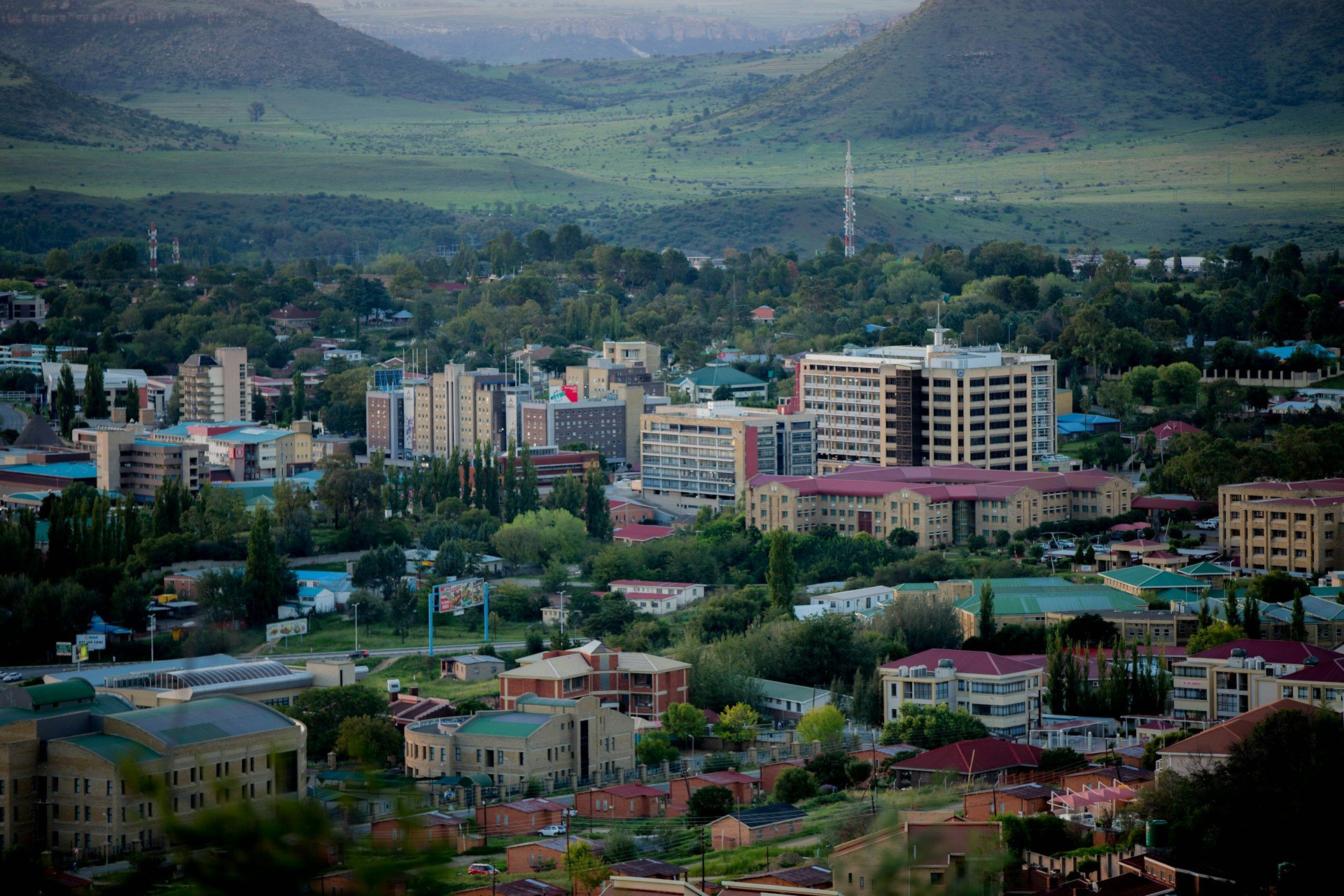
The only country on earth entirely above 1,000 meters. A mountain kingdom wrapped inside South Africa, where shepherds on Basotho ponies outnumber cars, waterfalls drop 192 meters into basalt gorges, and you can ski in Africa.
What You're Actually Getting Into
Lesotho exists because of a mountain and a king. In the 1820s, King Moshoeshoe I gathered scattered clans onto the flat-topped fortress of Thaba-Bosiu and held off Zulu raids, Boer encroachment, and British ambitions long enough to create a nation that survives to this day. The mountains that made it defensible also made it one of the most visually extraordinary small countries in Africa. Every point in Lesotho sits above 1,000 meters. The highest peak, Thabana Ntlenyana, reaches 3,482 meters. The lowest point is still higher than the highest point in most European countries.
Completely surrounded by South Africa, Lesotho is an enclave in every sense. You cross the border and the landscape shifts immediately: from South African farmland into treeless highland grassland where Basotho shepherds in conical straw hats and heavy blankets move flocks along paths that haven't changed in centuries. The roads get rougher. The sky gets bigger. The air gets thinner. By the time you reach somewhere like Semonkong or Malealea, you're in a version of rural Africa that feels both ancient and startlingly present.
Tourism infrastructure is minimal but growing. A handful of lodges, some excellent, serve as bases for pony trekking, hiking, and waterfall visits. The Sani Pass, a switchback road climbing the Drakensberg escarpment from South Africa, is one of the most dramatic drives on the continent. Maletsunyane Falls drops 192 meters in a single plunge and offers the world's longest commercially operated single-drop abseil. AfriSki, at 3,222 meters, is one of only two ski resorts in sub-Saharan Africa. Lesotho celebrates 60 years of independence in October 2026.
This is not a country with a long list of formal attractions. It's a country where the landscape is the attraction, the people are the culture, and the reward for tolerating rough roads is the feeling of being somewhere genuinely remote without being far from anywhere.
Lesotho at a Glance
A History Worth Knowing
Lesotho's story begins with one of Africa's great strategic minds. In the early 1820s, during a period of massive upheaval across southern Africa known as the Lifaqane (or Difaqane), a minor chief's son named Moshoeshoe gathered refugees, defeated rivals, and consolidated scattered clans into a new nation. His genius was choosing Thaba-Bosiu, a flat-topped mountain near present-day Maseru, as his capital. The mountain was nearly impossible to attack from below and had fresh water at the summit. From this position, Moshoeshoe built a kingdom through a combination of diplomacy, strategic marriages, and the occasional well-timed battle.
By the mid-19th century, Boer settlers from the Orange Free State were encroaching on Basotho territory. Moshoeshoe fought three wars against them and won some, lost others, and watched his territory shrink with each treaty. In 1868, facing potential destruction, he made the calculated decision to seek British protection. It saved his people but cost their independence. Basutoland became a British protectorate, and then a Crown Colony in 1884. Crucially, however, it was never absorbed into South Africa. When apartheid took hold next door, Lesotho remained a separate entity. This is why Lesotho exists today as an independent country inside South Africa rather than being part of it.
Independence came on October 4, 1966, with Moshoeshoe II as king and Leabua Jonathan as prime minister. What followed was decades of political instability: a suspended constitution in 1970, a military coup in 1986, the king's exile and return, another crisis in 1998 that brought South African military intervention, and recurring political standoffs that have continued into the 2020s. The current prime minister, Sam Matekane, took office in 2022 on a reform platform. In 2026, Lesotho marks 60 years of independence. The celebrations center on Thaba-Bosiu, where it all started.
Through all of this, what hasn't changed is the Basotho people's attachment to their identity. In a country where 99.7% of the population shares the same ethnic heritage, the culture is remarkably cohesive. The Basotho blanket, the conical straw hat (mokorotlo), the mountain ponies, and the Sesotho language are not tourist symbols. They're everyday life.
Scattered clans gather at Thaba-Bosiu. A mountain kingdom is born.
Moshoeshoe seeks British protection against Boer expansion. Basutoland is born.
Direct British rule begins. Chiefs retain local authority. Not absorbed into South Africa.
Basutoland becomes the Kingdom of Lesotho. Moshoeshoe II is king, Leabua Jonathan is PM.
Constitution suspended, authoritarian rule, military coup. The king is exiled.
New constitution, multiparty elections. Political instability continues but democracy holds.
Lesotho celebrates six decades. King Letsie III launches jubilee festivities at Thaba-Bosiu.
Top Destinations
Lesotho divides into the western lowlands (still above 1,500m) where most people live, and the eastern highlands where the mountains dominate everything. Most travelers base in Maseru briefly, then head into the highlands. The key destinations are spread across the country, connected by a mix of paved roads and gravel tracks that demand a 4x4 for serious highland routes. Distances are short on paper but long in practice.
Semonkong & Maletsunyane Falls
Semonkong means "Place of Smoke," named for the mist that rises from Maletsunyane Falls, which drops 192 meters in a single unbroken plunge into a basalt gorge. It's one of the highest single-drop waterfalls in Africa. The commercially operated abseil down the cliff face beside the falls holds a Guinness World Record at 204 meters. Semonkong Lodge, on the banks of the Maletsunyane River, is the base for everything: abseiling, pony trekking, hiking, fly fishing, and a donkey pub crawl through local villages. Two to three nights minimum. The drive from Maseru is 3-4 hours on mixed road.
Malealea
Malealea Lodge sits in a hidden valley at 1,800 meters, surrounded by mountains on every side. A 19th-century plaque at the mountain pass approaching it reads: "Wayfarer, pause and look upon a gateway of paradise." The lodge runs community-based pony treks, hiking trails to waterfalls and San rock art, mountain biking, and village walks. Guides rotate on a community roster so income is shared. Evening performances by local choirs and bands are a highlight. Child-friendly, pet-friendly, budget-friendly. Two to three nights. This is "Lesotho in a nutshell" and the best single base for first-time visitors.
Sani Pass
The most dramatic border crossing in southern Africa. A series of switchbacks climbing the Drakensberg escarpment from KwaZulu-Natal into Lesotho at 2,874 meters. The road requires a 4x4 (strictly enforced) and nerve. At the top, the Sani Mountain Lodge claims to be the highest pub in Africa. Most people do this as a day trip from the South African side via tour operators in Underberg. If you're driving through Lesotho, descending Sani Pass toward South Africa is equally spectacular.
AfriSki
At 3,222 meters in the Maluti Mountains, AfriSki operates from June to August when snow covers the slopes. One ski lift, a handful of runs, a lodge, and the surreal experience of skiing in Africa. It's small and nowhere near the Alps, but the novelty is undeniable and the mountain setting is genuinely beautiful. The road up is paved to Oxbow and then gravel. Book accommodation in advance during peak ski season (July).
Katse Dam
Part of the Lesotho Highlands Water Project, which tunnels water from Lesotho's mountains into South Africa's Gauteng province. Katse is the largest dam in Lesotho, holding back the Malibamat'so River in a setting of dramatic mountain scenery. The visitor center explains the engineering. Boat trips on the reservoir are available. The drive from Maseru takes 4-5 hours through spectacular highland passes. Combine with a visit to the Bokong Nature Reserve nearby.
Thaba-Bosiu
Moshoeshoe I's fortress mountain, 30 minutes from Maseru. The flat summit where the Basotho nation was founded. The cultural village at the base explains Basotho history and traditions. Local guides lead walks to the summit, pointing out defensive positions and telling stories of the battles that were fought and won here. Best visited at sunrise or late afternoon when the light is soft and the lowlands spread below you.
Ts'ehlanyane National Park
Lesotho's largest national park protects one of the few remaining patches of indigenous forest in the country. The park sits at 2,000-3,100 meters and is home to rare bearded vultures, endemic plant species, and the spiral aloe, Lesotho's national plant. Hiking trails range from easy walks to full-day treks. The Maliba Lodge inside the park is one of Lesotho's most comfortable stays. Two to three hours from Maseru.
Culture & Etiquette
Lesotho is one of the most ethnically homogeneous countries in the world. Nearly the entire population is Basotho, speaking Sesotho, sharing a cultural identity that reaches back to Moshoeshoe I. Christianity (predominantly Catholic and Protestant) is the majority religion, blended with traditional beliefs. The king is a respected figurehead. Traditional chiefs still hold authority in rural areas. The culture is rooted in communal values, respect for elders, and a deep connection to the land and livestock that sustain highland life.
Two items define Basotho visual identity: the blanket and the hat. The Basotho blanket, a heavy wool wrap worn by men and women, is everyday clothing in the highlands, ceremonial dress at events, and a symbol of national identity. The mokorotlo, a conical straw hat that appears on the national flag, was originally designed to resemble Qiloane, a pointed rock formation near Thaba-Bosiu. Both are sold in markets throughout the country and make distinctive, authentic purchases.
"Lumela" (hello to one person) or "Lumelang" (hello to many) opens every interaction. In rural areas, greetings include asking after health, family, and livestock. Skipping this feels abrupt and cold.
In rural Lesotho, you don't just walk up to someone's house. Stand at a distance, call out a greeting, and wait to be invited in. This is standard courtesy throughout the highlands.
If offered food or drink, accepting is a sign of respect. Joala (sorghum beer) is often offered to visitors. Even a small sip is appreciated. Declining everything can be read as dismissive.
The Basotho blanket is not a costume. Wearing one shows respect for local culture. Buying a genuine one (from Aranda or Seshoeshoe) and wearing it properly is appreciated. Treating it as a novelty photo prop is not.
Always ask permission before photographing people, especially in rural areas. Most people are happy to be photographed but expect to be asked first. Some may request a small fee.
Lesotho has one of the highest HIV prevalence rates in the world (estimated 21-25% of adults). This is a deeply sensitive topic. Don't bring it up in casual conversation. If it comes up, listen with respect.
Lesotho's altitude means temperatures drop sharply after sunset, even in summer. In winter, overnight temperatures in the highlands go well below freezing. Bring serious warm clothing. People die of exposure here every year.
Livestock, pedestrians, potholes, and no lighting make night driving in rural Lesotho genuinely dangerous. Plan to arrive at your destination before dark. Always.
The Basotho Blanket
More than clothing, the blanket is a cultural marker. Different patterns carry different meanings. The "Seanamarena" design with its corn cob motif is the most traditional. Blankets are given at initiation ceremonies, weddings, and funerals. The finest are made by Aranda Textile Mills. A good one costs 500-2,000 LSL and will last decades. Buy one in Maseru's market or directly from Aranda.
The Basotho Pony
These small, sure-footed horses are the highland transport system. They carry supplies across terrain no vehicle can reach, serve as daily transport for shepherds, and are central to Basotho identity. Pony trekking is the signature tourist activity in Lesotho and employs dozens of community guides. The ponies are tough, calm, and well-suited to novice riders.
Music & Dance
Famo music, featuring the accordion (introduced by European missionaries), is Lesotho's most distinctive genre. It's fast, energetic, and tied to both celebration and social commentary. Village choirs are common and perform at lodges for tourists. The Morija Arts and Cultural Festival in October is the country's main cultural event, showcasing music, dance, craft, and literature.
San Rock Art
Before the Basotho, the San (Bushman) people lived in these mountains and left behind rock paintings that are thousands of years old. Sites are scattered throughout the highlands, accessible on guided hikes from Malealea and other lodges. The art depicts animals, hunting scenes, and spiritual practices. It's fragile and irreplaceable. Don't touch it.
Food & Drink
Lesotho's food is honest, filling, and shaped by what grows at altitude. This is not a culinary destination. The diet is built around maize (corn), sorghum, and whatever protein is available. In the highlands, that means goat, mutton, and occasionally beef. In towns, South African influence brings more variety. What Lesotho food lacks in complexity it makes up for in context: eating moroho (wild greens) and papa (maize porridge) by firelight in a stone hut at 2,500 meters, with a Basotho blanket around your shoulders and the Milky Way overhead, is an experience no restaurant can replicate.
Papa (Pap)
The staple. Maize meal cooked into a thick, smooth porridge that ranges from soft to stiff depending on region and preference. Eaten with every meal, scooped up with your hands and dipped in sauce or stew. Similar to South African pap, Ugandan posho, or East African ugali. The base of Basotho eating.
Moroho
Wild greens collected from the mountainsides, cooked down with onions and sometimes a bit of fat. The specific greens vary by season. Nutritious, slightly bitter, and deeply local. You'll find it at lodges and in village homesteads. One of those dishes that tastes better the higher up the mountain you eat it.
Grilled Meat
Goat and mutton are the highland meats. Grilled over open fire, often simply seasoned. Beef is more common in lowland towns. Chicken is available everywhere. At braais (barbecues), the South African influence is clear: boerewors sausage, chops, and corn on the cob alongside Basotho dishes.
Lekhotloane
Dried bean stew, slow-cooked and hearty. A winter staple that appears at communal meals. Sometimes mixed with samp (dried corn kernels). Filling, protein-rich, and perfectly suited to cold highland evenings.
Joala (Sorghum Beer)
Home-brewed sorghum beer with a thick, slightly sour taste. It's consumed socially and ceremonially. Offered to guests as a mark of hospitality. Served in shared containers and poured into tin cups. The commercial version, Maluti Beer, is the national brand and available cold at every lodge and bar in the country.
Rooibos & Bush Tea
Hot drinks are essential in Lesotho's climate. Rooibos tea (from South Africa) is everywhere. Local bush teas made from mountain herbs are served at lodges and homesteads. Sweet, warming, and free in most guesthouse kitchens.
When to Go
Lesotho gets about 300 days of sunshine a year, but the weather swings hard between seasons. The key variable is altitude: even in summer, highland temperatures drop to single digits at night. In winter, the highlands freeze solid. The best windows for general travel are autumn (March to May) and spring (September to November), when temperatures are moderate and rain is light.
Autumn
Mar - MayWarm days, cool nights, golden grasslands. Rain has tapered off. Roads are in reasonable condition after summer. Ideal for hiking and pony trekking. The landscape is at its most photogenic.
Spring
Sep - NovWildflowers bloom across the mountains. Days warm up. Waterfalls still have good volume from winter snow melt. October hosts the Morija Arts Festival. Independence Day celebrations in October 2026.
Winter
Jun - AugCold, dry, and clear. Skiing at AfriSki. Spectacular highland light. Freezing nights that demand serious warm clothing. Some highland passes may have ice. Fewer visitors. The Basotho blanket makes perfect sense in this season.
Summer
Dec - FebWarm but wet. Afternoon thunderstorms are daily occurrences. Dirt roads can flood and become impassable. Rivers swell. The landscape is lush green, and waterfalls are at maximum flow. Doable with flexibility and a 4x4, but plan for delays.
Trip Planning
Five to seven days covers the core highlights: Maseru, Thaba-Bosiu, Malealea, and Semonkong. Ten days adds Katse Dam, AfriSki (in winter), or the Sani Pass. Most visitors combine Lesotho with a broader South Africa trip, entering and exiting through different border posts. Rent a 4x4 in South Africa (or Maseru) for maximum flexibility.
Maseru & Thaba-Bosiu
Arrive, settle in. Afternoon visit to Thaba-Bosiu cultural village and summit walk. Sunset from the top.
Malealea
Drive to Malealea (2-3 hours). Two full days: pony trek to waterfalls and San rock art on day one. Village walk, mountain biking, or a longer hike on day two. Evening choir performances.
Semonkong
Drive to Semonkong (3-4 hours). Visit Maletsunyane Falls viewpoint. Optional abseil. Overnight pony trek to a village homestead if time allows.
Return to Maseru
Drive back to Maseru (3-4 hours). Final shopping for Basotho blankets and crafts. Depart.
Maseru & Surroundings
Thaba-Bosiu, Maseru market, and the Roma area with its university and trading post guesthouse.
Malealea
Extended stay. Multi-day pony trek with overnight village stays. Deep immersion in Basotho highland life.
Semonkong
Maletsunyane Falls, abseil, donkey pub crawl, fishing, hiking. Three nights gives you time to breathe.
Katse Dam & Ts'ehlanyane
Drive through the highlands to Katse Dam. Dam tour. Continue to Ts'ehlanyane National Park for indigenous forest hiking and Maliba Lodge.
Northeast Highlands & Exit
AfriSki in winter or Mokhotlong in summer. Exit via Sani Pass to KwaZulu-Natal, or return to Maseru.
Maseru, Roma & Thaba-Bosiu
Full orientation. Cultural sites, markets, trading post stays.
Malealea & Southern Highlands
Extended pony treks. Multi-day hike to remote villages. Community engagement at its deepest.
Semonkong & Surroundings
Falls, abseil, fishing, village life. Side trips to lesser-visited waterfalls upstream.
Central Highlands Circuit
Katse Dam, Bokong Nature Reserve, Ts'ehlanyane. Highland pass driving through some of the most dramatic scenery in southern Africa.
Northeast & Sani Pass
Mokhotlong, the remote northeast, and the dramatic descent (or ascent) of Sani Pass. Exit to South Africa or loop back to Maseru.
Vaccinations
No mandatory vaccinations. Recommended: Hepatitis A and B, Typhoid, and routine vaccines up to date. Rabies vaccine recommended for rural travel. No malaria risk in Lesotho (too high altitude).
Full vaccine info →Connectivity
Vodacom and Econet are the main networks. Coverage in Maseru and towns is good. In the highlands, coverage drops to zero between valleys. Download offline maps. Buy a local SIM in Maseru.
Power & Plugs
220V, Type M plugs (South African three-prong). Same as South Africa. Power is reliable in Maseru. In the highlands, many lodges use generators or solar. Bring a power bank.
Language
Sesotho and English are both official. English is widely understood in towns and at lodges. In remote villages, Sesotho is essential. Learn "Lumela" (hello), "Kea leboha" (thank you), and "Sala hantle" (stay well/goodbye).
Travel Insurance
Recommended. Healthcare is limited, especially in the highlands. Medical evacuation to South Africa (Bloemfontein or Johannesburg) may be needed for serious issues. Standard travel insurance covers Lesotho.
Warm Clothing
This is the one thing that catches people out. Even in summer, highland evenings require a fleece and jacket. In winter, you need proper cold-weather gear: thermals, down jacket, gloves, hat. Lesotho is cold at altitude.
Transport in Lesotho
The single most important transport decision in Lesotho: rent a 4x4. Major routes between Maseru, Roma, and some lowland towns are paved. Everything else is gravel, dirt, or mountain track. In the highlands, a standard sedan won't make it. Period. If you don't drive, tours and organized lodges handle transport, or you can use the minibus taxi network, which is cheap but slow and operates on a "leave when full" basis.
4x4 Rental
R600-1,200/dayRent in South Africa (Johannesburg or Bloemfontein) or at Maseru airport. Essential for Sani Pass, Semonkong, Katse Dam, and most highland routes. Check your rental agreement covers Lesotho border crossing. Many South African rentals do.
Minibus Taxis
20-100 LSLCheap, ubiquitous, and operate between all towns. Depart from taxi ranks when full. Not on a schedule. Maseru to Semonkong takes all day with stops. Best for budget travelers with patience.
Flights
R1,500-3,000Airlink operates three daily flights from Johannesburg to Maseru (1 hour). The only commercial flight into the country. Book early for reasonable fares.
Pony
150-400 LSL/dayIn the highlands, Basotho ponies go where no vehicle can. Multi-day pony treks between villages are arranged through lodges. A guide accompanies you. No experience needed for shorter rides.
Accommodation in Lesotho
Accommodation in Lesotho ranges from international-ish hotels in Maseru to stone-and-thatch rondavels in the highlands, with lodges at key destinations doing the heavy lifting for the tourism industry. The standout stays are the community lodges: Malealea, Semonkong, and the trading post guesthouses that combine basic comfort with genuine cultural immersion. Luxury this is not. Atmosphere it has in abundance.
Maseru Hotels
R500-2,000/nightAvani Lesotho Hotel & Casino is the main international option with pool and casino. Kick4Life Hotel is a social enterprise hotel. Several mid-range options exist. Maseru is functional rather than exciting, used as a jumping-off point.
Highland Lodges
R400-2,500/nightSemonkong Lodge (stone rondavels), Malealea Lodge (various options from camping to chalets), Maliba Lodge in Ts'ehlanyane (Lesotho's most upmarket stay). These are the reason people come to Lesotho. Book ahead in peak season.
Trading Post Guesthouses
R200-600/nightRamabanta Trading Post, Roma Trading Post. Historic buildings converted into basic but characterful guesthouses. Simple rooms, communal meals, real highland atmosphere.
Camping
R50-150/nightMost lodges offer camping. Malealea and Semonkong both have designated sites. Bring your own gear. In the highlands, wild camping is possible with permission from the nearest chief. Nights are cold year-round.
Budget Planning
Lesotho is genuinely affordable by southern African standards. The Lesotho Loti (LSL) is pegged 1:1 to the South African Rand (ZAR), and both currencies are accepted everywhere. No need to exchange if you're coming from South Africa. ATMs work in Maseru but are rare or nonexistent in the highlands. Carry enough cash for your entire highland stay. Credit cards work at hotels in Maseru and some lodges, but don't count on it.
- Camping or dorm beds at lodges
- Self-catering or lodge communal meals
- Minibus taxis between towns
- Day hikes (free or low cost)
- Local SIM for data
- Lodge rondavels or chalets
- Full-board lodge meals
- Pony trekking and guided hikes
- 4x4 rental (shared cost)
- Abseil at Maletsunyane
- Maliba Lodge or Avani Maseru
- Private 4x4 rental
- Multi-day guided pony treks
- AfriSki accommodation and lift passes
- Fly in from Johannesburg
Quick Reference Prices
Visa & Entry
Lesotho has one of the simplest entry systems in Africa. Most nationalities, including citizens of the US, EU, UK, Australia, Canada, and New Zealand, receive free entry permits on arrival. No advance visa is required. You simply show your passport at the border, get stamped in, and go. Stays of 14 to 90 days are granted depending on nationality. No yellow fever certificate is required (Lesotho has no mosquito-borne disease risk at its altitude).
Free entry permit issued on arrival. No advance application needed. Check with the nearest Lesotho embassy for your specific nationality's allowed stay duration.
Family Travel & Pets
Lesotho is surprisingly family-friendly for an adventure destination. Malealea Lodge is specifically designed to welcome children, with pony rides, village walks, and open spaces. The pony treks are suitable for children over about 6, with gentle ponies and experienced guides. The abseil at Semonkong is for older teens and adults only. Healthcare is limited outside Maseru, so travel with a comprehensive medical kit. Roads are the main safety concern for families.
Pony Trekking
The signature family activity. Short rides (1-2 hours) are suitable for children over 6. Ponies are calm and sure-footed. Guides walk alongside. Longer treks are available for older children. Malealea and Semonkong both offer family-friendly options.
Hiking
Easy walks from lodge bases suit all ages. Longer hikes to waterfalls and rock art are manageable for children over 8 with moderate fitness. Altitude can affect younger children, so allow time to acclimatize and keep hydration high.
Stargazing
Lesotho's highland skies have zero light pollution. On a clear night, the Milky Way is spectacular enough to make adults cry. Kids love it. Semonkong and Malealea both have extraordinary night skies. No equipment needed, just look up.
Healthcare
Maseru has basic hospitals. In the highlands, the nearest medical facility may be hours away. Travel with a comprehensive first aid kit, any prescription medications, and travel insurance with evacuation cover. There is no malaria risk.
Traveling with Pets
Malealea Lodge is pet-friendly. Other lodges vary, so check ahead. Bringing pets across the South Africa-Lesotho border requires a veterinary health certificate. Keep dogs leashed in rural areas where livestock is present. Veterinary services are limited to Maseru.
Safety in Lesotho
Lesotho is generally safe for tourists, particularly in rural highland areas where violent crime is rare. Maseru has typical urban risks: petty theft, bag snatching, and opportunistic crime, especially after dark. The highlands are safe but isolated. The biggest risks are road safety (poor roads, livestock, no lighting) and weather exposure (hypothermia is a genuine risk for unprepared travelers in winter). Political instability has historically been an issue but rarely affects tourists.
Highland Areas
Very safe. The rural population is welcoming and crime against tourists is rare. The main risk is isolation: if something goes wrong, help may be hours away. Travel with a charged phone (where there's signal), a first aid kit, and a plan.
Maseru
Normal urban caution applies. Avoid walking alone after dark. Keep valuables hidden. The Kingsway area and central market are fine during daylight. Don't leave items visible in a parked car.
Road Safety
The most significant risk. Mountain roads are narrow, steep, and often unpaved. Livestock wander freely. Other drivers may be unpredictable. Night driving in the highlands is genuinely dangerous. Always drive in daylight.
Weather Exposure
Lesotho's altitude means rapid temperature changes. Fog, snow, and ice can appear with little warning, even in spring and autumn. Carry warm layers on every hike. In winter, hypothermia is a real risk for hikers and drivers on exposed passes.
Healthcare
Limited but functional in Maseru. The Queen 'Mamohato Memorial Hospital handles emergencies. In the highlands, healthcare is minimal. Serious injuries or illness may require evacuation to South Africa (Bloemfontein or Johannesburg). Travel insurance with evacuation cover is strongly recommended.
Emergency Information
Embassies & Consulates in Maseru
Most embassies are in or near the city center of Maseru.
Book Your Lesotho Trip
Everything in one place. These are services worth actually using.
The Mountain Grows at Night
There's a moment in Lesotho that no brochure captures. It usually happens on the second or third day, after the rough roads have beaten the urgency out of you and the altitude has thinned your thoughts down to the essential ones. You're sitting outside a stone hut, wrapped in a blanket someone lent you, watching the last light turn the mountains from gold to purple to black. The silence is total except for the bells on distant sheep. A child brings you tea. The stars come out one by one and then all at once.
The Basotho say that Thaba-Bosiu, Moshoeshoe's fortress mountain, grows taller at night, becoming impossible for enemies to climb. Whether that's geology or myth doesn't matter much. What matters is the idea behind it: that some places reveal themselves slowly, in the dark, to people willing to wait. Lesotho is one of those places. The Sesotho farewell is "Sala hantle" -- "Stay well." It's what you say to the place you're leaving. You'll mean it.