
France Travel Scams
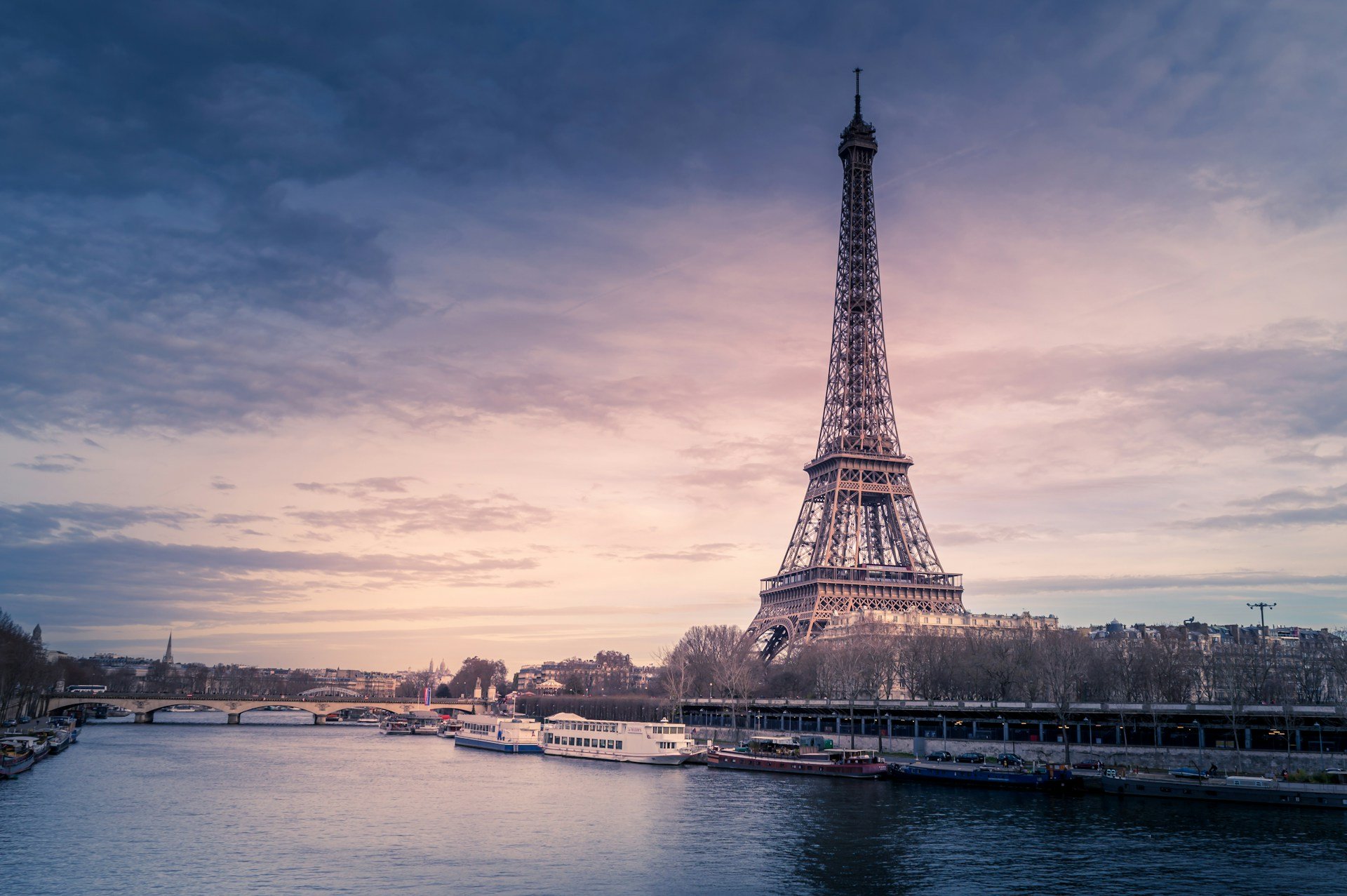
A woman near the Eiffel Tower holds out a clipboard. A man on the Pont des Arts bends down and "finds" a gold ring. Men at Sacré-Coeur tie a bracelet on your wrist before you can react. Paris receives more tourists than any city on earth, and its tourist traps are among the world's most rehearsed. Every one of them is documented here, and every one is entirely avoidable.
France Scam Overview 2026
Paris is consistently ranked among Europe's highest-risk cities for pickpocketing. Metro Lines 1 and 4, the Eiffel Tower, Sacré-Coeur, and the Louvre are the principal locations. Organised teams work specific sites with precision.
Petition, gold ring, and friendship bracelet scams operate at the city's most visited sites. All three use social interaction to distract while a second person picks pockets or creates a payment obligation.
Unlicensed airport transfer touts at CDG and Orly, and overpriced tourist bus and boat experiences. Fixed airport taxi rates apply — EUR 50-55 from CDG, EUR 35-37 from Orly.
Tourist-facing restaurants near major Paris attractions serve mediocre food at premium prices. The gap between one block off a tourist street and directly on it can be EUR 15-25 per person for the same quality.
France Safety at a Glance
Paris Scams
📋 The Petition Scam
A young woman — sometimes several — approaches with a clipboard and asks you to sign a petition for deaf children, human rights, or a charity. The petition and charity are fake. While you stop and read the clipboard, an accomplice picks your pocket. If you sign, they then demand a cash donation. The distraction is effective precisely because the cause sounds legitimate and refusing feels unkind. This is Paris's most consistently reported tourist scam and operates at almost every major monument in rotating shifts throughout the day.
Keep walking. Say "Non" without stopping or making eye contact. The moment you pause to read the clipboard, the distraction works regardless of whether your pockets are picked. No legitimate charity in France collects donations this way. Keep your bag zipped at the front and your phone in an inside pocket any time you are near a major Paris monument.
👑 The String Bracelet (Friendship Bracelet) Scam
Men stand on the steps and approach paths to Sacré-Coeur and call out to tourists, then grab their wrist and begin tying a string bracelet before consent is given. Once on your wrist, removing it yourself feels socially awkward and they demand EUR 5-20 for the bracelet. Some work in groups — while one ties the bracelet and the argument about payment ensues, others approach from behind. The Sacré-Coeur approach via the steps from Anvers Metro has the highest concentration; the funicular route is significantly less exposed.
Hands in pockets when approaching Sacré-Coeur. If someone grabs your wrist, pull it back immediately and say "Non" firmly without engaging further. Take the funicular (covered by standard Metro tickets) rather than the steps. If a bracelet is already being tied: you are within your rights to remove it, and you owe nothing for an unrequested service. "Je n'en veux pas" (I don't want it) and walk away.
💍 The Gold Ring Drop
Someone walking slightly ahead of you bends down and picks up a gold ring from the pavement, then turns and offers it to you — you were nearby when they found it, so they say it must be yours or you should keep it as a lucky charm. The ring is brass or gold-plated and worth a few cents. If you engage, they claim poverty and ask for money for food or metro fare. The ring was placed deliberately. The interaction is designed to get you to stop, make eye contact, and create a social exchange that ends with you paying.
Walk past without stopping or acknowledging. "Ce n'est pas à moi" (It's not mine) while continuing to walk is sufficient. Never pick up the ring. The scam only works if you stop.
👷 Metro Pickpocket Teams
Organised pickpocket teams work specific Paris Metro lines and stations. Line 1 is the highest risk — it runs from CDG through the city's tourist core (Louvre, Tuileries, Champs-Élysées, Bastille) and carries an enormous tourist volume in relatively small carriages. The most effective technique: one or two people crowd the door as it is about to close, creating a crush, while an accomplice works pockets in the press. At interchanges like Châtelet-Les Halles, teams operate on escalators — a jostle from behind while a second person works the front pocket. The RER B from CDG carries exhausted newly-arrived tourists with all their luggage and full wallets, making it a consistent target.
On the Metro: valuables in a zipped inside pocket or a bag worn at the front. Phone in a front trouser pocket, not a back one. If someone crowds the door as it closes, step back rather than pressing forward. On escalators at Châtelet: bag at the front, hand on the zip. On the RER B from CDG: luggage between your legs rather than in overhead racks. The Paris Metro is excellent and safe with these habits — the pickpocket risk is real but entirely manageable with basic precautions.
✉ The "Dropped" Paper / Map Distraction
Someone thrusts a piece of paper, a map, or a printed card in front of your face asking if you speak English, or asking you to look at something. The paper covers your view and hands while an accomplice behind or beside you reaches into your bag or pocket. Variant: someone drops something near your feet and bends down to retrieve it, using the confusion to access your bag from below.
Step back from anything thrust in front of you and put your hand on your bag. Do not look down at dropped items near your feet — look at the people around you. The paper or dropped item is always a distraction, never the actual event. Moving briskly past without engagement is the full prevention.
🏭 Eiffel Tower Souvenir Touts
Men selling miniature Eiffel Tower keychains (sold illegally — they are unlicensed street sellers) spread them on a sheet near tourist groups and then suddenly sweep them up and disappear when police approach, sometimes leaving a keychain near tourists who are then accused of trying to steal it. Others simply sell at EUR 5-10 for items available at official souvenir shops for EUR 2-3. This is low-stakes but adds to the overwhelming sensory pressure of the Eiffel Tower area.
Buy Eiffel Tower souvenirs inside the tower's official gift shop or at reputable souvenir stores rather than from unlicensed street sellers. Never touch items spread on sheets on the ground — if the seller sweeps them up suddenly, any item near you is not yours and you have no obligation. Move away from any sudden street seller "packing up" commotion.
Nice & the French Riviera Scams
🏖 Beach Bag and Phone Theft
Nice's beaches are pebble rather than sand, which means bags and valuables are left on the shore rather than buried. Theft from unattended bags while swimmers are in the water is the most common tourist crime on the Riviera. Teams work the beach: one distracts (asking for sunscreen, the time, directions) while another takes from an open bag a few metres away. Phone snatching from sunbathers who fall asleep is also reported regularly on the Promenade des Anglais stretch.
Never leave valuables unattended on any Riviera beach. Rent a sunbed with a locker from a beach concession (EUR 15-25 per day) or leave passports and cards at your hotel. Swim in shifts with a companion. A waterproof phone pouch worn while swimming is the most reliable solution. Nice has genuine excellent public beaches — the risk is manageable, not prohibitive.
🚵 Nice Tram and Bus Zone Confusion
Unlicensed taxi and transfer touts at Nice Airport Terminal 1 and 2 arrivals approach tourists and quote flat rates of EUR 50-80 for the 8km journey to Nice city centre, where the legitimate metered fare is EUR 25-35. The Nice Tram Line 2 runs from both airport terminals directly to the city centre for EUR 1.80 — it is fast, clean, and eliminates all transport negotiation.
Take the Tram Line 2 from Nice Airport to the city — EUR 1.80 from the tram stop directly outside arrivals, 35-minute journey. Official metered taxi from Nice Airport to the city: EUR 25-35 from the official rank outside. Never accept a flat-rate offer from anyone inside the terminal.
🍽 Cours Saleya Tourist Restaurant Markup
Cours Saleya's restaurant row charges tourist premiums of 30-60% above equivalent quality restaurants two streets inland. The food is often good; the markup reflects the market view and the terrace, not exceptional cuisine. The classic Niçois dishes — socca, pissaladière, salade niçoise — are best and cheapest at the market stalls and small cafes in the Vieux Nice backstreets.
For authentic Niçois food at honest prices: the Cours Saleya morning market stalls sell socca and pissaladière directly. Rue Pairolière and Rue Droite in the Old Town have excellent small restaurants at local prices. Salade niçoise at a Cours Saleya terrace restaurant: EUR 22-28; at a local restaurant nearby: EUR 14-18.
Lyon Scams
Lyon has a lower tourist scam density than Paris or Nice. The Vieux Lyon tourist area has some inflated restaurant pricing and occasional pickpocket activity around the Fourvière funicular. Otherwise it is a relaxed, safe city. The main financial risk is overpaying for the same quality food that Lyon does better and cheaper than anywhere else in France.
🍽 Vieux Lyon Tourist Bouchon Overpricing
Lyon's bouchons (traditional Lyonnaise restaurants) are legendary. The tourist-facing versions on Rue Saint-Jean in Vieux Lyon charge EUR 35-55 for a set menu of dishes that are available for EUR 18-28 at genuine bouchons away from the tourist strip. Some tourist-area bouchons display the "Bouchon Lyonnais" certification sign without being certified members — the official certification (displayed as a small puppet logo) indicates a genuine member of the association.
Look for the official "Bouchon Lyonnais" puppet certification sign. Genuine certified bouchons: Chez Paul, Le Garet, Daniel et Denise, La Meunière. These are in the Presqu'île and Croix-Rousse areas as well as Vieux Lyon — not all tourist-area bouchons are inflated, but the Rue Saint-Jean concentration warrants menu comparison before sitting. A full bouchon lunch (entrée, plat, dessert, pichet de wine) should cost EUR 22-30 at an honest establishment.
👷 Fourvière Funicular Pickpockets
The Vieux Lyon Metro/Funicular interchange is Lyon's most tourist-dense transit point and sees occasional pickpocket activity during peak tourist hours (summer, during Fête des Lumières in December). The funicular carriage is small and crowded — standard Metro pickpocket pressure applies.
Bag at the front, valuables in inside pockets during the funicular journey. Standard transit awareness applies — the risk is genuinely low compared to Paris.
Transport Scams
✈️ CDG Airport Unlicensed Taxis
Paris has fixed official taxi fares from CDG: EUR 50-55 to the Right Bank (north and east Paris), EUR 55-62 to the Left Bank (south Paris). Unlicensed drivers inside arrival halls approach new arrivals and quote EUR 80-120 or more for the same journey. Some claim to be the official airport transfer service. Licensed Paris taxis are white and must accept the fixed rate to any Paris address — no negotiation required.
Take the RER B train from CDG to central Paris for EUR 11.80 (35-50 minutes to Châtelet-Les Halles or Saint-Michel). If you need a taxi, use the official taxi rank outside arrivals — white taxis with the roof light on. The fixed fare applies automatically; there is nothing to negotiate. Uber and Bolt both operate from CDG at competitive prices with upfront pricing.
🚊 Fake Metro Ticket Helpers
Individuals stand near Metro ticket machines and offer to help tourists buy tickets, claiming the machine is broken or complex. They either pocket cash given to them "to buy tickets," buy a lower-value ticket and pocket the difference, or simply distract while an accomplice picks pockets. Some sell "used" Navigo Easy cards as "pre-loaded" when they are empty or nearly so.
Buy Metro tickets only from official RATP ticket windows (blue and white staffed desks) or from the machines using contactless bank card payment directly. The Navigo Easy card (EUR 2 for the card, then loaded with tickets or passes) is the correct system. A 10-ticket carnet on a Navigo Easy card is EUR 17.35 — better value than single tickets at EUR 2.15 each. Never accept help from anyone who approaches you at a ticket machine.
🚕 Tourist Bus and Boat Overpricing
The hop-on hop-off bus and Seine river cruise industry in Paris operates legitimate services at prices that vary significantly between operators. Touts near the Eiffel Tower and Louvre sell tickets for bus and boat tours at above-website prices, claiming they are "priority boarding" or "skip the queue" tickets. The Paris Batobus (hop-on Seine boat) is sold at its official price on the operator's website; touts nearby add EUR 5-15 for the same pass.
Buy boat and bus passes directly from the operator's official website or at official kiosks with the operator's branding. Bateaux Mouches, Bateaux Parisiens, and Vedettes du Pont Neuf are the main legitimate Seine cruise operators. The Batobus day pass (EUR 23 adult) is bookable at bateaux-parisiens.com. Any ticket sold by a person approaching you on the street costs more than the official price for the same product.
An Airalo eSIM for France activates before you board. France coverage (Orange, SFR, Bouygues) is excellent in Paris and across all major cities. Uber, Bolt, and Google Maps all need a connection — have it before you exit CDG arrivals and step into the taxi approach zone.
Restaurant Traps & What Things Should Cost
What Things Actually Cost in France 2026
🍽 Champs-Élysées and Monument-Adjacent Restaurant Traps
Restaurants directly on the Champs-Élysées and in the immediate vicinity of major monuments charge 50-100% above equivalent quality restaurants one or two streets away. A café crème on the Champs-Élysées terrace: EUR 7-9. The same coffee at a café on a side street: EUR 2.50-3.50. The food quality is often identical or lower — you are paying for the address. Some tourist-area restaurants also add a couverts charge (EUR 2-5 per person for bread and water) that may not be visible on the outside menu.
Walk one block off any major tourist street. In Paris, local residents eat well within metres of every monument — the pricing cliff between tourist-facing and residential restaurants is steep and close. Check the menu posted outside before sitting. Coffee standing at the bar is always cheaper than coffee at a table, which is always cheaper than coffee on a terrace — this is a published tariff, not a scam, and it applies everywhere in France.
Shopping Traps
💴 Fake Designer Goods and Counterfeit Luxury
Paris is the world capital of luxury fashion and also has a significant counterfeit goods trade. Fake Louis Vuitton, Chanel, and Hermès items are sold by street sellers near tourist sites and in certain Paris neighborhoods. The specific legal risk for buyers: French customs and consumer protection law classifies purchasing counterfeit goods as a legal offence, not just a financial loss. Tourists caught importing counterfeit branded goods into EU countries face fines. Some "deals" on luxury items in unofficial shops in tourist areas are also counterfeit — if a Louis Vuitton bag costs EUR 200, it is not Louis Vuitton.
Buy luxury goods only from official brand boutiques or established department stores (Galeries Lafayette, Le Bon Marché, Printemps). The official stores are often on Boulevard Haussmann, Rue Saint-Honoré, and Place Vendôme. A genuine luxury item purchased in France comes with a receipt, a box, and sometimes a certificate of authenticity. Anything that doesn't come with these is not the real article.
🏭 Montmartre and Marais Souvenir Overpricing
Tourist souvenir shops near Sacré-Coeur and in the Marais charge tourist premiums of 50-200% above the same items at shops one street away or at department store souvenir sections. A miniature Eiffel Tower at EUR 12 near Sacré-Coeur costs EUR 4-6 at Galeries Lafayette's souvenir section or at shops on Rue de Rivoli away from the tourist core.
Compare prices before buying. Rue de Rivoli's souvenir shops are competitive and centrally located. Department store souvenir sections offer reliable pricing for mass-market items. For quality French gifts (wine, chocolates, Dijon mustard, regional specialties), a Monoprix or Franprix supermarket has better value than tourist-facing gift shops for the same producers.
Digital Scams
🌐 Fake Attraction Booking Sites
Fake booking sites for the Eiffel Tower, Versailles, the Louvre, and the Musée d'Orsay appear in search results — particularly for peak-season slots when official tickets show as sold out. They charge above-face-value prices for tickets that either don't exist or are resold legitimate tickets with a steep markup. The Eiffel Tower online booking system sells out weeks in advance in summer; fake availability sites specifically target tourists trying to book at the last minute.
Official booking sources only: Eiffel Tower (toureiffel.paris), Louvre (ticketlouvre.fr), Versailles (chateauversailles.fr), Musée d'Orsay (musee-orsay.fr). The Paris Museum Pass (EUR 55/2 days, EUR 70/4 days, EUR 85/6 days) covers 50+ museums and attractions including the Louvre, Musée d'Orsay, and Versailles — it is excellent value and is available at any participating museum or at the Paris Tourist Office. Pay with a credit card on all bookings for chargeback protection.
🔢 ATM Dynamic Currency Conversion
French ATMs (particularly Euronet standalone machines in tourist areas) offer DCC at 3-6% above the interbank rate. Euronet machines are common near Paris monuments and in tourist areas — they are private ATMs, not bank ATMs, and their rates are significantly worse. Card skimming is lower frequency in France than in some other European destinations but standalone tourist-area ATMs carry more risk than bank branch machines.
Use ATMs inside bank branches (BNP Paribas, Société Générale, Crédit Agricole, LCL). Avoid Euronet and other standalone tourist-area machines. Always choose to pay in EUR. France is highly contactless-friendly — card payments are accepted almost everywhere, reducing cash ATM needs.
Universal Prevention Guide
Keep Walking Past Clipboards
Any clipboard near a Paris tourist site is the petition scam. Keep moving and say "Non" without stopping. No legitimate charity collects this way. The pause is the distraction — not the clipboard itself.
Inside Pocket on the Metro
Phone and wallet in a zipped inside pocket for every Metro journey. Bag worn at the front. Special attention at door-closing moments on Line 1 and at Châtelet interchange. The Paris Metro is excellent — pickpocket risk is manageable, not prohibitive.
Hands in Pockets at Sacré-Coeur
The bracelet scam operates on the steps and approach paths to Sacré-Coeur. Hands in pockets, "Non merci" without stopping. Take the funicular rather than the steps to reduce exposure entirely.
Fixed Fares from CDG and Orly
CDG to Paris: EUR 50-55 fixed. Orly to Paris: EUR 35-37 fixed. These apply to all licensed white taxis. The RER B (CDG) and Orlyval+RER B (Orly) are faster and cheaper still. Never accept a flat rate above these from anyone inside an arrival hall.
Official Sites for Attraction Tickets
Book the Eiffel Tower, Louvre, and Versailles only at their official websites. The Paris Museum Pass from the Paris Tourist Office is the best value option for multi-site visits. Any other source for sold-out peak-season tickets adds fees or sells fakes.
One Block Off Any Tourist Street
Restaurant quality does not decline when you walk one block away from a monument. Prices drop 30-50%. The best Parisian food is eaten by Parisians, who do not eat on the Champs-Élysées. Coffee at the bar is always cheaper than at a table — this is a posted tariff, not a scam, but knowing it saves money every day.
GetYourGuide lists reviewed licensed operators for skip-the-line Eiffel Tower tours, guided Louvre visits with art historians, Versailles day trips with transport, and Paris food walks through the Marais. Transparent pricing, official-site ticket prices, and consumer protection — no touts, no clipboard holders, no fake rings.
Reporting Scams in France
What to Do if You're Scammed
Paris Is Extraordinary. Go Knowing This.
Walk past the clipboard. Keep your hand on your bag on Line 1. Hands in pockets at Sacré-Coeur. Take the RER B from CDG. Eat one block off any tourist street. Those five habits cover every significant scam and overcharge documented here. France — the food, the cities, the countryside, the culture — delivers something that more than earns the trip. Go knowing the traps and you'll come back talking about everything else.