
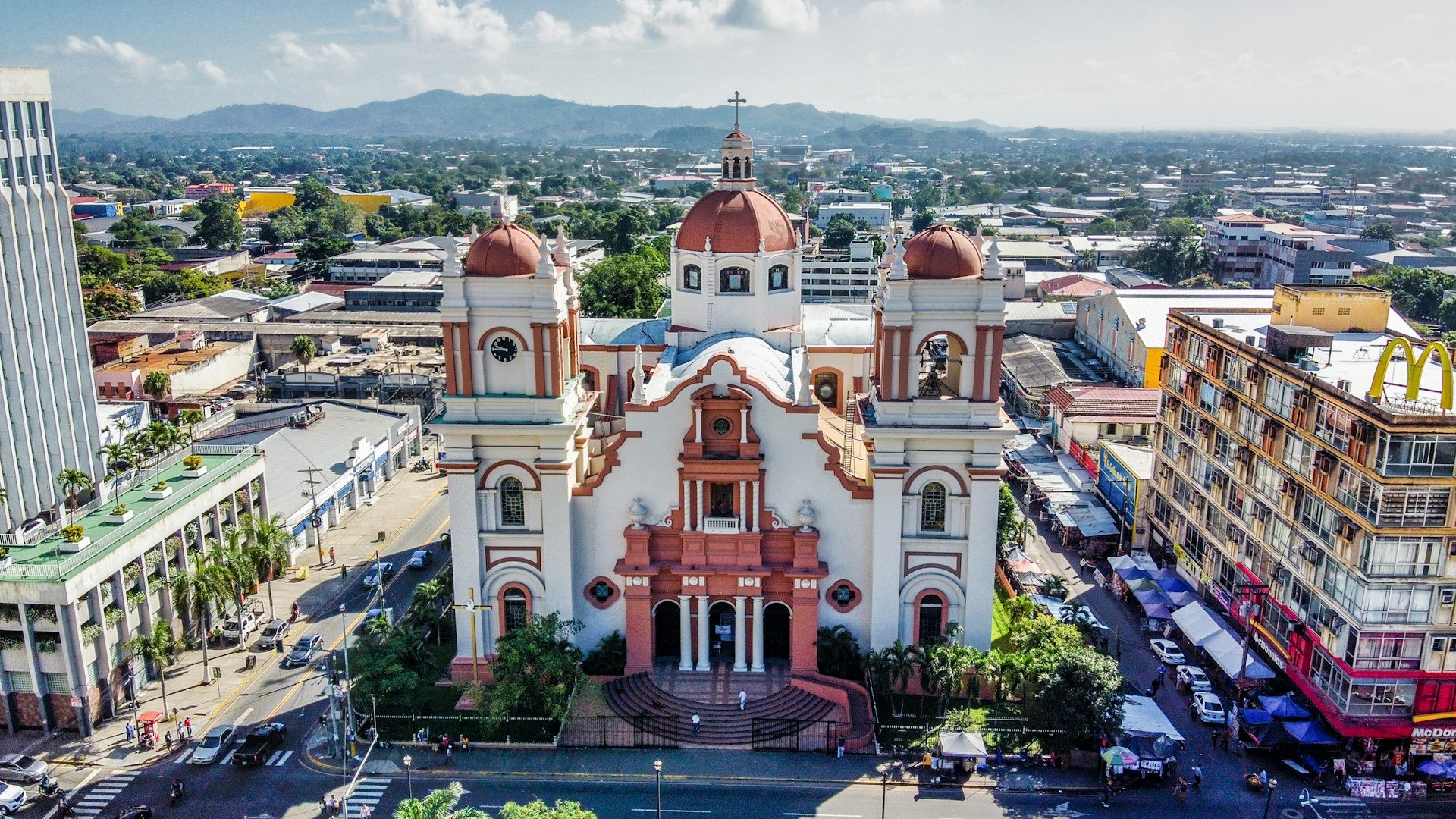
Honduras
The world's second-largest barrier reef starts fifty meters from shore in Roatán. The greatest Maya sculpture outside Mexico waits at Copán. Cloud forests full of resplendent quetzals cover the mountains above La Ceiba. Honduras has been hiding its best things in plain sight.
What You're Actually Getting Into
Honduras has a reputation problem that is partially deserved and largely misapplied to the wrong places. The country consistently appears near the top of global murder rate statistics, a fact that reflects genuine and serious violence concentrated primarily in the urban centers of Tegucigalpa and San Pedro Sula. This is true and it matters. It also does not describe the experience of visiting Roatán, Utila, Copán, or Pico Bonito, which is where tourists go and where hundreds of thousands of visitors travel safely every year.
Honduras is Central America's most underrated destination because most people form their opinion of the country from its crime statistics rather than from what's actually there. What's actually there: Roatán's West Bay beach, which puts you on the Mesoamerican Barrier Reef within swimming distance from shore at a fraction of the cost of any comparable Caribbean reef destination. Utila, where you can learn to dive for $200–280 all-in because the island built its entire economy around budget dive tourism and figured out how to do it very well. Copán, where the Maya sculptors of the Classic Period produced work of extraordinary quality that most of the world has never seen because Honduras doesn't have Guatemala's or Mexico's tourism marketing budget. The cloud forests above La Ceiba in Pico Bonito National Park, where resplendent quetzals nest and jaguars still exist and you can hike for a week and meet almost no one.
This is not a destination for travelers who need resort infrastructure, predictable logistics, and guaranteed comfort. The roads outside the main cities are variable. The electricity is intermittent in places. Spanish is essential everywhere except the Bay Islands. But for the specific things Honduras does best — reef diving, Maya archaeology, cloud forest, and the Garifuna Caribbean coast culture — it delivers at a quality and price that few places in the hemisphere can match.
The safety picture is honest and detailed in the safety section. Read it. Then make a judgment about whether Honduras fits your risk tolerance and travel style. Millions of people visit every year. The Bay Islands in particular have been a functioning international tourist destination for decades and have the infrastructure to match.
Honduras at a Glance
A History Worth Knowing
Honduras' territory has been inhabited for at least 10,000 years, with complex societies developing in the river valleys of the interior long before European contact. The site of Copán in the western highlands was occupied from at least 1000 BCE and became the capital of a major Maya kingdom during the Classic Period, reaching its peak between 400 and 800 CE under a dynasty of sixteen rulers. The city's sculptors produced work that stands as the artistic high point of the entire Maya tradition.
Columbus reached the coast of Honduras on his fourth voyage in 1502, landing near the present-day town of Trujillo on the north coast. He named the country Honduras — meaning "depths" — for the deep waters off the northern coast. The Spanish colonization that followed was violent and systematic. The indigenous Lenca, Maya Ch'orti', Pech, Tolupán, and other peoples were subjected to forced labor and disease that devastated the population. The Lenca chief Lempira organized a significant armed resistance against Spanish forces from 1537 to 1538 before being killed, reportedly during a peace negotiation, by Spanish soldiers. His name now appears on the country's currency.
Honduras was administered from Guatemala as part of the Captaincy General of Guatemala throughout the colonial period. Independence came in 1821, initially as part of the short-lived Mexican Empire and then as part of the Central American Federation. The Federation dissolved in 1838–1839 and Honduras became an independent republic. The 19th century was characterized by political instability and the beginning of the pattern that would define the country's 20th century: foreign economic interests in conflict with domestic political stability.
The term "banana republic" was coined specifically about Honduras. The United Fruit Company and Standard Fruit Company established massive banana plantation operations in the Caribbean lowlands in the late 19th and early 20th centuries and effectively controlled significant portions of Honduran politics, infrastructure, and land. At the peak of banana company influence, these American corporations owned more productive land in Honduras than the Honduran state. US military interventions to protect these interests occurred repeatedly from 1903 onward. The phrase "banana republic," now used generically, referred to this specific political economy.
The 20th century brought a series of military governments, periods of democratic governance interrupted by coups, and Honduras' role as a front-line state in US Cold War strategy during the 1980s. The Contra War against Nicaragua was substantially run from Honduran territory, with US intelligence operating from bases in the country. The Honduran military, particularly Battalion 3-16, committed serious human rights abuses during this period with documented US knowledge. Death squad activity against political opponents was systematically documented by human rights organizations.
Honduras returned to civilian democratic governance in 1982. The country's political development since has been complicated by inequality, corruption, gang violence (the mara gangs Mara Salvatrucha and Barrio 18 established Central American operations from deported US gang members in the 1990s), and economic dependence on remittances. The 2009 coup against President Manuel Zelaya was internationally condemned and deepened political polarization. President Xiomara Castro, elected in 2021 as Honduras' first female president, has pursued anti-corruption measures while navigating gang violence and migration pressures.
Understanding this history explains the economic conditions that drive the violence that makes Honduras difficult to present as a straightforward tourist destination. It also provides context for visiting Copán: those ruins represent a civilization of extraordinary cultural achievement that predates the political mess of the last five centuries by a thousand years, and deserves to be encountered on its own terms.
The Copán dynasty reaches its artistic and political height. The Hieroglyphic Stairway, the great stelae, and the Rosalila Temple are constructed.
Fourth voyage. Columbus names the territory Honduras for its deep coastal waters. Colonization and demographic collapse of indigenous populations follow.
Lenca chief Lempira organizes armed resistance against Spanish forces. Killed in 1538 reportedly under a flag of truce. His name is now on the currency.
From Spain, initially as part of Mexico, then the Central American Federation, then as an independent republic from 1838.
United Fruit and Standard Fruit companies dominate the Honduran economy and political class. The term "banana republic" originates from this period.
A brief war with El Salvador triggered by tensions around a World Cup qualifier. Rooted in land displacement of Honduran farmers. Lasted 100 hours.
Honduras hosts US-backed Contra operations against Nicaragua. Battalion 3-16 commits documented human rights abuses. CIA involvement is later confirmed.
First female president. Anti-corruption platform. Complex governance challenges around gang violence, migration, and political polarization continue.
Top Destinations
Honduras divides naturally into three tourist zones that require different planning approaches: the Bay Islands (Roatán and Utila) for reef diving and beach; the western highlands around Copán for Maya archaeology; and the north Caribbean coast and cloud forest zone around La Ceiba for wildlife and Garifuna culture. Most travelers pick one or combine two. Doing all three requires at least two weeks.
Roatán
The largest of the Bay Islands sits on the Mesoamerican Barrier Reef, which begins within swimming distance of the shore at West Bay beach. The diving here is exceptional by any Caribbean standard: walls dropping to 40 meters, coral gardens in ten meters of water, spotted eagle rays on morning dives, and whale shark encounters between March and April. West Bay beach itself, the island's main tourist concentration, has calm clear water and a row of dive shops, restaurants, and guesthouses that make it genuinely pleasant without being overdeveloped. West End, five minutes from West Bay, has more nightlife and a denser concentration of dive operators. Roatán has an international airport and direct flights from the US, which makes it significantly easier to reach than Utila.
Utila
Utila is the cheapest place to get a PADI Open Water diving certification in the world, full stop. An all-inclusive course with accommodation runs $200–280 USD depending on the operator and season. The island built its entire tourism economy around budget dive certification and it works: dozens of dive schools, consistent year-round conditions, and a whale shark season that runs most of the year because Utila sits in the migration corridor. The island itself is smaller and less polished than Roatán, the social scene centers around a single main street, and the power goes out occasionally. None of this matters when you're underwater. Get here by ferry from La Ceiba.
Copán Ruinas
The town of Copán Ruinas sits a kilometer from the archaeological site and functions as a well-organized base for visiting the ruins over one to two days. The site itself is compact by Maya standards but extraordinary in sculptural density. The Hieroglyphic Stairway has 2,200 individual glyphs. The Altar Q depicts all sixteen kings of the Copán dynasty. The stelae in the Great Plaza are remarkable portraits. Many archaeologists consider the sculptural program at Copán to be the most sophisticated in Maya art. The Museo de Escultura Maya in town has the fully reconstructed, brilliantly painted Rosalila Temple — spend the entry fee, it's worth every lempira.
La Ceiba & Pico Bonito
La Ceiba is Honduras' third city and the ferry departure point for the Bay Islands. More importantly, it's the gateway to Pico Bonito National Park, which rises to 2,480 meters directly behind the city and contains some of the most biodiverse cloud forest in Central America: 400 bird species including the resplendent quetzal, jaguar, tapir, and more species of fish in the rivers than in most national parks their size. The Lodge at Pico Bonito is the well-regarded eco-lodge for the area. White-water rafting on the Río Cangrejal runs directly through the park's buffer zone.
Tela & Garifuna Villages
Tela on the north coast is a quiet beach town with wide, dark-sand beaches and proximity to three Garifuna communities: Tornabé, Miami (the village, not the city), and San Juan. The Garifuna Punta Gorda community east of Tela holds its Yurumein festival in April — the commemoration of the 1797 exile from St. Vincent — which is one of the most significant cultural events in the Garifuna calendar. The beach villages here are genuinely peaceful and the coconut-based seafood cooking from family kitchens is the best food on the Honduran coast.
Cusuco National Park
Near San Pedro Sula in the Merendón mountain range, Cusuco is one of the most biodiverse cloud forests in Central America. Over 1,800 plant species, amphibians found nowhere else on earth, and bird density that draws serious ornithologists. The park sits between 1,500 and 2,242 meters and is genuinely cold in the mornings. Accessibility requires a 4WD and significant logistical coordination — which is precisely why it receives relatively few visitors and rewards those who make the effort. Operation Wallacea ran research stations here for years and has published extensively on the biodiversity.
Río Plátano Biosphere Reserve
A UNESCO World Heritage Site covering 800,000 hectares of virtually undisturbed Caribbean rainforest and river systems in the La Mosquitia region. This is the largest protected area in Central America and one of the most remote. The indigenous Miskito, Pech, and Tawahka peoples live within the reserve. Access is by small aircraft to small airstrips, then river transport — there are no roads. For serious naturalists, La Mosquitia is one of the last truly wild landscapes in Central America. Requires significant planning and a reputable tour operator.
Lancetilla Botanical Garden
Near Tela, the Lancetilla Botanical Garden is one of the oldest and largest tropical botanical gardens in the Americas, established by United Fruit Company botanist Wilson Popenoe in 1926. The collection includes fruit trees from around the world, a significant tropical hardwood research forest, and bird diversity that makes it one of the most accessible birding sites on the Honduran coast. The contrast between this peaceful botanical institution and its origin in the banana company economy is not subtle.
Culture & Etiquette
Honduras is a predominantly mestizo society with significant indigenous and Afro-Caribbean communities whose distinct cultural identities require different engagement. The Garifuna communities along the Caribbean coast, the Lenca communities in the western highlands, the Miskito people of the Mosquitia, and the Maya Ch'orti' around Copán all have specific cultural contexts that differ from Honduran mestizo culture and from each other.
The Bay Islands have their own character. Roatán and Utila were settled by English-speaking Caribbean Creole populations whose descendants are still there, alongside the mainland Honduran population and the significant international dive and expat community. English is widely spoken in the Bay Islands in a way it isn't on the mainland. The cultural mix on Roatán in particular, with its Garifuna community, its Bay Island Creole population, its Honduran mainlanders, and its international visitors, is more layered than the resort-beach surface suggests.
Essential everywhere except the Bay Islands. "Buenos días," "por favor," "gracias," and "cuánto cuesta" are the minimum. On the mainland coast, Garifuna community members may greet you in their language — "Buiti binafi" (good morning in Garifuna) as a response will produce a wide smile.
Cloud forest hikes, river trips in La Mosquitia, and Copán's more complex structures all benefit enormously from knowledgeable local guides. The guides at Copán are excellent, licensed, and significantly improve what you understand from the site. Don't skip them to save $20.
The Yurumein festival, the dugu ceremony, and punta music events are not tourist performances. They are living community practices. Attend respectfully, ask before photographing, and understand that the dugu (a ceremonial feast for the ancestors) is not open to outsiders at all.
Artisan markets in Copán Ruinas and La Ceiba operate with soft negotiating expectations. Aggressive bargaining from a position of obvious relative wealth is not appreciated. A reasonable offer with a smile is the right approach.
Change is perpetually scarce throughout Honduras. Paying with large-denomination lempira notes at small restaurants, markets, and transport creates logistical problems for vendors. Keep 20L and 50L notes for daily use.
Phones, cameras, and jewelry displayed openly in urban areas, bus terminals, and crowded market areas invite opportunistic theft. Keep valuables in interior pockets or a crossbody bag that you keep in front of you.
Outside of the Bay Islands, night road travel carries significantly elevated risk of armed robbery. This is not theoretical. Use daytime buses between cities and arrive before dark wherever possible. If arriving late, prebook transport directly from the terminal to your accommodation.
In Tegucigalpa and San Pedro Sula, use only authorized taxi services booked through your hotel or called by phone/app. Express kidnapping using taxi-like vehicles has occurred. This is a specific risk in the two main cities that does not apply in the same way to tourist-area towns.
Both Tegucigalpa and San Pedro Sula have neighborhoods that are genuinely dangerous and where tourists have been targeted. Ask your accommodation specifically which areas to avoid. Don't assume that because you're in a city with restaurants and hotels that all neighborhoods are equivalent.
Not safe anywhere in Honduras. Bottled water only throughout the country. Ice at established tourist restaurants is usually from purified water. Ice at local markets and rural roadside stands is often not. When in doubt: no ice.
Garifuna Culture
The Garifuna arrived on the Honduran coast in 1797 after the British exiled them from St. Vincent following their defeat in the Second Carib War. Their language is a remarkable blend of Island Carib, Arawak, French, English, and West African elements. Punta rock, the modernized form of traditional Garifuna music, is a genre with international reach. The dugu ceremony, performed to honor ancestors and heal community members, involves several days of singing, drumming, and communal feasting. It remains one of the most significant Garifuna spiritual practices and is not open to non-community members.
Lenca & Maya Ch'orti'
The Lenca people of the western highlands are the largest indigenous group in Honduras, with approximately 450,000 members. Their resistance leader Lempira is on the currency. The Maya Ch'orti' around Copán are linguistic descendants of the ancient Copán Maya, speakers of a language directly descended from the one written in the hieroglyphs on the Hieroglyphic Stairway. Visiting Copán and understanding that the culture described in the ruins is a living community's ancestry — not a dead civilization — changes how you engage with the site.
Football & National Pride
The 1969 Football War between Honduras and El Salvador — a 100-hour actual war triggered by riots during a World Cup qualifier — is a striking piece of 20th-century history. The match that sparked it was played in San Salvador on June 15, 1969. The roots were economic rather than sporting: Honduran farmers had been displacing Salvadoran migrant workers. The phrase "football war" makes it sound absurd; it killed around 3,000 people. Football remains intensely important to Honduran national identity.
Miskito Coast Culture
The Miskito people of the Mosquitia and Caribbean coast have a distinct identity shaped by centuries of interaction with British traders and pirates, which gives them a different cultural orientation from the Spanish-influenced inland. The Miskito language incorporates significant English elements. Miskito lobster divers are internationally known — and internationally recognized as victims of decompression sickness caused by inadequate equipment and excessive depth pressures, a labor rights issue that has attracted international attention.
Food & Drink
Honduran food is honest, filling, and built around corn, beans, and whatever protein is local and fresh. The standard comida corriente (set meal) in any town — soup, rice, beans, a meat, a small salad, and tortillas — costs HNL 60–100 and is exactly what you need after a morning in the ruins or on the water. The Garifuna cooking on the Caribbean coast is the culinary highlight of the country: coconut milk, fresh seafood, yuca, and plantain in combinations that are genuinely distinctive and nowhere near as widely known as they deserve to be.
Baleadas
The national snack and one of Central America's great fast foods. A thick flour tortilla folded over refried red beans, mantequilla (a slightly tangy cream), and your choice of scrambled eggs, cheese, chorizo, or avocado. Available at dedicated baleada stands throughout the country from early morning. The sencilla (simple, with beans and mantequilla) costs HNL 15–25. The especial with eggs, cheese, and avocado is HNL 30–50. Eaten standing at a cart, they are perfect.
Tapado Garifuna
The signature Garifuna seafood stew. Coconut milk broth with green banana, yuca, plantain, yam, and whatever seafood came off the boats that morning — shrimp, crab, fish, conch. The coconut milk is pressed fresh, not from a can, and the flavor difference is significant. Served in the Garifuna communities around Tela, Punta Gorda on Roatán, and in Trujillo. Takes several hours to make properly and is worth planning your day around.
Carne Asada & Plato Típico
The plato típico is the fundamental Honduran meal: grilled beef or chicken, rice, red beans, fried ripe plantains, mantequilla, and corn tortillas. Available everywhere, costs HNL 80–150 at a sit-down restaurant, and is reliably satisfying. The carne asada at roadside comedores along the north coast highway, cooked over wood fire with chimol (a fresh tomato-onion-pepper relish), is the best version.
Sopa de Caracol
Conch soup with coconut milk, vegetables, and spices — a Caribbean coast classic found from Belize through Honduras. The Honduran version often includes yuca and green banana. In the Bay Islands, it's made with freshly caught conch from the reef. At Garifuna restaurants on the mainland coast, the same soup is called sopa de caracol and the coconut milk is pressed from fresh coconuts grown twenty meters away. Both are excellent. The Bay Islands version is more consistent; the Garifuna version has more character.
Honduran Coffee
Honduras is one of the largest coffee exporters in Central America and produces exceptional specialty coffee in the western highlands, particularly from the Copán, Marcala, and Comayagua regions. The best coffee grown in Honduras mostly leaves the country. What stays is still very good by regional standards. In Copán Ruinas, several cafes serve single-origin Honduran coffee roasted locally. Order it black. The country's coffee is clean, balanced, and significantly better than what arrives in most export markets in green bean form.
Salva Vida & Guifiti
Salva Vida is the national beer: a crisp lager that is exactly right after a morning dive or a humid afternoon at Copán. Costs HNL 25–40 at local bars. Guifiti is the traditional Garifuna herbal rum infusion — aguardiente or rum base infused with roots, bark, and herbs for several weeks. It has a bitter, medicinal quality and significant alcohol content. It is drunk medicinally in small amounts in Garifuna communities and sold in bottles at coast towns. Try it once. A full glass is usually excessive.
When to Go
Honduras has distinct climate zones that follow different seasonal patterns. The Bay Islands have a relatively dry season from March to September, which overlaps with whale shark season and the best dive visibility. The mainland highlands around Copán have a dry season from November to April. The Caribbean coast is wet year-round but has lighter rains from January to May.
Bay Islands Dry Season
Mar – SepThe best diving conditions with highest visibility and calm seas. March to April is peak whale shark season when both Roatán and Utila see aggregations in the water around the islands. Accommodation books up in April and May for whale shark season. Book Bay Islands accommodation at least 6 weeks ahead for these months.
Highland Dry Season
Nov – AprThe best time for Copán, Cusuco cloud forest, and overland travel. Clear skies, lower humidity, and comfortable temperatures in the highlands. Copán in the early morning during the dry season, before tour groups arrive and in cool clear air, is the site at its best.
Garifuna Events
Apr, AugApril holds the Yurumein (Settlement Day) celebrations in Garifuna communities across the Caribbean coast commemorating the 1797 exile from St. Vincent. Trujillo and Punta Gorda on Roatán are the main celebrations. La Ceiba's Carnival in May is one of Central America's largest events. August has the Garifuna Settlement Day in Belize which draws Honduran Garifuna too.
Hurricane Season
Sep – NovHonduras sits in the Caribbean hurricane corridor. Hurricane Mitch in 1998 killed over 7,000 people and caused catastrophic damage to infrastructure that took years to repair. October and November carry the highest risk. The Bay Islands can be cut off from the mainland. Do not plan essential travel during peak hurricane months without strong contingency planning.
Trip Planning
Ten days is the minimum for a Honduras trip that combines the Bay Islands with either Copán or the north coast. Two weeks allows all three zones without rushing. The routing depends on your entry point: most international flights land at Tegucigalpa (TGU) or San Pedro Sula (SAP). Roatán has a small international airport (RTB) with direct US connections that allows you to bypass both mainland cities entirely if Bay Islands are your priority.
Honduras is part of the CA-4 agreement — the 90-day visa allowance is shared with Guatemala, El Salvador, and Nicaragua. If you're combining a Honduras trip with Guatemala, count the days carefully. Overstaying the CA-4 limit results in fines and can affect future entries across all four countries.
Utila Dive Course
Fly to San Pedro Sula, transfer to La Ceiba (3 hours by bus or shuttle), overnight ferry to Utila the same day or next morning. Five days: complete your PADI Open Water certification ($200–280 all-in including accommodation). Two days of certified dives afterward if time allows. If already certified, replace course days with guided dives and free diving time.
Copán Day Visits
Ferry back to La Ceiba, connect to San Pedro Sula, bus or shuttle to Copán Ruinas (3 hours). Two days: day one for the ruins with a licensed guide, including the tunnel tours (Copán's tunnels through the pyramid complex reveal earlier structures preserved underneath). Day two: the town, the macaw conservation center, and the Hacienda San Lucas for a final dinner.
Copán
Fly into San Pedro Sula, direct shuttle to Copán Ruinas (3 hours). Two days at the ruins, the tunnel tours, the sculpture museum, and the macaw colony that nests in the ruins themselves. Base in Copán Ruinas town center.
La Ceiba & Pico Bonito
Shuttle to San Pedro Sula, bus to La Ceiba (3 hours). Two nights at or near Pico Bonito National Park. Río Cangrejal white-water rafting, cloud forest hiking, early morning birding for quetzals. The Lodge at Pico Bonito or the simpler Rio Cangrejal guesthouses.
Utila
Morning ferry from La Ceiba to Utila (1 hour). Complete PADI Open Water if uncertified (3–4 days). If already certified, four days of guided reef dives, whale shark snorkeling, and island exploration. Utila by night: the Jade Seahorse bar has a bar and guesthouse that is genuinely worth experiencing.
Roatán
Ferry or small plane from Utila to Roatán. Four nights: West Bay beach for the reef, West End for the nightlife, a day trip to the Garifuna village of Punta Gorda on the northeast coast. Fly home from Roatán airport (RTB) directly if routing allows.
Copán & Western Highlands
Three full days in the Copán area including the ruins, the outlying sites (Los Sapos, the Maya ball court), and a half-day visit to a Lenca artisan community in the villages near Santa Rosa de Copán. The pottery tradition here is centuries-old and the potters sell directly from their workshops.
La Ceiba, Tela & Garifuna Coast
North coast circuit: La Ceiba for Pico Bonito and rafting, then west to Tela for the Garifuna villages of Tornabé and Miami, the Lancetilla Botanical Garden, and evenings on the beach with tapado and guifiti.
Utila & Dive Week
Ferry from La Ceiba to Utila. Five days of diving: Open Water cert if needed, or a series of specialty courses (Advanced, Rescue, underwater photography). Utila rewards the extra time because the whale shark aggregations are unpredictable and persistence pays.
Roatán
Five days. West Bay for the reef, a certified dive at the Odyssey wreck or Spooky Channel wall dive. Day trip to the Garifuna village of Punta Gorda. One afternoon at the Carambola Botanical Garden. Sunset views from Parrot Tree Plantation hill.
Mosquitia (Advanced Travelers)
Four days in La Mosquitia via small plane from La Ceiba to Palacios or Brus Laguna, then river transport into the biosphere reserve. Requires a reputable specialized tour operator. Contact Omega Tours in La Ceiba or La Ruta Moskitia collective for current logistics. This is the Honduras almost nobody sees.
Vaccinations
Recommended: Hepatitis A, Hepatitis B, Typhoid, routine vaccines. Malaria prophylaxis is recommended for the Mosquitia and lowland Caribbean coast areas below 1,000m. Dengue is present across the country. No mandatory vaccinations required for most nationalities.
Full vaccine info →Connectivity
Claro and Tigo are the main providers. Good coverage in Bay Islands, La Ceiba, Copán Ruinas, and major cities. Limited in remote highlands and Mosquitia jungle. Download offline maps before leaving urban centers. An eSIM with Central America coverage is the simplest setup.
Get a Honduras eSIM →Dive Certification
If planning to dive in Honduras, you can complete your PADI certification in Utila for $200–280. If already certified, bring your certification card and logbook. Utila's dive shops can verify and extend advanced certifications on the island. DAN dive insurance is recommended and inexpensive.
Currency
Honduran Lempira (HNL). US dollars are widely accepted in tourist areas and Bay Islands. ATMs in major cities, Bay Islands, and Copán Ruinas accept foreign cards. Rural areas are cash-only. Withdraw sufficient lempira before leaving urban centers for inland or remote travel.
Travel Insurance
Essential. Include medical evacuation cover — serious injuries require evacuation to San Pedro Sula or Tegucigalpa from the Bay Islands (expensive by air), or to the US for serious trauma. DAN dive insurance is separately recommended for anyone diving. General travel insurance does not always cover diving incidents.
Language
Spanish is essential on the mainland. The Bay Islands are English-friendly. In Garifuna communities, some basic Garifuna courtesy phrases are warmly received. Download Google Translate with Spanish offline before leaving. Basic Spanish dramatically improves mainland interactions.
Transport in Honduras
Honduras' transport network has genuine gaps, particularly in the north coast and Mosquitia regions. The main tourist routes — San Pedro Sula to Copán, La Ceiba to the Bay Islands by ferry, and the shuttle network connecting major towns — are well-established and reliable. Getting to Roatán directly from the US is easy. Getting from Roatán to Copán is a half-day operation requiring ferry, bus, and shuttle coordination. Plan the joins carefully.
Airports
Direct US flights to RTBRoatán (RTB) has direct flights from Miami, Houston, and Atlanta on American Airlines and United, making it possible to bypass the mainland entirely. San Pedro Sula (SAP) is the main mainland gateway for the north and west. Tegucigalpa (TGU) serves the capital but has a notoriously challenging approach — the airport is surrounded by hills and the descent is steep. Domestic flights connect cities via Aerolíneas Sosa and TAG Airlines.
Bay Islands Ferries
HNL 500–700 returnGalaxy Wave and D-Express ferries connect La Ceiba with Roatán and Utila. The La Ceiba to Utila crossing takes 1 hour; La Ceiba to Roatán takes 1.5 hours. Ferries depart morning and afternoon in both directions. Book tickets in advance during whale shark season. The crossing can be rough — take motion sickness medication if susceptible.
Tourist Shuttle
$15–35 per routeHedman Alas operates comfortable long-distance buses between Tegucigalpa, San Pedro Sula, La Ceiba, and Copán Ruinas. Tourist shuttle services run by guesthouses and tour operators cover major tourist routes in air-conditioned minibuses. The San Pedro Sula to Copán Ruinas shuttle (3 hours, $20–25) is the most-used tourist route.
Chicken Bus
HNL 15–50 per routeThe local bus network using former US school buses. Cheap and functional for local hops between towns. Less appropriate for long-distance travel given time and security considerations on some routes. Works well for Tela to La Ceiba, Copán Ruinas to Santa Rosa de Copán, and similar regional connections.
Car Rental
$40–70 USD/dayUseful for the Copán area (visiting outlying sites) and for driving the north coast highway between Tela and La Ceiba. Not recommended for Tegucigalpa or San Pedro Sula city driving. International permit technically required. 4WD is necessary for any mountain or Mosquitia routing.
Mosquitia Air
$100–200 per flightThe Mosquitia rainforest region has no roads. Small aircraft from La Ceiba serve airstrips at Palacios, Brus Laguna, Ahuas, and Puerto Lempira. Aerolíneas Sosa and local charter operators run these routes. Seats are scarce and schedules are weather-dependent. Book well ahead for any Mosquitia itinerary.
Accommodation in Honduras
Honduras' accommodation quality is highly variable. The Bay Islands have a well-developed range from budget dive school packages to mid-range beach hotels and a small number of upscale resorts. Copán Ruinas has a good selection of small boutique hotels and guesthouses. La Ceiba has functional mid-range options and the excellent Lodge at Pico Bonito nearby. Tegucigalpa and San Pedro Sula have international chain hotels in their safer zones, which is where you should stay if transiting through either city.
Dive Package (Utila)
$200–280 all-in (5 days)Utila's dive schools include accommodation in their certification package prices. The all-in PADI Open Water course includes 3–5 nights of budget guesthouse accommodation alongside the course. It is the best value dive education in the Caribbean by a significant margin. After certification, daily dive fees are $30–40 per two-tank dive.
Bay Islands Hotel
$60–200/nightRoatán's West Bay and West End have a range from basic guesthouses at $60/night to well-run mid-range hotels like the Mayan Princess Resort. The Infinity Bay Spa and Beach Resort is the most luxurious option on the island. Sandy Bay between West End and Coxen Hole has smaller, quieter guesthouses used by expats and repeat visitors.
Copán Boutique Hotel
$50–120/nightCopán Ruinas town has genuinely good small hotels in a compact walkable center. Hacienda San Lucas on the hill above the ruins is the most atmospheric. Hotel Marina Copán has a good restaurant and pool. Casa de Café, a converted family home with a garden, is the best budget pick. All are within walking distance of the ruins entrance.
Eco-Lodge
$80–200/nightThe Lodge at Pico Bonito near La Ceiba is the best eco-lodge in Honduras: well-run, directly adjacent to the national park, with guided bird walks included and a pool fed by a mountain stream. Omega Tours on the Río Cangrejal offers simpler riverside cabins at lower prices for the rafting crowd.
Budget Planning
Honduras offers some of the best value travel in the Americas. Budget travelers who use local transport, eat at comedores, and stay in basic guesthouses can manage $25–40 per day on the mainland. The Bay Islands run slightly higher because of their island economy, but Utila remains extraordinary value for a Caribbean dive destination. The main budget items that inflate costs are dive courses, whale shark snorkeling tours, and the Lodge at Pico Bonito if splurging on eco-lodge comfort.
- Hostel or basic guesthouse
- Baleadas and comedores for meals
- Chicken buses and local transport
- Self-guided ruins and beach days
- Salva Vida beers at local bars
- Good guesthouse or small hotel
- Mix of local and tourist restaurants
- Tourist shuttles and ferries
- Guided dives ($30–40/two-tank)
- Licensed Copán guide
- Lodge at Pico Bonito or Bay Islands resort
- Hacienda San Lucas dinner at Copán
- Private guide services throughout
- Whale shark tour (organized)
- Mosquitia air charter and eco-camp
Quick Reference Prices
Visa & Entry
Citizens of the United States, Canada, the United Kingdom, all EU member states, Australia, New Zealand, and most other Western nations enter Honduras visa-free for tourist stays. The standard allowance is 90 days, but as Honduras is part of the CA-4 agreement with Guatemala, El Salvador, and Nicaragua, this allowance is shared across all four countries combined. If you have already spent 60 days in Guatemala on the same trip, you have only 30 days remaining in Honduras.
A $3 tourism entry fee is charged at land borders. At international airports this is typically included in the airline ticket. Keep your entry stamp visible in your passport and retain the migration card given to you at entry — you'll need to surrender it on departure.
Most Western passport holders enter without a visa. The 90-day CA-4 allowance is shared with Guatemala, El Salvador, and Nicaragua. Track your days carefully if combining with other CA-4 countries.
Family Travel & Pets
Honduras works well for families with older children who can handle snorkeling, archaeological sites, and some logistical variability. The Bay Islands are genuinely family-friendly: calm water beaches, snorkeling that begins from shore, and dive operations that offer junior discover courses for children 8 and up. Copán is excellent for children interested in history — the macaws that live in the ruins provide immediate visual engagement before you need to explain the hieroglyphs. Pico Bonito's river and waterfall activities work for active children of most ages.
The main family travel considerations are food hygiene (cook-your-own or established tourist restaurants only for young children), altitude (not significant on the coast), and the security picture in urban areas (avoid Tegucigalpa and San Pedro Sula beyond the airport transit, particularly with children).
Snorkeling & Junior Diving
West Bay beach on Roatán offers snorkeling directly from shore on one of the world's great reefs. Children who can swim confidently will see eagle rays, parrotfish, and reef sharks without leaving the shallows. Children 8 and above can complete a PADI Bubblemaker or Junior Open Water course with local dive operators.
Copán Macaw Colony
A resident colony of scarlet macaws lives in and around the Copán ruins, nesting in old trees within the archaeological zone. For children who find the hieroglyphs abstract, the macaws provide immediate, vivid engagement. The nearby Macaw Mountain Bird Park is a rescue center where you can hold parrots and see honduran endemic species up close.
Río Cangrejal
White-water rafting on the Río Cangrejal above La Ceiba runs Class II to IV rapids depending on the section chosen. Operators grade the sections clearly and can direct families with children to appropriate Class II-III runs. The river flows through Pico Bonito National Park, so the scenery is genuinely extraordinary.
Glass Bottom Boat
For children too young to snorkel, glass-bottom boat tours on Roatán provide reef viewing above the water. The operators running these from West Bay beach encounter the same reef that divers and snorkelers visit. Younger children see coral, turtles, and fish without getting wet.
Garifuna Village Visit
A guided visit to a Garifuna community near Tela or Punta Gorda on Roatán introduces children to a genuinely distinct culture through food, music, and craft. Garifuna drumming demonstrations and coconut bread making are activities that hold children's attention and teach more about cultural diversity than any classroom does.
Pico Bonito Wildlife
The Lodge at Pico Bonito offers guided bird walks and night walks on trails adjacent to the national park. Children who are interested in wildlife find the quetzal, toucans, and various frog species on night walks genuinely compelling. The swimming pool fed by a mountain stream is a reliable afternoon hit for all ages.
Traveling with Pets
Bringing pets to Honduras requires a veterinary health certificate issued no more than 10 days before travel, proof of current rabies vaccination administered at least 30 days before entry, and authorization from Honduras' SENASA (Servicio Nacional de Sanidad Agropecuaria). Documentation must be authenticated by a Honduran consulate before departure.
In practical terms, Honduras is not a well-developed pet travel destination. The Bay Islands dive and beach culture is not set up for pets. The mainland guesthouses and hotels are variable in pet acceptance. The heat on the Caribbean coast is stressful for animals. For stays under a month, the documentation burden and practical challenges significantly outweigh the benefit. Leave pets at home.
Safety in Honduras
Honduras' safety situation requires the honest two-part assessment this guide commits to throughout: the national crime statistics are genuinely alarming and reflect real violence concentrated in specific urban areas, particularly Tegucigalpa and San Pedro Sula. The tourist destinations — Bay Islands, Copán Ruinas, La Ceiba's tourist zone, and the north coast beach towns — have significantly better safety records and function as established international tourist infrastructure precisely because the operators there have built safety systems that work.
The clearest framing: traveling to Roatán or Utila carries a risk profile comparable to other Caribbean island destinations. Traveling to Tegucigalpa or San Pedro Sula on a city break carries a risk profile that requires specific awareness and precautions beyond what most Caribbean travel involves. Most tourists visit Honduras without ever going to the two major cities beyond airport transit.
Bay Islands
Roatán and Utila have been functioning international tourist destinations for decades. The dive community and local infrastructure create accountability systems that keep tourist areas broadly safe. Standard precautions apply. Petty theft exists. Violent crime against tourists is rare.
Copán Ruinas
The tourist town around Copán is small, compact, and predominantly oriented around archaeology tourism. It is among the safer places in Honduras for tourists. Ask at your hotel about current conditions on any hiking trails near the ruins.
Tegucigalpa & San Pedro Sula
Both cities have neighborhoods with genuinely high violent crime rates. Use only hotel-arranged or app-based taxis, stay in Zones 10/14 in Tegucigalpa and the Colonia Palmira area, don't walk in unfamiliar areas after dark, and keep transits through both cities as brief as possible.
Highway Travel at Night
Armed robbery on highways after dark, particularly on the routes between major cities, is a real risk. Use daytime buses and shuttles. If you must travel after dark, use reputable shuttle operators rather than public buses. This is consistent advice for Honduras regardless of destination.
Petty Theft
Phone snatching, bag grabs, and pickpocketing occur in crowded markets, bus terminals, and urban areas. Keep phones in pockets in public spaces, use small crossbody bags, and don't wear visible jewelry in urban areas.
Dive Safety
The Bay Islands have several decompression chambers — the DAN-affiliated chamber on Roatán at Anthony's Key Resort is the main facility. Get DAN insurance before diving. Save the DAN emergency number (+1-919-684-9111) in your phone before your first dive.
Emergency Information
Your Embassy in Tegucigalpa
Most embassies are in the Colonia Palmira and Lomas del Guijarro neighborhoods of Tegucigalpa.
Book Your Honduras Trip
Everything in one place. Honduras rewards preparation.
The Country That Gets Overlooked
Most people who fly into Roatán have no idea they're landing over the second-largest barrier reef in the world. Most people who stand in front of the Hieroglyphic Stairway at Copán have never heard of it. Most people who've eaten tapado from a Garifuna kitchen in Tela never knew the Garifuna existed before they arrived. Honduras consistently delivers experiences of that quality to travelers who arrive with curiosity rather than a fixed itinerary, and consistently fails to get the credit for them because the country's crime statistics write the international narrative.
The Honduran concept most central to how the country thinks about itself is lempira — not just the currency, but the man, the Lenca chief who organized armed resistance against the most powerful military force in the 16th-century world and held it at bay for over a year with a guerrilla force of indigenous fighters in mountain terrain. He was killed by a ruse, not by defeat in the field. His face is on every banknote. Honduras carries a tradition of stubborn endurance against overwhelming odds, and it shows up in how the country rebuilds after hurricanes, how the Garifuna maintained their language and culture through two centuries of exile, and how the Maya Ch'orti' around Copán still speak a language descended directly from the inscriptions on the stelae in those ruins. The country has been through a great deal and kept going. It deserves more visitors than it gets.