
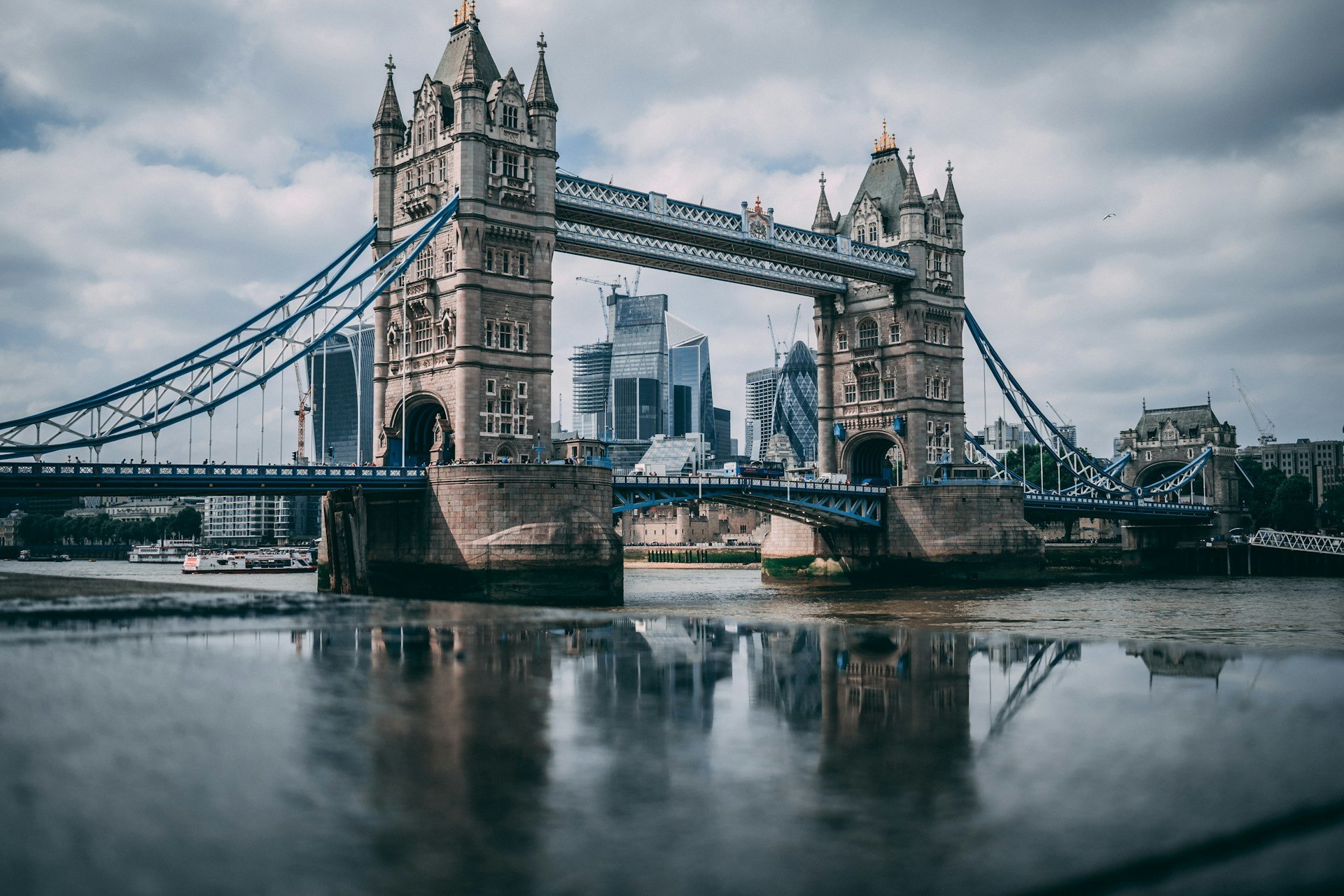
What You're Actually Getting Into
The United Kingdom is England, Scotland, Wales and Northern Ireland under one government, four places with distinct identities, accents, and in Wales and Scotland's case, their own languages still spoken alongside English. It is a small country that punches enormously above its size in cultural export: the language most of the world does business in, a disproportionate share of the music and television most people have consumed, and a museum system so confident in its own permanence that the largest collections in the country, the British Museum, the National Gallery, the Tate, are free to walk into.
It is also, by most European measures, expensive, and London in particular is one of the costliest capitals on the continent. What the money buys is density: more world-class sights within a single Underground network than almost anywhere else, a rail system that reaches genuinely remote countryside in under two hours from the capital, and a pub on nearly every corner that has been serving the same three ales since before your country existed in its current form.
The honest complications
The weather is genuinely changeable and gray more often than sunny, pack for rain in any season. London's public transport is excellent but the city itself is not cheap in any category: hotels, meals and even a pint of beer run higher than most of continental Europe. From 25 February 2026 the country also has a new administrative step that catches long-time visitors off guard: the Electronic Travel Authorisation, a £10 permit that must be approved before you travel, not obtained on arrival. Miss it and airlines will not let you board. And while the UK is safe in the ways that matter most, central London has a real, well-documented problem with opportunistic phone snatching from mopeds in a handful of specific tourist-heavy streets, worth five minutes of preparation rather than a source of anxiety.
A History Worth Knowing
Roman occupation, a Norman conquest in 1066 that rewrote the ruling class and half the language, the world's first industrial revolution, an empire that at its peak governed roughly a quarter of the planet's land, two world wars fought from the home islands, and a 2016 referendum that took the country out of the European Union it had joined in 1973. Queen Elizabeth II's seventy-year reign ended with her death in September 2022; her son now reigns as King Charles III.
- 1066
The Norman Conquest. William of Normandy defeats Harold at Hastings, installing a French-speaking aristocracy whose influence still shapes English vocabulary and law today.
- 1534
The Church of England. Henry VIII breaks from Rome, reshaping religion, land ownership and the monarchy's role for centuries.
- 1760s-1840s
The Industrial Revolution. Begins in Britain and spreads worldwide, reshaping cities like Manchester and Birmingham and setting the template for modern manufacturing.
- Peak empire, c.1920
The British Empire. At its territorial height, governs roughly a quarter of the world's population and land, a legacy still visible in Commonwealth ties, migration patterns and contested monuments today.
- 1939-1945
World War II. The Blitz, Churchill's wartime government, and a national self-image still partly built around 1940's "finest hour" that visitors will hear referenced often.
- 2016-2020
Brexit. A June 2016 referendum votes to leave the EU; the UK formally exits on 31 January 2020, ending free movement and creating the immigration system, including the 2026 ETA, that visitors now navigate.
- 2022-2023
A new monarch. Queen Elizabeth II dies on 8 September 2022 after 70 years on the throne; her son is crowned King Charles III on 6 May 2023, the first coronation in Britain in seven decades.
Read the full history: Rome, the Union, the Empire and Brexit
Roman Britain lasted roughly from 43 to 410 CE and left the road network, Hadrian's Wall across the north of England, and the Roman baths at Bath that still function as a visitable site today. After Rome withdrew, Anglo-Saxon kingdoms formed, later unified into England; Scotland, Wales and Ireland developed as separate polities with their own long, often adversarial, relationships to English power. The 1707 Act of Union merged the English and Scottish parliaments into a single United Kingdom; Ireland's union followed in 1801, though the southern counties became independent as the Irish Free State in 1922, leaving Northern Ireland as the fourth UK nation, a division whose consequences, including the Troubles of the late 20th century, remain politically live today.
The British Empire's scale is difficult to overstate: at its peak it included territory on every inhabited continent and governed roughly 412 million people. Its legacy is genuinely contested within the UK itself, visible in ongoing debates over museum repatriation (the Parthenon Marbles and Benin Bronzes are the most prominent examples), statue removals, and how imperial history is taught. Visitors will find this discussed openly rather than avoided, particularly in museum contexts.
Devolution since 1998 gave Scotland, Wales and Northern Ireland their own parliaments or assemblies with control over areas like health and education, while foreign policy, defense and immigration remain reserved to the UK government in London. Scottish independence remains a live political question following an unsuccessful 2014 referendum; expect to encounter the debate in Scotland specifically, articulated with more nuance than outside coverage typically conveys.
Brexit's practical legacy for visitors. Leaving the EU in 2020 ended the automatic right of EU citizens to live and work in the UK and removed the UK from the Schengen area's rules, though the UK was never a Schengen member to begin with. For visitors it mainly means: UK entry and exit stamps or checks are entirely separate from any EU or Schengen calculation, the pound remains the currency (it never adopted the euro), and, as of 2026, a new ETA requirement applies to most visa-exempt nationalities that previously needed nothing but a passport.
Top Destinations
The UK rewards a hub-and-spoke approach built around London, with Britain's rail network reaching most of the destinations below in under three hours. Five zones cover a first or second trip well: the capital and its easy day trips, the historic south and west, Scotland, the Lake District and Wales, and the cathedral cities of the English interior.
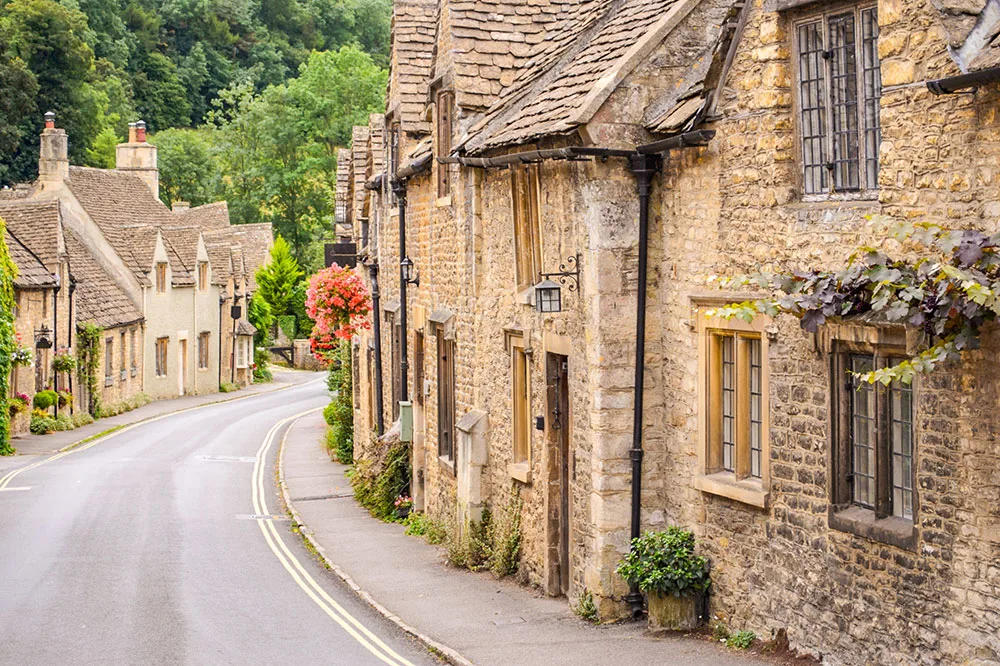
London, the obvious first stop
London is the near-universal first-time base: the UK's political, cultural and economic center, its biggest international gateway, and dense enough with free-entry world-class museums that a week barely covers it. The full city guide below this page covers neighborhoods, food, day-by-day itineraries and transport in detail. Two easy add-ons from the capital deserve a mention here: Windsor, 35 minutes by train, has the still-functioning royal residence of Windsor Castle, and Greenwich, a short ride on the DLR or a river boat, has the Royal Observatory straddling the Prime Meridian and the preserved clipper ship Cutty Sark.
Bath, the Roman and Georgian city
Bath is a UNESCO World Heritage city built around the only hot springs in Britain, developed by the Romans as a bathing complex nearly 2,000 years ago and rebuilt as a Georgian resort town in the 18th century. The Roman Baths themselves are the main sight; the Royal Crescent, a sweeping curve of 30 Georgian townhouses, is the city's other signature image. It's under 1.5 hours from London by direct train.
Oxford, the university city
Oxford's 39 colleges, some founded in the 13th century, are woven into a working city rather than sealed off as a museum piece; several, including Christ Church, are open to visitors for a fee and were used as filming locations for the Harry Potter films. The Bodleian Library and the Bridge of Sighs are the standout architecture. About an hour from London by direct train.
Edinburgh, Scotland's compact capital
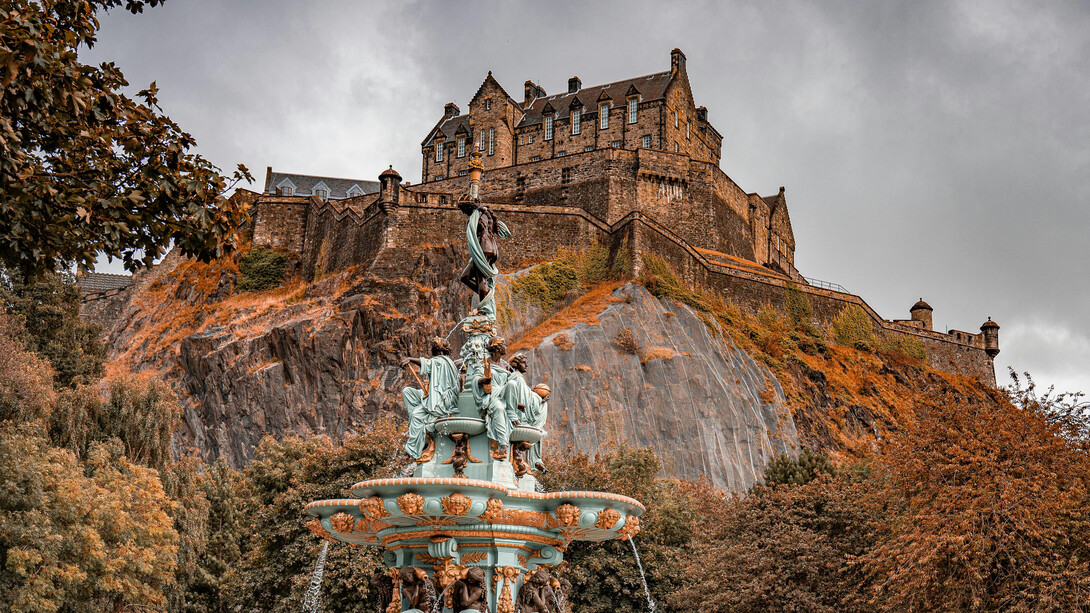
Edinburgh sits on and around an extinct volcano, Edinburgh Castle occupying its summit with views over the whole city. The Royal Mile connects the castle to the Palace of Holyroodhouse, the King's official Scottish residence, and the medieval Old Town's closes and wynds sit directly across a valley from the Georgian New Town, a genuinely striking contrast that earned both a joint UNESCO listing. The Edinburgh Festival Fringe, the world's largest arts festival, takes over the city every August. About 4.5 hours from London by direct train, or under 1.5 by air.
The Highlands
North and west of Edinburgh and Glasgow, the Highlands are the UK's most dramatic scenery: Loch Ness, the Isle of Skye, and the single-track roads of the North Coast 500 route. This is a multi-day trip in its own right, realistically requiring a rental car, and pairs best with a longer UK itinerary rather than a rushed add-on.
The Lake District
England's largest national park, a landscape of glacial lakes and fells in the northwest, and the home ground of Wordsworth and Beatrix Potter, both commemorated at visitable former homes. Windermere, England's largest lake, is the main hub for boat trips; the park rewards slow travel and hiking over a single rushed day. Roughly 3 hours from London by direct train to Windermere via Oxenholme.
Wales & Eryri (Snowdonia)
Wales keeps its own language, spoken daily alongside English, especially in the north and west, and its own dramatic landscape: Eryri National Park (still commonly called Snowdonia in English) has Wales's highest peak, reachable on foot or by a historic mountain railway, plus medieval castles at Conwy and Caernarfon built by Edward I to control the region after his 13th-century conquest.
York
A walled medieval city in Yorkshire built on Roman and Viking foundations, with York Minster, one of the largest Gothic cathedrals in northern Europe, and the Shambles, a crooked medieval shopping lane often cited as an inspiration for Diagon Alley. About 2 hours from London by direct train.
Cambridge
Oxford's academic rival, with its own historic colleges along the River Cam; punting past the "Backs," the riverside lawns behind the colleges, is the signature activity. Under an hour from London's King's Cross.
Stratford-upon-Avon
Shakespeare's birthplace, a compact Warwickshire town with his preserved childhood home and the Royal Shakespeare Company's home theater on the river. About 2 hours from London by direct train, or combine with a Cotswolds trip since it sits at the region's northern edge.
Beyond the main circuit
The zones above cover a first or even second UK trip thoroughly. With extra days, these reward the detour.
Stonehenge
The prehistoric stone circle, roughly 5,000 years old and still not fully explained, is best reached by an organized tour or a rental car; there's no direct train to the site itself. Timed tickets sell out in summer.
The Giant's Causeway & Belfast
Roughly 40,000 interlocking basalt columns on the Antrim coast, formed by ancient volcanic activity, plus Belfast's Titanic Quarter and murals documenting the Troubles. Reached by a short flight or ferry from Great Britain.
St Ives & the Cornish coast
A dramatically different UK: turquoise coves, surf beaches and a light that has drawn painters for a century, best reached with a car or a longer train journey (5 hours from London to St Ives).
Culture & Etiquette
British social codes run on indirectness, self-deprecation and a real discomfort with overt displays of emotion or status, which visitors from more expressive cultures sometimes misread as coldness. Queuing is a genuine cultural value, not a stereotype: jumping a queue, for a bus, a till, or a bar, will draw more visible irritation than almost any other social error you could make.
Do
- Queue properly and wait your turn everywhere: bus stops, bars, shop counters. It is taken more seriously here than in most countries.
- Say please and thank you more often than feels necessary, including to bus drivers and shop staff. It costs nothing and is genuinely expected.
- Stand on the right on escalators on the London Underground, keeping the left clear for people walking. Get this wrong at your peril during rush hour.
- Round up or leave 10-12.5% in restaurants if a service charge isn't already added, but don't feel obliged to tip in pubs beyond offering to buy the bartender a drink.
- Expect self-deprecating humor and understatement; a Brit calling something "not bad" may mean they loved it.
Don't
- Bring up the monarchy, Brexit or Scottish independence as a light conversation opener with strangers. Locals will discuss all three, but on their own terms.
- Confuse England, Britain and the UK. England is one nation; Great Britain is England, Scotland and Wales; the United Kingdom adds Northern Ireland. Calling a Scot or Welsh person "English" is a genuine faux pas.
- Stand too close or touch casually in conversation with strangers; personal space norms run larger than in southern Europe or Latin America.
- Assume tap water is unusual. It's safe and normal everywhere in the UK; asking for it is not an imposition, unlike in some other European countries.
- Expect shops and some sights to stay open as late as elsewhere in Europe. Sunday trading hours are shorter by law for larger stores, and many rural pubs and attractions close earlier than city visitors expect.
Deeper culture: the pub, the monarchy and regional identity
The pub functions as a genuine community institution, not just a bar: a "local" is a specific pub someone drinks at regularly, and pub quiz nights, Sunday roasts and darts leagues are real social infrastructure rather than tourist theater. Rounds, where one person buys drinks for the whole group in turn, are the normal way groups drink together.
The monarchy remains popular but not universally so: King Charles III polled around 62% favorable in mid-2026, with a real and openly discussed republican minority. The institution's ceremonial functions, the Changing of the Guard, State Opening of Parliament, royal weddings and funerals, draw enormous public and media attention regardless of individual politics.
Regional identity runs deeper than many visitors expect. A Glaswegian and an Edinburgh resident will each tell you, unprompted, how the other city differs from their own; a Yorkshireman takes real pride in not being a Londoner; Welsh and Scottish Gaelic are living languages with bilingual road signs in parts of Wales and the Scottish Highlands, not museum pieces. Don't flatten the four nations into a single "British" culture in conversation.
Food & Drink
British food's reputation as bland has been out of date for at least two decades: London alone holds dozens of Michelin-starred restaurants and one of the world's great immigrant-driven food scenes, particularly South Asian and Caribbean cooking, alongside the genuinely excellent traditional dishes below.
Fish & Chips £8-15
Battered white fish, usually cod or haddock, with thick-cut chips, mushy peas and malt vinegar. Quality varies enormously; a proper chippy with a queue of locals beats a tourist-strip version every time.
Sunday Roast £15-25
Roasted meat (beef, chicken, lamb or pork), roast potatoes, Yorkshire pudding, vegetables and gravy, traditionally eaten on Sunday afternoons and still a weekly ritual at pubs across the country.
Curry £10-20
Chicken tikka masala, invented in Britain, is sometimes only half-jokingly called the national dish. Britain's South Asian food culture, built by generations of immigration, rivals or exceeds anything found outside South Asia itself.
Full English Breakfast £8-14
Eggs, bacon, sausage, baked beans, grilled tomato, mushrooms and toast. A weekend institution and a genuinely substantial meal, not a light start to the day.
Afternoon Tea £30-75
Finger sandwiches, scones with clotted cream and jam, and pastries, served with tea over several tiers. A genuine institution at hotels like The Savoy and Claridge's, and available at a lower price point at countless cafes nationwide.
Real Ale & Cask Beer £5-7/pint
Unfiltered, naturally carbonated beer served at cellar temperature, a specifically British tradition distinct from the colder lagers most visitors expect. Ask any pub which of their cask ales is freshest.
When to Go & Itineraries
May, June and September give the best balance of daylight, weather and manageable crowds. July and August are warmest with the most festivals, including the Edinburgh Festival Fringe throughout August, but also the busiest and most expensive for accommodation. Winter is quiet and comparatively cheap outside the Christmas and New Year period, when London and Edinburgh both spike in price and crowds for their respective celebrations.
All four seasons compared, with temperatures
| Season | Verdict | Temps (London) | Prices & crowds |
|---|---|---|---|
| May-Jun & Sep | Best | 13-22°C | Mid prices, manageable crowds |
| Jul-Aug | Good (busiest) | 15-25°C | Peak prices, festival season, book everything ahead |
| Mar-Apr | Good | 8-15°C | Lower prices, fewer tourists, more rain |
| Nov-Feb | Quiet (except Christmas) | 3-9°C | Lowest prices outside late Dec; short days, frequent rain |
Edinburgh runs 2-4°C cooler than London year-round; the Lake District and Scottish Highlands see significantly more rainfall than the southeast. Pack a proper waterproof for any season.
Itineraries
A week covers London plus one or two day trips comfortably. Two weeks adds a proper multi-day extension into Scotland or the Lake District without feeling rushed.
- Days 1-4
London. See the city guide below for a full day-by-day breakdown of the West End, South Bank, the major museums and the Tower.
- Day 5
Bath or Oxford. A day trip by direct train, or an overnight if you want an unhurried evening in either city.
- Days 6-7
Windsor and a final London day, or swap in Stonehenge and the Cotswolds via an organized day tour.
- Days 1-4
London, the full city guide itinerary.
- Days 5-6
Bath, Oxford and the Cotswolds. Rent a car or book a multi-day tour to string together all three without backtracking to London each night.
- Days 7-10
Edinburgh and the Highlands. Direct train or short flight to Edinburgh, two days in the city, then a Highlands tour or self-drive loop toward Loch Ness and Skye.
- Days 11-12
York, a stop on the way back south, or fly directly back to London.
- Days 13-14
Return to London for a final museum day and any sights missed on arrival.
- Days 1-5
London extended, with day trips to Windsor and Greenwich woven in.
- Days 6-9
The south and west. Bath, Oxford, the Cotswolds and Stonehenge, ideally with a rental car.
- Days 10-11
Wales. Conwy and Caernarfon castles, Eryri National Park.
- Days 12-14
The Lake District. Windermere and the fells, a genuine change of pace.
- Days 15-19
Scotland extended. Edinburgh, then a proper multi-day Highlands loop including Skye and Loch Ness.
- Days 20-21
York and back to London for departure.
Getting there & around
Heathrow (LHR) is the main international gateway, with Gatwick, Stansted, Luton and City serving London's other traffic and dozens of regional airports connecting Scotland, the north and Northern Ireland directly. The UK's rail network, while pricier than most of Europe when bought last-minute, is extensive and fast: London to Edinburgh runs under 4.5 hours, London to Bath under 1.5, and nearly every destination in this guide is reachable without a car. Trains run on National Rail; buy tickets via the operator's own site or aggregators like Trainline, and book as far ahead as possible for the best prices.
All transport options with prices: trains, coaches, driving
| Option | Price | Notes |
|---|---|---|
| London to Bath (train) | £25-75 | Under 1.5 hrs; price swings hugely by how far ahead you book. |
| London to Edinburgh (train) | £40-180 | Under 4.5 hrs direct; book 6+ weeks ahead for the lowest advance fares. |
| National Express coaches | £10-40 | Slower than rail but consistently cheaper; useful for budget travel between major cities. |
| Car rental | £35-60/day | Driving is on the left; essential for the Highlands, Lake District and rural Wales, unnecessary in any city covered here. |
Railcards: a Two Together, Young Persons (16-25) or Senior Railcard costs around £30 a year and cuts most fares by a third; worth it even for a single long return journey. SIM and connectivity: pick up a UK SIM or an eSIM before landing; coverage is excellent nationwide except in parts of the Highlands and rural Wales.
Where to stay
Hostels & budget
London, Edinburgh, Bath and York all have well-reviewed hostel chains with private-room options as well as dorms. Outside the big cities, budget B&Bs at £50-80 for a double are common and often better value than chain budget hotels.
Mid-range hotels & B&Bs
Independent boutique hotels and characterful B&Bs are the sweet spot in historic towns like Bath, York and the Cotswolds, often in genuinely old buildings with real character chain hotels can't match.
Country house hotels
Converted manor houses and estates, particularly in the Cotswolds and the Lake District, pairing genuine history with high-end comfort, often including excellent on-site restaurants.
See the London city guide
London's hotel scene, from grand hotels like The Savoy and Claridge's to Europe's best hostel scene, gets a full neighborhood-by-neighborhood breakdown in the dedicated London guide below.
Budget Planning
The UK is one of Western Europe's pricier countries, and London specifically is a genuine outlier: expect to pay noticeably more for hotels, food and transport than in Paris, Berlin or Rome. Outside London and Edinburgh, prices drop meaningfully, particularly for accommodation.
- Hostel dorm or budget B&B £25-50
- Pub lunches and market food £15-25
- Off-peak trains, railcards, city transit caps
- Free museums, mostly free sightseeing
- Boutique hotel or good B&B £120-180
- Restaurant meals £30-50/person
- Some paid attractions and one tour
- Advance-purchase intercity trains
- 4-5 star hotels in central London or Edinburgh
- Fine dining and West End theater
- Private guides and drivers
- First-class rail travel
Quick reference prices: coffee, transport, entry fees
| Coffee (flat white) | £3.50-4.50 |
| Pint of beer (pub) | £5-7 |
| Pub meal, mid-range | £15-22 |
| London Underground single (Zone 1-2 cap) | £8.90/day |
| Tower of London entry | from £37 |
| British Museum, National Gallery, Tate | Free |
| Windsor Castle entry | ~£32 advance |
| Stonehenge entry | ~£27 advance |
| London to Bath train, advance | from ~£25 |
Prices reflect August 2026 research and drift over time, especially advance-purchase train fares and peak-season hotel rates. Treat them as a planning baseline, not a quote.
Visa & Entry: the ETA Changes Everything
The single most important fact in this guide for most readers: from 25 February 2026, nearly every visitor who previously needed nothing but a passport, US, EU, Canadian, Australian and dozens of other nationalities, must hold an approved Electronic Travel Authorisation (ETA) before traveling. This is not a formality completed at the border; it is a digital permit applied for online in advance, and airlines, ferries and trains are required to check for it before you board. Arrive without one and you may simply not be allowed to travel. The UK government's official ETA page is the only source to trust, not third-party sites that charge inflated service fees for the same application.
✓ Apply online in advance
Costs £10 (subject to review) and is typically approved within minutes to a few days; apply well before booking is cutting it close, not on the way to the airport.
✓ Multi-entry, up to 2 years
One approved ETA covers multiple trips for up to two years or until your passport expires, whichever comes first, with stays of up to six months per visit.
✓ Valid passport
No specific UK validity-beyond-stay rule like some countries, but check your passport isn't expiring mid-trip regardless.
✓ Not needed if you hold a UK visa
Anyone applying for or holding a full UK visa (for longer stays, work or study) does not additionally need an ETA; the two systems don't stack.
| United Kingdom | France | |
|---|---|---|
| Daily budget | £70-100 gets you a real trip; London runs high | Comparable or slightly cheaper outside Paris |
| Language | English-first, easiest entry point for anglophones | French-first; English common in tourist areas only |
| Museums | Major national museums are free | Most major museums charge entry |
| Entry in 2026 | ETA required from 25 Feb 2026, £10, apply ahead | EU rules apply; ETIAS expected but not yet enforced |
| Signature trip | London's density plus castles and countryside | Paris plus the Loire, Provence or the Riviera |
Safety, Solo Women & Family
The UK is safe for the overwhelming majority of travelers and trips. The US State Department rates it Level 2, Exercise Increased Caution, citing a background terrorism risk (shared with most of Western Europe) and isolated violence tied to Northern Ireland's political situation, aimed at police and military targets far from any standard tourist itinerary. The practical, everyday risks for visitors are pettier and more specific than either of those headline concerns.
Phone snatching
Moped and bicycle riders snatching phones from hands, particularly around Oxford Circus, Regent Street, Leicester Square and the South Bank in central London. Keep your phone in a pocket while walking, not out and visible near the curb.
Pickpocketing on transit
Crowded Tube carriages and buses during rush hour, plus busy market areas, see the standard European level of pickpocketing. Keep bags zipped and in front of you.
Northern Ireland context
Dissident republican violence, when it occurs, targets police and military personnel specifically, not tourists or tourist areas, and is not a reason to avoid Belfast or the Causeway Coast for a standard visit.
Terrorism risk, weather hazards and general awareness
Terrorism. The UK, like France, Germany and most of Western Europe, carries a persistent background terrorism risk that authorities monitor closely; attacks are rare but the government maintains visible security at major sites and events. This should inform normal situational awareness, not itinerary changes.
Weather. The most common actual hazard for visitors is underestimating British weather: hypothermia-relevant conditions are possible on Scottish or Lake District hikes even in summer if unprepared, and flash flooding occurs in some regions. Check forecasts before any hillwalking and carry proper layers.
The scams to actually know about
The UK is not a high-scam destination by European standards, but a few specific patterns catch visitors, mostly in London.
Unlicensed minicabs
Drivers touting for fares outside nightclubs and stations, sometimes uninsured and unlicensed. Use black cabs, a licensed minicab app, or pre-book; never accept a fare from someone approaching you on the street.
"Free" bracelet or charity clipboard approaches
Around Oxford Street and major sights, someone offers a "free" item then demands payment, or a fake charity collector pressures a donation. Politely decline and keep walking.
Stacked service charges
Some restaurants add a 12.5% service charge and then leave a blank tip line on the card receipt. Check the printed bill for an already-included charge before adding anything further.
Solo women travelers
The UK rates well for solo women overall (8.6/10 on our scale). English as the default language, extensive well-lit public transport, and a strong pub and hostel culture make solo travel genuinely easy in London, Edinburgh and every other destination in this guide. The main practical advice is standard city sense: use licensed transport late at night rather than walking alone through unfamiliar areas, and keep valuables secured on crowded transit rather than anything specific to being a solo woman in this particular country. Full detail on our Solo Woman Explorer pages.
Emergency numbers
Embassies in London and healthcare for visitors
999 and 112 both reach the same emergency dispatch in the UK and work from any phone, including without credit or a SIM. Visitors are not automatically entitled to free NHS treatment except for emergency care; travel insurance covering medical costs is strongly recommended, since a hospital stay without it can be expensive.
- USA
- +44 20 7499 9000
- Canada
- +44 20 7004 6000
- Australia
- +44 20 7379 4334
- Germany
- +44 20 7824 1300
- France
- +44 20 7073 1000
- Ireland
- +44 20 7235 2171
- Netherlands
- +44 20 7590 3200
- Japan
- +44 20 7465 6500
Family travel & pets
The UK is an excellent family destination (8.7/10): free major museums mean a family of four can fill days without ticket costs adding up, London's parks (Hyde Park, Regent's Park) give kids room to run, and attractions like the Tower of London's history and the Harry Potter Warner Bros. Studio Tour outside London land well with older children.
Kids at museums, pet import rules, and family transport tips
Museums with children: the Natural History Museum and Science Museum, both free, are built for family visits with hands-on exhibits; book timed free tickets in advance for popular sections during school holidays. The London Eye and Tower of London both suit a wide age range but benefit from pre-booked timed tickets to avoid queues with tired kids.
Pets: the UK follows the EU Pet Travel Scheme framework for entry documentation: a microchip, valid rabies vaccination, and (for non-EU arrivals) a health certificate issued shortly before travel. Dogs are welcome in most UK pubs and many outdoor spaces, less commonly in restaurants; check ahead. Quarantine is not required for pets arriving with correct paperwork via an approved route.
United Kingdom FAQ
Do I need a visa for the United Kingdom?
Not a visa, but from 25 February 2026 nearly every visa-exempt visitor, including US, EU, Canadian and Australian citizens, must hold an approved Electronic Travel Authorisation (ETA) before boarding any flight, ferry or train to the UK. It costs £10, is applied for online in advance, and airlines will not let you board without one.
Is London expensive?
Yes, London is one of Europe's more expensive capitals. Budget travelers manage on £70-100 a day using hostels and free museums; mid-range runs £150-220. The rest of the UK, outside London and Edinburgh, is noticeably cheaper.
Is the UK safe to visit?
Yes, for the overwhelming majority of visitors. The main real risks are opportunistic phone snatching and pickpocketing in busy tourist areas of central London, not violent crime. The US State Department rates the UK Level 2, citing a background terrorism risk and isolated violence tied to Northern Ireland, both far from the standard tourist circuit.
When is the best time to visit the UK?
May, June and September for the best balance of weather, daylight and crowds. July and August are warmest and busiest with the most festivals. Winter is quiet and cheap outside the Christmas and New Year period.
How many days do you need in the UK?
A week covers London plus one or two day trips well. Two weeks adds Bath, Oxford or the Cotswolds and either Edinburgh or the Lake District without feeling rushed.
Is the UK in the European Union?
No. The UK left the EU in January 2020 and was never a Schengen member, so a UK trip never touches a Schengen 90-day allowance, and UK immigration and customs rules are entirely separate from the EU's.
What currency does the UK use?
The pound sterling (GBP, £), not the euro, across England, Scotland, Wales and Northern Ireland. Scottish and Northern Irish banknotes are legal but occasionally refused by shops in England; both are worth the same and can be exchanged free at any bank.
Do I need a car in the UK?
Not for London, Edinburgh or any city guide in this page. Trains and coaches connect every destination covered here. A car helps in the Cotswolds, the Lake District and the Scottish Highlands, where public transport thins out.
Is the UK good for a first trip to Europe?
Yes. English as the primary language, extensive rail coverage and a huge concentration of world-class free museums make it one of the easier first European trips, at a real cost premium compared with most of the continent.
Should I go to London or Edinburgh first?
London for a first UK trip: it has the international airport hub, the widest range of sights, and every onward train or flight in this guide starts from there. Edinburgh rewards a second trip or an extension once London is covered.
What Stays With You
The UK doesn't announce itself the way some destinations do. There's no single overwhelming image the way there might be for a Mediterranean coastline or a tropical beach. What stays with you instead is texture: the particular gray-gold light on a Georgian crescent in Bath, the specific hush of the British Museum's Great Court, a pub conversation with strangers that started over a shared table because there was nowhere else to sit, the way Edinburgh's Old Town looks lit up from across the valley at dusk.
Get the ETA sorted before you book anything else, then let the trains do the work. The country rewards patience and a willingness to queue more than it rewards a tight schedule.