
What You're Actually Getting Into
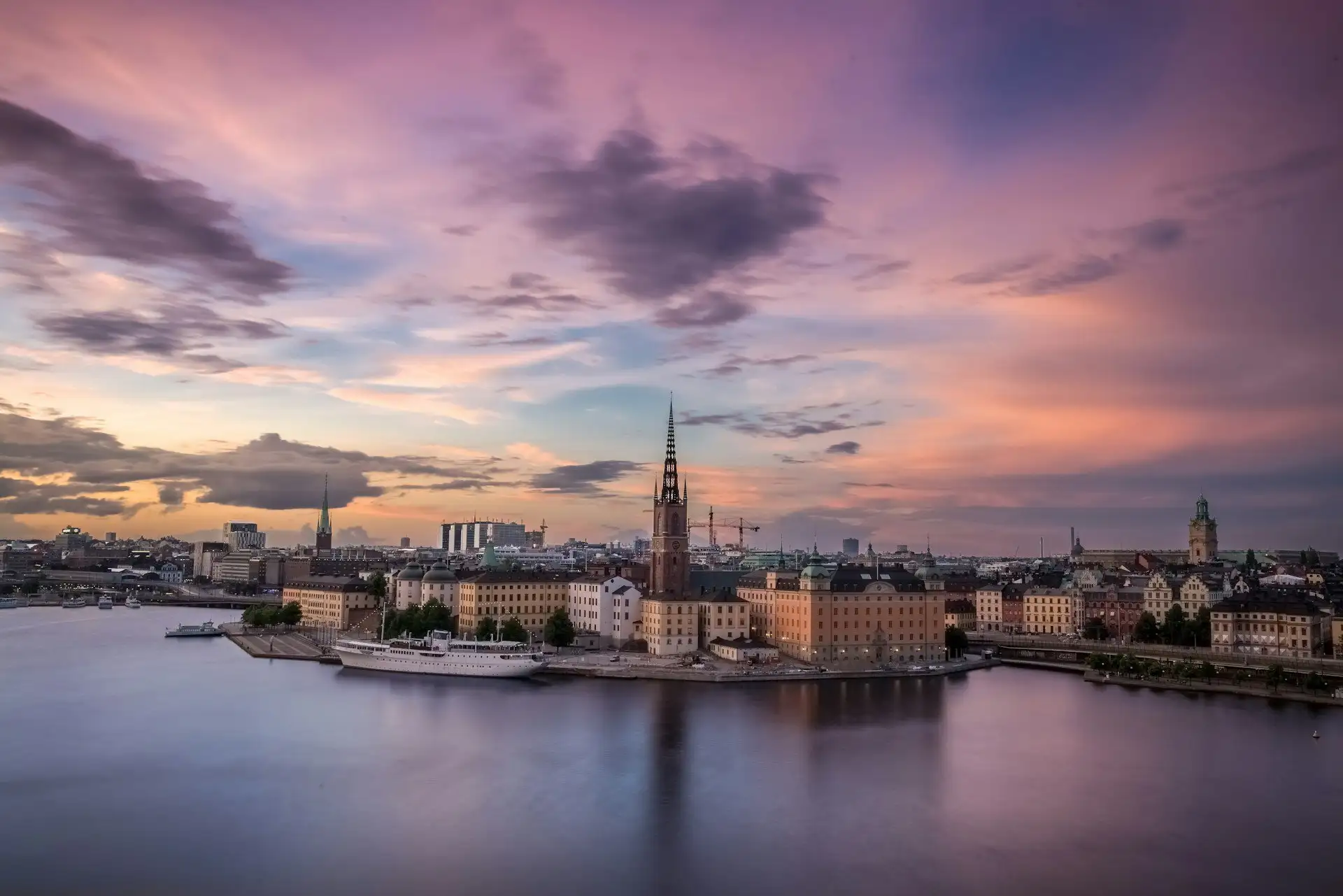
Sweden is the largest of the Nordic countries and the one that most consistently surprises first-time visitors with how easy it is to get right. Stockholm is genuinely one of the most attractive capitals in Europe, spread across fourteen islands where the medieval alleys of Gamla Stan sit a short walk from glass-and-steel design studios. Public transport works. English is spoken fluently almost everywhere, including in villages the guidebooks skip. And a legal principle called allemansrätten, the right to roam, means the forests, lakes and coastline that cover most of the country are genuinely open to anyone, not just landowners.
What catches people off guard is the cost. Sweden is not a budget destination: a casual restaurant lunch runs 120 to 180 SEK, a beer in a bar 70 to 90 SEK, and Stockholm hotel prices sit closer to London or Zurich than to the rest of Northern Europe. The upside is that the expense buys real quality, not markup on mediocrity, and the country's size means a single well-planned trip can combine a world-class capital, a coastline of literally tens of thousands of islands, and, in winter, the Arctic.
The honest complications
Sweden runs on a short, intense tourist season. July is when Swedes themselves go on holiday, so some restaurants and small shops in smaller towns close for weeks at a time even as visitor numbers peak. Winter days in the south are short and grey, useful to know if a Stockholm city break is the whole trip rather than a base for a Lapland extension. The capital and the archipelago are two different rhythms: Stockholm rewards a packed two or three days, while the islands reward doing almost nothing at all, and trying to compress both into a single rushed day undersells the second one badly.
A History Worth Knowing
Sweden's Viking-era sailors and traders pushed east into Russia and the Black Sea rather than west like their Norwegian and Danish neighbors. Gustav Vasa founded the modern Swedish state in 1523 after breaking from the Kalmar Union with Denmark and Norway. A 17th and 18th-century run as a European great power gave way, after a catastrophic defeat by Russia in 1809, to two centuries of formal neutrality, an unbroken run that kept Sweden out of both world wars and defines how the country still sees its place in the world.
- 1523
Gustav Vasa. Elected king after the Kalmar Union with Denmark and Norway dissolves; the modern Swedish state and hereditary monarchy take shape.
- 17th-18th c.
Great Power era. Sweden controls territory around the Baltic before decisive defeat by Russia in 1809 ends its era as a European military power.
- 1814-present
Neutrality. Formal non-alignment begins and holds through both world wars and the Cold War, shaping Swedish identity for two centuries.
- 1901
The Nobel Prize. Established under Alfred Nobel's will; the physics, chemistry, literature, medicine and economics prizes are still awarded in Stockholm every December.
- 1930s-70s
The welfare state. Social Democratic governments build the modern Nordic model: universal healthcare, free education and one of the world's most extensive social safety nets.
- 1995
EU membership. Sweden joins the European Union after a public referendum, while a separate 2003 referendum keeps the krona instead of adopting the euro.
Read more: the Kalmar Union, the welfare model and neutrality's limits
The Kalmar Union (1397-1523) united Denmark, Norway and Sweden under one crown, largely to counter the power of the Hanseatic League. Sweden's exit under Gustav Vasa set it on an independent path that, at its height under kings like Gustavus Adolphus in the 17th century, made it a dominant military power around the Baltic Sea, controlling territory in what is now Finland, the Baltic states and parts of northern Germany.
The 1809 loss of Finland to Russia was the trigger for the strategic reassessment that produced Sweden's long neutrality, formalized further after a brief, final war against Norway in 1814 that ended in a peaceful union (dissolved amicably in 1905). Neutrality kept Sweden out of direct combat in both world wars, though the country's wartime conduct, including transit rights granted to Nazi Germany, remains a subject of serious historical debate rather than a simple point of national pride.
The postwar welfare state, built primarily by Social Democratic governments from the 1930s onward, is the institution most associated with modern Sweden abroad: high taxes funding free healthcare and education, generous parental leave, and a deliberately narrow gap between the richest and poorest. It has been reformed and partially liberalized since the 1990s but remains recognizably intact, and the underlying social trust it depends on, the assumption that institutions and strangers alike will generally behave fairly, is still visible in everyday things like unlocked bikes and children walking to school alone.
Sweden ended its long non-alignment only recently: after Russia's full-scale invasion of Ukraine in 2022, Sweden applied for NATO membership alongside Finland and formally joined the alliance in March 2024, closing the neutrality chapter that had defined the country's foreign policy since the Napoleonic era.
Top Destinations
Sweden is long and thin, roughly 1,600 kilometers from the Skåne farmland in the south to the Arctic wilderness beyond the tree line, so no single trip does all of it. Five zones cover the country's range: the capital and its archipelago, the west coast, the southern tip near Denmark, Gotland in the Baltic, and Swedish Lapland in the far north. A week suits the capital alone; two weeks lets you add one more zone properly.
Stockholm, built on 14 islands
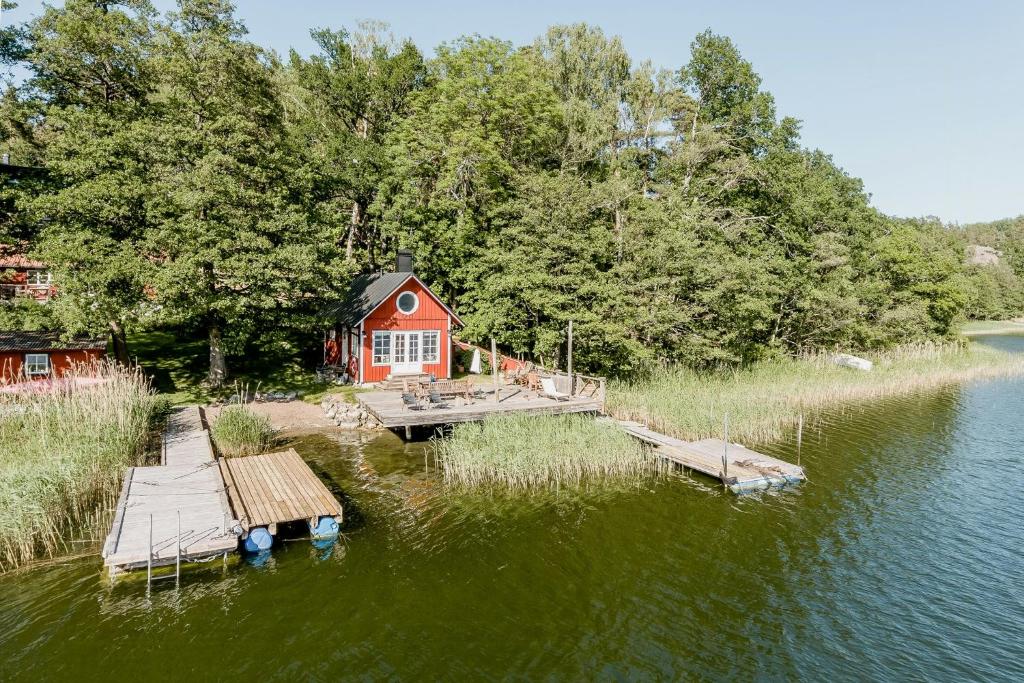
Stockholm is the reason most people come to Sweden and it earns the trip on its own: the medieval lanes of Gamla Stan, the design-forward streets of Östermalm, and the creative, hillier Sodermalm, all connected by bridges and ferries rather than a single dense grid. Beyond the city, the Stockholm archipelago spreads out into the Baltic in tens of thousands of islands, most served by the same public transport network as the metro, so a genuine island escape can be a day trip rather than an expedition. See our full Stockholm city guide for neighborhoods, food, itineraries and the best day trips.
Gothenburg, canals and a working port
Sweden's second city has a different personality from the capital: Dutch-designed canals from its 17th-century founding, the cobbled Haga district with its cafe culture and cinnamon buns, and a working harbor economy that gives it a grittier, less curated feel than Stockholm. Gothenburg's seafood is some of the best in the country, and the Bohuslän coast running north from the city, all granite skerries and fishing villages, is one of Sweden's least internationally known and most rewarding coastlines.
Malmö and the Skåne farmland
Malmö sits at the southern tip of Sweden, connected to Copenhagen across the water by the Öresund Bridge, close enough that combining the two cities in one trip is genuinely practical by train in about 35 minutes. The city itself has reinvented its old shipyards into a design- and university-driven downtown, with a diverse, youthful energy that feels distinct from the rest of Sweden. The surrounding Skåne region is gentle farmland and half-timbered villages, with the university town of Lund and the seaside town of Ystad, familiar to fans of the Wallander crime novels, both easy day trips.
Gotland and the medieval walls of Visby
Gotland is Sweden's largest island, out in the Baltic Sea a few hours by ferry from Nynäshamn near Stockholm. Its main town, Visby, is a UNESCO World Heritage Site: a complete medieval merchant town still enclosed by a 3.4-kilometer defensive wall, with cobbled streets, rose-covered ruins and a strong summer festival culture. Beyond Visby, the island's flat, sunny landscape of limestone sea stacks (raukar), sheep farms and quiet beaches makes it Sweden's most popular domestic summer destination, best reached with a car once off the ferry.
Swedish Lapland, the Arctic north
Above the Arctic Circle, Swedish Lapland is a different country in every practical sense: Sami reindeer-herding culture, the midnight sun in summer, and polar darkness relieved by the northern lights in winter. Kiruna is the main gateway, and just outside it the village of Jukkasjärvi is home to the ICEHOTEL, rebuilt from river ice and snow every winter and open to both overnight guests and day visitors. For the aurora itself, Abisko National Park, about 100km further north, has a dry microclimate that keeps its skies clearer than almost anywhere else in the region, making it one of the most reliable northern lights viewing spots in the world.
Hidden gems beyond the main circuit
The zones above cover a first or second trip well. With extra days, these are the spots that rarely make the standard guides but reward the detour.
Sigtuna
Sweden's oldest town, founded around 980 CE, with runestones scattered through its small center and a lakeside setting that makes it a relaxed half-day trip from the capital.
Höga Kusten (High Coast)
A UNESCO World Heritage coastline shaped by post-glacial rebound, with hiking trails, sea cliffs and one of the most dramatic stretches of Baltic coast in the country.
Glaskogen Nature Reserve
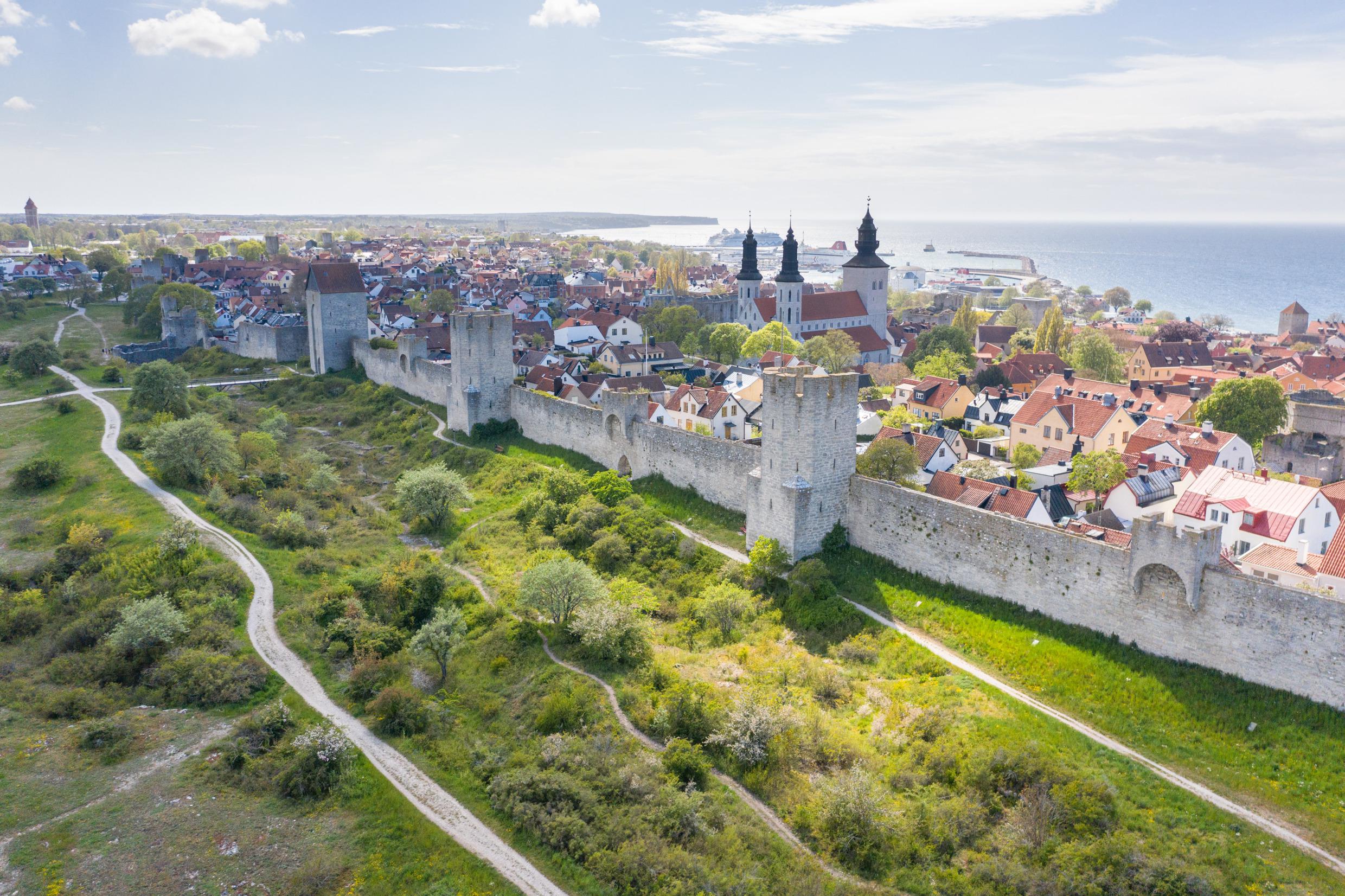
A forest and lake wilderness near the Norwegian border built almost entirely around allemansrätten: free lakeside camping, canoe rentals and marked trails, with almost none of the crowds of the national parks further north.
Culture & Etiquette
Swedish social life runs on a handful of concepts that are useful to understand before arriving. Lagom, meaning roughly "just the right amount, not too much and not too little," describes an entire cultural preference for moderation over excess. Jantelagen, an unwritten social code discouraging boastfulness and standing out, explains why Swedes are typically modest about personal success even when the success is real. And fika, the daily coffee-and-pastry break, is not a quick errand but a genuine social ritual, often a better way to get to know a Swedish colleague or new friend than a formal dinner.
Do
- Use allemansrätten respectfully. The right to roam lets you walk, cycle, forage and camp for a night or two on most unfenced land, but it comes with an obligation not to disturb residents or damage nature: no campfires without permission in dry conditions, no camping right next to a house.
- Take your shoes off indoors. Removing shoes when entering someone's home is close to universal, even at more formal gatherings.
- Be on time. Swedish punctuality is a real cultural value, for social plans as much as business ones; five minutes late is noted, ten minutes late warrants a text.
- Queue properly. Many shops, pharmacies and government offices use numbered ticket systems; look for the dispenser before assuming there's no line.
- Learn a few Swedish words. Tack (thank you), hej (hi), and ursäkta (excuse me) go a long way, even though almost everyone speaks fluent English.
Don't
- Boast about achievements or wealth. Jantelagen makes overt self-promotion land badly; Swedish modesty is a genuine norm, not false humility.
- Skip the fika invitation. Turning down a coffee break with colleagues or new acquaintances can read as standoffish; it's a low-stakes, expected part of Swedish social life.
- Expect small talk with strangers. Silence on public transport and in elevators is completely normal and not read as rude; unsolicited conversation with strangers is less common than in many other cultures.
- Light a fire during a burn ban. Wildfire risk in dry summers leads to regional eldningsförbud (fire bans); check local status before any campfire, even where allemansrätten otherwise permits one.
- Assume July is a normal business month. Many Swedes take their main annual holiday in July; some smaller shops, restaurants and offices outside the main tourist zones close for weeks.
Deeper culture: midsummer, the Nobel Prize and Sami culture
Midsummer. Celebrated on the Friday closest to the summer solstice in late June, midsummer is arguably Sweden's most important holiday: maypole dancing, flower crowns, pickled herring and schnapps, typically celebrated outside the cities at countryside gatherings. Much of the country effectively closes for the long weekend.
The Nobel Prize. Established under Alfred Nobel's 1895 will, the Nobel Prizes in physics, chemistry, medicine, literature and economics are announced each October and awarded at a formal ceremony in Stockholm every December 10th, the anniversary of Nobel's death. The Nobel Prize Museum in Gamla Stan covers the prize's history.
Sami culture. The Indigenous Sami people have lived across Swedish, Norwegian, Finnish and Russian Lapland for thousands of years, historically centered on reindeer herding. Sami culture and rights remain a live, sometimes contested political topic in Sweden today, particularly around land use and mining in the north; visitors to Lapland engaging with Sami-run tourism operators get a more grounded picture than generic "Lapland" marketing typically offers.
Food & Drink
Swedish food leans on preservation techniques developed for a short growing season and a long coastline: pickling, curing, smoking and fermenting. The results range from universally loved, like the cinnamon bun, to genuinely divisive, like fermented herring. Between those extremes sits a straightforward, ingredient-driven cuisine built around potatoes, dairy, game, and fish from both the Baltic and the country's tens of thousands of lakes.
Köttbullar 120-180 SEK
Swedish meatballs, served with mashed potatoes, cream sauce and lingonberry jam. Simple, but done properly at a good restaurant it's one of the most satisfying comfort meals in the country.
Fika: kanelbulle & semla ~40-60 SEK
The cinnamon bun (kanelbulle) is the year-round fika staple; the semla, a cardamom bun filled with almond paste and whipped cream, appears from January through Easter and inspires genuine debate over the best bakery in town.
Sill (pickled herring) Varies
Pickled herring in mustard, dill or onion marinades is a smörgåsbord staple, especially at midsummer and Christmas, usually eaten on crispbread with boiled potatoes and sour cream.
Kräftskiva (crayfish party)
A late-summer tradition, usually in August: freshwater crayfish boiled with dill, eaten outdoors under paper lanterns with snaps and drinking songs. Genuinely a national institution, not a tourist performance.
Surströmming
Fermented Baltic herring, canned under pressure and famously pungent when opened, traditionally eaten outdoors for good reason. A real Swedish tradition, mostly from the north, and not something most visitors need to seek out to understand the country.
Coffee culture ~35-45 SEK
Sweden has one of the highest per-capita coffee consumption rates in the world. Cafes take it seriously; a black coffee often comes with a free refill (pafyllning) in traditional cafes, worth asking about.
When to Go & Itineraries
Sweden effectively runs two tourist seasons. June through August is peak season everywhere south of Lapland: long daylight (close to 24 hours around the summer solstice in the north, 18-plus hours in Stockholm), warm enough for the archipelago, and the season for midsummer and crayfish parties. December through March is a completely different trip, built around Swedish Lapland: the ICEHOTEL, dog sledding, and the northern lights, with Stockholm itself cold, dark and quiet rather than a highlight.
All four seasons compared, with temperatures
| Season | Verdict | Temps (Stockholm) | Notes |
|---|---|---|---|
| Jun-Aug | Best for the south | 15-24°C | Midsummer, long daylight, peak prices and crowds |
| May & Sep | Good, quieter | 10-18°C | Lower prices, most attractions still open |
| Dec-Mar | Best for Lapland | -5 to 2°C (south); -15°C or colder (north) | Northern lights season; short, dark days in the south |
| Oct-Nov | Off-season | 2-10°C | Cheapest, but short days and little snow yet in the north |
Kiruna and Abisko, in the far north, see the midnight sun from roughly late May to mid-July and polar night (no sunrise) for parts of December and January.
Itineraries
Seven days covers Stockholm and the archipelago at a comfortable pace. Two weeks adds a second region, whether that's the west coast, the south, Gotland or, in winter, Lapland. The itineraries below assume a summer trip; a Lapland-focused winter trip is really its own separate itinerary built around Kiruna and Abisko.
- Days 1-3
Stockholm. Gamla Stan, the Vasa Museum, Sodermalm's cafes and viewpoints, a fika stop or three.
- Days 4-5
Archipelago. A day trip to Vaxholm, then an overnight further out for the full slow-island experience.
- Days 6-7
Uppsala or Sigtuna. A short train ride from Stockholm for Sweden's oldest university city or oldest town, then back for a last Stockholm evening.
- Days 1-4
Stockholm & archipelago. The full seven-day plan compressed slightly, with one overnight on an outer island.
- Days 5-7
Gothenburg. Train from Stockholm (about 3 hours), Haga's cafes, canal walks, and a Bohuslän coast day trip for seafood and skerries.
- Days 8-10
Malmö & Copenhagen. Train south, a day or two in Malmö, then across the Öresund Bridge into Denmark for a day before returning.
- Days 11-14
Gotland. Ferry from Nynäshamn, several relaxed days in and around Visby, back to Stockholm for departure.
- Days 1-5
Stockholm & archipelago extended. More time on the outer islands, plus Drottningholm Palace and Sigtuna.
- Days 6-9
Gothenburg & the west coast. The city plus two or three nights exploring the Bohuslän fishing villages by car.
- Days 10-13
Malmö, Lund & Copenhagen. The south plus a proper multi-day Copenhagen add-on across the bridge.
- Days 14-17
Gotland. A slower island stay with a rental car to reach the raukar coastline beyond Visby.
- Days 18-21
Back to Stockholm. A final relaxed stretch in the capital, or, in winter instead of summer, swap this whole itinerary for a dedicated Kiruna and Abisko trip.
Getting there & around
Stockholm Arlanda Airport (ARN) is Sweden's main international gateway, with the Arlanda Express train reaching Central Station in 18 minutes (340 SEK one-way, cheaper booked in advance or for two travelers together). Domestic trains run by SJ connect the major cities efficiently: Stockholm to Gothenburg is about 3 hours, Stockholm to Malmö about 4.5. Gotland is reached by ferry from Nynäshamn, about an hour south of Stockholm by train or car. A rental car is most useful for the west coast's fishing villages, Gotland beyond Visby, and any trip into Lapland.
All transport options with prices: trains, buses, ferries
| Option | Price | Notes |
|---|---|---|
| Arlanda Express | 340 SEK one-way | 18 minutes, ARN to Stockholm Central; cheaper in advance or as a pair |
| SJ domestic trains | Varies widely | Stockholm-Gothenburg ~3h, Stockholm-Malmö ~4.5h; book ahead for the best fares |
| Nynäshamn-Visby ferry | From ~SEK 200-400/person | ~3h15, run by Destination Gotland; car space costs extra and books out in summer |
| Malmö-Copenhagen train | ~150-200 SEK | About 35 minutes across the Öresund Bridge |
Domestic flights: for Swedish Lapland, flying from Stockholm Arlanda to Kiruna (about 1.5 hours) is far more practical than the roughly 17-hour train journey, though the overnight sleeper train is a genuine, scenic option for travelers with time to spare.
Where to stay
Hostels & budget
Stockholm's hostel scene is solid and clean rather than flashy; Generator Stockholm in Norrmalm is a well-regarded, centrally located option with both dorms and private rooms.
Mid-range city hotels
Design-forward mid-range hotels cluster around Norrmalm and Södermalm; book ahead for July and around midsummer, when domestic tourism spikes prices further.
Design & heritage hotels
Stockholm's upper end includes both grand 19th-century hotels and intimate townhouse conversions; see our Stockholm city guide for specific picks.
Allemansrätten camping
A tent for a night or two on most unfenced land, away from private homes, costs nothing under the right to roam; a genuinely unusual option most visiting Europeans don't expect.
Budget Planning
Sweden is one of the more expensive countries in Europe, closer to Norway or Switzerland than to its Baltic neighbors. Stockholm runs noticeably higher than the rest of the country. The good news is that quality is consistently high across price points, and cards are accepted everywhere, including for tiny purchases, so there's no need to carry cash.
- Hostel dorm 300-500 SEK
- Grocery meals + one fika
- Public transport day pass
- Free allemansrätten nature access
- Mid-range hotel or B&B
- Restaurant meals 150-250 SEK
- One paid museum or activity
- Archipelago day trip
- Design or heritage hotels
- Fine dining, tasting menus
- Private tours and transfers
- Lapland extension with flights
Quick reference prices: coffee, transit, entry fees
| Coffee (fika, with a bun) | ~75-100 SEK |
| Casual restaurant lunch | 120-180 SEK |
| Beer in a bar | 70-90 SEK |
| SL single transit ticket (Stockholm) | ~42-43 SEK |
| Vasa Museum entry | 170-190 SEK |
| Arlanda Express one-way | 340 SEK |
| Hostel dorm bed | 300-500 SEK/night |
Prices reflect August 2026 research and drift over time, especially accommodation around midsummer and July. Treat them as a planning baseline, not a quote.
Visa & Entry
Sweden is a full Schengen Area member, so the standard Schengen rules apply: US, UK, Australian, Canadian and New Zealand citizens enter visa-free for up to 90 days in any 180-day period, calculated across the whole Schengen zone rather than per country. The Swedish Migration Agency is the authoritative source for current entry requirements.
✓ Valid passport
At least 3 months validity beyond your planned departure from the Schengen Area.
✓ ETIAS from late 2026
Visa-exempt travelers will need a low-cost, pre-arrival ETIAS travel authorization, expected to launch in the final quarter of 2026 across the whole Schengen Area.
✓ Proof of funds & return travel
Occasionally requested at the border; having a return ticket and basic accommodation proof on hand is a reasonable precaution.
✓ Full Schengen member
Time in Sweden counts fully against your shared 90-day Schengen allowance, unlike Albania or a handful of other nearby non-Schengen countries.
| Sweden | Norway | |
|---|---|---|
| Daily budget | 700-1,000 SEK gets you far; still pricier than most of Europe | Noticeably pricier again, especially outside Oslo |
| Landscape | Archipelago islands, forest and lakes, flatter overall | Fjords and mountains, more dramatic vertical scenery |
| Capital | Stockholm, 14 islands, strong design and museum scene | Oslo, smaller and more compact, fjord access on the doorstep |
| Arctic north | Swedish Lapland, ICEHOTEL, Abisko aurora viewing | Norwegian Lapland, Lofoten Islands, similarly strong aurora season |
| Currency | Krona (SEK), not euro | Krone (NOK), also not euro |
Safety, Solo Women & Family
Sweden is one of the safest countries in the world for visitors. The US State Department rates it Level 2 (Exercise Increased Caution), the same generic terrorism-caution tier applied to France, Germany and the UK, reflecting a baseline European risk rather than anything specific or elevated about Sweden. Violent crime against tourists is rare. Sweden does have a real, well-documented problem with gang-related shootings and bombings in specific areas, but this violence is overwhelmingly gang-on-gang, concentrated in particular suburbs, and essentially never affects visitors sticking to normal tourist areas.
Pickpocketing
The main practical risk, concentrated around Gamla Stan, Central Station, the airport and crowded public transport. Standard city awareness is all that's needed.
Cold-weather & wilderness safety
Lapland's winter cold is genuinely dangerous without proper layering; book aurora and dog-sledding trips with reputable operators who provide gear, and never hike alone off marked trails.
Drink safety
As anywhere, don't leave drinks unattended in bars and clubs, particularly in Stockholm's busier nightlife areas.
Two more things worth knowing: gang violence context and public awareness
Gang violence. Sweden's gang-related shootings and, less often, bombings have drawn international headlines, but this violence is concentrated among criminal networks in specific, mostly suburban areas well outside the standard tourist circuit, and it is very rarely random or directed at bystanders. It is a real domestic policy issue in Sweden, not a reason to avoid Stockholm's city center or the archipelago.
Public vigilance. Due to the elevated but generic Level 2 terrorism rating shared across most of Western Europe, standard awareness in crowded public places, transit hubs and major events is sensible, as it is in London, Paris or Berlin. There is no specific, active threat pattern targeting Sweden beyond that shared regional baseline.
Solo women travelers
Sweden rates consistently among the best countries in the world for solo women travelers. Street harassment is uncommon, public transport feels safe at most hours, and Stockholm regularly outranks other major European capitals on independent safety indexes. The 2026 Women, Peace and Security Index scores Sweden at 0.94, among the lowest-risk countries measured. Practically: normal precautions apply late at night in nightlife areas, and solo travelers heading into Lapland's wilderness should still travel with a guide or a clear, shared plan rather than going fully alone. Full detail on our Solo Woman Explorer pages.
Emergency numbers
Embassies in Stockholm and practical health notes
112 is the single number for all emergencies in Sweden, the same EU-standard number used across the Schengen Area, with English-speaking operators. Healthcare quality is excellent; non-emergency care for visitors is paid out of pocket unless covered by travel insurance, so confirm your policy covers Swedish care before relying on it.
- USA
- +46-8-783-5300
- UK
- +46-8-671-3000
- Germany
- +46-8-670-1500
- France
- +46-8-459-5300
- Canada
- +46-8-453-3000
- Australia
- +46-8-613-2900
Family travel & pets
Sweden is an excellent family destination: Skansen's open-air museum and zoo, the archipelago boats, and allemansrätten's genuinely free access to forests, lakes and beaches all work well with kids. Stockholm's public transport, museums and restaurants are consistently stroller- and child-friendly, and playgrounds are everywhere, including surprisingly well-equipped ones in city parks.
Kids at museums, and bringing pets
Kids in Stockholm: the Vasa Museum's dramatic scale works for almost any age, Junibacken (based on Astrid Lindgren's stories, including Pippi Longstocking) suits younger children specifically, and Skansen combines a zoo with historic Swedish buildings in a format that holds attention for a full day.
Pets: EU pet passport holders can enter with dogs, cats and ferrets given valid rabies vaccination and microchipping. Non-EU visitors need an equivalent health certificate and rabies vaccination timeline; check current requirements with the Swedish Board of Agriculture before traveling. Dogs are welcome on most SL public transport with a valid ticket, and allemansrätten extends to responsible off-leash access in many wilderness areas, though leash laws apply during spring wildlife breeding season.
Sweden FAQ
Is Sweden safe to visit?
Yes. Violent crime against visitors is rare and Sweden ranks among the safest countries in the world. The US State Department rates it Level 2, the same generic terrorism-caution tier as France, Germany and the UK, not an elevated risk specific to Sweden. Pickpocketing in tourist areas is the main practical concern.
How much does Sweden cost per day?
Sweden is one of the pricier countries in Europe. Budget travelers manage on 700-1,000 SEK a day, mid-range on 1,500-2,200 SEK. Stockholm runs higher than the rest of the country.
Do I need a visa for Sweden?
Citizens of the US, UK, Australia, Canada and New Zealand can enter visa-free for up to 90 days in any 180-day period, the standard Schengen rule. Starting late 2026, visa-exempt travelers will also need a low-cost ETIAS travel authorization before arrival.
When is the best time to visit Sweden?
June, July and August for long daylight, warm weather and midsummer. May and September are quieter with lower prices. December to March is the season for Swedish Lapland and the northern lights, a completely different trip.
How many days do you need in Sweden?
Seven days covers Stockholm and the archipelago well, with a day trip or two. Two weeks adds Gothenburg or Malmö and either Gotland or a taste of the north.
Does Sweden use the euro?
No. Sweden is an EU member but kept its own currency after a 2003 referendum. The Swedish krona (SEK) is used everywhere; cards are accepted almost universally and cash is rarely needed.
What is allemansrätten?
Sweden's "right to roam," a legal principle that lets anyone walk, cycle, forage berries and mushrooms, and camp for a night or two on most land, public or private, as long as they respect nature and stay well clear of private homes.
Is Sweden in Schengen?
Yes. Sweden is a full Schengen member, so once you're inside the zone there are normally no border checks entering or leaving Sweden, and time there counts toward the shared 90-day Schengen allowance.
What language is spoken in Sweden?
Swedish. English is spoken fluently by the vast majority of the population, including in rural areas, so language is rarely a practical barrier for visitors.
Is Sweden good for solo female travelers?
Yes, consistently rated among the best in the world. Street harassment is uncommon, public transport feels safe at most hours, and Stockholm regularly outranks other major European capitals on safety indexes.
Is Sweden good for families with kids?
Yes. Attractions like Skansen and the archipelago boats are built for family days out, allemansrätten makes nature genuinely accessible, and Sweden's public infrastructure is stroller- and child-friendly almost everywhere.
Can I see the northern lights in Sweden?
Yes, in Swedish Lapland from roughly September to March, with Abisko National Park considered one of the best and most reliable viewing spots in the world thanks to its dry microclimate and low light pollution.
What Stays With You
What stays with most visitors to Sweden isn't a single monument but a working system: a capital where public transport, design and nature sit comfortably next to each other, a legal right to camp on almost any unfenced land in the country, and a culture confident enough in itself that it doesn't need to perform for tourists. The islands off Stockholm at golden hour in July. The particular quiet of Gamla Stan's alleys before the day-trippers arrive. The blue-green flicker of the aurora over Abisko in a cold that makes you understand, briefly, why Swedes take fika so seriously.
Lagom is the Swedish idea most worth bringing home: not too much, not too little, exactly enough. It's a strange thing to learn from a country that also builds a hotel out of ice every winter, but Sweden holds both truths at once.