
A capital that's really just a big small town
Dublin sits low and flat along the River Liffey, no hills to earn, no metro system to master, just a compact grid of Georgian squares, Victorian red brick and modern glass along the docks that most visitors can walk end to end in under an hour. What it lacks in scale it makes up in density of character: Trinity College's cobbled front square gives way within a few streets to the medieval huddle around Christ Church, then to the converted warehouses of the Docklands, then back to a Georgian terrace that looks unchanged since Jane Austen's lifetime.
The city's real trick is how much of its identity runs through its pubs. Not the theme-pub version sold on Temple Bar's postcards, though that exists and does brisk business, but the working pub, where a trad session starts because musicians turned up with instruments, not because a poster promised one. Go two streets back from the main tourist strip and the prices drop, the crowd turns local, and the city that produced four Nobel laureates in literature starts to make more sense.
The honest complications
Dublin's accommodation prices are genuinely among the highest of any EU capital relative to what you get, and the gap between a decent hotel and an overpriced one is not always obvious from photos. Temple Bar on a weekend night is loud, stag-and-hen-party dense, and not representative of the city beyond its borders, worth visiting once and then leaving to locals afterward. Weather is changeable year-round, rain gear is not optional even in summer, and the headline sights, the Book of Kells and the Guinness Storehouse especially, are genuinely crowded and need advance booking from June through August.
Five neighbourhoods, one small city
Dublin's centre splits along the Liffey into a Southside long associated with money and manners and a Northside with a grittier, more working-class reputation that's softened considerably in recent years. Where you base yourself comes down to how much nightlife noise you can sleep through and how much you want the postcard version versus the lived-in one.
Temple Bar
The cobbled riverside quarter is Dublin's most photographed few blocks: colourful pub facades, buskers, and a concentration of live music venues that runs from genuine to entirely staged for tour groups. Worth an evening, not necessarily a base; hotels here mean weekend noise well past midnight.
Georgian Quarter
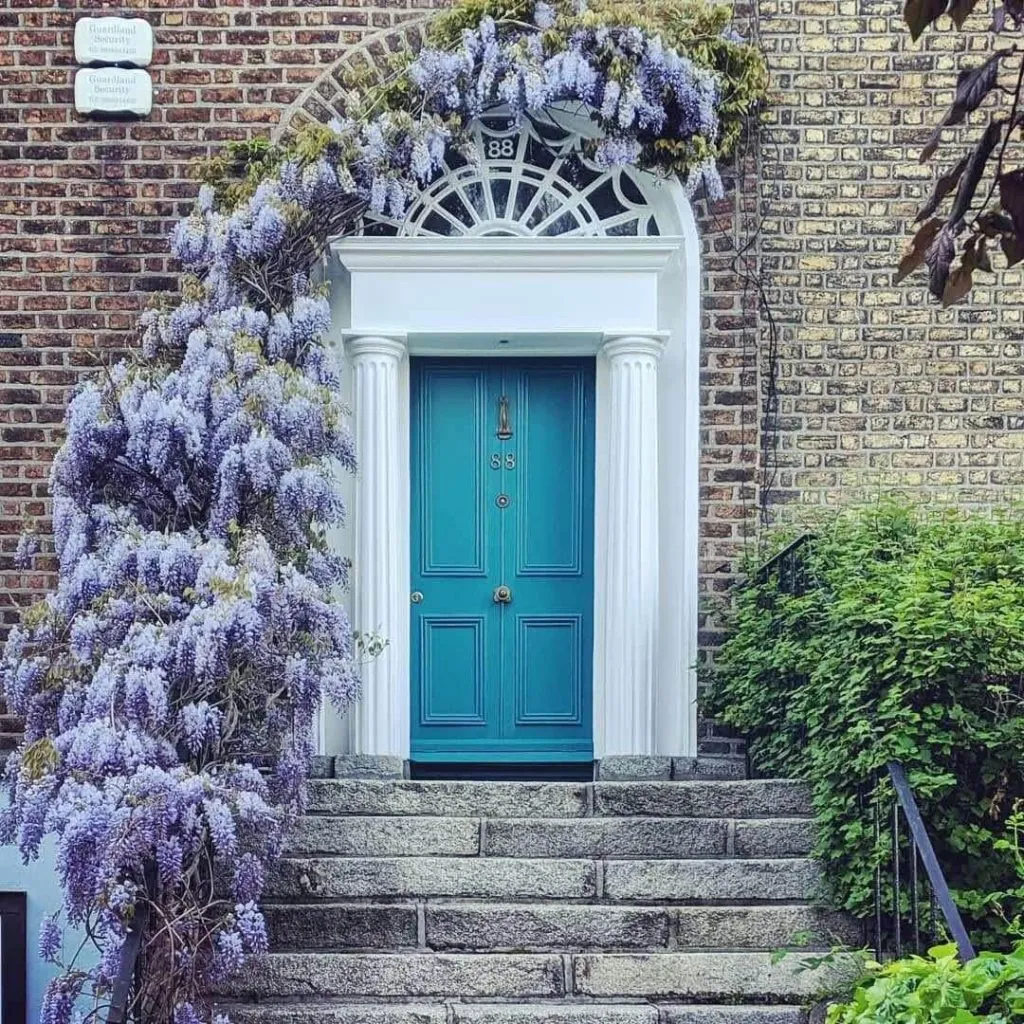
The St Stephen's Green and Merrion Square area is Dublin showing its refined side: red-and-blue Georgian doorways, government buildings, and green squares within a ten-minute walk of Trinity College and the Book of Kells. Quieter at night than Temple Bar, still completely central.
Stoneybatter & Smithfield
North of the river and a short walk from the centre, this is where Dubliners increasingly eat, drink and hear live music without the Temple Bar markup. Home to The Cobblestone, the city's most respected traditional-music pub, and a growing run of independent restaurants and gastropubs.
The Liberties & Portobello
West and south of the centre, the Liberties is Dublin's oldest working-class quarter, home to the Guinness Storehouse and St Patrick's Cathedral, while canal-side Portobello has a younger, foodier scene a short walk from the Georgian core.
Docklands
The converted-warehouse district around the Samuel Beckett Bridge is Dublin's newest face: glass office blocks, waterfront bars, and the 3Arena for concerts. Practical for business travel and gig nights, thin on the historic character that makes the rest of the city worth visiting.
From Georgian grandeur to Smithfield hostel bunks
Dublin's accommodation runs expensive relative to the rest of Ireland and much of Europe, but the range covers every budget, from historic five-star institutions to one of the city's best-regarded hostels a short walk from the trad pubs of Smithfield.
At the top, The Shelbourne on St Stephen's Green has been Dublin's grand landmark hotel since 1824, the room where the Irish Constitution was drafted in 1922, a celebrated afternoon tea, and a location that puts Grafton Street and Trinity College within a five-minute walk, from about €380 a night. Its longstanding rival for the title of Dublin's finest, The Merrion, occupies four restored Georgian townhouses on Merrion Street with an exceptional art collection and a Michelin-starred restaurant on site, from around €400 a night.
In the reliable mid-range, the various city-centre Premier Inn properties (from about €100-160) are a dependable, no-surprises option for a first visit, and Jacobs Inn near the north Docklands (from about €100-140) is a smart budget-hotel alternative to a hostel dorm, with private rooms as well as bunks.
At the budget end, Generator Dublin in Smithfield is the property that built the city's hostel reputation: sleek design, a lively bar, and 8-bed dorms from about €30-55 a night, a couple of minutes' walk from the Luas red line and from The Cobblestone's evening sessions.
Guinness, gastropubs and a genuine fine-dining scene
Dublin's food reputation has shifted hard in the last decade, from a city visitors ate around rather than for, to one with seven Michelin-starred restaurants and a gastropub scene that treats Irish produce seriously. The Full Irish breakfast and the pint of stout are still the two things everyone should have at least once, ideally not at the same table.
The pint of Guinness
It genuinely does taste different here, a matter of freshness and a shorter supply chain rather than folklore. The Guinness Storehouse is the tourist pour with a view; for the pub version, O'Donoghue's on Merrion Row and The Cobblestone in Smithfield are two of the most reliable spots to drink one properly, ideally with music playing.
Fine dining & gastropubs
Dublin holds seven Michelin stars across the city: Chapter One and Restaurant Patrick Guilbaud each hold two, while D'Olier Street and Variety Jones hold one apiece for modern Irish cooking. For a more accessible register, L. Mulligan Grocer in Stoneybatter and The Pig's Ear near Trinity College are both Michelin-recommended gastropubs built on serious Irish produce at pub prices, and Etto on Merrion Row does a compact modern Irish-Mediterranean menu worth booking ahead for.
The Full Irish
Eggs, rashers, sausages, black and white pudding, beans and toast: a genuine institution and the best way to fuel a day of walking. Any proper cafe outside the main tourist strips does a solid version for less than the hotel breakfast buffet costs.
Whiskey & trad sessions
Dublin's whiskey scene runs from the Old Jameson Distillery tour to serious tasting bars; pair a measure with a live session at The Cobblestone (Smithfield, sessions most evenings) or The Old Storehouse in Temple Bar for a credible walk-in option without a ticket.
A small city with an outsized list of things worth booking ahead
Dublin's headline sights are genuinely worth the queues and the advance booking they now require. This chapter walks through the city roughly the way a good three days would, from the Georgian core out to the Liberties and Phoenix Park.
Trinity College & the Georgian core
Trinity College's cobbled Front Square and the Book of Kells exhibition, the illuminated 9th-century gospel manuscript housed inside the Old Library's barrel-vaulted Long Room, are Dublin's single most-booked attraction (tickets from about €20-26, timed entry, book online days ahead in peak season). From there it's a short walk past Grafton Street's buskers to St Stephen's Green and the Georgian doorways of Merrion Square, one of the best free wanders in the city.
The Guinness Storehouse & the Liberties
The Guinness Storehouse, a seven-floor former fermentation plant built around a giant pint-glass atrium, ends with a self-pour lesson and a 360-degree view over the city from the Gravity Bar (general admission roughly €26-36, dynamic pricing, book ahead). Nearby, St Patrick's Cathedral (about €11.50) and Christ Church Cathedral (about €12) are Dublin's two great medieval churches, both worth a stop if you're already in the Liberties.
Kilmainham Gaol & Dublin Castle
Kilmainham Gaol, where leaders of the 1916 Easter Rising were held and executed, is one of the most affecting museum visits in Ireland and access is by guided tour only, released 28 days ahead online (adult about €8; book the moment tickets release, it sells out routinely). Dublin Castle, seat of British rule in Ireland for over 700 years, offers a self-guided tour of the State Apartments for about €8.
Phoenix Park & EPIC
Phoenix Park, one of Europe's largest enclosed city parks, is free to wander and home to a resident herd of wild deer and Dublin Zoo (separate admission). EPIC The Irish Emigration Museum in the Docklands tells the story of the Irish diaspora through interactive, well-reviewed exhibits (around €22-23) and works especially well for visitors with Irish ancestry to trace.
Evenings & trad sessions
A genuine trad session, not the paid, staged dinner-show version, happens most reliably at The Cobblestone in Smithfield, running most evenings and afternoons with no cover charge, and at O'Donoghue's on Merrion Row, a legendary session pub since the 1960s. In Temple Bar, The Old Storehouse is a credible walk-in option with afternoon and evening players across multiple rooms.
One, two or three days, planned street by street
Three full days covers Dublin properly, with a day trip fitting comfortably as a fourth. These routes are walkable, sequenced around booking windows, and end each day somewhere worth having a pint.
- Morning
Trinity College & the Book of Kells. Book the first slot, then wander Grafton Street and St Stephen's Green.
- Midday
Georgian Dublin. Merrion Square's doorways, then lunch at a Stoneybatter or Portobello gastropub.
- Afternoon
The Guinness Storehouse. Book ahead; end at the Gravity Bar for the 360-degree view over the city.
- Evening
The Cobblestone, Smithfield. A pint and a genuine trad session, no ticket required.
- Day 1
The one-day route: Trinity College, Georgian squares, the Guinness Storehouse, trad session in Smithfield.
- Day 2 morning
Kilmainham Gaol. Book the earliest available slot; the tour runs about 90 minutes and is genuinely moving.
- Day 2 afternoon
Dublin Castle & the cathedrals. The State Apartments, then Christ Church and St Patrick's Cathedral nearby.
- Day 2 evening
O'Donoghue's, Merrion Row. A legendary session pub since the 1960s, walking distance from the Georgian Quarter.
- Days 1-2
The two-day route above, at a gentler pace, adding EPIC The Irish Emigration Museum in the Docklands.
- Day 3, option A
Howth by DART. The cliff walk, fresh seafood at the harbour, and a slow afternoon by the Irish Sea, 30 minutes from the centre.
- Day 3, option B
Phoenix Park & the northside. The park's wild deer herd, then an unhurried afternoon in Stoneybatter's independent cafes and shops.
Flat, compact and easy to cover on foot
Dublin's centre is genuinely walkable: flat, compact, and most sights sit within a 20-minute walk of St Stephen's Green. From the airport, Dublin Bus routes 16 and 41 are the cheapest option into the centre at about €2 with a Leap card (€2.60 cash, exact change only), taking 45-70 minutes depending on traffic. Aircoach is faster (25-35 minutes) at about €10 one-way, cheaper booked a few days ahead, while a metered taxi runs roughly €27-35 during the day and €35-50 at night or on weekends, plus an M50 toll of about €3.80 if the route crosses it.
In the city, get a reloadable Leap Card at the airport, any Luas stop or convenience store: it covers Dublin Bus, the Luas tram (two lines, red and green, crossing the centre), the DART coastal train, and the Airlink airport bus at a real discount over cash fares. The DART is the easiest way out to Howth or the southside coastal suburbs, and taxis and ride-hailing apps are widely available and reasonably priced by Western European standards for short hops after dark.
Best time to visit and St Patrick's Day
Dublin has a mild, changeable Atlantic climate. May-June and September-October are the sweet spots: milder crowds, better hotel rates than midsummer, and reasonably long daylight. July and August are busiest and most expensive; winter is quiet, cheap and dark by mid-afternoon.
St Patrick's Day, 17 March, turns Dublin into one of the world's great street parties: a parade through the city centre, packed pubs from midday, and hotel rates that spike well above summer peak. Book months ahead if you want to be there, or avoid the week entirely if a quiet trip is the goal.
One of the EU's pricier capitals, with real budget options
Dublin is genuinely expensive by European capital standards, accommodation especially, but hostels, pub lunches and free sights keep a budget trip realistic. The main cost trap is eating and drinking inside Temple Bar, where prices run noticeably above the rest of the city for the same quality.
- Hostel dorm €30-55
- Pub lunches & cafes €20-30
- Leap card & walking
- Free squares, parks & sessions
- 3-star hotel €100-180
- Restaurant meals with drinks €50-80
- Leap card plus the occasional taxi
- Guinness Storehouse, Kilmainham, a tour
- The Shelbourne or The Merrion €380+
- Tasting menus at Michelin-starred tables
- Private guides & day-trip drivers
- Whiskey tastings & premium trad shows
A safe capital, with a short, honest list to know
Dublin rates 8.5/10 on our safety scale, in line with Ireland's reputation as one of the safest countries in the world. Violent crime against tourists is rare, the Georgian Quarter and most of the city centre feel safe at normal hours, and Dublin is a strong choice for solo female travellers, with harassment uncommon and a large, welcoming hostel and pub culture that makes meeting other travellers easy.
The things that actually catch visitors: pickpocketing, concentrated around Temple Bar, O'Connell Street and on crowded buses, so keep bags closed and in front of you; street drinking and rough sleeping around O'Connell Street and parts of the north inner city late at night, which can feel uncomfortable but is rarely dangerous with normal awareness; and weekend nightlife crowds in Temple Bar, where the volume and density are the issue more than any specific crime risk. Emergency numbers are the EU-standard 112 or the traditional 999, both free from any phone and both routed to the same service.
The coast and the mountains are both closer than they look
Dublin's position between the Irish Sea and the Wicklow Mountains makes it an excellent base for day trips without a car. Three are worth a half or full day each, all reachable by public transport or an organised tour.
Howth
A fishing village on a headland at the end of the DART line, with a cliff walk around Howth Head that ranks among Ireland's best short coastal hikes and a harbour lined with seafood restaurants and chippers serving the day's catch. Trains run from Connolly, Tara Street or Pearse stations roughly every 15-20 minutes.
Malahide Castle
One of Ireland's oldest castles, first built in the 12th century and held by the same family for almost 800 years, set in extensive parkland and botanic gardens. Reachable from Connolly Station in under 30 minutes, or via Dublin Bus routes 32 or 42.
Wicklow Mountains & Glendalough
Known as the Garden of Ireland, the Wicklow Mountains hold Glendalough, an early medieval monastic site with a round tower and two lakes set among forested hills. St Kevin's Bus runs from the city, but an organised half or full-day tour is the easier option for visitors without a rental car and typically includes commentary on the monastic ruins.
Dublin FAQ
Is Dublin safe for tourists?
Dublin is safe by international standards. Violent crime against tourists is rare; the main concerns are pickpocketing around Temple Bar and O'Connell Street and standard late-night nightlife awareness. Normal city precautions cover it.
How many days do I need in Dublin?
Three full days covers the city well: one for Trinity College and the Georgian core, one for the Guinness Storehouse and Kilmainham Gaol, one for Phoenix Park and a pub-focused evening. A fourth day fits Howth or Glendalough and is worth adding.
How much does Dublin cost per day?
Budget travellers manage on €75-100 a day with hostels and pub lunches; mid-range runs €180-260. Dublin is one of the more expensive capitals in the EU, especially for accommodation.
When is the best time to visit Dublin?
May-June and September-October: mild weather, manageable crowds, better hotel rates than peak summer. July and August are busiest and most expensive; St Patrick's Day (17 March) is a major draw worth booking well ahead for.
Do I need to book the Guinness Storehouse and Book of Kells in advance?
Yes. Both use timed entry and dynamic pricing, and same-day walk-up slots regularly sell out from June through August. Book online at least a few days ahead, longer in peak season.
How do I get from Dublin Airport to the city centre?
Dublin Bus (routes 16 and 41) is cheapest at about €2 with a Leap card. Aircoach runs every 10-15 minutes for around €10 one-way (cheaper booked ahead). A metered taxi costs roughly €27-35 during the day.
What is the best area to stay in Dublin?
The Georgian Quarter around St Stephen's Green for first-timers: central, elegant and quiet at night, an easy walk to the Book of Kells. Temple Bar for nightlife but expect noise. Docklands for modern amenities and 3Arena concerts.
Is Dublin walkable?
Yes, the historic centre is compact and flat, unlike hillier European capitals. The Luas tram and DART train cover the docklands, the coast and outer neighbourhoods for anything beyond a 20-minute walk.
What is the Leap Card and do I need one?
Dublin's reloadable transit card, covering Dublin Bus, the Luas tram, DART trains and the Airlink airport bus at a discount over cash fares. Buy one at the airport, Luas stops or convenience stores for a few euro plus credit.
Can I do a trad music session in Dublin without a ticket?
Yes. Pubs like The Cobblestone in Smithfield and O'Donoghue's on Merrion Row host genuine walk-in sessions, no cover charge, distinct from the paid, staged trad shows aimed squarely at tour groups.
What Stays With You
Dublin doesn't have a single overwhelming sight the way some capitals do; what it has is a texture that builds across a few days. The barman who remembers your order on the second night. The fiddle player at The Cobblestone who nods you toward a free seat. The Georgian doorway you photograph without knowing why, until you notice every one on the square is a slightly different colour and someone explains that was the point. None of it is staged, which is why it sticks.
Have a pint somewhere with no television on your last evening, let the conversation at the next table pull you in, and understand why so many people who meant to stay three days end up staying five.