
Peru's Sacred Valley
Dry season at its driest, terraced ruins that outnumber the guidebooks, and one dawn at Machu Picchu that every photo undersells. Eight stops, in the order we'd do them.
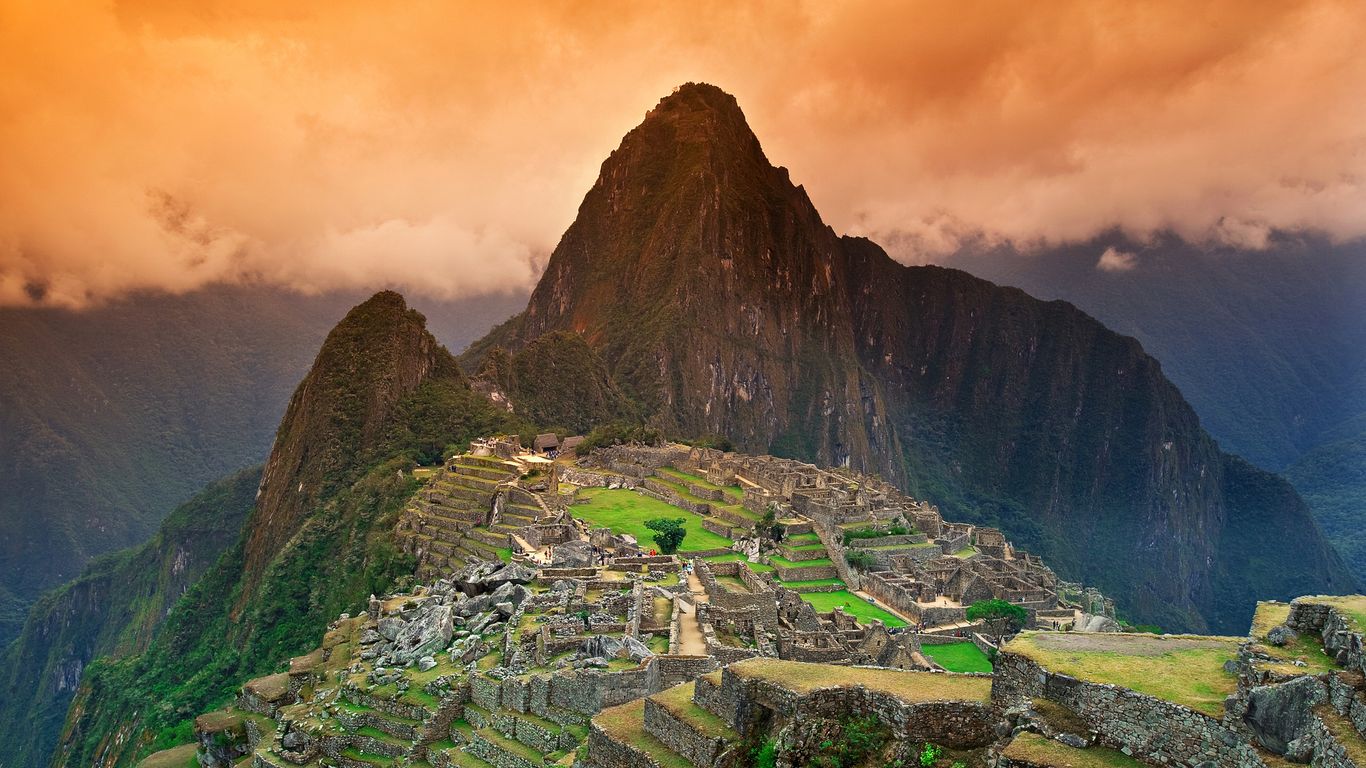
"The Incas built for exactly this light, terraces catching the low winter sun at an angle no engineer accounts for by accident."
The Sacred Valley runs along the Urubamba River between Cusco and Machu Picchu, a string of Inca sites still doing the job they were built for, agricultural terraces still growing corn, irrigation channels still moving water. Peru's dry season runs May through September, and August sits right in the middle of it, the clearest skies and least rain of the entire year, which matters more here than almost anywhere given how much of this trip happens outdoors and at altitude.
Cusco sits at 3,400 meters, and the altitude is the trip's real logistics problem, not the ruins. Most people need two to three days to acclimatize before attempting anything strenuous, which works out well since Cusco itself, the old Inca capital rebuilt with a colonial city on top of Inca foundations, is worth two days regardless. This week we'd do it as eight stops, seven days, moving down in altitude toward Machu Picchu rather than fighting the mountain the whole way.
Machu Picchu caps daily entries and August sells out weeks ahead. Buy your entry ticket and train before you book anything else, the rest of the itinerary bends around whatever date you get.
Eight Stops, Down the Valley
Roughly the order we'd do this in, descending in altitude as the week goes on.
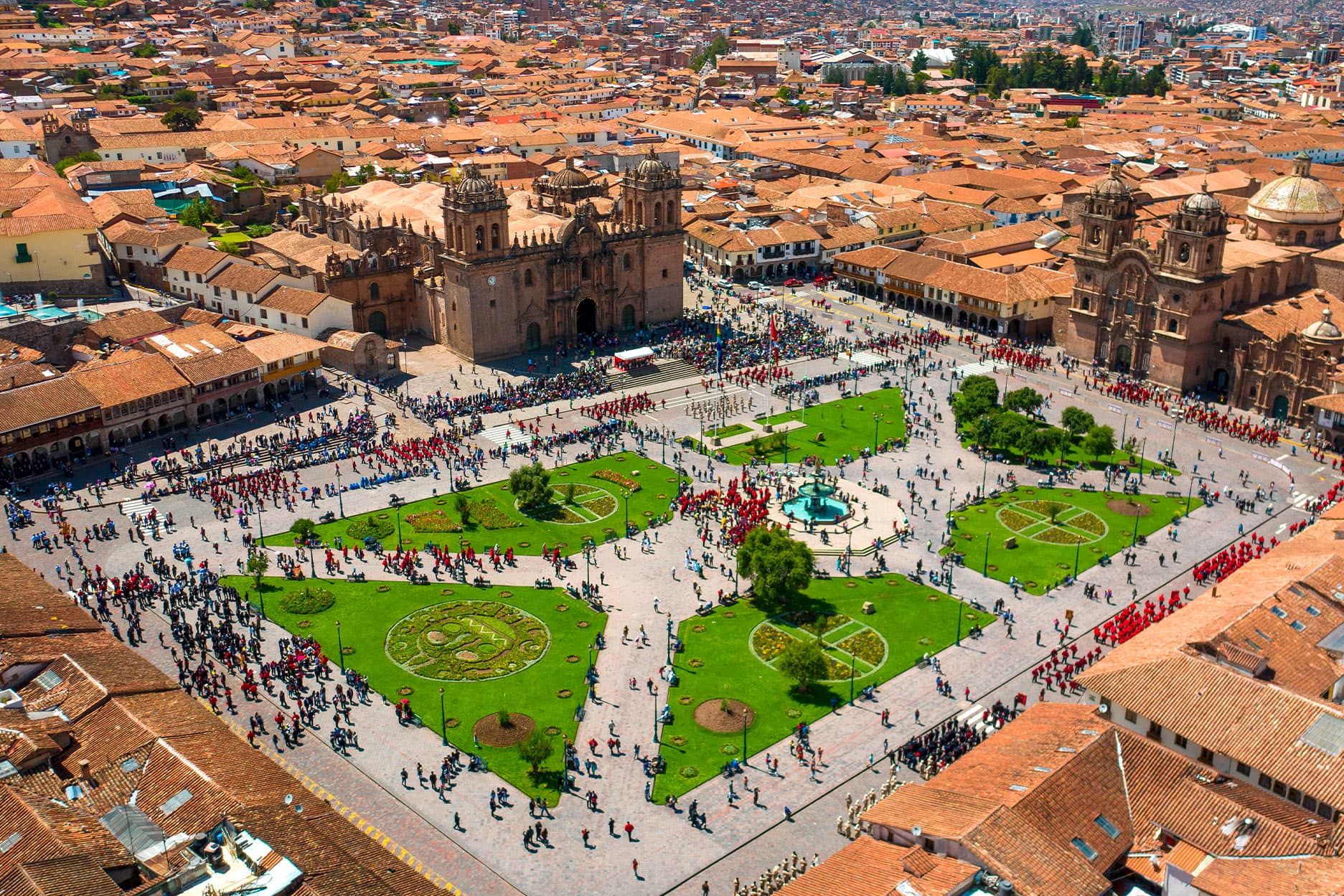
Cusco, first two days
The Plaza de Armas sits on Inca foundations under colonial arcades, and San Pedro Market is where the city actually shops, not a tourist stall in sight most mornings. Spend the first two days here doing very little, coca tea and short walks, before attempting anything at altitude.
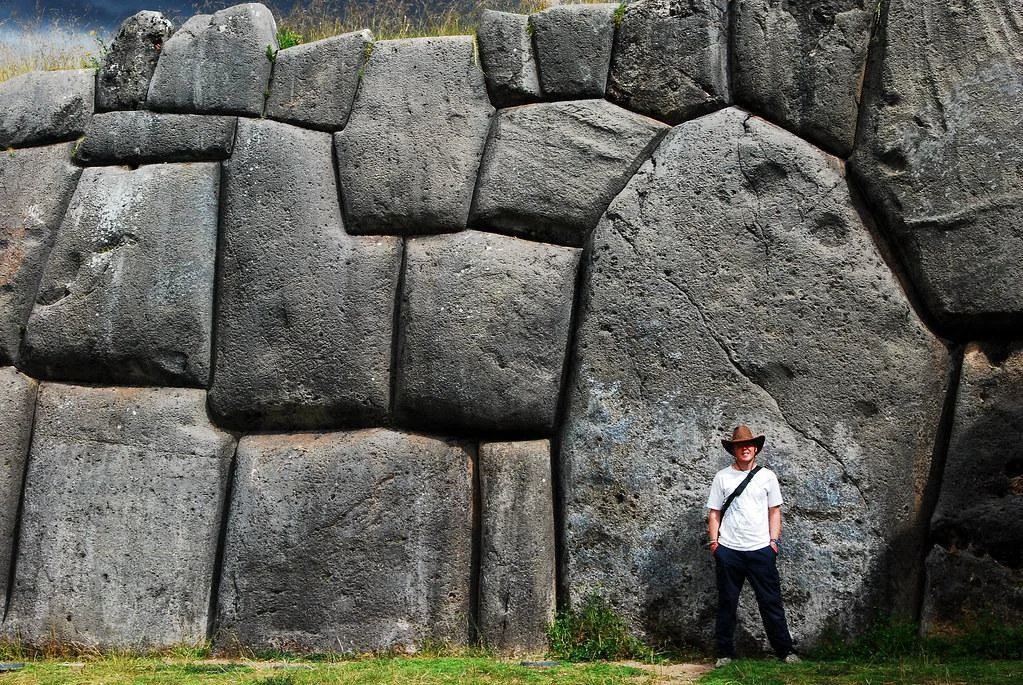
Sacsayhuamán
Massive stone walls above the city, fitted without mortar so precisely that a knife blade won't slide between the blocks. Walk up from Cusco rather than driving, it's a gentle acclimatization hike with the whole city laid out below by the top.
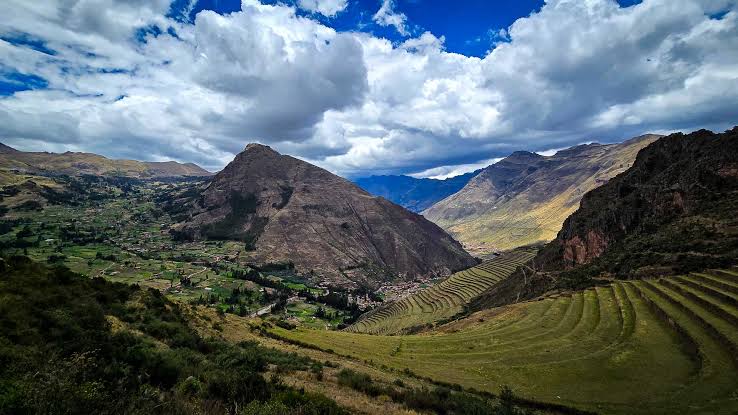
Pisac market and ruins
The Sunday market draws vendors from surrounding villages selling textiles and produce rather than souvenirs aimed at tour buses. Above town, agricultural terraces climb the hillside toward a ruined citadel, quieter than Machu Picchu and just as photogenic.
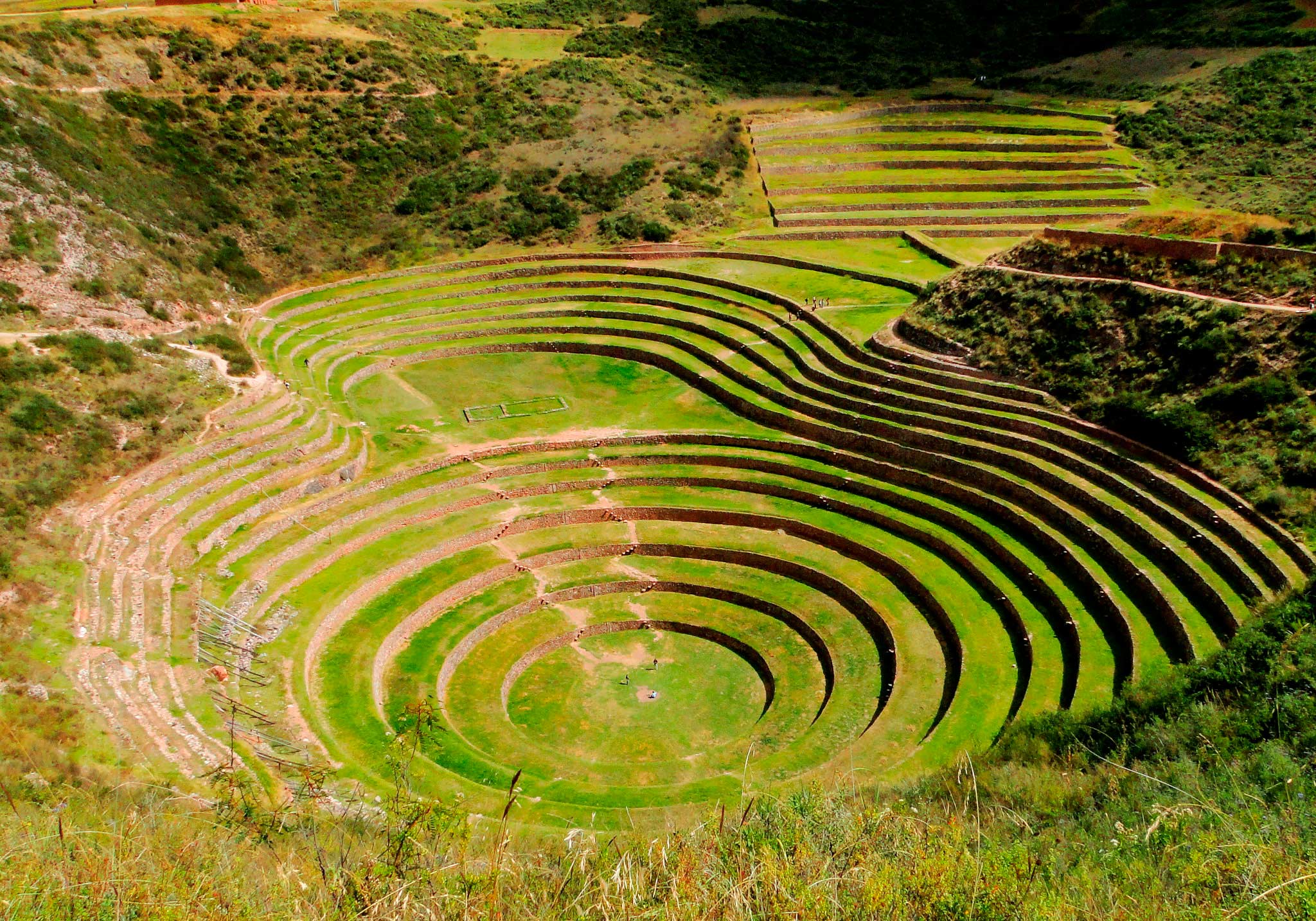
Moray and the Maras salt pans
Concentric circular terraces at Moray created microclimates the Incas used to test crop varieties across altitude bands. A short drive away, thousands of small salt pools at Maras have been worked by the same families for generations, fed by a natural spring.
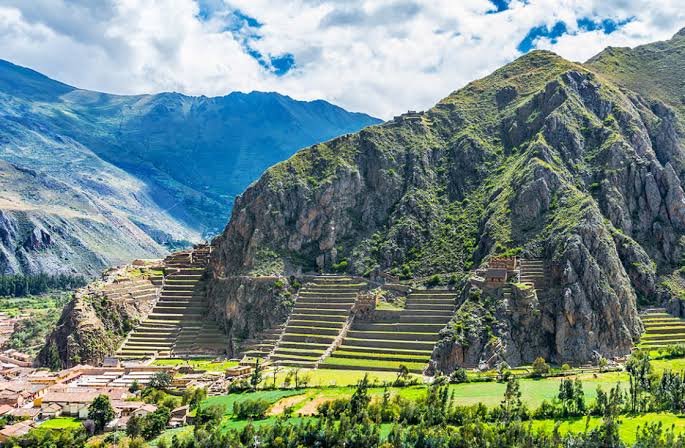
Ollantaytambo
A living Inca town, the street grid and water channels still exactly as built, with a fortress on the hillside where the Incas actually defeated a Spanish assault before eventually losing the wider war. Sleep here rather than Cusco the night before Machu Picchu, the train departs from town.
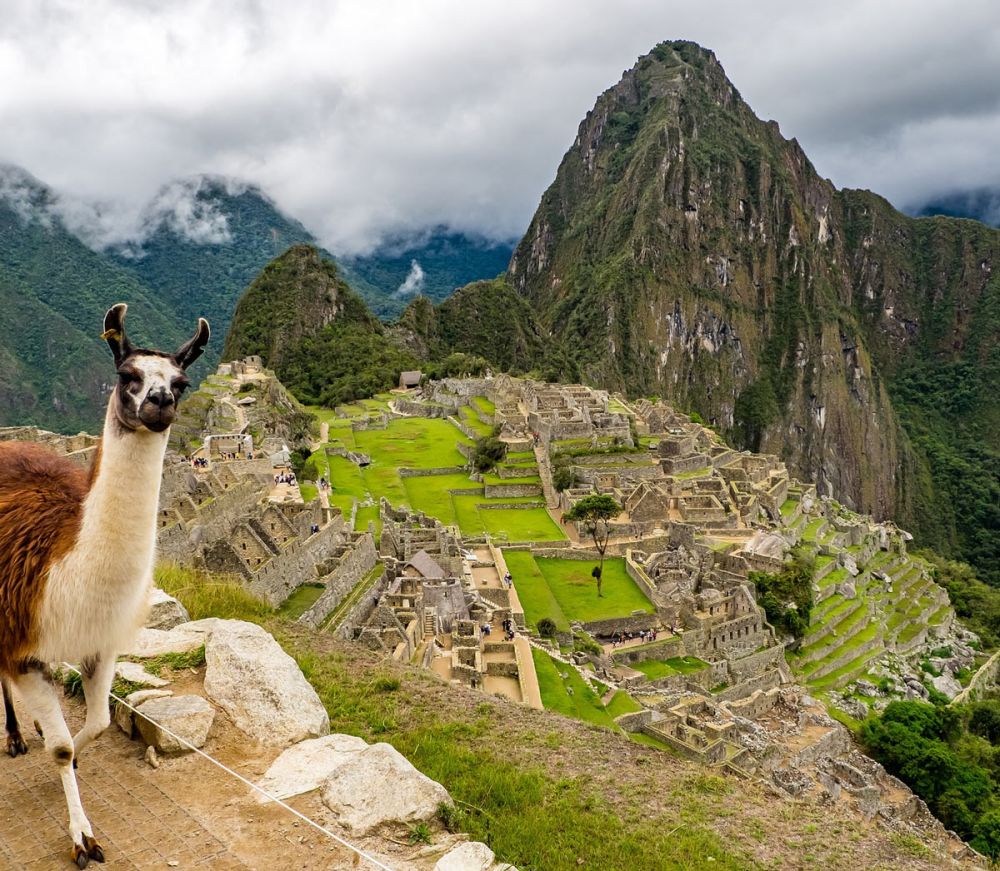
Machu Picchu at dawn
The first entry slot of the day gets you inside before the bulk of day-trippers arrive from Cusco, and the light on the terraces at that hour is the version every photo is chasing. Book the Huayna Picchu add-on separately and well in advance if you want the mountain-top view down onto the ruins.
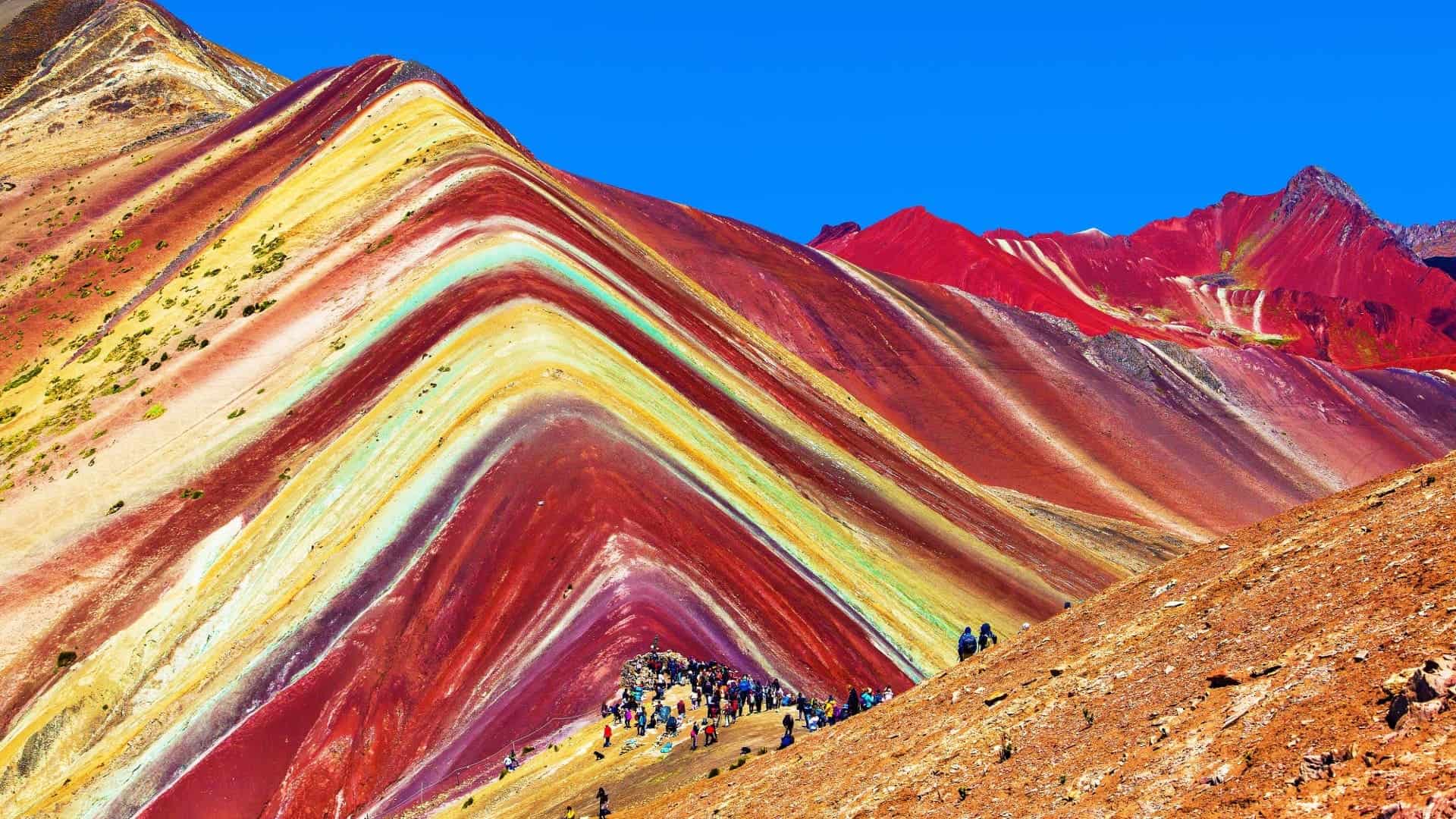
Vinicunca, the Rainbow Mountain
Mineral bands striping the mountainside in red, gold, and green, reached by a demanding hike that tops out above 5,000 meters. Only attempt this after several days of acclimatization, altitude sickness here is common and occasionally serious.
Lima, one last night
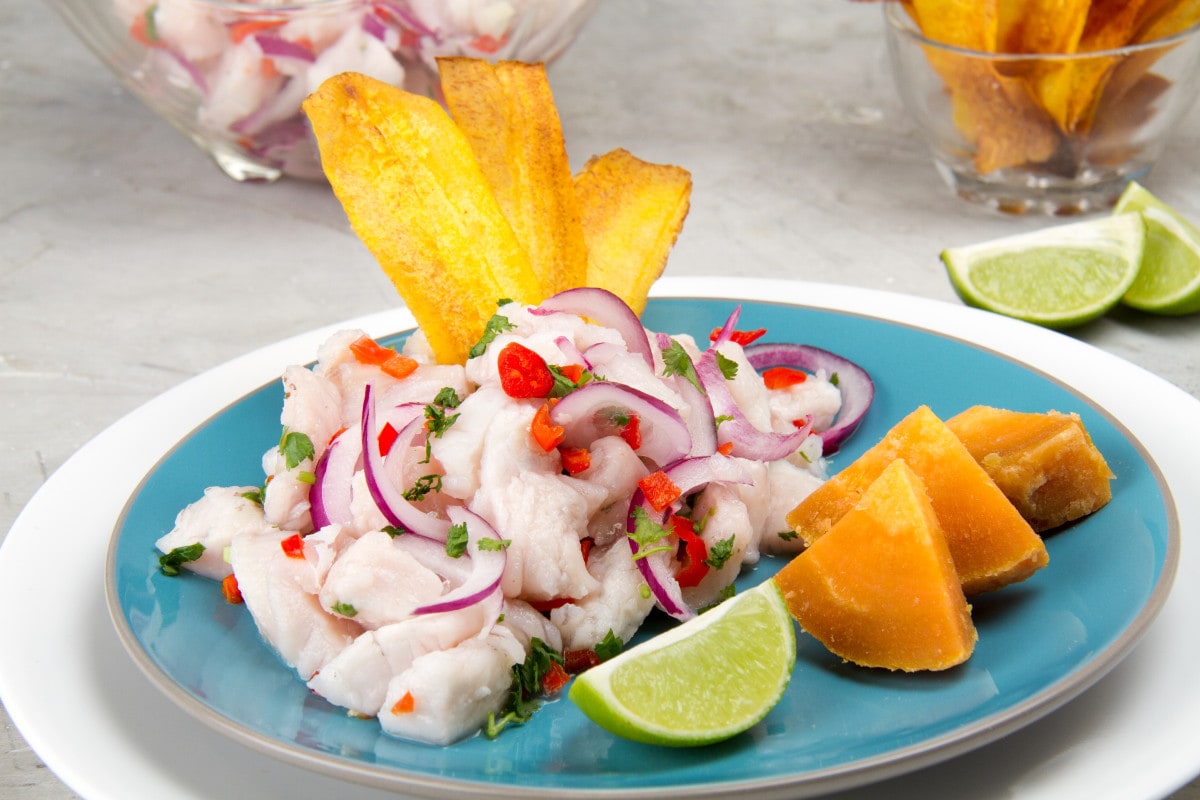
A short flight back down to sea level and one of South America's best food scenes, ceviche fresh off the boat in Barranco or Miraflores. A good place to decompress after a week at altitude before the long flight home.
Pick Your Base
Cusco and Ollantaytambo split the trip naturally, acclimatize in one, launch to Machu Picchu from the other.
What to Actually Order
Andean food runs on potatoes, corn, and guinea pig, three things Peru does better than anywhere else on earth.
San Pedro Market, not the plaza restaurants
The stalls inside San Pedro Market serve a full lunch, soup, main, juice, for a fraction of what the restaurants circling the plaza charge, and the quality is usually better. Point at what looks good, that's the whole ordering system.
Practicalities
Flying in
Most international flights route through Lima, then a domestic flight of about 1.5 hours to Cusco. Book the domestic leg for a morning arrival, afternoon flights into Cusco's mountain airport get delayed more often as winds pick up.
Getting to Machu Picchu
No road reaches Machu Picchu directly. From Ollantaytambo, a scenic train (PeruRail or IncaRail, roughly 1.5 to 2 hours) runs to Aguas Calientes, then a shuttle bus climbs the final stretch. Book the train alongside your entry ticket, not after.
Altitude, seriously
Cusco sits at 3,400 meters and Rainbow Mountain tops 5,000. Spend two to three days acclimatizing before any strenuous hike, drink far more water than feels necessary, and treat headaches or nausea as a signal to descend rather than push through.
Currency and cash
The Peruvian Sol is the local currency. Cusco and the main valley towns have reliable ATMs, but smaller villages and market stalls are cash-only, keep small bills on hand throughout the week.
Altitude sickness is common
Mild symptoms affect most visitors in the first two days. Severe symptoms, confusion or breathlessness at rest, mean descending immediately.
Sun at altitude
UV is stronger than the mild temperatures suggest at 3,000 plus meters. Sunscreen and a hat matter even on cool, overcast days.
Book permits early
Machu Picchu, Huayna Picchu, and the classic Inca Trail all cap daily numbers and sell out weeks ahead in August.
Cold nights, warm days
Nights drop near freezing even when afternoons feel warm. Layers matter more than any single heavy jacket.
What This Week Costs
Peru runs cheap by international standards outside of the Machu Picchu train and entry fees, which are fixed regardless of budget tier.
Quick Reference Prices
Book Machu Picchu before your flights
Daily entries are capped, and August, peak dry season, is the single busiest month of the year. Tickets and the connecting train sell out weeks in advance, and once your Machu Picchu date is locked, the rest of the route falls into place around it. Booking flights first and hoping a Machu Picchu slot appears later is the most common way this trip goes wrong.
Next Monday, a new place. Wherever the season points us.
The Atlas Guide desk