
The Maasai Mara
The Great Migration's river crossings, at their most chaotic and dramatic right now, and a grassland horizon that makes every other savanna feel like a rehearsal. Eight stops, in the order we'd drive them.
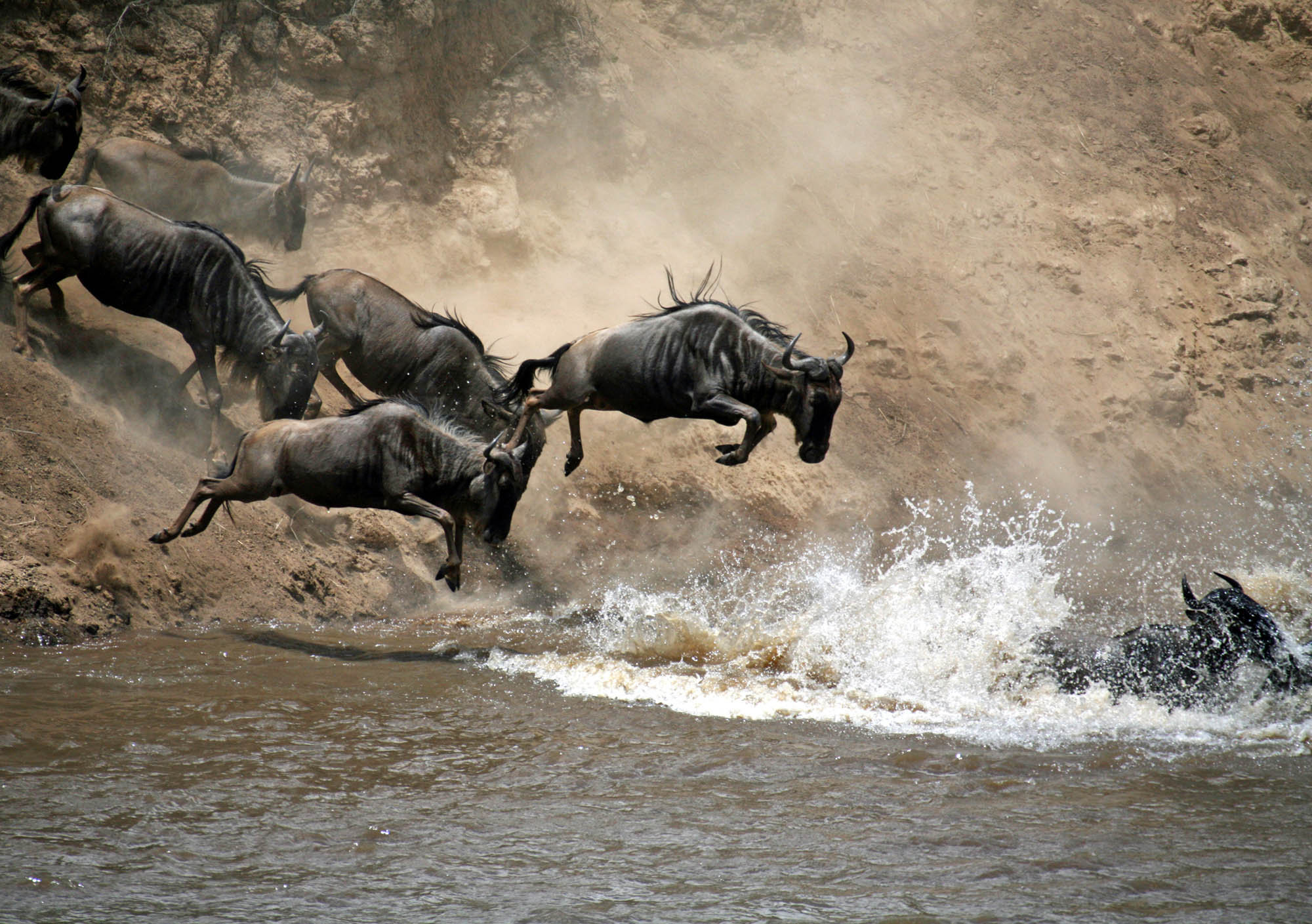
"Nothing on a screen prepares you for two thousand wildebeest deciding, all at once, that today is the day they cross."
The Maasai Mara is the northern extension of Tanzania's Serengeti, and late July through August is when over a million wildebeest, plus hundreds of thousands of zebra and gazelle, funnel across the crocodile-filled Mara River chasing fresh grass. The crossings themselves are not scheduled, herds gather at the riverbank for hours or days before something triggers the plunge, and camps radio each other constantly to track where the action is likely to happen next.
The Mara isn't just the migration, though that's the reason to come this particular week. It's also one of the most reliable places on earth to see lion, cheetah, and leopard in the same few days, largely because the grass stays short enough year-round that predators have nowhere to hide, which also means you don't have to work hard to see them. This week we'd do it as eight stops, six to seven days, split between the national reserve and the private conservancies that ring it.
A camp on the river itself, or one that shares radio access with river camps, matters more than any other single booking decision this week. Everything else is negotiable, this one isn't.
Eight Stops, One Migration
Roughly the order we'd do this in, starting and ending in Nairobi.
Nairobi, briefly
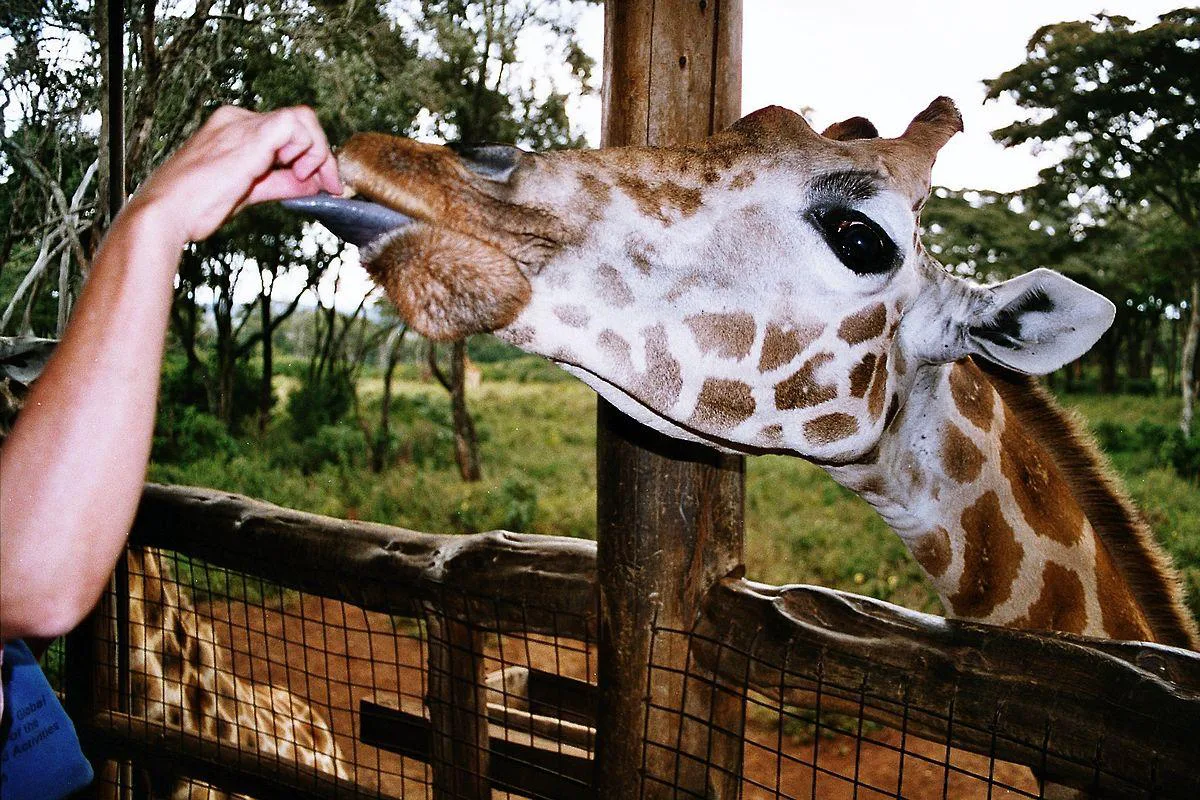
One night to break the jet lag, with a morning at the Giraffe Centre feeding Rothschild's giraffes at eye level, and Nairobi National Park in the afternoon, the only game reserve in the world sitting inside a capital city's skyline.
Mara Triangle
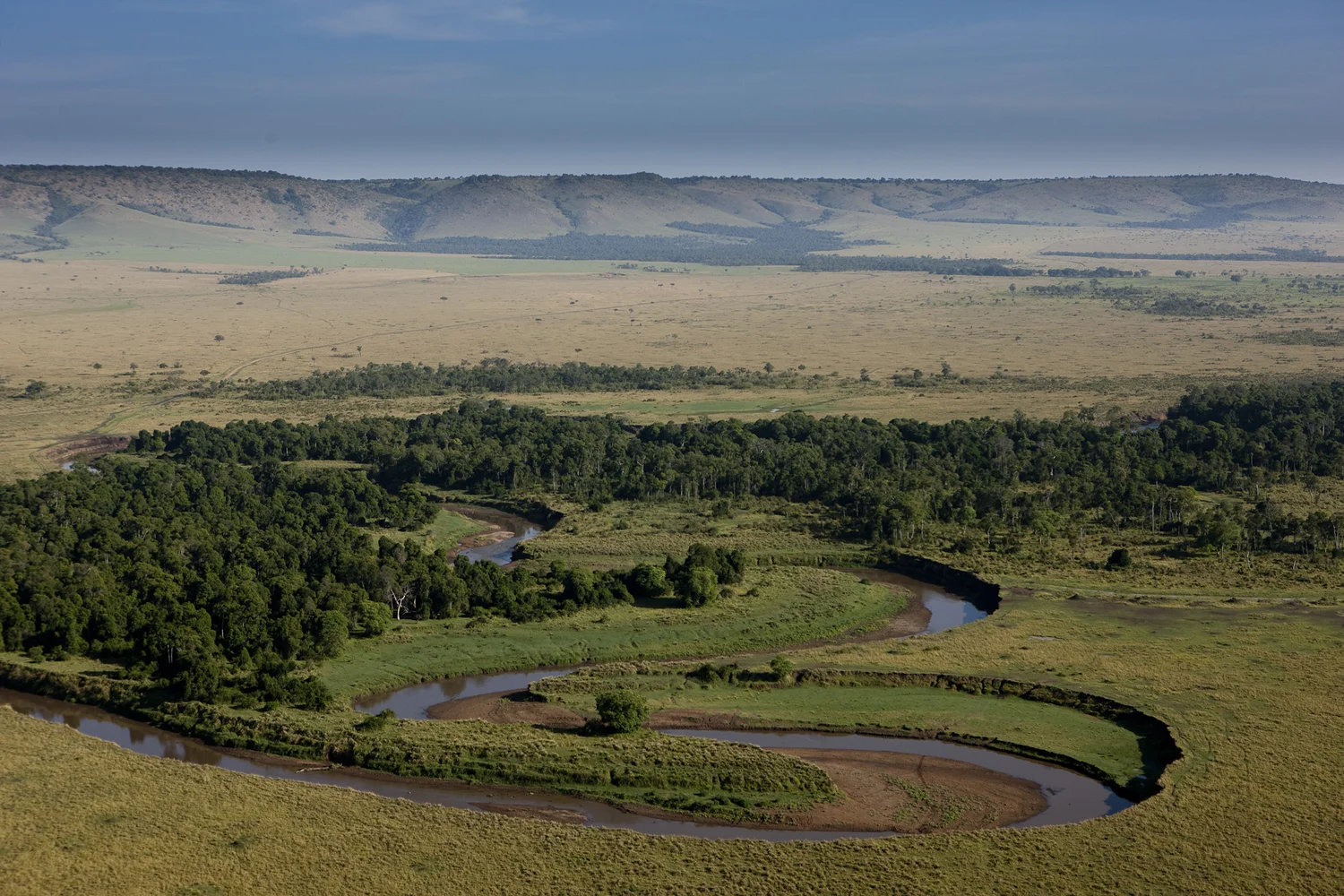
A 45 minute flight from Nairobi drops you straight onto a dirt airstrip in the reserve. The Mara Triangle, managed separately from the rest of the national reserve, tends to have fewer vehicles per sighting and is the classic first game drive.
The Mara River crossings
Herds build up at known crossing points for hours before anything happens, and good guides read the tension in the herd before the first wildebeest jumps. Bring patience and a full battery, this is a wait-it-out experience, not a drive-by sighting.
Musiara Marsh
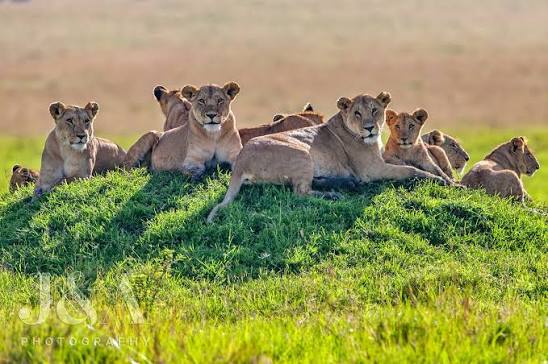
Home to one of the most studied lion prides on earth, filmed for decades by wildlife documentary crews. The marsh's permanent water draws game year-round, migration or not, making it a reliable stop even between crossings.
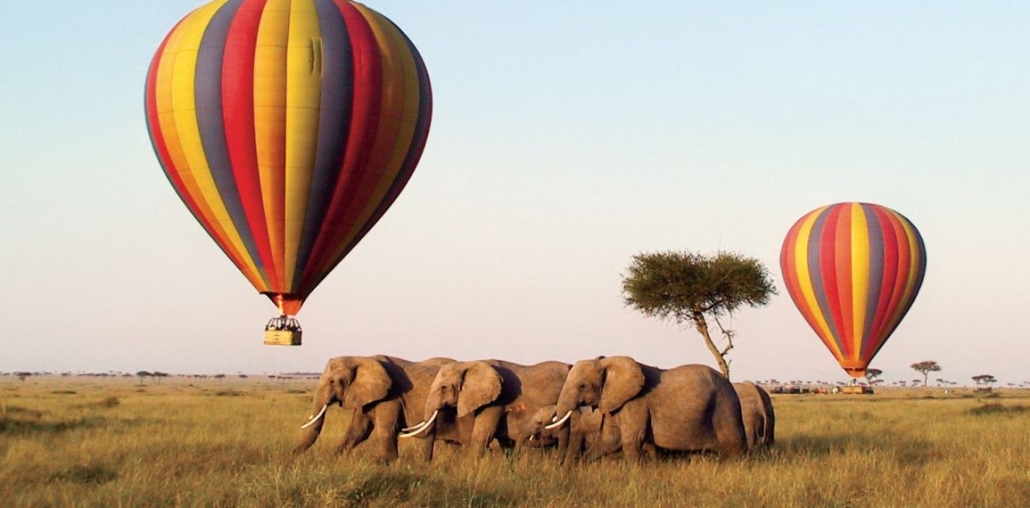
Dawn balloon safari
An hour drifting silently over the plains at first light, followed by a champagne breakfast set up in the grass wherever the balloon happens to land. Book this for early in the trip, weather cancellations occasionally push it to a backup morning.
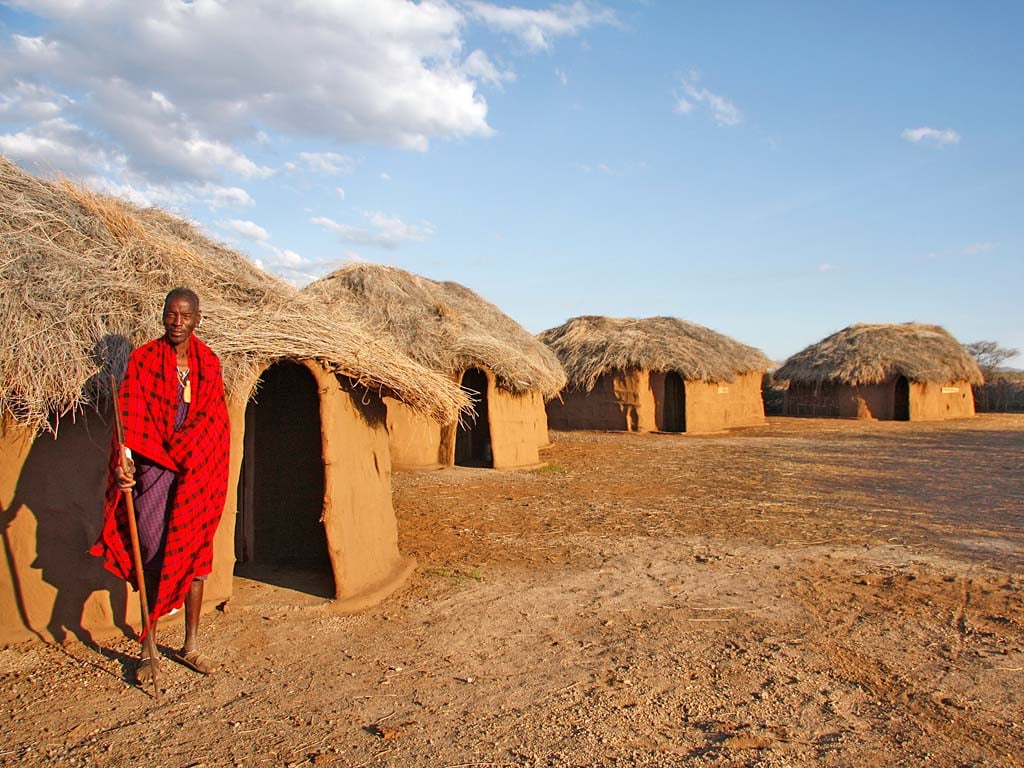
A Maasai village visit
Most camps arrange visits to a local boma directly, with fees going to the community rather than a middleman operator. The adumu jumping dance is the photo everyone takes, but the more interesting hour is usually the conversation about conservancy land-lease arrangements that fund the school you're standing next to.
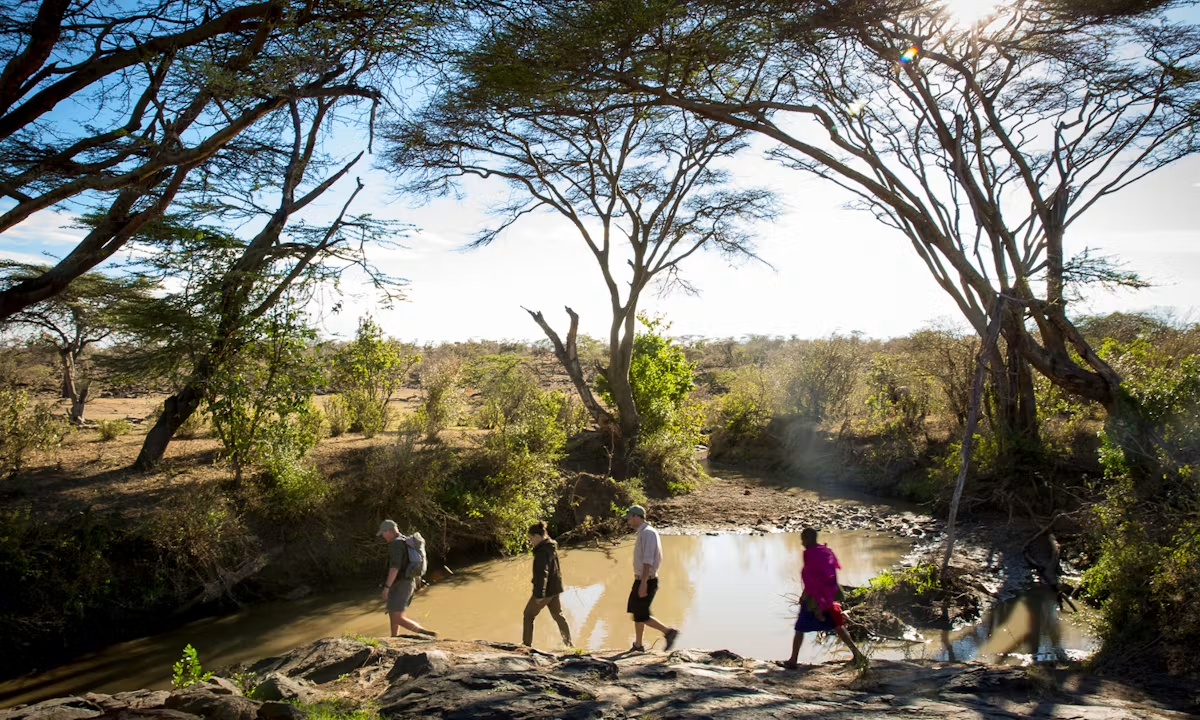
Naboisho or Mara North Conservancy
Private conservancies bordering the reserve cap vehicle numbers and allow walking safaris and night drives, both banned inside the national reserve itself. If the crowds at a river crossing wore you out, a day here resets the pace entirely.
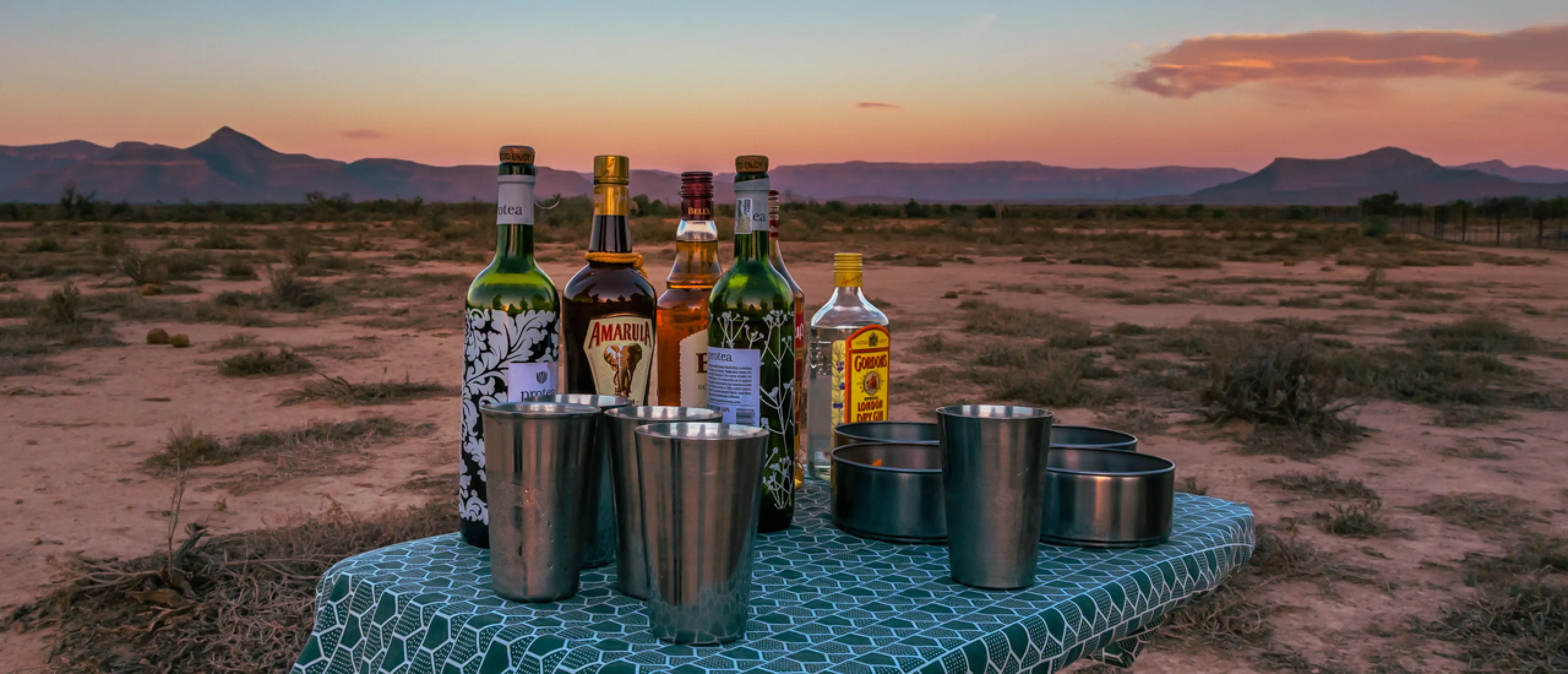
Sundowners on the escarpment
A drink set up on the Oloololo Escarpment as the plains go orange below, the traditional last-night ritual on nearly every Mara itinerary for good reason. Fly back to Nairobi the next morning for your connection home.
Pick Your Camp
This is the one decision that shapes the whole trip. A camp inside a conservancy costs more but buys walking safaris, night drives, and far fewer vehicles at every sighting.
What's Actually on the Table
Camp food is nearly always full-board and better than the remote setting suggests, but there's real Kenyan food worth seeking out in Nairobi on either end of the trip.
Ask your guide where they actually eat
Guide crews eat separately from guest meals, usually simpler and better than what's on the dinner menu. A polite ask, and sometimes an invitation, gets you a plate of what the camp staff cooks for itself.
Practicalities
Flying in
Most international flights land at Nairobi's Jomo Kenyatta Airport. From there, a 45 minute bush flight on a small plane connects to one of several dirt airstrips serving the Mara, far faster and more comfortable than the 5 to 6 hour drive. Book the bush flight through your camp, they coordinate the schedule.
Getting around once you're there
Game drives are done in open-sided 4x4 vehicles provided by your camp, always with a guide. Self-driving inside the reserve is technically possible but rarely done, the value here is entirely in guide knowledge of where the herds are moving.
Radio networks matter
Camps share sighting information by radio, which is why a camp with good radio relationships often sees more than a camp working in isolation, regardless of how luxurious either one is. Ask about this when booking, not just about the tent.
Malaria prophylaxis
The Mara sits at malaria risk year-round. Start prophylaxis before you travel per your doctor's guidance, and pack repellent for dawn and dusk game drives when mosquitoes are most active.
Stay in the vehicle
Getting out during a game drive outside designated spots is how people get hurt. Your guide will tell you when it's safe, otherwise assume it isn't.
Cold mornings, hot afternoons
Dawn game drives start well below 15°C even in an otherwise warm week. Layers you can shed by mid-morning are essential.
Yellow fever certificate
Required if arriving from a country with risk of transmission. Check current requirements before booking flights, not after.
Camp walking after dark
Unfenced camps mean wildlife passes through at night. Always call for a staff escort between your tent and the dining area after dark, even for a short walk.
What This Week Costs
Safari pricing runs on full-board camp rates rather than a la carte spending, so the daily figure below already includes meals, drinks, and game drives at most tiers.
Quick Reference Prices
The camp matters more than the crossing you're chasing
Nobody can predict which day or which crossing point a herd will actually use, not the camps, not the guides, not the forecasts. What you can control is booking a camp on or near the river with strong radio relationships to other camps, since that's what turns "we heard something happened yesterday" into "we're there in twenty minutes." Chase the camp's reputation for river access, not a specific crossing story you read somewhere.
Next Monday, a new place. Wherever the season points us.
The Atlas Guide desk