
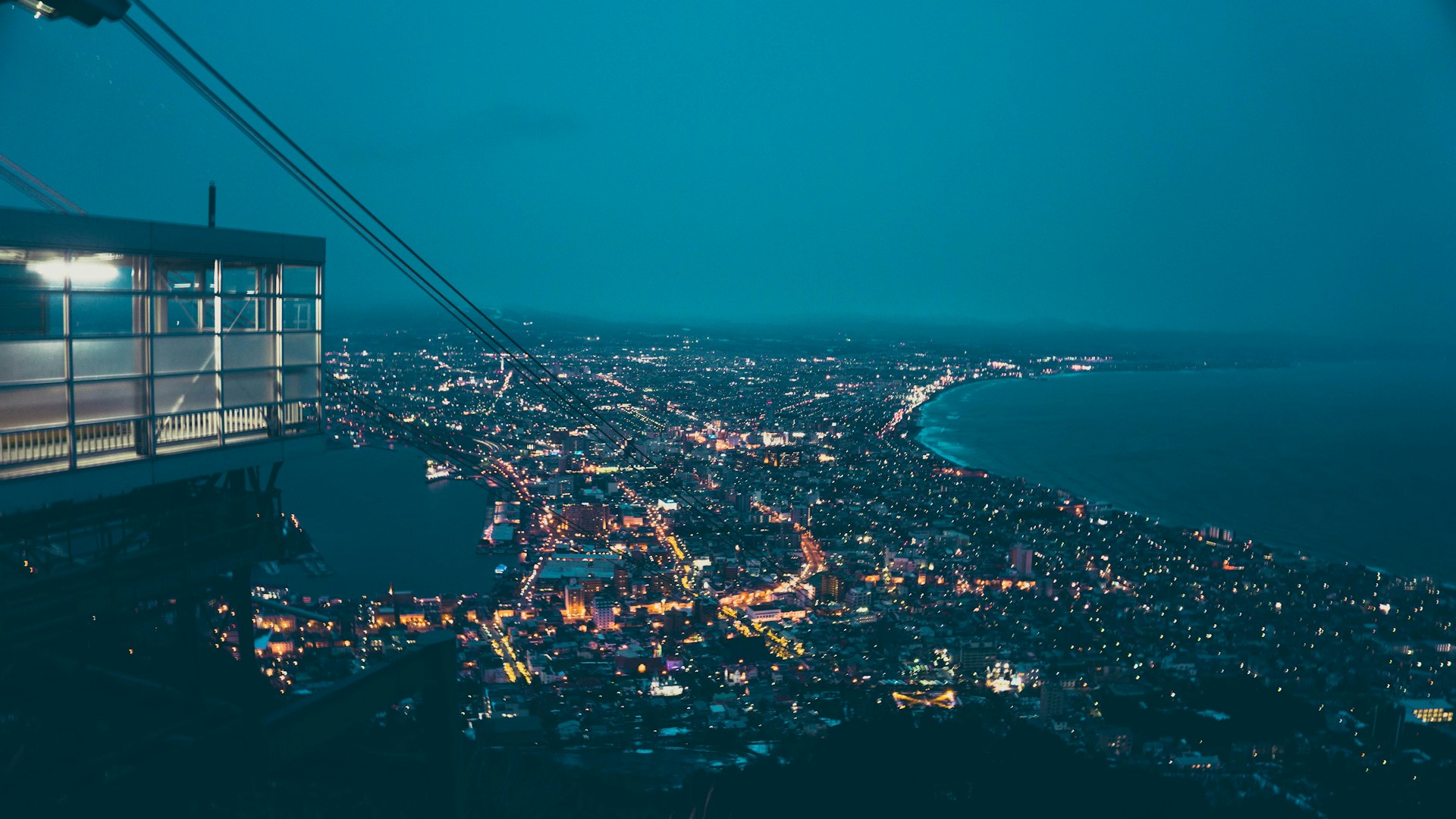
Hokkaido
Lavender at peak bloom, a cool-summer escape while the rest of Japan swelters, and a coastline where brown bears outnumber the boat tours. Eight stops, in the order we'd drive them.
"While Tokyo sits in 35°C humidity, Hokkaido is the one part of Japan where July actually feels like a reward."
Hokkaido is Japan's northernmost and largest prefecture, a place mainland Japanese go to escape their own summer. Late July is peak lavender season in Furano, when the Farm Tomita fields turn the valley into stripes of purple, and it's also the best window for the wildlife-rich Shiretoko Peninsula before the autumn crowds and before the winter that defines this island in most people's minds. Sapporo, the capital, is a genuinely livable city built on a grid, easy to navigate after Tokyo's tangle, with a beer museum, a food scene built on fresh seafood and dairy, and a jazz bar culture that outlasted the 1970s everywhere else.
What makes Hokkaido different from the rest of Japan isn't just the cooler air. It was settled by Japanese homesteaders only from the late 1800s, later than almost anywhere else in the country, and the Indigenous Ainu people who lived here for centuries before that have a culture and language distinct from mainland Japan, one that's finally getting proper museum space rather than folklore treatment. This week we'd drive it as eight stops, six to seven days, with a rental car doing most of the work.
Farm Tomita's lavender fields peak for roughly two weeks in late July. Book Furano accommodation now, or you'll be commuting in from an hour away during the one window that matters.
Eight Stops, One Cool Summer
Roughly the order we'd drive this in, starting and ending near Sapporo's airport.
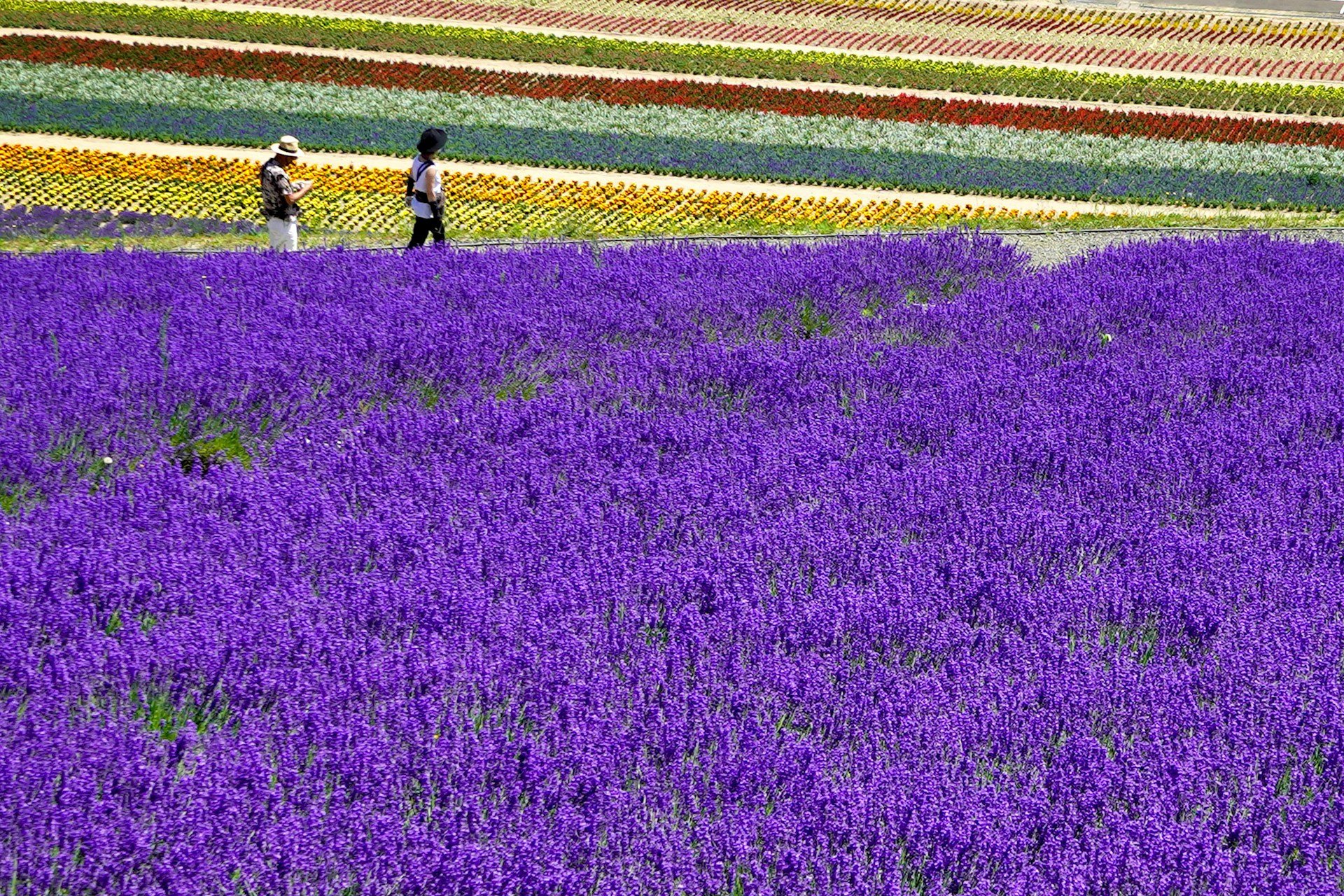
Farm Tomita, Furano
Rows of lavender running down a hillside toward the Tokachi mountains, at their absolute peak in late July. Go early, before the tour buses from Sapporo arrive mid-morning, and buy lavender soft-serve from the farm shop, it sounds like a gimmick and isn't.
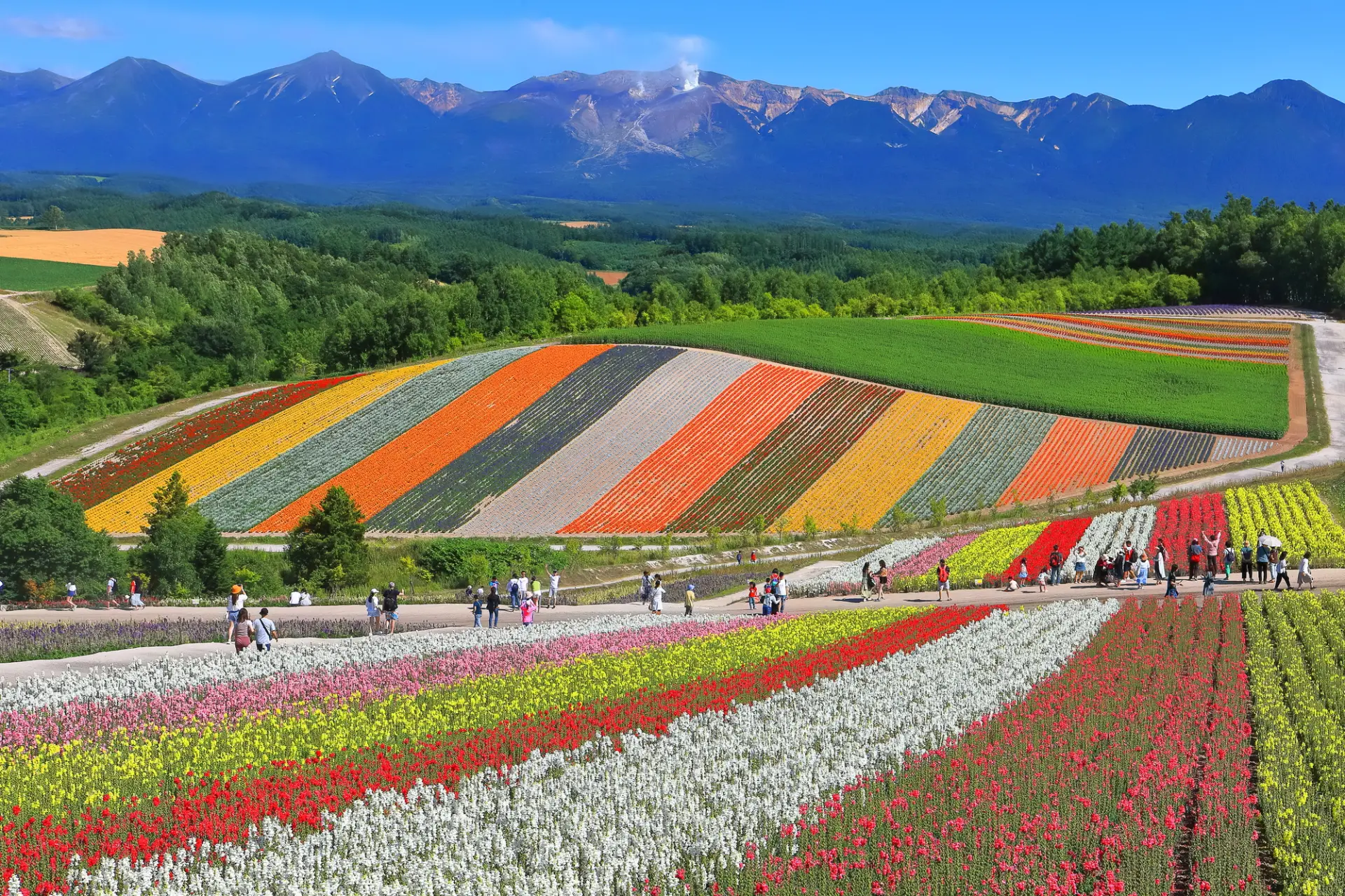
Biei's patchwork hills
Rolling farmland outside Furano where potato, wheat, and flower fields checkerboard the hills into something that looks arranged rather than farmed. Shikisai-no-Oka and the Blue Pond are the named stops, but the drive between them is the actual point.
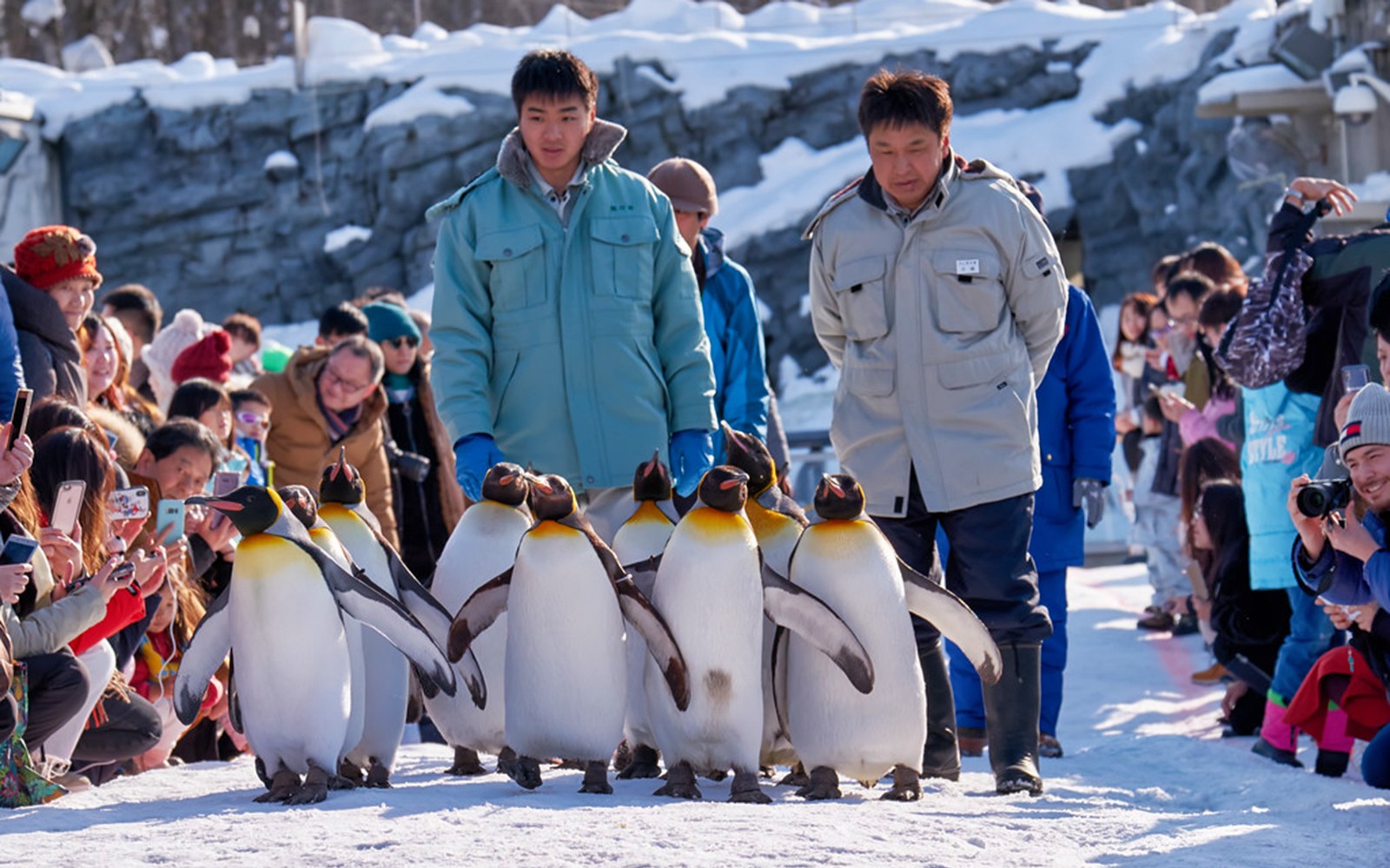
Asahiyama Zoo, Asahikawa
Japan's most visited zoo, built around enclosures designed to show animals doing what they'd do in the wild rather than standing behind glass. The summer penguin walk isn't running (that's a winter show), but the polar bear underwater viewing dome is worth the detour alone.
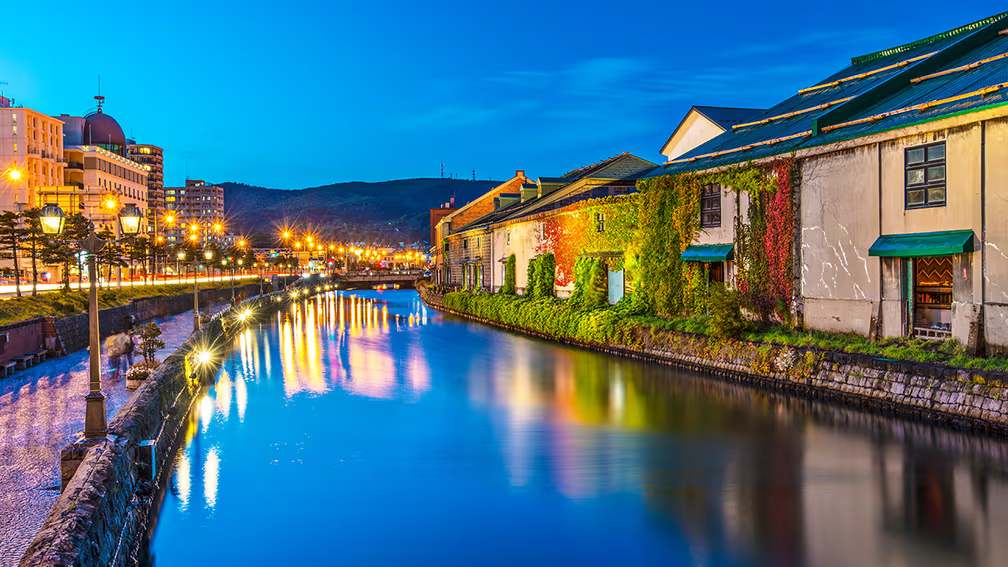
Otaru canal
A former warehouse district turned into a gas-lit canal walk, best after the day-trippers from Sapporo head back. Glassblowing workshops line the old canal buildings, and the sushi here rivals anything in Sapporo at a third of the price.
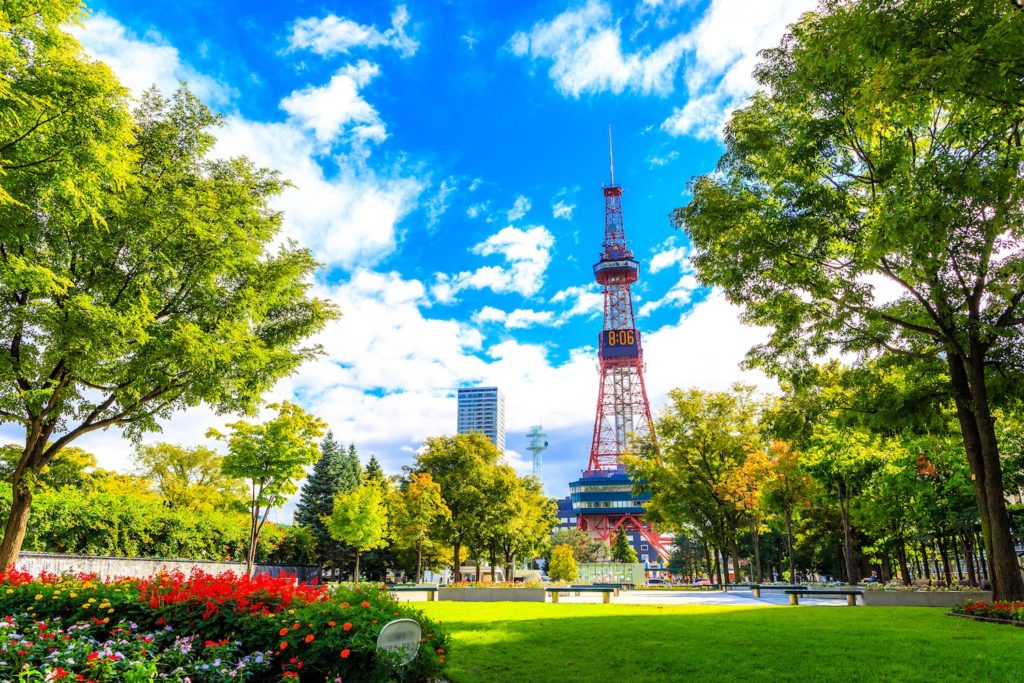
Odori Park and Sapporo Beer Museum
A long green spine running through the city center, hosting whatever festival happens to be on. The old Sapporo Brewery grounds, a red-brick museum with a beer garden attached, are a short tram ride out and worth an afternoon even if beer isn't the draw.
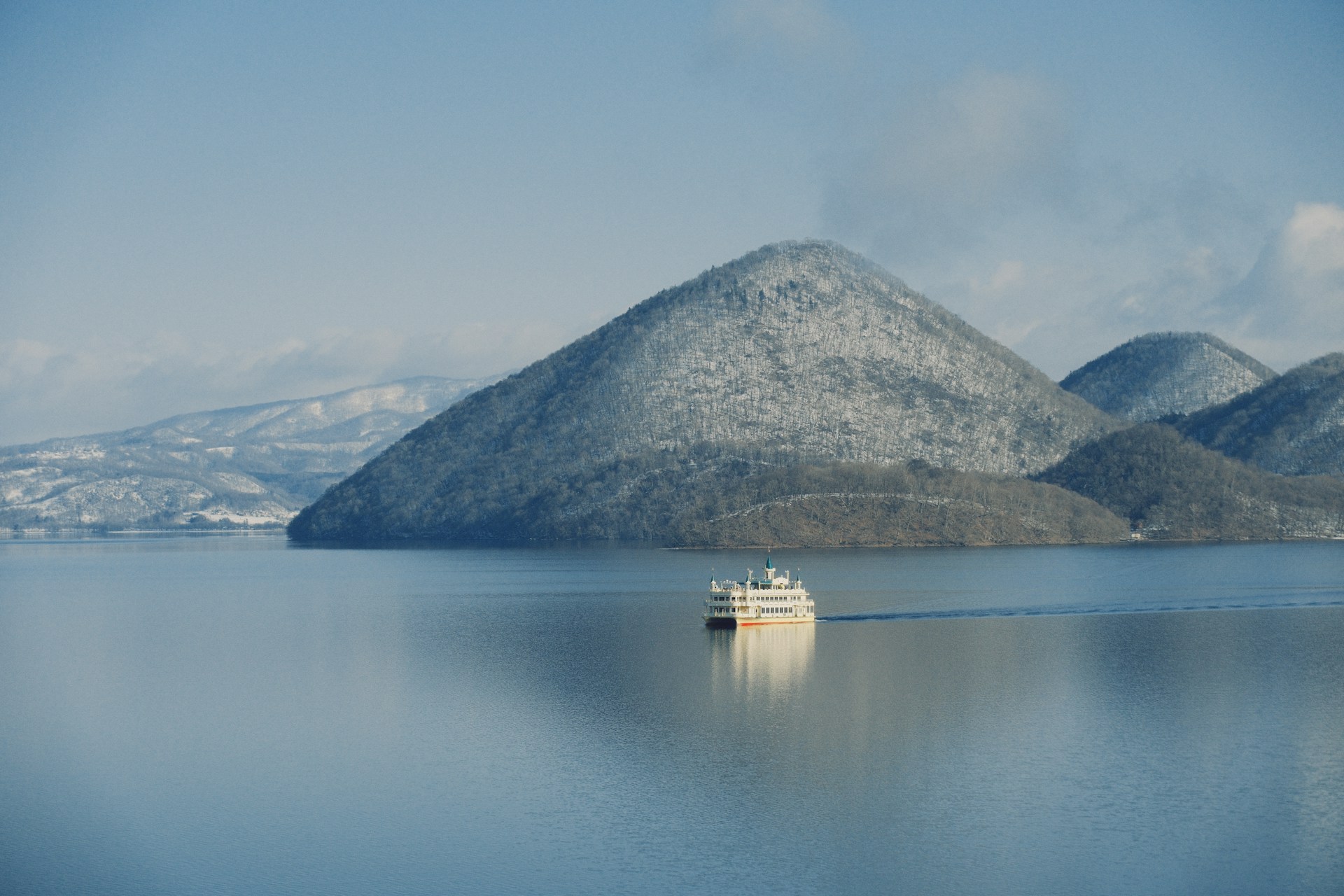
Lake Toya and Mount Usu
A caldera lake ringed by onsen towns, with the still-active Mount Usu reachable by ropeway for views over the whole crater. Stay a night at a lakeside ryokan for the summer fireworks show, held nightly from late April through October.
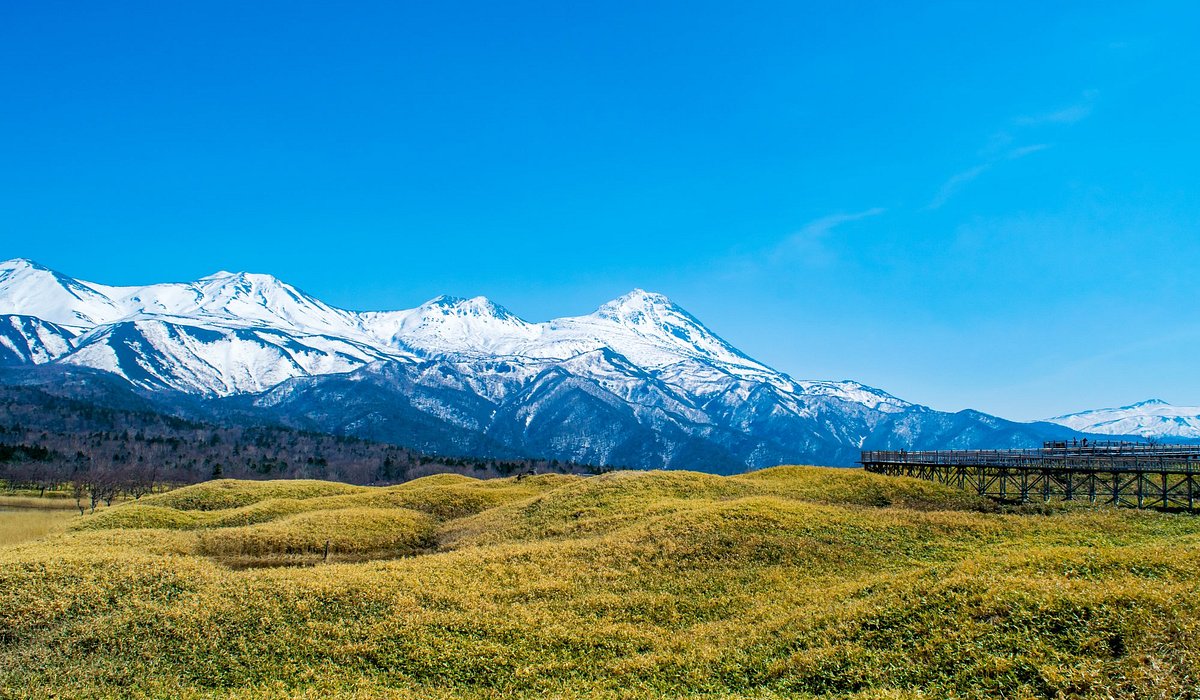
Shiretoko Peninsula
A UNESCO World Heritage coastline at the far northeast tip of the island, reachable by boat cruise for brown bear sightings along cliffs that have no road access at all. It's a full day's drive each way from Sapporo, and the reason people extend the trip to seven days instead of five.
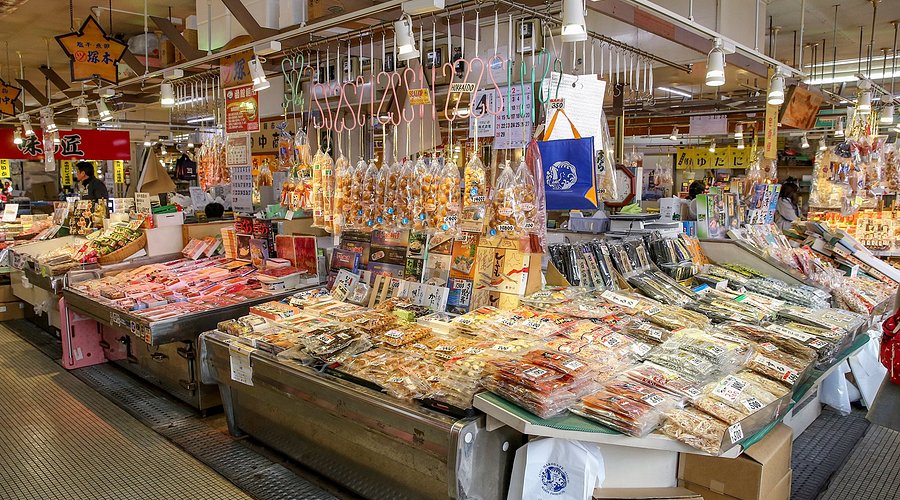
Hakodate morning market and night view
A working fish market since the 1900s, where you pick your own uni or crab for breakfast at a counter seat. Ride the ropeway up Mount Hakodate before your flight out, the night view over the city's hourglass-shaped harbor is routinely ranked among Japan's best.
Pick Your Base
Sapporo works as a central base for the western half of the route, but Furano and Shiretoko are both far enough out that a night in each makes more sense than a long day trip.
What to Actually Order
Hokkaido's food identity runs on cold-water seafood, dairy, and corn, all things the island's climate happens to be uniquely good at producing.
Susukino, not the hotel restaurant
Sapporo's Susukino district has more good, cheap izakaya per block than anywhere else on the route. Skip the hotel restaurant your first night and walk five minutes into Susukino instead, the difference in both price and quality is immediate.
Practicalities
Flying in
New Chitose Airport (CTS), Hokkaido's main hub, is a 1.5 hour domestic flight from Tokyo Haneda or Narita, with direct international connections from several Asian hubs too. Domestic fares run 150 to 300 USD return depending on how far ahead you book.
Once you're there
A rental car is the only practical way to do this full route, Furano, Biei, Toya, and especially Shiretoko all sit well outside train range. Roads are excellent and well signed in English. If you're skipping the car, the JR Hokkaido rail pass covers Sapporo, Otaru, Asahikawa, and Hakodate, but not Furano's back roads or Shiretoko.
The Shiretoko detour
This is genuinely a full day's drive each way from Sapporo, roughly 5 to 6 hours. Some travelers fly into Memanbetsu Airport near Shiretoko instead and work the route in reverse, worth considering if seven days feels tight.
Build in a rain day
Late July sits at the tail end of Japan's rainy season in most of the country, though Hokkaido gets noticeably less of it than the mainland. Still, a spare day protects the Farm Tomita visit and the Shiretoko boat cruise, both weather dependent.
Brown bears are real here
Shiretoko and much of rural Hokkaido have an active brown bear population. Follow posted warnings, stay in vehicles or groups on marked trails, and never approach for photos.
Rural driving distances
Distances between stops are longer than they look on a map. Fill up on fuel whenever you pass a station in rural stretches, they're sparser than in the rest of Japan.
English signage varies
Major roads and cities are well signed in English. Smaller farm roads around Biei sometimes aren't, offline maps help.
Sunburn on clear days
The lavender fields and lake areas offer little shade. UV is stronger than the mild temperatures suggest, pack sunscreen regardless of the cool air.
What This Week Costs
Hokkaido runs slightly cheaper than Tokyo or Kyoto for equivalent comfort, mostly because it's further from the well-trodden tourist circuit.
Quick Reference Prices
Book Furano before anything else on this list
Farm Tomita's lavender peaks for a two-week window in late July, and every guesthouse in Furano and Biei knows it. Rooms here sell out months ahead while Sapporo and Toya stay flexible right up until the week of. Lock in Furano first, then build the rest of the route around it.
Next Monday, a new place. Wherever the season points us.
The Atlas Guide desk