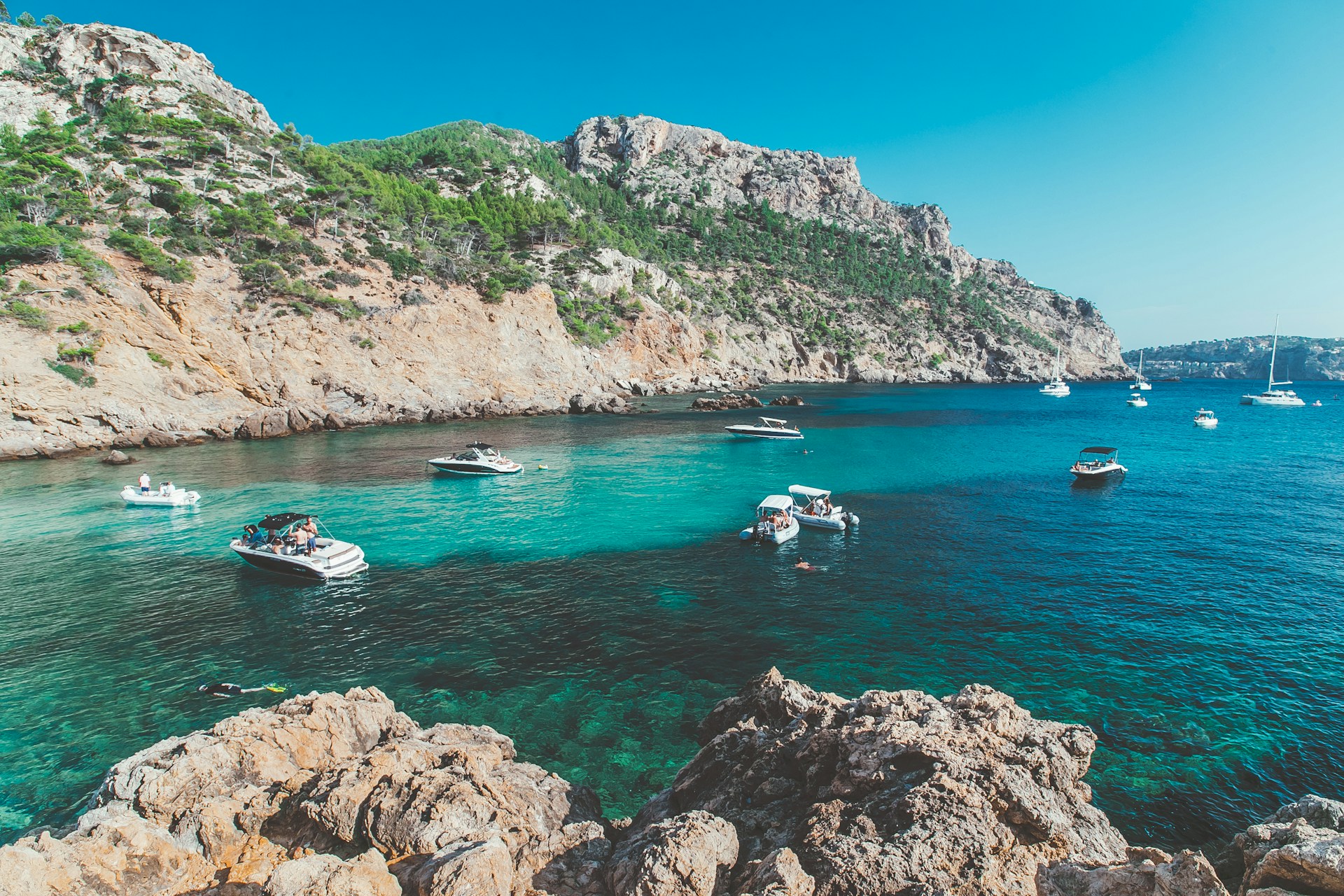
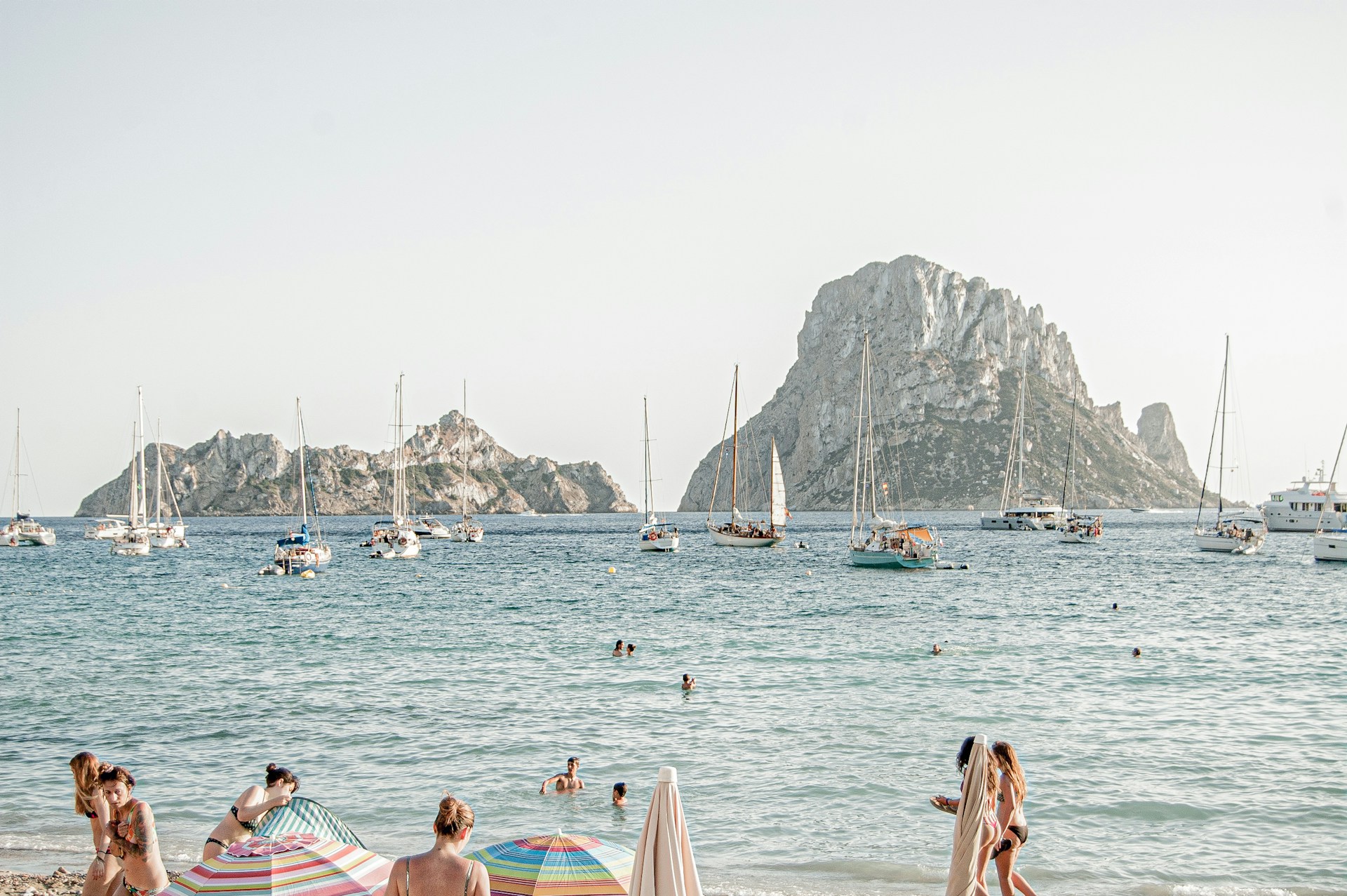
Porto
vsLisbon
Portugal's two great cities, only two hours forty-five apart by train, yet completely different in character. One is the capital, sprawling and varied, with a bigger list of landmarks and a livelier nightlife. The other is smaller, slower and built around port wine, the river, and a stubborn pride in doing things the traditional way. We break down every dimension that matters so you can pick the right one, or both.
Porto vs Lisbon, What You're Really Choosing Between
This is a closer call than most city comparisons, and that is what makes it interesting. Porto and Lisbon share a country, a language, and a love of tiled facades, but the scale and the rhythm of each city are genuinely different, and the right choice depends on what kind of trip you want.
Porto, Portugal
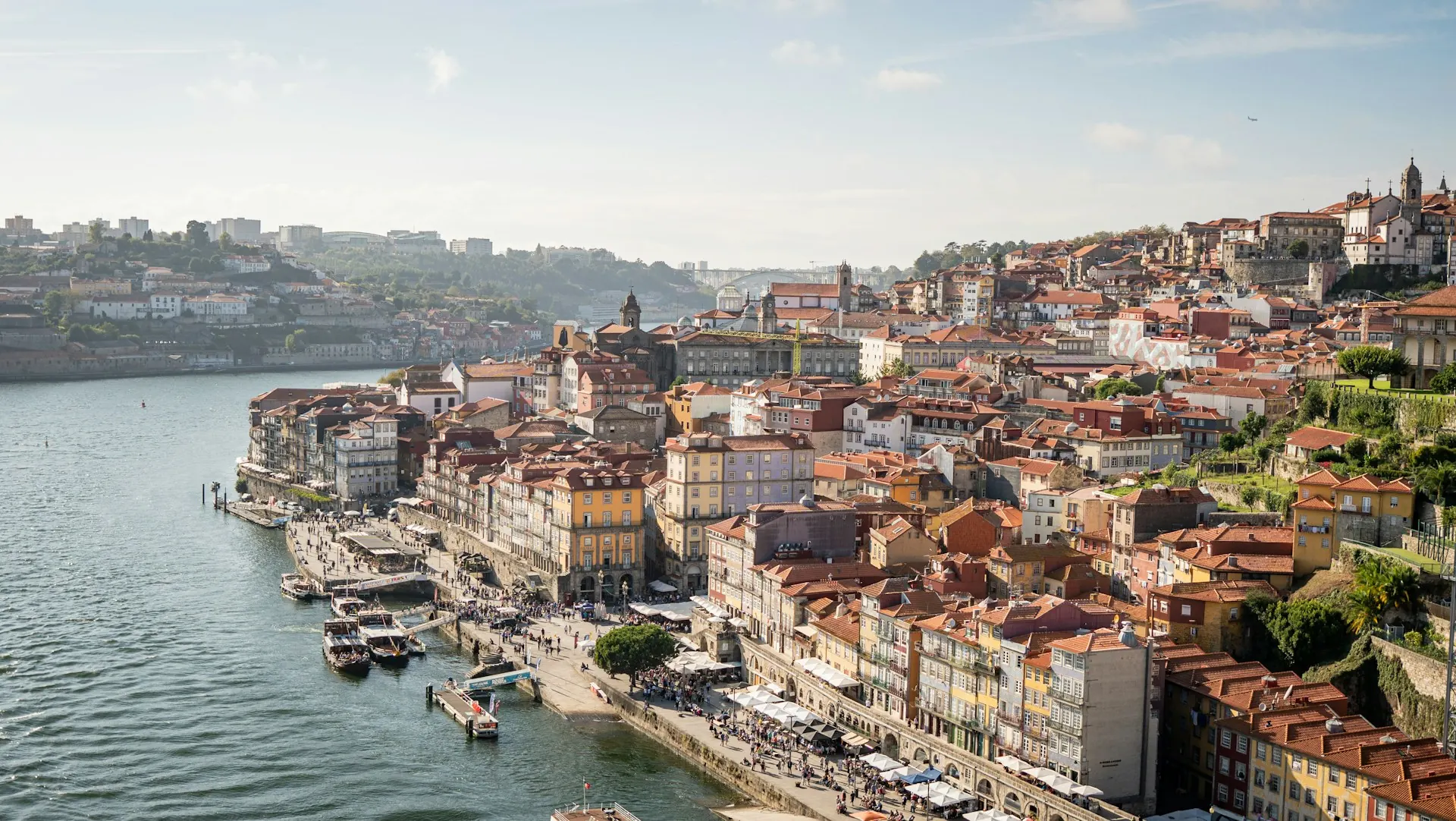
Porto is a wine city that also happens to be a great city break. The Ribeira riverfront, the port wine cellars across the river in Vila Nova de Gaia, and the Douro Valley an hour away give Porto a focused identity that is hard to beat for food and wine lovers. It is also noticeably cheaper than Lisbon and easier to grasp in two or three days. The downsides: fewer marquee landmarks, a smaller nightlife scene, and rain that shows up more often than in Lisbon.
Lisbon, Portugal
Lisbon is a capital city that takes its size seriously. Alfama's tiled alleys, the Belem district's monasteries and towers, an easy day trip to Sintra's hilltop palaces, and a nightlife scene that runs from fado bars to genuine late-night clubs give Lisbon a breadth Porto cannot match. Food has modernised fast and the river views from the city's many viewpoints are spectacular. Downsides: it is pricier, hillier, and the cobblestones get treacherous in the rain.
Quick Facts
Key numbers for planning. Budget, climate, language, and logistics for 2026.
Landmarks & Sights
What you'll actually be looking at, and how much of it there is.
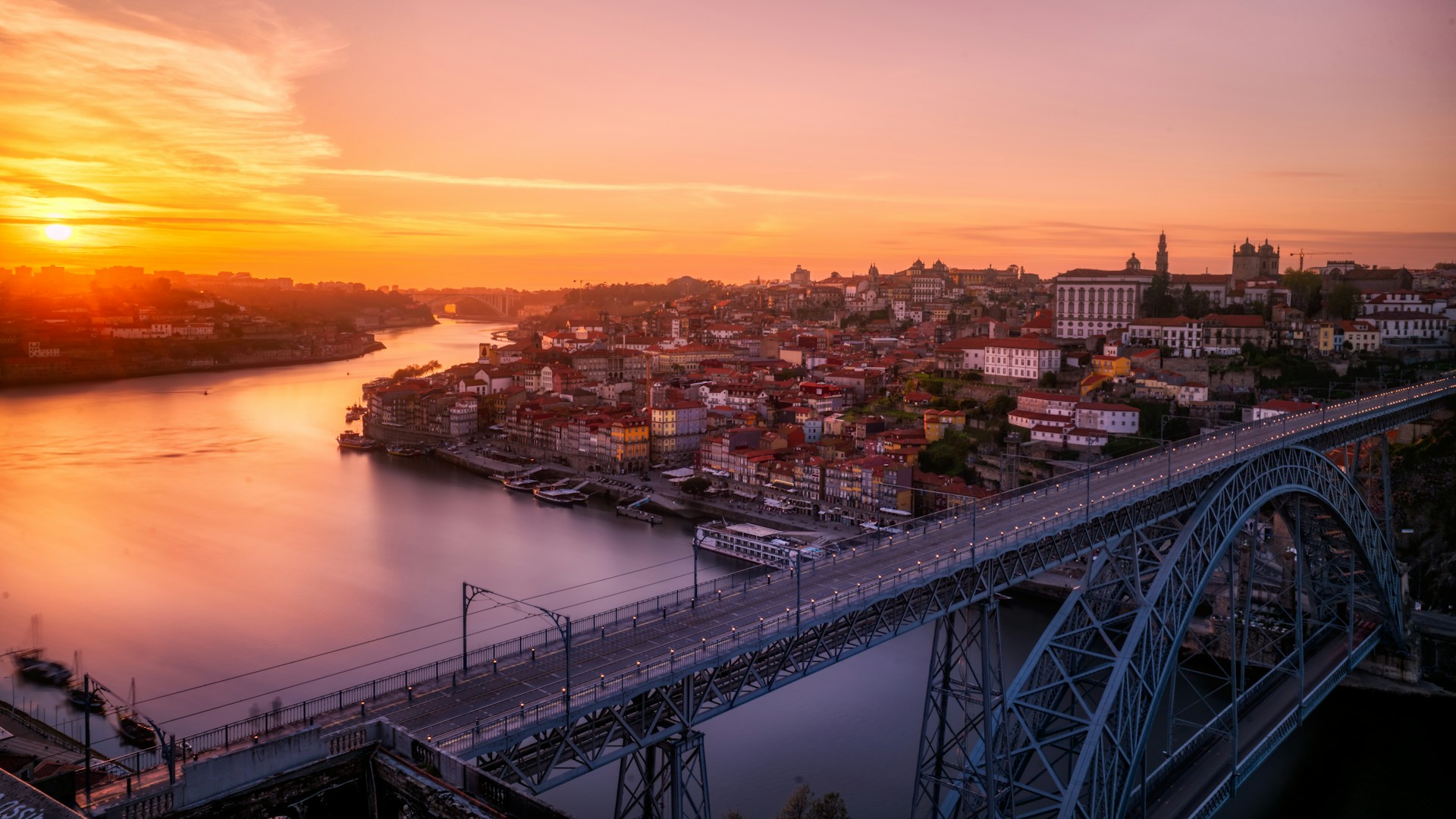
Compact, dramatic, and easy to see in two days
Porto's sights are concentrated and walkable. The Ribeira riverfront, lined with tall narrow houses, sits directly below the double-decker Dom Luis I Bridge, an Eiffel-adjacent iron structure that frames most of the city's best photos. Livraria Lello, often called one of the world's most beautiful bookshops, draws long queues. Across the river, Vila Nova de Gaia houses the historic port wine cellars (Graham's, Taylor's, Ferreira) with cellar tours and tastings. It is a smaller list than Lisbon's, but every item on it earns its place.
Runner-up on landmarks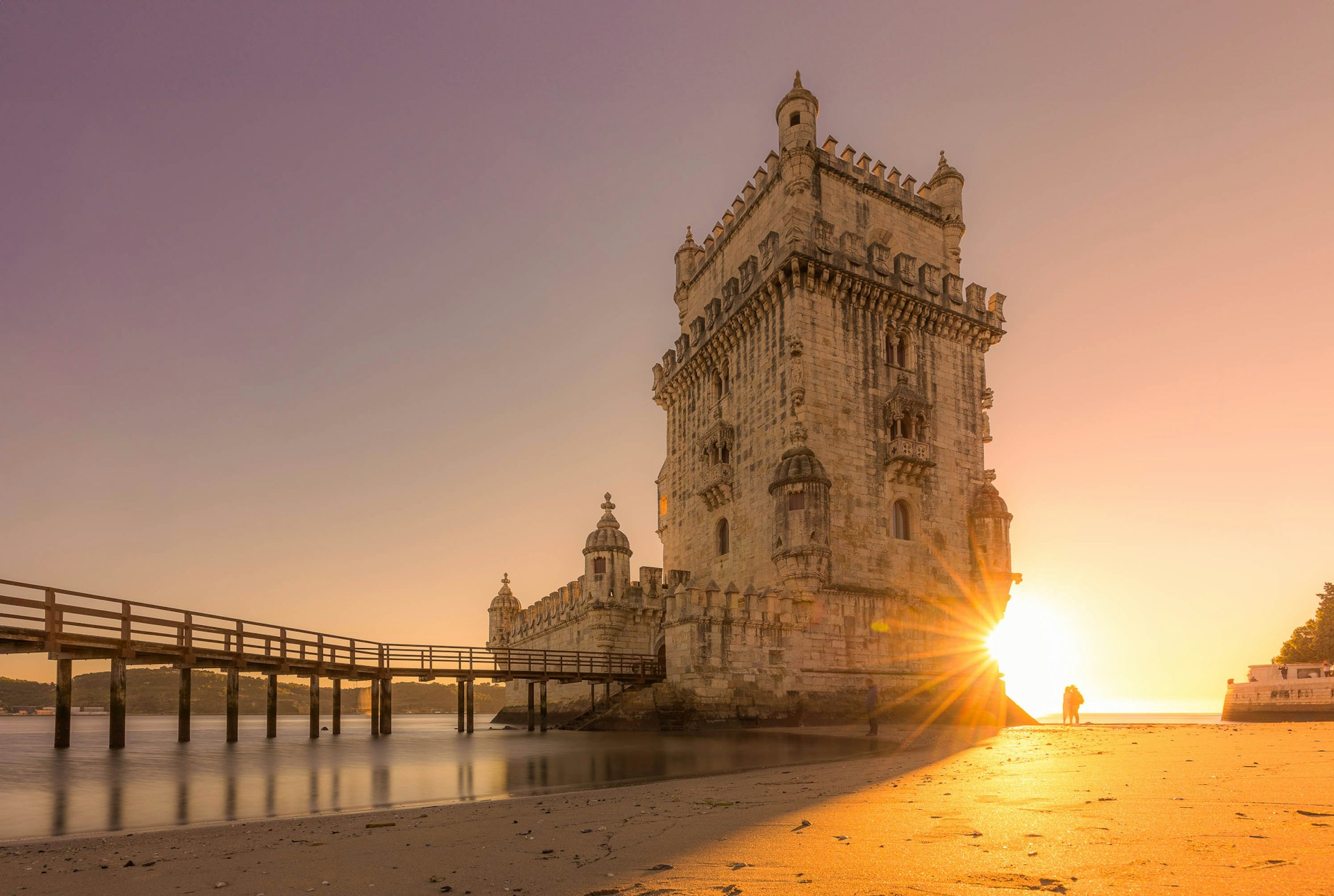
A capital's worth of landmarks, plus Sintra next door
Lisbon has the weight of a capital city behind it. The Belem district alone, the Tower of Belem, the Jeronimos Monastery, and the MAAT museum, could fill a full day. Alfama is one of Europe's most atmospheric neighbourhoods, narrow alleys, tiled facades, the famous Tram 28 rattling past, fado drifting from open windows. Sao Jorge Castle gives the best skyline view in the city. Thirty minutes away, Sintra's fairy-tale palaces (Pena, Quinta da Regaleira) are a genuinely essential day trip that Porto has no equivalent for. Lisbon wins on sheer volume and variety.
🏆 Winner, Landmarks & SightsCost of Travel
How far your money goes across accommodation, food, transport and activities in 2026.
| Category | 🍷 Porto | 🚋 Lisbon | Winner |
|---|---|---|---|
| Hostel dorm bed | €20 to €30 | €25 to €40 | 🍷 Porto |
| Mid-range hotel (double) | €75 to €140 | €100 to €180 | 🍷 Porto |
| Local lunch (tasca / prato do dia) | €7 to €10 | €10 to €14 | 🍷 Porto |
| Restaurant dinner (mid) | €16 to €24 | €20 to €30 | 🍷 Porto |
| Espresso | ~€1.00 | ~€1.30 | 🍷 Porto |
| Glass of local wine | €4 to €6 (port) | €6 to €9 | 🍷 Porto |
| Public transport day pass | €7.50 (Andante) | €7.25 (Navegante) | 🚋 Lisbon (marginal) |
| Airport to centre (Uber/Bolt) | €15 to €18 | €7 to €15 | 🤝 Roughly tied |
| Tourist tax per night | €3 | €4 | 🍷 Porto |
| Mid-range daily budget | €95 to €140 | €120 to €170 | 🍷 Porto |
Bottom line: Porto is cheaper across almost every category, typically by 15 to 25 percent, and the gap is widest in accommodation. A quality hotel room in central Porto often costs what a basic one costs in Lisbon. Day to day food and transport differences are smaller; hotel demand in the capital is what really pushes Lisbon's total up. If you are splitting time between the two cities, expect Lisbon to take the bigger bite out of your budget.
Culture & History
Two very different versions of Portuguese identity, both genuine.

Working class roots and a stubborn sense of tradition
Porto has resisted the modernisation wave that hit Lisbon, and that is exactly what makes it special. Sao Bento railway station's azulejo tile murals depicting Portuguese history are a free, genuine masterpiece most visitors stumble onto by accident. The city grew on trade and manufacturing rather than royal patronage, and it shows in a grittier, more lived-in feel than the capital. The port wine trade itself, dating back to the 1700s, is a living industry you can walk straight into, not a museum piece.
Different, not lesser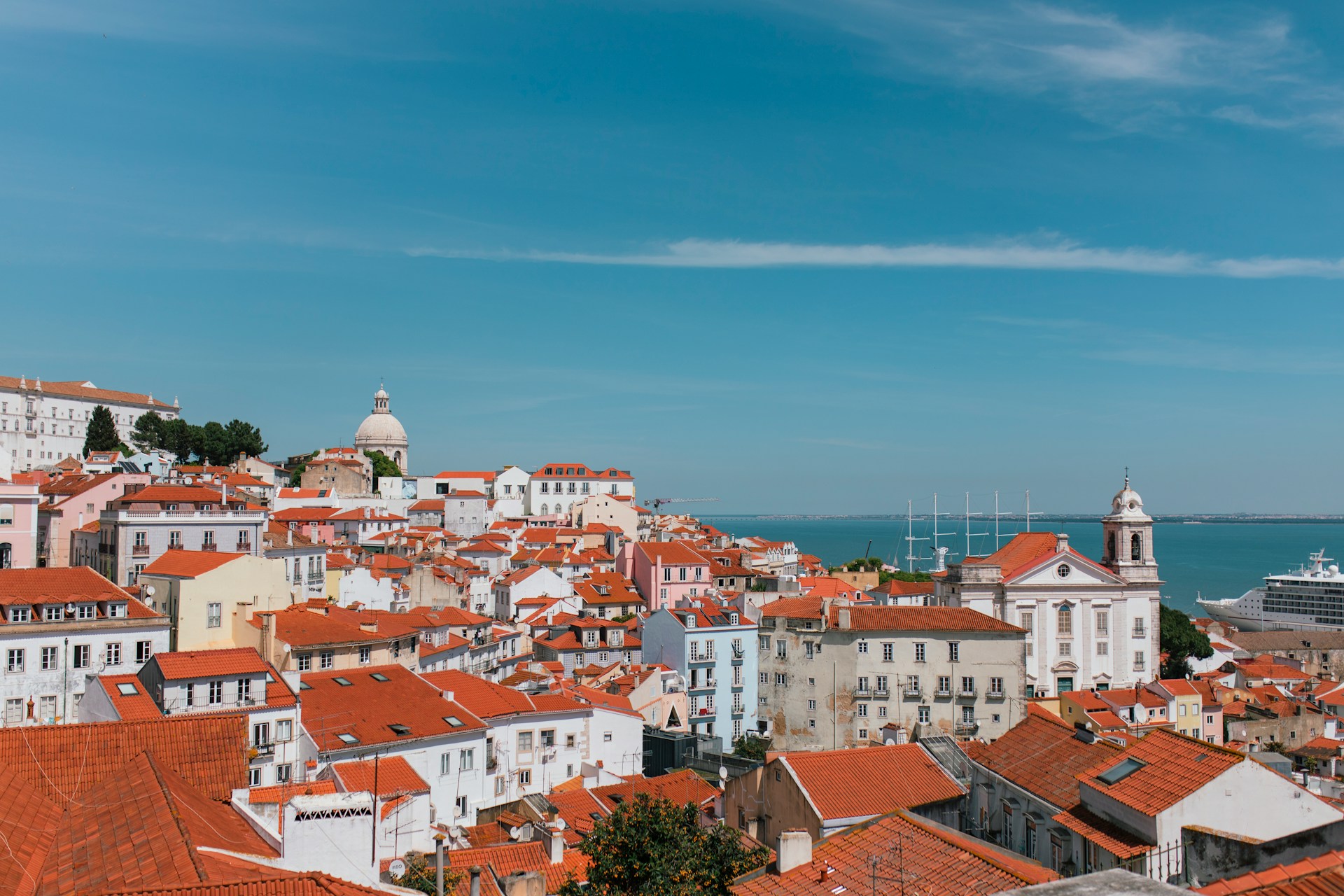
Imperial history layered into every neighbourhood
Lisbon carries the weight of having been the seat of a global empire, and the Manueline architecture of Belem (Jeronimos Monastery, the Tower of Belem) is the clearest expression of that. Fado, Portugal's melancholic folk music, was born in Alfama and is still performed nightly in small, family-run tascas there. The city survived a devastating 1755 earthquake and rebuilt the grid of Baixa from scratch, a deliberate piece of Enlightenment-era urban planning still visible today. Lisbon's culture is bigger in scale; Porto's is more concentrated.
Different, not lesserFood & Wine
Hearty tradition versus modern reinvention, and a wine category that isn't close.
Hearty, unpretentious, and the undisputed wine capital
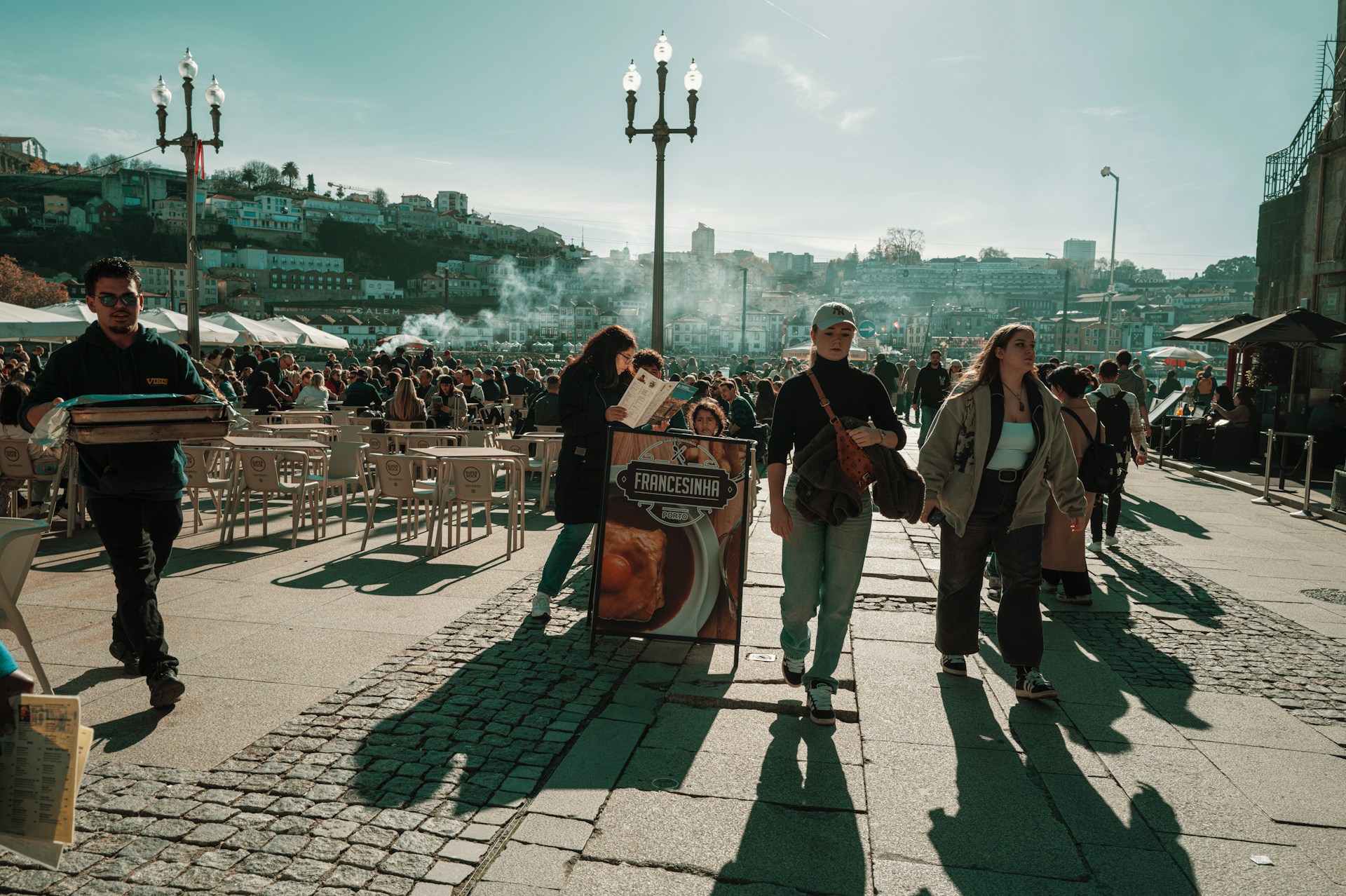
Porto's food is what locals actually eat: heavy stews, cured meats, river fish, and the legendary francesinha, a sandwich of bread, ham, sausage and steak drowned in melted cheese and a spicy tomato-beer sauce. Tripas a moda do Porto gave the city's residents their nickname, tripeiros, after a 15th century legend about feeding sailors the best cuts of meat. Where Porto wins decisively is wine. The cellars across the river in Vila Nova de Gaia and the Douro Valley an hour inland make this the easiest, most authentic wine experience in Portugal, full stop.
🏆 Winner, Wine
Traditional base, modern cosmopolitan layer on top
Lisbon's traditional staples, grilled sardines, bacalhau, and pasteis de nata (best from the original Pasteis de Belem bakery), remain excellent, but the food scene has added real depth over the last decade. Mozambican-Portuguese fusion, Asian-influenced tascas, and a growing fine dining layer give Lisbon a cosmopolitan range Porto doesn't try to match. Time Out Market is a good one-stop sampler, though it feels more corporate than a real neighbourhood market. On quality alone, this category is close to a draw.
Close, effectively a draw on qualityNightlife
Capital city scale versus a smaller, quieter scene.
Real but concentrated, centred on a few key streets
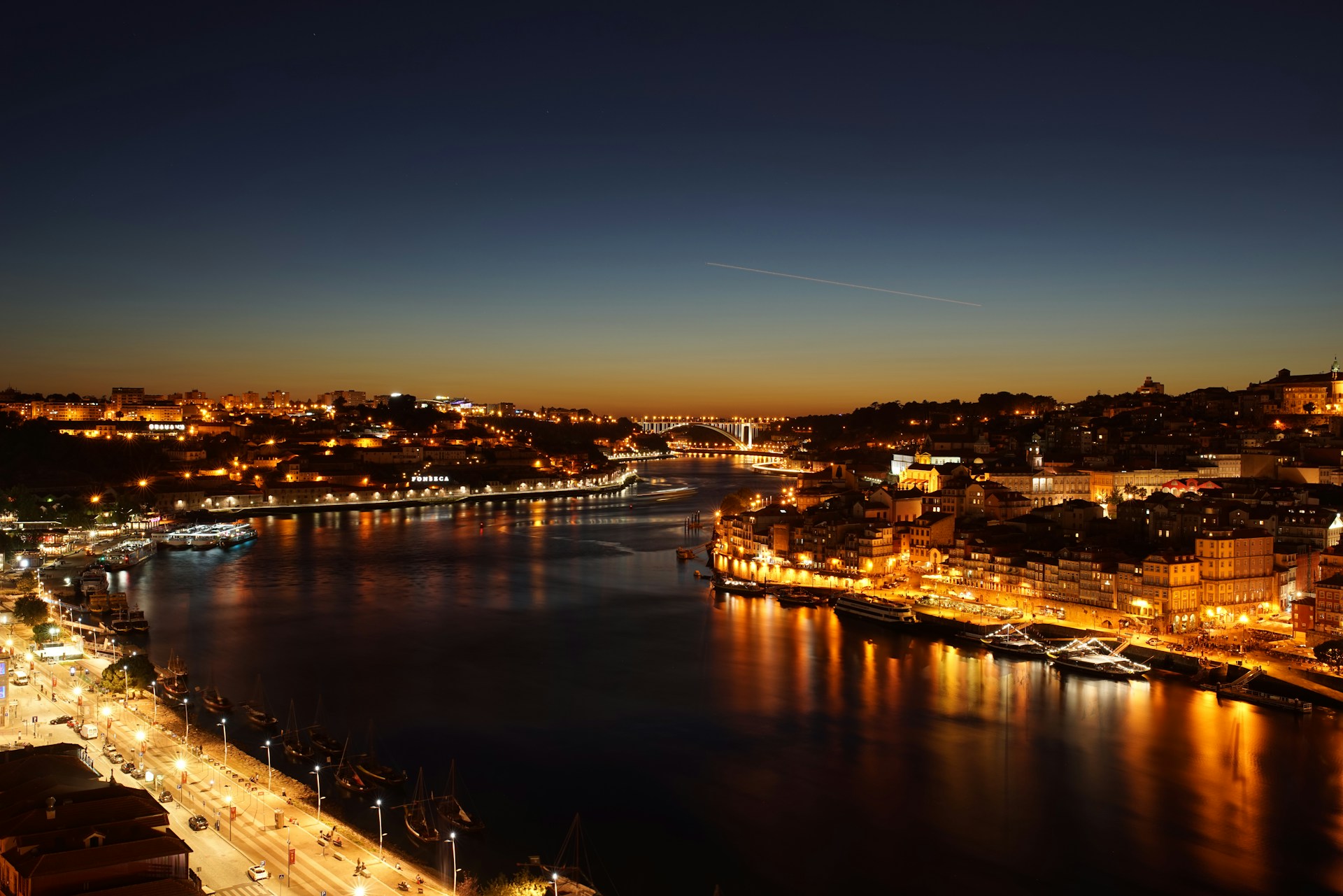
Porto's nightlife is genuine but smaller in scale. Galerias de Paris is the main strip, a tight cluster of bars with a young, mixed crowd that gets going late. The Ribeira riverfront has a more relaxed scene of wine bars and terraces with bridge views. There are a handful of good clubs, but nothing approaching a capital city's range of late-night options. For most visitors this is a feature, not a flaw; you can actually find a table.
Runner-up on nightlife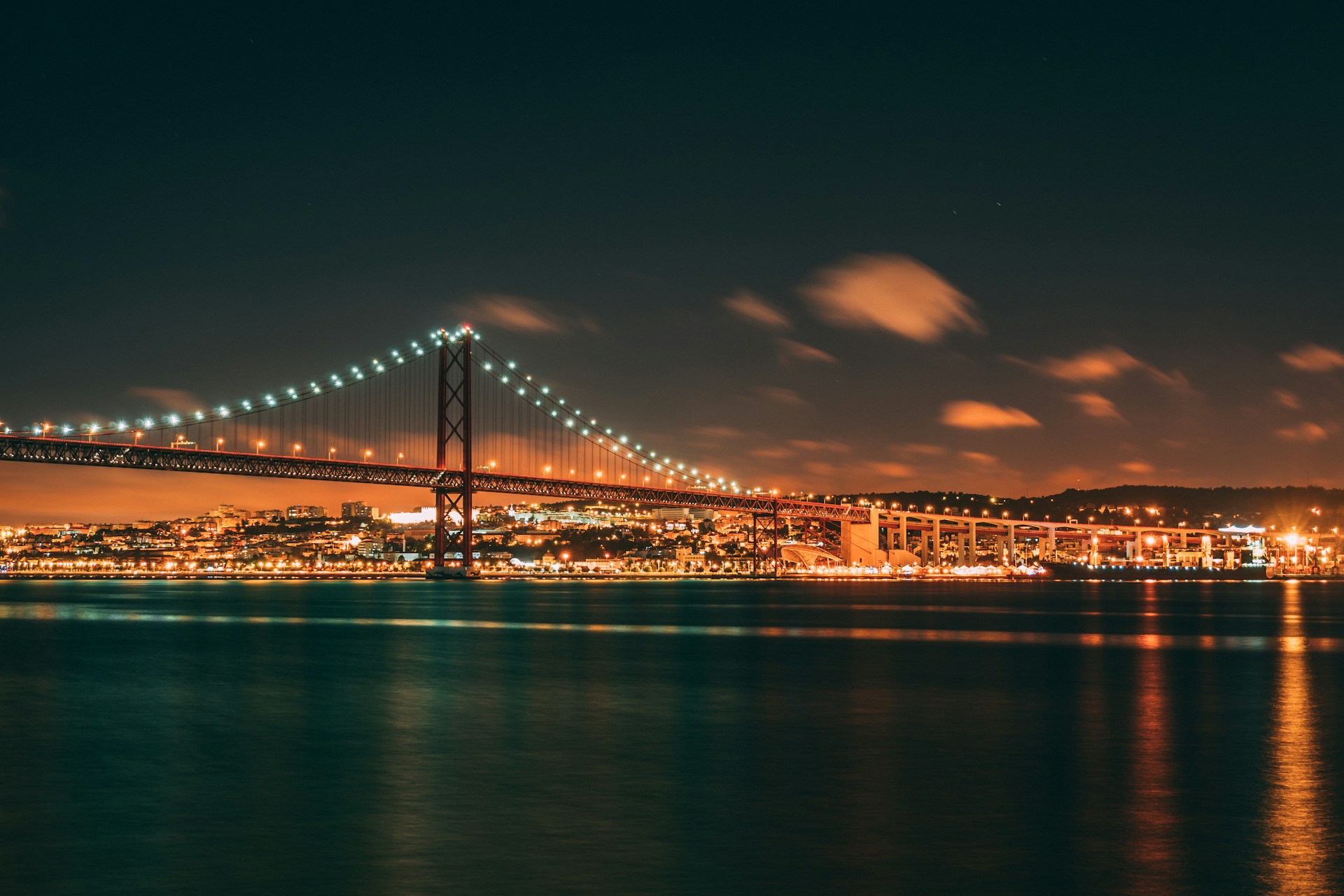
A genuine capital city nightlife scene
Bairro Alto's dense grid of small bars spills into the street most nights of the week, and Pink Street near Cais do Sodre has Lisbon's biggest concentration of clubs, running until sunrise on weekends. Add fado houses in Alfama for a quieter evening, and rooftop bars across the city for sunset cocktails over the Tagus, and Lisbon simply offers more, in more styles, across more nights of the week. This category isn't close.
🏆 Winner, NightlifeClimate & Best Time to Visit
Same seasonal pattern, different intensity. Average rainfall in mm by month, plus the verdict on each window.
Safety & Health
Both rank among the safer major cities in Western Europe. The risks are minor and worth knowing before you go.
Watch your pockets in busy zones and on Linha 1
Violent crime against tourists is rare. The genuine risks: pickpocketing in the most crowded tourist areas (Ribeira, Sao Bento station) and on the Linha 1 metro line connecting the airport to the centre, plus steep, sometimes uneven hillside streets near the river that get slick after rain. Standard city awareness, a closed bag, no valuables in back pockets, covers nearly everything you need to know.
Both safe overall
Watch your pockets on Tram 28 and the cobblestones
Violent crime against tourists is rare. The genuine risks: pickpocketing is well-documented on the famously crowded Tram 28 and in Alfama's narrow alleys, and the steep cobblestoned streets across the city become genuinely slippery in the rain (local lore holds that fear of falling is older residents' top concern). Bring grippy shoes. Petty theft aside, Lisbon is a comfortable city to walk at night in the main tourist districts.
Both safe overallPros & Cons of Each City
No fluff, no marketing copy. The realistic upsides and downsides of choosing each.
- 15 to 25% cheaper than Lisbon across almost every category
- The Douro Valley and port wine cellars are right on the doorstep
- Compact and walkable, two to three days covers the highlights
- Sao Bento station's azulejo tiles are free and genuinely spectacular
- Less crowded and over-touristed than central Lisbon
- Excellent value for food, especially francesinha and seafood
- A short, scenic train ride from Lisbon (under 3 hours)
- Fewer marquee landmarks than the capital
- Rains more often, across more months of the year
- Smaller, quieter nightlife scene
- Fewer direct international flight connections than Lisbon
- No equivalent day trip to something like Sintra
- Some steep hills near the riverfront
- More landmarks and a wider range of neighbourhoods to explore
- Sintra's palaces are an unmissable day trip thirty minutes away
- Genuine capital city nightlife, from fado bars to late clubs
- Drier, sunnier summers with a Mediterranean-leaning climate
- More direct international flight connections
- A faster-growing, more cosmopolitan restaurant scene
- Easy onward day trips (Cascais, Costa da Caparica beaches)
- 15 to 25% more expensive than Porto, mostly in accommodation
- Bigger, busier, and more spread out
- Steep cobblestoned streets get genuinely slippery in the rain
- Bairro Alto and Chiado have become tourist-heavy
- Pickpocketing risk on Tram 28 and in Alfama is real
- Less wine culture than Porto, fado aside
Combined 7-Day Lisbon & Porto Itinerary
Still torn? Don't choose. A fast, scenic train link makes combining both cities the easiest two-for-one in Europe. Here's how to do it.
Days 1 to 2 · Alfama, Baixa and Bairro Alto, Lisbon
Fly into Humberto Delgado Airport (LIS). Spend two nights exploring Alfama on foot, riding Tram 28 (early morning to avoid crowds), visiting Sao Jorge Castle for the skyline view, and walking the grid of Baixa down to the river. Evenings in Bairro Alto for bar-hopping or a fado house in Alfama for something quieter.
Day 3 · Belem district
A full day in Belem: the Tower of Belem, the Jeronimos Monastery, and a pastel de nata at the original Pasteis de Belem bakery (expect a queue, it moves fast). The MAAT museum and the riverside promenade make a pleasant way to close out the afternoon.
Day 4 · Sintra and Cascais day trip
Take the train from Rossio station to Sintra (about 40 minutes) to see the Pena Palace and Quinta da Regaleira. If time allows, continue to the coastal town of Cascais for lunch by the sea before heading back to Lisbon.
Day 5 · Train to Porto, Ribeira and Vila Nova de Gaia
Take the Alfa Pendular train from Lisbon's Santa Apolonia or Oriente station to Porto Campanha, about 2 hours 45 minutes (book a few weeks ahead for fares from around €10 to €25). Settle into the Ribeira riverfront in the afternoon, then cross the Dom Luis I Bridge to Vila Nova de Gaia for a port wine cellar tour and tasting at sunset.
Day 6 · Douro Valley wine day trip
The single most worthwhile Porto day trip. Join a small group tour or take the train to Pinhao for terraced vineyard views, a winery lunch, and (if your dates allow) a short river cruise along the Douro. Go in late spring or early autumn for the best light on the hillsides.
Day 7 · Foz do Douro and departure
Spend your final morning walking from Ribeira out to Foz do Douro, where the river meets the Atlantic, a quieter, more residential stretch with good seafood lunch spots. Fly home from Porto's Francisco Sa Carneiro Airport (OPO), or take the metro line straight there.
So, Porto or Lisbon?
The honest answer: Lisbon wins overall, but only by a narrow margin, and Porto wins decisively on value and wine. Here's the definitive breakdown.
Porto is the right choice for travellers who want a focused, slower trip built around food, wine, and a manageable city centre, without paying capital city prices.
- Wine and the Douro Valley are a priority
- Budget matters and value is a priority
- You want a short trip (2 to 3 days is plenty)
- You prefer a calmer, less touristy atmosphere
- You've already seen Lisbon and want something different
- You're visiting June to August for the driest window
Lisbon is the right choice for first-time visitors to Portugal, or anyone who wants more landmarks, more nightlife, and an easy day trip to Sintra.
- This is your first trip to Portugal
- You want a wide range of landmarks and neighbourhoods
- A Sintra day trip is on your list
- Nightlife variety matters to you
- You want a drier, more reliably sunny summer
- You're staying 4+ days and want enough to fill them
Find Your Perfect Stay
Porto vs Lisbon, FAQ
The questions people actually ask when choosing between these two Portuguese cities.
Related Comparisons
Still deciding? These comparisons might also help.