
What You're Actually Getting Into
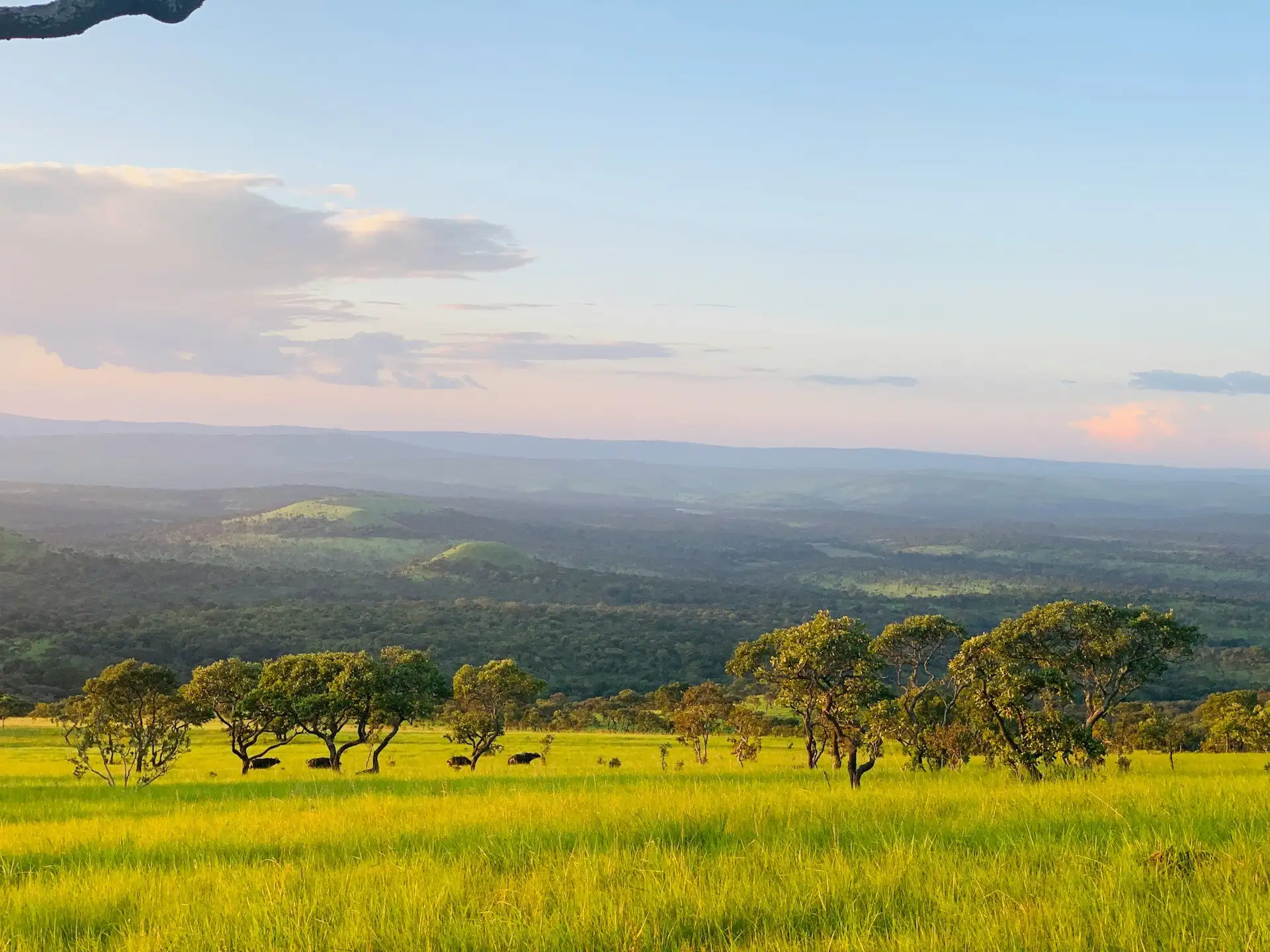
Burundi is one of Africa's smallest and most densely populated countries, a nation of steep green hills folded around the northeastern tip of Lake Tanganyika. For most of the last century it shared a colonial history, a monarchy, and a Hutu-Tutsi-Twa social structure with neighboring Rwanda, and it shares Rwanda's tragic modern history too: a 1972 mass killing, a 1993-2005 civil war that killed an estimated 300,000 people, and a 2015 political crisis that sent hundreds of thousands fleeing across the borders it still hasn't fully recovered from. Tourism here is genuinely small-scale. There is no polished circuit, no well-worn backpacker trail, and outside Bujumbura the infrastructure that exists elsewhere in East Africa for independent travelers largely does not.
What Burundi does have is real: a lake so deep and clear that cichlid fish are visible around swimmers' ankles a few meters from Bujumbura's beaches, a royal drumming tradition old enough that UNESCO recognized it as intangible cultural heritage in 2014, and a genuine, unhurried warmth from people who see very few foreign visitors and are, by most accounts, glad when one shows up with some Kirundi or French and obvious respect for the place. This guide is written for the traveler who wants that experience with eyes open, not for anyone looking for a reason to ignore the current advisory.
The honest complications
The US State Department currently rates Burundi Level 3, Reconsider Travel, citing the possibility of political violence, common crime including carjacking, home invasion and armed robbery, and health system limitations. Specific areas are rated Level 4, Do Not Travel: the former Central Market on Chaussée Prince Louis Rwagasore in Bujumbura, Cibitoke and Bubanza provinces near the DR Congo border, and Kibira National Park, where armed groups exploit the porous frontier. Police and military checkpoints are common countrywide and can restrict movement without much notice, and grenade attacks, while not frequent, have occurred at public gathering points including transit stations in past years.
None of this means Burundi is closed to travelers. It means the responsible way to visit is with a reputable local guide or tour operator who tracks the current situation day to day, a plan that keeps you out of the specifically flagged zones, avoidance of travel after dark outside your hotel district, and a realistic expectation that this is not a country for spontaneous independent backpacking the way Rwanda or Uganda next door might be. Read the full Safety chapter before you book anything, and check travel.state.gov yourself: advisories shift, and this page reflects July 2026 research, not a live feed.
A History Worth Knowing
Burundi was a centralized kingdom under a Mwami (king) for several centuries before Germany, then Belgium, folded it into the joint territory of Ruanda-Urundi. Independence in 1962 came after the assassination of the man who won it, and the six decades since have alternated between coups, one of Africa's deadliest civil wars, and fragile peace, with a 2015 political crisis still shaping the country a decade on. Knowing this history is not optional background reading here: it explains the checkpoints, the advisory, and why some subjects are best left for your guide to raise, not you.
- Pre-1962
The Kingdom of Burundi. A centralized monarchy under the Mwami, seated at Gitega, with the royal drums (Karyenda) as sacred symbols of kingship dating to at least the 17th century.
- 1899-1962
German, then Belgian rule. Administered jointly with Rwanda as Ruanda-Urundi, first by Germany, then by Belgium under a League of Nations and later UN mandate.
- 1961-1962
Independence, and an assassination. Prince Louis Rwagasore leads UPRONA to victory in 1961 elections and is assassinated that October. Burundi becomes independent on 1 July 1962 as a constitutional monarchy.
- 1965-1966
The monarchy falls. A failed Hutu coup attempt in 1965 triggers reprisal killings of Hutu politicians. King Mwambutsa IV is deposed by his son in 1966, who is himself deposed months later by Prime Minister Michel Micombero, ending the monarchy and founding a republic.
- 1972
Mass killings. Hutu-led attacks on Tutsi are met with sweeping military reprisals; estimates for the combined death toll exceed 100,000, overwhelmingly Hutu victims.
- 1993-2005
Civil war. Burundi's first democratically elected president, Melchior Ndadaye, is assassinated in an attempted coup weeks after taking office in 1993, igniting a civil war that kills an estimated 300,000 people before ending with Pierre Nkurunziza's 2005 inauguration under the Arusha peace framework.
- 2015
Political crisis. Nkurunziza's disputed bid for a third term triggers a failed coup, deadly unrest, and the flight of several hundred thousand Burundians to neighboring countries.
- 2018-2020
New capital, new president. Legislation names Gitega the political capital in 2019, restoring its historic royal status; Nkurunziza dies in June 2020 and Évariste Ndayishimiye becomes president.
Read the full history: the kingdom, colonial ethnic policy, and the road to today
Before colonization, Hutu, Tutsi and Twa were largely social and occupational categories, not rigid ethnic blocs, within a shared Kirundi-speaking culture under the Mwami's court. Belgian indirect rule hardened these categories into fixed, identity-card-registered ethnic groups and favored Tutsi elites for colonial administration, a policy that, as in neighboring Rwanda, laid the groundwork for the violence that followed independence. This context matters for understanding the country without reducing its people to the conflict; it is not, and was not, a simple two-side ethnic war so much as a series of political struggles for power that repeatedly organized themselves along the ethnic lines colonial policy had entrenched.
The 1993-2005 civil war formally ended with the Arusha Peace and Reconciliation Agreement framework and Pierre Nkurunziza's 2005 inauguration, and for a decade Burundi was cautiously cited as a post-conflict success story. The 2015 crisis, triggered by Nkurunziza's pursuit of a constitutionally contested third term, undid much of that: a failed coup, street violence, mass arrests, and an exodus of refugees to Rwanda, Tanzania and DR Congo that Burundi is still working through the aftermath of. Nkurunziza died in June 2020, days before he was due to hand over to his elected successor, Évariste Ndayishimiye, who has since pursued a more open foreign policy, including chairing the African Union from February 2026.
The royal drums. The Karyenda, sacred royal drums, were historically reserved for coronations, royal funerals and major state occasions, and only played by men from specific lineages. The Gishora Drum Sanctuary near Gitega, founded in 1903 under King Gisabo Mwezi IV, preserves the tradition; UNESCO added the ritual dance of the royal drum to its Representative List of Intangible Cultural Heritage in 2014. A 2017 presidential decree restricted drum performance to male performers.
Where You Can Actually Go
Burundi's realistic visitor map is smaller than the country itself, and that's by design given the current advisory: this guide covers the lakeshore, the drumming and museum sites around Gitega in the center, one wildlife day trip, and the waterfalls and Nile source in the south, all reachable from Bujumbura without entering a flagged zone. Kibira National Park, in the northwest, is deliberately not covered as a destination below: it currently carries a Level 4, Do Not Travel rating from the US State Department, and this guide won't route you there.
Bujumbura, on Lake Tanganyika's shore
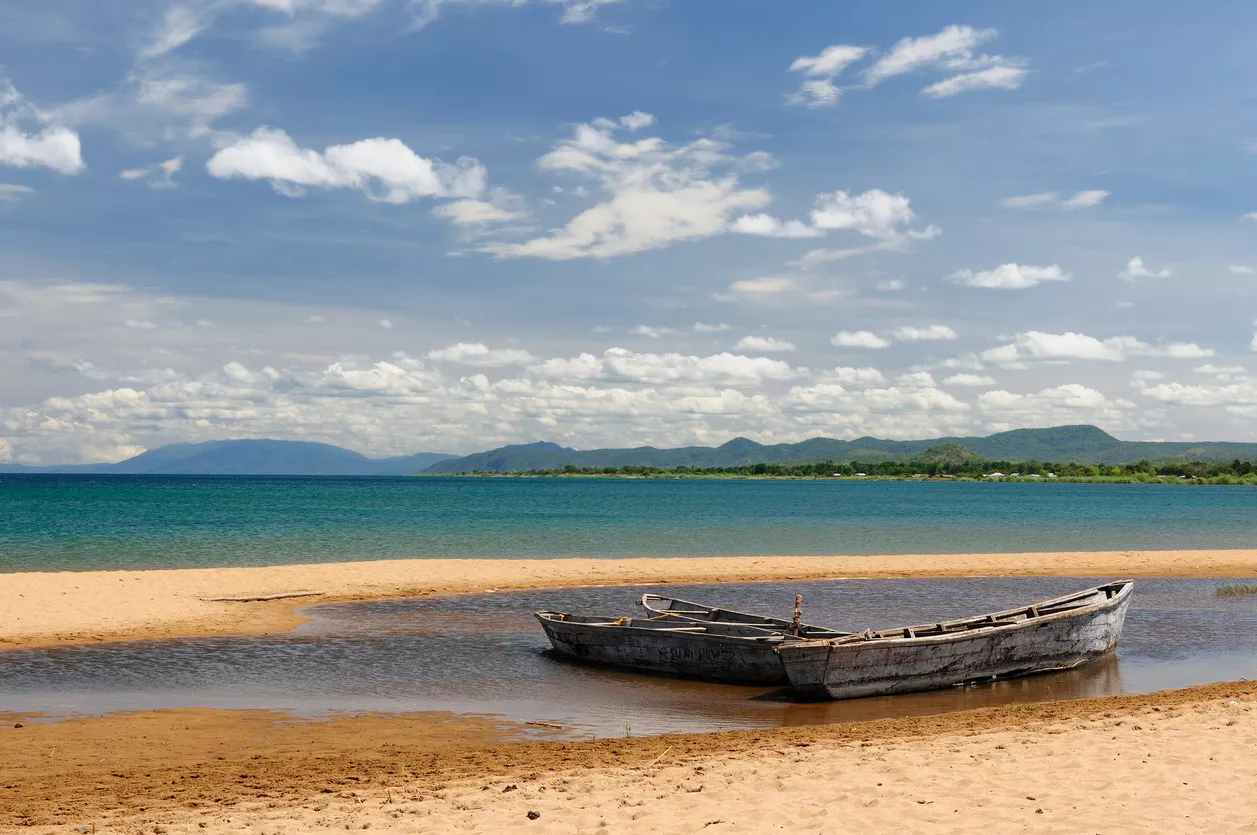
Burundi's largest city and economic capital is where nearly every trip starts and, realistically, spends most of its time: the airport, the hotels, the restaurants and the lakefront beaches are all here. Bujumbura sits at the base of steep green mountains on the lake's northeastern tip, and the combination of water and hills gives it a setting that punches well above its modest size. See the full Bujumbura city guide for neighborhoods, hotels, restaurants and a proper itinerary.
Gitega, the political and royal capital
Gitega became Burundi's official political capital in 2019, restoring the historic seat of the Mwami's court to national prominence, though Bujumbura remains the larger and more visited city. The main draw for travelers is the National Museum of Gitega, founded in 1955, Burundi's largest public museum, with a single-room collection of royal regalia and ethnographic objects from the court of the Burundian monarchy. Close by, the Gishora Drum Sanctuary preserves the Karyenda royal drum tradition; watching the Royal Drummers perform, dozen or so drums arranged in a semicircle around a central drum, with dancers leaping and spinning to the rhythm, is one of the most distinctive cultural experiences in the Great Lakes region. Gitega is roughly a two-hour drive east of Bujumbura on a paved road; most visitors do it as a long day trip rather than an overnight.
Rusizi National Park
A short drive north of Bujumbura, where the Rusizi River fans into a delta before entering Lake Tanganyika, Rusizi National Park is the easiest wildlife encounter in the country: boat safaris through the delta's channels put you close to hippos, Nile crocodiles and a strong variety of waterbirds, all in a half-day trip that fits comfortably around a Bujumbura base. It's a modest park by East African safari standards, but it's close, straightforward to arrange through a Bujumbura tour operator, and doesn't require the days of driving that Burundi's more remote landscapes do.
Karera Waterfalls & the source of the Nile
Southeastern Burundi holds two sites usually visited together on a long day trip from Bujumbura: the Chutes de la Karera, a series of six waterfall branches spread across roughly 142 hectares near Rutana, and, further south near Rutovu, the monument marking the southernmost source of the Nile, a pyramid erected in 1938 at one of the river's most remote headwaters, some 120 kilometers from Bujumbura. Neither site has much in the way of formal infrastructure, so this is a trip to arrange with a driver-guide rather than attempt independently, and it's a full day given the distance and road conditions.
Culture & Etiquette
Burundian culture centers on umuco, custom and propriety, and on respect for elders and community structures that predate the state itself, including ubushingantahe, a traditional council of respected elder mediators still consulted informally in disputes. The drumming tradition carries real weight: the Karyenda were sacred royal instruments, not folk entertainment, and performances today still carry some of that gravity. Kirundi is the heart language for most Burundians regardless of region or background, and a few words go a long way with people who rarely hear a foreign visitor attempt them.
Do
- Learn a few Kirundi words. Amahoro (peace, used as hello), Murakoze (thank you), and Ego/Oya (yes/no) open doors that French alone doesn't.
- Hire a licensed local guide for anything outside central Bujumbura. Not a suggestion given the current advisory, essentially a requirement for a responsible trip.
- Keep your passport and visa documentation on you at all times. Checkpoints are common and can appear with little warning.
- Dress modestly and greet elders first. Age and status carry real social weight; a warm, unhurried greeting matters more than it might elsewhere.
- Ask before photographing people, ceremonies or drumming performances. A request is nearly always granted; skipping it is not well received.
Don't
- Photograph checkpoints, military or police personnel, or government buildings. This can escalate quickly and is not worth the risk.
- Raise the 1972 or 1993-2005 events casually. Both remain within living memory and personally painful for many Burundians; let a local friend or guide set the tone if the subject comes up.
- Travel after dark outside your hotel district, including in Bujumbura. This is standard guidance from multiple government advisories, not an overcaution.
- Assume cards work. Burundi is largely a cash economy outside the top hotels; carry Burundian francs for daily spending.
- Wander into the former Central Market area on Chaussée Prince Louis Rwagasore in Bujumbura. It is currently flagged Level 4, Do Not Travel, specifically for violent crime.
Deeper culture: ubushingantahe, Kirundi, and the drumming taboo
Ubushingantahe. A traditional institution of respected elder mediators (abashingantahe) who resolve community disputes outside the formal court system, rooted in pre-colonial governance and still informally influential, particularly in rural areas.
Kirundi. A tonal Bantu language closely related to Rwanda's Kinyarwanda, spoken by nearly the entire population regardless of Hutu, Tutsi or Twa background; it is the genuine common thread of Burundian identity, alongside French from the colonial period and English, added as a third official language in 2014.
The drumming taboo. The Karyenda were historically played only by men from specific lineages tied to the royal court, at coronations, royal funerals and major state events. A 2017 presidential decree formally restricted drum performance to male performers, reflecting how seriously the tradition's rules are still treated.
Food & Drink
Burundian food is simple, filling, and built around what the hills and the lake produce: beans, plantains, cassava and cornmeal from the highlands, small dried fish from Lake Tanganyika, and grilled meat wherever charcoal and a roadside stall meet. It is not a food-tourism destination in the way Ethiopia or Senegal are, but it is honest, cheap, and, at a good brochette stall, genuinely good.
Brochettes $1-3
Skewered, marinated beef, goat or chicken grilled over open charcoal at roadside stalls across Bujumbura. The default street food and, for most visitors, the single best cheap meal in the country.
Sima & Ibiharage
Sima (also called ugali), a stiff cornmeal or cassava porridge, served with ibiharage, beans cooked down with onion, tomato and palm oil, is the everyday plate across most of the country, often with ibitoke (plantains) alongside.
Ndagala & Mukeke $2-5
Lake Tanganyika's small pelagic fish: ndagala, tiny sardine-like fish dried and fried whole, and mukeke, another small dried lake fish fried crispy. Both are a genuine taste of the lake and turn up at markets and simple restaurants alike.
Primus ~$1-2
Burundi's most common commercial lager, found in bars and restaurants nationwide. In villages, sorghum or banana beer often stands in instead.
Urwarwa
Traditional fermented banana beer, made from mashed plantains, with real cultural weight at social gatherings and rituals in rural Burundi. Worth trying if a guide or host offers it, less commonly found in city restaurants.
Burundian coffee
Grown in the hills and genuinely well regarded internationally, though most of the crop is exported rather than consumed locally. A handful of Bujumbura cafes serve it properly; ask your hotel for a recommendation.
When to Go & Getting There
June to August is Burundi's long dry season and the easiest window for travel: minimal rain, clear skies over Lake Tanganyika, and passable rural roads. December and January form a shorter, secondary dry season. The two rainy seasons, February to May (the heavier of the two) and September to November, bring downpours that can make unpaved roads outside Bujumbura genuinely difficult, on top of the everyday planning caution the current advisory already calls for.
Seasons compared, with temperatures
| Season | Verdict | Temps (Bujumbura) | Notes |
|---|---|---|---|
| Jun-Aug | Best | ~20-27°C | Long dry season; clearest lake conditions; July is driest |
| Dec-Jan | Good | ~21-28°C | Short dry season; markets and museums without rain interruptions |
| Sep-Nov | Fair | ~20-27°C | Short rains; lighter than the Feb-May season |
| Feb-May | Avoid if possible | ~20-26°C | Main rainy season; rural roads can become difficult |
Bujumbura's lakeside setting keeps temperatures mild and fairly stable year-round, roughly 20-28°C; the interior highlands run several degrees cooler.
Getting there & around
Melchior Ndadaye International Airport (BJM) in Bujumbura is Burundi's only real international gateway. There are no direct flights from the US or most of Europe: Brussels Airlines runs a limited direct service from Brussels (roughly 8.5 hours, a couple of times a week), while RwandAir via Kigali, Ethiopian Airlines via Addis Ababa, Kenya Airways via Nairobi and Uganda Airlines via Entebbe all offer practical connecting routes from further afield. Land borders with Rwanda, Tanzania and DR Congo exist but are not recommended for casual crossing given the current security picture, particularly the DR Congo border.
Getting around inside Burundi
Within Bujumbura, hotel transfers and pre-arranged drivers are the standard and recommended way to move around, day or night. For trips outside the capital, a private driver-guide booked through a reputable Bujumbura tour operator is the practical choice: public minibuses exist on main routes but are not set up for independent foreign travelers, road conditions vary sharply by season, and a driver who knows the current checkpoint and security situation is worth far more than the money saved self-driving.
Practical prep: arrange an eSIM or a local SIM at the airport before you rely on maps or messaging outside hotel wifi; download offline maps in advance since signal is patchy outside Bujumbura. Standard travel insurance is essential, and given the health-system limitations noted in the current advisory, confirm your policy includes medical evacuation coverage.
Where to stay
Bujumbura
The airport, the hotels, the restaurants and the lakefront are all here, and given the current advisory this is realistically where most of a trip is spent, with day trips out and back. See the full Bujumbura city guide for specific hotel and restaurant picks by neighborhood.
Gitega
Burundi's political capital has limited tourist accommodation and is best visited as a long day trip from Bujumbura rather than an overnight stop, given both the thin hotel infrastructure and the two-hour return drive.
Budget Planning
Burundi is inexpensive by almost any measure: street food and local guesthouses cost a fraction of neighboring Rwanda or Kenya. The real budget variable isn't daily spending, it's the cost of a reliable driver-guide for anything outside Bujumbura, which given the current advisory is worth building into your trip cost rather than trying to avoid.
- Simple guesthouse in Bujumbura
- Brochettes and market meals
- Shared or hotel-arranged transport
- Beach time at Saga or Bora Bora (no entry fee)
- Good hotel (Roca Golf, New Agena or similar)
- Restaurant meals with fresh lake fish
- Private driver-guide for day trips
- Rusizi National Park boat safari
- Hotel Club du Lac Tanganyika or equivalent
- Private guide for the full trip
- Gitega, Rusizi and the south as guided day trips
- Medical evacuation-inclusive insurance
Currency and exchange rates: what to actually expect
The Burundian franc (BIF) has a genuinely complicated exchange situation. The official bank rate in 2026 has hovered around 2,900-3,000 BIF per US dollar, but a persistent parallel market has historically traded significantly higher, sometimes at close to a 50-60% premium over the official rate, reflecting a longstanding foreign currency shortage. This isn't a gap worth chasing informally: use bank ATMs and official exchange counters, and treat any street offer of a dramatically better rate as a red flag rather than a deal. Check a live rate before you travel rather than relying on any figure printed here, since it moves.
Prices reflect July 2026 research and drift over time, especially given currency volatility. Treat them as a planning baseline, not a quote.
Visa & Entry
Most nationalities need a visa for Burundi, available either as an e-visa applied for online in advance or on arrival at Melchior Ndadaye International Airport in Bujumbura, both covering stays of up to 90 days. Citizens of DR Congo, Kenya, Rwanda, South Sudan, Tanzania and Uganda, Burundi's East African Community neighbors, enter visa-free for up to 90 days. Requirements do change; the Burundian immigration authorities are the authoritative source, not third-party paid visa sites that rank well in search.
✓ Valid passport
At least 6 months validity from date of entry, with at least two blank pages for stamps.
✓ Yellow fever certificate
Mandatory for all travelers aged 9 months and older, checked alongside your visa at the border. Vaccinate at least 10 days before arrival.
✓ Visa fee in cash
If applying on arrival, carry the exact fee in cash (USD is generally accepted) and bring two printed copies of any pre-approved e-visa, one for entry and one for exit.
✓ Accommodation details
Have your first night's address ready at immigration; hotels register foreign guests.
| Burundi | Rwanda | |
|---|---|---|
| Current advisory | Level 3, Reconsider Travel, with specific no-go zones | Generally Level 2, Exercise Increased Caution |
| Tourism infrastructure | Thin; a local guide is essential | Well developed, especially around Kigali and Volcanoes NP |
| Signature draw | Lake Tanganyika beaches and the royal drums | Mountain gorilla trekking |
| Daily budget | $25-40 covers a lot | Noticeably higher, especially for gorilla permits |
| Shared history | Same colonial and ethnic history as Rwanda, different modern trajectory | Faster post-conflict recovery and stability since the 1990s |
Safety, Solo Women & Family
The US State Department currently rates Burundi Level 3, Reconsider Travel, citing the possibility of political violence, common violent crime including assault, carjacking, home invasion and armed robbery, and limited health infrastructure. This is a genuinely different safety picture from Burundi's more visited neighbors, and this guide treats it that way rather than downplaying it for the sake of a better story.
Do Not Travel zones
Level 4, Do Not Travel: Bujumbura's former Central Market on Chaussée Prince Louis Rwagasore, Cibitoke and Bubanza provinces, and Kibira National Park, due to armed groups near the DR Congo border.
Checkpoints
Police and military checkpoints are common nationwide, including in Bujumbura, and can restrict movement. Stay calm, keep documentation accessible, and follow a local guide's lead.
Movement after dark
Avoid walking or using local public transport after dusk, essentially everywhere, including within Bujumbura. Use a hotel-arranged or pre-booked driver instead.
What else the current advisory flags
Grenade attacks and public gathering points. While not frequent, grenade attacks have occurred at public locations including transit stations in past years; heightened caution at crowded markets, bus stations and political gatherings is warranted.
Health system limitations. Medical facilities outside a small number of private hospitals in Bujumbura are limited, and serious injuries or illness may require evacuation. Confirm your travel insurance includes medical evacuation before you go.
This page is a snapshot, not a live feed. Advisories and specific flagged zones change. Check travel.state.gov or your own government's equivalent directly before finalizing any trip, and again a few days before departure.
Solo women travelers
Given the current advisory and thin independent-travel infrastructure, solo female travel in Burundi calls for real precautions rather than the standard urban-awareness advice that applies in more established destinations. A vetted local guide or tour operator for anything beyond central Bujumbura is essential, not optional; avoid walking anywhere after dark, including short hotel-to-restaurant distances; and keep a trusted contact informed of your daily plans. This is not a solo backpacking destination in the way Rwanda or Tanzania can be; treat it as a guided trip.
Emergency numbers
Hospitals and embassy contact in Bujumbura
There is no dependable public ambulance system; for a genuine emergency, contacting a private hospital or your hotel directly is usually faster than calling 117 or 112. Kira Hospital in Bujumbura's Kinindo area is the most commonly recommended private facility for foreign visitors: main line +257 22 255 000, ambulance +257 71 610 610.
- US Embassy Bujumbura
- +257 22 207 000
- US Embassy, after hours
- +257 22 207 318
Most other Western nations do not maintain a resident embassy in Bujumbura and route consular services through Kigali, Nairobi or Dar es Salaam; check your own government's guidance before travel.
Family travel
Given the current advisory, this guide does not recommend Burundi as a family destination at this time. Families set on including it as part of a wider East Africa trip should treat it the same way as any Level 3 destination: a guided, tightly planned visit rather than independent exploration, with particular caution around the flagged Level 4 zones and no travel after dark.
Burundi FAQ
Is Burundi safe to visit?
The US State Department currently rates Burundi Level 3, Reconsider Travel, for political violence and crime, with specific Level 4 Do Not Travel zones including Bujumbura's former Central Market, Cibitoke and Bubanza provinces, and Kibira National Park. Travel elsewhere in the country is possible with real precautions, a local guide, and honest awareness of the current advisory.
Do I need a visa for Burundi?
Most nationalities need a visa, available as an e-visa online or on arrival at Bujumbura's Melchior Ndadaye International Airport, for stays up to 90 days. A passport valid at least 6 months and a yellow fever vaccination certificate are required. Citizens of DR Congo, Kenya, Rwanda, South Sudan, Tanzania and Uganda enter visa-free.
What is the capital of Burundi?
Gitega has been Burundi's official political capital since 2019, but Bujumbura remains the largest city, the economic capital, and the city almost every visitor actually arrives in and bases themselves in.
How much does Burundi cost per day?
Budget travelers manage on roughly $25-40 a day covering a simple guesthouse, local meals and shared transport. Mid-range comfort with a good hotel, restaurant meals and a private driver runs $70-130 a day.
What is the best time to visit Burundi?
June to August, the long dry season, is best: minimal rain, clear skies over Lake Tanganyika, and the easiest roads. December and January form a shorter dry window. The rainy seasons, February to May and September to November, bring heavier downpours and rougher rural roads.
What language is spoken in Burundi?
Kirundi and French are the historic official languages; English was added as a third official language in 2014. Swahili is widely used for trade in Bujumbura. French and some English are common in hotels and with guides; Kirundi is essential in rural areas.
Is Burundi safe for solo female travelers?
Given the current Level 3 advisory and limited tourism infrastructure, solo female travel in Burundi requires real caution: a vetted local guide or tour operator for anything outside central Bujumbura, no travel after dark outside main hotel districts, and constant awareness of checkpoints and current advisory zones.
Can I visit Kibira National Park?
The US State Department currently lists Kibira National Park as Level 4, Do Not Travel, due to armed groups exploiting the porous DR Congo border. This guide does not recommend visiting Kibira until that changes; check the current advisory before planning around it.
What is Lake Tanganyika?
Lake Tanganyika is the world's second-deepest and second-largest freshwater lake by volume, shared by Burundi, DR Congo, Tanzania and Zambia. Bujumbura sits on its northeastern shore, with beaches, boat trips and hundreds of unique cichlid fish species visible in the clear water near shore.
Do I need a yellow fever vaccine for Burundi?
Yes. A yellow fever vaccination certificate is mandatory for all travelers aged 9 months and older entering Burundi, and is checked at the border alongside your visa. Get vaccinated at least 10 days before arrival.
What Stays With You
Burundi is not a country to visit on impulse, and this guide hasn't tried to talk you into pretending otherwise. But for a traveler willing to plan properly, work with a good local guide, and stay inside the boundaries the current advisory actually draws, what's left is genuinely worth the effort: a lake clear enough to watch fish swim past your ankles at sunset, a drumming tradition that once announced the death of kings still performed a few dozen meters from where it was born, and a country whose people, having lived through as much as Burundi's have, tend to notice and appreciate a visitor who showed up anyway, carefully, and with respect.
Go with a plan, go with a guide, and check the advisory again the week before you fly.