
Taiwan Travel Scams
A friendly "art student" invites you to a tea ceremony that ends in a USD 300 bill. A jewellery shop swears the jade is real. Taiwan is one of Asia's safest, most honest destinations, but a few classic traps persist. Here's every one, with real prices.
Taiwan Scam Overview 2026
Taiwan receives a large and growing number of international visitors drawn to Taipei's night markets, hot springs, mountain scenery, and a food culture that rivals anywhere in Asia. Because the country is so safe and welcoming overall, the scams that have developed here are notably social rather than aggressive: they rely on warmth, friendliness, and a genuine cultural openness to strangers that bad actors occasionally exploit, most famously through the long-running "tea ceremony" scam targeting solo tourists near tourist landmarks.
Beyond that single well-known pattern, Taiwan's tourist friction is mostly the standard regional staples: a jade or jewellery shop that oversells a stone's value, the occasional overpriced souvenir at a night market electronics stall, and rare taxi overcharging near the airport or tourist hotels. None of it is dangerous, and almost all of it is avoidable with a little awareness.
Among the lowest violent crime rates against tourists anywhere in Asia.
The single most reported Taiwan tourist scam, targeting solo travelers near landmarks. Well documented and easy to avoid once recognised.
Mostly relevant if a guide or driver steers you to a specific shop. Easily avoided by buying independently.
Rare; Taipei taxis are metered and generally reliable. Occasional issues near the airport with unlicensed drivers.
Taiwan at a Glance
The Tea Ceremony Scam
This is Taiwan's signature tourist scam and the one worth understanding in detail, because it relies entirely on the genuine warmth and curiosity that makes Taiwan such a pleasant place to visit, which is exactly what makes it effective.
🍵 The "Art Student" Tea Ceremony Invitation
A friendly, often well-dressed young person, frequently presenting as an art or design student, approaches a solo tourist near a temple, museum, or tourist landmark and starts a warm, easy conversation: where are you from, do you want to practice English together, have you tried real Taiwanese tea culture. After a genuinely pleasant chat, they suggest continuing it at a specific nearby teahouse for a "traditional tea ceremony" experience. The venue is a private, unlicensed setup rather than a real teahouse. After tasting a series of teas and snacks, often presented with elaborate ceremony, the bill arrives: several hundred US dollars, sometimes more, with each small cup and snack itemised at a wildly inflated price. The "student" and the venue split the proceeds.
Enjoying a spontaneous conversation with a friendly local is one of the genuine pleasures of travel, and it's fine to have one. The signal to watch for is the suggestion to go somewhere specific, particularly a venue with no visible signage, posted prices, or other customers. If invited to a tea ceremony, suggest a well-known, signed teahouse you choose yourself (Taipei has many excellent legitimate ones), or simply decline the venue change entirely. Always ask to see a menu with prices before ordering anything at any unfamiliar venue, and don't be afraid to ask the price of each item as it's served if a menu wasn't shown upfront.
🖌️ Fake "Art Exhibition" and Calligraphy Invitations
A close variant: someone invites you to view their "graduation exhibition" of art or calligraphy nearby, with the same social build-up, ending in pressure to purchase an overpriced piece rather than an inflated tea bill.
The same rule applies: a pleasant conversation is fine, following a stranger to a specific venue they suggest is the point to decline.
Taipei Scams
💎 Jade & Gemstone Overselling
A small number of jewellery and jade shops, particularly those a tour guide, driver, or new acquaintance steers you toward, sell jade, gemstones, or jewellery at prices many times their real value. Treated or dyed stones of modest quality are sometimes presented as premium natural jade, occasionally with a fabricated or meaningless "certificate of authenticity" to add credibility.
Treat any guide or driver recommendation of a specific jewellery shop with caution; they likely receive a commission. For any significant purchase, ask for certification from a recognised independent gemological laboratory, not a certificate issued by the shop itself. The Jianguo Holiday Jade Market in Taipei has many independent vendors with far more competitive and transparent pricing than a single recommended shop.
🕊 Temple Donation Pressure
At a small number of temples, individuals (not always temple staff) approach tourists offering incense or a blessing and then request a specific, often substantial cash donation, implying it's required or customary.
Genuine temple donations are voluntary and there's no fixed required amount; donation boxes are clearly marked for those who wish to give. A polite decline to anyone pressuring a specific amount is entirely appropriate.
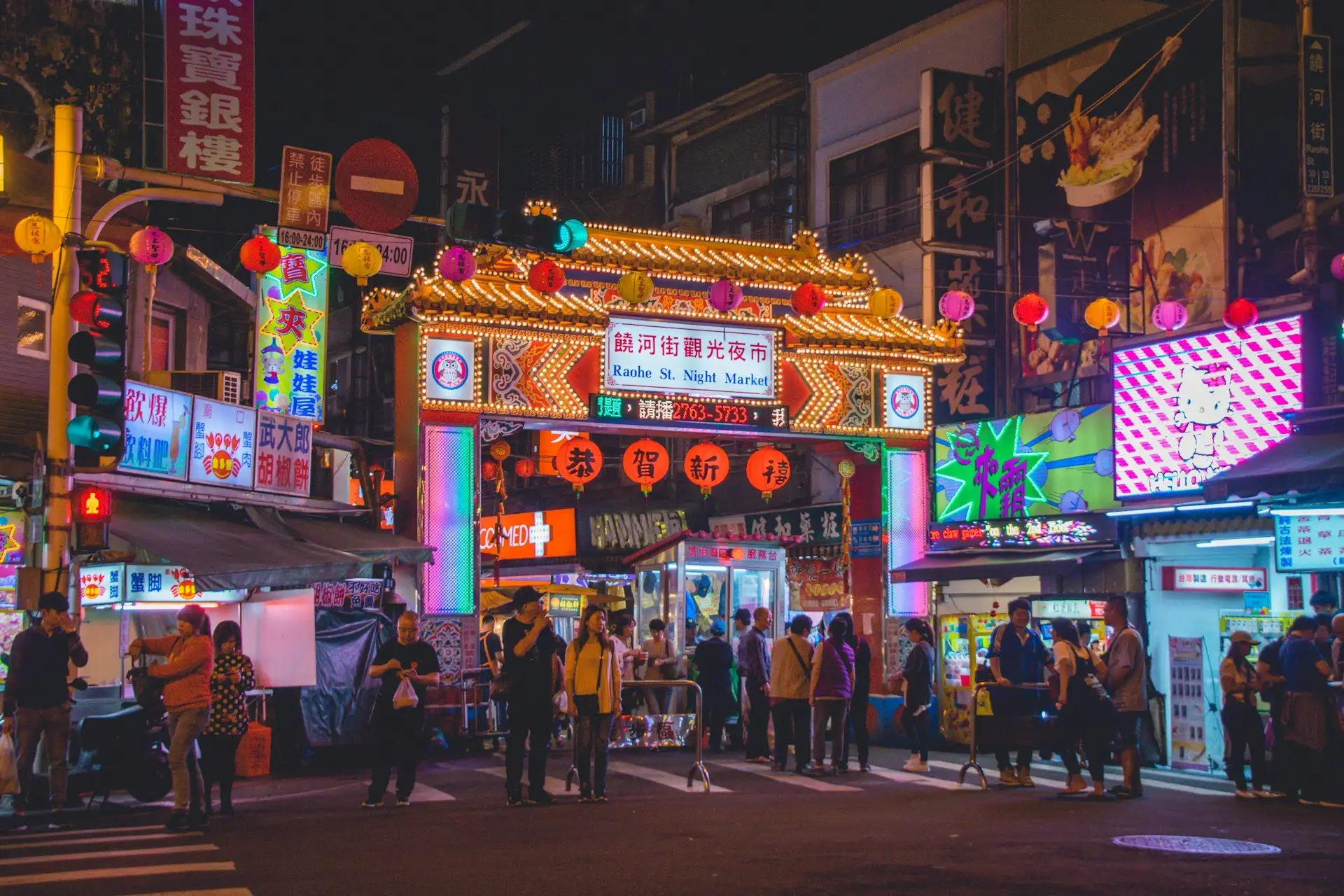
Night Market Scams
📱 Counterfeit Electronics & "Designer" Goods
A small number of non-food stalls sell counterfeit branded electronics accessories or "designer" goods at prices that seem like a bargain but reflect the item's true (low) quality rather than a genuine discount.
Be skeptical of branded goods at prices far below retail. For food, the vast majority of Taiwan's night market stalls are excellent value and entirely trustworthy; this issue is specific to non-food souvenir and electronics stalls.
Transport Scams & Traps
🚗 Unlicensed Driver Overcharging Near the Airport
A small number of unlicensed drivers approach arriving passengers offering rides at flat rates well above the metered taxi fare or the Airport MRT cost. This is uncommon in a country where official transport options are reliable and clearly signposted, but it does happen.
Use the official taxi rank or the Airport MRT, both clearly signposted at Taoyuan. Decline anyone who approaches you inside the terminal offering a ride.
What Things Should Cost
Taiwan Prices 2026
A Wise card works well across Taiwan's widely available ATMs and at most card terminals, with the real exchange rate and instant notifications.
Digital Scams
🌐 Fake Hot Spring & Tour Booking Sites
A small number of fraudulent websites mimic Jiufen, Sun Moon Lake, or hot spring resort booking pages, taking payment for accommodation or tours that don't materialise.
Book through Booking.com or directly via the venue's official website with verified recent reviews. Pay by credit card for chargeback protection on any significant prepayment.
Universal Prevention Guide
Choose the Venue Yourself
A friendly chat is fine. Following a stranger to a teahouse, exhibition, or shop they suggest is the moment to politely decline.
Be Wary of Recommended Jewellery Shops
Independent certification for any significant jade or gemstone purchase; the Jianguo Jade Market offers more competitive pricing than a single recommendation.
Use Official Airport Transport
The metered taxi rank or Airport MRT at Taoyuan, not anyone who approaches you inside the terminal.
Booking through GetYourGuide connects you with verified Taiwan tour operators for Taroko Gorge, Sun Moon Lake, and Taipei food tours, with transparent pricing.
Solo Women Travelers
Taiwan is widely considered one of Asia's best destinations for solo women travelers, with very low rates of harassment and a generally respectful, helpful public culture. The tea ceremony scam targets solo travelers of all genders, so the same awareness applies regardless. Late-night travel on Taipei's MRT and well-lit streets is normal and considered safe.
Reporting Scams in Taiwan
Step-by-step: What to Do if You're Scammed
Taiwan Is About as Safe as Travel Gets
Choose your own teahouse, get independent certification on any jade purchase, and use the official airport transport. Everything else is night markets, mountain trails, and one of the friendliest countries you'll ever visit.