
Somalia Travel Safety
There is no scam guide for Somalia. Every major government says don't go, including to Somaliland. Read this before anything else.
The Situation in Somalia, 2026
Al-Shabaab, a militant group linked to al-Qaeda, controls significant territory outside Somalia's major urban centres and has claimed responsibility for hundreds of attacks across the country in the past year alone. The group has repeatedly targeted Mogadishu's Aden Adde International Airport with rocket fire, including as recently as March 2026, specifically because of the concentration of foreigners there. A suicide bombing outside a Somali military base in Mogadishu killed 20 people in May 2025; a roadside bomb attempted to assassinate Somalia's president in March 2025; an attack on Mogadishu's Lido Beach in 2024 killed more than 50 people. Somalia's federal government exercises limited practical control beyond Mogadishu's city centre and a handful of regional capitals, and certain regions outside district centres are described as under near-complete armed-group control, with strict movement restrictions and taxation imposed on commercial traffic along key routes.
Beyond organized terrorism, kidnapping is one of the most consistently and explicitly named risks in every government advisory. Western nationals, including British citizens, have been kidnapped and in some cases killed. Criminal gangs and armed groups, including those operating off Somalia's coastline, target foreigners specifically for ransom. The risk is named as present throughout the country, including in regions bordering Kenya and Ethiopia and in Somaliland.
If you are reading this because you have a specific, genuine reason to be in Somalia, journalism (which carries explicitly elevated risk of kidnapping, murder, or arrest), humanitarian or UN-affiliated work, or a close personal or family connection, the only responsible approach is direct consultation with people who have current, ground-level security knowledge of your exact destination and organizational security support if any is available to you, combined with full awareness that your own government's ability to assist you if something goes wrong is, in every published assessment, severely and explicitly limited.
Al-Shabaab attacks occur across the country, including Mogadishu, with hundreds of incidents claimed in the past year and rocket fire at the main airport into 2026.
Western nationals have been kidnapped and in some cases killed. Risk is explicitly named as high throughout the country, not confined to conflict zones.
US staff cannot leave the Mogadishu airport compound. The UK has no in-person staff in Mogadishu or Hargeisa. Canada has no office in the country at all.
Present throughout the country, often unmarked, concentrated in areas where security forces are fighting al-Shabaab and ISIS-Somalia.
Somaliland: Different Profile, Same Bottom Line
⚠️ "Less Frequent" Is Not "Safe"
Somaliland, the self-declared autonomous region in Somalia's northwest, has experienced terrorist attacks less frequently than south-central Somalia and Mogadishu specifically, and some travelers and operators point to this as evidence it functions differently from the rest of the country in practice. This is true as far as it goes. It is also true that every government advisory that addresses the distinction explicitly states that attacks in Somaliland remain very likely, that political and community-based violence is common there too and can flare up with little warning, and that the same extreme kidnapping risk named for the rest of the country is named specifically for Somaliland as well. No government carves Somaliland out of its "do not travel" guidance.
Treat any source describing Somaliland as a safe alternative destination with real skepticism, and weigh it against what every government publishing formal guidance says directly. If you do have a specific reason to be there, the same principles apply as for the rest of Somalia: organizational security support, current ground-level knowledge, and no assumption of government rescue if something goes wrong.
📞 Consular Routing Differs for Somaliland
For UK nationals specifically, urgent consular help is routed differently depending on location: the British High Commission in Nairobi, Kenya covers Somalia excluding Somaliland, while the British Embassy in Addis Ababa, Ethiopia covers Somaliland. Neither office has in-person staff inside Somalia or Somaliland itself. This distinction in routing does not imply a distinction in safety assessment.
Know which consular office covers your specific location before you need it, and confirm current contact details directly with your government rather than relying on this or any other secondary source.
Legal, Cultural & Specific Documented Risks
🚫 Dual Nationals: Passport Confiscation by Family Members
US government guidance specifically describes cases in which people, including dual nationals, are encouraged to visit family in Somalia, sometimes on the basis that a relative is sick or dying, and upon arrival have their foreign passport confiscated by family members, preventing them from leaving the country. Separately, both Somalia and Somaliland authorities are noted as considering any visitor of Somali descent a dual national regardless of other citizenship held, which has practical implications for what protection a foreign passport provides on the ground.
If visiting family in Somalia under any circumstances, tell someone outside the country your specific plans and timeline, keep a separate copy of your passport details accessible to people outside Somalia, and treat any pressure to travel urgently for a family reason with the same caution you would apply to any other high-pressure travel request.
⚖️ Sharia Law, LGBT+ Risk, and Religious Restrictions
Courts operate under both Somali statutory and Sharia law, and in areas under al-Shabaab control, punishments under their interpretation of Sharia include flogging and the death penalty. Same-sex sexual activity is illegal in Somalia, including Somaliland, with severe punishments possible, and LGBT+ travelers should not show affection in public. Converting from Islam or promoting any other religion is illegal for Somali Muslims and, in parts of the country, illegal for anyone to do publicly. Alcohol is banned. Drug offences carry severe penalties including lengthy imprisonment.
Understand that these are not abstract cultural notes but enforced legal risks with severe documented consequences. LGBT+ travelers in particular should review specific guidance from their own government on this topic before any consideration of travel.
🚫 "Rehabilitation" Centre Abuse
Some facilities in Somalia claim to offer rehabilitation services, often for substance use or mental health, but operate with little or no government oversight. Documented abuses include physical and emotional abuse, beatings, withholding of food and water, and physical restraint by chains. Foreign nationals, including Americans, have been held in such facilities against their will, sometimes after being lured to Somalia under false pretenses specifically for this purpose.
Be extremely cautious of any arrangement involving placement in a Somali facility described as a rehabilitation, treatment, or boarding facility, for yourself or someone else. US authorities note that those who lure or place Americans into such facilities under false pretenses may face legal consequences at home.
Health, Money & Communication
🏥 Medical Care Is Extremely Limited and Costly to Access
Mogadishu's few functioning hospitals lack specialist equipment, reliable blood supplies, and sufficient qualified surgeons. Outside Mogadishu, ambulance services are largely unreliable or absent, and response times where they exist are slow; in some cases a taxi or private vehicle to the nearest major hospital is genuinely the faster option than waiting for an ambulance. Medical evacuation for serious cases requires coordination with military forces in some circumstances and has been estimated to cost more than £50,000 to reach Nairobi.
Obtain specialist travel insurance that explicitly covers medical evacuation from Somalia, in writing, before relying on it. Carry essential medication; do not assume any local resupply capability.
💳 Cash Only; US Dollars Preferred
Credit cards are not widely accepted in Somalia, and cash advances on cards are not possible. The US dollar is the main currency used for exchange. Visas require sponsor letters from recognised organisations and processing through embassies in Nairobi, Addis Ababa, or Djibouti, typically taking two to three weeks; tourist visas are theoretically available but are commonly rejected without demonstrable essential business reasons.
Carry sufficient US dollar cash for your entire stay. Confirm exact visa requirements with the relevant embassy well in advance given the lengthy and uncertain processing timeline.
If You Are Currently in Somalia
What every government guidance agrees on
This Page Exists to Inform, Not to Encourage
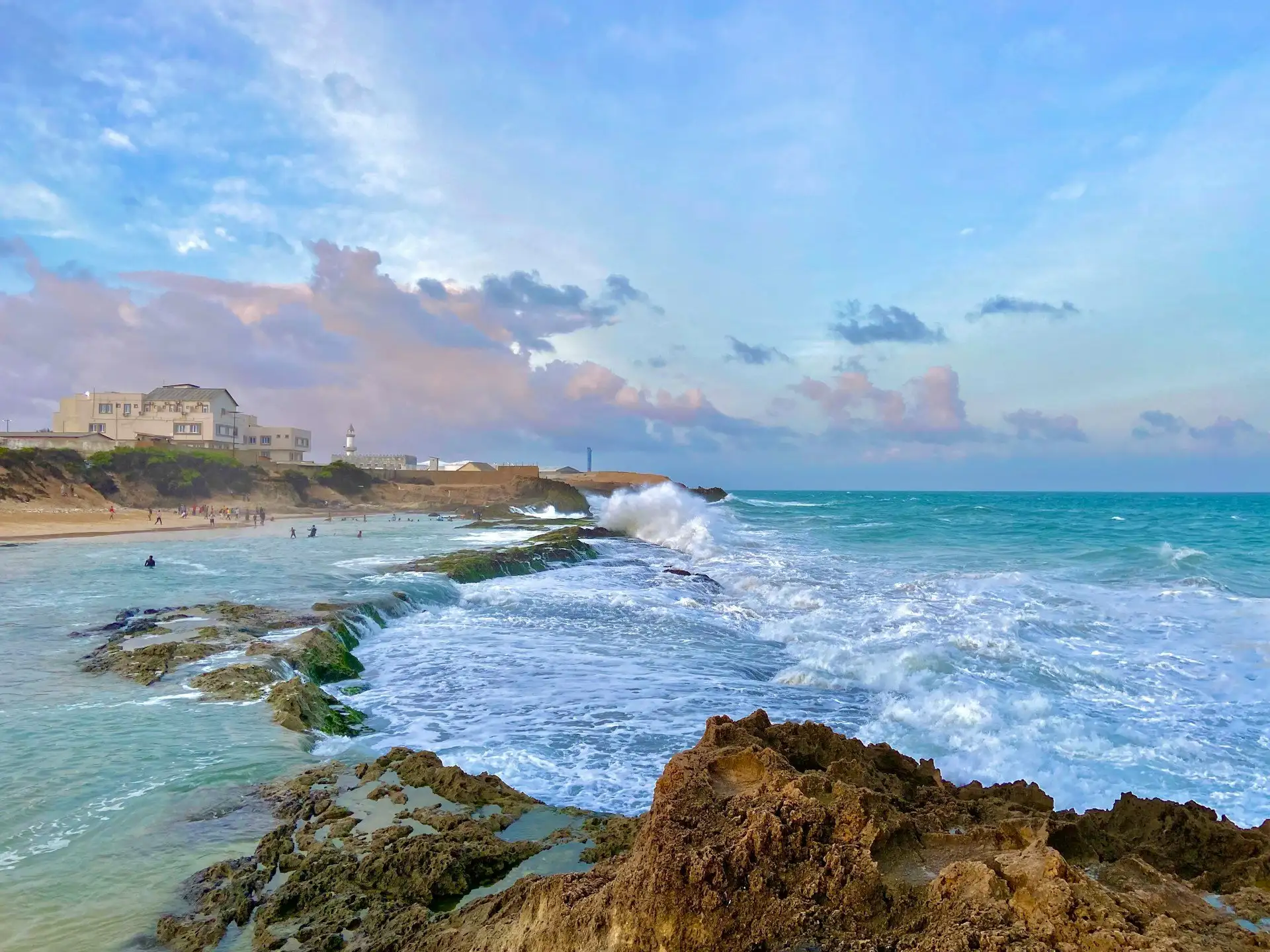
Somalia's coastline, its history, and its people deserve a future of safety and the kind of visitors that come for the right reasons. That future has not arrived, in Mogadishu or in Somaliland. Every government that tracks the situation says the same thing without qualification: do not travel. If you have a genuine reason to be there, go in with current, specific, ground-level information and organizational support, not general optimism, and a plan that does not depend on anything going right.