
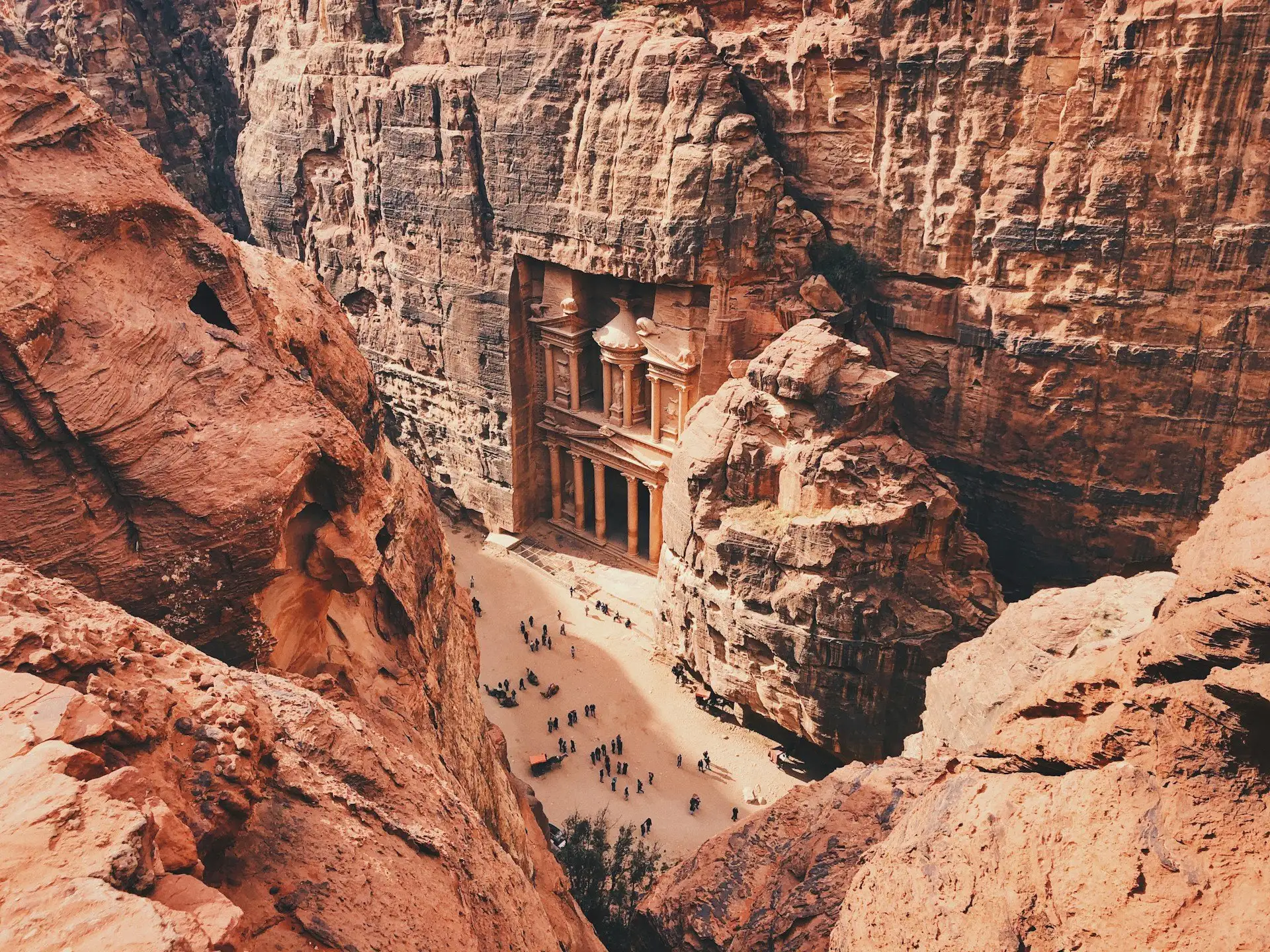
Jordan Travel Safety
Jordan sits at a Reconsider Travel advisory amid an ongoing regional conflict, with the US Embassy issuing a shelter-in-place alert for drones and missiles in Jordanian airspace as recently as July 9, 2026. Petra and Wadi Rum have continued welcoming visitors throughout, under reinforced security. This page covers the real advisory picture first, then the everyday scams tourists actually encounter.
Why Jordan Is a Reconsider Travel Country Right Now
Since hostilities broke out between the United States, Israel, and Iran on February 28, 2026, Jordan has faced an ongoing threat of drone and missile activity passing through or near its airspace, along with significant disruption to commercial flights. On March 2, 2026, the State Department ordered non-emergency US government employees and their families to leave Jordan due to safety risks. The embassy in Amman began restoring limited, appointment-based consular services by mid-April, and continues operating in a reduced capacity, with security alerts, including the July 9 shelter-in-place notice, still being issued as conditions in the wider region shift.
Despite this, Jordan's core tourist circuit has largely continued functioning throughout 2026. Petra recorded visitors through the first half of the year with tourist police reinforced and no security incidents reported within the site's boundaries, and Wadi Rum, the Dead Sea, and Aqaba have remained open, albeit with tourism numbers and hotel occupancy well below prior years. Jordan's own internal security has stayed comparatively stable even as the regional picture around it has not. Given how quickly conditions have shifted in 2026, from an active evacuation order in March to functioning tourism by summer to a fresh shelter-in-place alert in July, check the current advisory and embassy status directly before finalizing any trip.
Amman: Scams and Everyday Risk
West Amman's modern, westernized districts, Jabal Amman, Jabal Al Lweibdeh, and Abdali, are heavily policed and genuinely comfortable to walk around. The everyday friction visitors actually encounter concentrates in taxis and the older, more crowded parts of downtown.
🚗 The Taxi Meter Scam
Some Amman taxi drivers claim the meter is broken and demand a flat, inflated fare instead. A related version claims they have no change for a 20 or 50 dinar note, forcing an overpayment. A third version simply takes the longest possible route to a destination to run up a working meter.
If a driver refuses to use the meter, simply get out and find another taxi. Carry small bills so a "no change" claim can't work, and use Uber or Careem where available, both track the route and set a fixed price upfront, removing the negotiation entirely.
👷 Pickpocketing in Downtown Amman
Pickpockets, purse snatchers, and opportunistic thieves are known to target foreigners specifically in the older, narrower parts of downtown Amman's city center, a pattern the US State Department flags directly.
Stay alert in these crowded areas and at all tourist locations generally. Keep bags zipped and worn in front of you, and avoid displaying valuables or expensive electronics openly while walking through the souks.
💳 ATM and Bank Exit Theft
Jordanian police themselves advise being vigilant when leaving banks or ATMs, since theft has been reported in this specific moment. Vehicle theft, assault, robbery, and attempted residential break-ins have also occurred.
Put cash away immediately after withdrawing it rather than counting it in the open, avoid displaying valuables in your car or on yourself, and always lock car doors and windows, even for short stops.
Petra & Wadi Rum Scams
Petra and Wadi Rum are Jordan's tourism engine, heavily secured, ticketed, and patrolled, and genuinely safe from serious crime. What actually catches visitors here is pressure selling rather than anything more dangerous.
🐎 The "Free" Horse Extortion Trap
Handlers offer a horse ride into the site as free or included with your ticket, then demand a large tip or outright payment once the ride is underway, at which point it's awkward to refuse. Similar overpricing occurs with donkey and camel rides deeper inside the site, and aggressive viewpoint pitches from unofficial guides.
Walk into Petra on your own two feet, the entrance walk to the Treasury is entirely manageable without a horse. If you do want a ride further into the site, agree the full price in writing or verbally with a witness before mounting, not after.
📄 Fake Jordan Pass Websites
Cloned websites mimicking the official Jordan Pass, which bundles Petra entrance fees with the tourist visa, have been reported circulating online, collecting payment for a pass that isn't valid or doesn't exist.
Buy the Jordan Pass only through the official Ministry of Tourism website, and check the URL carefully before entering any payment details. The pass costs roughly JD70-80 and is valid for one month.
👤 Unofficial Guides and Inflated "Exclusive" Tours
Individuals without official credentials offer "exclusive" access or experiences at inflated prices, sometimes with confusing bundled transport offers that turn out to cost more than expected.
Stick with guides and operators recommended by the Jordan Tourism Board or your hotel. In Wadi Rum specifically, desert camps run by local Bedouin tribes treat guest safety as a matter of honor and are generally trustworthy once booked through a known channel.
⚠️ Flash Floods and Extreme Heat
Petra and the Dead Sea often face heavy rain and flash flooding from October through March, sometimes leading the Jordanian government to close tourist areas entirely. Separately, dehydration and heat exhaustion affect dozens of visitors in Petra's heat-trapping canyon every day during summer.
Follow local weather warnings closely during the rainy season and never enter a narrow wadi if rain is forecast anywhere upstream. In summer, start hikes around 6am, carry at least 3 liters of water, and wear a wide-brimmed hat.
Transport Scams & Road Safety
🚗 Dangerous Intercity Roads
Jordan's traffic fatality rate significantly exceeds global averages. The Desert Highway outside Aqaba, the Dead Sea Highway from Amman, and the King's Highway between Petra and Madaba are all narrow, winding, steep, and crowded with trucks. Highway 40 running east toward Al-Azraq is particularly dangerous due to poor conditions and heavy truck traffic, with frequent, sometimes fatal accidents. Collisions with livestock, including camels, sheep, and goats, are common on both urban and rural roads.
Avoid driving these routes at night. Watch for unmarked speed bumps and livestock at all times. For intercity travel, the JETT bus network connecting Amman to Petra, Aqaba, and the Dead Sea is air-conditioned, professionally driven, and considered the safest and most reliable option, or arrange a private driver through your hotel.
🚗 Unmetered Taxis Outside Amman
Uber and Careem operate reliably in Amman but have limited or inconsistent coverage elsewhere, and regular taxis outside the capital often lack meters entirely.
Negotiate fares in advance and expect roughly JD2-5 for a short local trip in a secondary town. Hotel-arranged taxis are generally more reliable than flagging one on the street. For a pre-arranged airport transfer or day trip, expect USD 140-350 depending on distance and duration.
Regions to Avoid
There is no tourist reason to visit any of these areas, and standard Jordan itineraries never route through them. If your travel plans genuinely require passing near the Syrian or Iraqi border, or through Ma'an Governorate specifically, check the current advisory in detail beforehand.
Online Financial and Romance Scams
📞 Internet Romance and Financial Scams
Financial scams and internet romance scams are described as common and specifically tied to Jordan. These typically begin through an online profile or unsolicited message and build toward a request for money, sometimes involving someone claiming to be a foreign citizen stranded or working in Jordan.
Be skeptical of any online relationship or message that develops quickly and eventually asks for money. Never wire funds or share financial details based on a story like this without independent verification.
📱 Public WiFi at Cafes and Visitor Centers
Open public WiFi networks in cafes and tourist visitor centers are a genuine target for anyone looking to intercept banking details or personal information from connected devices.
Use a VPN on any public WiFi, particularly for banking, and consider a local eSIM for mobile data. Reliable connectivity also matters practically here, for booking a Careem, mapping a route, or translating a taxi dispute on the spot.
An Airalo eSIM gives you local data from arrival, useful for ride-hailing apps in Amman and staying informed via local news channels during a dynamic security situation, while avoiding the public WiFi risk entirely.
Emergency and Consular Contacts
The US Embassy in Amman continues operating with reduced staffing and appointment-based services following the March 2026 evacuation order. Check current operating status before you travel.
Check Current Conditions Before You Go
Jordan's situation has moved quickly throughout 2026, from an active embassy evacuation order in March to functioning tourism at Petra and Wadi Rum by summer, to a fresh shelter-in-place alert in July. That volatility is the single most important thing to take from this page: recheck the official advisory and embassy status shortly before departure and again before your return flight. Away from that headline risk, Jordan's own internal security has remained comparatively stable, and the everyday precautions here, insisting on the taxi meter, walking into Petra on foot, and avoiding a handful of named border regions, cover most of what a visitor actually needs.