
What You're Actually Dealing With
The Scams That Actually Catch People
Fiji's risks are mostly about pricing transparency and variable operator quality rather than deception. The exceptions are worth knowing.
Nadi taxis have meters but drivers frequently refuse to use them, particularly for airport runs where they know arrivals don't know local prices. The airport to Nadi town is a 10-minute journey and should cost FJD 8-12 on the meter; drivers quote FJD 25-40. The Denarau resort strip is a 20-minute drive and costs FJD 15-20 metered versus FJD 40-60 unmetered.
- Insist on the meter being switched on before moving — "Can you turn the meter on please?" If refused, agree a fixed price before getting in or use a different taxi.
- Your resort or hotel can tell you the correct metered fare for specific journeys before you need a taxi.
- The Nadi Airport official taxi desk inside arrivals has fixed zone rates displayed — use it for the first arrival to avoid negotiation while jet-lagged.
Fiji's resort industry is sophisticated at extracting beyond the room rate. Environmental levies, marine park fees, activity fees, and "resort fees" not included in the booking price are standard. Excursion desks sell identical tours to what's available independently for 30-50% more. Some all-inclusive packages exclude specific restaurants, premium beverages, or activities that the brochure implied were included.
- Read the full booking terms before confirming — specifically what fees are additional and what the all-inclusive package actually covers.
- Ask the resort what the total nightly cost is including all mandatory fees before booking, not after arrival.
- For excursions, compare the resort desk price against independent operators in Nadi town or via your guesthouse on outer islands — the same snorkelling trip or village tour often costs significantly less booked independently.
Resort-organised "authentic village visits" sometimes deliver a choreographed performance rather than a genuine cultural encounter — a village that exists primarily to receive tour buses, a kava ceremony timed to the excursion schedule, and a craft shop at the end. This isn't fraud in the conventional sense but it's a significant gap between what's promised and what's delivered. Separately, kava ceremonies arranged through touts near tourist areas sometimes involve aggressive requests for additional donations beyond the agreed price.
- For genuine village experiences, ask guesthouses on the outer islands — Yasawa, Taveuni, Kadavu — to arrange visits to villages they have established relationships with rather than booking resort-packaged excursions.
- The sevusevu protocol (bringing kava to the chief) is how you participate genuinely; it costs a small amount and produces a real encounter rather than a performance.
- If a kava ceremony is arranged through someone who approaches you near a tourist area, establish all costs upfront before agreeing to attend.
Fiji has world-class diving — the Soft Coral Capital of the World designation is earned, particularly in the Somosomo Strait at Taveuni. Operator quality ranges from excellent to genuinely unsafe, with equipment maintenance and guide competence varying significantly. The cheapest dive shop in Nadi is cheap for a reason. Jet ski and water sports operators on the Coral Coast have had safety incidents tied to inadequate equipment and poorly trained staff.
- Use PADI or SSI affiliated dive operators and check that their certification is current — ask to see it, legitimate operators won't be offended.
- Inspect equipment before getting in the water: BCDs, regulators, tanks, and wetsuits should be visibly maintained.
- Recommended Fijian diving: Aquatrek at Beqa, Taveuni Dive and Dive Taveuni at the Rainbow Reef, and Pacific Harbour operations for shark diving — all established with strong safety records.
Tourist-facing craft stalls in Nadi and Port Denarau quote foreigner prices that are significantly above what you'd pay at the Suva municipal market or from village sellers on the outer islands. The quality is also variable — mass-produced "traditional" carvings and tapa cloth from import rather than genuine Fijian handicraft. Not a scam in the criminal sense but worth understanding before you buy.
- Negotiate at tourist market stalls — opening prices are set for that purpose and sellers expect it.
- For genuine Fijian crafts, the Suva Handicraft Centre and village sellers on the outer islands offer better quality and more honest pricing than Nadi market stalls.
- Masi (tapa cloth), tabua (polished whale teeth, significant in Fijian culture), and quality woodcarving are the genuine items worth buying; cheap shell jewellery and "coconut shell" souvenirs are mass-produced across the Pacific.
Suva is Fiji's largest city and has a higher petty theft rate than the resort areas or outer islands. Bag snatching and phone theft in the city centre and market areas is the most common form. Nadi market and the bus station areas warrant the same normal urban awareness. Neither place requires avoiding — both are worth visiting — but the same phone-in-pocket, bag-in-front awareness applies as in any busy city market.
- Keep phones in pockets rather than in hands in the Suva and Nadi market areas.
- Don't carry more cash than you need for the day.
- Suva is entirely safe to walk in the central city area during the day — the risk is opportunistic rather than organised and concentrates near the market and transport hubs.
The Destinations — Honest Takes
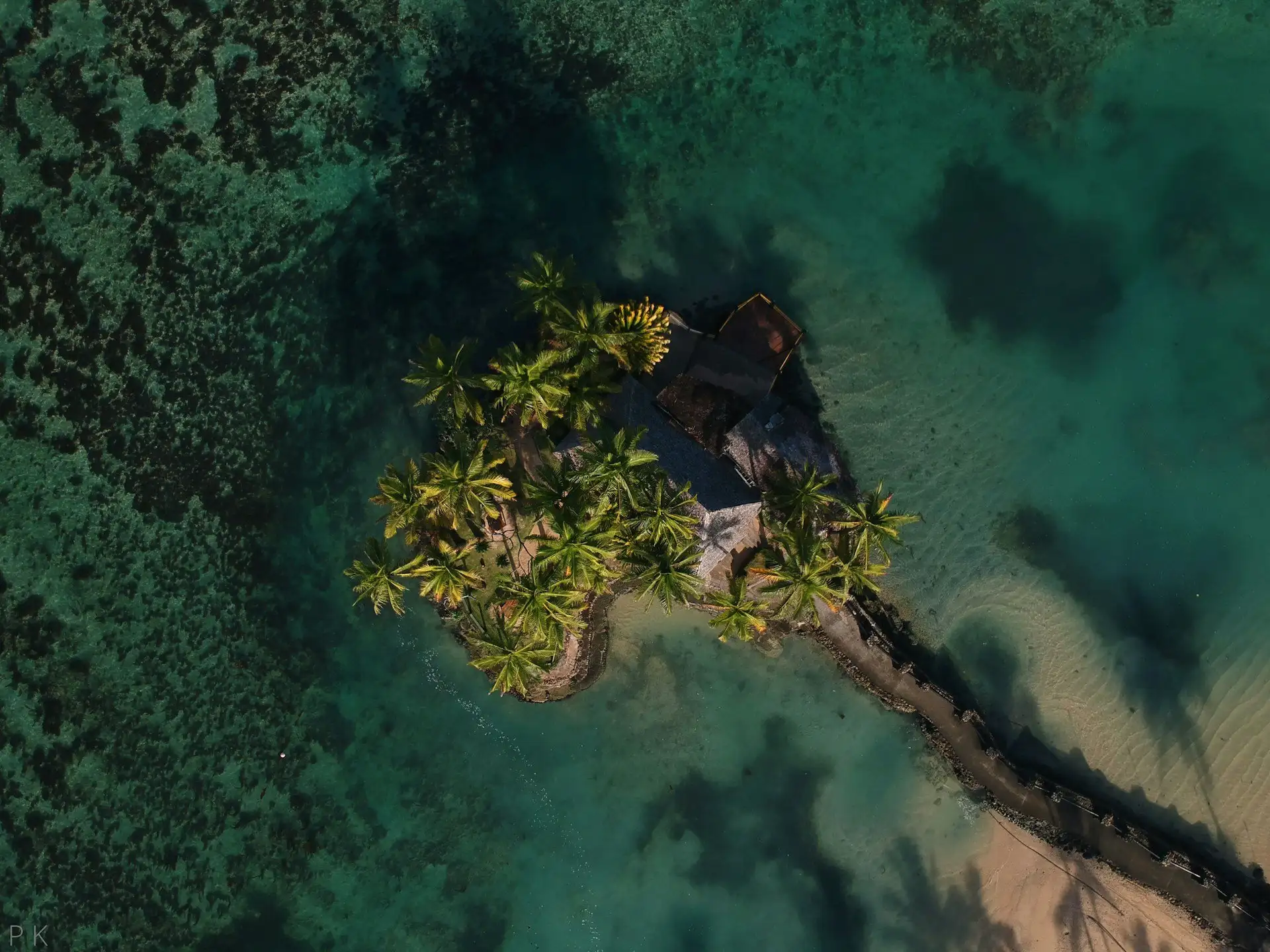
Fiji rewards going further than the Nadi resort strip. Each island group has a distinct character and the outer islands are where the country is most itself.
Nadi is the main arrival point and most visitors spend their first and last nights here. Denarau Island is the resort cluster a 20-minute drive away — a gated community of international hotels, a marina, and a shopping strip. Both serve their purpose as transit hubs without pretending to be the real Fiji. The Nadi town market is worth a morning for fresh produce, Indian sweets, and an honest look at how the city's Indo-Fijian community functions. Sri Siva Subramaniya temple on the main road is the largest Hindu temple in the Southern Hemisphere and genuinely beautiful.
- Insist on the meter in Nadi taxis or agree a price beforehand — the airport to town run is 10 minutes and should be FJD 8-12
- Denarau resort excursion desks are convenient but overpriced compared to booking directly or through independent operators in Nadi town
- The Nadi market area warrants phone-in-pocket awareness; the rest of the town is fine
The Mamanucas are the postcard Fiji — 20 small islands 30-90 minutes by boat from Port Denarau, with clear lagoons, fringing reefs, and the full range of accommodation from backpacker dorms to luxury overwater bungalows. Monuriki Island here is where Cast Away was filmed, which is either relevant or irrelevant to your decision to visit. The snorkelling and diving are excellent, the surf breaks at Cloudbreak and Restaurants are world class, and the island-hopping infrastructure is the most developed in Fiji.
- No meaningful scam presence on the islands themselves — the risks that exist are on the Nadi side before you board
- Book South Sea Cruises or Awesome Adventures for the Yasawa Flyer and Mamanuca connections — they are the established operators with consistent safety records
- Surf charter operators for Cloudbreak vary in quality; book with operators who have current equipment and experienced guides rather than cheapest price
The Yasawas are a chain of 20 volcanic islands running 90km north of the Mamanucas, most accessible via the Yasawa Flyer catamaran that runs the full length daily. The pace drops noticeably as you go further up the chain. Naviti, Waya, Viwa, and Tavewa have the best budget guesthouses — family-run, meals communal, beaches largely empty. The Blue Lagoon at the northern end of the chain is the most spectacular snorkelling in the group. The further up the chain you go, the fewer tourists and the more genuine the village interactions.
- Very low scam presence — guesthouses are small family operations and the community is tight enough that dishonesty would be known about quickly
- Bring cash for the full outer island stay — no ATMs anywhere in the Yasawas
- Sevusevu protocol for village visits is not optional in the Yasawas; your guesthouse will explain exactly what to bring and what to expect
Taveuni is Fiji's Garden Island — the most fertile, the most lush, and the site of the Somosomo Strait between it and Vanua Levu, which contains the Rainbow Reef: one of the most intact and diverse soft coral reef systems in the world. The dive sites here (Great White Wall, Purple Wall, Annie's Bommie) are among the finest in the Pacific. Above water, the Bouma National Heritage Park has jungle waterfall trails through rainforest thick enough to justify the island's other name. A small island with a population of about 16,000 and an almost complete absence of tourist scam infrastructure.
- No scam presence; the island simply doesn't have the tourist density that sustains it
- Dive operators on Taveuni — Dive Taveuni, Taveuni Ocean Sports — are small, professional, and have excellent knowledge of the Rainbow Reef
- Flights from Nadi on Fiji Link are the practical option; book in advance as the small aircraft on this route fill quickly
Pacific Harbour on the Coral Coast calls itself the Adventure Capital of Fiji, which is accurate: it has the best whitewater rafting in the Pacific (the Upper Navua Gorge), zip-lining, and the Beqa Lagoon shark dive — an encounter with 8 species of shark including bulls and tigers at 30 metres, which is one of the most extraordinary managed dive experiences on earth. The shark dive has been running for decades and the protocols that have developed around it are both ethically considered and extremely well executed. Aquatrek runs the main programme.
- Book the Beqa shark dive with Aquatrek or one of the other long-established operators — the encounter is real and the safety protocols are excellent when properly run
- Upper Navua Gorge rafting operators vary in equipment quality; Rivers Fiji is the most consistently professional
- Pacific Harbour itself is a low-density tourist town with almost no scam presence
Suva is the capital and the most genuinely urban place in the Pacific islands — a compact city of 90,000 with good restaurants, the Fiji Museum (excellent Pacific ethnology collection), the Suva Municipal Market, and a lively café and bar scene centred around Victoria Parade. Most tourists skip it for the beach islands but it's worth a day or two for anyone interested in Pacific culture, politics, and history. The University of the South Pacific campus is the academic hub for the entire Pacific region and has a good library open to visitors.
- Normal urban awareness in the market and bus station areas — phone in pocket, bag in front
- Suva's restaurant scene is the best in Fiji — good Indian, Chinese, and Fijian food at prices significantly below resort dining
- The Fiji Museum on Thurston Gardens is the best single cultural institution in the country and costs almost nothing to enter
Before You Go — The Checklist
- ✓ Insist on the meter in Nadi taxis or agree a fixed price before getting in — the airport to town run is 10 minutes and should be FJD 8-12 metered.
- ✓ Read resort booking terms in full before confirming — know what fees are additional and what the all-inclusive actually covers before arrival, not after.
- ✓ Withdraw cash in Nadi or Suva before heading to the outer islands — no ATMs exist in the Yasawas or on most smaller island guesthouses.
- ✓ Use PADI or SSI affiliated dive operators and inspect equipment before getting in the water — Fiji's diving is world class and worth doing properly.
- ✓ If visiting a village, bring a sevusevu (kava root) to present to the chief — your guesthouse on any outer island will explain the protocol and quantity.
- ✓ Compare excursion prices between the resort desk and independent operators in Nadi town before booking — the same tour often costs significantly less outside the resort.
- ✓ Buy cyclone disruption insurance if travelling November to April — the season is real and itinerary flexibility is necessary during wet season.