
Afghanistan Travel Safety
This page is not a tourist guide. Afghanistan sits at the highest, most severe travel advisory level issued by the United States, Canada, the UK, and Australia, unchanged since the Taliban's return to power in 2021. Both the US and Canadian embassies in Kabul remain closed, and no consular assistance is available to citizens on the ground. What follows explains the actual risks, sourced from current government advisories, rather than treating this as a normal destination.
Why Afghanistan Is a Do Not Travel Country
The US Embassy in Kabul suspended operations in 2021 and remains closed, along with the Canadian embassy and most other Western missions. The US government is explicit that it is unable to provide routine or emergency consular services to citizens in Afghanistan. Americans currently in the country are urged to leave immediately, and those seeking help to depart are instructed to email their full biographic details, contact information, and passport number to the State Department directly, since there is no functioning embassy to walk into.
Conditions have not stabilized in 2026. On February 27, 2026, Pakistan launched airstrikes on Kabul, Paktia province, and Kandahar province, with continued fighting reported along the Afghanistan-Pakistan border and major crossings closed. Islamic State Khorasan Province (ISIS-K) has continued attacks against Taliban forces and civilian targets across multiple provinces. Afghanistan also remains prone to major natural disasters, a 6.0-magnitude earthquake struck eastern Afghanistan in September 2025, killing over 1,100 people. The country's economic and humanitarian situation compounds the security picture, with tens of millions facing acute food insecurity and ongoing banking, fuel, and medicine shortages.
The Core Risks, Explained
🚫 Wrongful Detention
The advisory warns of a significant risk of wrongful detention for all American citizens, including lawful permanent residents and people who previously supported US efforts in Afghanistan, such as interpreters. Detentions under Taliban control are reported to involve harsh conditions, with limited or no access to medical care and no allowance for welfare checks by any outside party. Release is not guaranteed even after a wrongful detention has been established. Travelers face increased surveillance and monitoring by the Taliban, particularly US-Afghan dual nationals and individuals connected to non-governmental organizations.
Because no consular officer can visit a detained citizen, coordinate a release, or advocate on their behalf, this risk carries a severity that doesn't exist in countries with an operating embassy. This is treated as a real, planned-for contingency rather than a remote possibility.
💣 Terrorism
Islamic State Khorasan Province (ISIS-K) continues conducting attacks against Taliban forces and civilian targets, claiming responsibility for numerous separate incidents in Kabul, Nangarhar, and Balkh provinces during the first months of 2026 alone, according to independent conflict monitoring. Attacks against Taliban checkpoints and government buildings have also been reported in northern provinces including Kunduz and Takhar.
Kabul itself, despite heavy Taliban security presence, continues to experience regular security incidents. There is no part of the country that can be described as reliably insulated from this risk.
⛵ Civil Unrest and Armed Conflict
Cross-border tensions with Pakistan have produced direct military action inside Afghan territory in 2026, including airstrikes on Kabul and Kandahar in late February and further strikes reported in Kunar province in March. Major border crossings with Pakistan have closed repeatedly as a result. Western provinces including Herat and Farah see armed clashes tied to drug trafficking networks, and the security environment is described by UN monitoring as unpredictable across all provinces.
This is not a single, static conflict zone that can be avoided by staying away from one region. Fighting, airstrikes, and militant activity have occurred in the capital, the east, the north, and the west within the same year.
🏥 Limited Health Facilities
Healthcare infrastructure is rated extremely poor by independent indices, and a medical emergency requiring air evacuation from a country without functioning hospitals or embassy coordination carries estimated costs exceeding USD 50,000, assuming an evacuation provider is even willing to accept the mission. Most travel insurance policies explicitly exclude Level 4 destinations, meaning no coverage at all for medical treatment, evacuation, or trip interruption.
A routine medical issue that would be manageable elsewhere can become life-threatening given the combined absence of reliable local care, insurance coverage, and consular support.
Region by Region
Unlike some Do Not Travel countries where risk varies meaningfully by region, no part of Afghanistan is exempted from the advisory. The following breakdown reflects where specific, named incidents have concentrated in 2026, not a suggestion that any area is safe by comparison.
🏙️ Kabul and Surrounding Areas
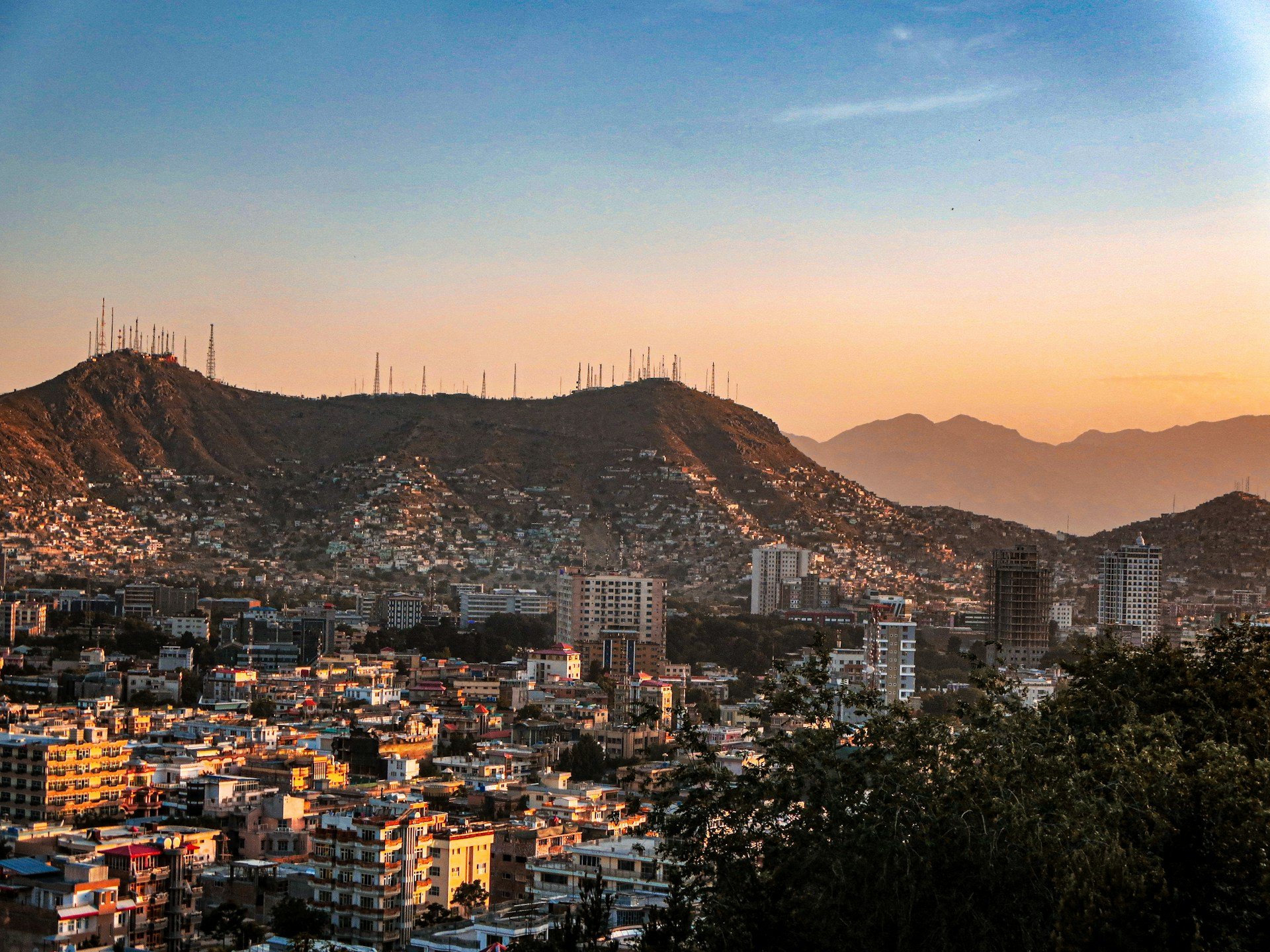
Kabul experiences regular security incidents despite a heavy Taliban security presence, and was directly struck by Pakistani airstrikes in February 2026. Both closed Western embassies are located here, underscoring the absence of any consular safety net even in the capital.
🏜️ Eastern Border Region (Nangarhar, Kunar)
Cross-border tensions with Pakistan have produced direct airstrikes and closed border crossings repeatedly through 2026. The advisory specifically warns against traveling near the Pakistan border under any circumstances.
🏜️ Northern Provinces (Balkh, Kunduz, Takhar)
ISIS-K maintains active cells here, conducting attacks against Taliban checkpoints and government buildings, including multiple claimed incidents in Mazar-e-Sharif during a single month in 2026.
🏜️ Western Provinces (Herat, Farah)
Drug trafficking networks operate extensively here, leading to armed clashes between smugglers and Taliban forces, and Iranian border crossings experience frequent closures due to security incidents. The advisory specifically instructs against attempting to depart Afghanistan via the Iran border.
Legal and Social Restrictions
✋ Severe Movement Restrictions for Women
Women face significant movement restrictions under Taliban rule and cannot move freely, access most public spaces, or travel long distances without a male guardian. These restrictions apply to all women regardless of nationality, not only Afghan citizens.
⚖️ Religious and Speech-Related Law
The advisory explicitly states not to travel to Afghanistan for non-Muslim faith-based travel, including pilgrimages, service projects, and mission work, since doing so can be punishable by death. Blasphemy, or producing or distributing material perceived as critical of Islam, can result in severe punishment including life imprisonment or the death penalty. Apostasy can lead to the death penalty for Muslims who reject Islam or convert to another religion.
📄 Visa and Entry Complications
Afghan immigration officials may refuse to accept visas issued by Afghan Republic-era officials at embassies abroad, instead requiring visas issued by Taliban-appointed consular officials or missions aligned with the Taliban's self-declared authority. Travelers arriving without a valid visa under this standard may face deportation, passport confiscation, heavy fines, or detention.
If You Have No Choice but to Travel
Assume No Consular Support Exists
Both the US and Canadian embassies remain closed, and no consular officer can assist you if detained, hospitalized, or caught in violence. Treat this as an absolute fact when planning, not a worst-case scenario.
Prepare Legal and Personal Affairs in Advance
Draft a will and designate insurance beneficiaries or power of attorney. Discuss care and custody plans for children or pets, and leave DNA samples with your medical provider for family access if needed.
Maintain a Low Profile
Stay informed of local developments, keep travel documents current, and share detailed travel plans with trusted contacts who are not traveling with you.
Register With Your Government
Enroll in the Smart Traveler Enrollment Program or the equivalent for your country. This is one of the only ways your government will know you are in Afghanistan and be able to attempt contact if conditions change.
Know Your Departure Routes in Advance
If unable to depart via air, the advisory specifies leaving via the land border with Tajikistan or Uzbekistan, not Iran or Pakistan, both of which carry their own active risks and closures.
Understand Dual Nationality Risk
Anyone with dual US-Afghan or other dual nationality should carefully weigh the heightened surveillance and detention risk this specifically carries under current conditions.
Emergency and Consular Contacts
With both embassies closed, these contacts represent what limited assistance exists, primarily remote coordination rather than any on-the-ground presence.
This Is a Safety Brief, Not an Invitation
Unlike the rest of this site's country guides, this page exists to explain a serious, sustained situation accurately rather than to encourage a visit. Afghanistan's advisory status has not changed since 2021, and this page will be updated if the underlying conditions materially improve. Until then, the official advisories linked above, not this page, are the source to check immediately before making any decision involving travel to Afghanistan.