
A capital best seen with a driver
Port Moresby, or Pom to many locals, is Papua New Guinea's capital and largest city, spread across hills and bays on the southern coast of the island. It began as a small trading post next to the Motu-Koita villages of Hanuabada, became the base for Australian forces in WWII, and grew rapidly after independence in 1975. It is not connected by road to most of the country, so nearly every visitor passes through on the way to the Highlands, the islands or the Kokoda Track.
Most visitors spend only a night or two, but it is worth using a day to see the highlights: the extraordinary Parliament Haus, the Port Moresby Nature Park with its birds of paradise, the National Museum, the moving Bomana War Cemetery, and the views from Paga Hill. With a reputable driver or guide, it is safe and rewarding.
The honest complications
Port Moresby has one of the highest crime rates of any capital in the world. Armed robbery, carjacking and assault by gangs known as raskols happen in daylight as well as at night, and opportunistic crime is common. Visitors should not walk around the city, use public minibuses (PMVs) or hail taxis; hotel transport and trusted drivers are essential. Hotels are expensive because of security costs.
This is not a city to explore on foot. Even short walks between hotels and malls are not advised. Plan every journey with your hotel or a reputable guide, and you will be fine.
Five areas that matter
Port Moresby is spread out, with suburbs separated by hills and highways. Visitors usually stay in secure hotels in a few areas and move between them by car.
Waigani
The government district, with Parliament Haus, the National Museum, the Sheraton Stanley and Vision City mall. Secure, modern and convenient for sightseeing.
Town (downtown)
The original centre around the harbour, with banks, the waterfront, Paga Hill, Ela Beach and a few business hotels.
Boroko and Gordons
Commercial suburbs with shops and markets. Busy and not recommended without a local guide.
Seven Mile and the airport
Around Jacksons International Airport, with the Airways Hotel and other secure options ideal for short stopovers.
Hanuabada and Koki
Traditional stilt-house villages and the Koki fish market on the coast; visit only with a trusted local guide.
Secure hotels with their own transport
Port Moresby's hotels are expensive for their standard because of security, staffing and import costs. Choose a hotel with 24-hour security, airport transfers and a driver service; that matters more here than location or decor.
At the top, Sheraton Port Moresby Stanley Hotel & Suites in Waigani (rebranded from The Stanley in 2026) is the city's largest hotel, connected to Vision City mall, from around K1,000 a night, and the Hilton Port Moresby (from K1,100) sits next to the government buildings in Waigani. Near the airport, the Airways Hotel (from K800) is a favourite for its views, pool, restaurants and convenient transfers.
True budget accommodation is scarce and often not secure enough; mid-range business hotels and serviced apartments with security start around K500-700 a night. For a quieter alternative, Loloata Island Resort, a 20-minute boat ride from the coast, combines comfort with diving.
Hotel restaurants, markets and fresh seafood
Most visitors eat in hotel restaurants or in the cafés and restaurants of secure malls and clubs, which serve Australian, Asian and PNG dishes. Local food is best tried on a guided market visit or at a mumu during a cultural tour.
Hotel dining
The restaurants at the Airways Hotel, the Sheraton Stanley and the Hilton offer international menus, seafood and good views, and are the easiest and safest option in the evening.
Mall cafés
Vision City mall in Waigani has cafés, a food court and supermarkets in a secure setting, popular with locals and expats.
Koki fish market
Fresh fish, crab and crayfish straight from the boats. Visit with a guide in the morning.
PNG coffee
Try Highlands coffee in hotel and mall cafés; local brands like Goroka Coffee Roasters make good souvenirs.
Mumu and local food
A mumu earth-oven feast, sago and kaukau are best experienced on a village or cultural tour outside the city.
Parliament, birds of paradise and history
Port Moresby's highlights can be covered in a full day with a driver or guided tour. Allow plenty of time for traffic and security checks.
Parliament Haus and the National Museum
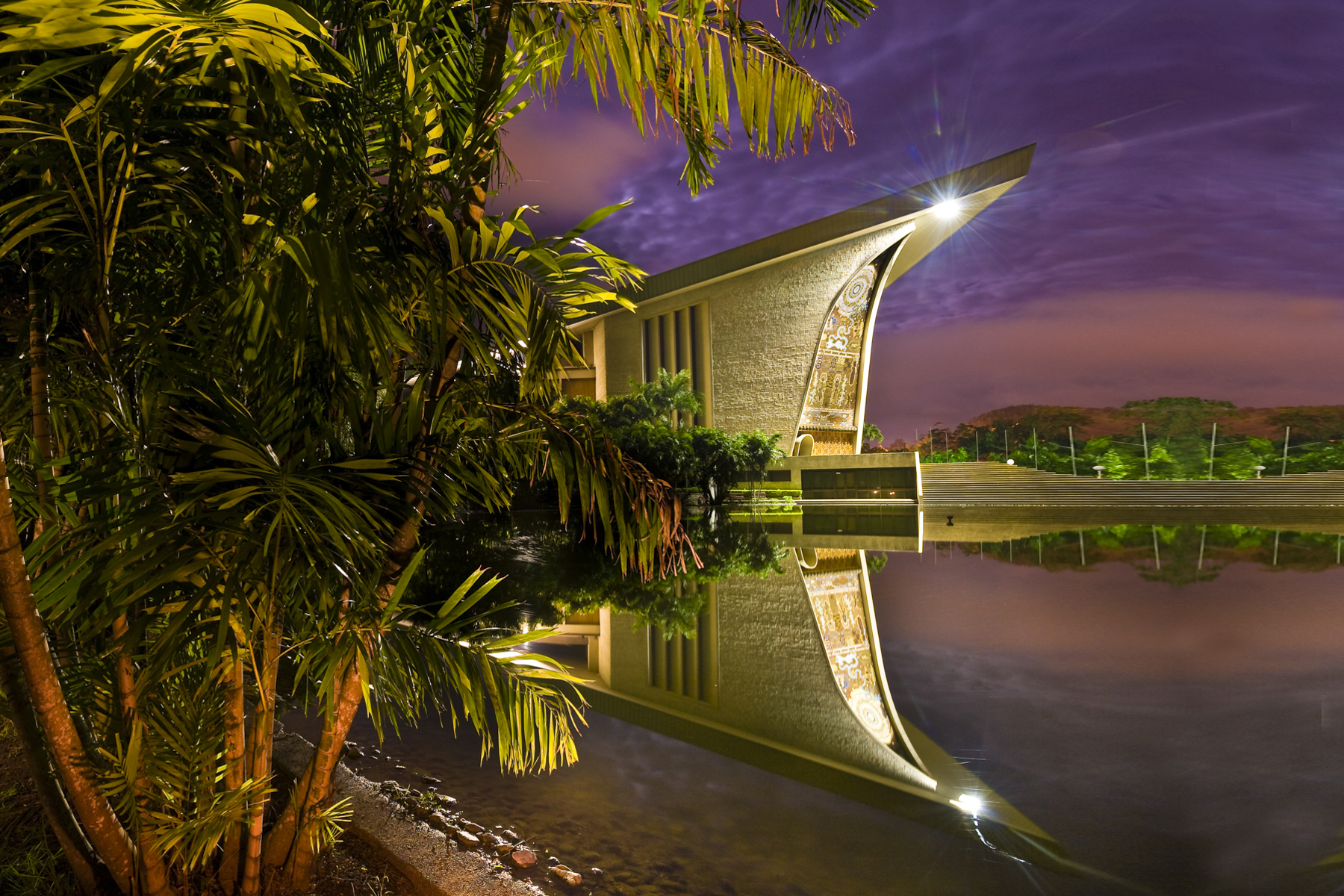
Parliament Haus in Waigani, opened in 1984, is built in the style of a Sepik haus tambaran (spirit house), with a soaring facade decorated with a huge mosaic. Guided tours are sometimes available on weekdays. Nearby, the National Museum and Art Gallery displays Sepik carvings, masks, canoes and artefacts from across the country, a good primer before travelling further.
Port Moresby Nature Park
The Port Moresby Nature Park (small entry fee), set in lush gardens at the University of Papua New Guinea, is one of the city's best attractions, home to birds of paradise, cassowaries, tree kangaroos, cuscus and other native wildlife. It is safe, well run and popular with local families at weekends.
Bomana War Cemetery
Bomana War Cemetery, 25 minutes from the city, is the largest war cemetery in the Pacific, with 3,824 Commonwealth war graves, many killed on the Kokoda Track. It is beautifully kept and deeply moving, especially for Australian visitors.
Paga Hill and Ela Beach
Paga Hill has panoramic views over the harbour and the city, and Ela Beach is the city's waterfront promenade. Visit both by car with a guide, ideally on a guided city tour.
One, two or three days, always with transport
Most visitors stay one or two days. These plans assume a hotel driver or guided tour for every journey.
- Morning
Parliament Haus and the National Museum. Waigani's cultural highlights.
- Midday
Lunch at Vision City or your hotel. A secure, easy lunch stop.
- Afternoon
Port Moresby Nature Park. Birds of paradise and tree kangaroos.
- Evening
Sunset at the Airways Hotel. Drinks and dinner with views over the airport and hills.
- Day 1
The one-day route: Parliament, museum, Nature Park and sunset.
- Day 2 morning
Bomana War Cemetery. A quiet, moving visit.
- Day 2 afternoon
Paga Hill and Ela Beach. City and harbour views with your driver.
- Day 2 evening
Hotel dinner. Seafood at your hotel restaurant.
- Days 1-2
The two-day route above, at a gentler pace.
- Day 3, option A
Varirata National Park. Birds of paradise at dawn and forest trails on the Sogeri Plateau.
- Day 3, option B
Loloata Island. A day of diving, snorkelling and relaxing at the island resort.
Hotel transport only
Jacksons International Airport (POM) is about 10 km from the city centre and 5 km from Waigani. Arrange an airport transfer with your hotel before you arrive; most good hotels include it. Do not take street taxis or PMVs from the airport.
Getting around Port Moresby means using your hotel's shuttle, a driver recommended by your hotel, or a tour operator, ideally with a vehicle that has security features. Keep doors locked and windows up while driving, and avoid travelling at night. Domestic flights to the rest of the country leave from the domestic terminal next to the international terminal.
Best time to visit and Independence Day
May to October is the drier, slightly cooler season and the best time to visit; the wet season from December to April brings heavy rain and humidity. Independence Day on 16 September is celebrated with events across the city, and the Hiri Moale Festival, celebrating the traditional Motu trading voyages, takes place around the same time.
Practical prep: buy a Digicel SIM at the airport with your passport, or check whether an eSIM covers PNG. Withdraw kina from ATMs inside the airport or your hotel. Take antimalarials, since Port Moresby is a malaria area.
One of the Pacific's most expensive cities
Port Moresby is expensive for visitors, mainly because of secure accommodation and private transport. Budget travel in the usual sense is not really possible here.
- Basic secure hotel or serviced apartment
- Mall cafés and food courts K25-50
- Shared hotel shuttles
- Nature Park and free sights with a guide
- Airways, Sheraton Stanley or Hilton
- Hotel restaurant meals K80-150
- Private driver or city tour
- Bomana and museum visits
- Top hotel suites
- Loloata Island Resort
- Private guides and day trips
- Diving and fishing charters
An honest look at Port Moresby safety
Port Moresby has serious crime problems. Armed robbery, carjacking, assault and opportunistic theft happen in daylight as well as after dark, and settlements on the city's fringes have high levels of violence. Visitors who follow local advice, use hotel transport and stay in secure hotels rarely have problems, but the risks are real and should be taken seriously.
Never walk around the city, even for short distances; do not use PMVs or street taxis; avoid travelling at night; keep car doors locked and windows up; and do not resist if confronted. Avoid settlements, markets and beaches without a trusted guide, and keep phones and valuables out of sight. Sexual violence is a serious problem, so women in particular should travel with guides and trusted drivers. Police are on 112 (from mobiles) or 000; ambulance 111. Save your hotel's security number and your embassy's contact details.
Birds of paradise, islands and Kokoda
Some of the best experiences around Port Moresby are just outside the city, in the hills of the Sogeri Plateau and the islands offshore. Go with a guide or tour operator.
Varirata National Park
Rainforest on the Sogeri Plateau where Raggiana birds of paradise display at dawn, with forest trails and lookouts over Port Moresby and the coast.
Kokoda Track Memorial Walkway and Owers' Corner
The start of the Kokoda Track at Owers' Corner, and the memorial walkway and museum at McDonald's Corner on the Sogeri Plateau, easy for those not doing the full trek.
Loloata Island
A private island resort with diving, snorkelling, WWII wrecks and a relaxing contrast to the city. Day passes are available.
Bomana War Cemetery
The largest war cemetery in the Pacific, often combined with Varirata and the Sogeri Plateau.
Port Moresby FAQ
Is Port Moresby safe for tourists?
Port Moresby has high crime rates, including armed robbery and carjacking. Visitors who stay in secure hotels, use hotel transport or trusted drivers for every journey and never walk around rarely have problems.
How many days do I need in Port Moresby?
One to two days is enough to see Parliament Haus, the National Museum, the Nature Park and Bomana War Cemetery. A third day allows Varirata National Park or Loloata Island.
How much does Port Moresby cost per day?
Expect $200-300 a day for most visitors, mainly because of secure hotels and private transport. Budget options are very limited.
Where should I stay in Port Moresby?
Waigani or near the airport, in a hotel with 24-hour security and its own transport, such as the Sheraton Stanley, the Hilton or the Airways Hotel.
How do I get from Port Moresby airport to my hotel?
Arrange a transfer with your hotel before arriving. Do not take street taxis or PMVs.
Can I walk around Port Moresby?
No. Walking is not recommended anywhere in the city, even in daylight and for short distances.
When is the best time to visit Port Moresby?
May to October, the drier season. Independence Day on 16 September brings celebrations and the Hiri Moale Festival.
Is there malaria in Port Moresby?
Yes. Take antimalarials and use repellent, especially at dawn and dusk.
Can I visit the Kokoda Track from Port Moresby?
Yes. Owers' Corner, the southern start of the track, is about 1-1.5 hours away. You can visit the start and memorials as a day trip, or trek the full track with a licensed operator.
What is there to do in Port Moresby?
Parliament Haus, the National Museum and Art Gallery, Port Moresby Nature Park, Bomana War Cemetery, Paga Hill, and day trips to Varirata National Park, Loloata Island and the Kokoda Track.
What Stays With You
Port Moresby is not an easy city, and nobody should pretend otherwise. But with the right planning, it offers glimpses of what makes Papua New Guinea extraordinary: the spirit-house facade of Parliament glowing in the late sun, a bird of paradise flashing its plumes in the Nature Park, the silence of Bomana's endless rows, the hills of the Sogeri Plateau rolling towards Kokoda.
Treat it as the gateway it is, see it with people who know it, and then fly on to the Highlands, the Sepik or the islands, where the real PNG is waiting.