
What You're Actually Getting Into
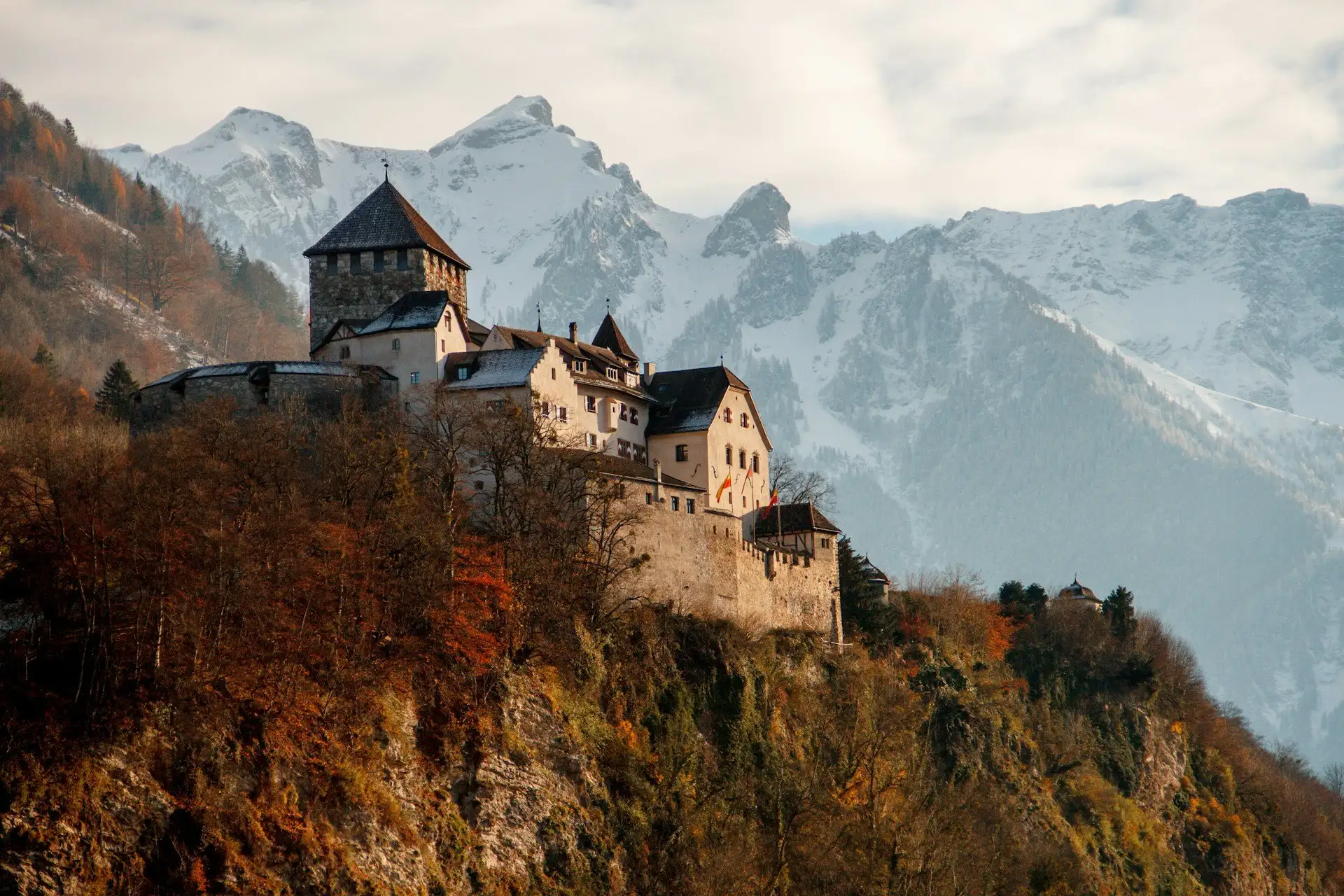
Liechtenstein is 160 square kilometers, 25km long and 12km at its widest point, with a population of around 39,000, roughly the size of a small English market town. It has no airport, no international train station, and no motorway. It borders only Switzerland and Austria, and is ruled by a hereditary prince, Hans-Adam II, who transferred day-to-day governance to his son Alois in 2004 but remains head of state, and who lives in a castle literally above the capital, visible from almost everywhere in Vaduz.
Most visitors come for a day, get the souvenir passport stamp, and leave having seen the main street and the castle outline against the mountains. If that's what you want, fine, you'll have a pleasant afternoon and something to tell people at parties. But Liechtenstein genuinely rewards slightly more attention: the Kunstmuseum Liechtenstein has a genuinely excellent modern and contemporary art collection that receives almost no international visitors, because nobody expects it to be there. The Fürstenwanderweg runs 75km through unambiguously alpine terrain, and the trails above Triesenberg and around Malbun are excellent walking for their own sake, not merely because they happen to be in a microstate.
The honest complications
Liechtenstein operates at Swiss price levels, among the highest in the world, and there's no genuinely cheap tier here the way there is in Eastern or Southern Europe. The country has very limited accommodation infrastructure, which pushes many visitors toward a day trip from Zurich or Innsbruck rather than an overnight stay. And treating the country as a novelty rather than an actual place, arriving, getting the stamp, taking a photo of the castle, and leaving within two hours, misses essentially everything that makes Liechtenstein worth a proper stop.
A History Worth Knowing
Liechtenstein exists because of a specific set of circumstances that happened to align in the early 18th century. The Holy Roman Empire had a rule allowing anyone who owned territory with direct subject status to the Emperor, called "immediacy," to sit in the Imperial Diet with a vote in Imperial affairs. The Liechtenstein family were wealthy Austrian nobles who owned large estates but crucially owned nothing that held immediate status, so they bought their way into it.
- 1699
Schellenberg purchased. The Liechtenstein family buys the County of Schellenberg, the first piece of what becomes the country, for political status rather than territory.
- 1712
Vaduz acquired. The Lordship of Vaduz is purchased, giving the family both territories needed for Imperial immediacy.
- 1719
Principality created. Emperor Charles VI combines them into the Principality of Liechtenstein; the family has never visited their new country.
- 1806
Holy Roman Empire dissolved. Liechtenstein becomes fully sovereign, an outcome the family hadn't particularly planned for.
- 1938
Prince moves to Vaduz. Franz Josef II becomes the first Liechtenstein prince to actually live in Vaduz Castle.
- 1984
Women's suffrage. Women gain the right to vote in national elections, the last country in Europe to grant it after Switzerland.
- 2004
Crown Prince takes governance. Hans-Adam II transfers day-to-day governance to Crown Prince Alois while remaining head of state.
Read the full history: the Bohemian estates, the constitutional referendum, and the economic transformation
For the first century of the principality's existence, the Liechtenstein princes continued to live in Vienna, regarding their new territory as a political tool rather than a home; the family's real wealth was centered on estates in Bohemia, Moravia and Austria proper. This changed after the Holy Roman Empire's 1806 dissolution eliminated the political advantage that had motivated the original purchase, and changed decisively when the family's Bohemian and Moravian estates were lost through the Beneš decrees after WWII, when Czechoslovakia expelled its German-speaking population and seized their property, a dispute with the Czech government that remains unresolved today.
With the family's central European estates gone, the principality itself became their primary asset and residence; post-war economic transformation was rapid, from an impoverished agricultural state to one of the world's wealthiest economies through low taxes attracting foreign holding companies, precision manufacturing, and financial services. A 2003 constitutional referendum, proposed by Hans-Adam II, strengthened princely powers further, including the right to dismiss governments and veto legislation, passing with 64 percent support, making Liechtenstein's monarchy more powerful relative to parliament than most European constitutional monarchies.
What to See
Liechtenstein has eleven municipalities, but for practical purposes visitors focus on Vaduz and its immediate surroundings, with excursions toward Triesenberg and the upper country or north along the Rhine Valley. The geography divides into the flat Rhine floor on the west and Alpine terrain rising steeply to the east, with everything within 30 minutes of everything else by car.
Vaduz
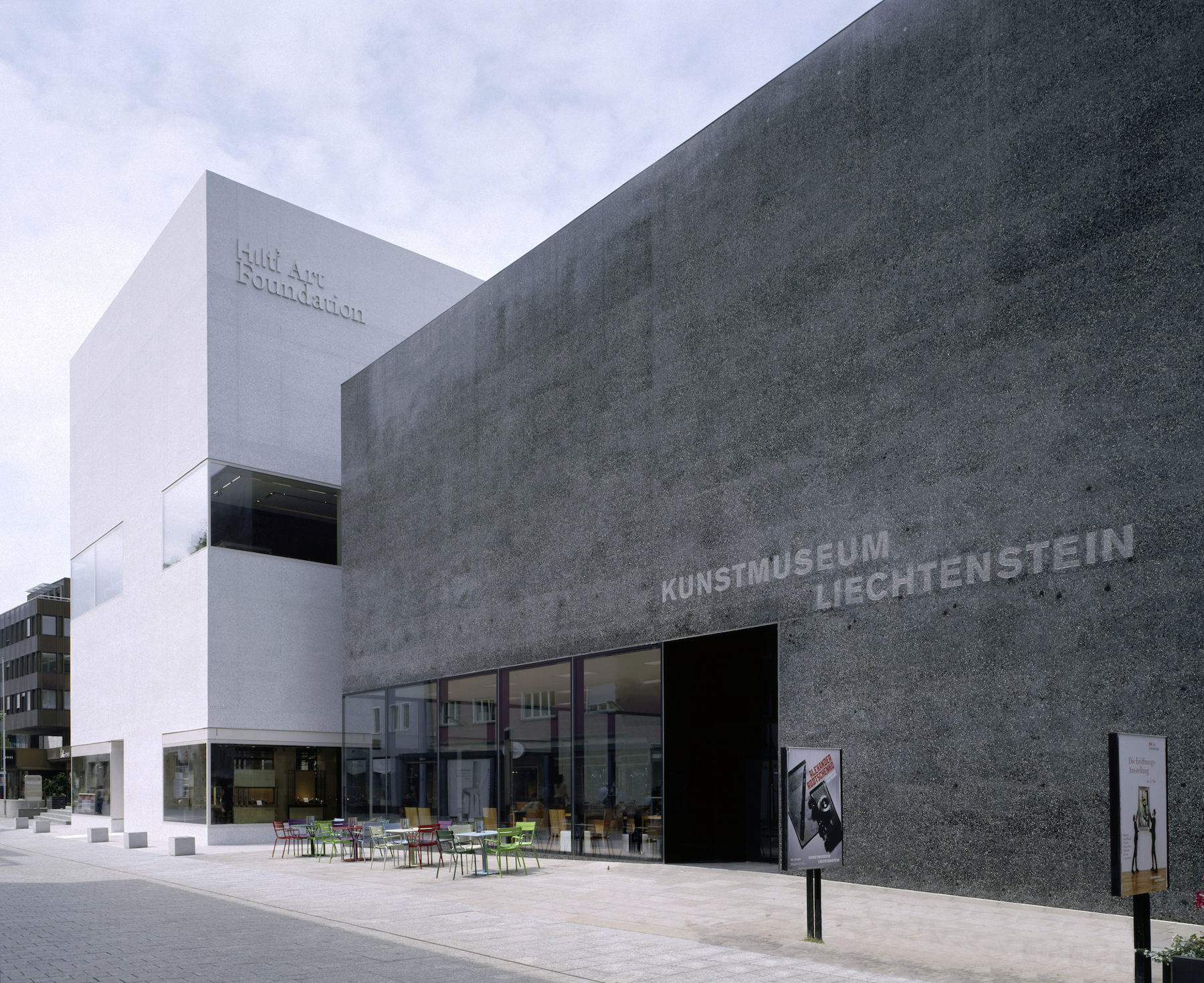
A town of about 5,500 people that functions as a capital by virtue of being the largest settlement in a very small country. The pedestrian street Städtle has the Tourist Information office, the National Museum, and the Kunstmuseum Liechtenstein at its south end, a genuine highlight: an international-quality modern and contemporary art collection in a sleek black cube building opened in 2000. Allow at least 90 minutes. The castle above is private, but the 20-minute walk up to the viewpoint area gives the best perspective on the Rhine Valley and the castle against the mountain backdrop.
Triesenberg
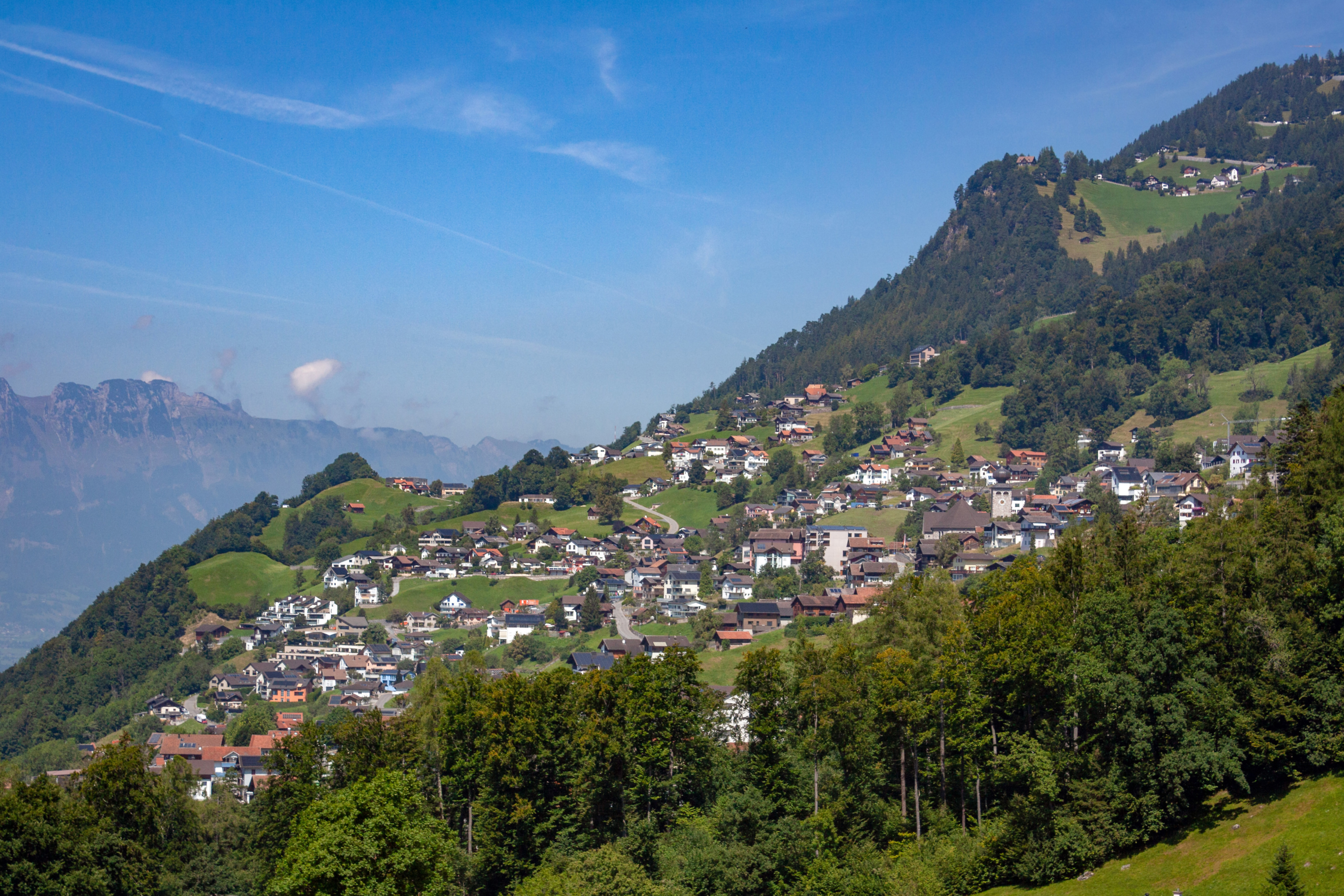
The most visually spectacular village in Liechtenstein, on a shelf above the Rhine Valley at around 900 meters with a panoramic view extending on clear days to the Säntis and the Appenzell Alps. Settled in the 13th century by the Walser people, an Alemannic group with its own distinct dialect; the Walser Heimatmuseum documents this heritage. The views from Triesenberg's terrace cafes are genuinely better than anything from Vaduz itself, 15 minutes' drive uphill.
The Rhine Cycle Path
The Rhine forms the entire western border with Switzerland, and the EuroVelo 15 cycle route runs 25km through the country, flat and well-maintained through open agricultural land with mountains rising on both sides. Rental is available in Vaduz.
Malbun
At 1,600 meters, Liechtenstein's only ski resort and mountain resort village. Small by Alpine standards, roughly 20km of pistes, but set in genuinely beautiful terrain and cheaper than neighboring Austrian or Swiss resorts. In summer the area converts to mountain biking and hiking, and the Berghaus Sücka mountain hut at 2,000 meters offers overnight accommodation with views into Austria, 30 minutes from Vaduz by car or bus.
The Prince's Trail
The 75km Fürstenwanderweg runs the full length of Liechtenstein north to south, mostly in the eastern Alpine zone. Divided into three day stages, passing through genuinely remote alpine terrain for a country this size: the Naafkopf summit at 2,570 meters, the Valüna valley, and the Three Countries Corner where Liechtenstein, Switzerland and Austria meet. A stamping post there makes for a more serious souvenir than the Vaduz stamp; the trail requires proper boots, mountain weather awareness and physical fitness.
Culture & Etiquette
Liechtenstein's culture is essentially German-speaking Swiss Alpine with specific local characteristics. The dialect spoken is Alemannic, the same family as Swiss German but with a distinct Liechtenstein flavor; standard High German is official and used in signage and formal contexts. Social norms are broadly those of German-speaking Switzerland: polite, reserved with strangers, punctual, and somewhat formal in business.
Do
- Treat it as a real country. Residents aren't there to fulfill a passport-stamp fantasy; they live and work in a country that happens to be very small.
- Use Swiss Francs. Withdraw CHF on arrival; Euros are accepted at many places but at poor exchange rates.
- Greet in German. "Guten Tag," "Danke," "Bitte." The minimal effort signals basic respect in a country that gets enough side-quest visitors.
- Book the Kunstmuseum in advance. Small capacity on busy summer days; check kunstmuseum.li for current exhibitions.
- Come with good shoes. The castle viewpoint path is steep and slippery when wet; Triesenberg and Malbun are genuine mountain terrain.
Don't
- Try to enter the castle grounds. A private residence; the viewpoint area below is public and has good sightlines.
- Assume it's part of Switzerland. It's a distinct and sovereign country, closely integrated but its own flag, ruling family and political system.
- Underestimate the cost. Swiss price levels apply throughout; there's no cheap tier here.
- Speed through on the motorway. There isn't one; Route 16 runs through the villages at normal speed. Slow down and stop.
Deeper culture: the princely collections, direct democracy, and the economy
The princely collections. The House of Liechtenstein has one of the most significant private art collections in the world, assembled over four centuries, though the core, including major Rubens, Van Dyck and Rembrandt works, is primarily housed in Vienna's Gartenpalais Liechtenstein rather than in the principality itself. What's on display in Vaduz represents contemporary additions and rotating displays from the historic holdings.
Direct democracy. Liechtenstein's political system combines a constitutional monarchy with direct democratic elements unusual even by Swiss standards: citizens can propose legislation through petition and veto parliamentary decisions, while the prince retains significant powers including dismissing governments and rejecting legislation.
The economy. Hilti's power tools, Ivoclar Vivadent's dental prosthetics, and the Liechtenstein Global Trust, one of the world's largest private banks, form an unusually diverse economic base for the country's size. About a third of the workforce commutes in daily from Austria and Switzerland.
Food & Drink
Liechtenstein's food culture is Alemannic Swiss-German cooking with Austrian influence, hearty, generous, and Swiss-priced. There's no distinct "Liechtenstein cuisine" as a category, but the wine is the genuine local product: the princely Hofkellerei produces Pinot Noir and Chardonnay unavailable outside the country in any quantity.
Käsknöpfle
The emblematic dish: egg noodles baked with melted Alpine cheese, typically Emmental and Appenzeller, with caramelized onions and often a small green salad. Found on virtually every menu, done well at Gasthaus Engel in Vaduz and most mountain huts in Malbun.
Princely Wine CHF 18-28/bottle
The Hofkellerei's Pinot Noir is fruity, medium-bodied and distinctly Alpine; the Chardonnay fresh and mineral. Drinking a glass at the Torkel restaurant on the estate, looking across the Rhine valley, is the correct first encounter.
Alpine Meat
Venison, chamois and Alpine lamb appear seasonally, autumn being the primary game season, typically with potato, red cabbage and local mushrooms. Gasthaus Torkel serves the best version, at princely prices.
Bakeries & Bread
Rye loaves, sourdough, and Zopf, braided white bread, on Sunday mornings. Bäckerei Wohlwend in Vaduz has operated since 1903 and is the institution for bread.
Local Beer
Brauerei Liechtensteiner Brauhaus produces the country's only domestic lager and seasonal ales, available in most restaurants and bars alongside the usual Swiss and Austrian imports.
Swiss Dairy & Chocolate
Appenzeller, Gruyère and Emmental at Swiss quality, and excellent Swiss-origin chocolate, part of the local daily food experience even without being distinctly Liechtenstein products.
When to Go & Itineraries
May through October is the practical window for most visitors: hiking trails accessible from late May, the Rhine Valley at its most beautiful in June, National Day on August 15th, and the grape harvest in September. Winter works if skiing at Malbun is the goal, genuinely atmospheric though cold.
All seasons compared, with temperatures
| Season | Verdict | Temps | Notes |
|---|---|---|---|
| May-Aug | Best | 18-26°C (valley) | Alpine trails open, National Day Aug 15; peak visitor months |
| Sep-Oct | Best | 10-18°C | Grape harvest, alpine foliage, game season; quieter than summer |
| Dec-Mar | Good | -5-5°C (valley) | Malbun ski season; small Vaduz Christmas market; crowds absent outside ski season |
| Mar-Apr | Be aware | 5-12°C | Mountain trails icy above 1,200m; upper hiking country not accessible until late May |
Vaduz valley averages. Malbun and the upper country run 6-10°C colder year-round.
Itineraries
Most visitors treat Liechtenstein as a day trip from Zurich, Innsbruck or Chur, which covers Vaduz, the Kunstmuseum, the stamp and the castle viewpoint. Staying overnight opens up Triesenberg, Malbun and the Fürstenwanderweg.
- Morning
Vaduz. Walk Städtle, stamp at the Tourist Information office, Kunstmuseum Liechtenstein (90 min), note the princely flag on the castle tower.
- Afternoon
Castle viewpoint & Rhine walk. Torkel or Tagesmenü lunch, 20-minute walk up to the castle viewpoint, then the Rhine path north toward Schaan before returning.
- Day 1
Vaduz & Triesenberg. Kunstmuseum, Städtle, stamp, Torkel lunch, castle viewpoint, then the bus up to Triesenberg for the panorama and Walser Heimatmuseum.
- Day 2
Malbun & upper country. Hiking toward the Naafkopf ridge in summer or skiing in winter; lunch at Berghaus Sücka hut.
- Days 1-2
Vaduz, Triesenberg, Malbun. The two-day itinerary above in full.
- Days 3-4
Fürstenwanderweg, northern sections. Nendeln to the Three Countries Corner, as a long day hike or across two days with mountain huts; the Valüna valley and the Naafkopf summit are the trail's emotional climax.
Getting there & around
No airport, no international rail, no motorway. Entry is by road from Switzerland via the Rhine bridges or from Austria via Feldkirch, with Liechtenstein Bus connecting to Swiss rail at Buchs and Sargans and Austrian rail at Feldkirch.
All transport options with prices: bus, rail connections, car
| Option | Price | Notes |
|---|---|---|
| Liechtenstein Bus | CHF 2.60-4/ride | Connects to Swiss rail at Buchs/Sargans and Austrian rail at Feldkirch; day pass CHF 8. |
| Swiss rail to Buchs | CHF 15-40 from Zurich | Trains every 30 min, 70 min journey; bus line 11 reaches Vaduz in 15 min. |
| Austrian rail to Feldkirch | €20-35 from Innsbruck | ÖBB 1.5-2 hrs, then bus line 70 to Vaduz, 30 min. |
| Car | No toll or vignette | The most flexible option for Malbun and Triesenberg; standard license accepted, no special permit. |
Getting to Vaduz without a car: the fastest route from Zurich is SBB to Buchs (70 min) then Liechtenstein Bus line 11 (15 min), under 90 minutes total. GetTransfer offers fixed-price pickups from Zurich and Innsbruck airports.
Where to stay
Vaduz hotels
Hotel Real is the country's most established, a solid 4-star with a good restaurant; Park Hotel Sonnenhof on the hill has the best views.
Malbun alpine hotels
Hotel Turna, Hotel Malbunerhof and Alpenhotel Malbun offer ski-in/ski-out or close access, cheaper than equivalent Swiss resorts.
Mountain huts
Berghaus Sücka at 2,000m and other Fürstenwanderweg huts, basic dormitory or private rooms with meals included or available; book well ahead in summer.
Across the border
Buchs or Sargans (Switzerland) or Feldkirch (Austria), a beautiful medieval town worth staying in its own right, cuts accommodation costs significantly.
Budget Planning
Liechtenstein operates at Swiss price levels, not a budget destination by any European standard. The good news: the country is small enough that transport costs are minimal, and many of the best experiences, the castle viewpoint walk, the Rhine cycle path, the Triesenberg panorama, are free. The main budget pressure comes from food and accommodation.
- No accommodation, day trip
- Bakery breakfast or packed lunch
- Kunstmuseum entry, CHF 15
- Passport stamp, CHF 3
- Hotel in Vaduz or Malbun
- Restaurant lunch and dinner
- Kunstmuseum and National Museum
- Castle viewpoint and Triesenberg
- Park Hotel Sonnenhof or Hotel Real
- Dinner at Restaurant Torkel
- Private guide for the Fürstenwanderweg
- Full Malbun ski day pass and rental
Quick reference prices: coffee, museums, transport
| Coffee (espresso) | CHF 4-5 |
| Passport stamp | CHF 3 |
| Kunstmuseum entry | CHF 15 |
| Tagesmenü (lunch special) | CHF 18-25 |
| Restaurant dinner | CHF 28-45 |
| Bus day pass | CHF 8 |
| Malbun ski day pass | CHF 38-48 |
| Vaduz hotel, budget | CHF 120-160 |
Prices reflect July 2026 research and drift over time. Treat them as a planning baseline, not a quote.
Visa & Entry
Liechtenstein is part of the Schengen Area and the European Economic Area but is not an EU member. In practice, entry rules mirror Switzerland's: no passport checks at the borders, and Schengen visa rules apply. EU and EEA citizens enter freely; citizens of the US, UK, Canada, Australia, New Zealand, Japan and most Western nations enter visa-free for up to 90 days within any 180-day Schengen period. Because there are no border controls, most visitors don't even realize they've entered a different country, which is why the Tourist Office stamp is so popular.
✓ Valid passport or EU ID
EU citizens can enter with a national ID card; non-EU visitors need a valid passport. No border checks, but carry ID at all times.
✓ ETIAS registration
Required for UK, US, Canadian, Australian, New Zealand and other non-EU passport holders, €7, valid 3 years, applied at travel.ec.europa.eu/etias.
✓ Schengen time counts
Time in Liechtenstein counts against your 90-day Schengen allowance, shared with Switzerland and EU Schengen countries.
⚠ No airport, plan your route
Nearest options are Zurich (1.5 hrs), Innsbruck (2 hrs), St. Gallen-Altenrhein (30 min) or Friedrichshafen (1 hr); book onward transport in advance.
| Liechtenstein | San Marino | |
|---|---|---|
| Access | Via Zurich, no border check | 50 min bus from Rimini, no border check |
| Currency | Swiss Franc, Swiss price levels | Euro, high but not Swiss-level prices |
| Character | Genuine alpine hiking, an actual princely castle and art museum | Medieval towers, day-trip crowds, souvenir shops |
| Founding | 1719, a principality bought for political status | 301 CE, world's oldest republic |
| Best for | Alpine hiking, contemporary art, budget-flexible travelers | Medieval architecture, cheaper day-trip budgets |
Safety, Solo Women & Family
Liechtenstein consistently ranks among the safest countries in the world. Violent crime is essentially absent, and the country has no standing army (the last military expedition was in 1866, which returned with one more soldier than it left with). The main practical safety considerations are natural rather than criminal: alpine weather, mountain terrain, and tick risk in forested areas.
Mountain weather
Alpine weather in the upper country changes rapidly; summer afternoon thunderstorms are common above 1,500m. Carry a rain layer and check meteoswiss.admin.ch before any mountain excursion.
Ticks
Tick-borne encephalitis and Lyme disease are present in forest areas, the same risk as Switzerland and Austria. Use repellent and check for ticks after forest hiking between April and October.
Winter mountain hazards
Avalanche risk exists in the upper country in winter and spring. Off-piste skiing or hiking without local knowledge and avalanche safety equipment is genuinely dangerous.
Solo women and healthcare
Solo women: exceptional safety. The country's small size, low crime and Swiss-standard social norms make it one of the most comfortable destinations in Europe for solo women at any time of day or night.
Healthcare: Swiss-standard and excellent. The Liechtenstein National Hospital (Landesspital) in Vaduz handles routine and emergency cases; serious trauma or specialist care goes to Feldkirch or Zurich hospitals. EU EHIC is accepted, and comprehensive travel insurance is strongly recommended for mountain activities.
Emergency numbers
Embassy contacts, mostly via Bern
Liechtenstein has no embassies of its own outside a handful of countries; most nations handle consular matters through their Swiss embassy in Bern.
- USA (Bern)
- +41-31-357-7011
- UK (Bern)
- +41-31-359-7700
- Australia (Bern)
- +41-31-919-2900
- Canada (Bern)
- +41-31-357-3200
- Germany (Vaduz)
- +423-235-0383
- Austria (Vaduz)
- +423-232-5832
Mountain rescue: call 144 or 112. The Swiss Alpine Club and Austrian Alpine Club both coordinate mountain rescue, since the country is too small for its own organization. Rega Air Rescue at 1414 works in Liechtenstein for helicopter rescue.
Family travel & pets
Liechtenstein is an excellent family destination, exceptionally safe, compact and manageable. Children find the novelty of the world's sixth-smallest country immediately engaging, and the Malbun ski resort is family-friendly with a ski school and affordable pricing that makes a first ski experience more accessible than comparable Swiss resorts.
The Kunstmuseum with older kids, the passport stamp, and bringing pets
Kunstmuseum: children over about 12 interested in contemporary art find it genuinely engaging, particularly with interactive exhibition elements; younger children may find the National Museum's narrative history approach more accessible.
Pets: Liechtenstein follows EU/EEA pet travel rules; dogs and cats need a microchip, valid rabies vaccination and an EU pet passport. Dogs are permitted on the Rhine cycle path and most outdoor areas, on a lead in nature reserves. The Ruggell Marsh reserve requires leads at all times, and Swiss animal protection standards, among the most stringent in Europe, apply throughout.
Liechtenstein FAQ
Do I need a visa for Liechtenstein?
No visa is needed for most Western nationalities for stays up to 90 days, since Liechtenstein is in the Schengen Area, though not the EU. ETIAS pre-registration is required for UK, US, Canadian, Australian and New Zealand passport holders.
Is Liechtenstein part of Switzerland?
No, Liechtenstein is a fully sovereign country, though it uses the Swiss Franc, has no border controls with Switzerland, and is closely economically integrated. It has its own flag, ruling family, national identity and political system distinct from Switzerland.
How do I get the Liechtenstein passport stamp?
At the Tourist Information office at Städtle 37 in Vaduz, for CHF 3. It carries no official immigration status but is the most popular souvenir in the country, since there are no border checks to otherwise mark your entry.
Can you visit Vaduz Castle?
No, Vaduz Castle is the actual private residence of the ruling family and isn't open to the public, except on National Day, August 15th, when the grounds open for the prince's traditional reception for the entire population.
How many days do you need in Liechtenstein?
A single day covers Vaduz, the Kunstmuseum, the passport stamp and the castle viewpoint. Two days adds Triesenberg's panorama; three to four days allows the Fürstenwanderweg alpine trail or Malbun's hiking and skiing.
Is Liechtenstein expensive?
Yes, Liechtenstein operates at Swiss price levels, among the highest in the world. A coffee costs CHF 4-5, a restaurant main runs CHF 25-40, and a hotel room starts at CHF 120; there's no genuinely cheap tier here.
What currency does Liechtenstein use?
The Swiss Franc (CHF), not the Euro. Euros are accepted at some businesses but at poor exchange rates, so withdrawing CHF or paying by card is the practical approach.
Does Liechtenstein have an airport?
No. The nearest major airport is Zurich, about 1.5 hours away by train and bus; Innsbruck, St. Gallen-Altenrhein and Friedrichshafen are also reasonable options depending on your route.
What is the Kunstmuseum Liechtenstein?
A world-class modern and contemporary art museum in Vaduz holding works by Joseph Beuys, Cy Twombly and Gerhard Richter alongside rotating displays from the princely family's private collection, housed in an architecturally notable black concrete and basalt cube.
Is Liechtenstein safe?
Yes, consistently ranked among the safest countries in the world, with essentially no crime against visitors. The main safety considerations are alpine weather, mountain terrain and tick risk in forested areas rather than anything criminal.
The Country That Shouldn't Exist and Does
Liechtenstein exists because of an administrative convenience that served a wealthy Austrian family's political ambitions in 1699 and happened not to be undone by any of the subsequent upheavals, the Holy Roman Empire's dissolution, the Napoleonic Wars, the collapse of the Austro-Hungarian Empire, the World Wars, that remade everything around it. Most similarly positioned microstates were absorbed by their neighbors at some point in the last 300 years. Liechtenstein was not, partly through geography, partly through neutrality, partly through good management, and partly through the kind of institutional inertia that keeps things in place once they've been in place long enough.
In German there's a word for things that have this quality, Beständigkeit, steadiness or permanence, the quality of enduring without being fortified. The prince is still in the castle. The stamp is still CHF 3. The wine is still made on the same slopes. The mountains haven't moved. Whether you come for a stamp or for a week on the Fürstenwanderweg, you're in a place that has been quietly, steadily, improbably itself for three hundred years. That's worth something.