
Bulgaria
A country that produces 70% of the world's rose oil, hides Thracian gold that's older than Rome, and has been letting visitors walk past extraordinary things without making a fuss about them for decades. Europe's most underrated destination, finally, very slowly, getting the attention it deserves.
What You're Actually Getting Into
Bulgaria sits in the southeastern corner of Europe — Black Sea to the east, Greece and Turkey to the south, Serbia and North Macedonia to the west, Romania across the Danube to the north — and has been sitting there, at the crossroads of civilizations, since people first decided that was a useful place to be. The Thracians were here before Greece was Greece. The Byzantine Empire used Sofia as a major city. The Ottoman Empire spent 500 years here. The Soviet bloc spent 45. The EU arrived in 2007. All of these left marks, and walking through Bulgaria is the experience of reading those marks in the landscape, the architecture, and the food.
Bulgaria joined the Schengen Area in January 2025, which is the biggest change in the country's practical travel situation in years. Land borders with Greece, Romania, and other Schengen neighbors no longer have passport checks. For travelers combining Bulgaria with Greece or Turkey, this has meaningfully simplified logistics.
What Bulgaria does that most countries don't: it provides extraordinary things at ordinary prices. The Rila Monastery, one of the most visually spectacular religious complexes in Eastern Europe, charges about €5 to enter. A dinner of traditional Bulgarian food with wine at a good restaurant in Plovdiv costs €12–18. A ski week in Bansko, with lift passes, accommodation, and meals, costs roughly what a single day of ski resort life costs in the Alps. A bottle of Melnik wine — grown on vines that predate the Ottoman conquest — costs €8 at the winery.
The honest caveat: infrastructure is inconsistent. Main roads between major cities are generally good but secondary roads can be rough. Public transport between smaller destinations is slow. English proficiency outside Sofia and the tourist zones is limited. And Bulgaria has a corruption and governance problem that affects public institutions in ways that occasionally touch visitors — notably in some interactions with traffic police. Come with appropriate patience and the trip will be excellent.
Bulgaria at a Glance
A History Worth Knowing
Bulgarian history begins with the Thracians, which is where it should begin, because the Thracians were doing extraordinary things in this territory at a time when most of what we call Western civilization was still organizing itself. By the 4th and 5th centuries BCE, Thracian kings were commissioning gold and silver work of extraordinary technical and artistic sophistication — the Panagyurishte Treasure, discovered in 1949 by workers at a tile factory, is a collection of nine solid-gold rhytons (drinking vessels) decorated with mythological scenes that stuns every classicist who sees it. It sits in the National History Museum in Sofia, barely mentioned in international travel literature. This is the central injustice of Bulgarian cultural tourism.
The Bulgarian Empire — not one but two, separated by Byzantine interruption — was among medieval Europe's great powers. The First Bulgarian Empire, established 681 CE, reached from the Carpathians to the Aegean. The Preslav and Pliska capitals were cities of real architectural ambition. Most importantly for European history: the Cyrillic alphabet was developed by Saints Cyril and Methodius, Thessalonian brothers who created the Glagolitic script that became Cyrillic, working in Bulgaria in the 860s at the request of Bulgarian tsar Boris I. The alphabet used across Russia, Serbia, Ukraine, and a dozen other countries was essentially a Bulgarian invention commissioned to give Bulgarian Christians their own scripture. Bulgaria then spread it across the Slavic world.
The Ottoman conquest in 1396 began roughly 500 years of Ottoman rule, which shaped the country profoundly without erasing what came before. The Rila Monastery, founded in the 10th century by Ivan of Rila and a center of Bulgarian cultural and literary resistance throughout the Ottoman period, was the institution that kept Bulgarian language and identity alive through the centuries of foreign rule. The National Revival period of the 18th and 19th centuries saw a flowering of Bulgarian architecture and culture — the painted wooden houses of Koprivshtitsa, the carved iconostases of Bulgarian Orthodox churches, the rose oil trade that made Kazanlak wealthy — that happened under Ottoman political control while asserting cultural independence. The Bulgarian Liberation from Ottoman rule came in 1878 with Russian military assistance following the Russo-Turkish War, a historical debt that colors Bulgarian attitudes toward Russia in ways that the current geopolitical situation has made newly complicated.
The 20th century was turbulent. Bulgaria was on the losing side in both World Wars (allied with Germany in WWI and again in WWII, though it notably refused to deport its Jewish population to Nazi death camps despite German pressure). The Soviet-backed Communist government ruled from 1944 to 1989, leaving behind the concrete Brutalist architecture that punctuates Bulgarian cities, the industrialized economy, and the political culture that still shows in institutions. The post-1989 transition has been slower and messier than in Poland or the Czech Republic, with corruption remaining a persistent problem. Bulgaria joined NATO in 2004 and the EU in 2007. Schengen followed in 2025. The country is firmly in the European mainstream while retaining a distinctly its own character that the EU hasn't smoothed out.
Thracian civilization produces gold and silver work of extraordinary sophistication. The Panagyurishte Treasure and the Kazanlak tomb among the greatest artistic achievements of the ancient world.
Bulgaria established as a major European power. Extends from the Carpathians to the Aegean at its peak. One of medieval Europe's dominant states.
Saints Cyril and Methodius develop the script commissioned by Bulgarian tsar Boris I. The alphabet spreads across the Slavic world from Bulgaria.
Bulgaria under Ottoman rule for approximately 500 years. The Rila Monastery preserves Bulgarian language and culture through the occupation.
Cultural flowering under Ottoman rule: Koprivshtitsa houses, Orthodox church art, rose oil trade, Bulgarian literary and national consciousness.
Russian military victory over the Ottomans liberates Bulgaria. San Stefano Treaty followed by Berlin Treaty reshapes the Balkans.
Soviet-aligned government. Industrialization, collectivization, suppression of religion and independent culture. Notable: Bulgaria refused to deport its Jewish citizens despite German demands.
EU membership 2007. Schengen membership January 2025 — land borders with other Schengen states open.
Top Destinations
Bulgaria divides naturally into five travel zones: Sofia and the Rila mountains; Plovdiv and the Rhodope mountains; the Rose Valley and the central Balkan range; the Black Sea coast; and the northwest corner with Vidin and Belogradchik. Most visitors work through the first three zones on a single itinerary. The Black Sea is a separate summer trip. Bansko and the Pirin mountains function as a ski destination in winter and a hiking base in summer.
Sofia
Sofia sits on seven layers of civilization. Neolithic settlements, Roman Serdica, Byzantine Triaditsa, Ottoman Sofiya — the names accumulate, and the archaeological evidence surfaces through the modern city like geological time made visible. The underfloor of the Serdika metro station exposes a Roman forum that would be the centerpiece of any archaeological museum in a country that promoted itself more aggressively. Above ground: the Alexander Nevsky Cathedral, the gold-domed centerpiece of Bulgarian Orthodoxy, is one of the most impressive 19th-century church buildings in Europe. The National History Museum in the Boyana suburbs holds the Panagyurishte Thracian gold. The Boyana Church, 500 meters away, has 13th-century frescoes of such technical quality that UNESCO listed them as a World Heritage Site. Allow two to three days minimum.
Plovdiv
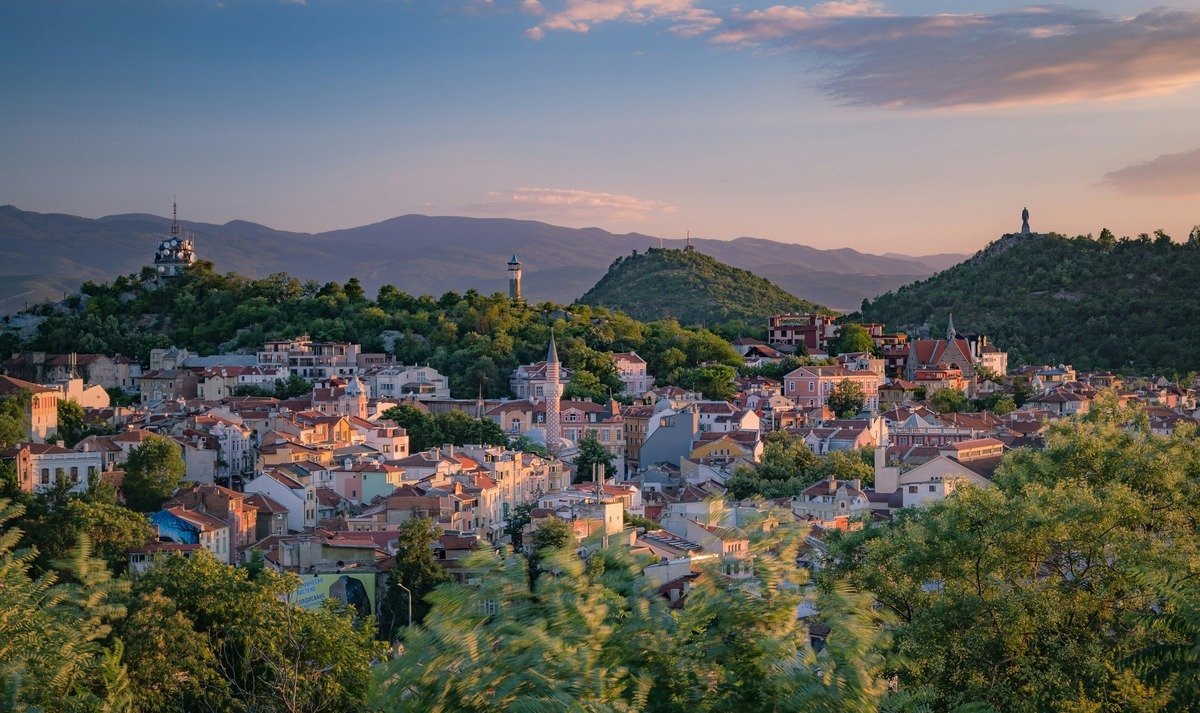
Plovdiv's Old Town climbs three hills above the Maritza river and contains one of the best-preserved ensembles of Bulgarian National Revival architecture in the country — wooden-framed houses with upper floors cantilevered over cobblestone lanes, each façade decorated with painted geometric patterns. It is also a functioning neighborhood rather than a museum zone, which makes it significantly more interesting than a preserved-for-tourism old town. The Roman amphitheatre, built in the 2nd century CE and rediscovered by an earthquake in 1972, hosts concerts. The city was European Capital of Culture in 2019 and the arts infrastructure that brought hasn't disappeared. Two days minimum; three is better.
Rila Monastery
Two hours from Sofia in a dramatic mountain valley, the Rila Monastery is the single most visually extraordinary site in Bulgaria. Founded in the 10th century, rebuilt in its current form in the 18th and 19th centuries, the complex is a UNESCO World Heritage Site and also a functioning monastery with resident monks. The exterior arcades are painted with vivid frescoes — saints, biblical scenes, and apocalyptic visions — that cover every surface. The interior church's iconostasis is carved wood that took craftsmen years to complete. Entry costs about €5. This is one of the most underpriced great experiences in Europe. Plan a full day including the drive.
Kazanlak & the Rose Valley
The Valley of the Roses stretches between the Balkan Mountains and the Sredna Gora range, and from late May to early June it smells like the source of all the perfume in the world. Bulgaria produces 70–80% of global rose oil from Kazanlak's Damask roses, and the harvest happens at dawn — the essential oil concentration drops as the day warms. The Rose Festival on the first weekend of June draws crowds; the week before is quieter and the roses are equally beautiful. The Kazanlak Thracian Tomb, a UNESCO site 500 meters from the town center, contains the finest Thracian frescoes in existence. The Thracian Art Gallery holds more gold than most national museums. This region is the most undervisited extraordinary place in Bulgaria.
Bansko
A genuine medieval town that happens to have a world-class ski resort attached to it by gondola. The old town of Bansko — stone houses, narrow streets, a 17th-century church — predates the ski infrastructure by centuries and remains its own distinct thing separate from the resort strip. The skiing is genuinely good: 75 kilometers of runs, mostly above 1,600 meters, reliable snow December through March. Lift passes cost around €35–45 per day — roughly half equivalent Alpine rates. The mehana (traditional tavern) culture in the old town is the correct way to spend ski evenings: wood fires, roast meats, local wine, and Bulgarian folk music that starts earnest and gets enthusiastic.
Koprivshtitsa
A mountain village two hours from Sofia where the Bulgarian National Revival of the 18th and 19th centuries is preserved in six house-museums that were the homes of the writers, artists, and revolutionaries who shaped modern Bulgarian culture and identity. The village is also where the April Uprising of 1876 against Ottoman rule began. The houses are extraordinarily beautiful — hand-carved ceilings, painted walls, carved wooden furniture — and are open to visitors. The village has a few hundred permanent residents and receives a fraction of the attention it deserves. Come on a weekday to have it largely to yourself.
Sozopol & the Northern Coast
The southern resort of Sozopol is the best balance of beach quality and preserved character on the Bulgarian Black Sea coast — a small peninsula with wooden houses from the 18th and 19th centuries, fishing boats in the harbor, and beaches on both sides of the headland. Nesebar, another UNESCO-listed peninsula town further north, has more preserved medieval churches but is more tourist-commercial. The northern coast around Shabla and Kaliakra has the wildest beaches and the lowest prices. The mass-market resorts of Sunny Beach and Golden Sands are functional but have little character — spend your time elsewhere on the coast.
Belogradchik Rocks
In Bulgaria's northwest corner, red sandstone pillars up to 200 meters tall rise from the forested Balkan foothills in formations that have accumulated names and myths over millennia. A 3rd-century Roman fortress is built directly into the rocks, using them as walls. The formations change color through the day from ochre to deep red at sunset. The northwest is the least-visited part of Bulgaria — the town of Vidin on the Danube has a genuinely impressive Ottoman fortress and is essentially undiscovered as a tourist destination. Belogradchik is three hours from Sofia and worth the drive.
Culture & Etiquette
Bulgaria has one social custom that genuinely catches every first-time visitor off guard, even those who have been briefed: Bulgarians shake their head to mean yes and nod to mean no. This is the opposite of the convention in virtually every other country most visitors have been to, and it is not just an occasional quirk — it is consistent and sincere. You will agree with something a Bulgarian says and nod, and they will think you are disagreeing. You will be confused about whether the shopkeeper is saying they have the thing or don't have it. This wears off after a day or two but the first 24 hours require constant conscious correction. Budget for it.
Beyond the head gesture: Bulgarians are reserved in public but genuinely warm once a personal connection is established. The toasting culture at a dinner table — "Nazdrave" is the toast — involves eye contact and the specific understanding that you drink when the host drinks, not before. Hospitality in rural Bulgaria in particular can be overwhelming in its generosity: if invited to a Bulgarian home, you will leave considerably more fed and watered than you arrived.
Head shake = yes. Head nod = no. This is real, consistent, and will cause genuine confusion if you don't adjust. Watch carefully in any transaction involving confirmation. When in doubt, ask verbally: "Da?" (yes?) or "Ne?" (no?)
Standard practice in Bulgarian households. Slippers may be offered. Look for the row of shoes at the entrance and follow suit without being asked.
Bulgarian hospitality is expressed through feeding guests. Declining food offered in a home requires a firm reason; accepting and eating generously is the correct response. "Oshte malko" (a little more) is the phrase hosts use as they refill your plate regardless of what you answered.
Shoulders and knees covered for both men and women at Orthodox churches and monasteries. The Rila Monastery provides wraps at the entrance. The monks at active monasteries take this seriously.
Bulgarian uses Cyrillic and learning to read it phonetically takes a weekend and dramatically improves your ability to navigate menus, signs, and maps. The sounds are largely phonetic once you know the alphabet. Apps like Duolingo or a simple Cyrillic chart on your phone covers what you need.
The relationship with the Communist period is complicated and personal. Some Bulgarians miss the economic security and social cohesion; others suffered genuine repression. Casual dismissals of the period from a visitor can land badly. Listen before you offer an editorial.
Bulgaria's historical debt to Russia for 1878 liberation and its current EU/NATO membership create a genuine tension in public opinion. Bulgarians have complicated feelings about Russia, especially since 2022. Don't assume you know which direction any given person leans.
Some restaurants and taxi drivers near major tourist sites charge significantly more than local prices. Menus displayed outside without prices visible are a warning sign. Taxis should use meters in cities — always confirm the meter is running before the journey starts.
Tap water is technically safe in most cities but has a strong taste in some areas and Bulgarians themselves often drink bottled. In rural areas and mountain regions, tap water quality varies. Ask locally or drink bottled when uncertain.
Particularly relevant at traditional festivals and markets where village women in traditional dress are often present. Ask before photographing. The refusal rate is low but the ask is essential.
Bulgarian Folk Music
Bulgarian vocal music is UNESCO-listed intangible cultural heritage and is legitimately unlike anything in Western European musical tradition. The polyphonic choral style — Le Mystère des Voix Bulgares, the album that brought it to Western audiences in the 1980s — uses asymmetric rhythms and microtonal harmonies that the Western ear initially has no framework for and then finds impossible to forget. Live performances at folk festivals, the mehanas of Bansko, and at the National Palace of Culture in Sofia are available. Go once and you will understand why the recordings made people stop what they were doing.
The Rose Harvest
The Kazanlak rose harvest runs from approximately mid-May to mid-June, with the main festival on the first weekend of June. The picking starts at dawn when the essential oil is most concentrated — you can join organized picking tours for €20–30 that begin at 5:30am and end with breakfast and rose products. The smell of an entire valley of Damask roses at dawn is a sensory experience with no parallel in Bulgarian tourism and very few in European travel generally. Plan the trip specifically around this if the timing works.
Nestinarstvo Fire Dancing
The Nestinarstvo tradition — ritual fire walking on hot coals performed in a trance state while carrying icons — was practiced in villages on the Bulgarian-Greek border for centuries and is listed by UNESCO as intangible cultural heritage. The tradition is still performed on the Feast of Saints Constantine and Helena (June 3) in the villages of Balgari and Brodilovo near Malko Tarnovo. Attending it is possible for visitors who plan carefully and get there early. It is the strangest thing you will see in Bulgaria and among the stranger things available in Europe.
Kukeri Masquerade
The Kukeri is a pre-Christian ritual performed at the start of each year (timing varies by village) in which men dress in terrifying costumes of animal skins, bells, and wooden masks and parade through the village making an enormous noise to drive away evil spirits. The costumes are extraordinary works of craft — some weigh 30–40 kilograms in bells alone. The Kukeri festival in Pernik (near Sofia) in late January is the largest gathering of kukeri groups in Bulgaria and one of the most visually extraordinary folk events in Europe. The noise alone is unforgettable.
Food & Drink
Bulgarian cuisine sits at the crossroads of Balkan, Ottoman, and Eastern Mediterranean cooking and has developed its own character from all three. It is meat-heavy, dairy-rich, vegetable-forward in summer, and built around the concept that fresh ingredients are the only ingredients worth using. The Bulgarian obsession with seasonal produce — spring is for nettles and lamb, summer for tomatoes and peppers, autumn for mushrooms and walnuts, winter for preserved everything — produces food that is at its best when eaten in the region and season where it was grown.
The dairy culture is the thing most visitors don't expect and can't stop eating. Bulgarian yogurt — kiselo mlyako, soured with the specific Lactobacillus bulgaricus strain first isolated here — is genuinely different from yogurt anywhere else, thicker and more sour, eaten as a dish rather than a topping. The sirene white cheese, made from sheep or cow milk and brined, is on every table at every meal. Kaymak, a clotted cream of extraordinary richness, arrives with bread at breakfast in traditional guesthouses and is the correct introduction to any Bulgarian morning.
Shopska Salata
Bulgaria's national salad and the first thing you will eat. Diced tomatoes, cucumber, onion, and roasted peppers topped with an entire blanket of grated sirene white cheese. The tomatoes must be ripe — in season (July–September) they are, and the salad is one of the best things in Bulgarian food. Out of season in tourist restaurants, it is considerably less. Order it when the tomatoes in the market look right. Never in winter.
Kavarma & Gyuvech
Kavarma is a slow-cooked pork or chicken stew with mushrooms, onions, tomatoes, and peppers, finished in a clay pot (gyuvech) in the oven until the sauce reduces to something close to a glaze. The gyuvech pot gives its name to the most common form of this dish. Served with bread for the sauce. A gyuvech dish at a traditional mehana costs €5–8 and constitutes a full meal. It is the definitive Bulgarian winter food.
Banitsa
Phyllo pastry layered with beaten egg and sirene cheese, baked until the layers are crisp and the filling is molten. Banitsa is the Bulgarian breakfast — eaten from bakeries that open at 6am, served in sheets or coiled spirals, and washed down with ayran (salted yogurt drink) or boza (fermented grain drink of mild sweetness). Every Bulgarian bakery makes it. The best version in Sofia is at the bakery on Vitosha Boulevard that opens before dawn and sells out by 9am.
Kebapche & Grilled Meats
Kebapche is a Bulgarian version of the Balkan minced meat sausage — pork rather than beef-lamb, spiced with cumin and black pepper, grilled over charcoal and served with fries, shopska salad, and lutenitsa (roasted pepper and tomato relish). At a Bulgarian skara (grill) restaurant, a full dinner of kebapche, salad, bread, and a beer costs €8–12. This is the meal you will eat most often and not get tired of.
Bulgarian Wine
Bulgaria's wine culture is largely unknown internationally and significantly better than that obscurity suggests. The Thracian Valley around Plovdiv produces robust reds from Mavrud and Rubin grapes. The Melnik area in the southwest grows Melnik 55 on ancient vines — the wine is said to be the only one that travels well (a local joke about being carried in a suitcase). A bottle of quality Bulgarian wine costs €4–10 at a winery shop and €8–15 at a restaurant. Order local wine, always, over imported alternatives.
Yogurt, Cheese & Dairy
Kiselo mlyako (Bulgarian yogurt) uses the Lactobacillus bulgaricus strain first isolated by Bulgarian microbiologist Stamen Grigorov in 1905 — the same strain used in authentic Bulgarian yogurt worldwide. Eat it plain with honey for breakfast. Eat it with soup to cool it. Eat it with banitsa. The sirene cheese crumbled on everything is a brine-ripened white cheese closer to feta than mozzarella but distinct from both. Kaymak — buffalo milk clotted cream — appears on any traditional breakfast menu worth the name.
When to Go
Bulgaria is a genuinely four-season destination because the different regions peak at different times. Late May to early June is the rose valley moment and the ideal cultural tourism period — mild temperatures, long days, the rose harvest underway in Kazanlak. July to August is Black Sea season. December to March is ski season in Bansko and Borovets. September is underrated: warm, harvest season, vineyards active, crowds gone from most tourist sites.
Rose Season
Late May – JunThe rose harvest in Kazanlak, mild temperatures across the country, the mountain passes open, and tourist crowds at their most manageable. This is the period for a full Bulgaria cultural itinerary: Sofia, Plovdiv, Koprivshtitsa, and Kazanlak all within a two-week loop.
Autumn
Sep – OctHarvest season, wine country at its most active, the forests turning above Rila and Rhodope. September is warm enough for the Black Sea and cool enough for mountain hiking. The tourist sites are significantly less crowded than summer. Mushroom season in the forests is a specific Bulgarian autumn pleasure.
Summer
Jul – AugBlack Sea season. Beach towns are fully operational, the sea is warm, and festival season is active. Sofia and inland cities can be hot (35°C+). The mountains are ideal in summer — Rila Lakes hiking is best done July through September when the snow has cleared the upper passes.
Winter
Dec – MarBansko and Borovets ski season. The cultural cities — Sofia, Plovdiv — are uncrowded and cheaper. The Kukeri festival in Pernik (late January) is one of Bulgaria's most extraordinary cultural events. Non-ski winter travel requires accepting shorter daylight and variable weather in exchange for very low prices.
Trip Planning
Seven to ten days covers a strong cultural loop: Sofia (2–3 nights), the Rila Monastery day trip, Koprivshtitsa (1 night), Plovdiv (2 nights), and Kazanlak with the rose valley (1–2 nights). The Black Sea coast is a separate trip or extension. Bansko is a separate ski trip. Trying to combine beach and cultural Bulgaria in a single week produces a rushed experience of both — pick one focus per trip.
Sofia
Day one: Alexander Nevsky Cathedral, the Serdika forum under the metro station (visible through glass floors on the platform), the Church of St. George Rotunda — a 4th-century Roman church still standing inside a hotel courtyard. National History Museum in the Boyana suburb: allow three hours. Day two: Boyana Church (book in advance — entry is limited), the Saturday Halite market, a walk along Vitosha Boulevard, the city garden and National Theatre.
Rila Monastery
Full day trip from Sofia (2 hours each way by bus or rental car). Arrive when it opens. The morning light on the painted arcades is different from the afternoon light and worth seeing. Allow 3–4 hours in the complex. Return to Sofia in the evening or continue south to Plovdiv by car via the Rhodope foothills.
Plovdiv
Two nights. Day four: Old Town on foot — the National Revival houses, the Roman amphitheatre at dusk (check if evening concerts are scheduled), the Ancient Stadium ruins visible through a pedestrian underpass on the main street. Day five: Kapana creative district for morning coffee, the Regional History Museum's Thracian section, afternoon walk through the Trakiya district where the regular city happens rather than the tourist city.
Kazanlak / Rose Valley
Two hours from Plovdiv. The Kazanlak Thracian Tomb (UNESCO, book in advance — entry is limited to 10 minutes to protect the frescoes). The Thracian Art Gallery with gold treasures. If timing works with the rose harvest (late May–mid June): a dawn rose picking tour. Return to Sofia on day seven for the evening flight. The drive back via Shipka Pass through the Balkan Range is spectacular.
Sofia + Koprivshtitsa
Three days for Sofia including a full day at the National History Museum and Boyana Church, plus a day trip to Koprivshtitsa (2 hours by train or car). The six house-museums of Koprivshtitsa take a full afternoon to visit properly. Overnight in Koprivshtitsa if a guesthouse is available — the village after the day visitors leave is entirely peaceful.
Rila + Bansko
Rila Monastery (full day). Continue south to Bansko for the evening. Day five in the old town of Bansko — the church of the Holy Trinity, the Neofit Rilski House Museum (birthplace of the monk who standardized the Bulgarian literary language), and the mehana culture that starts at 7pm and finishes late.
Plovdiv + Rhodope
Three nights: Plovdiv old town properly explored, a day trip into the Rhodope Mountains — Bachkovo Monastery (second in importance after Rila, significantly less visited), the Asen Fortress ruins, the gorge of the Arda river. Wine tasting at a Thracian Valley winery in the afternoon.
Rose Valley + Black Sea
Kazanlak and the rose valley (or Belogradchik if rose season has passed). Then east to the Black Sea coast: Nessebar medieval old town (UNESCO), Sozopol for the most atmospheric base, a wild beach north of Shabla for a day of doing nothing. Return to Sofia by overnight bus or by plane from Varna.
Sofia + Northwest Bulgaria
Sofia thoroughly including the Museum of Socialist Art (a collection of monumental Communist-era sculpture in an outdoor park — one of the weirder and more interesting museums in Bulgaria). Day trip northwest to Vidin and its Ottoman Baba Vida fortress on the Danube. Continue to Belogradchik for the rock formations at sunset. Return to Sofia.
Koprivshtitsa + Rila + Bansko
The mountain circuit: Koprivshtitsa overnight, Rila Monastery full day, Bansko old town, a day hike from Bansko up the Pirin Mountains to Vihren peak (2,914m) if fitness and weather allow. Bansko to Plovdiv in the evening — the Rhodope foothills road is excellent.
Plovdiv + Rhodope + Wine Route
Five days in and around Plovdiv: the full Old Town, the Kapana district, Bachkovo Monastery, the Arda gorge, wine tastings at three to four Thracian Valley wineries (Katarzyna, Bessa Valley, Castra Rubra), and an afternoon in the village of Shiroka Laka in the Rhodopes where traditional Rhodope music is still actively performed.
Rose Valley + Kazanlak + Black Sea
Kazanlak and the full rose valley route. The Thracian Valley of the Kings — a series of Thracian royal tombs between Kazanlak and Shipka including Golyama Kosmatka and Helvetia. East through the Balkan Range to Varna and the northern Black Sea coast: Cape Kaliakra wildlife reserve, the Rusalka eco-village resort, the quiet sandy beaches at Bolata and Yailata above the cliffs.
Vaccinations
No mandatory vaccines for Bulgaria. Tick-borne encephalitis (TBE) vaccination recommended for forest hiking from spring through autumn — ticks are common in Bulgarian forests and mountain areas. Routine vaccines up to date. No unusual health risks for travelers from Western countries.
Full vaccine info →Currency
Bulgarian Lev (BGN), pegged to the euro at 1.956 BGN. Bulgaria has not yet adopted the euro. ATMs are widespread. Cards are accepted at hotels and most restaurants in cities. Cash is needed for smaller restaurants, markets, and rural areas. Keep BGN 50–100 on hand when traveling outside major cities.
Connectivity
EU roaming rules mean EU/EEA residents pay no extra in Bulgaria. Non-EU visitors: local SIMs from A1, Vivacom, or Yettel available at the airport and in shops. eSIMs from Airalo cover Bulgaria. Coverage is excellent in cities and main roads, limited in some Rhodope and Rila mountain valleys.
Get EU eSIM →Language
Bulgarian uses the Cyrillic alphabet. English is spoken in Sofia, Plovdiv, Bansko, and the Black Sea resorts by the under-40 service sector. Outside tourist areas, Russian (Soviet-era legacy) is more useful than English for older generations. Learn Cyrillic phonetics before arrival — it transforms navigation.
Travel Insurance
Good hospitals in Sofia and Plovdiv. Mountain rescue services exist but response times vary. Travel insurance with medical and evacuation cover is strongly recommended for any mountain hiking or skiing. EU citizens covered by EHIC/GHIC. Non-EU visitors should verify their policy covers Bulgaria.
Vignette
Driving on Bulgarian roads requires an e-vignette, purchased online at bgtoll.bg or at border crossings and fuel stations. Weekly vignette costs BGN 15 (about €8). Fines for driving without one are significant. Purchase before entering if driving from a neighboring country.
Transport in Bulgaria
Getting between Bulgaria's main cities is manageable. Getting to the interesting places between them requires either a car or significant patience with slow buses. The Rila Monastery, Koprivshtitsa, the rose valley, Belogradchik, and most Rhodope destinations are either inaccessible or very slow by public transport. A rental car from Sofia transforms the itinerary. The main highways — Sofia to Plovdiv (the Trakia motorway), Sofia to Varna — are excellent. Secondary roads range from good to rough.
Intercity Buses
BGN 10–30/routeThe primary intercity connection. Sofia to Plovdiv: 2 hours, multiple daily departures from the Central Bus Station. Sofia to Bansko: 2.5 hours. Sofia to Varna: 7 hours. Buses are generally comfortable and on time. Buy tickets at the terminal or through avtobusnibileti.bg.
Trains
BGN 8–20/routeSlower than buses and less frequent, but scenic on mountain routes. The Sofia to Plovdiv train through the Rose Valley is pleasant. The Sofia to Koprivshtitsa narrow-gauge railway is charming and slow. BDZ (Bulgarian State Railways) trains are generally comfortable but rarely fast.
Car Rental
€20–40/dayThe single best transport decision for any Bulgaria itinerary beyond the main cities. Roads between Sofia, Plovdiv, and the Black Sea coast are good. Mountain roads require attention. Buy the e-vignette before leaving the airport. International driving permit technically required but rarely checked for EU nationals.
Sofia Metro
BGN 1.60/tripThree metro lines covering Sofia's main tourist corridor and airport connection. Clean, reliable, runs until midnight. The airport line (M2) connects Sofia Airport to the center in 30 minutes. Single tickets at the machine; day passes are BGN 4. Tram and bus network covers areas the metro doesn't reach.
Taxis
BGN 5–15 around SofiaOK Supertrans is the reliable Sofia taxi company. Bolt operates in Sofia and Plovdiv. Street taxis occasionally try tourist overcharging — use an app or verify the meter before getting in. Always check the per-kilometer rate displayed on the door before boarding.
Domestic Flights
€30–60Bulgaria Air flies Sofia to Varna and Sofia to Burgas (Black Sea airports). Only worth considering if the drive or bus route would take more than 5 hours and the schedule matters. For most itineraries, bus or car is the better option.
Bansko Gondola
Included with lift passThe gondola from Bansko town to the ski area at 1,650m is the starting point for all skiing and for summer mountain access. In summer it runs for hikers and sightseers at a day gondola rate. The journey takes 20 minutes and delivers views across the Pirin range that justify the trip independently of skiing.
Ferry (Danube)
BGN 10–20A Danube ferry crossing runs between Vidin (Bulgaria) and Calafat (Romania) — the only practical connection in the northwest before the new bridge was built. Also used by travelers crossing the Danube by car when the Ruse–Giurgiu bridge is less convenient.
Accommodation in Bulgaria
Bulgaria's accommodation ranges from well-designed boutique hotels in Sofia and Plovdiv to family-run guesthouses in mountain villages where breakfast is mandatory and enormous. The Black Sea resorts have abundant hotel stock that fills from July to August. Bansko has ski-season all-inclusive packages and summer guesthouse stays. The most memorable accommodation is typically the family-run mehana-guesthouse combination in places like Koprivshtitsa, Bozhentsi, or the Rhodope villages — where the house is 200 years old and dinner is included.
Boutique Hotels
€50–120/nightSofia and Plovdiv have excellent boutique hotel stock at prices that would be budget category in Western Europe. The hotel strip around ul. Vitosha in Sofia has several well-designed options. In Plovdiv's Old Town, converted National Revival houses have been turned into boutique hotels with original carved wood ceilings.
Guesthouses & Pansions
€20–55/nightThe backbone of Bulgarian rural tourism. Family-run guesthouses in Koprivshtitsa, Bansko old town, and Rhodope villages include breakfast (substantial) and often dinner (compulsory and excellent). The hosts know the area better than any app. Book directly when possible — prices are lower and the personal connection means better recommendations.
Bansko Ski Apartments
€30–80/nightThe Bansko ski complex has a large stock of self-catering apartments in the resort area (separate from the old town). All-inclusive ski packages including accommodation, lift passes, ski hire, and meals can be found for €500–800 per person per week in January and February — extraordinary value by Alpine standards.
Black Sea Hotels
€25–90/nightRange from all-inclusive resort complexes at Sunny Beach to small family guesthouses in Sozopol old town. The Sozopol guesthouses book out in August — reserve by May. The northern coast near Shabla and Kaliakra has rustic ecolodge accommodation at very low prices and essentially no crowds.
Budget Planning
Bulgaria is among the cheapest EU countries for travelers. The Bulgarian Lev is pegged to the euro at 1.956 BGN, making conversion simple. A full sit-down dinner with a glass of wine at a good local restaurant in Sofia or Plovdiv costs BGN 20–35 (€10–18). A beer in a bar costs BGN 3–5. The Rila Monastery costs BGN 10 to enter. The price gap between tourist-facing and local-facing restaurants is real but smaller than in Bosnia or Albania — even the tourist restaurants are cheap by Western standards.
- Hostel or budget guesthouse
- Banitsa and kebapche for most meals
- Local buses and metro
- Free parks, markets, and churches
- Local beer and rakia in the evenings
- Boutique guesthouse or 3-star hotel
- Full restaurant meals twice daily
- Rental car for rural destinations
- Museum admissions and experiences
- Wine tasting and local experiences
- Boutique hotel, double room
- Best restaurants and private guides
- Rental car throughout
- Rose valley dawn tour and winery visits
- All transport and admissions included
Quick Reference Prices
Visa & Entry
Bulgaria joined the Schengen Area in January 2025, which has simplified entry significantly. EU and EEA citizens need only a valid national ID. Citizens of the US, UK, Canada, Australia, New Zealand, Japan, South Korea, and most other Western nations get 90 days visa-free within any 180-day Schengen period. Note that Bulgaria's Schengen membership means that time in Bulgaria now counts against your overall Schengen 90-day allowance — an important planning consideration for longer European itineraries that include non-Schengen countries like Bosnia or North Macedonia.
Bulgaria does not yet use the euro — it retains the Bulgarian Lev, pegged to the euro. This is likely to change, but verify the current currency status before travel.
Bulgaria joined Schengen in January 2025. Standard Schengen visa-free rules apply. EU/EEA citizens need valid ID. Most Western passport holders enter visa-free for 90 days within any 180-day Schengen period. Time in Bulgaria now counts against Schengen allowance.
Family Travel & Pets
Bulgaria is an excellent family destination with good practical reasons. The Black Sea coast in July and August provides warm, calm water, sandy beaches, and accommodation at prices that make a week affordable for families who would struggle with Mediterranean resort costs. The cultural sites — Rila Monastery, Koprivshtitsa houses, Belogradchik rocks — are accessible and engage different ages in different ways. The food is universally child-friendly and cheap. Bulgarian culture is warm toward children in ways that make dining out and traveling around a significantly easier experience than in more reserved Northern European countries.
Black Sea Swimming
The Bulgarian Black Sea warms to 22–26°C by July and stays warm through September. The beaches at Sozopol, Sinemorets, and the northern coast have calm water and gradual depths suitable for children. Golden Sands and Sunny Beach have the most facilities but least character. For families who want beach infrastructure without the crowds, Albena resort midway up the coast is a reliable compromise.
Belogradchik Rocks
The sandstone rock formations and the Roman fortress built into them are immediately compelling for children — the scale is striking, the shapes are named (the Madonna, the Schoolgirl, the Bear), and the fortress walls running between natural rock pillars look like something designed specifically to make a child want to explore. The site has walking paths and viewpoints accessible to children from age 5 upward.
Bansko Skiing
Bansko has excellent ski schools for children from age 4, dedicated beginner slopes, and ski hire available for all sizes. A family ski week in Bansko — accommodation, lift passes, lessons, and equipment for two adults and two children — can cost €2,000–3,000 total, compared to €5,000–8,000 for a comparable week in the Alps. The old town's warmth in the evenings gives children something to look forward to after the slopes.
Wildlife & Nature
Bulgaria has genuinely wild nature. The Rhodope Mountains harbor wolves, bears, and wild boar (rarely encountered but real). The Srebarna Biosphere Reserve on the Danube is a major bird migration corridor with pelicans and egrets. Cape Kaliakra on the Black Sea hosts dolphin populations that come close to shore. The Pirin National Park above Bansko has marmots, chamois, and golden eagles visible on hiking trails.
Rose Picking
Rose picking tours at the Kazanlak rose valley (late May–mid June) start at dawn, typically at 5:30–6am, and last two to three hours. Children who can manage the early start find the experience of wading through waist-high rose bushes in the morning mist picking flowers with local workers extraordinary. Rose distillery visits follow, explaining how oil is extracted. Ages 6 and up cope well; younger children are harder at that hour.
Food for Kids
Bulgarian food is almost uniformly child-friendly: banitsa cheese pastry, kebapche grilled sausages, fries, pizza (widely available), and desserts including baklava and the extraordinary Bulgarian ice cream culture (sladoled — Bulgarian ice cream shops take it seriously and produce flavors not found elsewhere in Europe). Yogurt with honey for breakfast is one of those things children discover in Bulgaria and want at home forever after.
Traveling with Pets
Bulgaria's Schengen membership as of January 2025 has simplified pet entry from EU countries: EU Pet Passport with valid microchip and rabies vaccination is sufficient for travel from EU Schengen countries. Non-EU travelers need a veterinary health certificate issued within 10 days of travel, endorsed by the official veterinary authority of the departure country. UK travelers must follow the UK's post-Brexit Animal Health Certificate process.
Bulgaria is reasonably pet-friendly in practice. Dogs are permitted in many outdoor café settings and in parks. The Black Sea beaches vary — some allow dogs, some don't, and enforcement is inconsistent. The national parks (Rila, Pirin, Central Balkans) allow dogs on leashes on marked trails. Mountain guesthouses often accept dogs; city hotels vary and must be confirmed before booking. Stray dog populations in some Bulgarian towns and cities are a genuine consideration — leash pets in urban areas and be aware of interaction risks with strays.
Safety in Bulgaria
Bulgaria is generally safe for tourists. Violent crime against visitors is rare. The main practical risks are pickpocketing in Sofia city center and the main tourist areas, occasional taxi overcharging, and the traffic police situation for drivers described in the transport section. The Black Sea resorts in high season have the occasional drunken disturbance associated with party tourism but are not dangerous in any serious sense.
City Safety
Sofia and Plovdiv are safe for tourists including at night. The main tourist zones are well-lit and regularly policed. Standard urban awareness applies. The neighborhoods directly around Sofia Central Station require more attention after dark.
Solo Women
Bulgaria is manageable for solo women travelers. Confidence and purposeful movement reduce unwanted attention. The tourist zones in Sofia and Plovdiv are comfortable at any hour. Rural areas and some Black Sea resort towns in high season require more situational awareness.
Taxi Scams
Unlicensed taxis at Sofia Airport and near tourist sites can charge multiples of the standard rate. Use OK Supertrans (look for the distinctive yellow cars), Bolt app, or the official taxi rank. Always confirm the meter is running before the journey starts. The meter rate should be BGN 0.79–1.20 per km — anything significantly higher is a tourist rate.
Traffic Police
Bulgaria has a documented problem with traffic police stopping foreign-plated vehicles and issuing on-the-spot fines, sometimes for genuine violations and occasionally questionably. Drive within speed limits strictly. Carry all documents. Fines are collectible on the spot. Request a receipt for any fine paid.
Mountain Safety
The Rila and Pirin mountains can be genuinely dangerous in poor weather. Afternoon thunderstorms are common in summer above 2,000m. Check weather forecasts before any mountain excursion. Stay on marked trails. Mountain rescue exists but response times in remote areas can be long.
Healthcare
Good hospitals in Sofia (Pirogov Emergency Hospital) and Plovdiv. English is spoken at major city hospitals. EU citizens covered by EHIC/GHIC. Non-EU visitors should have travel insurance. Rural medical facilities are more limited — travel insurance with evacuation cover is recommended for mountain travel.
Emergency Information
Your Embassy in Sofia
Most embassies are in the Lozenets and Iztok neighborhoods of Sofia.
Book Your Bulgaria Trip
Everything in one place. These are services worth actually using.
Bulgaria Has Been Waiting for You to Notice
The consistent theme of Bulgaria travel is the gap between expectation and reality. People arrive expecting something raw and post-Soviet and find Plovdiv's Old Town as well-preserved as Dubrovnik and a quarter of the price. They expect tourist-thin culture and find Thracian gold in a regional museum that receives 200 visitors a day. They book Bansko as a cheap skiing option and discover an old town that is genuinely medieval and a food culture that makes the Austrian equivalent look expensive and mediocre.
There is a Bulgarian saying, Търпението е горчиво, но плодовете му са сладки — "Patience is bitter, but its fruits are sweet." It applies to the country as well as anything can. Bulgaria has required patience from its own people through a sequence of empires and ideologies that would break most national identities. What remains is something that has been tested and hasn't broken: the Rila Monastery still standing in its valley after a thousand years, the rose valley still producing oil for the world's perfumers at dawn, the Thracian gold still gleaming in a Sofia museum while the world visits Venice for the fourth time. The fruits are there. You only have to go.