
Botswana vs Zambia at a glance
Seven rounds and three traveller types. Botswana takes the rounds that money buys: space, elephants and the Delta. Zambia takes the ones that value and adventure decide. Select a category to jump to the details.
| Category | BotswanaZambia |
|---|---|
| The seven rounds | |
| Wildlife & sightingsChobe's herds and the Delta edge out Luangwa | Botswana, narrowly |
| Cost & valueOften half the price for a comparable camp | Zambia, clearly |
| Crowds & exclusivityPrivate concessions with strict vehicle limits | Botswana, clearly |
| Safari styleWalking in Zambia, mokoro in Botswana | Split decision |
| Victoria Falls & landmarksThe falls are Zambia's; Kasane is a day trip away | Zambia, narrowly |
| Best time & seasonsSame dry season; more Botswana camps stay open | Botswana, narrowly |
| Safety & healthBoth very safe; malaria is the real risk | Draw |
| Best for | |
| HoneymoonsDelta camps with private decks and plunge pools | Botswana |
| First safari on a budgetOutstanding guiding for far less money | Zambia, clearly |
| Adventure seekersWalking, canoeing, rafting and Devil's Pool | Zambia, clearly |
| OverallBudget and safari style decide it | A genuine tie |
Two different visions of the African safari
Both countries run a high-value, low-volume safari model that funds conservation, and both deliver world-class wildlife. The difference is in how you experience it and what you pay.
The exclusive, water-and-wilderness safari
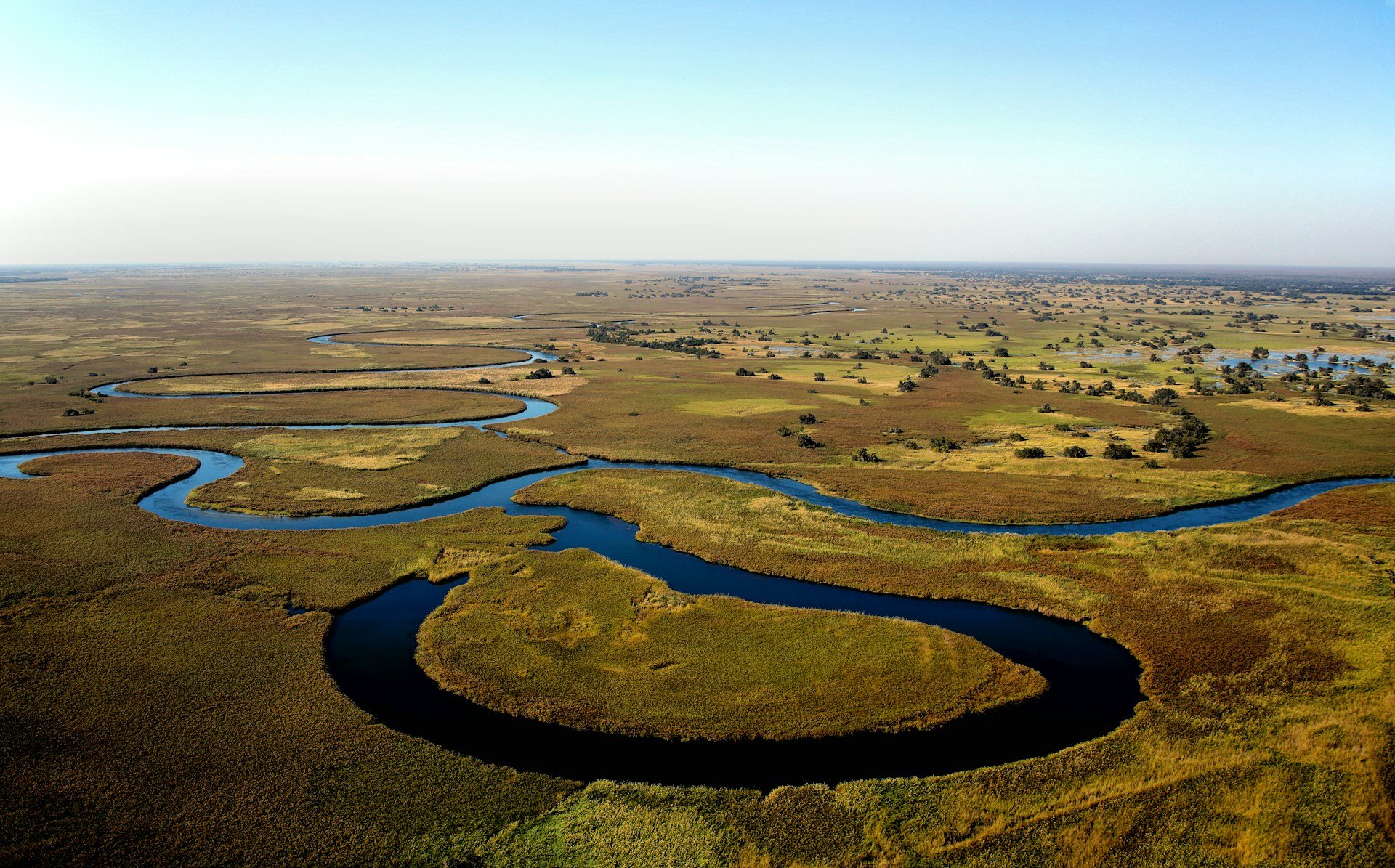
Botswana deliberately keeps visitor numbers low and prices high, with strict limits on camps and vehicles in its private concessions. The result feels genuinely remote. Its centrepiece is the Okavango Delta, a UNESCO World Heritage Site where a river spreads into the Kalahari and creates a vast seasonal wetland, while Chobe National Park holds some of the densest elephant herds on earth. The catch is simple: it is one of the most expensive safari destinations in the world.
The walking safari, with Victoria Falls attached
Zambia is where the modern walking safari began: Norman Carr pioneered it in the Luangwa Valley in the 1950s, and South Luangwa is still regarded by many guides as the best place in Africa to explore on foot. Add canoe safaris on the Lower Zambezi, the vast and little-visited Kafue, and the Zambian side of Victoria Falls at Livingstone. Top camps match Botswana for quality at a much lower price, and the atmosphere feels wilder and less packaged.
Key facts side by side
| Fact | 🇧🇼 Botswana | 🇿🇲 Zambia |
|---|---|---|
| Safari camps, per person per night, all-inclusive | $400 to $3,000+ | $150 to $1,400 |
| Dry season | May to October | May to October |
| Best months | June to September | June to October |
| Main gateways | Maun (MUB), Kasane (BBK) | Lusaka (LUN), Livingstone (LVI), Mfuwe (MFU) |
| Signature experience | Mokoro through the Okavango Delta | Walking safari in South Luangwa |
| Victoria Falls | About 1.5 hours by road from Kasane | On the doorstep in Livingstone |
| Entry, most Western passports | Visa-free | Visa-free for 30 days (UK, US, EU, Canada, Australia and many more) |
| Malaria | Present in the north, including the Delta and Chobe | Present nationwide, including Livingstone |
| Currency | Botswana pula (BWP) | Zambian kwacha (ZMW) |
| Time zone | UTC+2 | UTC+2 |
Entry rules change: check your own passport before booking. Visiting both sides of Victoria Falls? Ask whether the KAZA UniVisa, which covers Zambia and Zimbabwe, works out cheaper for you. Full details in our Botswana and Zambia guides.
Round 1 of 7
Which has better wildlife, Botswana or Zambia?
Botswana wins, narrowly
Botswana, by a whisker. Chobe's elephant herds and the Okavango's predators are hard to beat, and you usually see them with nobody else around. But South Luangwa is one of Africa's richest parks and the better bet for leopard, so a keen wildlife traveller will be thrilled with either.
 🇧🇼 Botswana
Botswana: the great elephant country
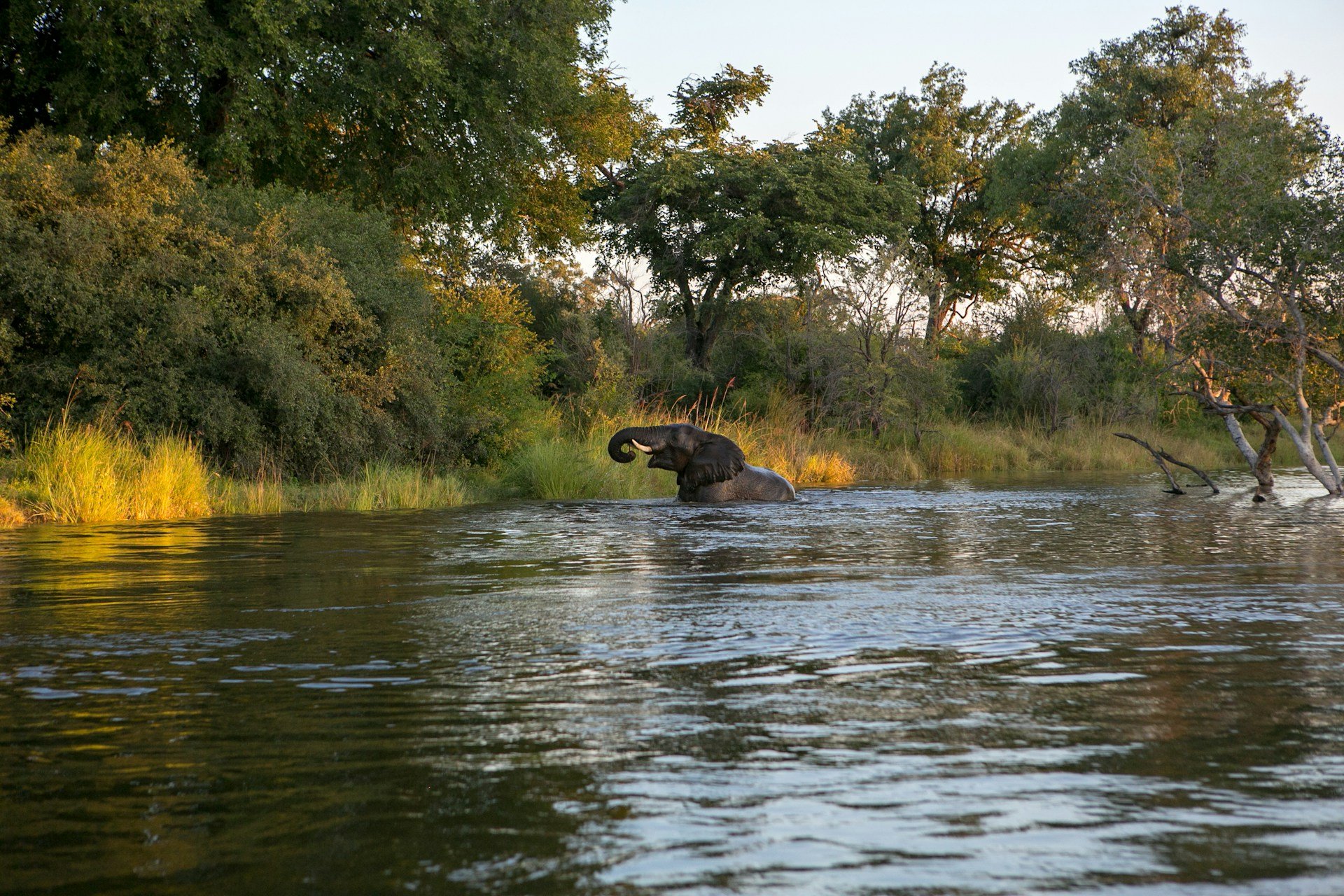
Botswana holds the world's largest elephant population, around 130,000 animals, and in the dry season the Chobe riverfront draws breeding herds of a hundred or more. The Okavango Delta adds lion, leopard, buffalo, cheetah and one of Africa's strongest wild dog populations, all in a landscape of islands and floodplains. In private concessions, guides can drive off-road and run night drives, so sightings are closer and more complete.
- Best parks
- Okavango Delta, Moremi, Chobe, Linyanti
- Standouts
- Elephant, wild dog, lion
 🇿🇲 Zambia
Zambia: leopard country, and wilder for it
South Luangwa's oxbow lagoons and riverine forest support huge numbers of hippo, buffalo, elephant and lion, and one of the highest leopard densities in Africa, seen most often on night drives. It also has its own subspecies, Thornicroft's giraffe. The Lower Zambezi is superb for elephant and hippo from the water, and Kafue, one of Africa's largest parks, offers big-country game viewing with very few people.
- Best parks
- South Luangwa, Lower Zambezi, Kafue
- Standouts
- Leopard, hippo, Thornicroft's giraffe
Round 2 of 7
Is a safari cheaper in Botswana or Zambia?
Zambia wins, clearly
Zambia, at every level. A comparable camp typically costs 40–50% less than in Botswana. A seven-night mid-range safari runs about $2,500–4,500 per person in Zambia against $5,000–8,000 in Botswana, before international flights.
| Typical cost | 🇧🇼 Botswana | 🇿🇲 Zambia |
|---|---|---|
| Budget camp, per person per night | $400–600 | $150–280 |
| Mid-range camp | $600–900 | $280–500 |
| Top luxury camp, peak season | $1,200–3,000+ | $600–1,400 |
| Light-aircraft transfer, per flight | $200–400 | $150–300 |
| Park and conservation fees | Usually in the camp rate | Usually in the camp rate; about $25–50 a day if not |
| Guide and staff tips, per day | $25–35 | $15–25 |
| 7 nights, mid-range, per person | $5,000–8,000 | $2,500–4,500 |
Typical 2026 all-inclusive rates in US dollars, excluding international flights. Green-season rates (roughly November to April) are much lower in both countries.
Where Botswana earns its price: you are paying for space. Fewer beds per concession means fewer vehicles at every sighting, which is the whole point for many travellers. If you want Botswana on a tighter budget, look at the green season or at camps around Chobe and Kasane rather than deep in the Delta.
Round 3 of 7
Crowds and exclusivity: where will you have sightings to yourself?
Botswana wins, clearly
Botswana, in its private concessions. Low-density tourism is national policy, so a lion kill in the Delta often has one vehicle watching, not ten. Zambia's remote bushcamps come close, but the busier areas near park gates feel more shared.
Vast concessions, a handful of tents
Most Delta and Linyanti camps sit on private concessions with a small number of guests and strict vehicle limits, so you rarely share a sighting. The exception is the Chobe riverfront near Kasane, where public roads and river boats get busy in peak season. For true solitude, fly into the Delta.
Quiet in the right places
The small seasonal bushcamps deep in South Luangwa, the Lower Zambezi and northern Kafue feel every bit as remote as Botswana. The Mfuwe area near South Luangwa's main gate is busier, with more lodges and vehicles, though still quiet by East African standards.
Round 4 of 7
Walking safari or water safari?
Split decision
This is the real difference between the two. Zambia is the best place in Africa to track wildlife on foot. Botswana is the only place to glide through a flooded delta in a mokoro. Pick the experience you want more.
 🇧🇼 Botswana, water
Mokoro, boats and game drives in one camp
A poler guides your mokoro, a traditional dugout canoe, silently through papyrus channels and lily lagoons, often within sight of elephants wading in the shallows. Water camps combine mokoro trips, motorboat outings and game drives on the larger islands, and some add scenic flights over the Delta. How much water you get depends on the camp and the season.
- Try it at
- Water camps in the central Delta
 🇿🇲 Zambia, walking
On foot with an armed guide and a scout
Walking in the Luangwa Valley turns a safari into tracking: reading spoor, smelling the bush and approaching animals on their terms. Operators such as Robin Pope Safaris, The Bushcamp Company and Time + Tide run walking-focused camps, some with multi-day walks between bushcamps. Night drives for leopard round off the day, and in the Lower Zambezi you can swap walking for canoe safaris.
- Try it at
- South Luangwa bushcamps, Lower Zambezi canoe trails
Round 5 of 7
Victoria Falls and the Okavango Delta
Zambia wins, narrowly
Zambia owns the falls; Botswana owns the Delta. Victoria Falls lies on the Zambia and Zimbabwe border, and Livingstone gives you the closest views and the Devil's Pool. It is only narrowly Zambia's round, because Botswana visitors in Kasane can reach the falls on a day trip.
 🇧🇼 Botswana
Botswana: the Delta, and the falls as a day trip
Botswana has no share of Victoria Falls, but the Okavango Delta is a wonder on the same scale: a UNESCO World Heritage Site and one of the Seven Natural Wonders of Africa. Flying over it in a light aircraft, with elephant and buffalo crossing the channels below, is unforgettable. From Kasane, the falls are roughly an hour and a half by road, so many Chobe itineraries include a day trip.
 🇿🇲 Zambia
Zambia: the closest you can get to the edge
Mosi-oa-Tunya, "the smoke that thunders", is about 1,708 metres wide and up to 108 metres high. From Livingstone, the Knife-Edge Bridge puts you in the spray of the Eastern Cataract, and in lower water, roughly mid-August to January, guided trips swim in the Devil's Pool right on the lip. Below the falls, the Batoka Gorge offers some of the world's best white-water rafting, plus bungee and gorge swings.
- Where to stay
- Tongabezi Lodge, The Royal Livingstone by Anantara
Timing the falls: peak flow is roughly March to May, when the spray is spectacular but can hide the view. From about October to December the Zambian side can run very low or almost dry, while the Zimbabwean side keeps more water. Plan around the season, not just the side.
Round 6 of 7
When is the best time for a safari in Botswana and Zambia?
Botswana wins, narrowly
June to September is best for both. The two share one dry season, from May to October, when animals gather at water. Botswana edges it on flexibility: the Okavango floodwaters peak in the dry months, and most camps stay open in the wet season, when many South Luangwa bushcamps close.
Botswana or Zambia, month by month
| Month | 🇧🇼 Botswana | 🇿🇲 Zambia | Pick |
|---|---|---|---|
| January | WetGreen season, baby animals, low rates | WetMany Luangwa camps closed | Botswana |
| February | WetSuperb birding | Wet | Botswana |
| March | MixedRains easing | WetFalls near peak flow | Botswana |
| April | GoodGreen and quiet | MixedCamps reopening; falls at full flow | Botswana |
| May | GoodDry season begins | GoodFalls in heavy spray | Both |
| June | BestFloodwaters arrive; cold nights | BestWalking season in full swing | Both |
| July | BestPeak flood and peak demand | Best | Both |
| August | Best | BestDevil's Pool season starts | Both |
| September | BestGame packed around water | BestCarmine bee-eaters nest | Both |
| October | GoodVery hot, dramatic waterhole action | GoodHottest month; great for leopard | Both |
| November | MixedFirst rains, impala births | MixedBushcamps start closing | Botswana |
| December | WetGreen season | Wet | Botswana |
Smart move: for a combined trip, aim for June to September. Walking conditions in Luangwa are ideal, the Delta is flooded for mokoro trips, and Victoria Falls still has plenty of water. Book early: the best camps in both countries fill six to twelve months ahead for peak season. Nights can drop close to freezing in June and July, so pack warm layers for early drives.
Round 7 of 7
Is Botswana or Zambia safer for tourists?
A draw
Both are among the safest safari countries in Africa. Both are politically stable, and crime against tourists in safari areas is rare. The real risks are health and wildlife related, and they are largely the same in both.
🇧🇼 Botswana: what to watch
- Malaria is present across the north, including the Delta and Chobe. Talk to a travel clinic about prevention well before you go.
- Self-drive means deep sand, long distances and limited rescue. Only attempt it with a properly equipped 4×4 and experience.
- Wildlife around unfenced camps: walk with an escort after dark and follow your guide's instructions at all times.
🇿🇲 Zambia: what to watch
- Malaria is present nationwide, including Livingstone, so the same prevention applies.
- Bilharzia occurs in some still water. Don't swim outside designated spots, and only visit the Devil's Pool with a licensed guide in season.
- Petty theft and overcharging happen in Lusaka and occasionally Livingstone. Avoid driving at night because of road conditions.
Before you go: take out travel insurance with emergency medical evacuation, and check our vaccine requirements guide. A yellow fever certificate is only needed if you arrive from a country with yellow fever risk.
Botswana and Zambia safari pros and cons
The honest upsides and downsides, in one place.
🇧🇼 Botswana
Pros
- The most exclusive, low-density safari in Africa
- The Okavango Delta and mokoro safaris
- The world's largest elephant population
- Off-road and night drives in private concessions
- Most camps open all year, with green-season deals
- Visa-free for most Western passports
Cons
- Among the most expensive safaris anywhere
- Light-aircraft transfers add cost and luggage limits
- Walking safaris are less developed than Zambia's
- Top camps book out 6 to 12 months ahead
🇿🇲 Zambia
Pros
- Often around half the price of Botswana
- The birthplace of the walking safari
- Excellent leopard sightings on night drives
- Victoria Falls, rafting and the Devil's Pool
- Canoe safaris on the Lower Zambezi
- Visa-free for 30 days for many nationalities
Cons
- Many South Luangwa bushcamps close from November to April
- Lusaka is a stopover to plan around, not a highlight
- Walking and canoe safaris usually need children to be 12+
- Roads outside the main routes are slow or impassable in the rains
Which is better for honeymoons, families and first safaris?
Botswana for honeymoons, photographers, elephant lovers and self-drivers. Zambia for first safaris on a budget, walkers, leopard lovers and anyone who wants adventure with their wildlife.
Honeymoons
Botswana
Delta camps with private decks and plunge pools are the classic safari honeymoon. Zambia plus Victoria Falls suits couples who want adventure too.
First safari on a budget
Zambia
Outstanding guiding and wildlife for far less money, with Victoria Falls as a bonus. Mfuwe-area lodges are an easy first step.
Walking safaris
Zambia
South Luangwa's walking tradition goes back to the 1950s, and some operators run multi-day walks between bushcamps.
Photographers
Botswana
Off-road driving and few vehicles in private concessions let guides position you for the shot without jostling.
Families with children
Botswana
More family-friendly camps and easy boat trips on the Chobe. Zambian walking and canoe safaris usually have a minimum age of 12, so check with the camp.
Adventure seekers
Zambia
Walking, canoeing, white-water rafting below the falls, bungee and the Devil's Pool, all in one trip.
Elephant lovers
Botswana
Chobe and the Linyanti host some of the biggest elephant gatherings on earth in the dry season.
Leopard lovers
Zambia
South Luangwa's night drives are among Africa's most reliable ways to see leopard hunting.
Self-drive
Botswana
Established routes through Moremi, Savuti and Chobe with bookable campsites, for experienced 4×4 drivers only.
Can you combine Botswana and Zambia in one trip?
Yes, it's one of Africa's classic safari combinations. Twelve days covers South Luangwa, Victoria Falls, Chobe and the Okavango Delta. Start in Zambia for walking and the falls, then finish in Botswana's Delta.
Zambia: days 1 to 6
- Days 1–4
South Luangwa. Fly into Lusaka (LUN), usually via Johannesburg, Addis Ababa or Nairobi, then take a short connecting flight to Mfuwe (MFU). Split four nights between a lodge near the Luangwa River, such as Mfuwe Lodge, and a remote bushcamp for walking. Mornings on foot, afternoons and nights on drives.
- Days 5–6
Livingstone and Victoria Falls. Fly to Livingstone (LVI) via Lusaka. Walk the rainforest trail and the Knife-Edge Bridge, then choose between rafting, a microlight flight or, in season, the Devil's Pool. Stay on the river at Tongabezi Lodge or right by the falls at The Royal Livingstone by Anantara.
Botswana: days 7 to 12
- Day 7
Cross to Botswana. Drive about an hour to Kazungula, where the bridge opened in 2021 now links Zambia and Botswana, then continue to Kasane. End the day with a sunset boat cruise on the Chobe River.
- Days 8–9
Chobe National Park. Morning game drives and afternoon boat safaris among the elephant herds. Chobe Game Lodge sits inside the park on the riverfront.
- Days 10–12
Okavango Delta. Take a light-aircraft transfer into a Delta concession for three nights of mokoro, boat trips and game drives, at camps such as Sanctuary Chief's Camp or Mombo Camp. Fly out via Maun (MUB) and Johannesburg.
When to do it: June to September. October is hotter but excellent for leopard and the Devil's Pool. Avoid December to March, when much of South Luangwa is closed and many roads are impassable. Light aircraft have strict luggage limits, usually around 20 kg in soft bags, so pack accordingly.
Verdict: should you choose Botswana or Zambia?
It's a genuine tie, and your budget decides it. Choose Botswana for the most exclusive wildlife experience money can buy and the Okavango Delta. Choose Zambia for outstanding guiding, walking safaris and Victoria Falls at roughly half the cost. If you can, do both.
The exclusive choice
Choose Botswana if…
Budget is not your main constraint and you want Africa's most private wilderness.
- You can spend $600+ per person per night
- The Okavango Delta is on your bucket list
- You want sightings without other vehicles
- Elephants are your priority
- You want mokoro, boat and game drives in one trip
The value choice
Choose Zambia if…
You want an authentic, top-quality safari without Botswana's price.
- Your budget is $150–500 per person per night
- You want to walk with wildlife
- Victoria Falls is on your list
- Leopard is the animal you most want to see
- You want rafting and adventure with your safari
Weigh it for your own safari
Select everything that matters to you.
Pick what matters on this safari and the needle will move.
Botswana vs Zambia: frequently asked questions
Is Botswana or Zambia better for a safari?
Both are outstanding, and budget usually decides. Botswana offers Africa's most exclusive low-density safaris, with the Okavango Delta and Chobe's elephant herds, at a high price. Zambia's South Luangwa is one of the best walking safari destinations in Africa, with excellent leopard sightings and guiding, often at around half the cost. Zambia wins on value; Botswana wins on exclusivity and the Okavango.
Which country has the better view of Victoria Falls?
Zambia gives the closest experience: the Knife-Edge Bridge in Livingstone puts you in the spray, and in lower water, roughly mid-August to January, guided trips visit the Devil's Pool on the lip of the falls. The Zimbabwean side has a longer panoramic path and keeps more water from about October to December. Botswana has no share of the falls, but they are about 1.5 hours by road from Kasane.
How much does a safari in Botswana vs Zambia cost?
A mid-range Botswana camp costs about $600–900 per person per night all-inclusive, and top Okavango camps can exceed $2,000 in peak season. Comparable Zambian camps run about $280–500, with budget options from $150. A seven-night mid-range safari costs roughly $5,000–8,000 per person in Botswana and $2,500–4,500 in Zambia, before international flights.
What is the best time to visit Botswana and Zambia?
June to September is best for both, in the middle of the May to October dry season, when wildlife gathers at water. The Okavango's floodwaters peak in the dry months, which is ideal for mokoro safaris. From November to April, most Botswana camps stay open with lower rates, while many South Luangwa bushcamps close.
Can you combine Botswana and Zambia in one trip?
Yes, it's one of Africa's classic safari combinations. A typical 12-day route spends four nights in South Luangwa and two at Victoria Falls in Zambia, then crosses the Kazungula Bridge to Chobe for two nights and flies into the Okavango Delta for three. June to September is the best time to do it.
Is Botswana or Zambia safer for tourists?
Both are among the safest safari countries in Africa, with stable governments and little crime against tourists in safari areas. Use normal city precautions in Lusaka. The main risks in both are health-related, especially malaria, and wildlife-related if you ignore your guide's instructions.
Do I need malaria medication for Botswana and Zambia?
Malaria is present in the main safari areas of both countries, including the Okavango Delta, Chobe, the Luangwa Valley and Livingstone, so prevention is strongly recommended. See a travel health clinic four to six weeks before you go to choose the right medication, and use repellent, long sleeves at dawn and dusk, and mosquito nets.
Do I need a visa for Botswana and Zambia?
Most Western passport holders can visit Botswana without a visa. Zambia has been visa-free for travellers from the UK, the US, the EU, Canada, Australia and many other countries since 2022, for stays of up to 30 days, and it added more countries in 2025. Always check the current rules for your passport before you travel.
How many days do I need in Botswana or Zambia?
Allow seven to ten days for Botswana, for example three or four nights in the Okavango Delta and two or three in Chobe. Five to seven days works well for Zambia: four nights in South Luangwa and two at Victoria Falls. A combined trip is best at 10 to 14 days.
Are Botswana and Zambia good for a honeymoon?
Both are excellent. Botswana's Okavango camps, with private decks, plunge pools and very few other guests, are often called the ultimate safari honeymoon, at a premium price. Zambia pairs intimate bushcamps with Victoria Falls and its adventures, which suits more active couples. A combined trip gives you both.
Is self-drive safari possible in Botswana and Zambia?
Yes, but only for experienced drivers. Botswana has established self-drive routes through Moremi, Savuti and Chobe, with campsites that must be booked months ahead, and deep sand throughout. Zambia's self-drive routes are less developed and roads become difficult in the rains. First-time visitors are better off with fly-in, all-inclusive camps.
Either way, you're in for a great safari
Botswana and Zambia get compared because both are outstanding, not because one lets you down. Decide what matters most, the space and the Delta or the walking and the falls, then book the dry season early. Better still, cross the Kazungula Bridge and do both.