
What You're Actually Getting Into
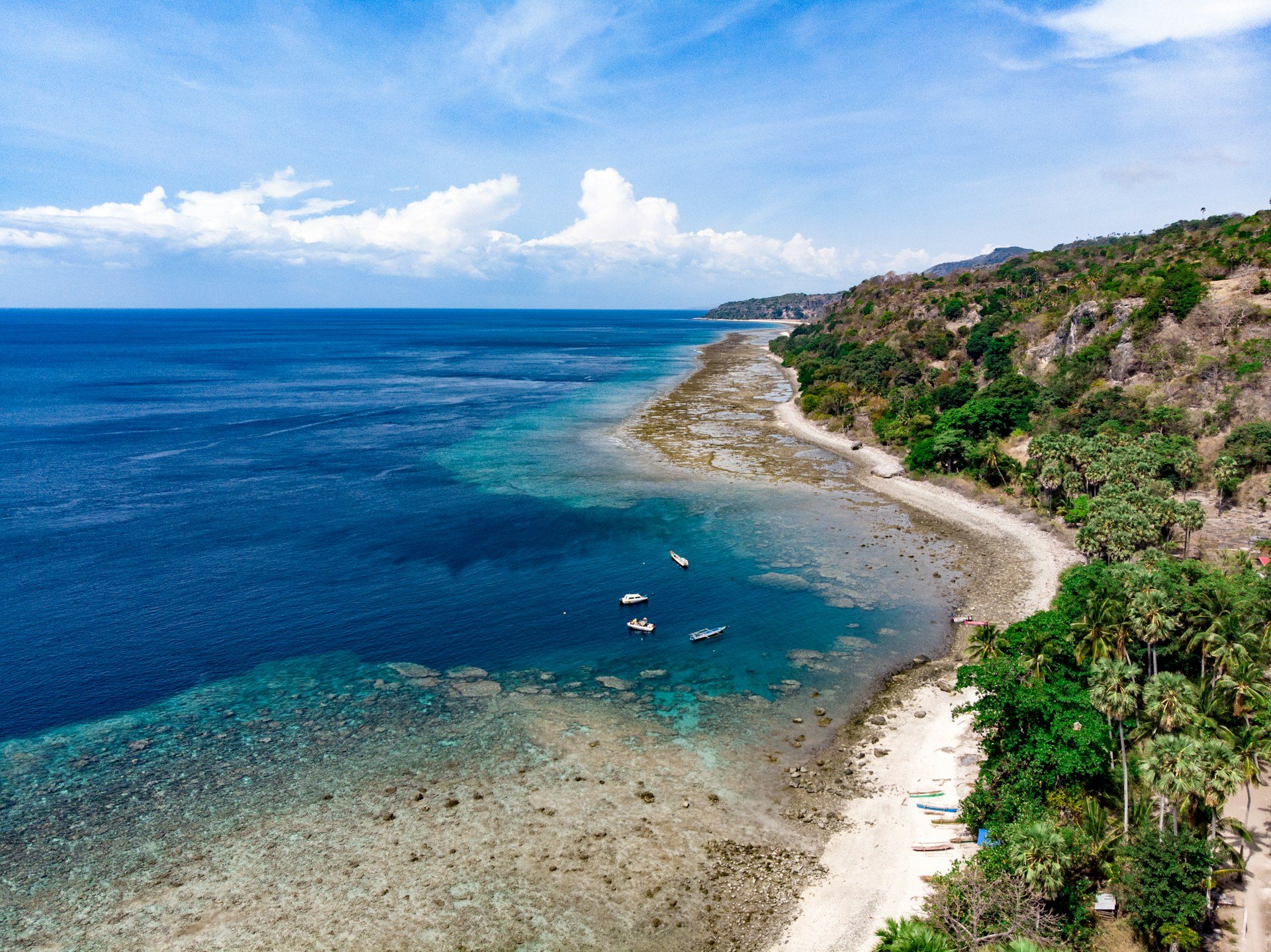
Start with the basics, since so few people know them: Timor-Leste occupies the eastern half of the island of Timor, in the Lesser Sunda Islands at the southern edge of Southeast Asia, about an hour's flight from Bali and from Darwin, Australia. It's the only country in Asia sitting entirely in the Southern Hemisphere, and it also controls an exclave, Oecusse, on the northwestern side of the same island, surrounded by Indonesian West Timor. Most people, including many well-traveled ones, genuinely couldn't place it on a map, which is part of what makes it interesting to visit.
Timor's geological history explains its best feature: the island was never attached to a landmass and was instead pushed up from the ocean floor by tectonic activity, rather than built slowly from coral accumulation like many neighboring islands. Close to shore, the reefs plunge to serious depth, and marine surveys have recorded the highest reef-fish biodiversity per site anywhere on earth around Atauro Island. Add rugged mountain interior, a coffee industry dating to Portuguese colonization, and a 24-year independence struggle that shaped nearly every aspect of national identity, and you have one of the most quietly extraordinary countries in the region.
The honest complications
Tourist infrastructure remains genuinely thin. Direct flights connect Dili with only a handful of cities (Bali, Kuala Lumpur, Darwin, and periodically others), so most visitors arrive via multiple legs. GPS is unreliable outside Dili, road conditions are poor with real risk from flooding and landslides in the wet season, and night driving is discouraged for lack of lighting and emergency infrastructure. None of this makes the country difficult so much as it makes patience and flexibility part of the actual experience: this is not a place where things run on a published schedule, and travelers who arrive expecting that will have a worse time than those who arrive ready to adapt.
A History Worth Knowing
Timor-Leste's earliest inhabitants arrived via ancient migrations from Southeast Asia around 3000 BCE, with Austronesian peoples establishing farming communities by 2000 BCE; archaeological evidence from sites like Laili Cave, one of Southeast Asia's oldest habitation sites at roughly 44,000 years, reveals stone tools, pottery and early trade networks reaching China, India and the Spice Islands. What followed was centuries of Portuguese colonization, a brutal Japanese wartime occupation, and then, after Portugal's abrupt 1975 withdrawal, a 24-year Indonesian occupation that the country fought its way out of at extraordinary human cost.
- ~3000 BCE
Austronesian settlement. Farming communities established across the island, with trade networks eventually reaching China, India and the Spice Islands.
- 1702
Portuguese Timor declared. Portugal formalizes its colony on the eastern half of the island after over a century of prior trading influence.
- 1974-1975
Carnation Revolution & civil war. Portugal's 1974 revolution promises decolonization; FRETILIN, UDT and APODETI factions clash before FRETILIN declares independence on 28 November 1975.
- 1975-1999
Indonesian occupation. Indonesia invades nine days after independence is declared; a 24-year occupation follows, with a death toll estimated in the range of 100,000 to 200,000.
- 1999
Independence referendum. Nearly 80 percent vote for independence in a UN-organized ballot; pro-Indonesia militias respond with widespread violence and destruction before international peacekeepers restore order.
- 2002
Independence restored. Timor-Leste becomes a fully sovereign nation on 20 May, with a UN peacekeeping presence continuing until 2012.
- 2025
ASEAN accession. Timor-Leste becomes the bloc's eleventh member on 25 October, the first expansion of ASEAN since 1999.
Read the full history: the occupation, the referendum, and independence
Portugal's 1974 Carnation Revolution ended its authoritarian regime and promised decolonization for its overseas territories, including Timor-Leste. Political parties formed rapidly: FRETILIN, pro-independence, UDT, conservative unionists favoring a gradual transition, and APODETI, favoring integration with Indonesia. A brief but violent civil war between factions destabilized the territory in 1975, and Portugal's hasty withdrawal left a power vacuum that FRETILIN moved to fill, declaring independence on 28 November 1975. Nine days later, Indonesia invaded, beginning a 24-year occupation marked by widespread human rights violations, forced resettlement and famine, with death toll estimates ranging from roughly 100,000 to 200,000, a staggering proportion of a small population.
Resistance continued throughout the occupation, both armed resistance in the mountains under figures like Xanana Gusmão and a clandestine urban network. The 1991 Santa Cruz massacre, in which Indonesian soldiers killed over 250 civilians at a cemetery in Dili during a peaceful demonstration, was captured on film smuggled out of the country and shifted international opinion decisively against the occupation. Following the 1998 fall of Indonesia's Suharto government, a UN-organized independence referendum was held in 1999; nearly 80 percent voted for independence, and pro-Indonesia militias responded with a scorched-earth campaign that destroyed much of the country's infrastructure before an Australian-led international peacekeeping force restored order. Timor-Leste became fully independent on 20 May 2002, with continued UN peacekeeping presence until 2012, and joined ASEAN as its eleventh member on 25 October 2025.
Top Destinations
Timor-Leste is small, around 15,000 square kilometers, but the terrain, rugged mountains dropping straight to reef-lined coast, means distances take longer than the map suggests. A week covers the essentials well: Dili, Atauro Island, and one highland stop. Two weeks adds the far east and more diving.
Dili, the capital
Dili is small and manageable, a coastal capital where Portuguese-era buildings sit alongside independence-era memorials. The Cristo Rei statue, a 27-meter figure of Christ on a headland east of the city, is reached by a stairway through forest and offers views over a genuinely good swimming beach on the far side. The Tais Market sells traditional woven textiles from across the country's regions, each pattern specific to its area of origin. For the country's difficult recent history, the Resistance Museum, the Santa Cruz Cemetery, and the Chega! Museum in the old Comarca prison are the essential stops, sobering but necessary context.
Atauro Island
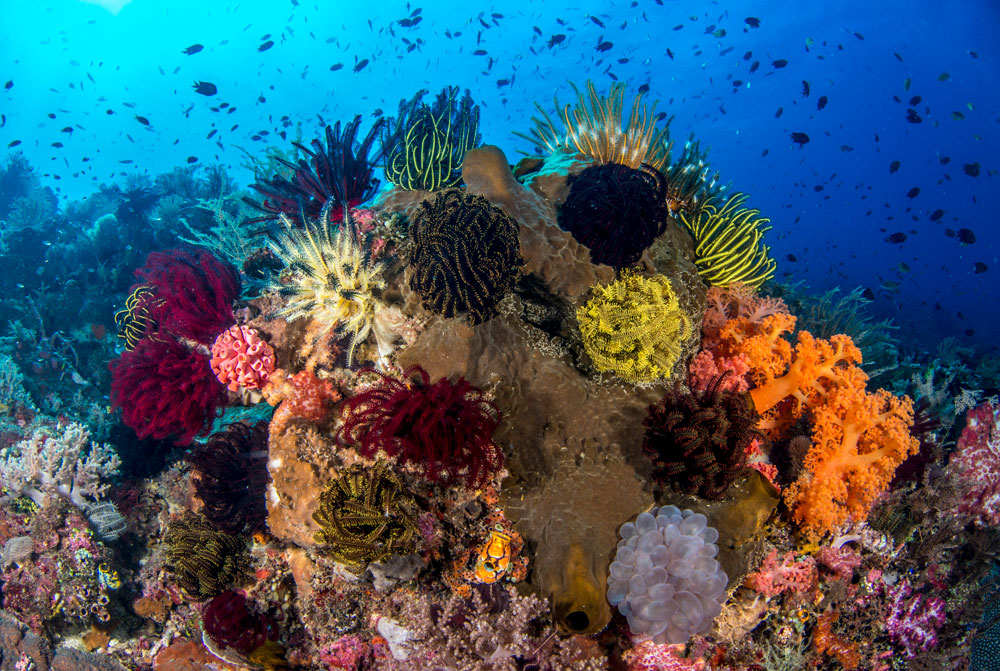
Twenty-five kilometers north of Dili by fast ferry or short flight, Atauro is Timor-Leste's signature destination: marine surveys have recorded higher reef-fish biodiversity per dive site here than anywhere else surveyed on earth. The island's isolation from major dive tourism has kept the reefs in close to pristine condition. Eco-lodges around Beloi and Vila support the small community-based tourism sector, with snorkeling directly off several beaches requiring no boat at all.
Jaco Island
At the country's easternmost tip near Tutuala, Jaco is an uninhabited island considered sacred by local communities and accessible only by traditional boat from the mainland beach opposite it. The Nino Konis Santana National Park surrounding it, Timor-Leste's first and only national park, protects some of the last tropical lowland rainforest in the region alongside prehistoric rock art sites and Lake Ira Lalaro's estuarine crocodiles.
Maubisse & the old capital highlands
Maubisse, a former colonial hill-station capital, sits in some of Timor's most beautiful highland scenery, terraced hillsides and a cooler climate than the coast. It's the standard base for approaching Mount Ramelau, the country's highest peak at 2,986 meters, topped with a statue of the Virgin Mary and climbed overnight so hikers reach the summit for sunrise, when the island stretches visibly to both coastlines at once.
Ermera's coffee country
The highland district of Ermera has grown coffee since Portuguese colonization, and Timor-Leste's Arabica, grown largely without pesticides on small family plots, has become internationally recognized as the country establishes itself as a specialty coffee origin. Visiting a cooperative farm here, with a cup of the actual harvest, is one of the country's more understated pleasures.
Baucau & Com
Baucau, Timor-Leste's second city, has a well-preserved Portuguese colonial old town and a market that draws traders from across the eastern districts. The seaside village of Com, further along the coast, is known for traditional weaving and a laid-back beach scene popular with surfers during the wet-season swell.
Los Palos & the Fataluku
Los Palos (Lospalos) is home to the Fataluku people, whose sacred totem houses, tall thatched structures believed to link past and present, are among the most visually striking traditional architecture in Southeast Asia. The surrounding district, closest to Jaco Island and the national park, rewards travelers willing to go furthest from Dili.
Culture & Etiquette
Timorese culture blends Austronesian and Melanesian roots with centuries of Portuguese Catholic influence and the deep imprint of the independence struggle; Timor-Leste is one of only two majority-Catholic countries in Asia, alongside the Philippines. Traditional tais weaving, with patterns specific to each region, remains a living practice rather than a tourist performance, and hospitality toward visitors is warm and genuine.
Do
- Greet with a gentle handshake or nod. Elders may appreciate a slight bow or hand kiss as a mark of respect.
- Use titles at first. "Tuan" (sir) or "Dona" (madam) until invited to use first names.
- Cover shoulders and knees in villages or churches. Modest, casual clothing suits daily life elsewhere, but traditional and religious settings expect more coverage.
- Wear or bring a tais if invited to a cultural event. The traditional woven sarong is appreciated as a sign of engagement with local custom.
- Approach the independence history with respect. The Santa Cruz massacre and the broader occupation are living memory for many Timorese, not distant history.
Don't
- Rush the pace of interactions. Timorese social life moves more slowly than many visitors expect; impatience reads poorly.
- Assume Indonesian is unwelcome. Given the occupation's history it can be a sensitive association for some, but it remains widely spoken and often practically necessary; read the room.
- Photograph people, especially in villages, without asking first. A simple gesture toward the camera is well understood and usually well received.
- Expect punctuality in the Western sense. Plans shift with weather, transport and circumstance; flexibility is part of traveling here well.
Deeper culture: tais weaving, the church's role, and the coffee economy
Tais weaving. Each of Timor-Leste's regions produces distinct tais patterns using backstrap looms and, traditionally, natural dyes; the cloth marks status, region and occasion, and is central enough to national identity that it's recognized as intangible cultural heritage even without a formal UNESCO inscription yet.
The Catholic Church's role. The church was one of the few institutions the Indonesian occupation couldn't fully suppress, and it played a significant part in sustaining Timorese identity and eventually supporting the independence movement internationally; church attendance remains high and religious festivals are genuine community events, not staged performances.
The coffee economy. Ermera's Arabica, grown largely organically by necessity rather than certification, has become one of the country's most promising exports, and cooperative structures established after independence have helped small farmers reach specialty markets that would otherwise be closed to them.
Food & Drink
Timorese food draws on Southeast Asian staples, particularly influence from neighboring Indonesia, layered with Portuguese colonial dishes and the country's own agricultural traditions. Fresh seafood, corn and cassava, and Timor's increasingly well-regarded coffee define the everyday table.
Ikan Sabuko
A fresh fish soup found across the country, simply prepared with local vegetables and spices, reflecting Timor's reliance on the sea; roadside vendors in Dili sell fish balanced on carrying sticks straight from the morning catch.
Batar Da'an
A vegetable and bean stew with coconut milk and corn, one of the more common home-style dishes, found at eateries in Baucau and across rural markets for $3-5.
Timorese Coffee $1-2/cup
Strong Arabica from highland farms, particularly Ermera, served black and increasingly recognized internationally as a distinct specialty origin. Cafes in Dili serve it properly; buying beans direct from a cooperative is worth the detour.
Bacalao Portuguese heritage
Salted cod stew, a Portuguese colonial legacy still cooked properly at the small Portuguese-owned restaurants in Dili that cater to the country's expat community.
Batar Nurak (Pork & Corn)
Pork and young corn stew, hearty and warming, found in rural markets for $6-10 and best suited to cooler mountain evenings.
Sago Palm Pudding
A traditional dessert from the eastern Los Palos region, sago palm pudding served with fresh fruit, one of the country's more distinctive sweet dishes.
When to Go & Itineraries
May to October is the dry season and the best window for nearly everything: warm, low-humidity weather around 26-30°C, ideal conditions for diving, hiking Mount Ramelau, and surfing at Com Beach as the season builds. November to April brings the wet season, heavier rains, waterfalls at their fullest, and a real increase in landslide and flooding risk on mountain roads.
Both seasons compared, with temperatures
| Season | Verdict | Temps | Notes |
|---|---|---|---|
| May-Oct, dry | Best | 26-30°C | Diving, hiking and surfing at their best; whale migrations offshore |
| Nov-Apr, wet | Manageable, plan indoors | 24-28°C | Waterfalls at their fullest; road travel carries real landslide/flood risk |
Coastal Dili runs warmer and more humid year-round than the highland towns of Maubisse and Ermera, which are noticeably cooler at altitude.
Itineraries
A week is enough to see Dili, Atauro and one highland stop properly. Two weeks adds the far east, Jaco Island and Los Palos, plus more time in the water.
- Days 1-2
Dili. Cristo Rei, the Resistance Museum, Santa Cruz Cemetery, Tais Market, and a proper Portuguese dinner.
- Days 3-5
Atauro Island. Ferry across, two to three days of snorkeling and diving, staying at a community eco-lodge.
- Days 6-7
Maubisse & Mount Ramelau. Drive up to the highlands, overnight climb for sunrise from Timor's highest peak, back to Dili for departure.
- Days 1-3
Dili in depth. Both museums, Cristo Rei beach, Tais Market, and a day trip up to Ermera's coffee cooperatives.
- Days 4-6
Atauro Island. A full three days of diving and snorkeling around some of the least-touched reef in the world.
- Days 7-8
Maubisse & Mount Ramelau. The overnight sunrise climb, plus a slower exploration of the highland villages.
- Days 9-11
Baucau & Com. The Portuguese old town, then the beach village of Com for weaving and a slower coastal pace.
- Days 12-14
Los Palos & Jaco Island. Fataluku totem houses, then a boat crossing to Jaco within the Nino Konis Santana National Park before returning to Dili.
Getting there & around
Presidente Nicolau Lobato International Airport in Dili has direct flights from Bali, Kuala Lumpur, Darwin and periodically other regional hubs; most visitors connect through one of these. Overland entry from Indonesian West Timor is also possible at the land border. Within the country, 4WD hire with a driver is the practical option beyond Dili, since road conditions are poor and GPS is unreliable outside the capital.
All transport options with prices: ferries, driving, flights to Atauro
| Option | Price | Notes |
|---|---|---|
| Fast ferry to Atauro | ~$10-15 | Roughly 1 hour from Dili; check schedules locally as they shift with demand and weather. |
| Flight to Atauro | ~$50-80 | Short hop, useful when ferry schedules don't align with your plans. |
| 4WD with driver | $60-100/day | The standard way to reach the highlands and the far east; essential in the wet season. |
| Local minibus (mikrolet) | $1-3/trip | Cheap shared transport around Dili and between nearby towns, slow but functional. |
Practical prep: an International Driving Permit alongside your national license is recommended for self-driving, valid up to 3 months; longer stays require a local license from the Department of Transport and Communications. Download offline maps before leaving Dili, since GPS coverage outside the capital is unreliable. A local SIM (Telemor or Telkomcel) covers Dili and main towns reasonably; coverage thins out fast in the mountains and the far east.
Where to stay
Atauro eco-lodges
Community-run guesthouses around Beloi and Vila, simple and directly on or near the beach, the most authentic way to base a diving trip.
Dili hotels
A small but improving range of mid-range hotels and guesthouses catering to the NGO and diplomatic community as much as tourists, generally reliable and centrally located.
Highland homestays
Family-run guesthouses in Maubisse and around Ermera, often the best way to arrange a Mount Ramelau climb and to experience the coffee country directly.
Baucau & Com guesthouses
Basic but comfortable options in the old Portuguese town and the beach village further east, good bases for the far-east legs of a longer trip.
Budget Planning
Timor-Leste is inexpensive for what it offers, particularly for diving that would cost considerably more in better-known reef destinations. The currency is the US Dollar, which simplifies budgeting for American travelers and gives everyone else a stable reference point.
- Guesthouse or eco-lodge on Atauro
- Local eateries and market food
- Mikrolet and ferry transport
- Free swimming, snorkeling off the beach
- Dili hotel or highland homestay
- Restaurant meals including Portuguese dining
- 4WD hire with driver for day trips
- Guided diving or snorkeling trips
- Best available Dili accommodation
- Multi-day dive packages
- Private driver for the full trip
- Domestic flights where useful
Quick reference prices: food, transport, entry fees
| Coffee at a Dili cafe | $1-2 |
| Ikan sabuko or similar meal | $3-6 |
| Portuguese restaurant dinner | $10-20 |
| Ferry to Atauro | $10-15 one way |
| 4WD with driver | $60-100/day |
| Guesthouse, Atauro | $15-30/night |
| Dili mid-range hotel | $40-90/night |
| Guided dive, two tanks | $60-100 |
Prices reflect July 2026 research and drift over time. Treat them as a planning baseline, not a quote.
Visa & Entry
Citizens of over 40 countries, including the US, EU nations, Australia, Canada and Japan, can obtain a visa on arrival or e-visa for a $30 fee, valid for 30 days and extendable at the Immigration Service in Dili. Schengen Area citizens and a few others with reciprocal agreements can enter visa-free for up to 90 days within a 180-day period. Rules do shift as the country develops its tourism policy alongside its new ASEAN membership, so verify current requirements before booking.
✓ Valid passport
At least 6 months validity beyond your intended stay, with at least two blank pages for entry and exit stamps.
✓ E-visa or visa on arrival
Apply online in advance ($30, 3-5 day processing) or arrange on arrival at Dili airport; e-visa avoids queues during peak dry-season arrivals.
✓ Return ticket & funds evidence
Proof of onward travel and evidence of sufficient funds, roughly $100/day recommended, may be requested for the e-visa application.
✓ ASEAN context
As the bloc's newest member since October 2025, expect visa and entry policy to continue evolving; check current requirements close to your travel date.
| Timor-Leste | Indonesia | |
|---|---|---|
| Daily budget | $30-45, comparable but less infrastructure for the price | Similar budget range, but far more developed tourism infrastructure |
| Diving | Atauro Island's untouched, highest-biodiversity reefs | World-class too (Raja Ampat, Komodo), but far more visited |
| Crowds | Genuinely among the least-visited countries in Asia | Bali alone draws millions annually |
| Infrastructure | Thin outside Dili; patience required | Well developed, especially in Bali and Java |
| ASEAN status | Newest member, joined October 2025 | Founding member since 1967 |
Safety, Solo Women & Family
Timor-Leste is generally safe for visitors, with friendly, welcoming locals and low rates of violent crime against tourists. The realistic concerns are petty theft in parts of Dili, genuinely poor road conditions, and health risks like malaria in rural areas, not crime targeted at foreigners.
Road safety
Poor road conditions, aggressive driving in places, and real flooding or landslide risk during the wet season. Night driving is discouraged outside Dili due to lack of lighting and limited emergency response.
Health & malaria
Malaria risk exists in rural and lowland areas; consult a travel medicine clinic about prophylaxis before rural or highland travel, and take standard mosquito precautions.
Petty crime
Present in parts of Dili at ordinary urban levels; keep valuables secured and use standard awareness after dark, particularly around the markets and bus terminals.
Diving safety and rural travel considerations
Diving safety: given the remoteness of some sites, use established, reputable dive operators with proper equipment maintenance and emergency oxygen on hand, since the nearest hyperbaric chamber is not local and evacuation for decompression illness would take real time.
Rural travel: mobile coverage and emergency services thin out fast outside Dili and the main towns. Tell your accommodation your planned route for highland hikes like Mount Ramelau, and travel with a local guide for remote areas including the far east and the national park.
Solo women travelers
Timor-Leste is a reasonable destination for solo women, with generally respectful treatment and a strong Catholic social culture that shapes conservative but not hostile norms. Dress modestly outside beach areas, use standard precautions after dark in Dili, and rely on local guesthouse staff for current advice on any given area, since conditions and infrastructure change quickly as the country develops.
Emergency numbers
Embassies and medical evacuation
Embassy presence in Dili is limited; Australia, Portugal, the US, Indonesia and a handful of others maintain missions, while most other nationalities are served through embassies in Jakarta or Bali. For any serious medical emergency, evacuation to Darwin, Australia (about an hour by air) or to Bali is the realistic plan, and travel insurance explicitly covering medical evacuation is strongly recommended given the limited local hospital capacity.
Family travel & pets
Timor-Leste suits families comfortable with a laid-back, infrastructure-light destination rather than polished resort amenities. Atauro's calm bays are gentle enough for children learning to snorkel, Dili's Cristo Rei beach is manageable for younger kids, and the warmth Timorese people generally show toward children makes family travel here easier than the country's obscurity might suggest.
Kids on Atauro, hiking with children, and bringing pets
Atauro with kids: the calm, shallow bays around Beloi are suitable for children learning to snorkel, with eco-lodge staff generally happy to point out gentle spots away from stronger currents. The Mount Ramelau overnight climb is better suited to older children and teenagers given the altitude and the overnight timing.
Pets: bringing pets to Timor-Leste involves import permits, a rabies vaccination certificate, and health documentation arranged with the Ministry of Agriculture in advance; given limited veterinary infrastructure outside Dili, arranging pet care at home is the more practical choice for a typical visit.
Timor-Leste FAQ
Where is Timor-Leste?
Timor-Leste occupies the eastern half of the island of Timor in Southeast Asia, roughly an hour's flight from Bali and from Darwin, Australia. It shares its only land border with Indonesia, which controls the western half of the same island.
Is Timor-Leste safe to visit?
Yes, generally safe with friendly, welcoming locals. The realistic concerns are petty crime in parts of Dili, poor road conditions and aggressive driving, and health risks like malaria in rural areas, not crime targeted at tourists.
Do I need a visa for Timor-Leste?
Citizens of over 40 countries, including the US, EU nations, Australia, Canada and Japan, can obtain a visa on arrival or e-visa for a $30 fee, valid for 30 days and extendable in Dili. Schengen Area citizens and a few others can enter visa-free for up to 90 days under reciprocal agreements.
What is Atauro Island known for?
Some of the least-dived reefs in the world, with the highest reef-fish biodiversity per site ever recorded according to marine surveys. It sits about 25 kilometers north of Dili and is reachable by a fast ferry or a short flight.
How many days do you need in Timor-Leste?
A week covers Dili, Atauro Island and one highland stop like Maubisse or the Mount Ramelau sunrise hike well. Two weeks adds Jaco Island, the eastern Fataluku region around Los Palos, and more time diving.
Is Timor-Leste cheap to visit?
Yes, one of the more affordable countries in Asia for the experience on offer. Budget travelers manage on $30-45 a day, and diving, while not dirt cheap, costs a fraction of comparably world-class reef destinations.
What language is spoken in Timor-Leste?
Tetum and Portuguese are the two official languages. Indonesian and English are widely spoken in tourist areas and business, a legacy of the Indonesian occupation and the international presence after independence.
Is Timor-Leste part of ASEAN?
Yes, as of 25 October 2025, when it became the bloc's eleventh member after a long accession process, the first expansion of ASEAN since Cambodia joined in 1999.
What is Mount Ramelau?
Timor-Leste's highest peak at 2,986 meters, topped with a statue of the Virgin Mary, and climbed overnight so hikers reach the summit for sunrise over the island stretching to both coastlines.
Is Timor-Leste good for families with kids?
Reasonably, especially for families comfortable with a laid-back, infrastructure-light destination. Atauro's calm snorkeling bays and Dili's Cristo Rei beach suit children well, though the country rewards patience more than polished amenities.
Is Timor-Leste cheaper than Indonesia?
Roughly comparable for budget travel, though Timor-Leste's tourism infrastructure is far less developed, so costs for organized activities like diving trips or 4WD hire can run higher than equivalent experiences in Bali or elsewhere in Indonesia.
The Country Most People Can't Place
Almost everyone who visits Timor-Leste arrives already having explained to friends and family exactly where it is and why they're going, since so few people know. That obscurity is doing the country a disservice. The reefs off Atauro compare with anywhere on earth. The mountain sunrise from Ramelau's summit, with the island narrowing to both coastlines at once, is one of the great overlooked views in Southeast Asia. And the resilience of a small population that fought a 24-year occupation and came out the other side building a functioning democracy, joining ASEAN, and developing a specialty coffee industry from family plots in the highlands, deserves to be known for more than the fact that most people have never heard of it.
Timor-Leste will not fit neatly into the version of Southeast Asia most travelers already have in their heads. It asks for patience with its roads, its schedules and its infrastructure, and gives back reefs nobody else has touched, mountains few people photograph, and a welcome that has survived worse than most places ever have to.