
A River Capital Under a Level 4 Advisory
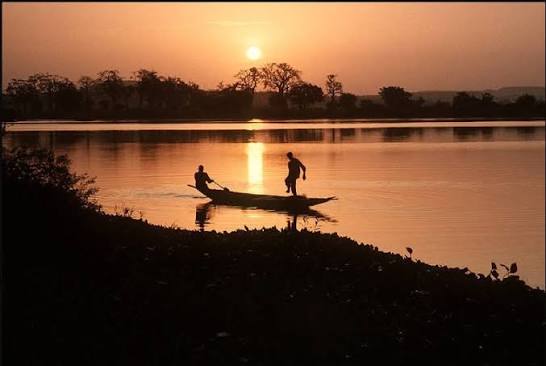
Bamako grew up around a crossing point on the Niger River in Mali's southwest, and today it is one of the fastest-growing cities in West Africa, home to somewhere between 2.5 and 3 million people from across the country's ethnic groups. The National Museum of Mali, the Grand Mosque's twin minarets, Point G Hill above the city, and the riverfront itself, where fishing pirogues work the shallows, are the core of what a visitor would see here: modest by the standards of most African capitals, but real and genuinely used by the diplomatic, NGO and business population based here.
This guide covers Bamako's neighborhoods, named hotels and restaurants, and its handful of sights the way any Atlas Guide city page would, because that infrastructure exists and is used daily. It is not, however, a recommendation to visit. Bamako sits under the same Level 4, Do Not Travel advisory as the rest of Mali, and this guide should be read with that fact in mind throughout, not just in the safety chapter below.
The honest complications
Unlike some regional capitals under comparable advisories, Bamako doesn't get treated as a safer exception by the UK Foreign Office, which advises against all travel to the capital itself as well as the rest of Mali. Coordinated attacks in April 2026 reached Bamako directly, alongside Kati, Gao, Mopti and Sévaré, and a fuel blockade that began in September 2025 has caused recurring shortages in the city ever since, easing at times when the army escorts convoys through and tightening again when JNIM reimposes it. Read this guide as a description of what exists in the capital, not as an endorsement of visiting it.
No Safer-Capital Exception, Even Here
Bamako carries the US State Department's Level 4, Do Not Travel advisory exactly as the rest of Mali does, and the UK Foreign Office draws no distinction for the capital either: as of late October 2025 it advises against all travel to Bamako itself, not only the rest of the country. That's a meaningfully different picture from some neighboring Level 4 capitals where a peacekeeping presence earns the city a softer "essential travel only" framing; nothing plays that role in Bamako.
The fuel blockade is the situation's most visible day-to-day feature: JNIM has targeted the highways carrying roughly 95% of Mali's imported fuel since September 2025, and diesel and petrol shortages in Bamako have recurred through 2026 as a result, easing when military convoys get through and tightening again when the group reimposes the blockade, including an April 2026 claim that all routes into the capital were closed. Checkpoints are routine within the city; carry identification at all times and expect delays as a matter of course.
Emergency numbers
Response and dispatch capacity is limited even in the capital. Anyone here on essential business should lean on their organization's security contacts over a phone number, alongside comprehensive insurance covering medical evacuation. The US Embassy is in the ACI 2000 district (Rue 243, Porte 297; +223 20 70 23 00, after-hours duty officer +223 66 75 28 60), though Mali suspended visa issuance to US citizens on January 1, 2026.
A City Split by the River
Bamako spreads along both banks of the Niger, with the older commercial and government center on the north bank and newer, more spread-out districts on both sides.
ACI 2000
A planned, modern district on the city's edge, ACI 2000 is where most international-standard hotels, several embassies and newer office buildings have concentrated, roughly 15 minutes from Bamako-Sénou Airport. It's the default base for business and NGO travelers precisely because it's the most consistently monitored part of the city.
Centre-ville & Niaréla
The older heart of Bamako, north of the river, holds the Grand Mosque's twin minarets, the National Museum of Mali, the central train station and the Grand Marché commercial district. Dense, chaotic in the way large West African market districts are, and the location of most of what a visitor would actually come to see.
Badalabougou
Across the Niger on the south bank, Badalabougou is a mixed residential district that holds several of the city's riverside restaurants, taking advantage of the water views the north bank's busier commercial streets don't offer.
One International Hotel, and an Established Tier Below It
Bamako's hotel scene serves diplomatic, NGO and business travelers rather than leisure tourism, and it's built around a small handful of properties that have operated consistently for years.
The Radisson Blu Hotel Bamako, in the ACI 2000 district about 15 minutes from Bamako-Sénou Airport, is the city's main international-standard property: two restaurants, an outdoor pool with a dedicated kids' pool, a spa and an on-site golf course, with rates historically running from roughly $140 up to $300 a night depending on room category. It's the default choice for business and diplomatic travelers who need consistent generator power and security given the recurring fuel disruption described in the safety chapter above.
In central Bamako, Azalaï Hotel Salam sits close to the Grand Mosque and the National Museum of Mali, a 124-room five-star property that has served as one of the city's established addresses for years. Azalaï Hotel Bamako, the same Malian hospitality group's other central property, offers a quieter courtyard setting with an outdoor pool, a separate children's pool and a spa, a step down in price from the Radisson Blu but still built for a business and NGO clientele.
A Small Scene, Best Along the River
Bamako's restaurant scene leans French-Malian and river-facing, serving a mostly diplomatic, NGO and business clientele, with Malian staples like grilled capitaine and riz au gras alongside more international menus at the riverside places.
La Terrasse
La Terrasse holds the best riverside position of Bamako's restaurants, a wide open terrace suspended above the Niger that catches the evening breeze, with French-inflected Malian cooking: lamb brochettes with herb butter, grilled fish in lemon-garlic sauce, and chicken yassa are typical of the menu.
Le Bistrot du Fleuve
Another established riverside address, serving Malian cuisine with river views, a consistent choice for the city's business and NGO diners looking for a proper sit-down meal rather than a quick lunch.
Au Bord de l'Eau
In the Sébénikoro neighborhood, Au Bord de l'Eau serves Malian cuisine with its own stretch of waterfront views, a quieter alternative to the more central riverside spots.
What the City Offers, Described for Context
Bamako's sights cover a comfortable half-day to a day: a museum, a mosque, a hilltop viewpoint and the riverfront itself. All of it is described below for what it is, not as a current recommendation, and any visit should be planned with local security guidance rather than independently.
National Museum of Mali
Near the Niger's north bank, the National Museum of Mali holds a genuinely significant collection for West Africa: ritual masks, textiles, weapons and musical instruments spanning the country's dozen-plus ethnic groups, a good primer on the culture described in the country guide's culture chapter.
The Grand Mosque
Built in the 1970s, Bamako's Grand Mosque, with twin minarets that soar over the older, central part of the city, is the center of the capital's spiritual life and one of its clearest architectural landmarks, blending traditional Sahelian mud-mosque form with mid-century concrete construction.
Point G Hill
A hill on the city's edge with panoramic views over Bamako and the Niger, particularly at sunset, and caves said to hold rock art from well before the city's modern growth. The viewpoint's appeal is real; getting there and back should be planned with current local guidance rather than independently.
The Niger riverfront
The river is Bamako's genuine public space: fishing pirogues working the shallows, laundry laid out to dry on the banks, and a real evening rhythm as the heat breaks. Several of the restaurants in the Food chapter above sit directly on this stretch, in Badalabougou and Sébénikoro.
Bamako-Sénou Airport, Then Taxis Only
Bamako-Sénou International Airport (BKO), about 15km from the city center, is Mali's main international gateway. Air France closed its Bamako office at the end of June 2026, three years after suspending flights amid deteriorating France-Mali relations, so route stability has been an issue through 2026. As of mid-2026, Ethiopian Airlines (via Addis Ababa), Air Senegal (via Dakar), Air Burkina (via Ouagadougou) and Royal Air Maroc (via Casablanca) were among the more consistently operating carriers; confirm current routing directly given how quickly this has changed, and expect no direct flights from Europe or North America.
Within the city, yellow-and-green shared taxis and moto-taxis are the standard way to move, fares agreed before you get in since meters aren't standard practice. There is no meaningful public transport network for visitors, and walking after dark is not advisable given both crime and the broader security picture. Orange Mali and Malitel are the main mobile networks, with counters at the airport; connectivity is generally reliable in Bamako itself, less so during acute phases of the fuel blockade when generators and fuel-dependent infrastructure are affected.
Reference Costs for Essential Travelers
As with the country guide, these are reference figures gathered for essential (business, diplomatic, NGO) travelers in Bamako specifically, not a suggested daily budget for a leisure trip Atlas Guide isn't recommending.
Transport & dining
Taxi fares within the city run roughly $2 to $5, agreed before the ride. A mid-range restaurant meal for two, at a place like La Terrasse or Le Bistrot du Fleuve, runs approximately $35 to $40.
Radisson Blu & the Azalaï tier
The Radisson Blu Hotel Bamako runs roughly $140 to $300 a night depending on room category. Azalaï Hotel Salam and Azalaï Hotel Bamako sit in a more modest bracket, roughly $70 to $140; confirm current rates directly given how quickly conditions and pricing shift.
Ségou, Djenné & Timbuktu, In Ordinary Times
Under normal conditions, this chapter would send you upriver: Ségou, roughly 230km northeast, host to the Festival sur le Niger each February and a quieter river-town alternative to the capital; Djenné, further on, for the Great Mosque, the largest mud-brick building on earth; and Timbuktu, the legendary Saharan trading city, at the end of the road. All three are covered in more detail, with the same safety caveats, in the Mali country guide's destinations chapter, since the roads there currently carry the same advisory as everything else in this guide.
Bamako FAQ
Is Bamako safe to visit?
No, not by ordinary travel standards. The US State Department rates the whole of Mali, including Bamako, Level 4, Do Not Travel, and unlike some regional capitals, the UK Foreign Office does not carve out an exception for Bamako either; it advises against all travel to the capital as well as the rest of the country.
What is the Bamako fuel blockade?
Since September 2025, the al-Qaeda-linked group JNIM has attacked fuel tankers and blockaded the highways carrying roughly 95% of Mali's imported fuel, causing recurring diesel and petrol shortages in the capital. The blockade has been reimposed repeatedly through 2026 despite military escorts getting convoys through at times.
Where do business and NGO travelers stay in Bamako?
The Radisson Blu Hotel Bamako in the ACI 2000 district is the city's main international-standard property. Azalaï Hotel Salam, near the Grand Mosque, and Azalaï Hotel Bamako are two long-established mid-range options used by diplomatic and NGO travelers for years.
Can I fly directly to Bamako from Europe or the US?
Not reliably. Air France closed its Bamako office at the end of June 2026 after suspending flights years earlier. Ethiopian Airlines, Air Senegal, Air Burkina and Royal Air Maroc connect Bamako through Addis Ababa, Dakar, Ouagadougou and Casablanca; confirm current routing directly given how quickly this has changed.
What can you actually see in Bamako?
The National Museum of Mali, the Grand Mosque, Point G Hill above the city, and the Niger riverfront itself, where fishing pirogues and small ferries work the water. All are described here for context, not as a current recommendation.
How do you get around Bamako?
Yellow-and-green shared taxis and moto-taxis, with the fare agreed before getting in since meters aren't standard. There is no meaningful public transport network for visitors, and walking after dark is not advisable.
What currency is used in Bamako?
The West African CFA franc (XOF), pegged to the euro at a fixed rate of 655.957 XOF per euro. Carry cash reserves; ATMs exist in central Bamako but cannot be assumed reliable, especially during acute phases of the fuel blockade.
What Stays With You
Bamako's relationship with the Niger is the one thing in this guide that isn't complicated by any advisory: fishing pirogues working the shallows at dawn, laundry laid out along the banks, the heat breaking as the sun drops behind Point G. Everything else here, the museum, the mosque, the hotels built for a diplomatic clientele, has grown up around that same stretch of river, under conditions that have made this guide necessary in its current, cautious form.
The honest answer to whether to visit right now is still no, beyond essential purposes carried out with a real security plan. This page exists so that the city's real, if modest, infrastructure isn't lost to the advisory that currently and correctly overrides every other answer about Bamako.