
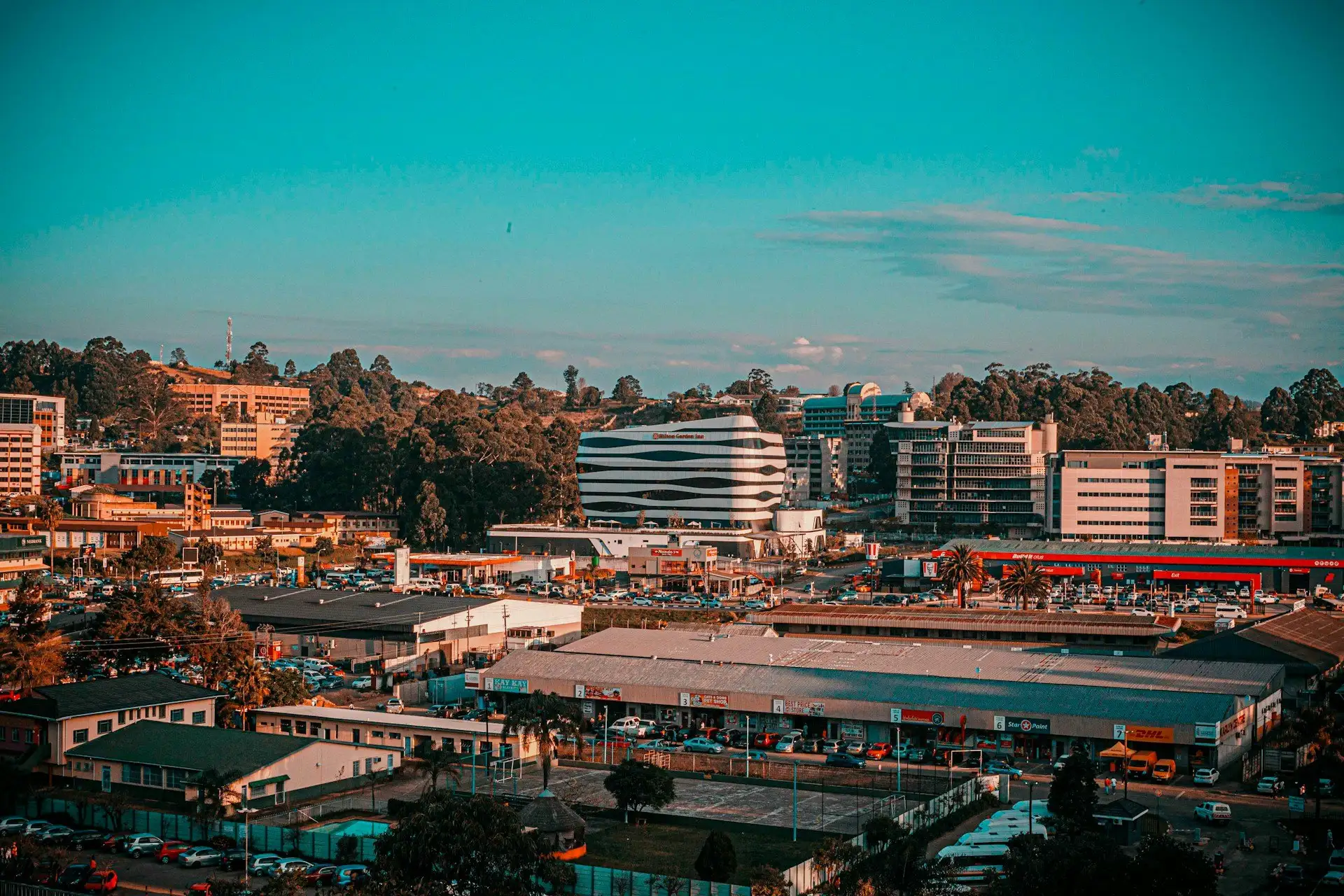
What You're Actually Getting Into
Eswatini is one of the smallest countries in Africa and one of the least visited relative to what it offers, mostly because it sits in the shadow of two enormous neighbors. Most travelers who make it here are already in South Africa, on their way to or from Kruger, and treat Eswatini as a detour. The ones who actually stop find a country with a working rhino population at Mkhaya and Hlane, hiking in the Malolotja highlands that rivals anywhere in the Drakensberg, and a genuinely intact royal culture: this is one of the world's last absolute monarchies, and King Mswati III's court still runs ceremonies like the Umhlanga Reed Dance and the Incwala First Fruits festival that are not staged for tourists but simply continue to happen, with visitors welcome to watch from the edges.
The country renamed itself from Swaziland to Eswatini in 2018, King Mswati III's decision to use the Swazi people's own name for their kingdom rather than the colonial-era English one, and to stop being confused with Switzerland on passport control forms. The name change is recent enough that older maps, some hotel signage and plenty of long-time expats still say Swaziland; both names refer to the same country.
The honest complications
Eswatini is an absolute monarchy with no free press to speak of and no legal political parties contesting elections for government; this is not a footnote, it shapes daily life and is worth understanding before you go, even though it rarely intersects visibly with a tourist's week. International flight connectivity is thin: King Mswati III International Airport has limited direct routes, so most visitors arrive overland from South Africa, which is easy but means factoring border-crossing time into the itinerary. The lowveld reserves, Hlane and Mkhaya, carry malaria risk year-round, while Mbabane and the highveld do not, so prophylaxis planning depends on exactly where your trip goes. And public transport outside the kombi minibus network is thin, so a rental car or private transfers make the trip considerably easier than trying to do it independently on local transport.
A History Worth Knowing
The Swazi nation coalesced in the early 19th century under King Sobhuza I, who led his people north to escape conflict with the Zulu kingdom and settled the highlands that are now central Eswatini. British and Boer pressure through the late 1800s eroded Swazi sovereignty without ever fully erasing it, and Eswatini became a British protectorate in 1903, regaining independence in 1968. King Mswati III, on the throne since 1986 at eighteen, presides over the last of Africa's true absolute monarchies, ruling alongside the Ndlovukati, the Queen Mother, in a dual-monarchy structure that predates colonial rule and has survived it.
- Early 1800s
The Swazi nation forms. King Sobhuza I leads his people into the highlands of what is now Eswatini, consolidating clans under Swazi rule.
- 1903
British protectorate. Eswatini (then Swaziland) comes under British administration after the Boer War, while retaining its monarchy and traditional governance structures.
- 1968
Independence. Swaziland regains full independence on 6 September, with King Sobhuza II as head of state.
- 1986
King Mswati III crowned. At eighteen, he becomes the world's youngest reigning monarch at the time and remains on the throne today.
- 2018
Renamed Eswatini. King Mswati III changes the country's official name from Swaziland to the Kingdom of Eswatini, meaning "Land of the Swazis."
- 2021
Pro-democracy protests. The largest unrest in the kingdom's modern history follows calls for multi-party democracy; the monarchy remains in place and political reform has been gradual since.
Read the full history: the dual monarchy, colonial land loss and the path to today
The Swazi dual-monarchy system, King and Ndlovukati (Queen Mother) ruling jointly, is a defining feature of Swazi governance and predates European contact. Traditionally the Ndlovukati holds spiritual authority and oversees rituals like Incwala, while the King holds executive and military authority; the two roles balance and check each other in a system that has proven remarkably durable.
The late 19th century was rough on Swazi sovereignty even as the monarchy itself survived: competing British and Boer concession-hunters extracted mining, grazing and land rights from King Mbandzeni in the 1880s on a scale that left the kingdom with a fraction of its original land under Swazi control by the time of the protectorate, a grievance that shaped land policy for decades after independence.
King Sobhuza II, who reigned from 1921 (as an infant, with regents, then in his own right from 1921 onward) until his death in 1982, is the towering figure of modern Swazi history: he steered the kingdom to independence in 1968, then in 1973 suspended the independence-era constitution and concentrated power in the monarchy, the system his son Mswati III inherited and maintains.
2021 and after. Protests calling for multi-party democracy and an end to the ban on political parties turned into the most serious unrest of Mswati III's reign, with dozens killed in clashes with security forces according to human rights groups. The monarchy has not fundamentally changed since, though dialogue processes have continued in fits and starts. None of this has translated into meaningful risk for tourists, whose experience of the country remains centered on wildlife, hiking and craft culture far from the political friction.
Top Destinations
Eswatini is small enough that nowhere is more than a half-day's drive from Mbabane, which makes it one of the easiest countries in Africa to see thoroughly in under a week. The country splits naturally into four zones: the Ezulwini Valley and central highlands around the capital, the wildlife reserves of the eastern lowveld, the mountain hiking of the northwest, and the craft and arts scene clustered around Malkerns.
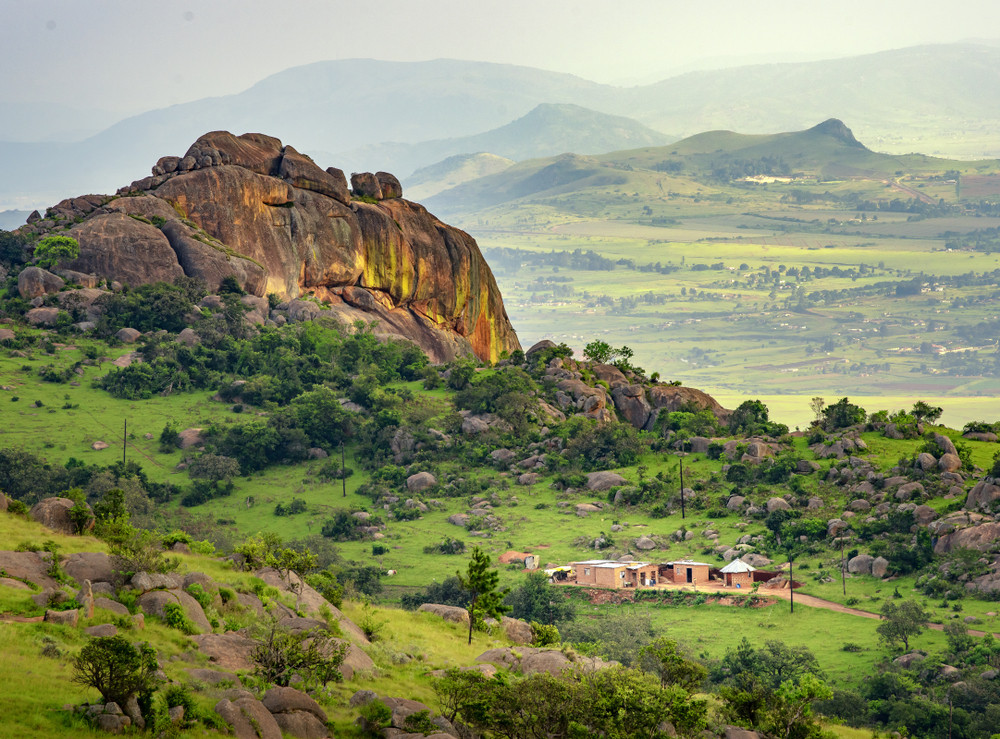
The Valley of Heaven
The Ezulwini Valley runs between Mbabane and Manzini and is where most of Eswatini's tourism infrastructure, and most of its main sights, are concentrated: hotels, craft markets, spas and the royal village of Lobamba, where the Umhlanga Reed Dance and Incwala ceremonies take place. Mantenga Cultural Village, a living reconstruction of a 19th-century Swazi homestead on the valley floor, runs daily traditional dance performances including Sibhaca, the high-kicking Swazi dance style, alongside the Mantenga Nature Reserve's waterfall trail. Mlilwane Wildlife Sanctuary, Eswatini's oldest protected area, has no predators, which means you can explore on foot, by mountain bike or on horseback among zebra, warthog, and antelope, an unusually relaxed introduction to African wildlife for a first safari.
Hlane Royal National Park
Eswatini's largest protected area and a royal hunting ground turned reserve, Hlane has the highest concentration of rhino in southern Africa alongside elephant and lion, all viewable on self-drive routes or guided game drives. Ndlovu Camp, the main rest camp, overlooks a busy waterhole with a Kruger-style bushveld atmosphere: self-catering cottages, a curio shop and an open-air restaurant, with entry around 70 rand ($4) per person per day plus separate accommodation and activity fees.
Mkhaya Game Reserve
A private reserve specializing in black and white rhino, widely regarded as one of the best rhino-tracking experiences in the region, with sightings often on foot at close, carefully guided range. Access is by pre-arranged transfer only, no self-drive, which keeps the reserve quiet and the animals unhabituated to general traffic. Package rates covering transfers, guiding, accommodation and conservation fees typically run $130-330 depending on season and camp.
Sibebe Rock
Fifteen minutes outside Mbabane, Sibebe is a three-billion-year-old granite dome rising nearly 1,500 meters, the world's largest exposed granite monolith after Australia's Uluru. Guided hikes climb the bare rock face for panoramic views over the Ezulwini Valley; Sibebe Resort at the base runs guided ascents alongside quad biking, ziplining and caving for those who want more than a hike.
Malolotja Nature Reserve
Eswatini's premier hiking reserve, a stretch of rolling highveld grassland and dramatic cliffs in the northwest with trails from an hour to multi-day backpacking routes, plus the country's most serious adventure activity: the Malolotja Canopy Tour, eleven platforms, ten ziplines and a 50-meter suspension bridge over the Majolomba River, reached by open game-vehicle drive through terrain where blesbok, eland and zebra sightings are routine.
Malkerns Valley
A short drive south of Ezulwini, Malkerns is Eswatini's arts and craft cluster. Ngwenya Glass, near the Ngwenya border post, blows recycled glass into animal figurines and tableware in an open workshop visitors can watch for free, with proceeds from its Rhino & Elephant Fund line supporting Mkhaya's conservation work. Swazi Candles does the same for hand-painted candles carved into African wildlife shapes. Malandela's, home to the House on Fire performance venue and the Gone Rural weaving studio, anchors the valley's arts scene and hosts the annual MTN Bushfire festival over the last weekend of May, one of the biggest performing arts festivals in southern Africa.
Beyond the main circuit
With extra days, these round out a trip that already covers the highlights well.
Ngwenya Mine
One of the world's oldest known mines, worked for red hematite ochre as far back as 43,000 years ago, with a small visitor center explaining the archaeology. A quiet, under-visited stop most itineraries skip entirely.
Manzini Market
Eswatini's largest urban market, hot and crowded but the most authentic Swazi market experience in the country: produce, traditional medicine stalls, and crafts at prices well below the Ezulwini tourist stalls.
Phophonyane Falls
A private nature reserve around a waterfall in the northern lowveld, with walking trails and a lodge built into the rock; far quieter than Malolotja and rarely crowded even in high season.
Culture & Etiquette
Swazi culture centers on respect for age, hierarchy and the monarchy, expressed through everyday courtesy as much as through royal ceremony. Greetings matter more here than in most Western cultures: skipping a proper greeting before getting to business is read as rude, regardless of how rushed you are. English is widely spoken in Mbabane and tourism settings, but a few siSwati phrases go a long way, and the traditional dress, the emahiya cloth wraps worn by both men and women, is worth understanding rather than photographing without context.
Do
- Greet before you ask. "Sawubona" (hello) and a moment of small talk before any request, even a shop transaction, is standard and appreciated.
- Dress modestly at cultural sites and rural villages. Shoulders and knees covered is a safe default outside the beach-free lowveld heat.
- Ask before photographing people, especially in traditional dress or at ceremonies. A friendly ask is almost always met with a yes.
- Use your right hand, or both hands, to give and receive money, food or gifts; the left hand alone reads as disrespectful.
- Learn a few siSwati words. Sawubona (hello), Ngiyabonga (thank you), Yebo (yes). Effort is noticed and rewarded with warmth.
Don't
- Criticize the monarchy openly. Political speech is genuinely restricted here in ways it is not in most tourist destinations; this is not the place for that conversation with strangers.
- Photograph the sacred days of Incwala or restricted moments of Umhlanga without explicit local guidance on what is permitted.
- Assume Rand and Lilangeni are interchangeable outside Eswatini. Rand spends fine here, but Emalangeni are not accepted in South Africa; spend them before you cross back.
- Wander lowveld bush trails alone. Reserves like Hlane are unfenced from open camps in places; follow camp guidance on walking after dark.
- Rush the greeting. Getting straight to business without acknowledging the person first is one of the more noticeable ways visitors read as brusque.
Deeper culture: the dual monarchy, Sibhaca dance and traditional dress
The dual monarchy. The King and the Ndlovukati (Queen Mother) rule jointly, a structure predating colonial contact: the King holds executive and military authority, the Ndlovukati spiritual and ceremonial authority, particularly around Incwala. Understanding this dual structure explains much of what a visitor sees at Lobamba, the royal village.
Sibhaca. The high-energy, high-kicking traditional dance performed at Mantenga Cultural Village and at national ceremonies, originally developed among Swazi migrant mineworkers in the early 20th century as a competitive dance style, now a core piece of Swazi cultural identity performed for both ceremony and visiting audiences.
Traditional dress. The emahiya, brightly patterned cloth wraps, are everyday wear for many Swazis, not just ceremonial costume, alongside beadwork that can indicate marital and social status to those who can read it. Buying emahiya or beadwork at a craft market is a welcomed purchase, not an appropriation concern, since it directly supports the artisans who make it.
Food & Drink
Swazi food is built on maize and sorghum staples, grilled meat and a South African-influenced braai culture, with the most authentic versions found at market food stalls rather than hotel restaurants. Mbabane's Gwamile Street, running past the Swazi Plaza and the central market, is the best single stretch for both.
Sishwala ~$1
Thick maize porridge, the Swazi staple, served alongside sidvudvu (pumpkin) or tinkhobe (boiled maize kernels) and a meat or vegetable stew. The everyday meal of the country, cheap and filling at market stalls.
Braai & Street Grills ~$1.10
Boerewors (spiced sausage) and roasted corn cooked streetside along Gwamile Street, sold for around 20 emalangeni ($1.10) for a full meal. The smell alone is most people's introduction to Mbabane.
Incwancwa & Umbidvo
Incwancwa is a sour fermented mealie porridge, an acquired taste most visitors only encounter at a homestead meal. Umbidvo wetintsanga, pumpkin leaves cooked with ground peanuts, is a milder and more approachable side worth ordering if offered.
Siphuphe Semabhontjisi
A thick porridge of mashed beans, another homestead staple, often served alongside sishwala rather than on its own.
Emasi Emabele
Ground sorghum mixed with sour milk, a traditional breakfast dish, tangy and filling; more common in rural areas than in Mbabane restaurants.
Game Meat $8-18
Kudu, springbok and other game feature on Mbabane's upmarket menus, a legacy of the country's ranching and reserve culture. Finesse on Gwamile Street does a kudu carpaccio worth ordering.
When to Go & Itineraries
May to September, the dry winter season, is best for wildlife: cooler daytime temperatures, thinner vegetation for game viewing at Hlane and Mkhaya, and no increase in mosquito activity from summer rains. October to April is hotter and wetter, with the lowveld's malaria risk at its highest, though the highlands stay green and the hiking at Malolotja is at its most dramatic. The MTN Bushfire arts festival, the last weekend of May, is worth building a trip around if the dates line up.
All seasons compared, with temperatures
| Season | Verdict | Temps | Notes |
|---|---|---|---|
| May-Sep (dry winter) | Best | 8-23°C highveld, 12-28°C lowveld | Best game viewing, cool nights, Bushfire Festival in late May |
| Oct-Nov (spring) | Good | 15-28°C | Warming up, first rains, green landscapes returning |
| Dec-Feb (summer) | Hot, wet | 18-32°C lowveld | Peak malaria risk in lowveld, Incwala ceremony in Dec |
| Mar-Apr (autumn) | Good | 14-26°C | Rains easing, good value shoulder season |
Mbabane and the highveld run noticeably cooler than the eastern lowveld reserves year-round; pack a layer for Mbabane evenings even in the dry season.
Itineraries
Eswatini's compact size means even a short trip covers real ground. Four days hits the essentials well; a week allows both lowveld reserves and unhurried time in the highlands.
- Day 1
Mbabane & Ezulwini. Sibebe Rock hike in the morning, Mantenga Cultural Village's afternoon dance performance, dinner at The Calabash.
- Day 2
Malkerns. Ngwenya Glass and Swazi Candles workshops, lunch at Malandela's, an afternoon at Mlilwane Wildlife Sanctuary.
- Day 3
Hlane Royal National Park. Drive to the lowveld, self-drive or guided game viewing for rhino, elephant and lion, overnight at Ndlovu Camp.
- Day 4
Return via Manzini. Morning game drive, stop at Manzini Market on the way back to Mbabane or onward to the South African border.
- Days 1-2
Mbabane & Ezulwini. Sibebe Rock, Mantenga Cultural Village, craft markets, settle into the pace of the valley.
- Day 3
Malolotja Nature Reserve. A full day of highland hiking, or the canopy tour's ziplines and suspension bridge for those who want adrenaline over solitude.
- Day 4
Malkerns Valley. Ngwenya Glass, Swazi Candles, Gone Rural, and House on Fire if there's an evening show on.
- Days 5-6
Hlane and Mkhaya. A night at each: Hlane's self-drive waterhole camp, then Mkhaya's guided on-foot rhino tracking for the closer, quieter encounter.
- Day 7
Manzini & departure. Manzini Market for a last round of crafts, then onward to King Mswati III International Airport or the South African border.
Getting there & around
Most visitors drive in from South Africa via the Oshoek/Ngwenya border post near Mbabane, an easy 1.5-hour add-on from Johannesburg or a natural stop on a Kruger circuit; the Lavumisa and Golela crossings serve the south and Mozambique-adjacent routes. King Mswati III International Airport (SHO), about 80km from Mbabane near Sikhuphe, has limited direct international routes and mostly connects via Johannesburg on Eswatini Air and regional carriers. A rental car is the most practical way to see the country given thin public transport outside kombi minibus routes, which cover main towns but not reserve gates.
All transport options with prices: airport transfers, kombis, car rental
| Option | Price | Notes |
|---|---|---|
| Airport transfer/taxi | E450-800 ($28-49) | Private car from SHO to Mbabane or Ezulwini; pre-book through your hotel where possible. |
| Kombis (minibuses) | E10-30/route | Cover Mbabane, Manzini and main towns; no fixed schedule, leave when full, best for light-packing travelers. |
| Car rental | $35-60/day | Available at the airport and in Mbabane; a South African driving license or IDP works. Essential for reaching reserve gates. |
| Overland from South Africa | Free (own car) | Oshoek/Ngwenya border near Mbabane, roughly 1.5 hrs from Johannesburg; straightforward crossing for rental cars with the right paperwork. |
Practical prep: confirm your rental car's cross-border paperwork before leaving South Africa, since not all rental agreements permit it. Buy a local SIM at the airport or in Mbabane for data (signal is thin in parts of Malolotja and the lowveld reserves), and if your route includes Hlane or Mkhaya, talk to a travel clinic about malaria prophylaxis in advance.
Where to stay
Mbabane guesthouses
Family-run and central, the cheapest comfortable option in the country. The Haven Guest House Thembelihle and Eden Guest House are reliable, well-located picks close to Gwamile Street.
Mbabane mid-range
The Place Guest House and the Hilton Garden Inn Mbabane cover the business and comfort-focused mid-range, both a short drive from Ezulwini's restaurants and craft markets.
Sibebe Resort
At the base of Sibebe Rock, a resort built around the hike itself, with quad biking, ziplining and caving on site: the pick for travelers who want adventure activities without driving between them.
Reserve camps
Ndlovu Camp at Hlane overlooks a busy waterhole with a bushveld rest-camp atmosphere; Mkhaya's camps are pre-arranged transfer only as part of a guided package.
Budget Planning
Eswatini is noticeably cheaper than a comparable South African safari, with the Lilangeni pegged 1:1 to the Rand and South African Rand notes accepted everywhere, so there's no need to change money if you're arriving overland. Budget travelers do well on guesthouses and market food; the main cost driver is reserve packages at Mkhaya and Hlane, which bundle transfers, guiding and conservation fees into the room rate.
- Mbabane guesthouse $30-45
- Market meals & street food $3-6
- Kombi minibuses between towns
- Free Ngwenya Glass & Swazi Candles visits
- Mid-range hotel or Sibebe Resort
- Restaurant meals $10-20/person
- Rental car $35-60/day
- One night at Hlane's Ndlovu Camp
- Mkhaya guided rhino-tracking package
- Private transfers & guided game drives
- Fine dining in Mbabane and Ezulwini
- Malolotja Canopy Tour and other activities
Quick reference prices: food, transport, entry fees
| Street food meal (Gwamile St) | ~$1.10 |
| Sishwala with stew, market stall | ~$1-2 |
| Restaurant meal (mid-range) | $8-18 |
| Hlane park entry | ~$4/day |
| Kombi fare, main routes | $0.60-1.80 |
| Airport transfer to Mbabane | $28-49 |
| Rental car | $35-60/day |
| Mbabane guesthouse | $30-45/night |
| Mkhaya package (per person) | $130-330 |
Prices reflect July 2026 research and drift over time, especially reserve packages. Treat them as a planning baseline, not a quote.
Visa & Entry
Most Western passport holders, including the US, UK, EU members and most of the Commonwealth, enter Eswatini visa-free for up to 30 days. Entry is by passport at King Mswati III International Airport or at any of the land borders with South Africa or Mozambique. Rules and exemption lists do change, so confirm against an official source rather than a third-party visa site before flying.
✓ Valid passport
At least 6 months validity from date of entry is the commonly requested standard; carry a photocopy separate from the original.
✓ Yellow fever certificate
Required only if arriving from a country with risk of yellow fever transmission; not required for direct arrivals from most Western countries.
✓ Onward travel
May be requested at land borders or the airport, particularly for one-way arrivals; a return or onward ticket is a safe thing to carry.
✓ Not a South African visa
Eswatini's visa-free entry is separate from South Africa's; check your South African entry requirements independently if arriving overland from Johannesburg.
| Eswatini | Lesotho | |
|---|---|---|
| Landscape | Valley lowveld and bushveld reserves, warmer overall | High-altitude "Mountain Kingdom," colder, more dramatic peaks |
| Wildlife | Rhino, elephant and lion at Hlane and Mkhaya | Minimal big game; the draw is scenery and pony trekking |
| Governance | Absolute monarchy, King Mswati III | Constitutional monarchy with an elected parliament |
| Access | Easy add-on to a Kruger or Johannesburg trip | Fully surrounded by South Africa, a longer detour from most routes |
| Budget | $35-55/day gets a comfortable budget trip | Similarly affordable, with pony trekking as the signature spend |
Safety, Solo Women & Family
Eswatini is a moderate-risk, manageable destination for tourists: violent crime against visitors is uncommon, but petty theft and pickpocketing occur in Mbabane and Manzini, particularly around markets, bus ranks and after dark. The reserves and rural highlands are calmer than the two main towns. Standard city awareness, the kind you'd use in any mid-sized African capital, covers most of the risk.
Petty theft
Pickpocketing and bag-snatching cluster around Mbabane and Manzini's markets and bus ranks. Keep valuables secured and avoid displaying phones or cash openly in crowded areas.
Night travel
Avoid walking in Mbabane or Manzini after dark; use a pre-arranged taxi or your guesthouse's transfer instead. Driving between towns at night carries the added risk of livestock on unlit roads.
Malaria (lowveld only)
Hlane, Mkhaya and the eastern lowveld carry year-round malaria risk; Mbabane and the highveld do not. Plan prophylaxis around your specific itinerary with a travel clinic before departure.
Two more things worth knowing: political speech and LGBTQ+ travelers
Political speech. Eswatini is an absolute monarchy with genuine restrictions on criticism of the King and government; this is not a place to debate local politics with strangers or online, even casually. It has no practical bearing on a standard tourist itinerary, but it's worth knowing before you go.
LGBTQ+ travelers. Male same-sex activity is technically prohibited under colonial-era law, though enforcement is effectively nonexistent, with no recorded arrests or prosecutions for consensual same-sex conduct in recent years, and Eswatini rates as more tolerant on the ground than many neighboring countries. Discretion in public affection is still the sensible default, as it would be in much of the region.
Solo women travelers
Eswatini is manageable for solo women with the same precautions that apply across most of southern Africa: avoid walking alone after dark in Mbabane and Manzini, use pre-arranged transport rather than hailing taxis on the street, and dress modestly at cultural sites and rural villages. The reserves and guided activities, Mkhaya's rhino tracking and the Malolotja Canopy Tour among them, are well set up for solo travelers joining organized groups.
Emergency numbers
Healthcare in Mbabane and the 112 caveat
112 is not consistently reliable in Eswatini the way it is in Europe; use the direct numbers above instead. Mbabane Government Hospital and several private clinics handle routine care, but serious emergencies, especially in remote reserve areas, may require evacuation to Johannesburg; comprehensive travel insurance with medical evacuation cover is worth having for any lowveld or highland hiking itinerary.
Reserve safety: Hlane's camps sit inside an unfenced section of the park in places, and camp staff brief every arrival on walking rules after dark. Follow their guidance without exception; this is standard practice at bushveld camps across the region, not an unusual restriction.
Family travel
Eswatini works well for families: Mlilwane's predator-free trails let kids explore on foot or bike at close range to wildlife, Mantenga Cultural Village's dance performances hold younger attention better than a standard museum, and Sibebe Resort's activities (ziplining, quad biking) give older kids and teens something active. The main planning consideration is malaria prophylaxis for any lowveld nights, worth discussing with a pediatric travel clinic in advance.
Eswatini FAQ
Is Eswatini safe to visit?
Yes, with normal city awareness. Violent crime against tourists is uncommon, though petty theft and pickpocketing occur in Mbabane and Manzini, especially after dark. Rural areas and the main tourist reserves are calm.
Do I need a visa for Eswatini?
Most Western passport holders, including the US, UK, EU and most of the Commonwealth, enter visa-free for up to 30 days. Check the current list before flying since exemptions vary by nationality.
What currency does Eswatini use?
The Lilangeni (plural Emalangeni, SZL), pegged 1:1 to the South African Rand. Rand notes are accepted everywhere, so there's no need to convert if arriving from South Africa, though Lilangeni can't be spent outside Eswatini.
How much does Eswatini cost per day?
Budget travelers manage on $35-55 a day with guesthouses and local food. Mid-range, with a private game reserve night included, runs $100-180. It's noticeably cheaper than a South African safari of comparable quality.
When is the best time to visit Eswatini?
May to September, the dry winter season: cooler temperatures, thinner bush for game viewing, and no malaria risk increase from standing water. The Bushfire arts festival falls in late May, a strong reason to time a trip around it.
Can I see rhinos in Eswatini?
Yes. Mkhaya Game Reserve is one of the best rhino-viewing experiences in southern Africa, and Hlane Royal National Park has the highest concentration of rhino in the region alongside elephant and lion.
Is Eswatini the same as Swaziland?
Yes. King Mswati III renamed the country from Swaziland to Eswatini in 2018, meaning Land of the Swazis in siSwati, to avoid confusion with Switzerland and to use the country's own name for itself.
Is Eswatini a monarchy?
Eswatini is one of the world's last absolute monarchies. King Mswati III governs alongside the Ndlovukati, the Queen Mother, in a traditional dual-monarchy structure unique to Swazi culture.
How do I get to Eswatini?
Most visitors drive in from South Africa via the Oshoek or Ngwenya border posts near Mbabane, an easy add-on to a Kruger or Johannesburg trip. King Mswati III International Airport has limited direct international routes, mostly connecting via Johannesburg.
Is there malaria risk in Eswatini?
The lowveld, including Hlane and Mkhaya, carries malaria risk year-round. Mbabane and the highveld are malaria-free. Talk to a travel clinic about prophylaxis if your itinerary includes the lowveld reserves.
What language is spoken in Eswatini?
siSwati and English are both official languages. English is widely spoken in Mbabane, tourism businesses and government offices, so visitors rarely face a language barrier.
How many days do you need in Eswatini?
Four to five days covers the highlights well: Mbabane and the Ezulwini Valley, Malolotja for hiking, and a night or two at a lowveld reserve for rhino. A week allows a slower pace and both Hlane and Mkhaya.
What Stays With You
Eswatini gets treated as a footnote to South Africa by most itineraries that pass anywhere near it, and that undersells a country that is doing rhino conservation as well as almost anywhere on the continent, still runs royal ceremonies that were never designed for an audience, and packs a genuine highland hiking reserve, a working glass and craft economy, and a granite dome the size of a small mountain into a country you can drive across in a few hours.
Go for the rhinos at Mkhaya, stay for the fact that almost nobody else on your feed has been here yet.